Malta: Where Neighbourhood Rhythm Beats Price Tags
Malta blends compact Mediterranean living with a price‑pressured market; match neighbourhood rhythm to property type and use local data to make confident choices.
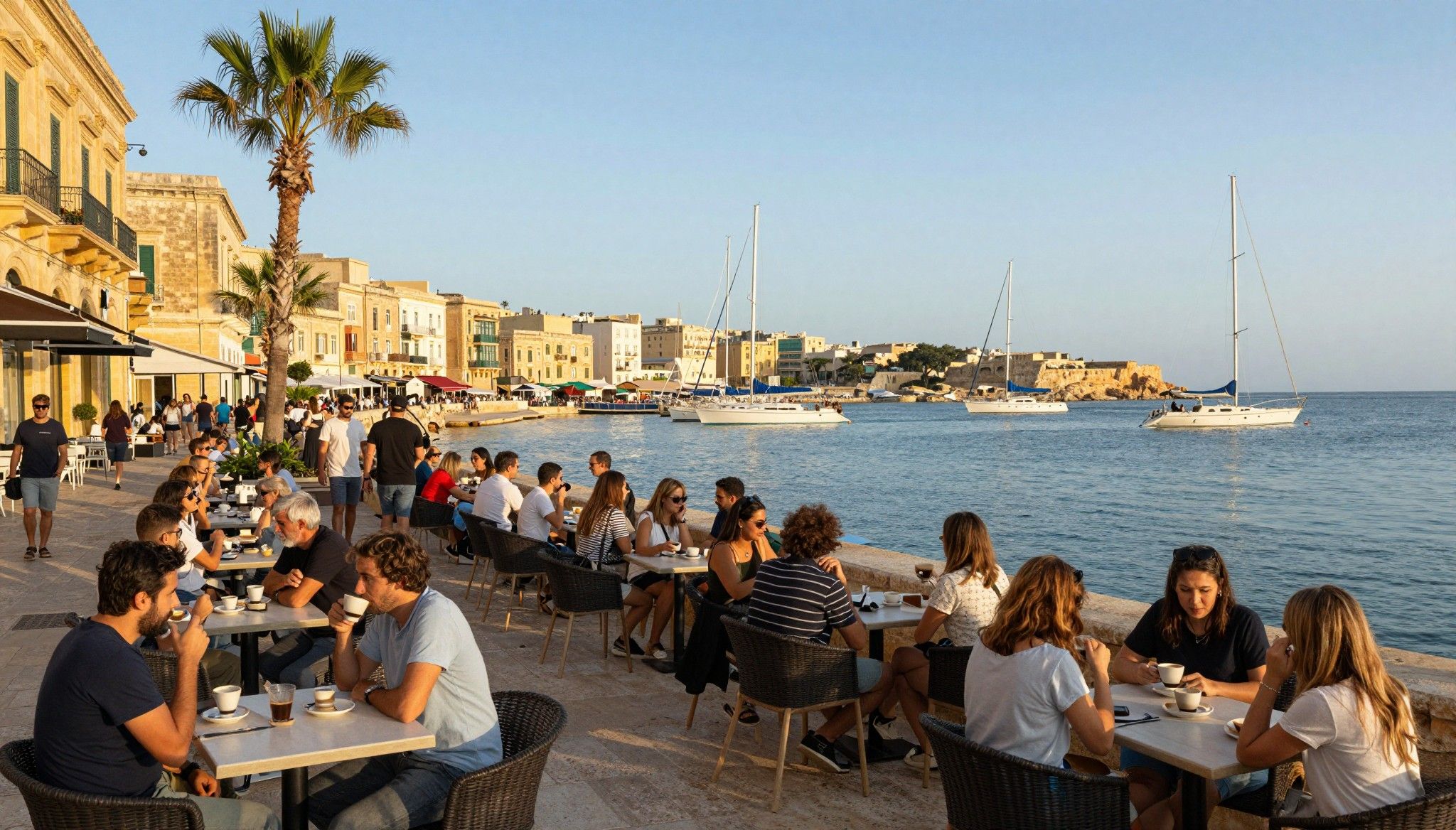
Imagine waking to espresso steam on a limestone balcony, the harbour’s small boats bobbing while a pastry seller calls the morning — that’s Malta in a sentence. But behind the postcard life is a compact, price‑pressured market shaped by tourism, residency schemes and a tiny island’s supply limits. For international buyers this tension creates both lifestyle opportunity and decision points you won’t see from afar.
Living the Malta lifestyle
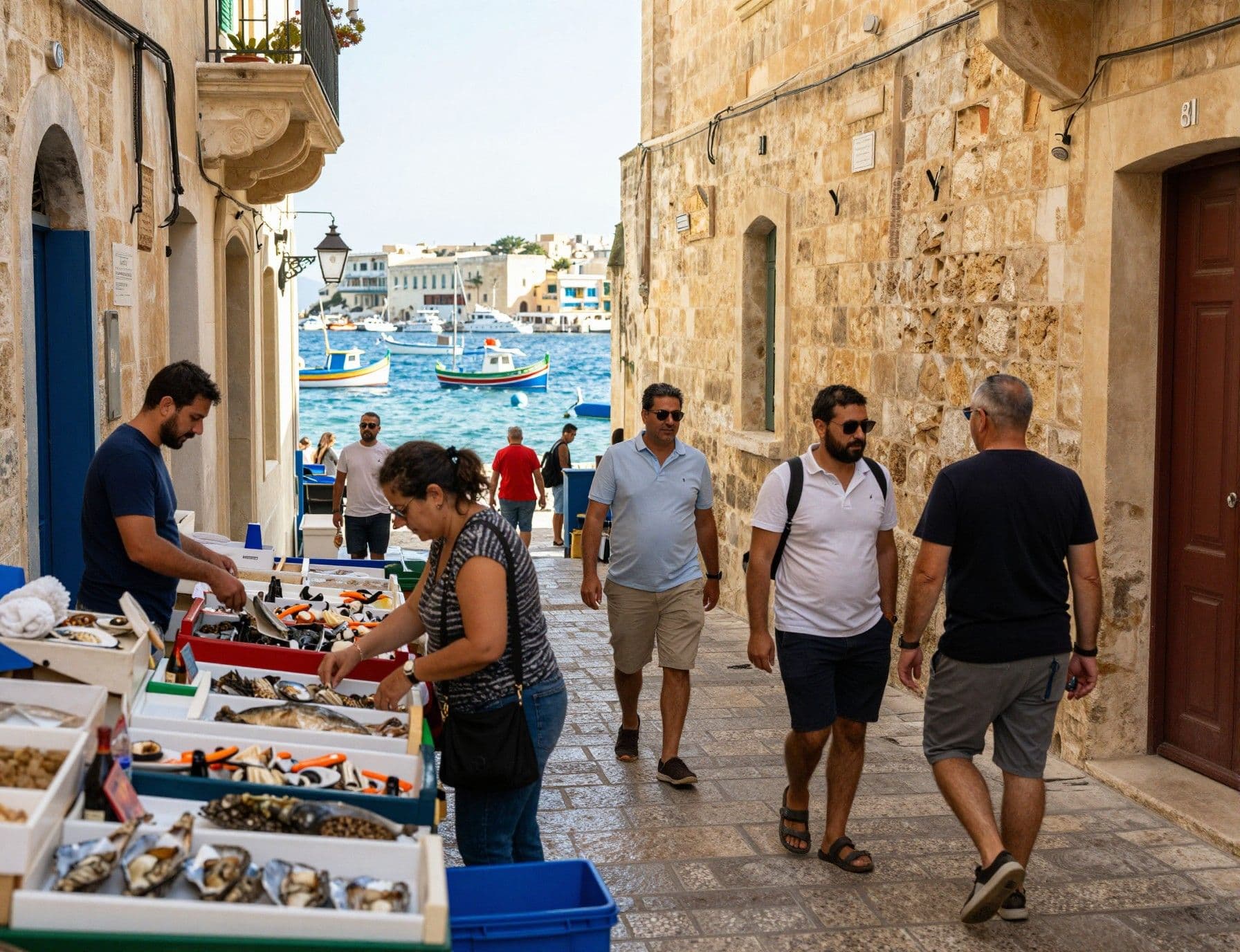
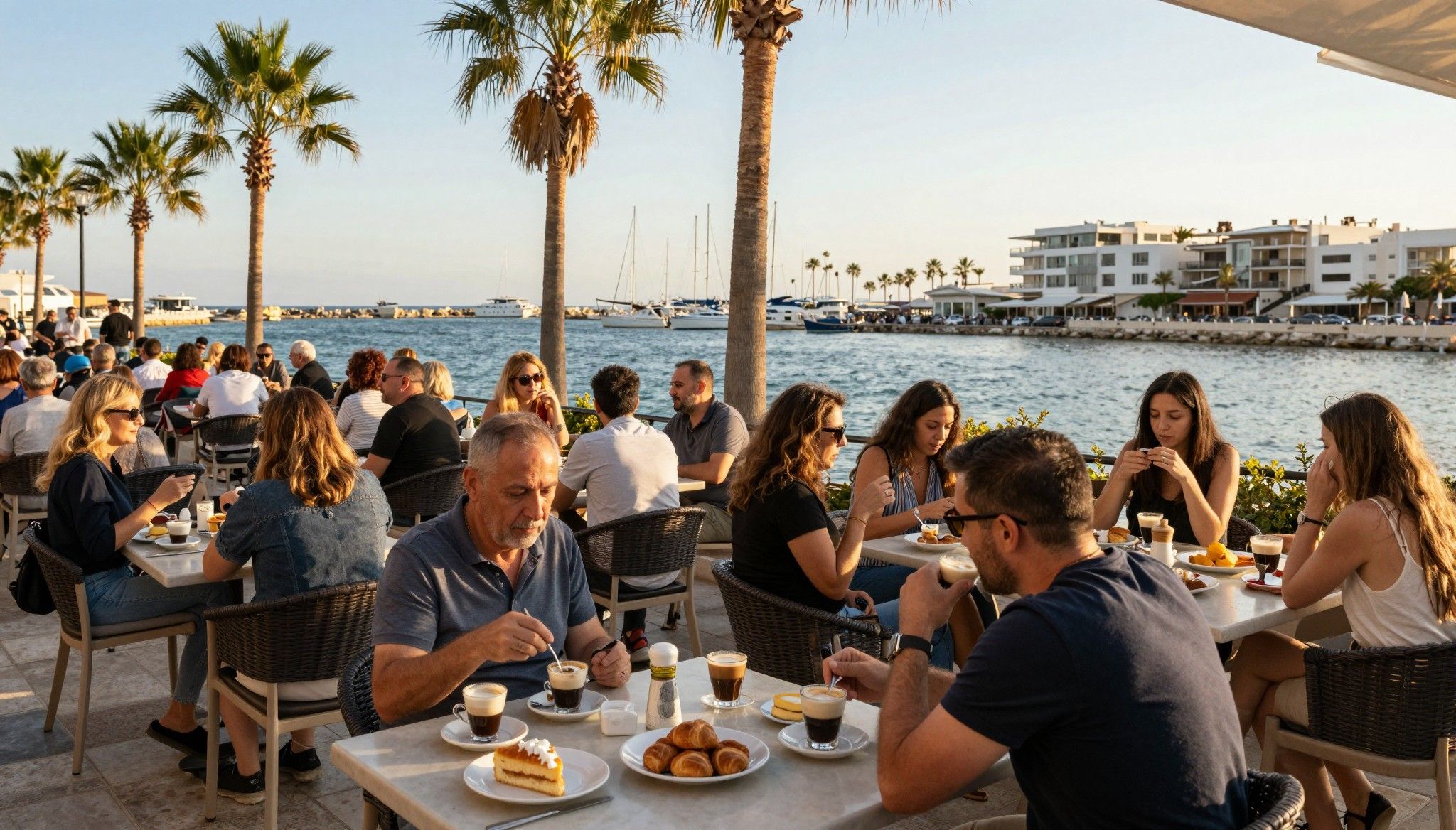
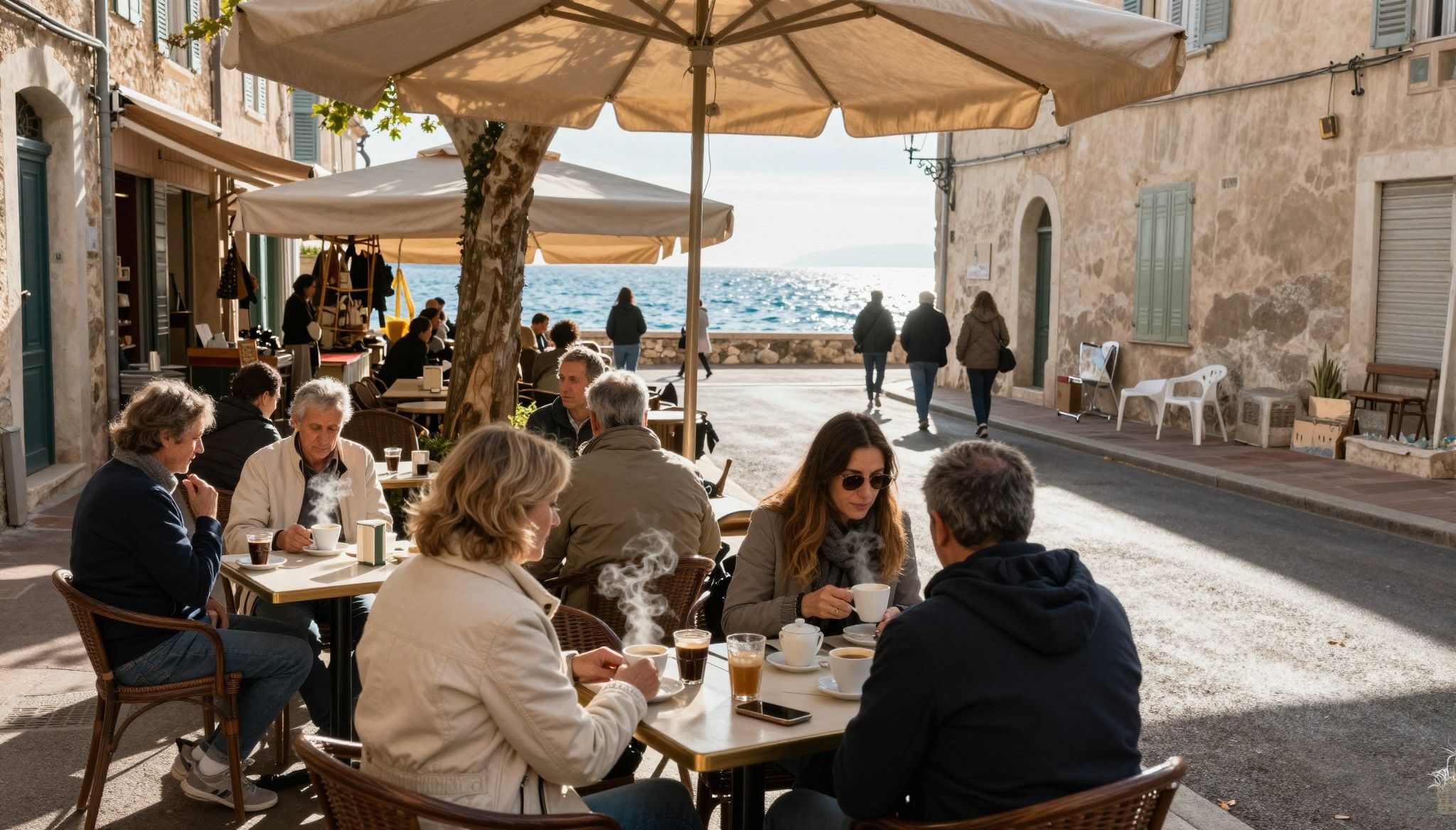
Malta’s rhythms are Mediterranean and dense: mornings in neighbourhood cafés, afternoons by rocky bays, evenings that tilt between lively St Julian’s and the intimate lanes of Rabat. English is widely spoken, so daily life — utilities, healthcare appointments, school enquiries — feels accessible to many internationals. Yet the island’s compactness means your neighbourhood choice immediately determines what you hear, shop and who you spend time with.
Valletta & The Three Cities: history with a sea soundtrack
Valletta’s baroque streets give a European‑capital feel in miniature: museums, harbour promenades and tight terraces where neighbours still know each other. Cross the Grand Harbour at dawn to find Vittoriosa’s quiet marinas and Senglea’s ridge walks. Properties here are characterful — maisonettes, converted townhouses — and live like a permanent holiday; they suit buyers who prize walkability and cultural density over big gardens.
Sliema, St Julian’s & Gzira: coastlines, cafes and rental liquidity
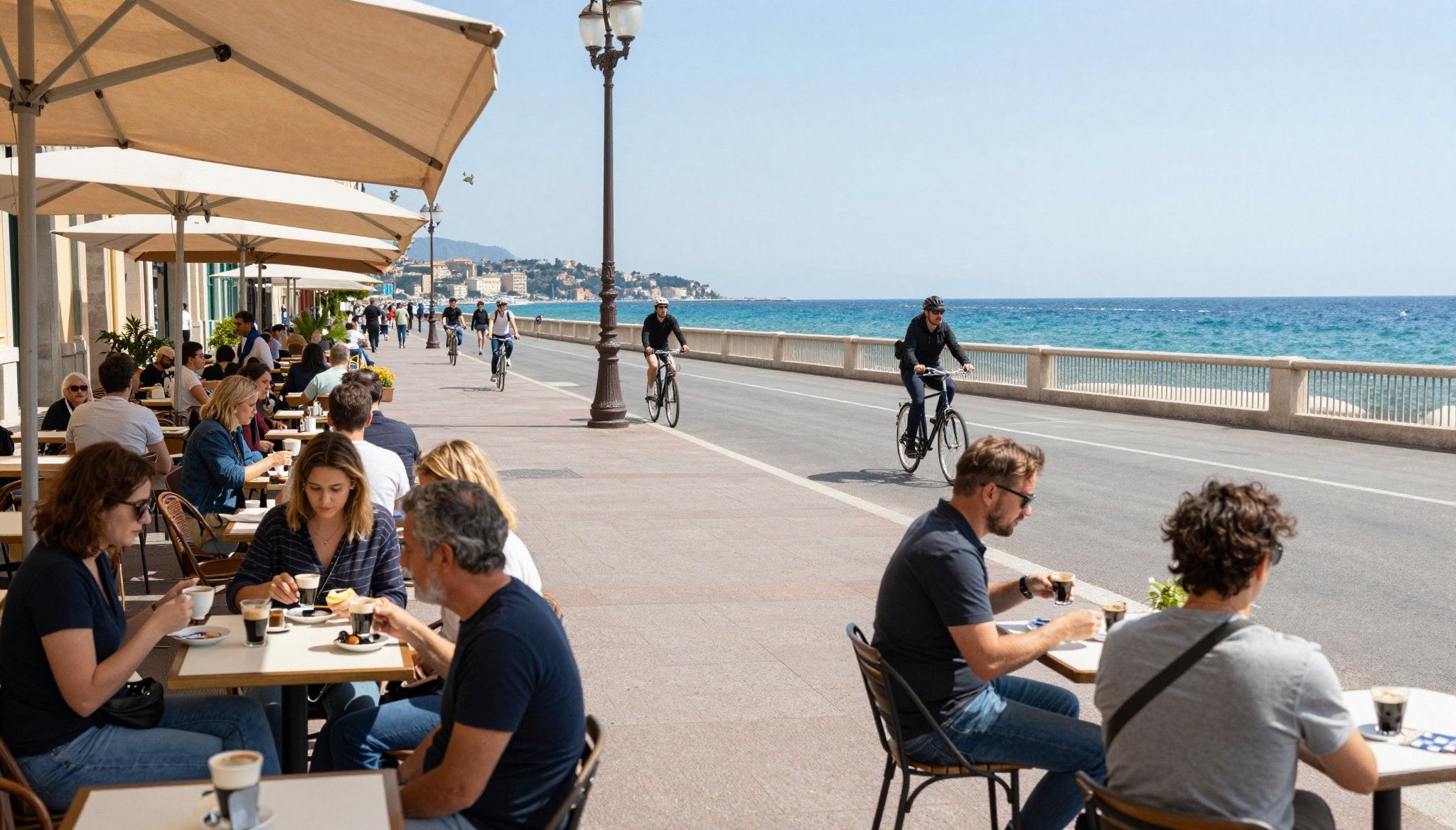
If you want a café on the seafront and short‑term rental demand, Sliema and St Julian’s deliver. Expect apartment living, terraces, and a pulse that shifts with tourism seasons. These neighbourhoods offer strong rental liquidity — and higher advertised prices — making them attractive for buyers balancing lifestyle use and letting potential. Local market trackers show persistent interest in these hubs.
Food, markets and social life
A day in Malta can move from a fisherman's sandwich at Marsaxlokk market to an evening aperitivo in Sliema. Local tavernas (ħanut style places), bakeries selling pastizzi, and seafood restaurants by the water define social calendars. Expat communities gather in cafés, international schools and yacht clubs; government and NGO reports also note how residency programmes influence which neighbourhoods see investment and short‑term letting pressure.
- Lifestyle highlights: Valletta’s Baroque mornings, Marsaxlokk fish market Sundays, Sliema seafront promenades, St Julian’s nightlife pockets, Dingli cliff walks, Gozo weekend escapes
Making the move: practical considerations that honor life here
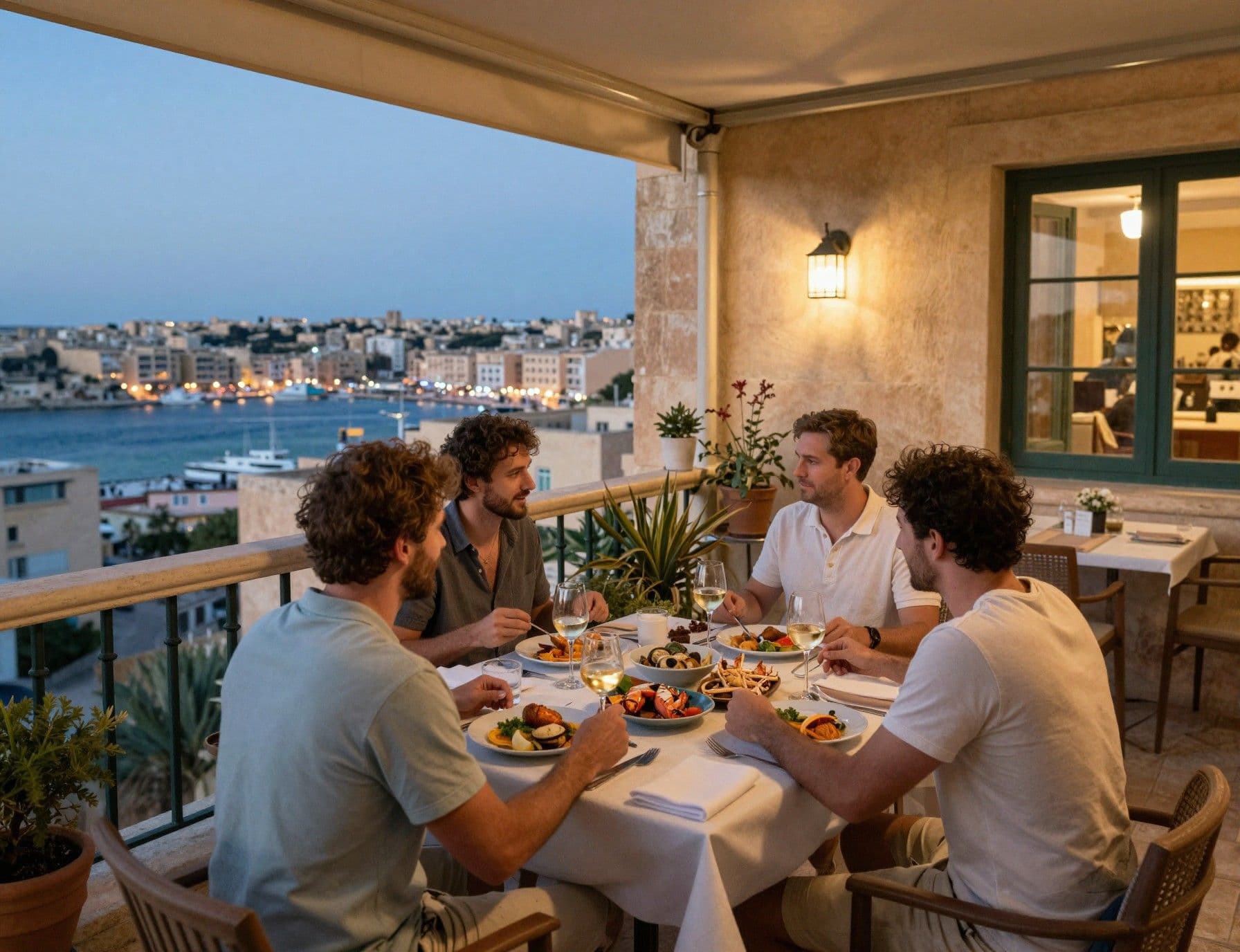
Living well in Malta starts with matching property type to how you want to spend time. That means asking whether you want evening harbour walks, a garden, or proximity to international schools. It also means working with advisers who understand seasonal demand, local planning norms and how residency routes can affect market access and price dynamics.
Property styles: how architecture maps to daily life
Choices range from high‑rise seafront apartments to refurbished townhouses and standalone villas on Gozo. Apartments offer convenience, terraces and views — ideal for a part‑time life and rental potential. Townhouses give internal courtyards and character for full‑time living, but often require renovation. Consider sound proofing, insulation and window sizing: Malta’s summers are hot, so orientation and shaded outdoor space become lifestyle features, not afterthoughts.
Working with local experts
Agencies and local lawyers do more than negotiate price. They translate local market rhythms — where short‑term rentals concentrate, which streets tolerate renovation, which developments are pipeline‑heavy — into practical choices. Recent industry surveys highlight how transaction volumes and luxury segment growth are concentrated in specific corridors, making local brokerage insight especially valuable.
- Steps that blend lifestyle and process: 1) Map weekly life (shops, school, commute), 2) shortlist neighbourhoods by atmosphere, 3) check local supply (new builds vs character stock), 4) factor seasonal rental patterns if you plan to let, 5) arrange in‑market viewings with a bilingual agent, 6) commission pre‑purchase surveys and local legal checks
Insider knowledge: myths, trade‑offs and expat truths
Contrary to the 'Malta is unaffordable' myth, data show steady but moderate annual price growth (approximately 5% year‑on‑year into 2024). What feels expensive is selective: central, walkable pockets command premiums while quieter inland towns remain relatively accessible. Residency‑by‑investment policy shifts in 2024–25 have also reshaped buyer profiles and where capital concentrates, so timing and route (purchase vs lease option under residency schemes) influence price pressure.
Cultural integration and the daily social scene
Malta’s social life rewards small gestures: a regular café order, weekend market visits and attending local festas. English fluency eases bureaucracy, but learning Maltese opens doors in older neighbourhoods. Expect a slower pace for many public services; social calendars revolve around church festas, seafront dining and family gatherings — factors that shape where you want to live and how your property will be used across the year.
Longer‑term considerations
Think beyond day‑one living: pipeline construction, planning permissions and residency‑policy shifts will influence resale timing and tenant pools. Recent surveys show the luxury segment outperforming overall growth, and central locations retain demand. Plan for maintenance on older stone buildings and expect utility upgrades when converting character homes for modern living.
- Red flags to watch: undeclared short‑term rental restrictions, unclear deed titles on older properties, lack of planning permissions for rooftop additions, inconsistent insulation in older stock, neighbourhoods with heavy night‑time tourism noise
If Malta feels like a dream you can taste — seafood evenings, compact commutes, a bilingual public life — the practical next step is in‑market listening. Book neighbourhood walk‑throughs at different times of day, meet local agents who show both new developments and townhouses, and commission a technical survey before offers. An agent who frames properties by the life you want (morning markets, school run times, quiet terraces) will save you avoidable compromises.
Conclusion: Malta is a place where lifestyle and market reality are tightly intertwined. Choose a neighbourhood for the life you want, then let local data and advisers translate that picture into a defensible purchase. Start with a short island visit, a checklist of weekly routines, and a local agent who knows both the streets and the statutes.
Swedish strategist who relocated to Marbella in 2018. Specializes in legal navigation and tax planning for Scandinavian buyers.