Why Buying in France Outside Summer Pays Off
Visit France off‑season: markets and official data show quieter months reveal true neighbourhood value and better buying opportunities.
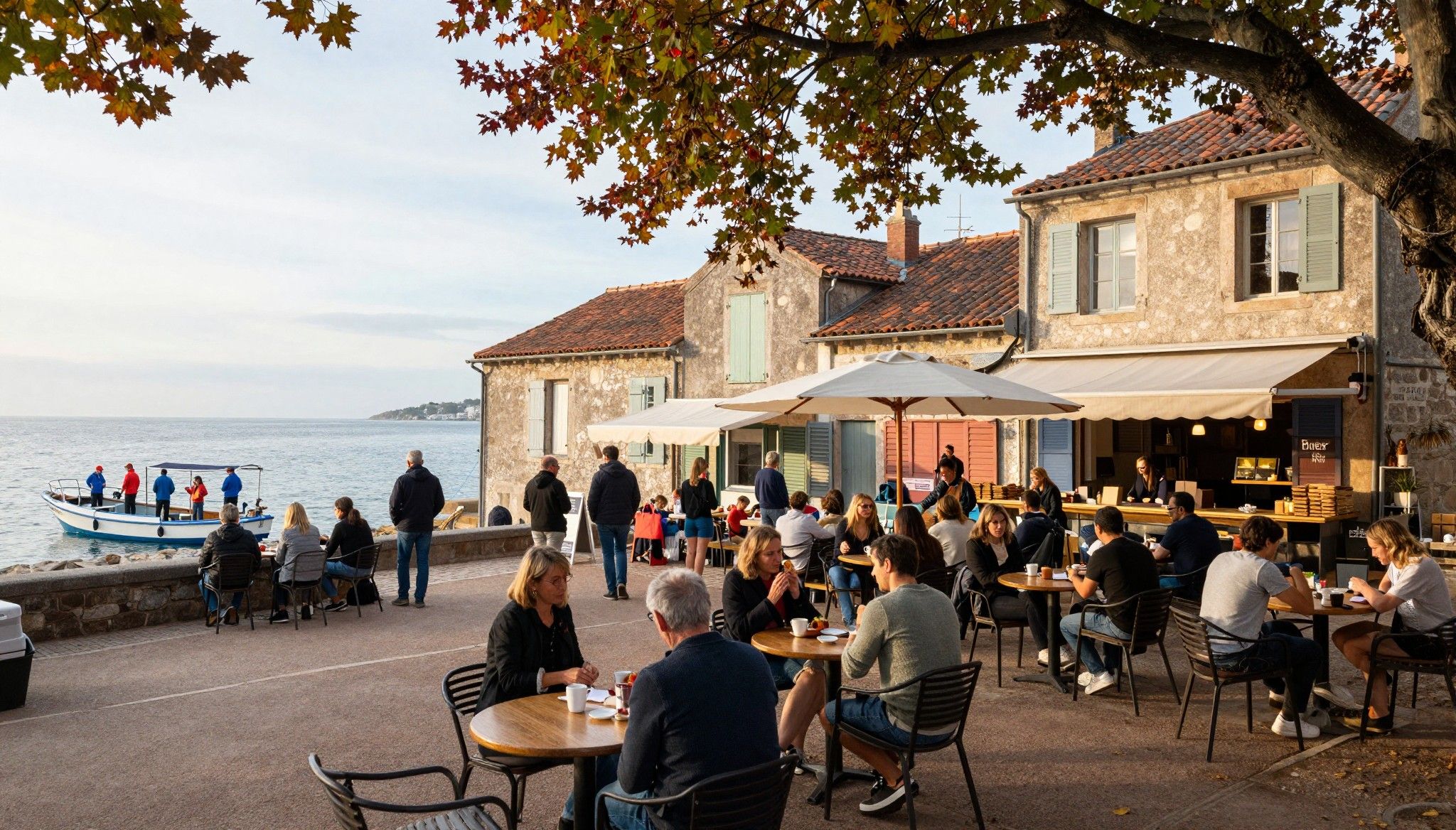
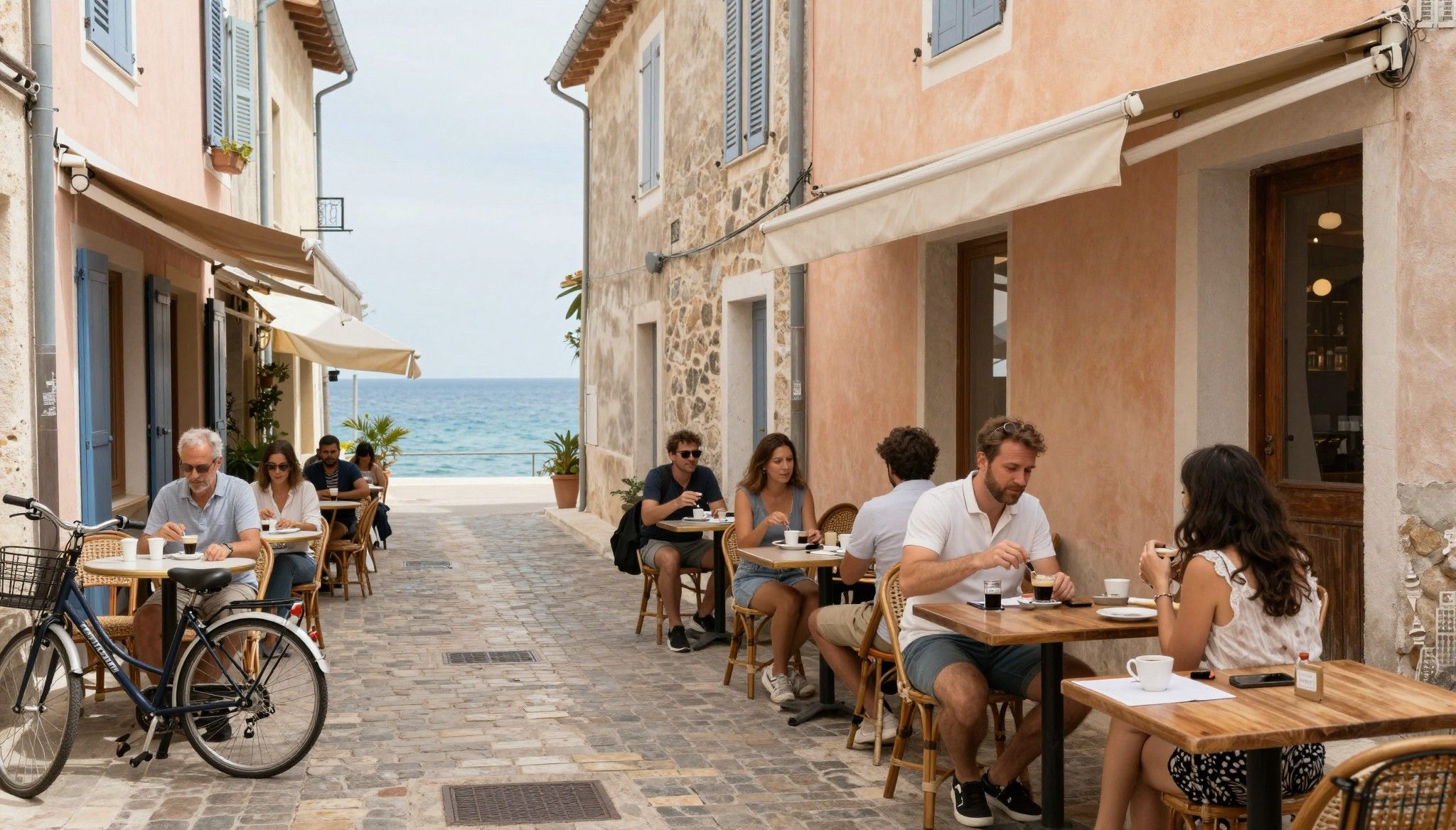
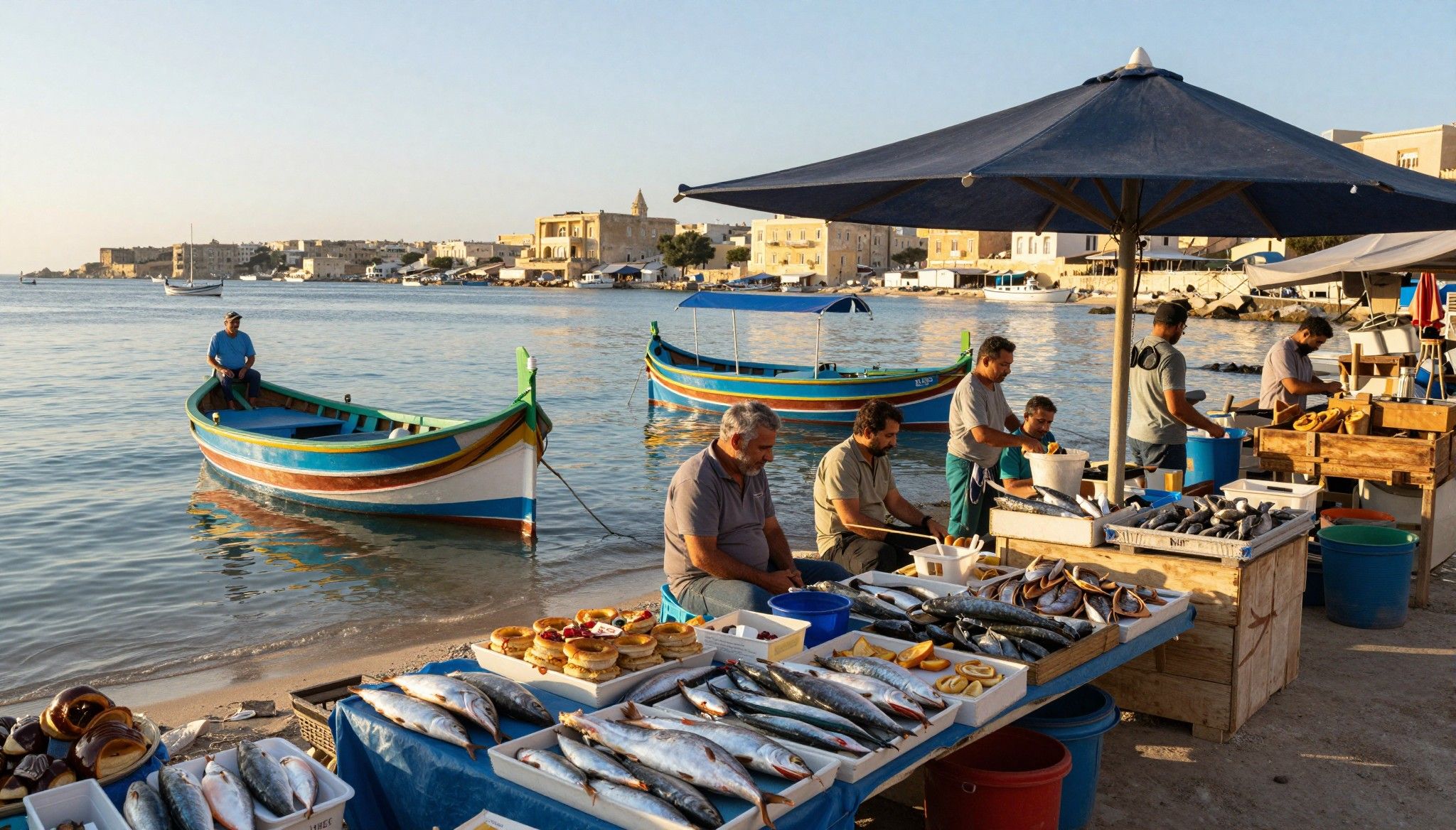
Imagine a late‑autumn Saturday in France: market stalls on Rue Cler in Paris scented with chestnuts and cheese, fishermen mending nets in Bandol as light falls earlier, and empty terraces on the Côte d’Azur where locals linger over long coffees. That quieter rhythm — outside the July heat and tourist crush — is where many French neighbourhoods show their real value, and where international buyers can see how life actually works year‑round. Recent notaires and INSEE data show the market stabilising after a turbulent period, and that stability often first appears off‑season when transaction volumes reveal motivated sellers rather than headline summer hype.
Living France: The quieter months tell the truth
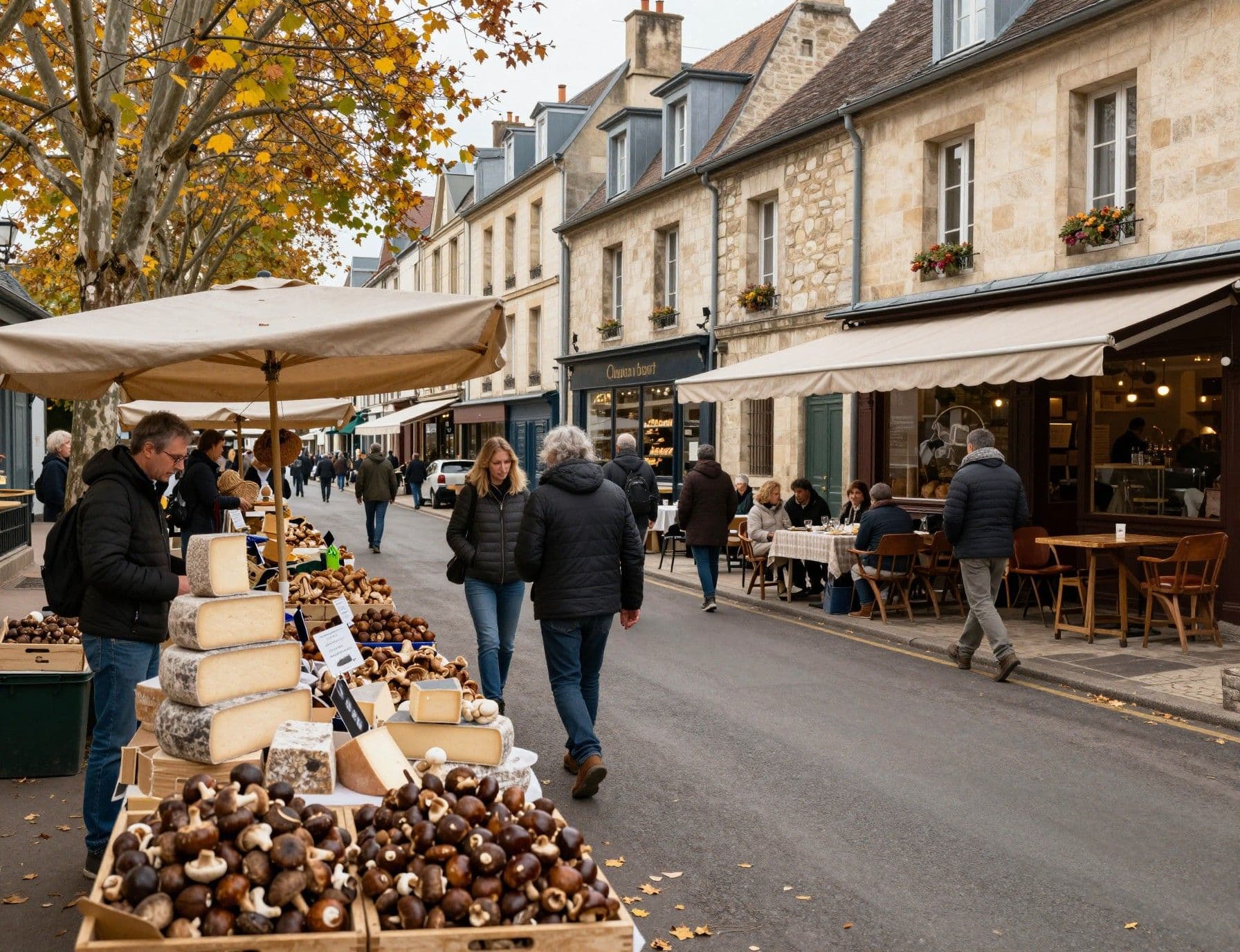
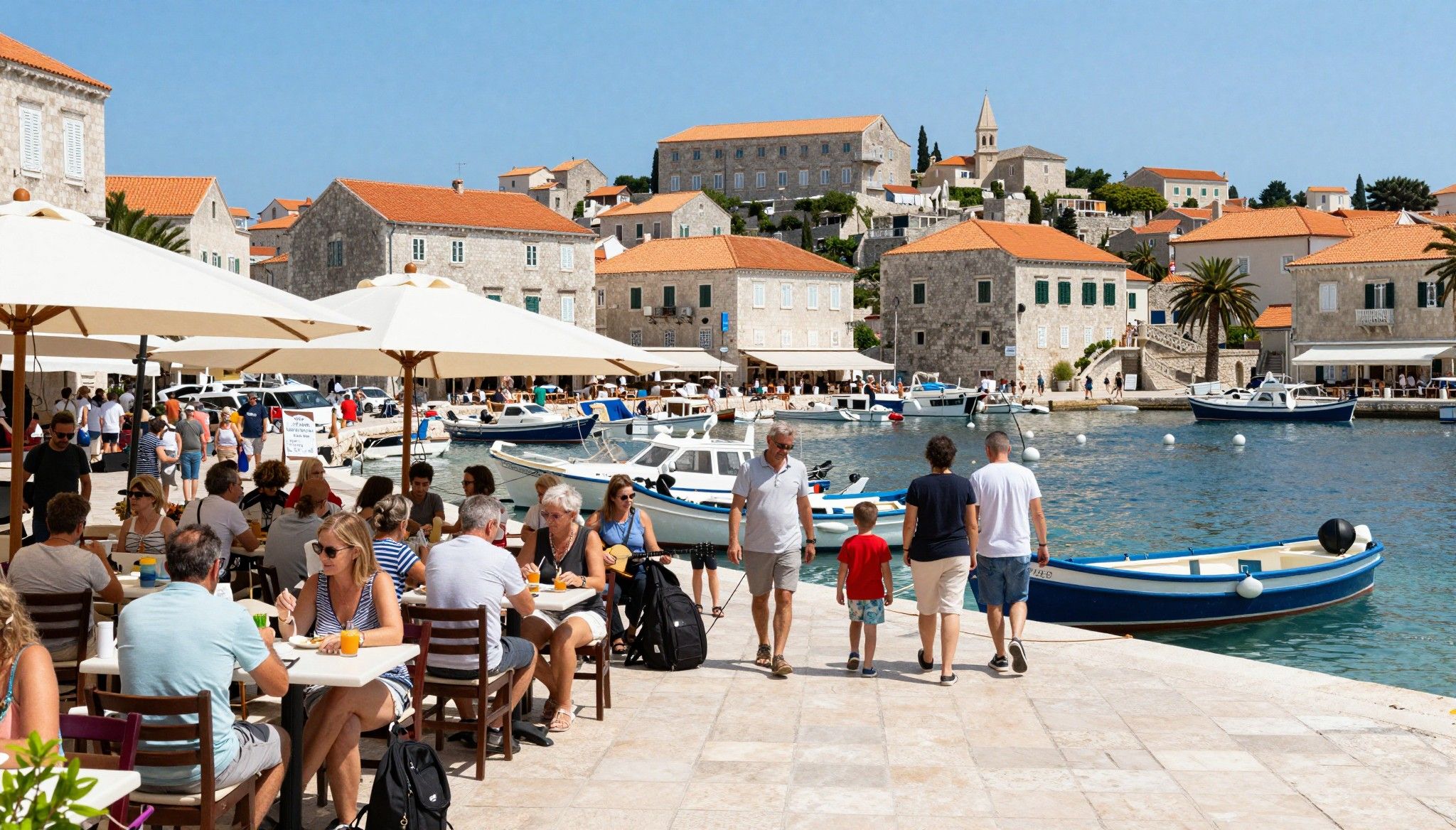
France is a mosaic of daily rhythms. Morning cafés hum with seniors reading newspapers, local boulangeries queue up at 8am, and weekend markets dominate neighbourhood life. Those summer postcards — sunlit promenades and crowded beaches — are real, but they’re a temporary layer. Off‑season you hear church bells, see children at school on narrow streets, and find restaurants where chefs cook the way locals eat. That difference is crucial: it changes what properties feel like to live in and reveals which neighbourhoods sustain year‑round community life versus those that pulse only in high season.
Neighbourhood spotlight: Paris’ quiet arrondissements and western towns
Walk the 17th at 10am in October and you’ll meet young families, corner baristas and butcher shops that matter more than a summer tourist map. Notaires data shows pockets across western France where prices fell during 2023–24 then stabilised, revealing buyer interest returns first in the quieter months. For buyers, this means the streets where locals live — Rue de Lévis in Paris, Vieux‑Nice’s side lanes, or the less flashy parts of Bordeaux’s Chartrons — are where daily life, not tourism, anchors value.
Food, markets and the seasonal truth
French food culture is a year‑round index of neighbourhood health. Autumn markets brim with mushrooms, chestnuts and game; winter bistros stay busy; and spring brings a different kind of footfall. INSEE’s housing reports note how market stability often co‑incides with seasonal shifts in demand — buyers who visit outside peak months see supply that’s less skewed by holiday rentals and staging, and they can judge a market by routine life rather than curated summer moments.
- Lifestyle highlights that reveal year‑round quality
- Rue Cler market mornings (Paris) — local suppliers, not tourist stalls
- Port‑side cafés in Bandol and Cassis during autumn fishing season
- Covered markets in Lyon’s Croix‑Rousse for winter food rituals
Making the move: lifestyle‑first, data‑backed practicals
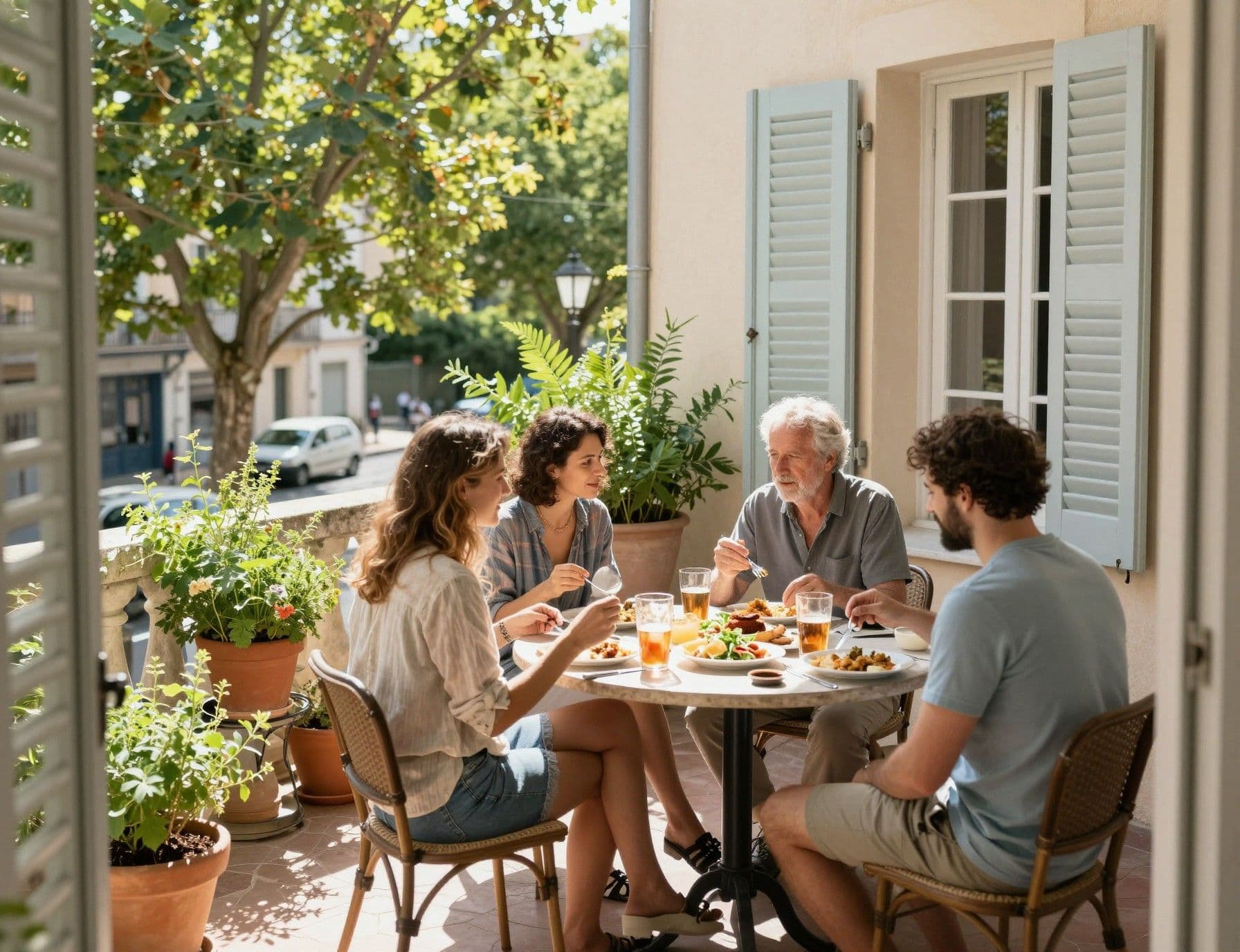
Falling in love with a café or beach is the start; turning that into a wise purchase is the next step. Transaction trends across 2024–25 show modest regional divergence: some coastal and secondary city markets recovered sooner, while Paris and Île‑de‑France saw more measured movement. That pattern matters because the best negotiation opportunities often appear when a market’s headline volatility settles — frequently in off‑peak months when motivated sellers and clearer comparables surface.
Property types and how they shape daily life
A classic Haussmann apartment in Paris promises proximity and winter convenience; a Provençal mas delivers garden life and silence in low season. New‑build coastal developments give year‑round amenities but can lean seasonal in rental demand. Match the property type to how you want to live the rhythms you observed off‑season: do you want a bustling local street at 8am or a tranquil village green all winter?
Working with local experts who know the rhythm
Local agents, notaires and architects who live the neighbourhood will tell you what a street is like in February — who shops there, whether schools fill up, and when terraces empty out. Use their insight alongside official reports from Notaires de France to avoid seasonal illusions and to price offers against real comparables rather than summer showpieces.
- Steps to combine lifestyle sense with market data
- Visit outside peak season to experience everyday life: markets, schools, transport at normal capacity.
- Ask agents for 12‑month occupancy and rental data to see how demand fluctuates across seasons.
- Cross‑check local price trends with INSEE/Notaires indices to identify where temporary falloffs create negotiation leverage.
Insider knowledge: expat realities and seasonal red flags
Expats often underestimate how much the off‑season reveals. A beach town that’s lively in August can feel deserted in January; that’s normal, but it’s also a signal about services, maintenance cycles, and rental income volatility. Be wary of price premiums justified solely by summer footfall. Conversely, areas with strong local economies, schools and year‑round transport — even if less glamorous — sustain value and community.
Cultural cues: integrating beyond the postcard
Learning basic French opens doors: shopkeepers, the neighbourhood school, and small‑town mairies appreciate even modest effort. Attend a local association meeting or market day to feel where your property would sit in community life. Those small integrations determine whether a house is a short‑term holiday investment or a home you’ll use through every season.
Long‑term view: which seasonal traits predict resilience
Markets that keep cultural infrastructure (weekly markets, schools, bakeries) and transport links open across the year tend to resist seasonal swings and show steadier price performance. INSEE and notaires data both point to stabilisation patterns that start regionally — buyers who prioritise these year‑round neighbourhood traits typically see fewer surprises over 5–10 year horizons.
- Red flags to spot in off‑season visits
- High shutter rates on local shops outside summer (suggests seasonal economy)
- Sparse weekday transport timetables in low months (limits daily life and rental appeal)
- Communities of short‑stay rental units clustered in one block (indicates tourist dependency)
Conclusion: Fall in love off‑season, buy with clarity. France rewards buyers who look beyond summer postcards. Visit in ordinary months, pair what you feel on the street with INSEE and notaires data, and work with agents grounded in neighbourhood life. That’s how you find a property that matches both your lifestyle and long‑term value expectations.
British investor turned advisor after buying in Costa del Sol since 2012. Specializes in cross-border compliance and data-driven investment strategies for UK buyers.