When France’s 'Expensive' Label Misleads Buyers
France is not simply 'expensive' — local rhythms, taxes (IFI, taxe foncière), and notaire costs reshape value; learn the lifestyle-led, tax-smart path to buying in France.
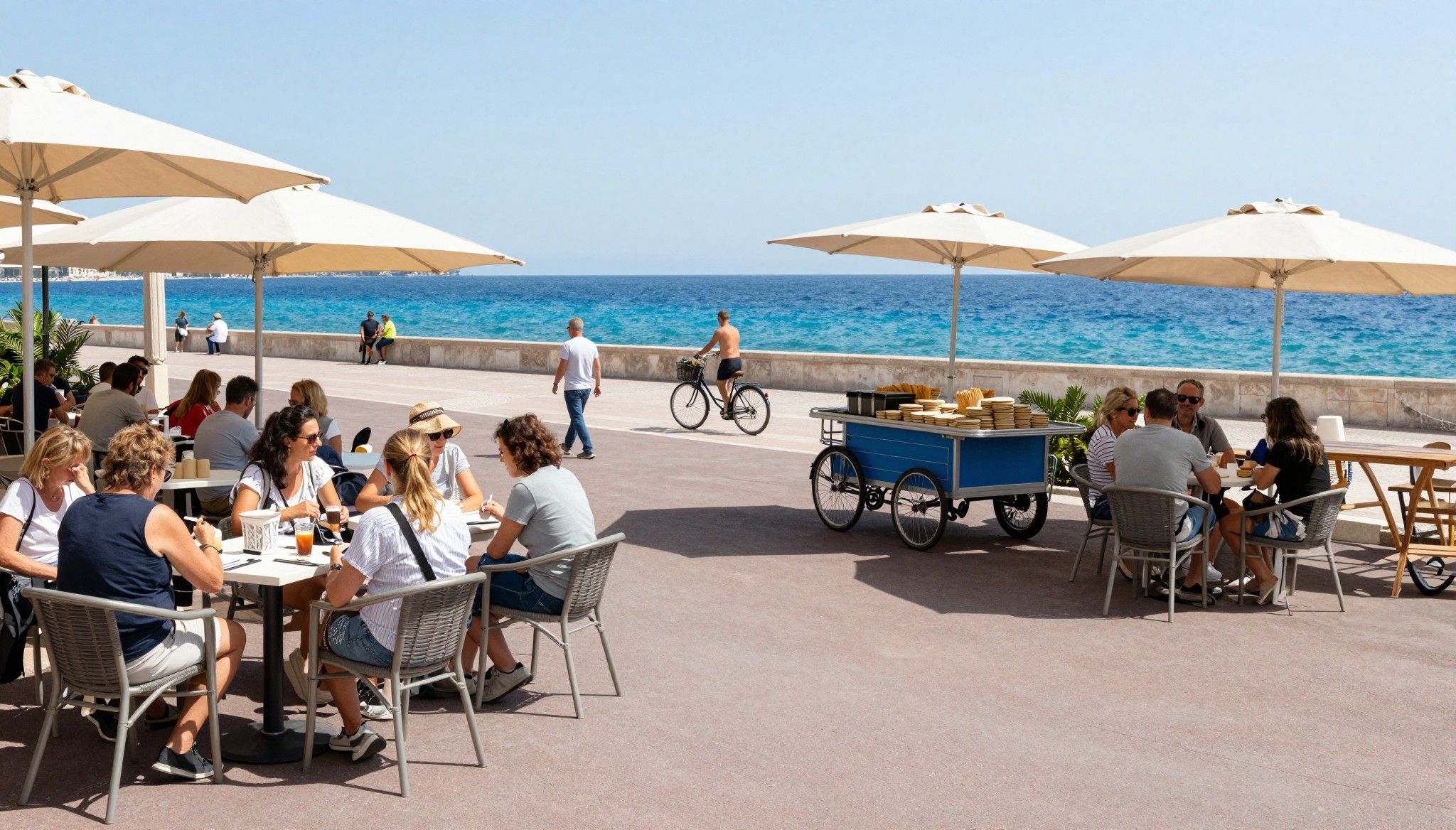
Imagine sipping an espresso at La Caféothèque in Paris, then an hour later walking a salt-scented promenade on the Côte d'Azur — that contrast is France. While the headlines often boil French property down to 'expensive' labels, the reality (and the numbers) are more layered. Buyers who pair lifestyle desires with tax and regulatory strategy often find value where others see only price tags. This guide blends place-first storytelling with concrete, sourced rules that save money and time when buying in France.
Living the France lifestyle
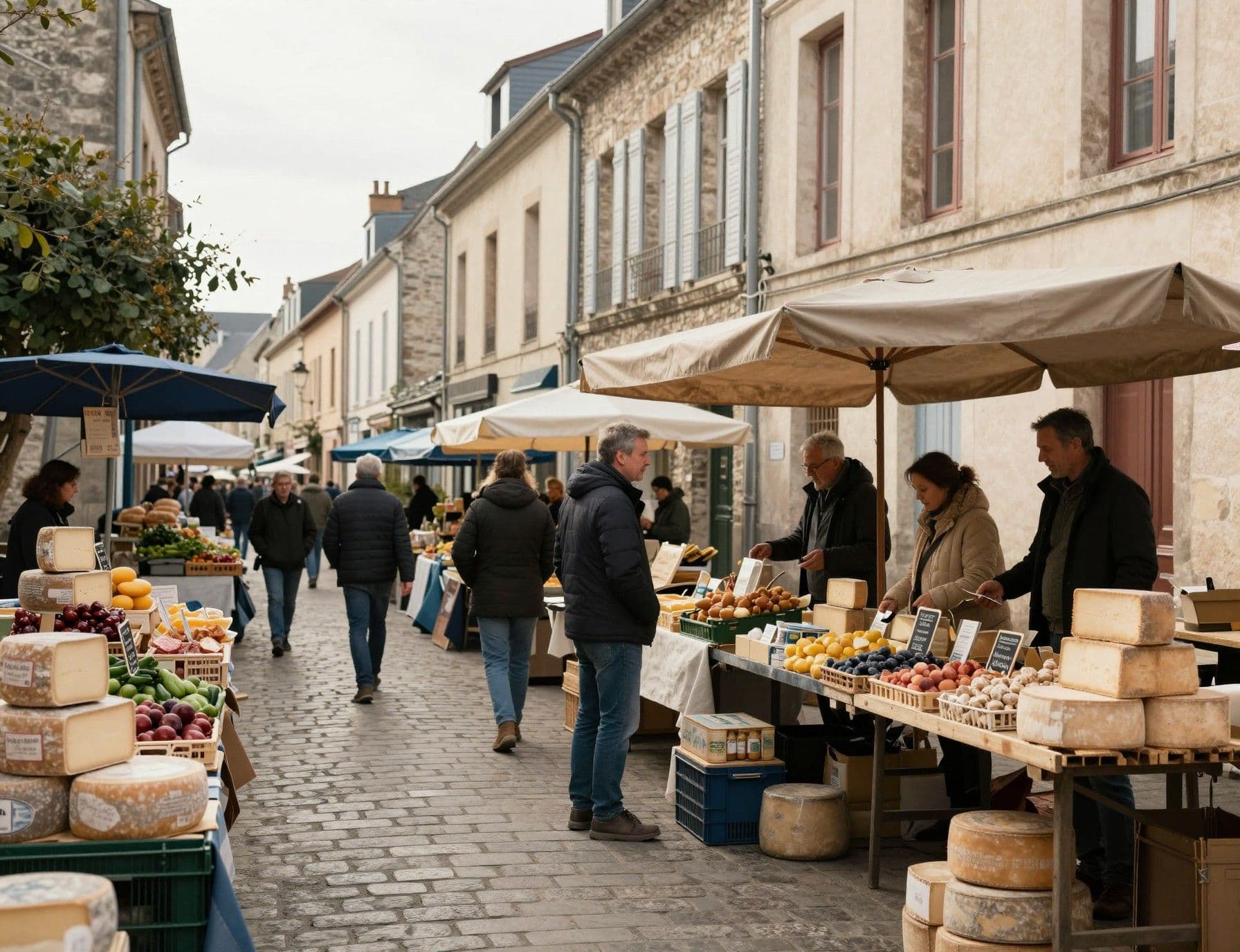
France is not a single rhythm but a playlist: slow-market mornings in rural Dordogne, café-centric afternoons in Marseille's Cours Julien, and brisk business lunches in La Défense. The sensory details matter — open-air markets with chèvre and figs, boulangeries warming streets at 07:00, and small squares where neighbours gather after work. For property buyers, those rhythms shape what you actually need: a courtyard for the summer, insulation for an alpine cottage, or a compact flat with good storage in Parisian arrondissements.
Neighbourhood snapshots: Paris, Provence, and the Atlantic coast
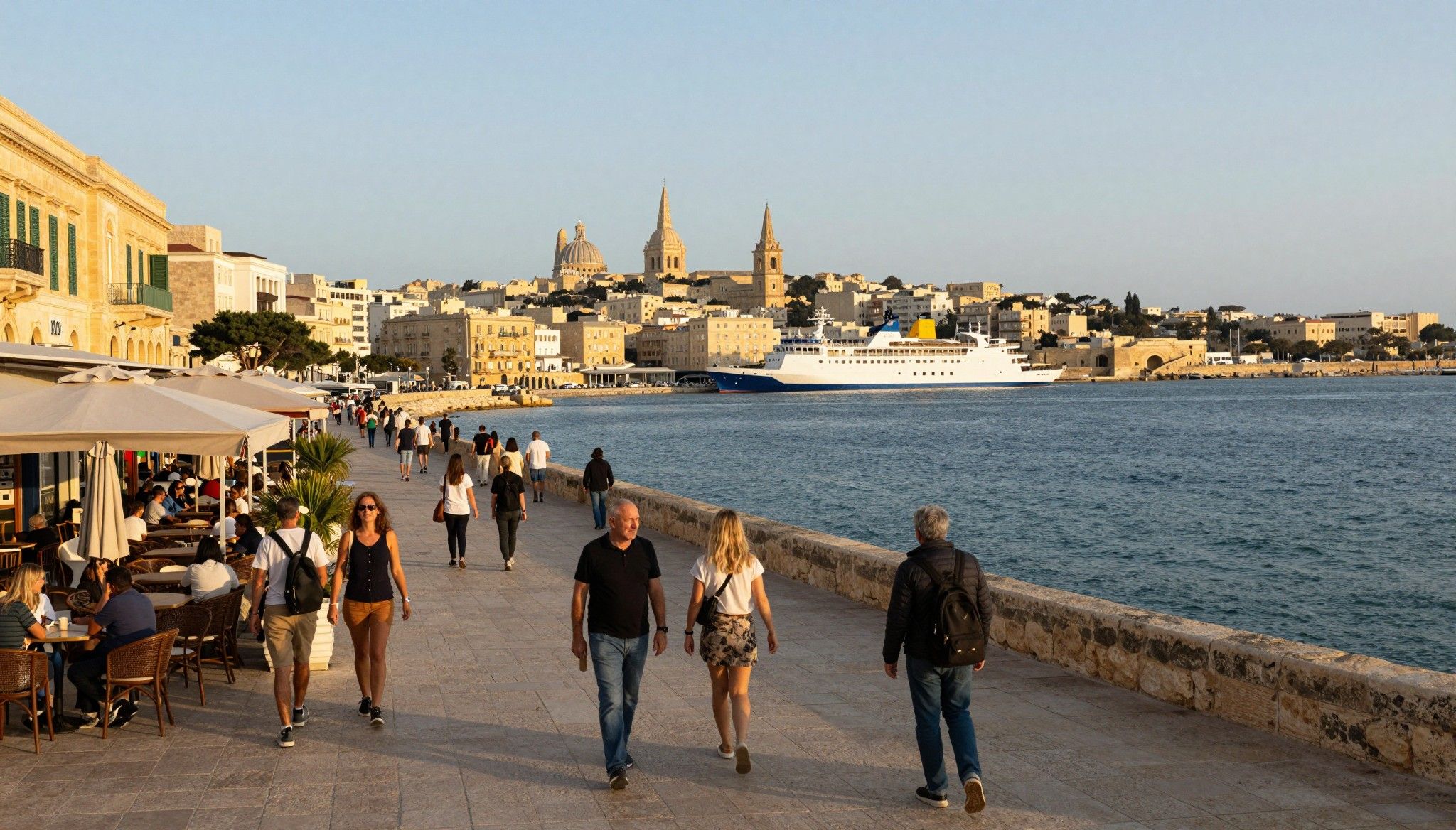
In Paris, streets like Rue de Bretagne (Le Marais) or Rue Daguerre (14th) reward walkers with cafés and daily markets — the best buys are often on quieter side-streets rather than headline boulevards. In Provence, villages such as Lourmarin or streets around Cours Mirabeau in Aix offer morning markets that determine weekly life. On the Atlantic coast, La Rochelle's Old Port and Biarritz's coastal promenades combine surf culture with sturdy stone flats; search for properties one or two streets back from main tourist strips for better long-term value.
Food, calendar and seasons that shape daily life
Markets set the weekly tempo: imagine buying fish at Sète's fish market at dawn or seasonal truffles in Périgord in winter. Festivals — from Nice Carnival to Avignon Theatre Festival — swell local demand for short-term lets and hospitality services, which affects both rental income potential and noise levels. Consider whether you want year-round neighbourhood life or a seasonal pulse; the difference changes which taxes and rental rules become relevant.
- Lifestyle highlights to map to property choice: • Morning markets: Marché des Enfants Rouges (Paris), Place des Lices (Saint‑Tropez) • Café life: Rue Cler (Paris) and Cours Saleya (Nice) • Outdoor life: Promenade des Anglais (Nice), Pointe du Raz (Brittany) • Food scenes: bouchons in Lyon, oyster stalls in Arcachon • Quiet charm: village lanes in Lot Valley • Surf and community: Biarritz beaches
Making the move: practical considerations that preserve the lifestyle

Turning a lifestyle idea into a legally secure purchase means understanding the numbers that sit behind charm: transaction costs, recurring taxes, and residency rules. Notaire fees and transfer taxes are higher on older properties than on new builds; budgeting properly avoids last-minute compromises on location or finish. Below, practical facts are paired with how they affect where you’ll want to live and what kind of property you choose.
Property types and what they mean for daily life
A Haussmann flat in Paris gives compact, walkable living but limited outdoor space; a Provençal mas offers gardens and storage but higher maintenance; a modern coastal apartment can offer low-maintenance living with access to beaches but potentially higher homeowners' association costs. Match the property form to how you'll use it: weekend escape, full-time residence, or a rent-to-tourists plan — each has different tax, insurance, and renovation implications.
How local experts turn lifestyle briefs into compliant purchases
- 1. Hire a notaire early: a notaire clarifies transfer taxes and the exact buyer costs (often ~7–8% for older homes, less for new builds). 2. Use a local tax advisor: residency status affects income tax and IFI exposure for properties over €1.3M. 3. Check seasonal rental rules: municipal limits and declarations differ across communes. 4. Factor in maintenance and local services: seaside properties may need corrosion-resistant fixtures and higher insurance.
Insider knowledge: what expats wish they'd known
Expats often tell the same stories: they underestimated communal charges, overlooked seasonal market swings, or confused tourist season demand with long‑term neighbourhood life. On the flip side, those who asked questions about local festivals, market days and waste-collection schedules found communities faster and avoided regret purchases. Small lifestyle details — where the morning market sets up, whether local shops close Monday afternoons — reveal more about daily living than headline price per square metre.
Language, integration and everyday bureaucracy
Learning enough French to handle local paperwork and polite small talk pays off pragmatically and socially. Registering utilities, understanding mairie (town hall) notices, and receiving tax correspondence are easier when you have a bilingual local agent or lawyer. Community integration often begins at the marché — make friends there and you'll learn about parking quirks, renovation norms, and trusted local artisans.
Long-term considerations: taxes, inheritance and value
- • IFI (property wealth tax) applies to net taxable property in France for non-residents above €1.3M — important for buyers of large coastal villas. • Tax residency affects income tax, social charges, and how rental income is declared; cross-check double-taxation treaties. • French inheritance (forced heirship) rules can alter estate plans — use local notaires for wills that respect both French and home-country law.
Practical next steps: walk the market in shoulder seasons, budget transfer and ongoing taxes, and meet a notaire and tax advisor before making an offer. The data show modest house price increases nationally in 2025, with regional differences — towns and some coastal areas are rebounding after 2024, so timing your purchase to local seasonality and municipal policy can protect both lifestyle and return. When you pair sensory, street-level research with these legal and tax realities, you get not just a property but a life.
British investor turned advisor after buying in Costa del Sol since 2012. Specializes in cross-border compliance and data-driven investment strategies for UK buyers.