Italy: Where Lifestyle Beats the Brochure
Italy’s varied rhythms—markets, seasons and neighbourhoods—define both daily life and smart property choices; combine lifestyle visits with Nomisma/ISTAT-backed market checks.

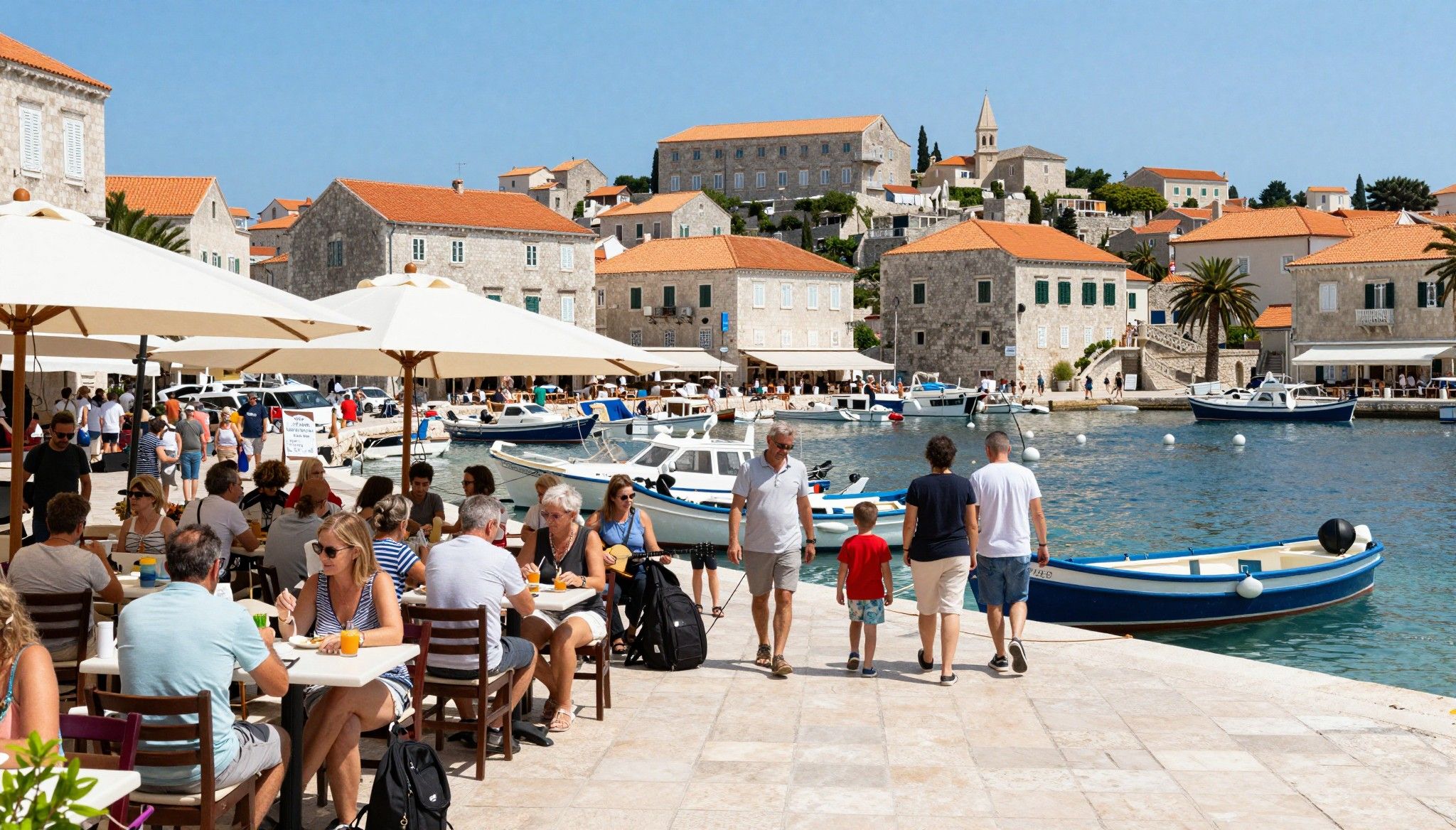
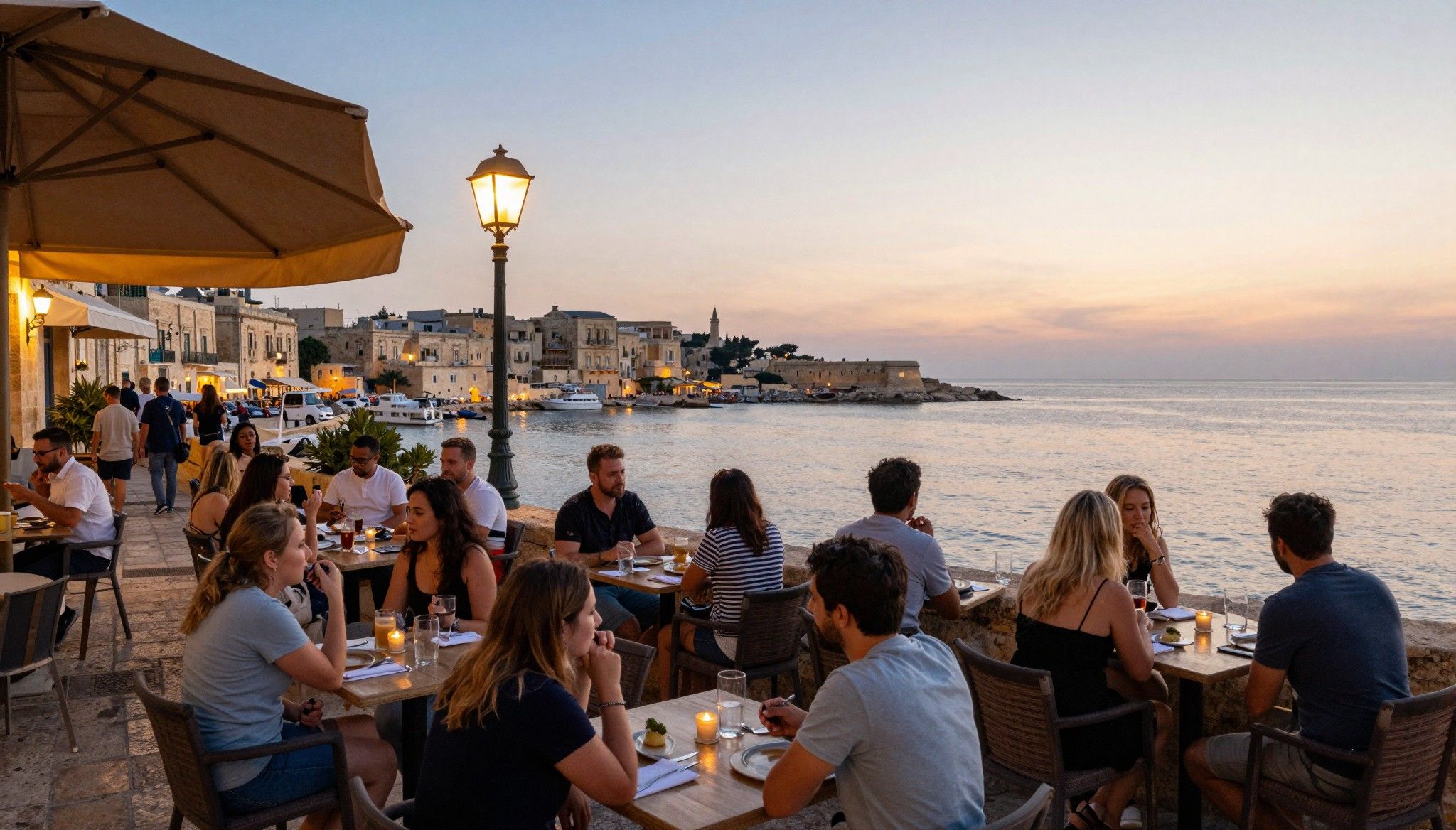
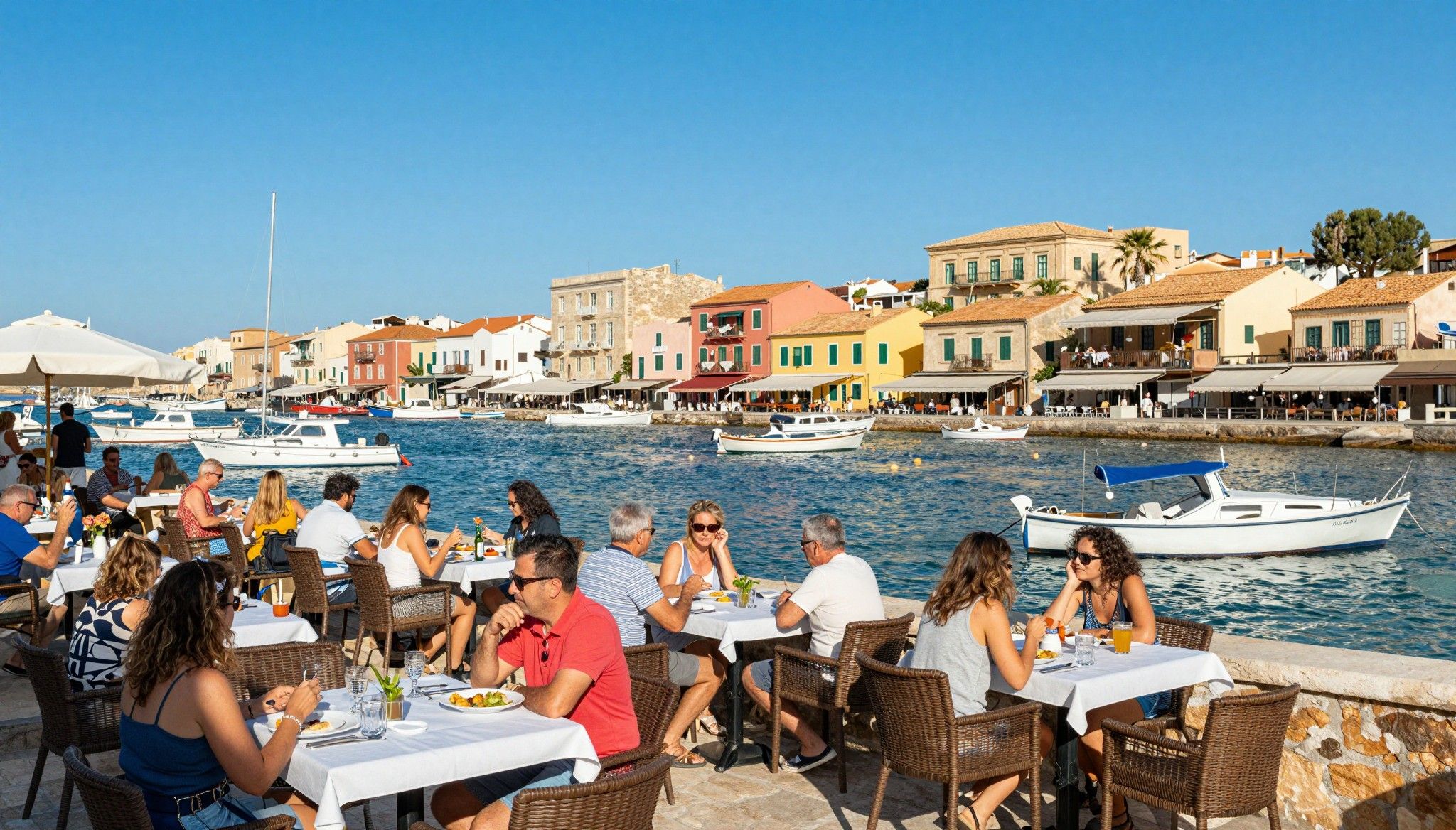
Imagine waking to the flattened hum of a piazza morning in Bologna, the clack of espresso cups at a corner bar in Trastevere, or the slow Mediterranean light sliding down a Ligurian stairway. Italy is not one life—it is many: coastal rituals, hilltop siestas, and city rhythms that pair centuries-old fabric with a modern appetite for small‑scale luxury. For international buyers the question is less whether Italy is desirable and more which Italy matches the life you want. This piece pairs the sensory pull of Italian living with current market signals so you can fall for a place and then buy it wisely.
Living the Italy Life: Streets, Seasons and Small Pleasures
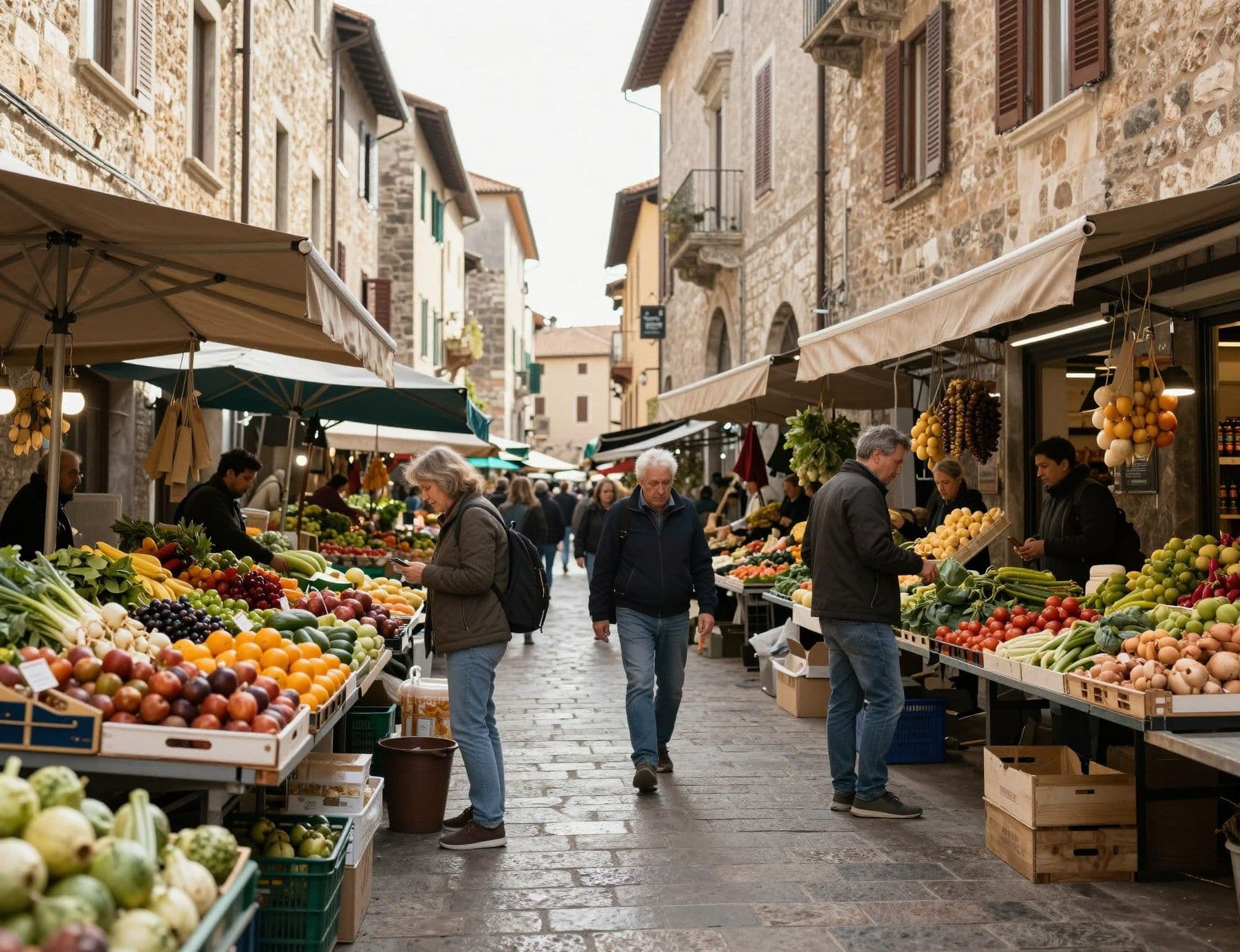
Daily life in Italy moves at the intersection of neighbourhoods and seasons: weekday markets, ritual espresso, long lunch breaks in smaller towns, and late-night passeggiata in seaside villages. The population is ageing and unevenly distributed—cities and desirable coastal towns attract younger professionals and international incomers while many inland communes face slow depopulation—so community character can shift quickly depending on where you buy. This matters for lifestyle: want lively markets and coworking spaces? Target provincial hubs or city neighbourhoods. Want quiet coastal mornings and village festivals? Look to Liguria, Tuscany’s lesser-known coasts, or parts of Puglia.
Neighborhood pulse: Milan’s Porta Romana vs. Genoa’s Old Harbour
If you crave a curated city life, Milan’s Porta Romana mixes modern new builds with convivial trattorie and green pockets—walkable at all hours and prized by remote professionals. By contrast, Genoa’s Old Harbour (Porto Antico) offers jagged seaside charm, working harbours and narrow caruggi where local commerce still governs daily life. Both places show demand from international buyers, but offer different trade-offs: Milan prioritises convenience and higher liquidity; Genoa rewards patience with lower entry prices and strong rental seasonality tied to tourism.
Food, markets and the tempo of living
Picture Saturdays at Mercato Centrale in Florence or a weekday fishmonger in Amalfi—food is the social engine in most Italian towns and quickly measures neighbourhood quality. Markets shape practical buying decisions: proximity to a covered market often correlates with daily convenience and stronger long‑term demand. Seasonal festivals—truffle fairs in Piedmont, film events in Venice, or summer regattas on Lake Como—create concentrated demand windows for short-term rentals and lifestyle access, which savvy buyers can leverage when choosing a location.
- Marketable lifestyle highlights: market squares, notable cafés, beaches and small museums
- Mercato Centrale, Florence — daily food culture and renovated market halls
- Ravello terraces, Amalfi Coast — intimate concerts and cliffside communal life
- Trastevere, Rome — evening passeggiata, neighborhood trattorie and narrow lanes
Making the Move: Practical choices that preserve the life you want
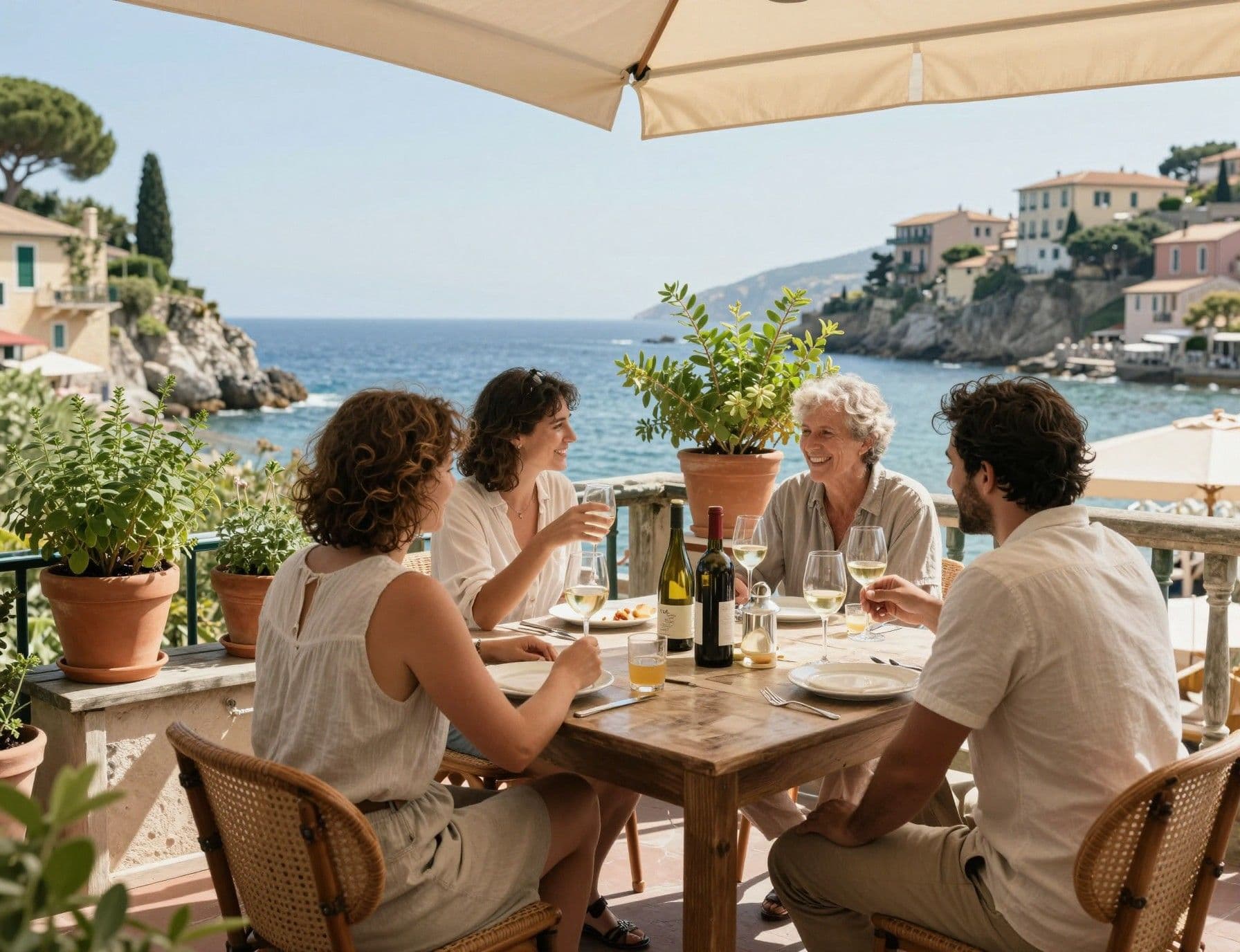
Lifestyle should lead—but practical realities determine which properties deliver it. Italy’s legal framework requires a fiscal code and a notary for the deed; municipal taxes, registration duties and condominium rules influence running costs and renovation flexibility. Recent market reports show modest price recovery in 2024–2025 with improving transaction volumes, meaning good opportunities exist for buyers who move with local knowledge rather than tourism-season momentum. Use an agent who maps lifestyle signals—market days, festival calendars and transport links—onto property supply.
Property types & what they mean for daily life
A refurbished centro storico flat gives immediate immersion in local life—small balconies, shared staircases and proximity to cafés—but usually limits parking and large-scale renovation. New-build apartments in peripheral districts or converted industrial lofts offer modern amenities and space for home offices, but often sit further from the daily market rhythm. Coastal townhouses provide terraces and sea access but require attention to damp, maintenance and seasonal rental regulations. Match the physical property to how you want to live: morning market access, room for guests, or a quiet garden.
Working with local experts who know both market and life
Choose an agent who spends weekends at local markets and month-ends with the notary: that combination delivers both life knowledge and transaction fluency. Local lawyers and notaries handle due diligence, cadastral checks and registration taxes; accountants advise on IMU, rental taxation and residency-related breaks. A small checklist—local agent, specialist lawyer, tax advisor, trusted builder—reduces surprises and protects the lifestyle you bought into.
- Step-by-step buying with lifestyle in mind: 1) shortlist neighbourhoods after two visits across seasons; 2) verify market rhythm (market days, festivals); 3) order cadastral and structural checks before offers; 4) factor running costs and renovations into your offer; 5) sign a preliminary contract with clear timelines; 6) complete the rogito (deed) before a notary.
Insider Knowledge: What expats wish they'd known
Expats often underestimate the power of rhythm: the months when a town is alive versus when it sleeps. Buying in peak summer can mislead you about daily life; conversely, a winter visit exposes the true service levels, commute times and community. Market data suggests modest, steady price growth and improving transactions—use this to time offers outside festival-driven peaks. Also, local bargains often sit on everyday streets away from postcard frontages—walk two blocks inland from major piazzas and you will find lower prices but authentic living.
Cultural integration, language and neighbourhood belonging
Learning basic Italian opens doors: market vendors, building managers and neighbours will share local rules and renovation tips only when you show effort. Join a language exchange, volunteer at a festival, or take cooking classes—these practical steps create social capital that transforms a property into a home. Expat groups are helpful, but the fastest path to belonging is repeated presence: regular coffee orders, utility payments on time and attending the local patron saint’s festa.
Longer-term practicalities that preserve lifestyle
Italy’s demographic trajectory affects schools, healthcare and the rental market—areas with younger populations and international schools offer different resale dynamics than ageing hill towns. Consider energy upgrades and insulation when buying an older property: these alter comfort and running costs and can unlock renovation incentives currently offered through the tax system. Finally, treat property managers and local contacts as lifestyle insurance; they keep a home ready for your return and solve seasonal maintenance quickly.
- Red flags to watch on a lifestyle-driven purchase
- Noisy festival-adjacent addresses that are great for short visits but unbearable for year-round living
- Properties without clear cadastral documentation or ambiguous common‑area rules
- Overpriced ‘postcard’ facades where two blocks inland show substantially lower and more realistic pricing
Conclusion: Move where the life you want exists, not where the brochure says it does. Spend time across seasons, pick agents who know corner cafes and municipal procedures alike, and let cultural rhythms guide neighbourhood choice. If you want help matching a lifestyle brief to concrete listings and verified local specialists, an Italian‑based agency that blends market data with on‑the-ground knowledge will make the difference between a purchase and a life.
British investor turned advisor after buying in Costa del Sol since 2012. Specializes in cross-border compliance and data-driven investment strategies for UK buyers.