Cyprus: Match the Rhythm — Lifestyle Clues That Predict Market Moves
Live the Cyprus rhythm: match seaside cafés, mountain tavernas and neighbourhood seasonality with Central Bank and Cystat price signals to buy that fits the life you want.
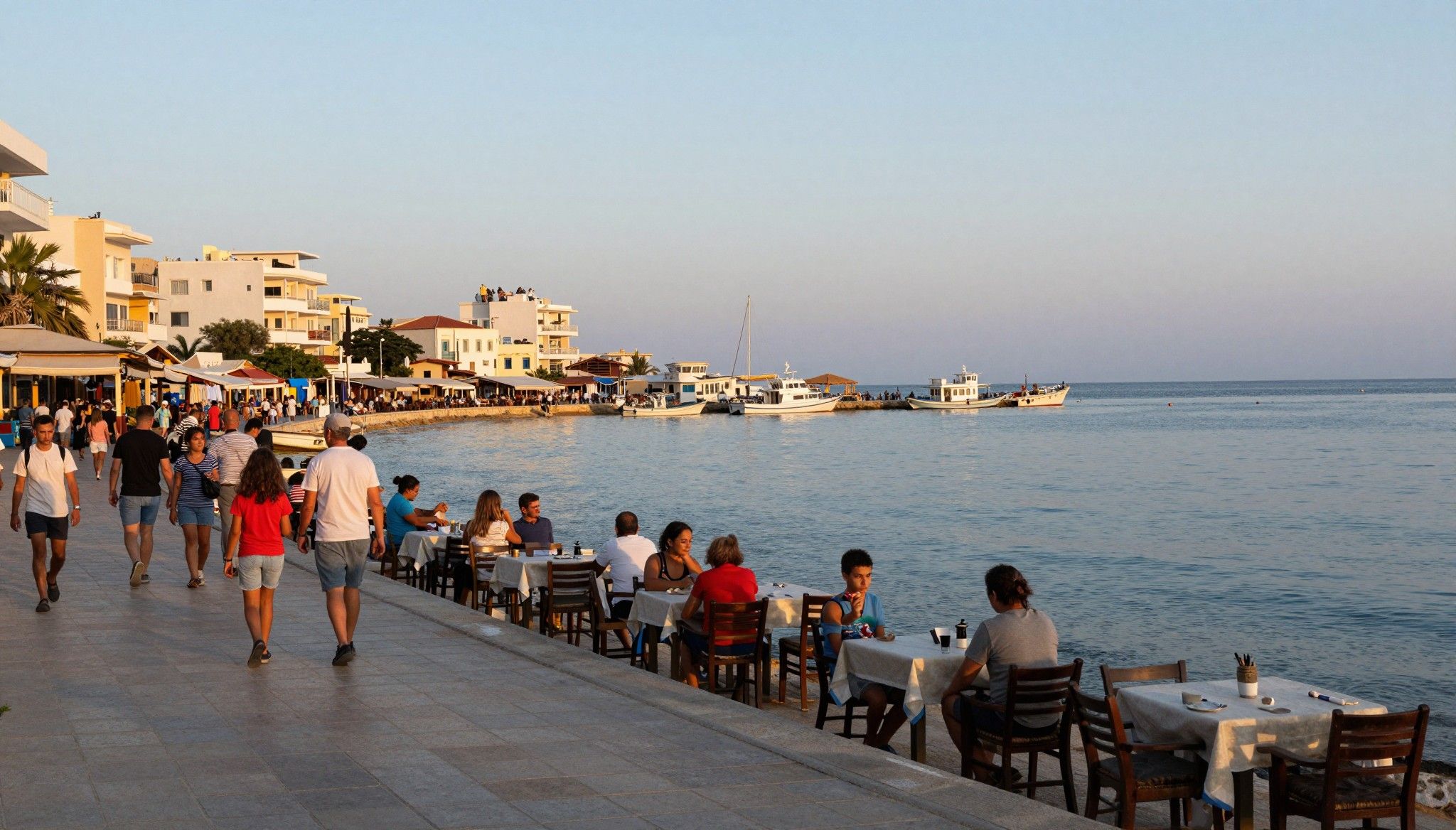
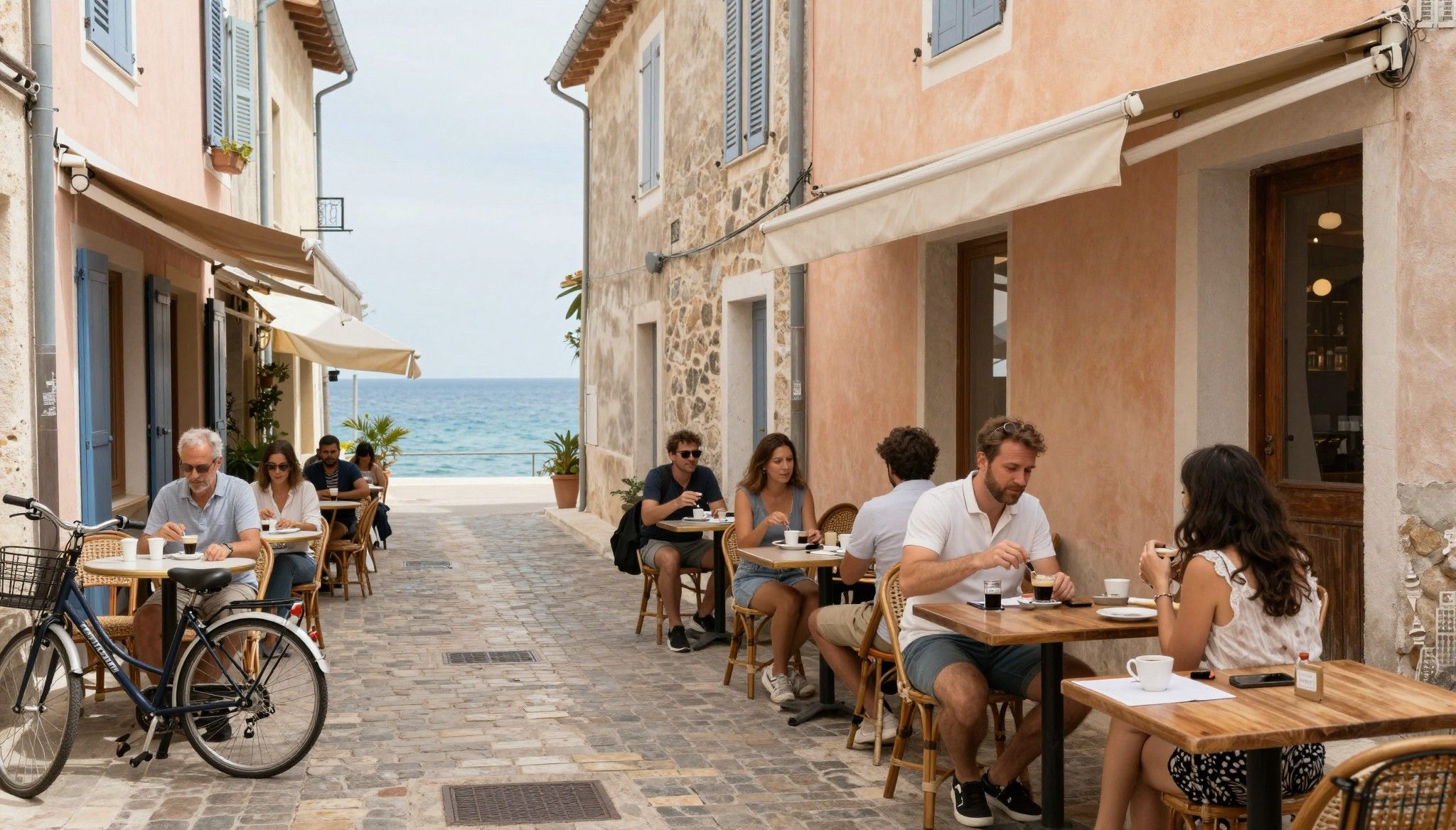
Imagine waking to a seafront promenade in Limassol as pastry steam and espresso drift from a corner bakery, or trading the hum of cafés in Nicosia for the slow rhythms of mountain tavernas in Troodos. Cyprus feels both Mediterranean and unexpectedly local: neighbourly banter in Greek and English, late lunches that stretch into siesta-light afternoons, and beaches that are quiet off-season. For international buyers the island sells a lifestyle first — sun, food, and social ease — but the market beneath that charm has clear currents. This guide blends the lived experience with the data that matters: where demand is heating, which neighbourhoods outperform, and what smart buyers actually look for.
Living Cyprus: daily rhythms and neighbourhood character
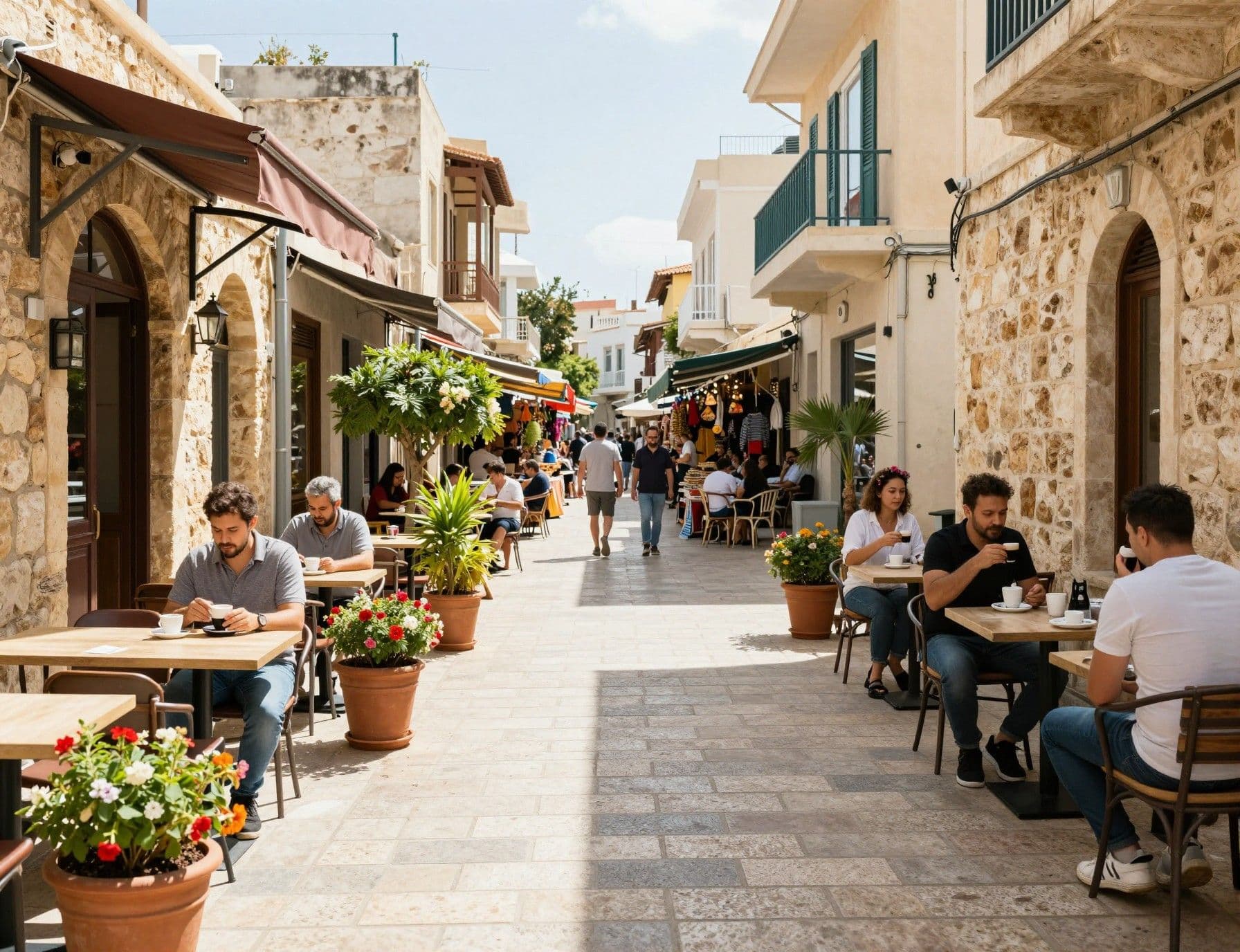
Days here are shaped by place: Limassol’s seafront is café culture and after-work jogging; Paphos balances archaeology and family beach weekends; Larnaca hums with a quieter, increasingly residential energy. These rhythms show up in price movement — recent official HPI releases document steady, measured increases across regions, with town-by-town variations that matter when matching lifestyle to value. Read that pattern as a buyer: the lifestyle you want will point to different transaction dynamics, not just bricks and square metres.
Limassol: the cosmopolitan coastline
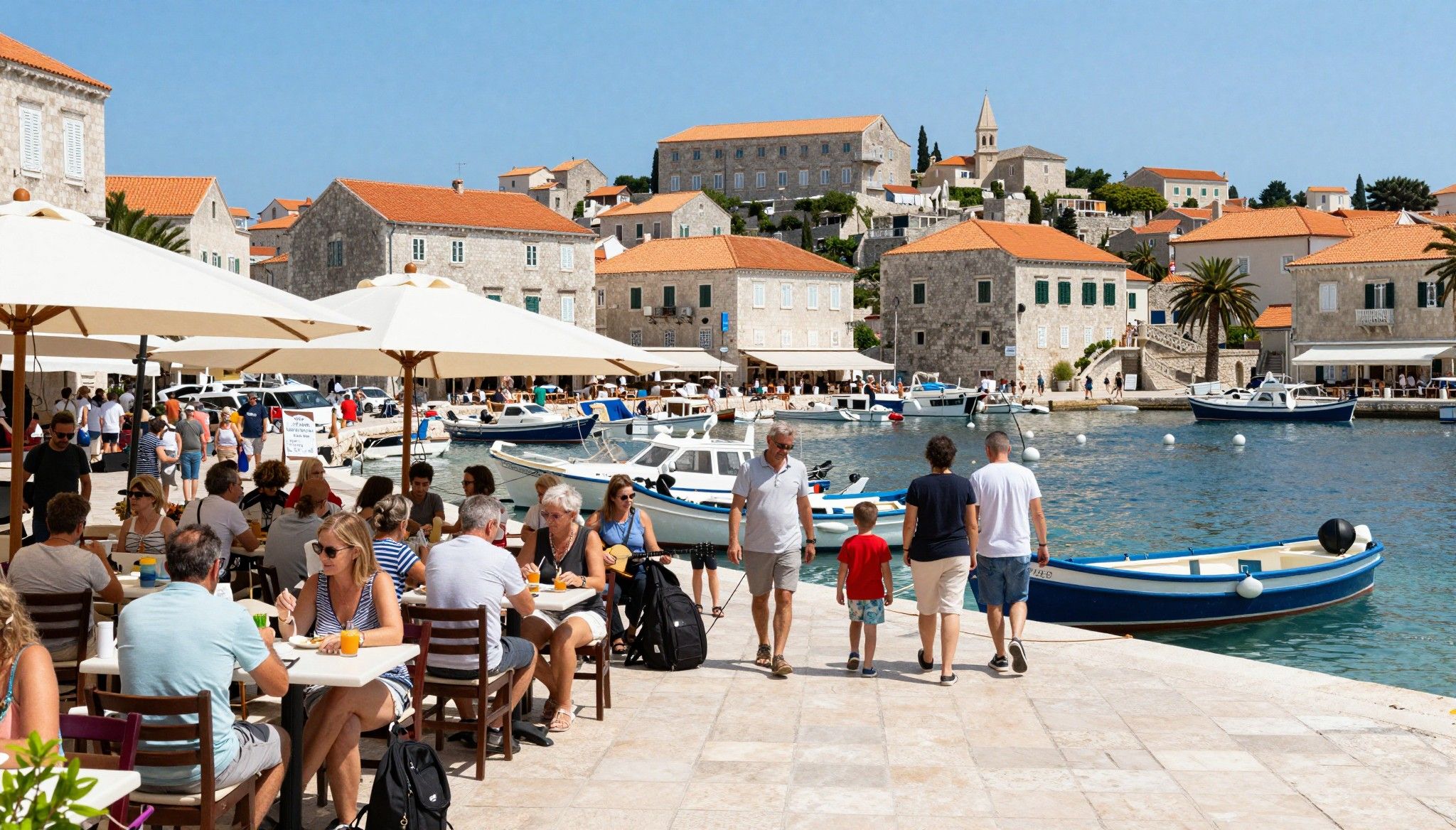
Limassol feels like Cyprus’s international chapter: modern marinas, waterfront promenades, a cluster of contemporary apartments and a busy development pipeline near the Old Port and Germasogeia. Walk Kimonos Avenue in the early evening and you’ll see expat families, boutique cafes, and developers’ showrooms juxtaposed with long-standing tavernas. For buyers wanting an active urban-beach life, expect higher liquidity but also more competition from overseas purchasers and end-users.
Paphos and Polis: history and slow coastal life
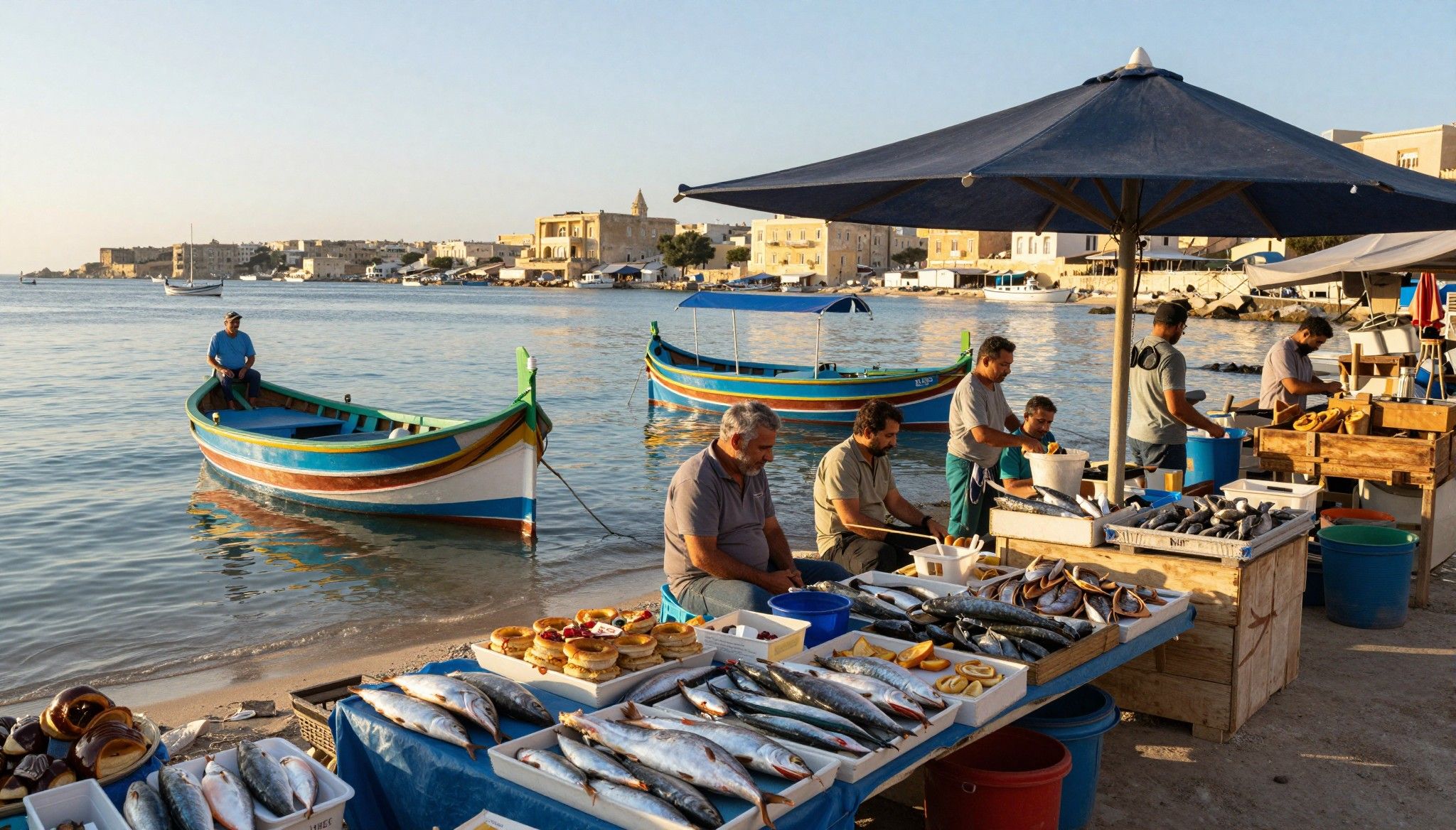
Paphos offers a quieter coastal alternative: medieval lanes, archaeological sites, and a strong family and retiree presence. In Polis and nearby Latchi you find low-rise villas, local fish tavernas, and a weekend tempo focused on sea and nature. These areas suit buyers prioritising privacy and authentic village rhythms over rapid capital growth.
- Lifestyle highlights: Limassol Old Port promenade, Molos park; Larnaca Finikoudes for morning coffee; Paphos harbour for weekend seafood; Troodos mountain trails and village tavernas; Paralimni and Protaras beaches for family summers.
Making the move: how lifestyle choices alter market choices
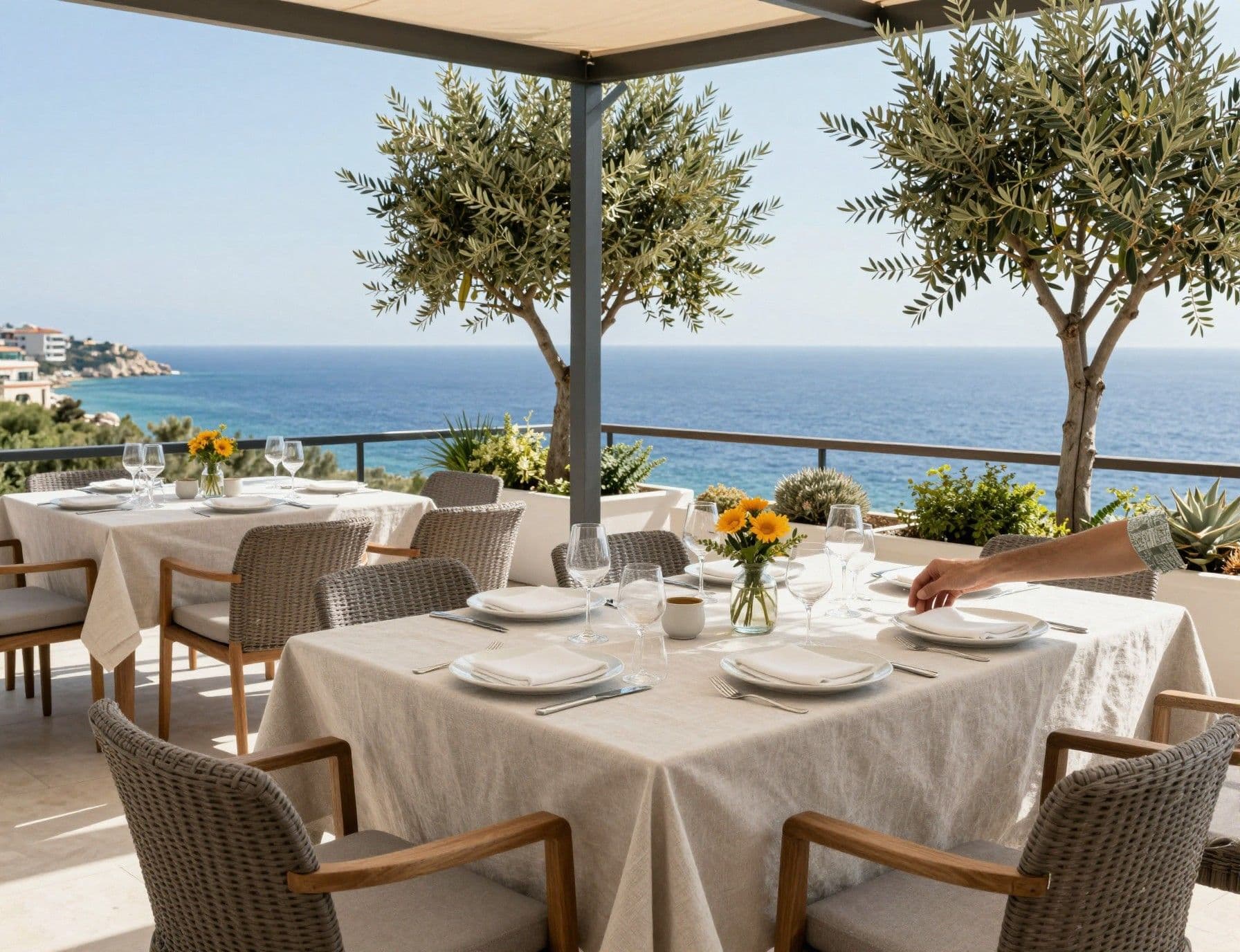
Choosing a neighbourhood isn’t just taste — it’s a financial preference. Apartments near marinas or city centres offer rental demand and easy resale; traditional village houses deliver lifestyle authenticity but lower turnover. Data from local central bank reports shows apartments driving much of recent transaction volume, a sign that lifestyle rental markets influence price dynamics. Match your daily routines to the property type, and you’ll avoid common buyer regret: a house in a sleepy village can be bliss for weekends but hard to rent during low season.
Property styles and how they affect daily life
Modern seafront apartments prioritise indoor–outdoor living with terraces, easy maintenance and proximity to cafés — they suit part-time residents and investors. Traditional stone houses in villages require more upkeep but reward with private gardens and cooler mountain summers. Consider how you’ll live across seasons: indoor space for winter, shaded terraces for summer, and storage or parking for long stays.
Local experts who preserve the lifestyle you bought
- How local advisors help: 1) They map neighbourhood seasonality so you visit when local life is visible; 2) They translate market cycles into realistic price expectations; 3) They recommend contractors familiar with Cypriot building materials and climate; 4) They connect you to community networks — from English-speaking clubs to local markets.
Insider knowledge: what expats wish they’d known
Expats often tell the same three surprises: the seasonality of social life, the strength of local networks, and the divergence between tourist hotspots and daily living hubs. Developers and agencies often focus marketing on summer spectacle; the wiser buyer looks at winter utilities, road access in rain, and whether a neighbourhood functions year-round. Reliable market reports and local advisors together help separate marketing gloss from everyday reality.
Cultural integration and everyday practicalities
English is widely spoken in Cyprus, yet social life often hinges on invitations and local routines. Expect late dinners, family-centred weekends and community events tied to church calendars and harvests. Join local clubs, weekday language cafés, or farmers’ markets to build ties; buyers who do integrate find property ownership becomes a faster route to community acceptance and deeper lifestyle satisfaction.
Long-term lifestyle signals buyers should watch
- Watch these signals: 1) new-build planning applications near transport hubs; 2) shifts in Airbnb listings versus long-term rentals; 3) infrastructure investments (marinas, schools, hospitals); 4) demographic moves — growing expat schools or new international services.
Practical next steps: visit in shoulder seasons (April/May or October/November) to see real neighbourhood life, request Central Bank and Cystat price series for your target submarket, and work with an agent who can show both new developments and negotiated resale opportunities. Bring a checklist that includes utility access, winter heating, and local service availability — lifestyle details that become daily conveniences.
Cyprus delivers a clear promise: Mediterranean daily life with pockets of modern convenience. The market is data-driven but local in temperament — buy the lifestyle first and the investment case follows when you pair that choice with regional price data and local expertise. Start by visiting chosen neighbourhoods out of season, ask for recent HPI and RPPI extracts for the streets you love, and choose an agency that knows both the numbers and where the local coffee is best.
Conclusion: Let the island’s rhythm guide decisions but let the data confirm them. If you’re drawn to Limassol’s marina life, expect greater liquidity and a premium for seaside terraces. If Troodos or Paphos calls, prepare for slower markets and deeper lifestyle rewards. Either way, pair lifestyle visits with the Central Bank and Cystat data, a local agent who respects your life choices, and a schedule that tests neighbourhood life across seasons.
Dutch investment strategist with a Portugal-Spain portfolio. Expert in cross-border financing, rights, and streamlined due diligence for international buyers.