Italy Isn’t Too Pricey—Where Value Hides
Italy’s headline prices hide regional value. Match lifestyle to micro‑locations and you can secure authentic Italian living without paying prime‑city premiums.
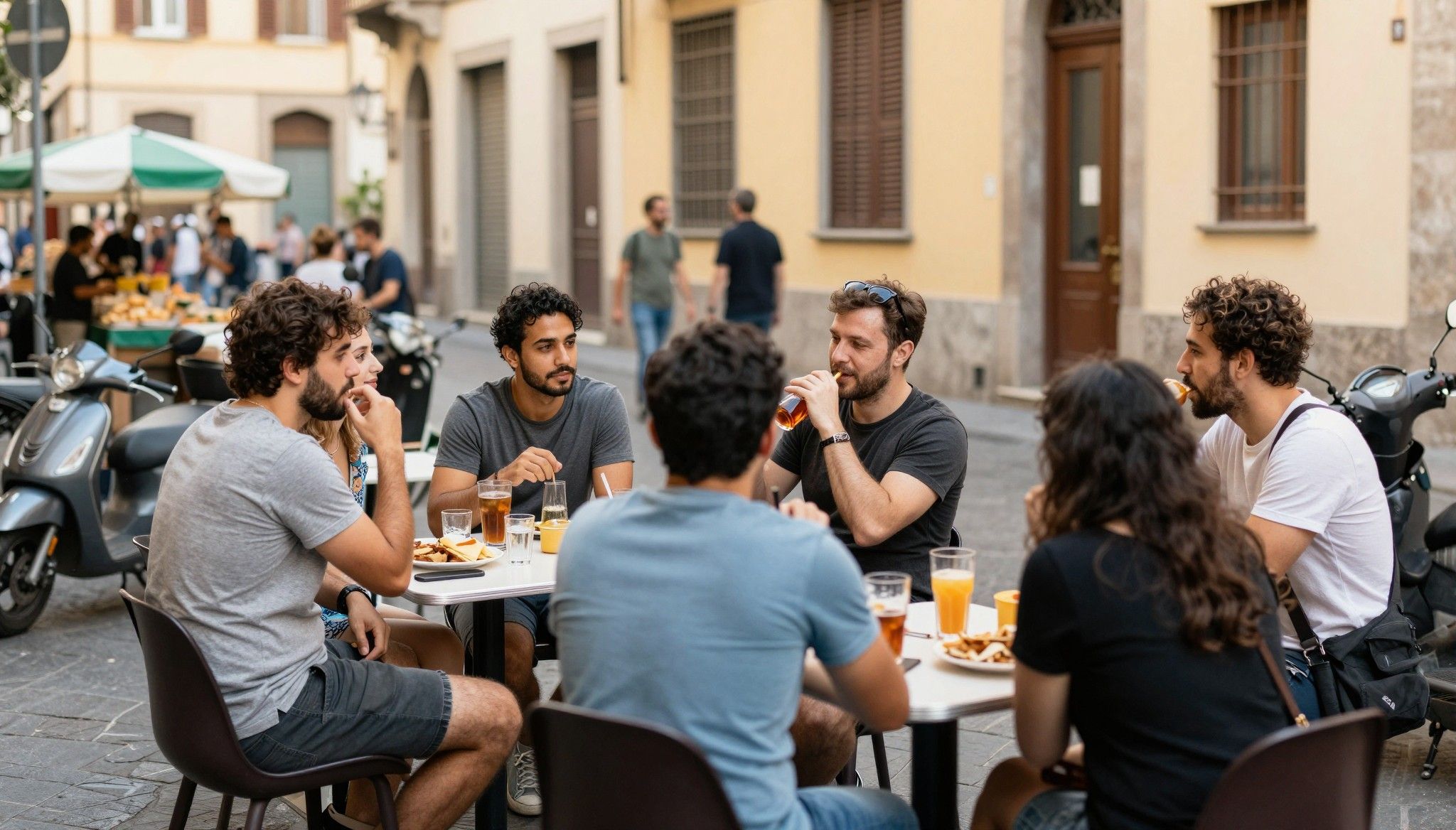
Imagine waking to espresso steam on a narrow Roman balcony, then slipping onto a Vespa for Saturday markets in Trastevere — yet paying less per square metre than a comparable neighbourhood in Madrid or Lisbon. Italy’s lifestyle and property map is layered: prime addresses command premiums, but value pockets—from university towns to coastal villages and overlooked Milanese quarters—still reward buyers who look beyond headlines.
Living the Italian life — sensory, seasonal, sincere
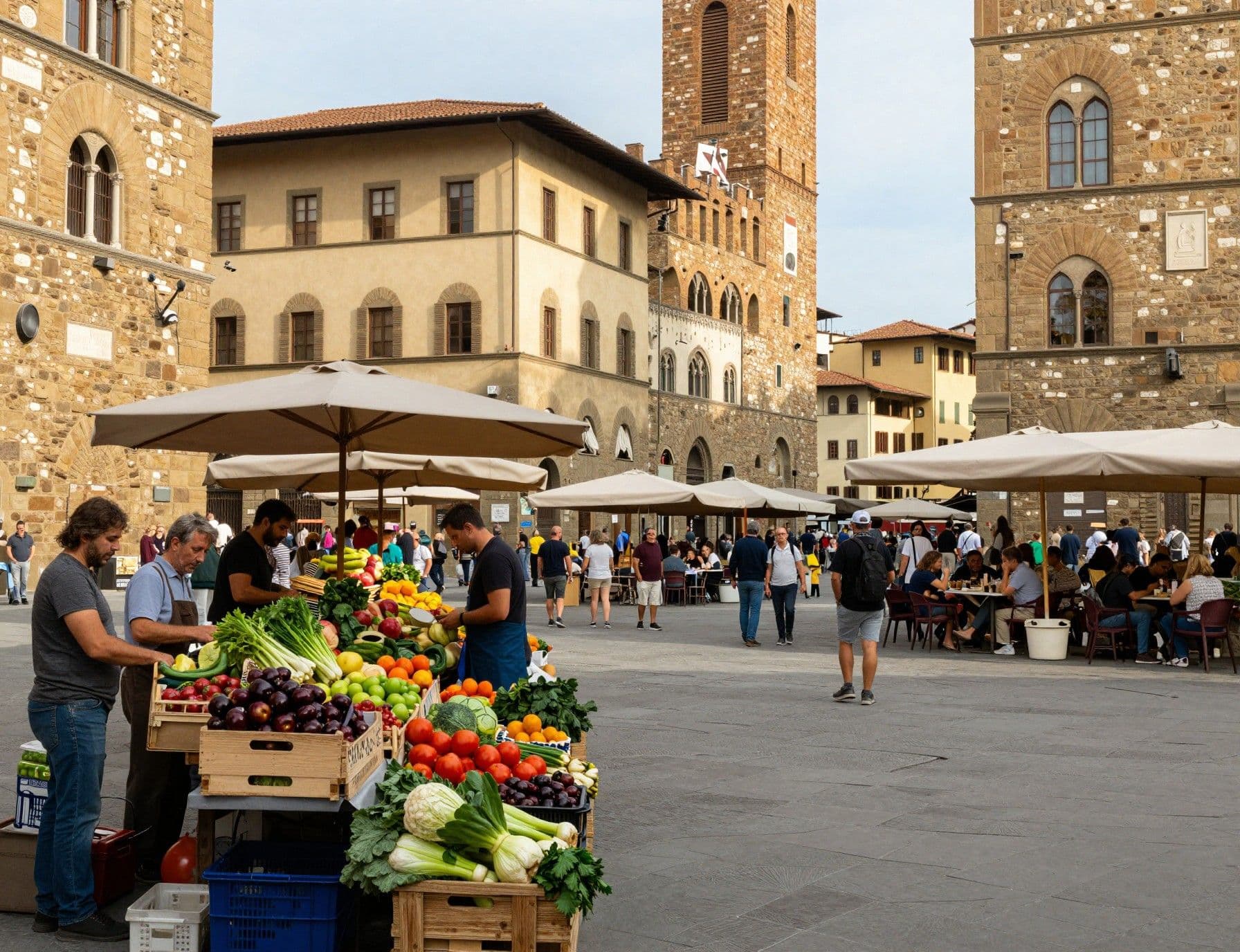
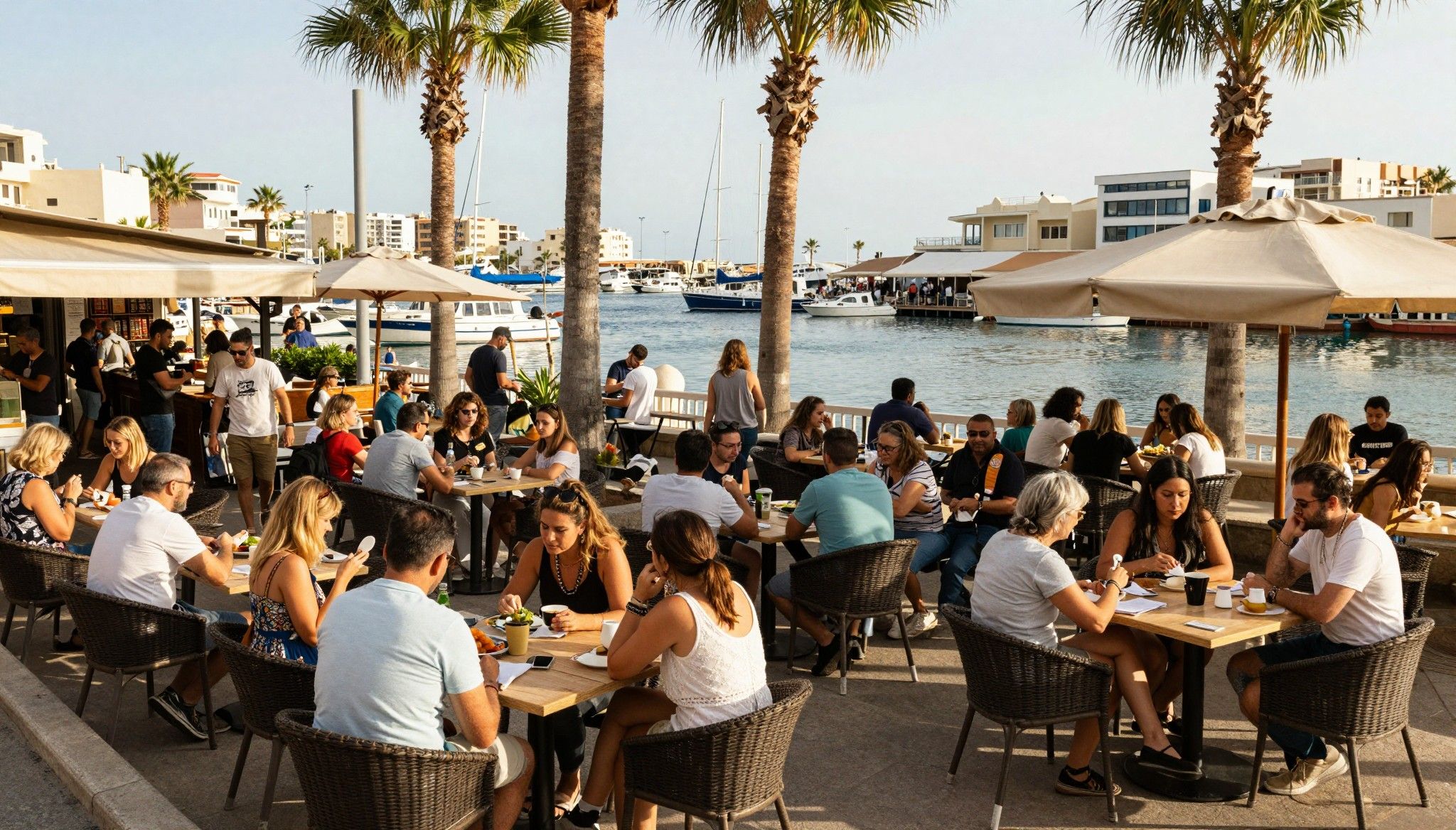
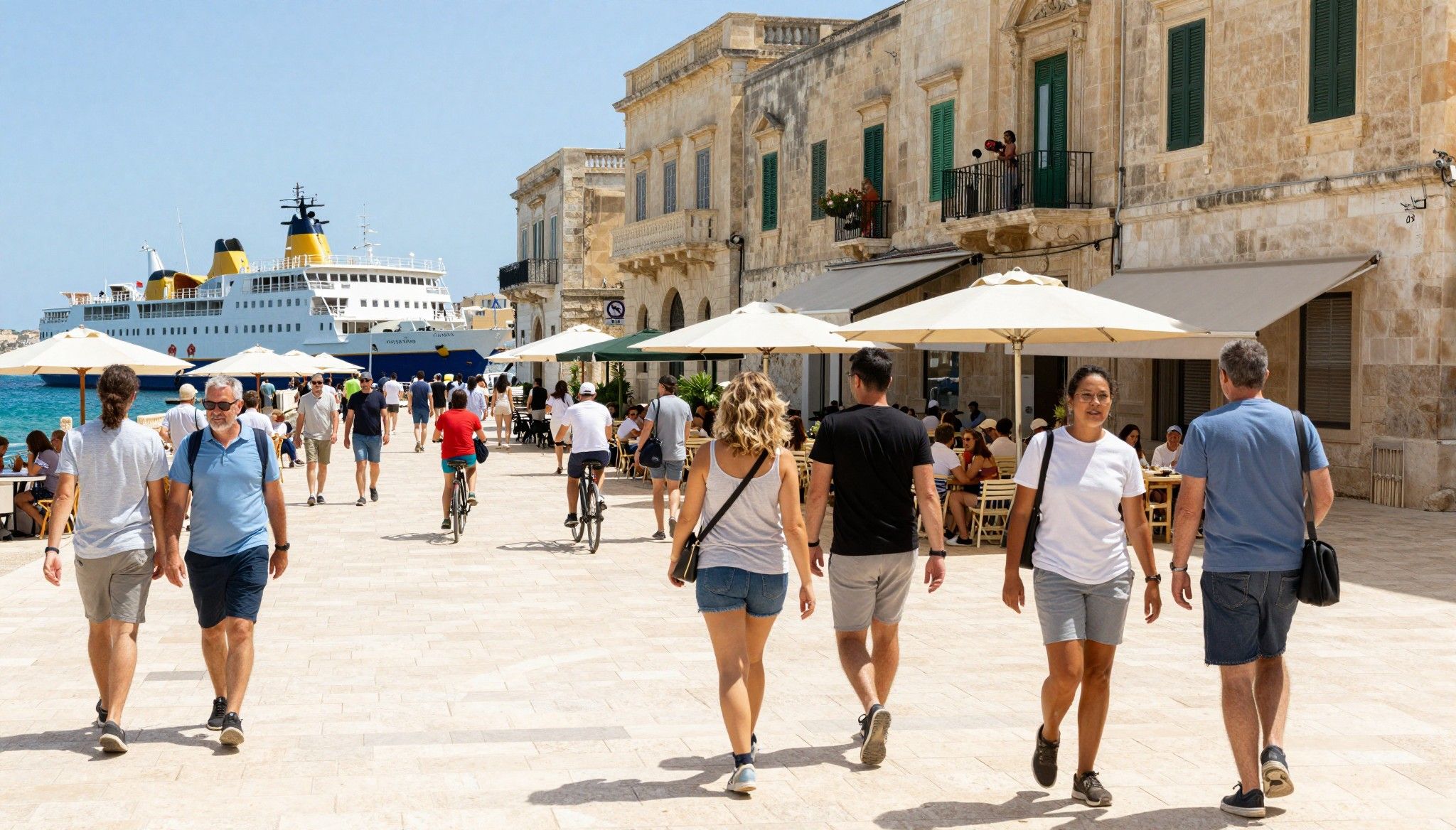
Italy’s daily rhythm is an argument for buying: cafés that open at dawn, markets that close at noon, long lunches in summer and quiet, community-focused winters. In cities like Milan, Florence and Rome you’ll find design, cuisine and culture layered into neighbourhood routines; on the coast and in hill towns, life is slower, anchored to the seasons and local produce. That duality is what makes Italy both emotionally irresistible and strategically diverse for buyers.
Rome: Trastevere, Testaccio and the overlooked edges
Trastevere buzzes with cobbled evenings and dense restaurant life; Testaccio hums with markets and food culture. Walk slightly west to Monteverde and you hit tree-lined streets, Villa Doria Pamphili and calmer prices — the tradeoff is ten minutes more on the tram for a quieter, local life. These micro-differences change both daily pleasure and what you pay.
Florence & Tuscany: Oltrarno living and countryside breathing room
Oltrarno’s small artisan shops, aperitivo spots around Piazza Santo Spirito and the daily market at Sant’Ambrogio give city life a village feel. Move a short drive into Chianti and you trade museum queues for farm-to-table dinners and larger gardens — often at lower cost per square metre but with added maintenance and transport considerations.
Why Italy’s “expensive” tag misses the real map
Headline averages obscure regional variety. National indices show modest growth, but they aggregate Milan and central Rome with rural Sicilian towns. ISTAT and market platforms recorded price increases in 2024–2025, yet median values differ drastically by region — meaning buyers who target lifestyle-fit locales often find better value than international press suggests.
Where value hides: university cities, industrial towns and coastal pockets
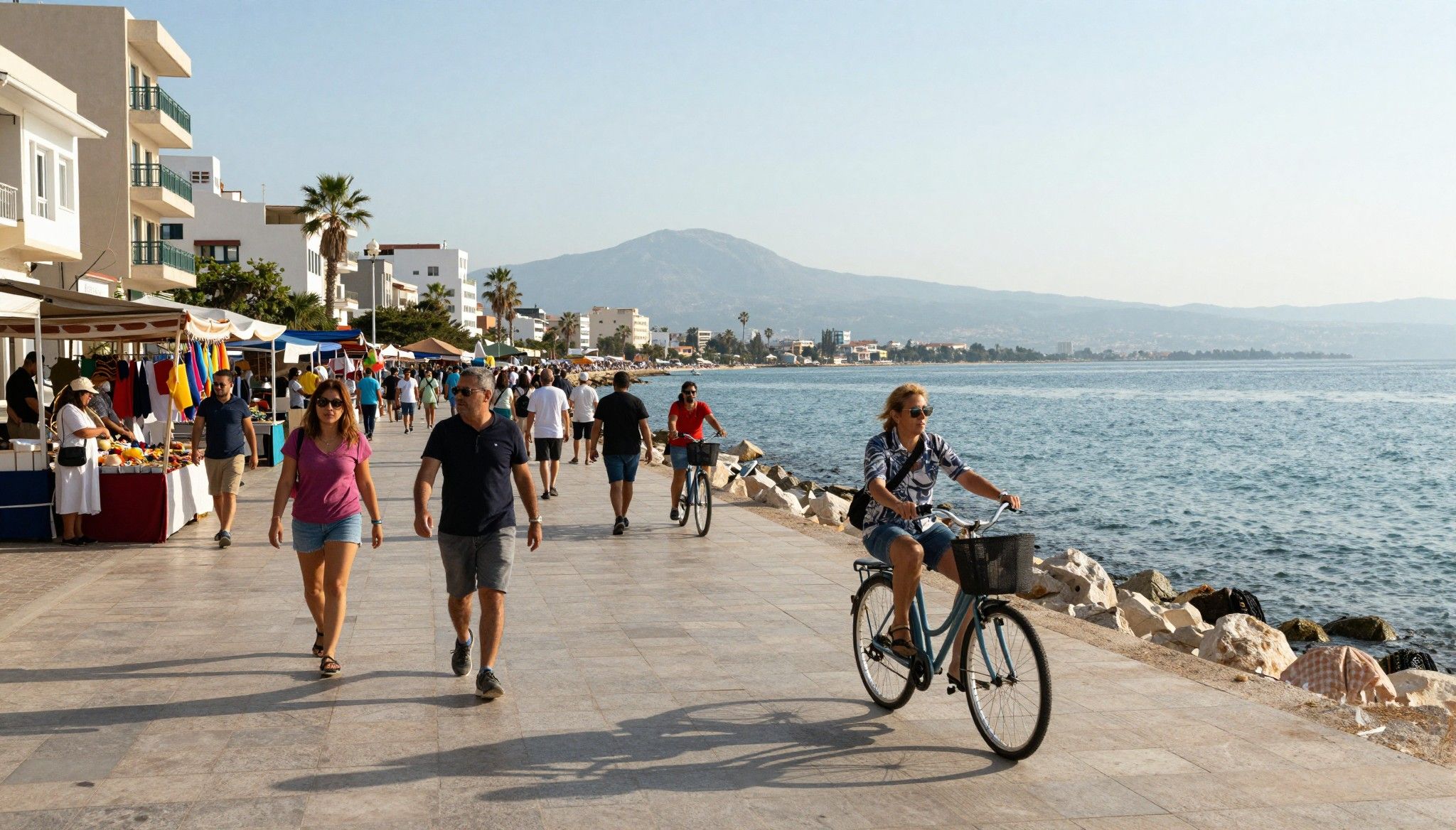
Smaller cities with universities (Pisa, Pavia), industrial hubs undergoing regeneration, and overlooked coastal stretches on the Adriatic and southern Tyrrhenian coasts often offer lower entry prices and decent rental demand. Recent industry analysis highlights modest national price rises but a clear divergence between prime centres and secondary markets — that divergence is where opportunity sits.
Lifestyle tradeoffs that preserve value
- Choose a smaller centre for authentic daily life: morning markets, reliable cafés and local services without tourist premiums.
- Prioritise walkability and local amenities over immediate proximity to the main tourist magnet — a 10–15 minute walk often halves the price.
- Look for areas with steady local demand—universities, hospitals or new commercial hubs—so rental income is predictable year-round.
Making the move: property reality meets lifestyle intent
Translating a lifestyle wish into the right property requires matching house type, location and seasonality to everyday life. New-builds in Milan suit professionals craving low-maintenance city life; restored historic flats in central Florence reward culture lovers but often need renovation; coastal apartments bring summer rental upside and quieter winters — and that affects cashflow and maintenance.
Property styles and how you’ll actually live in them
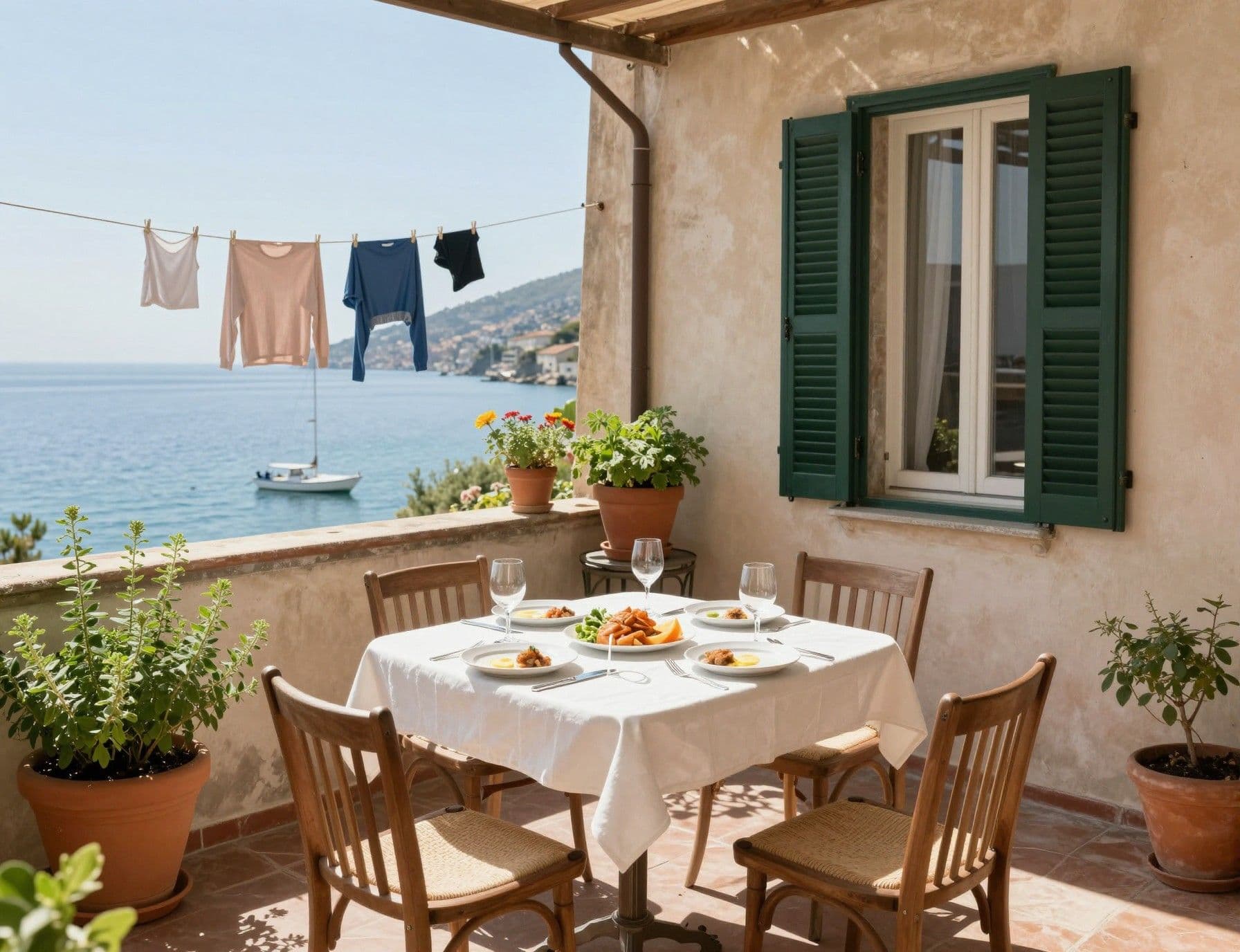
Apartments in historic centres mean thicker walls and smaller windows but unbeatable proximity to daily life; modern developments offer amenities and thermal efficiency but sit on the edge. In coastal towns, terraces and shuttered rooms are part of the seasonal living pattern — factor in humidity management, summer rentals and climate adaptation when comparing price-per-metre figures.
Work with local experts who know the life, not just the listings
A neighbourhood-savvy agent will spot micro-value—a sunny courtyard flat steps from a market, a below-market unit overlooked by tourists, or a small renovation with large lifestyle upside. Use local agents for street-level intel, a notary for legal certainty, and a surveyor familiar with masonry-era construction to avoid surprises.
- Inspect at different times: morning market, siesta, evening to understand noise and foot traffic.
- Ask an agent for three local comparables from the past six months, not glossy agency photos.
- Budget for renovation realities: older buildings often need wiring, plumbing and thermal upgrades.
- Prioritise walk-to-everything radius over a single spectacular view—daily convenience sustains lifestyle value.
Insider knowledge: what expats say and what buyers wish they’d known
Long-term residents often tell the same story: move where you can make a life, not only where you can claim a view on Instagram. Language helps, but it’s not mandatory; joining local associations, volunteer groups or sports clubs accelerates belonging. Seasonal rhythms—winter quiet in seaside towns, harvest festivals inland—shape both enjoyment and rental calendars.
Cultural integration: small gestures, big returns
Learn neighbourhood customs: where to queue for bread, which days market vendors sell discounted produce, and how apartment-block committees manage repairs. These seemingly small rituals determine whether you’re a resident or a visitor in the eyes of locals — and they influence how easily you rent the property when you’re away.
Long-term lifestyle planning: community, services and seasonality
Think beyond purchase: healthcare access, proximity to airports, school options and winter services matter. A charming hillside village may be idyllic in summer but harder for year-round living if roads are steep and services limited. Balance romance with practicality to protect your investment and quality of life.
- Local tip: shop the market for produce, then favourite trattorias will become your social calendar—an intangible but invaluable part of life in Italy.
- Hidden gem: consider small coastal towns in Marche or parts of Puglia for beach life without the tourist premiums of Amalfi or Cinque Terre.
- Red flag to watch: properties advertised with vague renovation histories—always request permits and a technical survey.
Italy is not monolithic. Its charm is stitched from neighbourhood-specific details, seasonal rituals and culinary habits. If you match the life you want to the right micro-location, you’ll find that Italy’s expensive reputation is simply an incomplete story — one that rewards buyers who trade headlines for street-level knowledge.
Next steps: visit recommended neighbourhoods at different times, shortlist three properties that match a lived-day scenario, and ask local agents for recent comparables. Use a notary and a certified surveyor early to avoid surprises. For buyers drawn to lifestyle first, Italy offers an unusually rich palette — you simply need the street map, not only the headline index.
British investor turned advisor after buying in Costa del Sol since 2012. Specializes in cross-border compliance and data-driven investment strategies for UK buyers.