Off‑Season Pipeline: Where Croatia’s New Builds Hide Life
How Croatia’s new-build pipeline and seasonal life shape where long-term value appears—practical checks and neighbourhood cues for lifestyle-focused buyers.
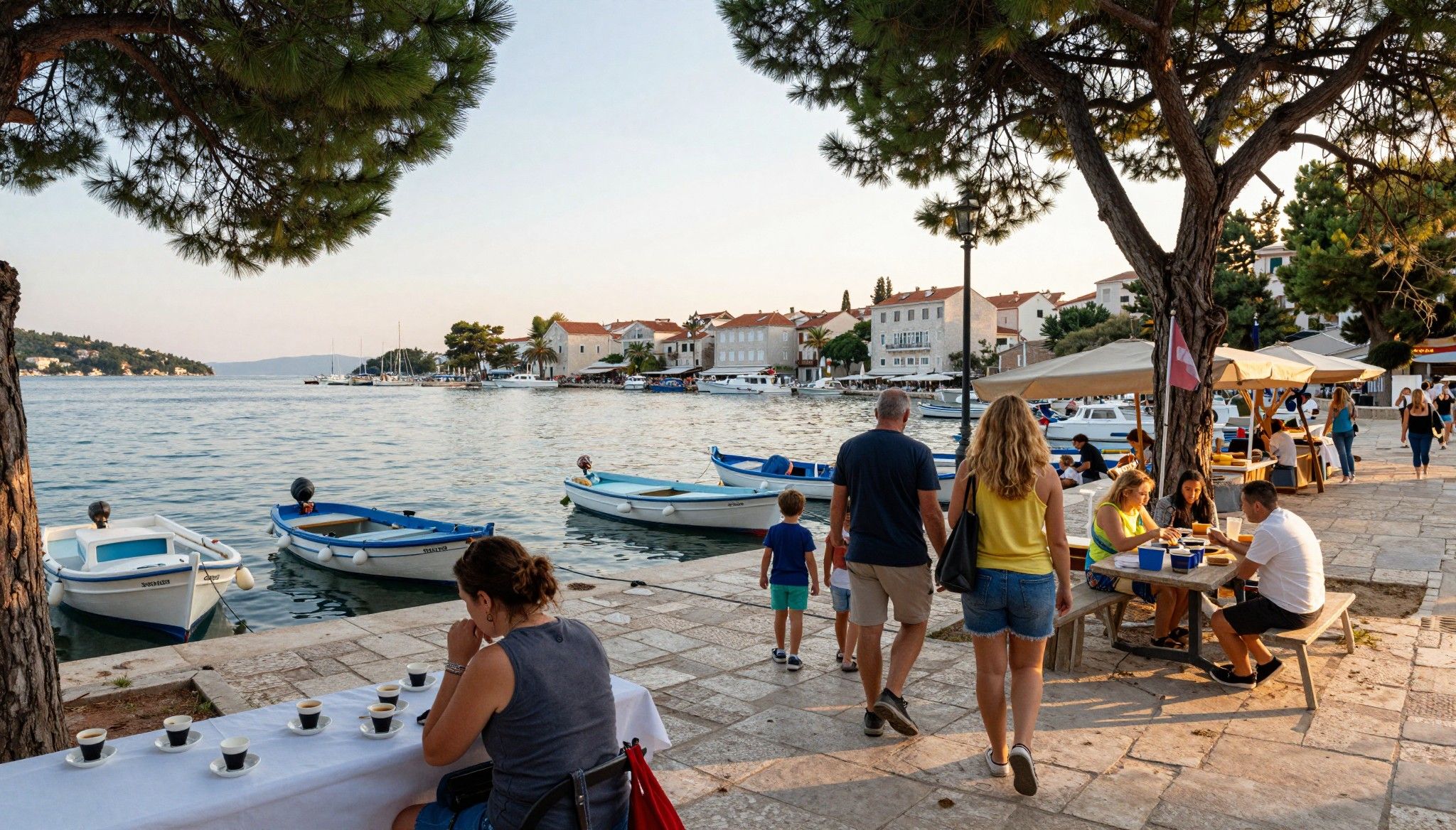
Imagine starting the day with a short walk to Dolac market in Zagreb, then swapping city tram noise for the hush of pine-scented sea air on the Adriatic by afternoon. Croatia sells that split life: compact, lived-in city quarters and an intimately scaled coastline where neighbourhood cafés remember your order. But behind the romance lies a shifting new-build pipeline, new taxes and tighter short‑term rental rules that shape where value will appear next. This guide combines on-the-ground lifestyle scenes with pipeline data so you can fall for the place and still buy with discipline.
Living the Croatian life: more than a summer postcard
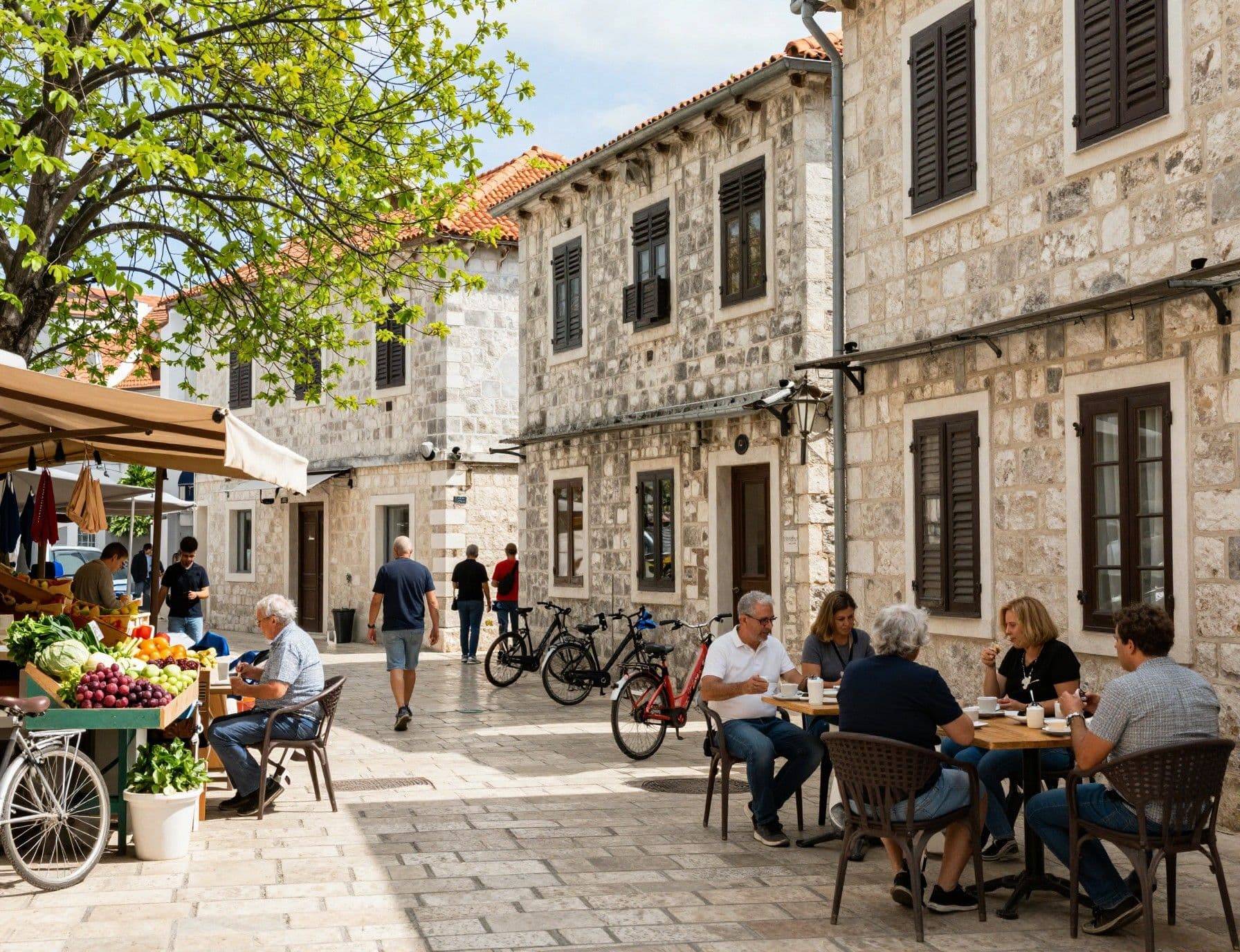
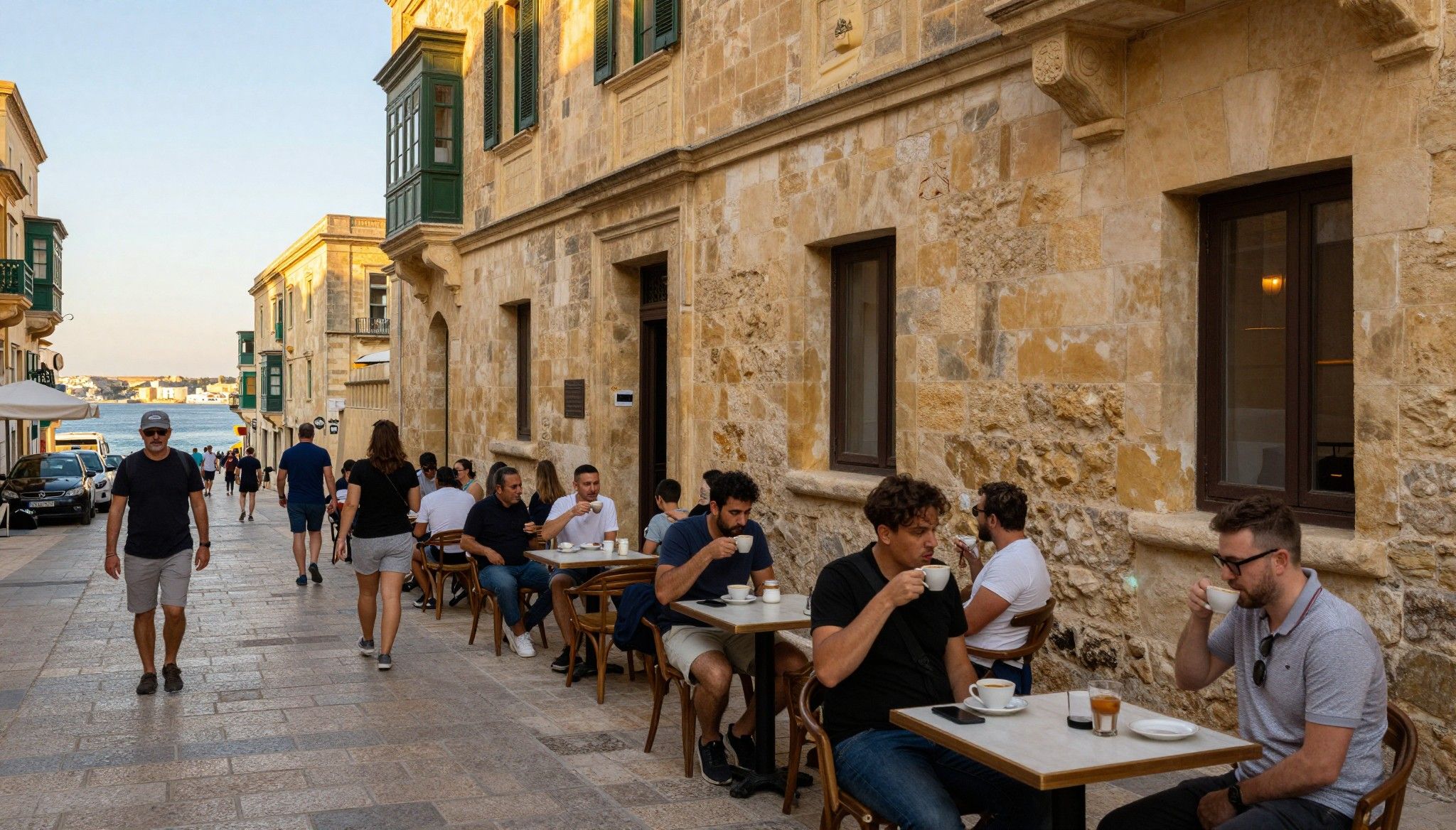
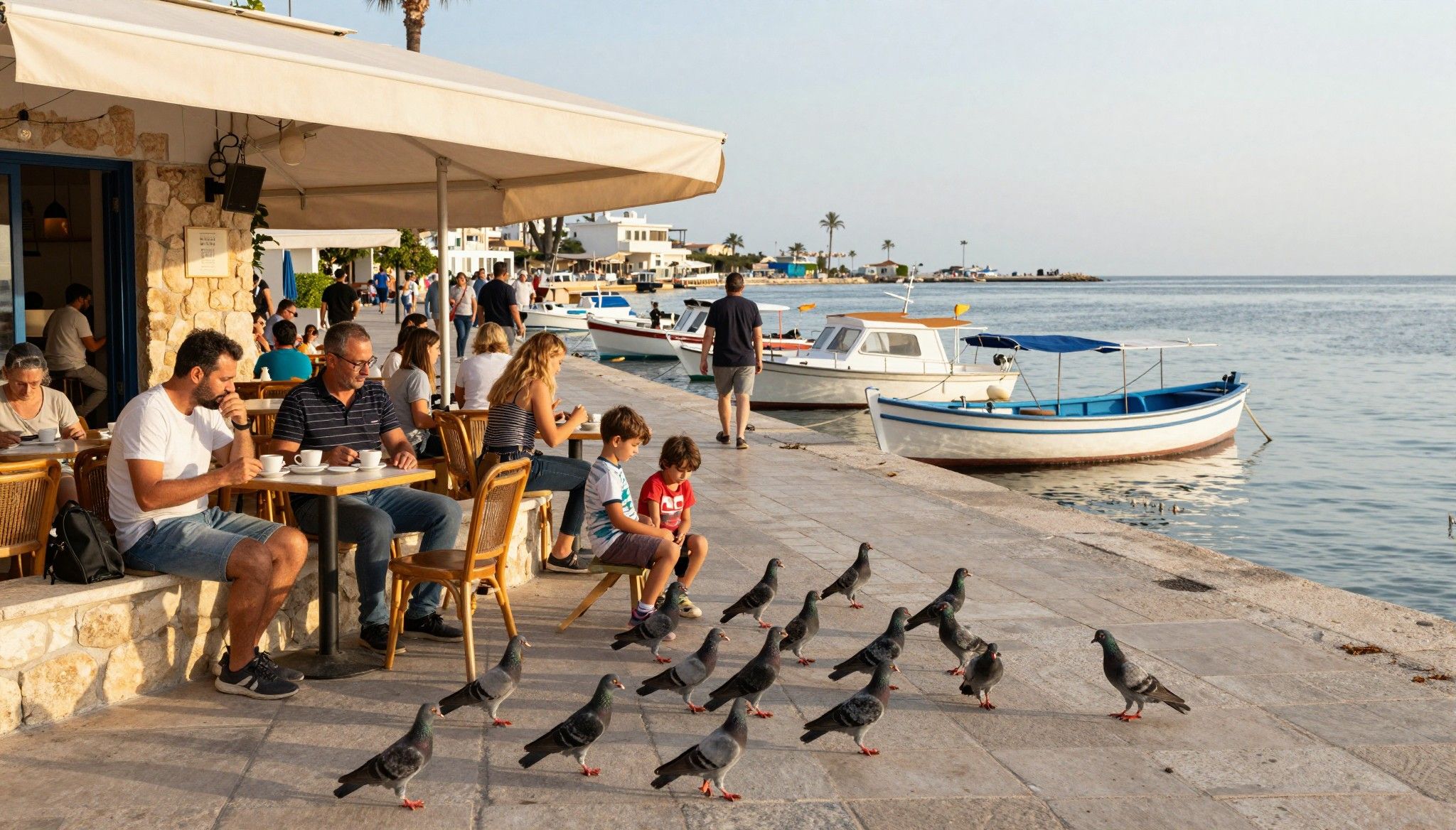
Croatia’s daily rhythm is seasonal but never monochrome: spring markets and early-morning espresso in Split’s Varoš, cicadas and late dinners on Hvar’s quieter lanes, and weekday calm in Rijeka where creative hubs hum. Streets are human scale—stone-paved, shaded, punctuated by bakeries, neighbourhood konobas and small galleries—so properties that prioritise convivial outdoor space or easy access to a market feel more like living than investing. For buyers, choosing a place here is a lifestyle decision first and a return calculation second; the best new developments are those that connect to real neighbourhood life, not just views.
Zagreb mornings, Dalmatian evenings: a neighbourhood map
Zagreb’s Gornji Grad and Maksimir offer leafy streets, farmers’ markets and year‑round services, making them ideal for buyers who want city life with green breathing room. On the coast, Split’s Veli Varoš and Bačvice blend proximity to the Riva with village-scale community; Istria’s Rovinj and Pula provide a mix of olive groves, contemporary gastronomy and quieter winter months. Each area has different development pressures: Zagreb sees apartment densification, while the Adriatic coast still favours boutique new builds and renovated stone houses—know which rhythm you want before you search.
Food, markets and weekend rituals that shape where people buy
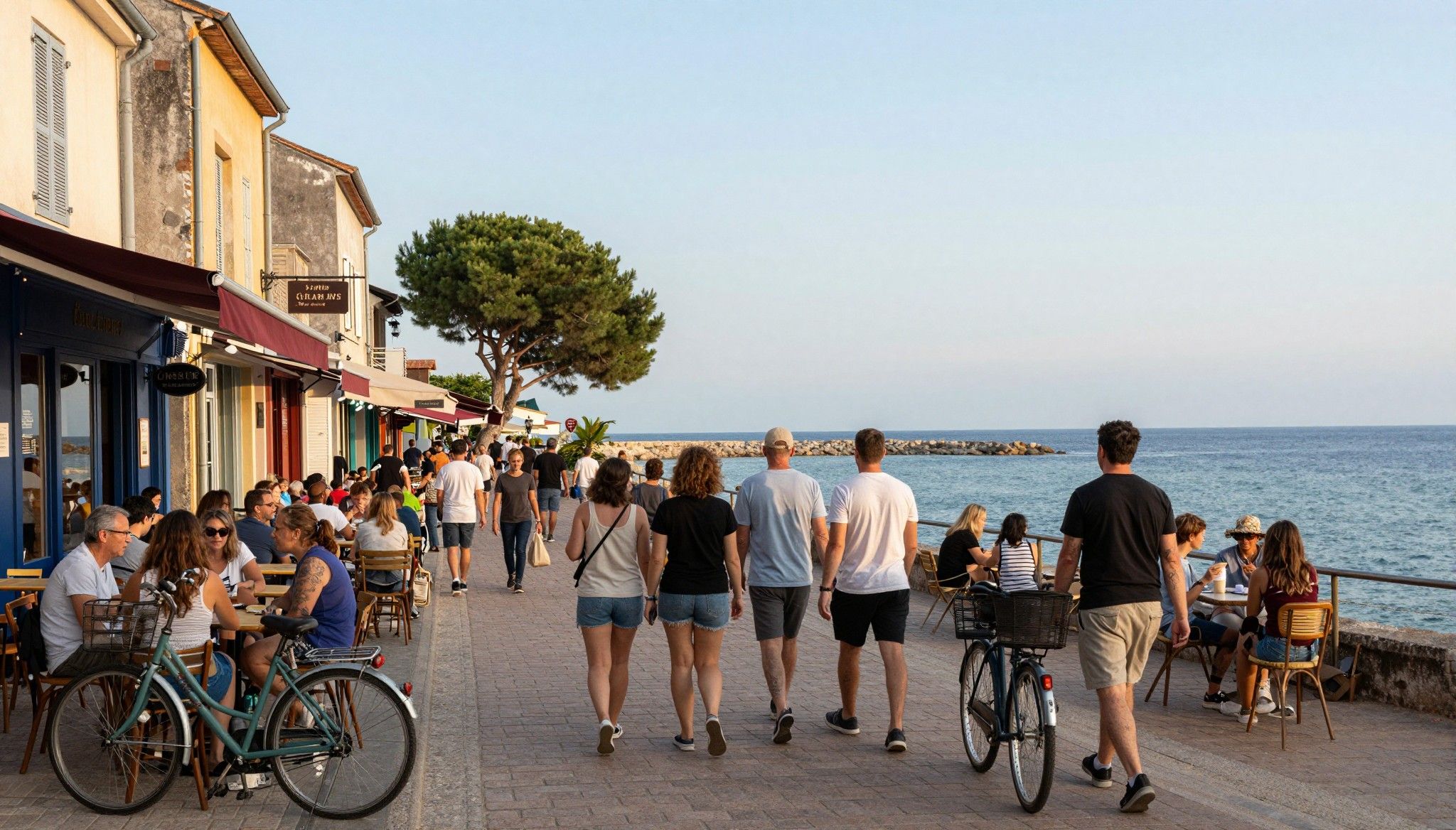
Weekend rituals—market shopping, coastal swims, and late aperitifs—aren’t just charming extras; they determine what properties maintain year‑round demand. Buyers chasing lifestyle should prioritise short walks to markets (Dolac in Zagreb, Split market), harbour promenades, and small local cafés that operate out of season. New developments that include communal courtyards, storage for bikes and small vegetable plots score points for liveability in a Croatian context. These features are often clearer indicators of long-term desirability than temporary price spikes in high-tourist pockets.
- Dolac market (Zagreb); Varoš cafés (Split); Batana quarter (Rovinj); Bačvice beach early swim; Palmizana island lunches; local konobas with wine lists
Making the move: pipeline realities and practical trade-offs
The data show rapid price growth that buyers must respect: Croatia’s house price index rose strongly through 2024–2025, driven by tourism demand, wage growth and constrained supply on the coast. New-build prices have accelerated in many coastal municipalities, making pipeline analysis essential: is a new development adding quality, or merely more short-term rental capacity that cannibalises future yields? Use official HPI releases to check momentum and local municipality planning portals to track developer permissions before you commit. Knowing where supply will land in the next 18–36 months changes negotiation power.
Property styles and how they match lifestyle
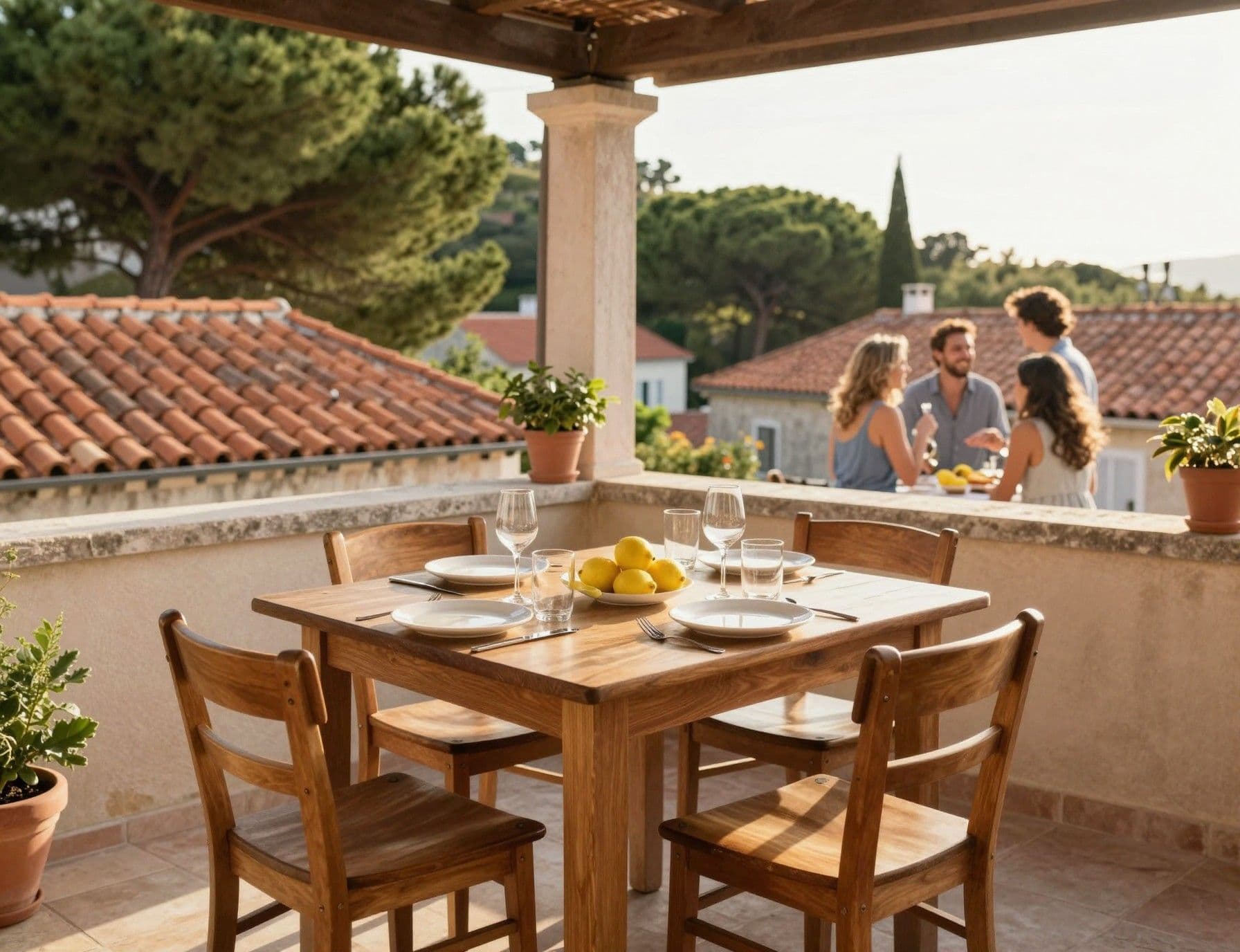
From restored stone houses with terraces to modern condominium projects, each product answers a different need. Stone restorations deliver authentic coastal life and are best where community and permanence matter; contemporary developments offer facilities and lower maintenance but may sit in zones targeted to tourism. If you plan year‑round residency, prioritise insulation, winter heating and accessible services; if your strategy is mixed holiday use, seek developments with property management and clear licensing for short‑term rentals.
Working with local experts who understand pipeline nuance
Agencies with on-the-ground planning insight can flag projects about to enter the market and point to developers with reliable finish quality. Ask agencies for recent planning notices, examples of completed developments and references from buyers who purchased off‑plan. A good local agent will translate municipal timelines, reveal condominium rules (especially changes to short‑term rental permissions introduced in 2025) and help model realistic occupancy and holding costs over time. Treat the agency as your local pipeline monitor: they should be able to show you not just listings, but what’s coming.
- Verify HPI trends for your municipality; review municipal planning applications; visit comparable completed developments; confirm short-term rental licence rules; request developer guarantees and finish samples
Insider knowledge: what expats wish they’d known
Expats often arrive enchanted by summer scenes and underestimate how slow services and small‑town rhythms become in winter. They also misread headline growth as uniform opportunity: Q2 2025 national figures showed strong year‑on‑year increases, but the drivers and risks differ by region. The coastal market is sensitive to short‑term rental regulation and seasonal demand, while Zagreb and university towns show steadier year‑round fundamentals. The best buyers temper romance with a checklist that protects living standards and resale appeal.
Cultural integration, language and community life
Croatians value neighbourliness and clear face-to-face interactions: a friendly konoba owner, a market vendor who remembers you, and a responsible building community matter more than concierge services. Learning basic Croatian phrases opens doors and reduces friction with building associations or local officials when securing permits. Long-term residents recommend joining local clubs—rowing, wine-tasting, or volunteer restoration groups—to anchor social life and discover micro-neighbourhoods not visible to tourists.
Long-term lifestyle: growth, sustainability and resale clarity
Think 5–10 years ahead: municipal planning for infrastructure, protections on coastal development, and national policy on short‑term rentals will influence resale and everyday life. New regulations introduced in 2024–2025 increased scrutiny of holiday letting and condominium governance, shifting investor appetite toward higher-quality, community-minded projects. Choose developments with durable materials, energy-efficient systems and transparent condo rules; those features preserve both lifestyle comfort and long-term marketability.
- Check insulation and heating for winter use; confirm waste and water management plans; prioritise developments with private storage and bike parking; seek developer warranties and snag lists; confirm condominium rules on rentals
If you want to live the Croatian life, plan like a resident: spend an off‑season week in a neighbourhood, talk to neighbours, and ask to see comparable completed buildings at different seasons. If you want investment upside, couple lifestyle-led choices with pipeline intelligence: use official HPI data and local planning portals, require developer disclosures, and work with agents who can show what’s permitted in the next planning cycle. Fall in love with the light, the market with your eyes open.
- Schedule an off‑season visit; request municipality planning extracts; insist on written warranty terms; model occupancy and costs for 12 months; hire a local lawyer to review contracts
Next steps: contact a local agency with pipeline expertise, book an off-season stay, and compile a short shortlist of neighbourhoods that match both lifestyle and practical criteria. Croatia rewards buyers who think like neighbours first and investors second; that balance keeps life enjoyable and value defensible.
Danish relocation specialist who has lived in Barcelona since 2016. Helps families move abroad with onboarding, schooling, and local services.