Where Cyprus’ Smart Buyers Look When Limassol Feels Pricey
A lifestyle-first forecast for Cyprus: why quieter towns like Paphos and Larnaca can deliver better daily life and more measured price growth than headline markets.
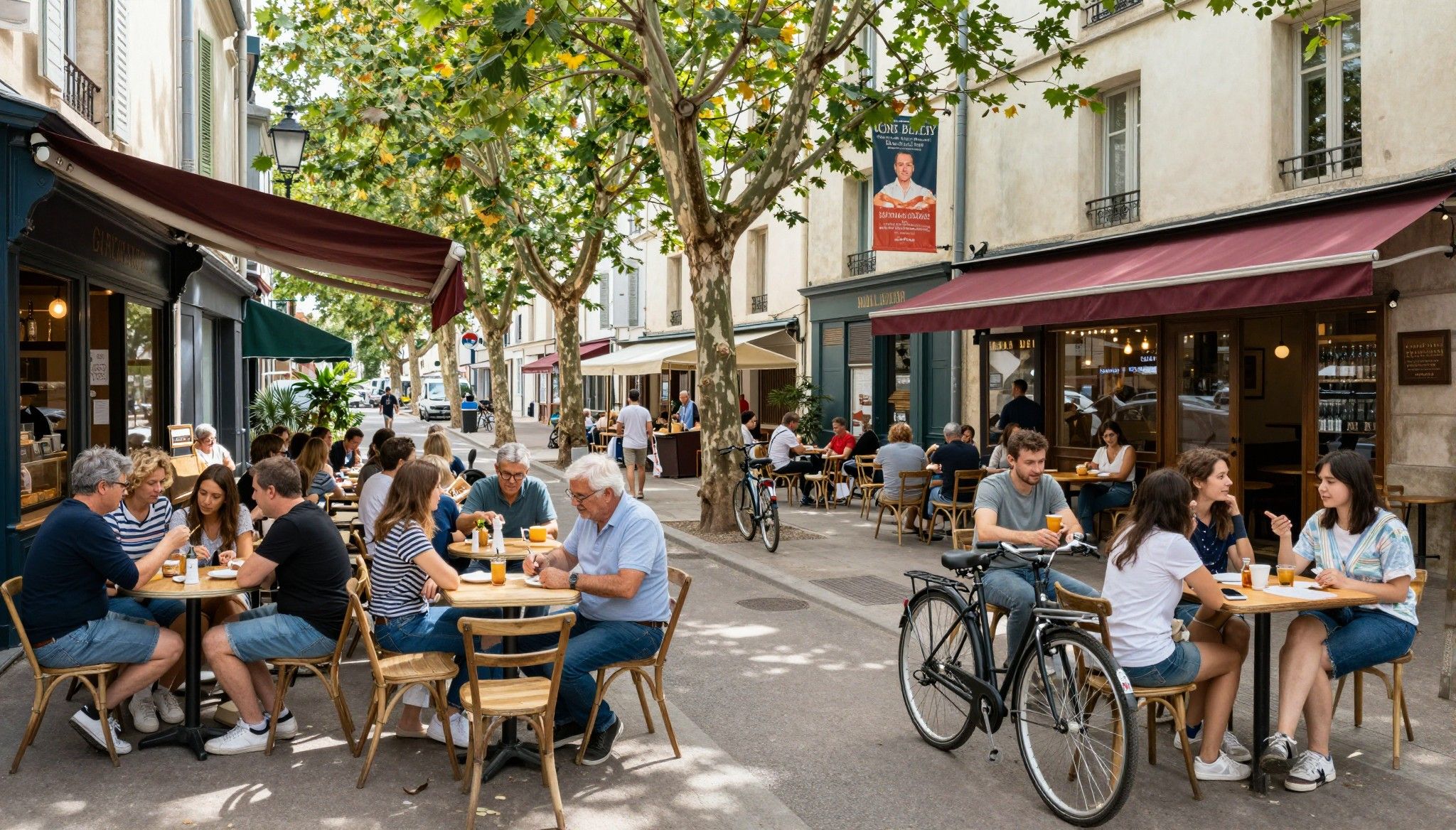
Imagine stepping out at dawn to buy freshly baked halloumi from a sunlit market in Paphos, then walking a few blocks to a cafe where English and Greek mix easily at the table. That relaxed morning scene is how life starts in many Cypriot towns — bright light, friendly streets and a strong local rhythm — and it’s precisely the day-to-day feeling buyers often miss when headlines focus only on Limassol’s luxury towers.
Living Cyprus: daylight, villages and sea-breezes
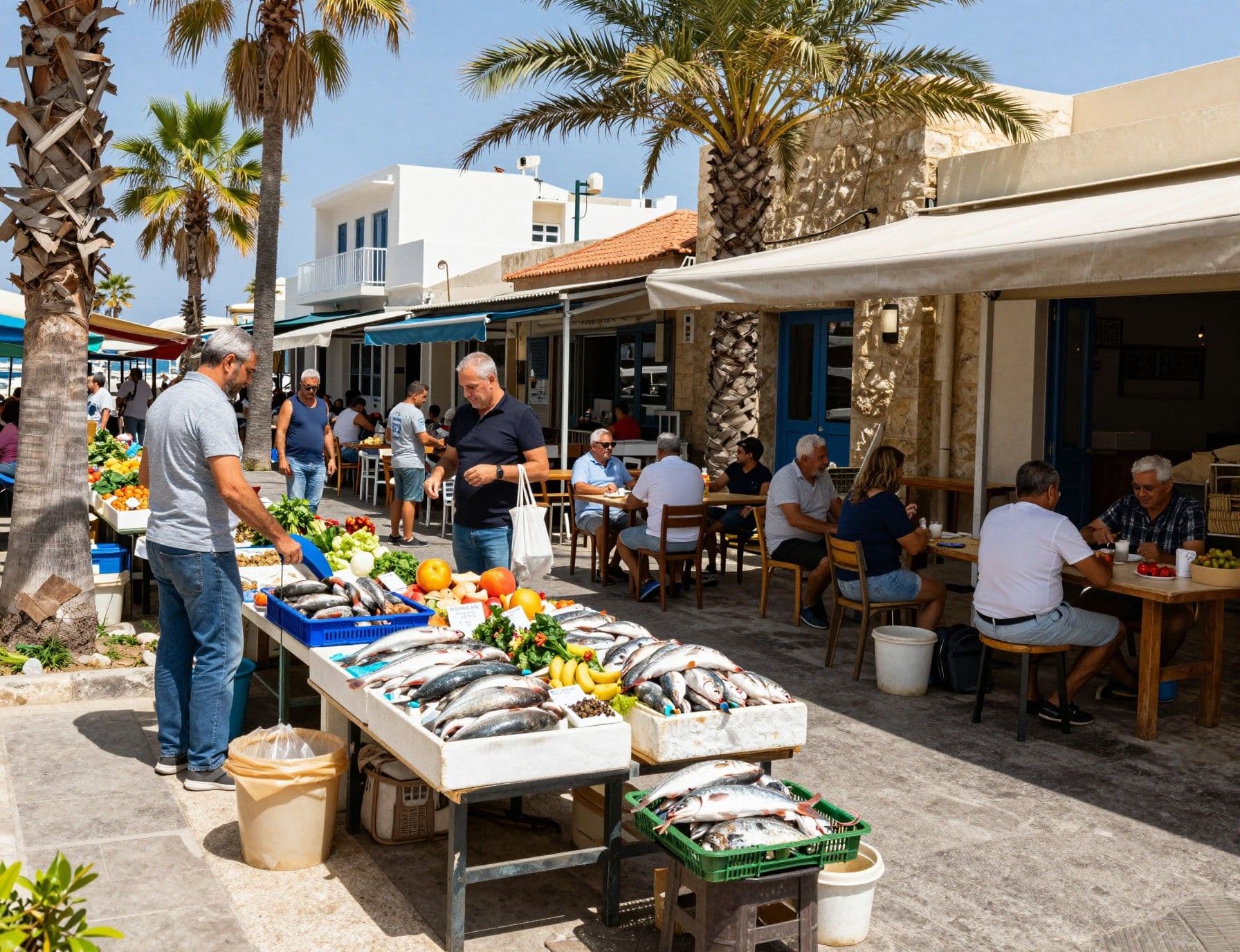
Cyprus is not a single lifestyle but a handful of lifestyles: the marina-side tempo of Limassol, the sleepy Alleys of Polis, the pine-scented mornings of Troodos and the beach-town cadence of Paphos and Larnaca. Days here are shaped by light and seasons — a long spring for beach lunches, hot, dry summers for late-night promenades, and a mild winter that keeps neighbourhood life alive year-round.
Paphos & Peyia: village intimacy, coastline access
Paphos still feels like a place where neighbours know each other by name. Streets in Kato Paphos wake with fishermen selling catch near the harbour, while Peyia’s terraces offer quiet sea views and family-run tavernas. For buyers seeking a lived-in coastal life rather than a showpiece development, this area blends affordability with authentic island living.
Larnaca & Oroklini: airports, cafés and everyday convenience
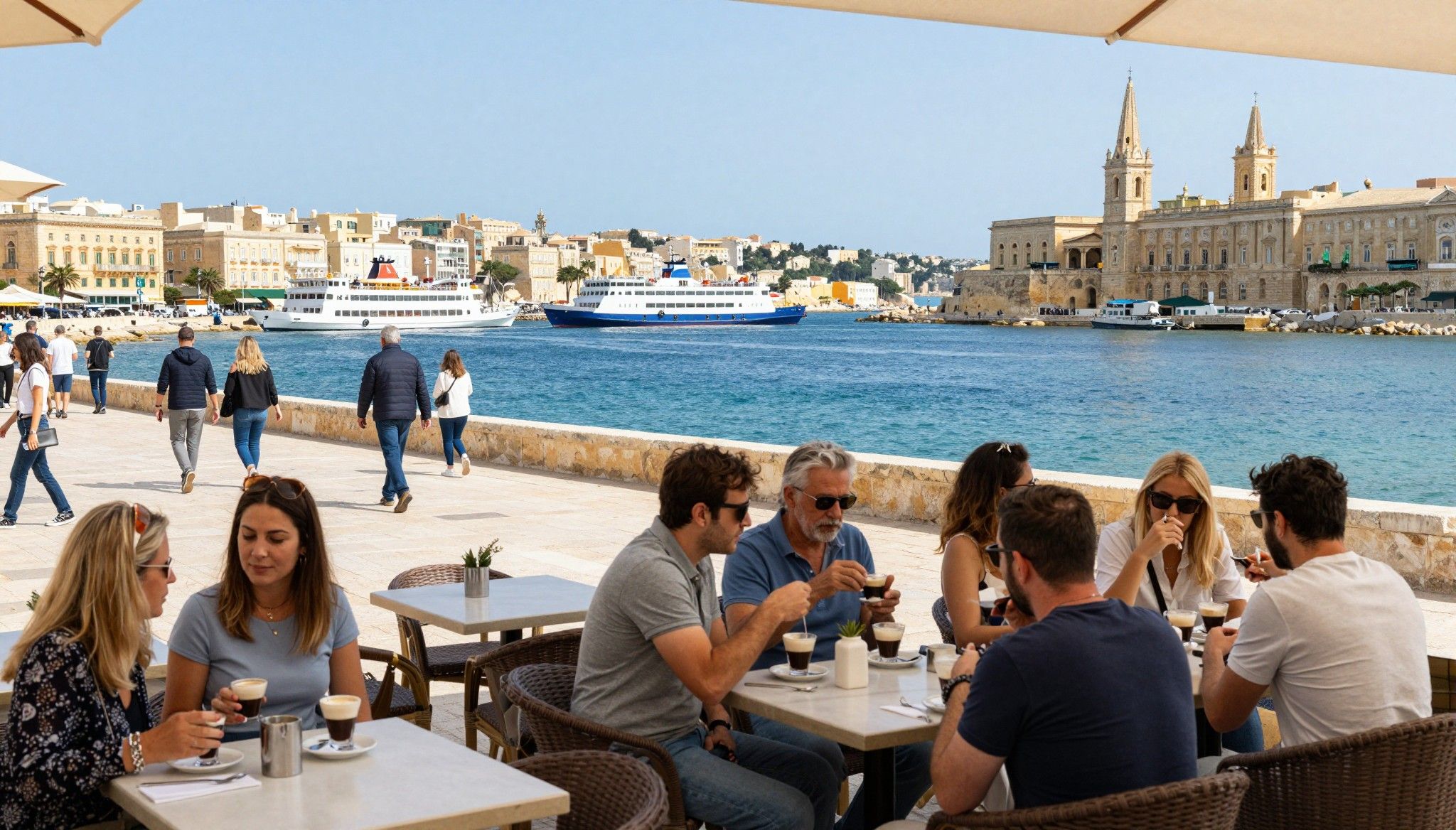
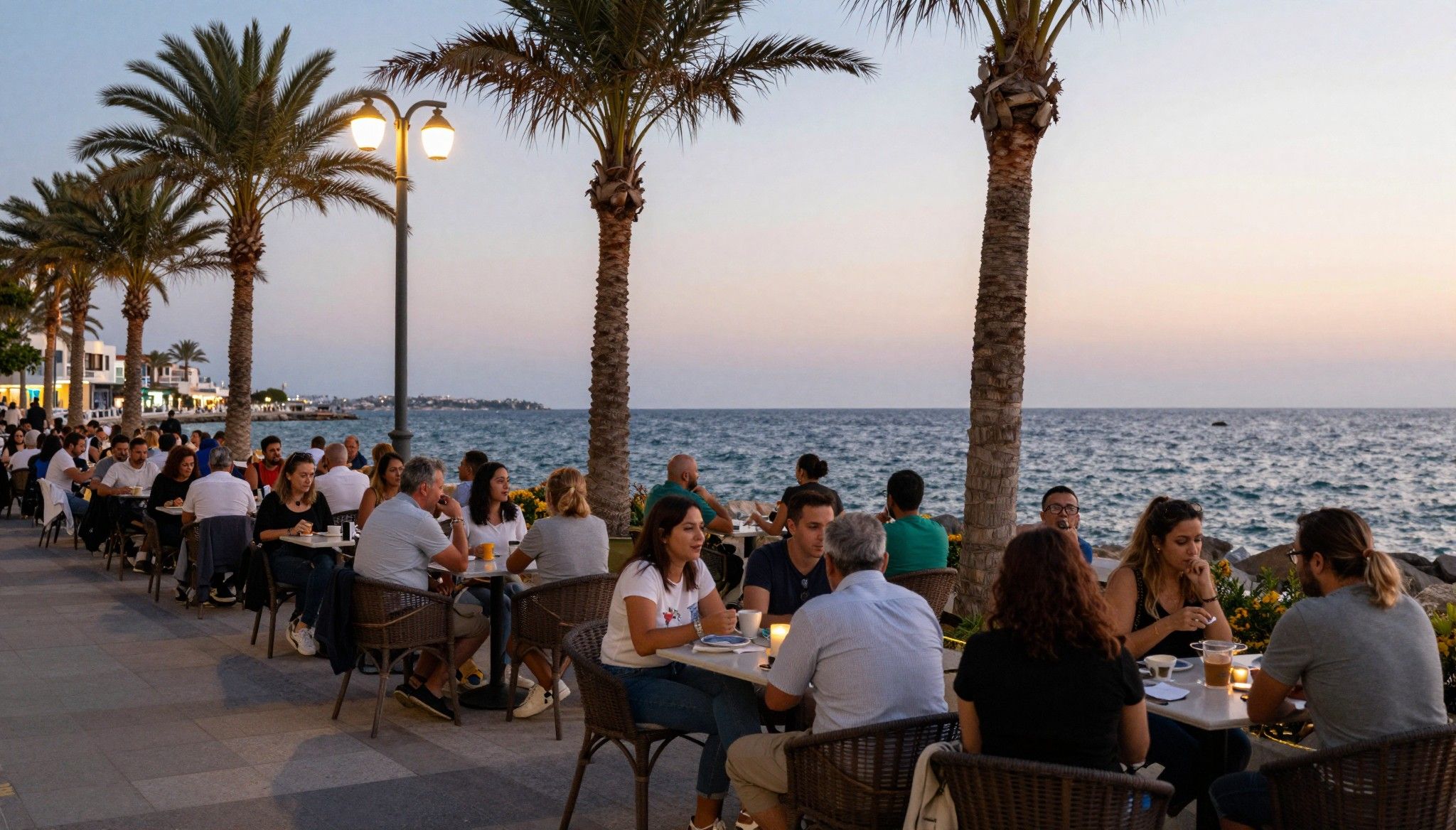
Larnaca’s palm-lined Finikoudes promenade and the nearby village of Oroklini are quietly practical: good flight links, steady rental demand from short-stay visitors, and cafés where remote workers set up for the afternoon. These locations often deliver better price-to-life ratios than headline markets because they balance accessibility with a strong local rhythm.
- Lifestyle highlights: streets, tastes and tiny rituals
- Buy local: morning fish markets in Paphos, coffee on Poseidonos Avenue in Larnaca.
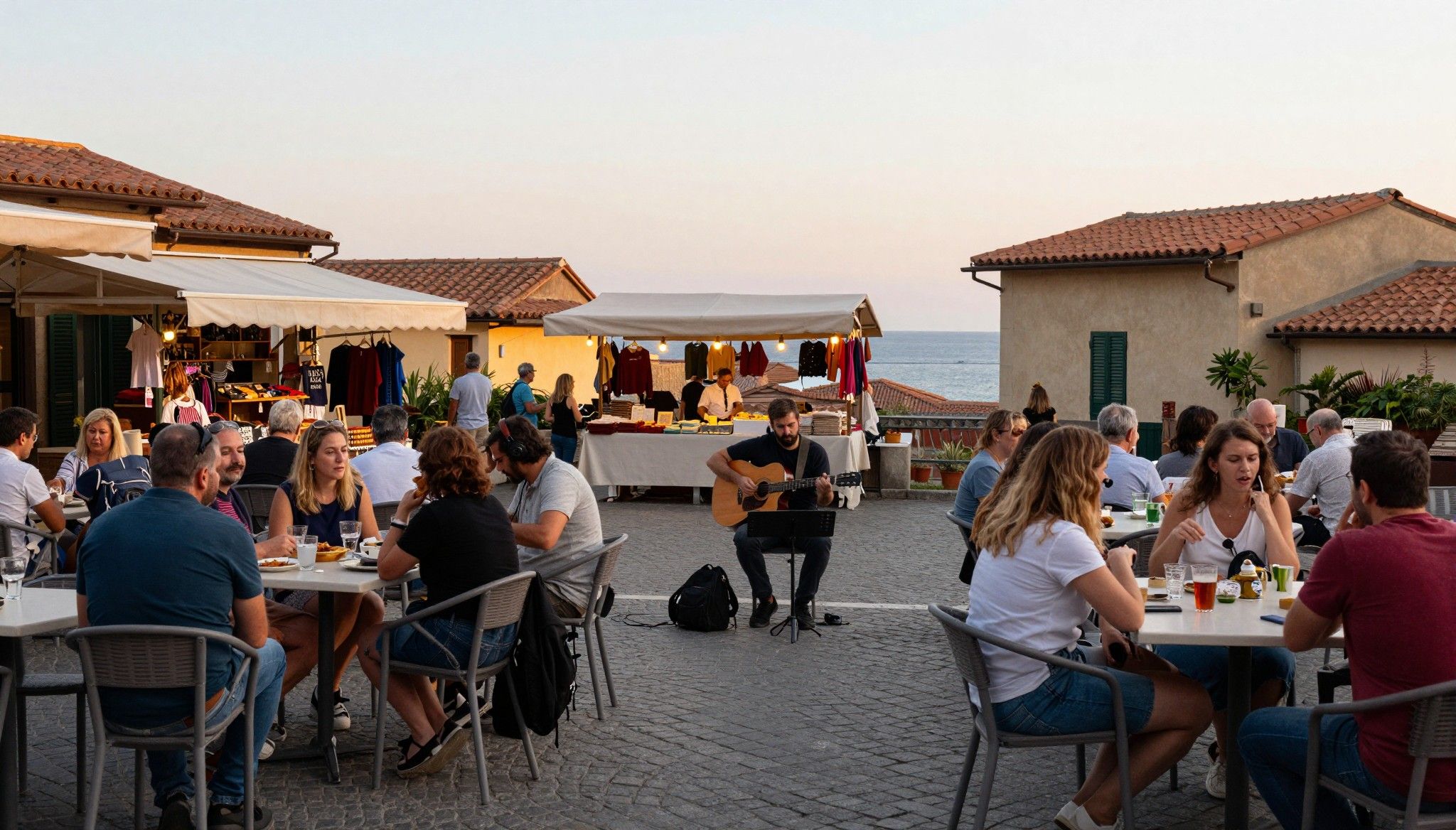
- Eat late: summer evenings at tavernas in Limassol’s old town or Chrysochou Bay.
- Weekend escapes: Troodos for hiking, Akamas peninsula for untouched coves.
Making the move: how lifestyle choices should shape your purchase
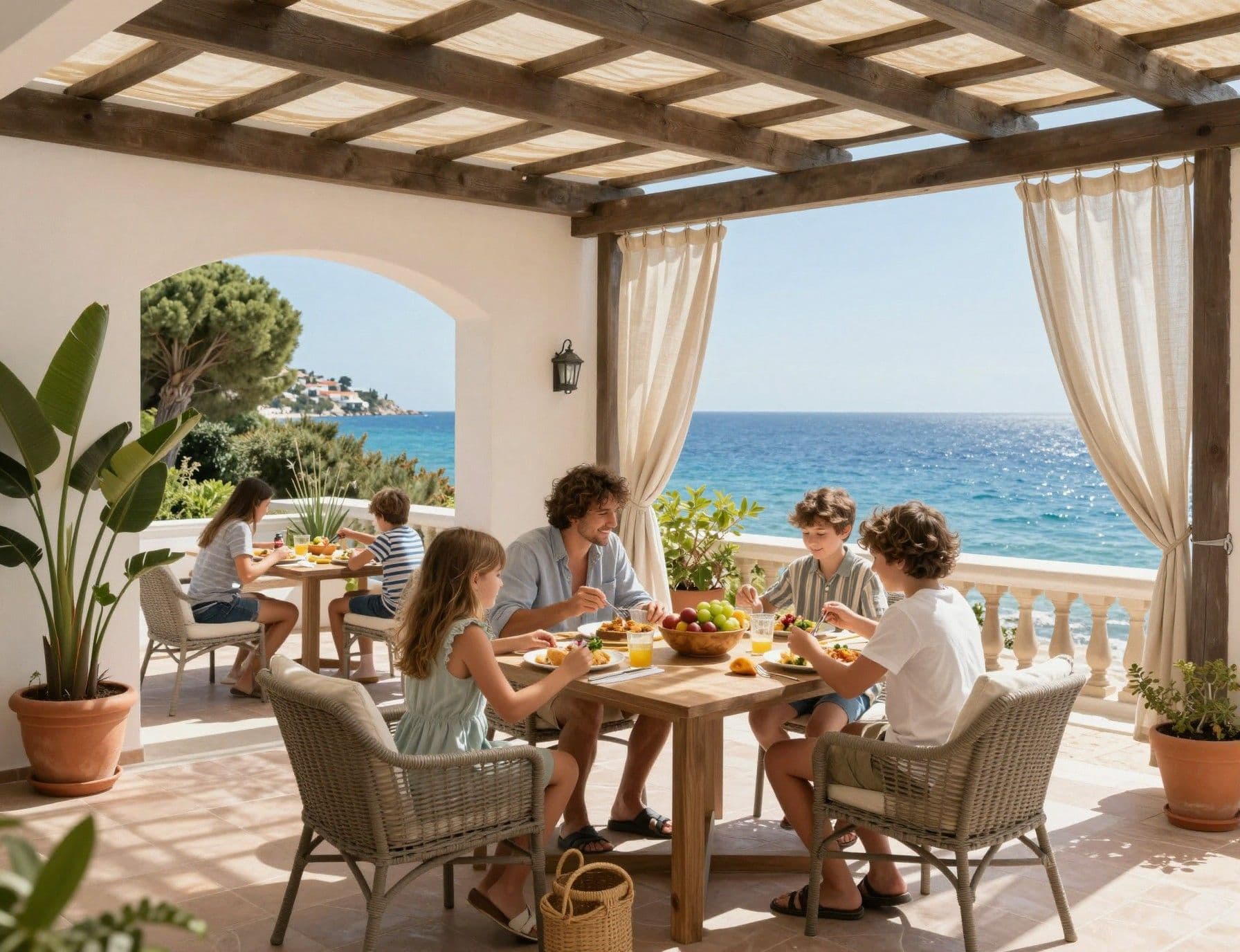
Dreams must meet data. Cyprus’ market has recorded steady price growth in recent years, but growth is uneven: luxury transactions remain concentrated in Limassol while demand for mid-market homes is rising in Paphos and Larnaca. Use local market data to match a neighbourhood’s rhythm with your budget and life plans rather than following headlines about high-end sales.
Property types and the life they enable
Apartments are efficient for lock-and-leave coastal living; villas and townhouses support gardens, BBQ culture, and multigenerational stays. The Central Bank’s Residential Property Price Index shows divergent movement between apartments and detached homes, so choose the typology that matches how you want to use the property — year-round home, seasonal base or rental asset.
Work with experts who know the neighbourhood, not just the market
An agent who lives in the town will tell you where morning light falls on a terrace, which streets get noisy on summer weekends, and which developer delivers on promised finishes. For international buyers, local contacts reduce friction: they can check planning permissions, confirm rental demand seasonality, and arrange trusted contractors for tweaks after move-in.
- Six practical steps blending lifestyle and transaction sense
- 1) Map daily life: visit cafés, shops and transport links before bidding.
- 2) Check seasonality: confirm rental calendars and utility costs across months.
- 3) Match property type to use: apartments for low-maintenance living, villas for family life.
- 4) Ask for recent comparable sales in the exact street, not just the area.
- 5) Contract a local lawyer early to check title, planning and rental permissions.
- 6) Plan for adaptation: solar shading, heat in summer, and shutters for storms.
Insider knowledge: what expats wish they’d known before buying
Many buyers come for sunshine but stay for community. Expat buyers tell us the surprises are small and social: local repair networks, seasonal rhythms of tavernas, and the importance of a building’s maintenance committee. Data firms show price differences street-by-street, so local knowledge turns into measurable value when negotiating and planning renovations.
Language, rhythms and integrating without losing ease
English is widely spoken in shops and public services, but learning a few Greek phrases changes how neighbours respond. Attend local festivals, volunteer at community events or join a walking group to accelerate integration. Small social investments — a coffee habit, a regular fruit stall — pay dividends in neighbourhood goodwill.
Long-term view: how your Cyprus life evolves
Expect a living pattern that shifts: many buyers start as seasonal visitors and become year-round residents. Market reports indicate steady foreign interest but also greater selectivity, meaning well-chosen streets in growing towns can outperform headline luxury pockets. Think about resale and rental flexibility from day one.
- Red flags and local realities to watch for
- Unfinished communal areas: ask for recent maintenance records and sinking fund statements.
- Promised amenities in developer brochures: visit completed phases to inspect quality.
- Microclimate impact: check wind and shade on terraces in summer months.
- Local planning risk: confirm neighbouring plots’ zoning to avoid future high-rises next door.
Buying in Cyprus is as much about buying into a way of life as it is about an asset. Pick the street that fits the morning you want, not the skyline you saw in a magazine. Use reputable local data, ask for street-level comparables and bring in neighbourhood-savvy agents and lawyers early.
Next steps: how to move from imagining to living
- 1) Shortlist three towns by lifestyle (coastal, historic, hillside).
- 2) Ask agents for three recent street-level comparables in each town.
- 3) Visit in shoulder season (April or October) to feel day-to-day life beyond high season.
If you want to test life on the island, spend at least two weeks living in your top neighbourhood before signing. That short experiment — morning coffee routes, grocery runs, and a few conversations with locals — reveals far more than a brochure and may change both where you buy and how you design the home.
Conclusion: life first, neighbourhood second — then let data confirm the price. Cyprus rewards buyers who pick streets that match their daily rhythms and then secure the deal with solid, local evidence. When Limassol’s headlines make the market feel unreachable, quieter towns like Paphos and Larnaca offer the same Mediterranean life at a more thoughtful price and with neighbourhoods that welcome you in.
Dutch investment strategist with a Portugal-Spain portfolio. Expert in cross-border financing, rights, and streamlined due diligence for international buyers.