Buy in Croatia When Locals Do: Seasonal Signals
Buy Croatian life when locals do: use season-aware signals, regional data and legal checks to match lifestyle with market opportunity.
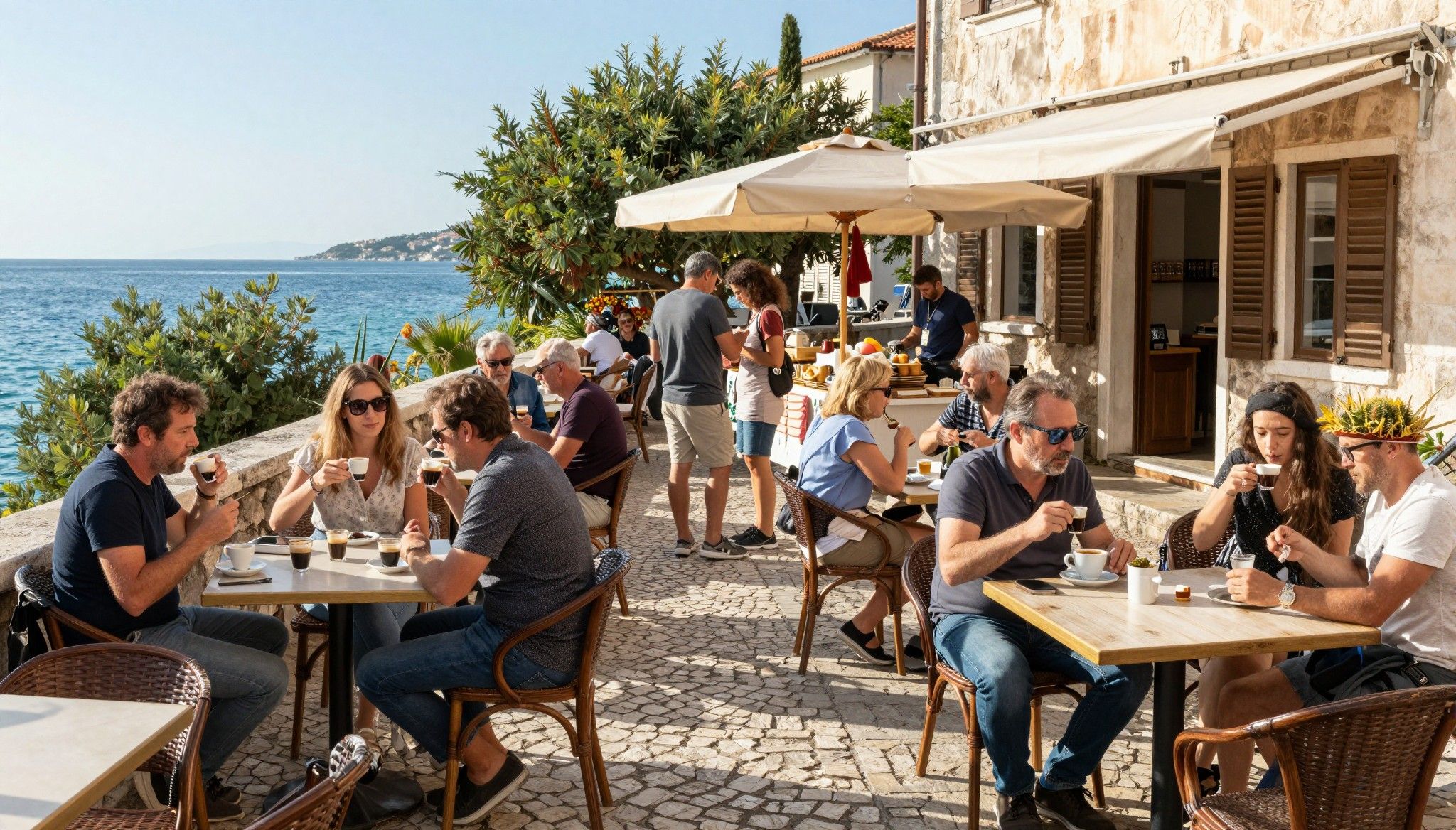
Imagine waking to the smell of espresso on Korčula's waterfront, then spending the afternoon at a farmer's market in Split where fishermen bargain with shopkeepers — this is daily life on Croatia’s coast. For many internationals that dream is what starts the search, but the real question is when and where to buy so that lived experience matches expectation and value. Recent market analysis shows prices and transaction patterns are seasonally and regionally uneven; reading those signals can change a purchase from aspirational to sensible.
Living the Croatian rhythm
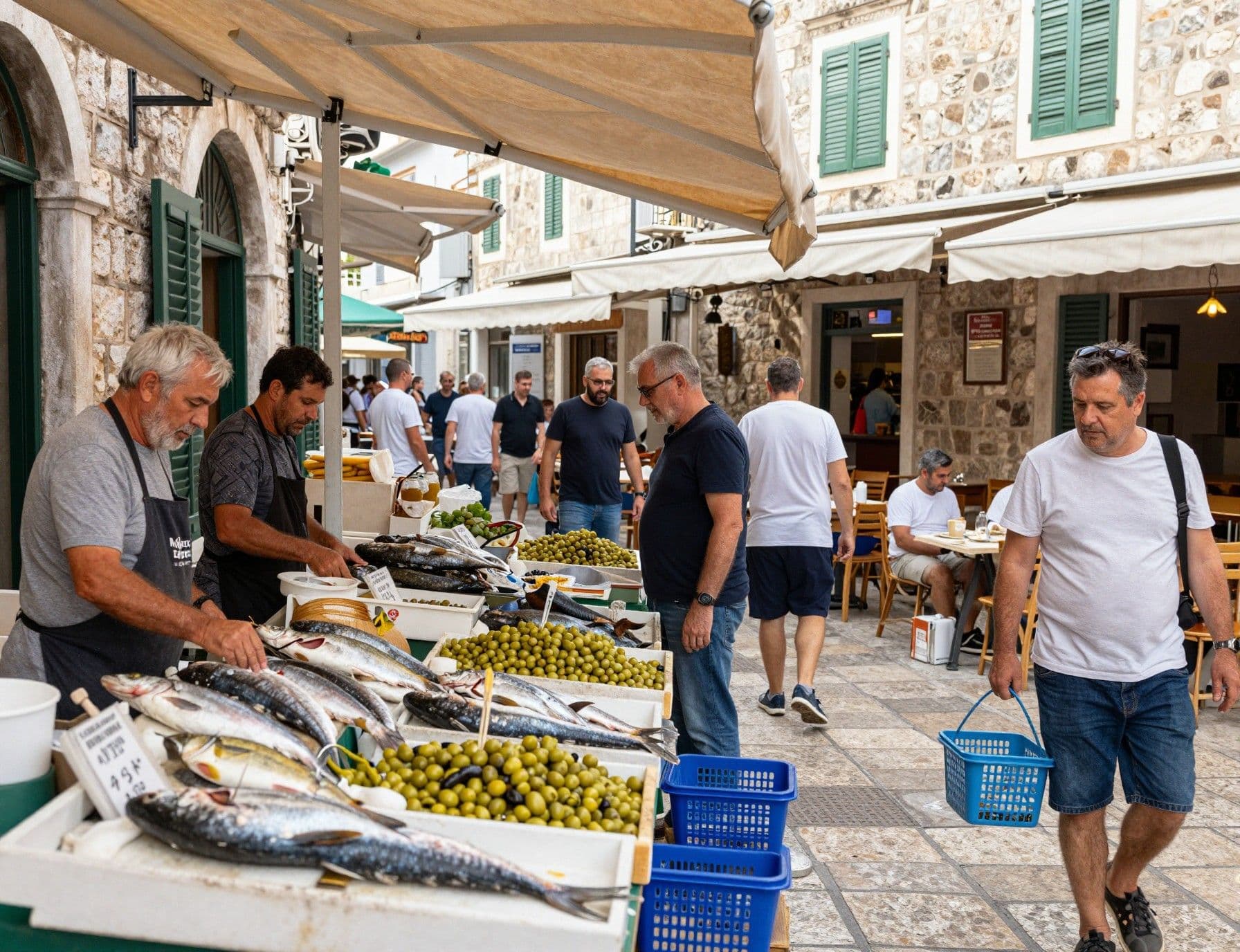
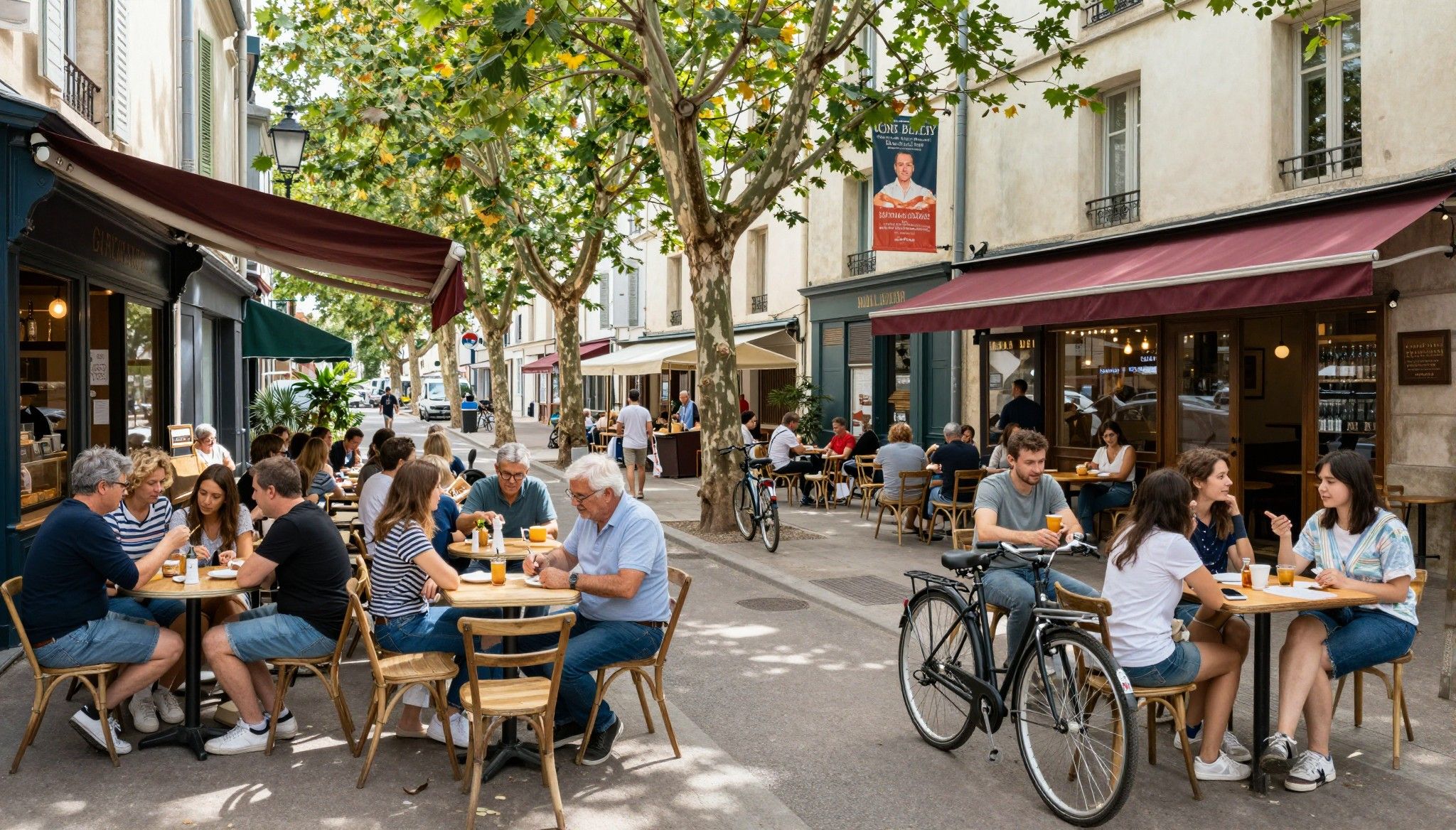
Croatia is not a single lifestyle — it's a mosaic. Zagreb hums with cafés and design shops; Istria tastes of truffles and boutique wineries; the Dalmatian coast is built around sea, boats and late dinners. Understanding these rhythms is the first step: you don’t buy a Dalmatian apartment for a quiet winter life, nor an Istrian stone house expecting nonstop summer crowds. Pay attention to how neighbourhood life shifts across seasons and you’ll match property choice to daily reality.
Zagreb, Istria and the Dalmatian coast — three different days
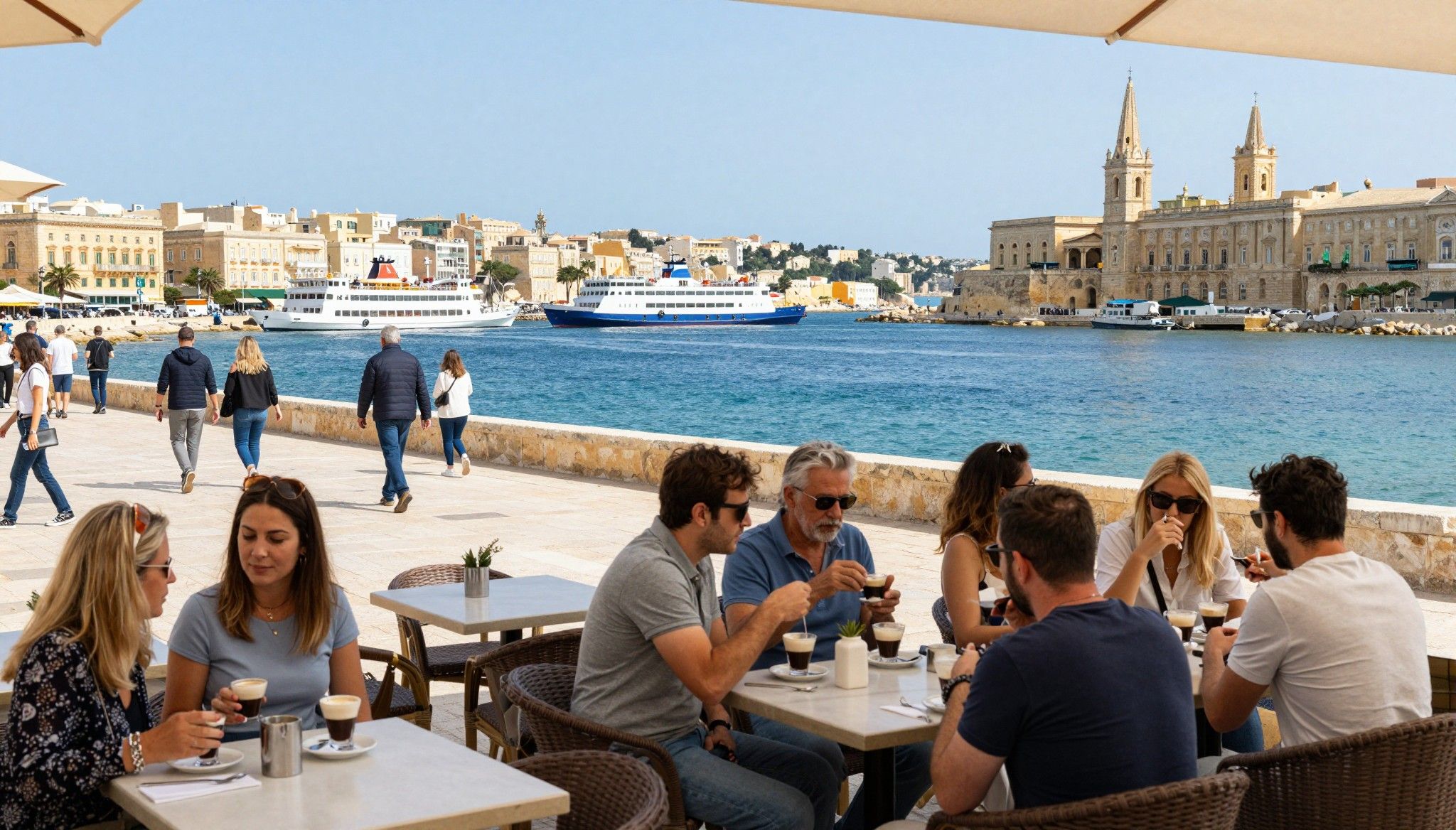
Zagreb offers year-round services, co-working spaces and cultural programmes that suit full-time residents; think Šalata walks and coffee on Tkalčićeva. Istrian towns such as Rovinj and Motovun slow down outside festival season but reward food lovers with markets and cellar dinners. The Dalmatian coast — Split, Hvar, Dubrovnik — is shaped by tourism cycles: summers are lively and lucrative for short-term rental owners, winters are intimate and quiet, revealing whether a place feels like home or only like a holiday.
Food, markets and the small rituals that define neighbourhoods
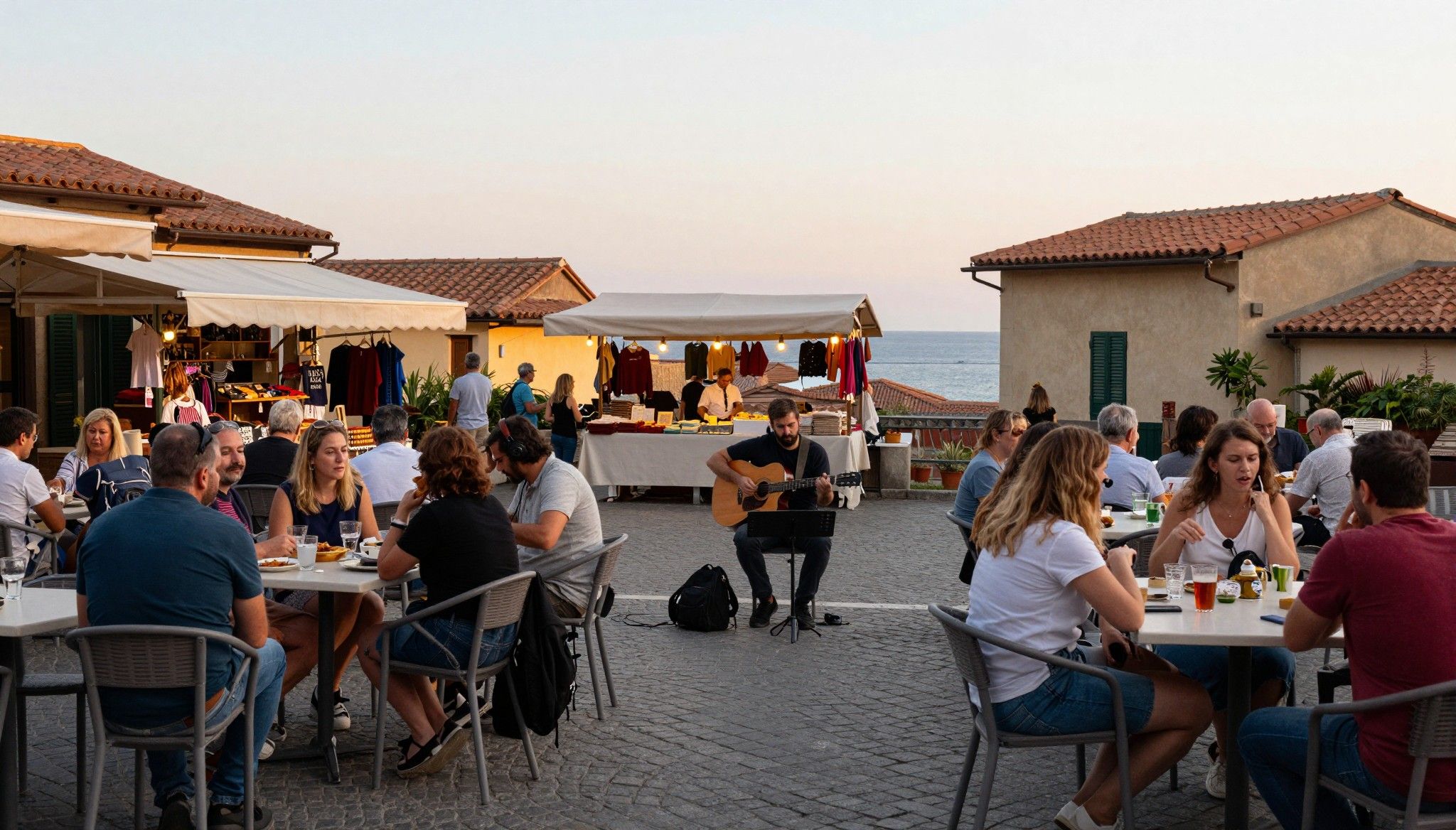
Weekend rituals — early fish markets in Split’s Varoš, late-night konobas in Pelješac, truffle dinners in Istria — shape how you will use a home. For instance, an apartment near Ploče Gate in Dubrovnik means immediate access to summer energy and heritage but also to louder tourist flows; a short drive inland delivers quiet streets and lower prices. Walking these routes before buying tells you more than listings ever will.
- Dalmatian neighbour routines: early market walks in Split, late dinners in local konobas, island ferry schedules that dictate weekend life.
- Istrian food scene: truffle hunts, vinotecas in Rovinj, weekend agritourismo that brings seasonal visitors and creates part‑time rental demand.
- Zagreb urban life: year-round cultural calendar, reliable services, and neighbourhoods like Donji Grad that suit full-time families and professionals.
Making the move: season-aware market signals
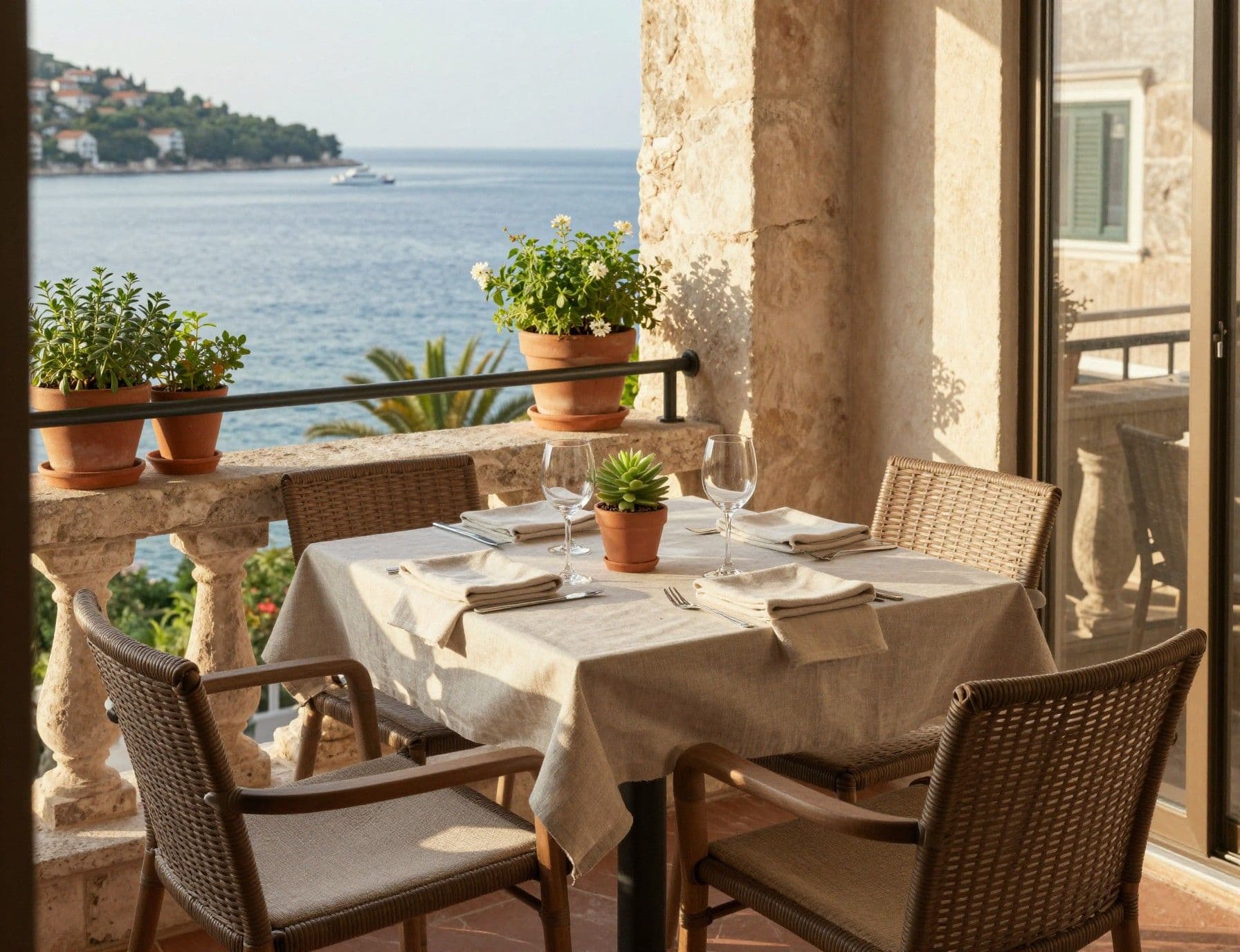
Property data show clear seasonality: coastal listings surge in spring as sellers position for summer viewings, while serious, negotiable stock often appears in autumn and winter. National statistics and market reports also highlight regional differences in price growth and foreign buyer participation. Reading these patterns helps you decide not only where to look but when to make offers that reflect real negotiation opportunities rather than summer heat.
Property types and how they shape daily life
Stone houses with courtyards invite long dinners and slow mornings; modern apartments in Split put cafés and harbour life on your doorstep; new-build coastal residences offer pools and maintenance but often sit outside village cores. Choose the property style that supports your routine: frequent island-hopping needs marina proximity, a family with school-age children needs year-round services near Zagreb or larger towns.
Work with local experts who know seasonality
A good agency or lawyer will tell you when sellers are most motivated, which micro-neighbourhoods have sustained year-round demand, and whether a property is structurally sound for winter winds or summer humidity. They also manage practicalities unique to Croatia — from registry checks to reciprocity rules for non‑EU buyers — turning lifestyle wishlists into legally sound purchases.
- Define your lifestyle non-negotiables (seasonal energy, proximity to markets, transport).
- Map preferred towns by season — where you want summer life vs. winter calm.
- Work with a local lawyer to confirm reciprocity or Ministry approval if you’re a non‑EU buyer.
- Ask agencies for off‑season viewing windows; many sellers accept lower offers after August crowds fade.
Insider knowledge: what expats wish they'd known
Expats often tell a similar story: they fell for the summer charm then discovered the real calendar — quieter winters, different neighbours, and maintenance needs linked to humidity and sea air. Market reports show foreign buyers remain significant but that activity concentrates in certain months and places. Understanding transaction timing and the local balance between owner‑occupiers and short‑term rentals is essential to avoid surprises.
Language, community and daily integration
Croatian is the social key, but you’ll get far with basic phrases and neighbourliness. Join local markets, volunteer at olive harvests, or take a language class to become part of weekday life rather than a summer story. Practical steps — getting an OIB number, opening a local bank account, and registering utilities — are part of integration as much as they are part of purchase logistics.
Long-term lifestyle considerations
Think five years ahead: will you want year‑round neighbours, reliable healthcare access, or rental flexibility? Coastal towns that thrive in summer may lag in services off‑season; Zagreb and larger regional centres offer stability but less seaside charm. Match your long-term life plan to a place’s rhythm before signing a contract.
- Red flags locals mention: properties with repeated moisture repairs, unclear land registry entries, or neighbours relying solely on short‑term rental income.
- Smart tradeoffs: accept a slightly smaller sea view for better access to winter services and stronger resale liquidity.
Croatia offers a life that balances sea, food and slow rhythms — but the timing of when you buy shapes whether that life belongs to you year‑round or only during a postcard season. Start with a lifestyle map, then layer market data and legal checks. Work with an agency that understands both the festivals and the registry; they’ll help you buy the life, not just the view.
Dutch investment strategist with a Portugal-Spain portfolio. Expert in cross-border financing, rights, and streamlined due diligence for international buyers.