Why Malta’s Crowded Market Isn’t Always Overpriced
Malta’s headline price growth hides lifestyle-driven micro-opportunities; choose the street and season first, then match property type and local advisors to your life plan.
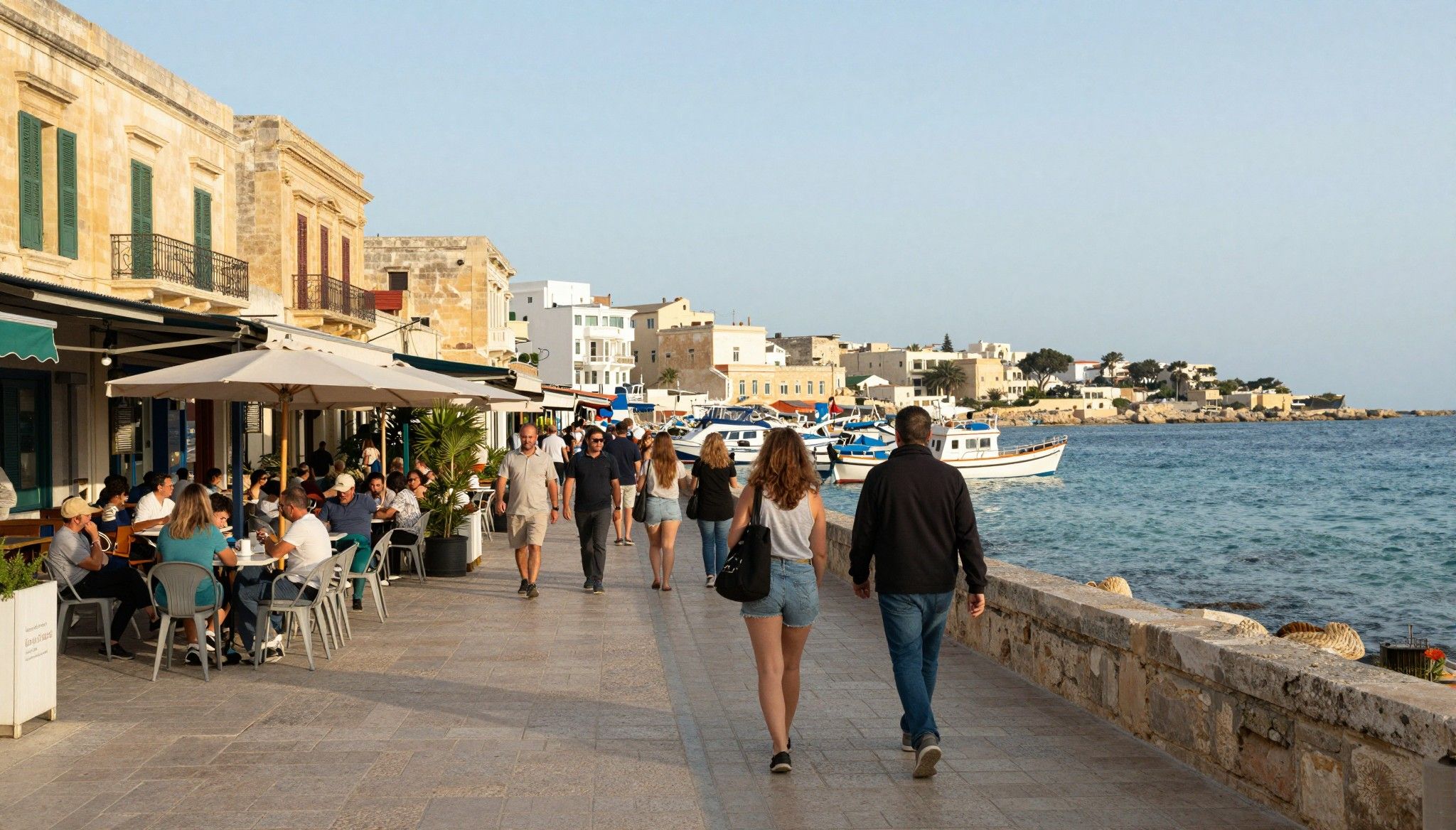
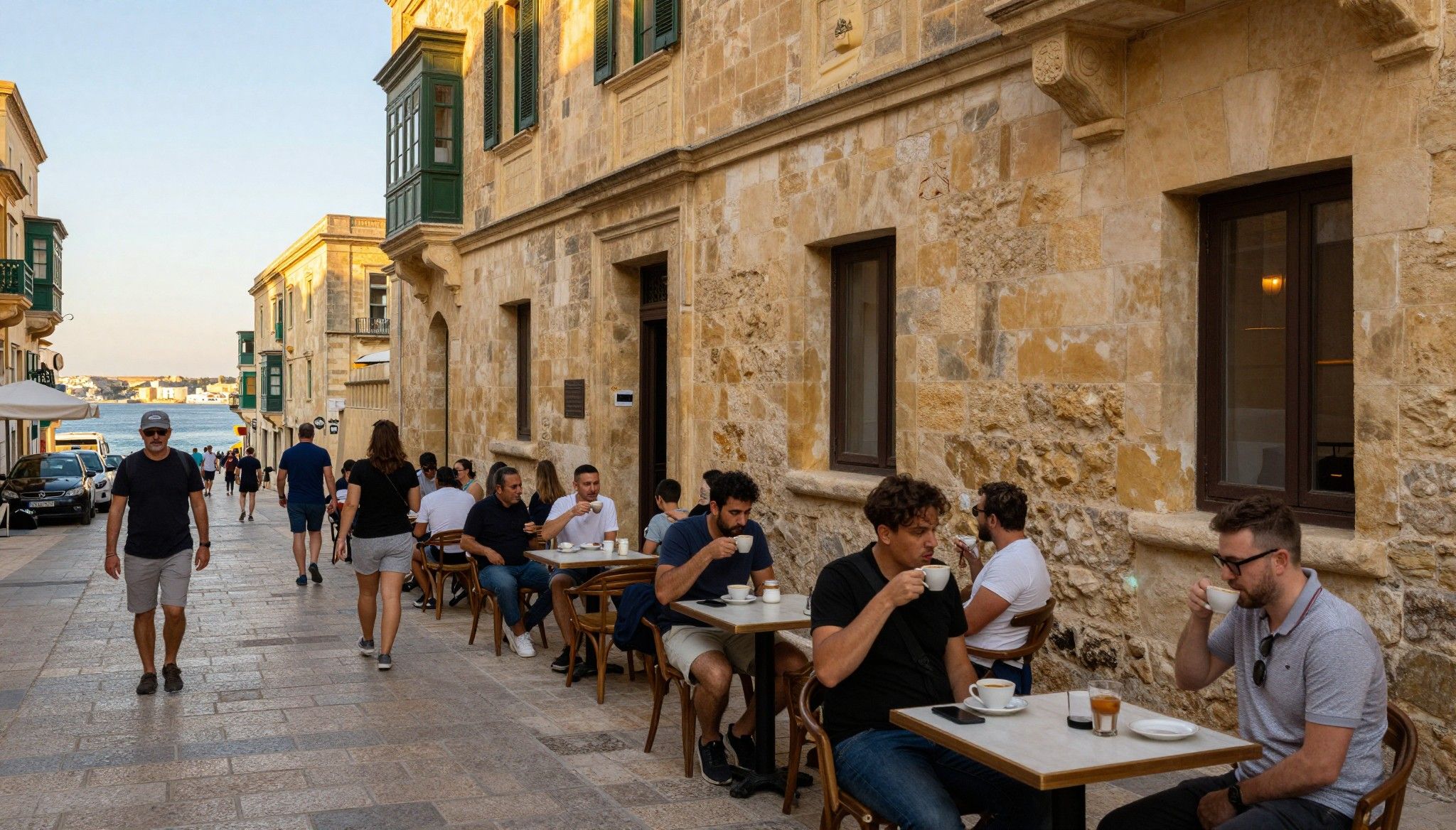
Imagine sipping an espresso on a sun-warmed terrace in Valletta, the sound of church bells and shipping horns threading through narrow limestone streets. Malta is compact — 27 kilometres from end to end — so weekend plans can include a morning market in Marsaxlokk, an afternoon swim at Għajn Tuffieħa and a late dinner in St Julian’s. That everyday convenience fuels a particular kind of property market: dense, highly seasonal, and often judged from headline price growth rather than lived experience. Recent NSO figures show steady price rises, yet beneath the averages there are neighbourhoods and property types that still offer value and lifestyle trade-offs foreign buyers rarely consider.
Living Malta: compact intensity, layered rhythms
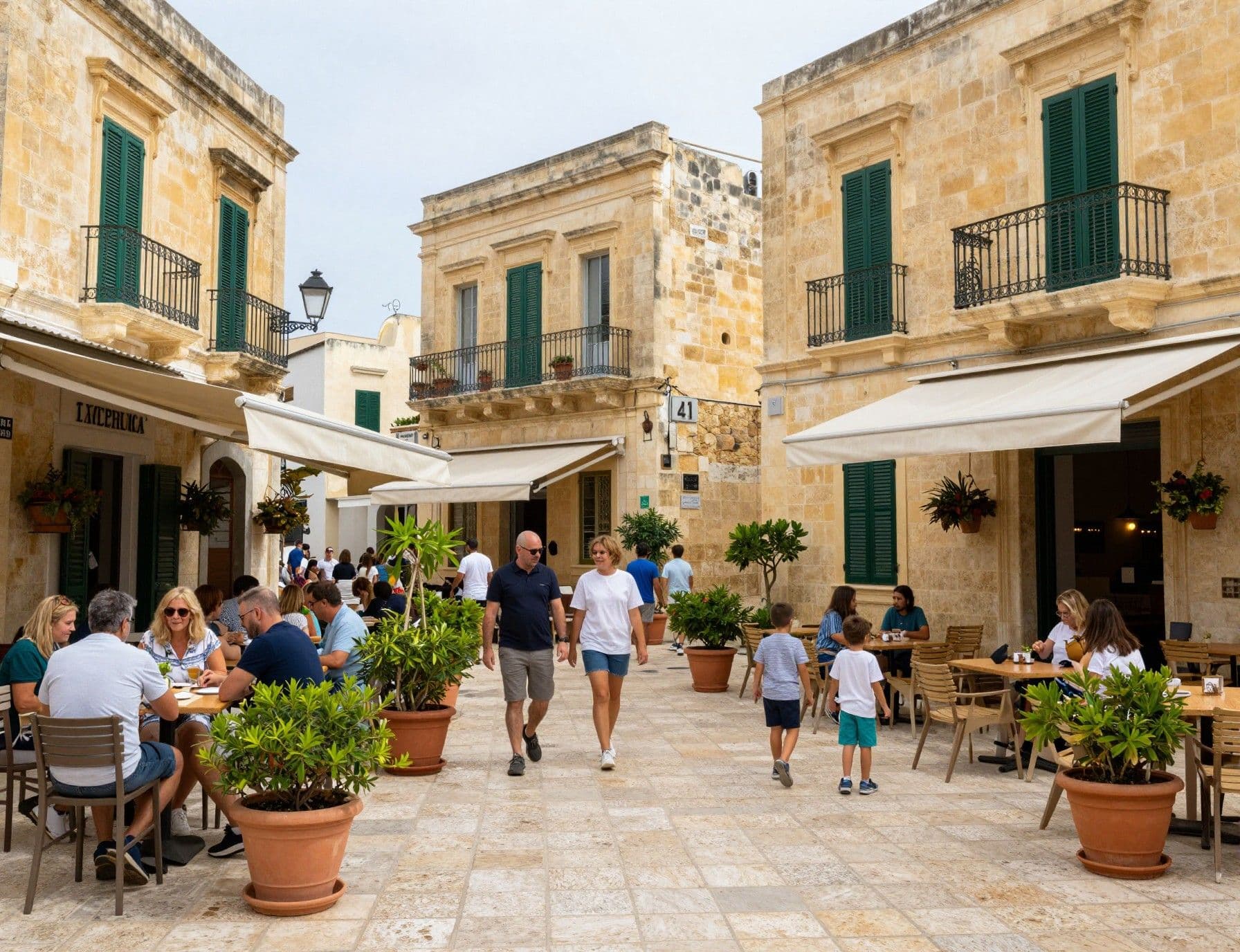
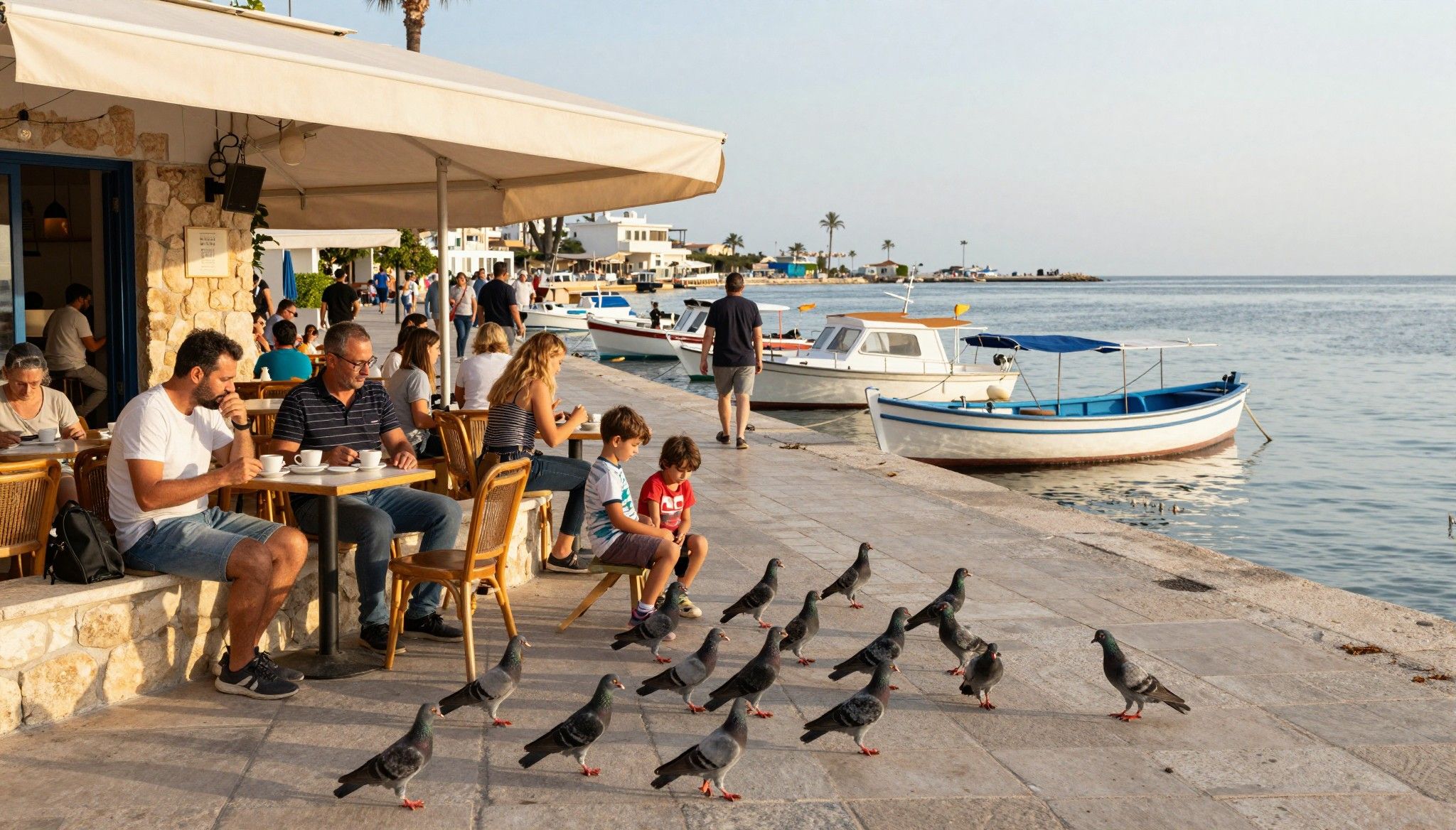
Life in Malta is about layers: UNESCO-listed fortresses and modern marinas coexisting within short walks of each other. Early mornings smell of fresh bread and coffee from local bakeries; by midday the coast fills with swimmers and expatriate families, and by night the island pulses with small, convivial restaurants. Neighborhood character varies sharply — Valletta’s narrow streets feel civic and intimate, Sliema offers promenade living and café terraces, while quieter towns like Mellieħa and Gozo’s Mgarr lean into coastal calm. Knowing the rhythm of each place matters more than a single price-per-square-metre figure when choosing where to live.
Valletta and the Three Cities: history as a daily backdrop
Valletta is a walking city: limestone façades, tiny cafés on St Paul Street and evenings that fill with locals sipping wine on piazzas. Apartments here tend to be smaller, many in historic buildings with high ceilings and wooden balconies (gallarija). For buyers who prize walkability and cultural density, these homes deliver life more than space — but expect renovation needs and conservation rules to shape budgets and timelines.
Sliema–St Julian’s: the promenade and modern comforts
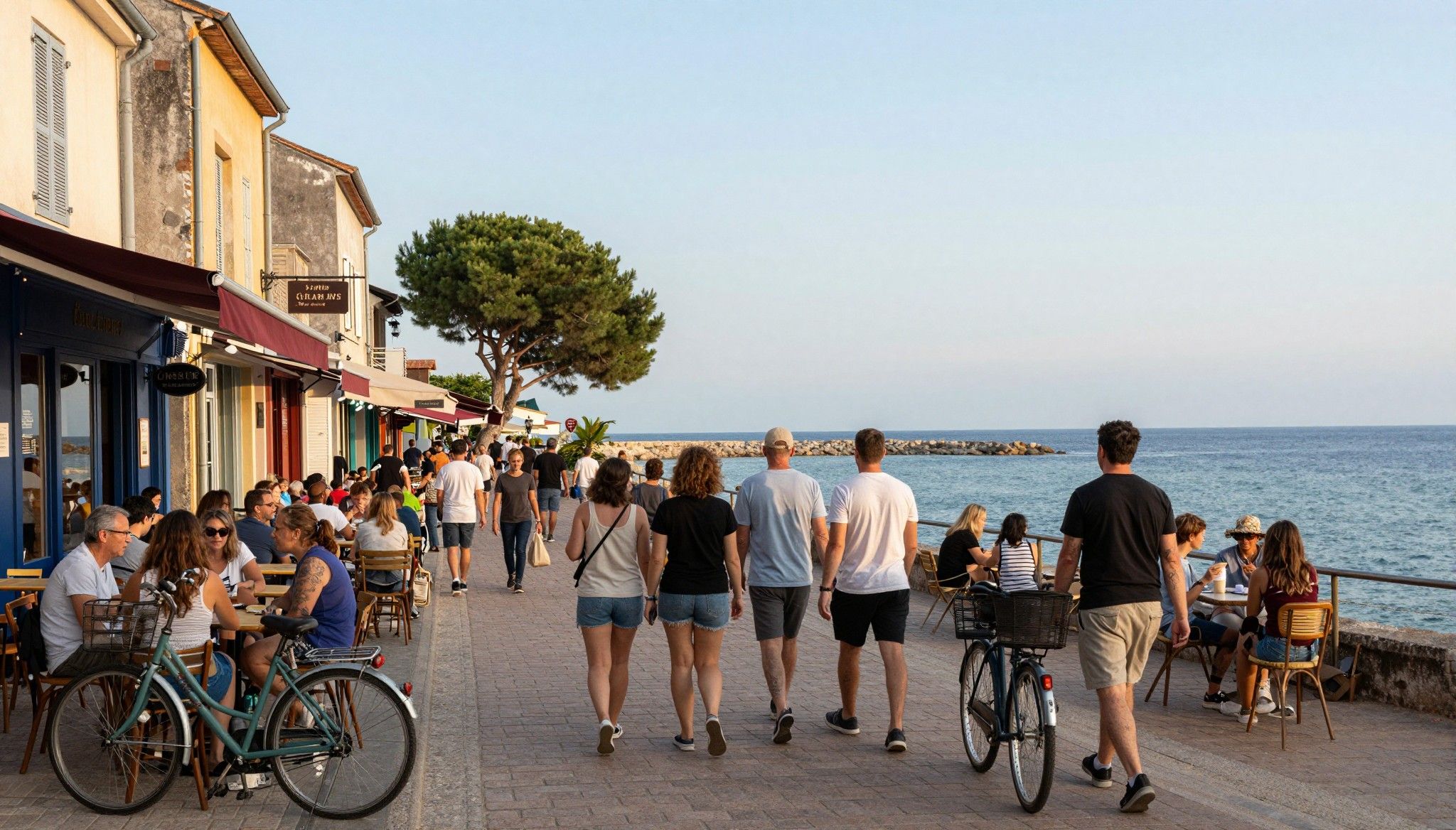
If you want café culture, co‑working spots and easy ferry links to Valletta, Sliema and St Julian’s are the practical choice. Modern apartments and new developments dominate here, often with balconies or roof terraces. Expect higher asking prices per square metre in prime blocks, but also predictable rental demand — useful if you plan to rent when not in Malta.
- Lifestyle highlights to explore before you buy:
- Historic walks in Valletta: Republic Street, Castille Place, Upper Barrakka Gardens
- Coastal promenades and cafés: Sliema Front, Spinola Bay in St Julian’s
- Weekend markets: Marsaxlokk fish market and independent farmers’ stalls
Making the move: how lifestyle choices shape the practical search
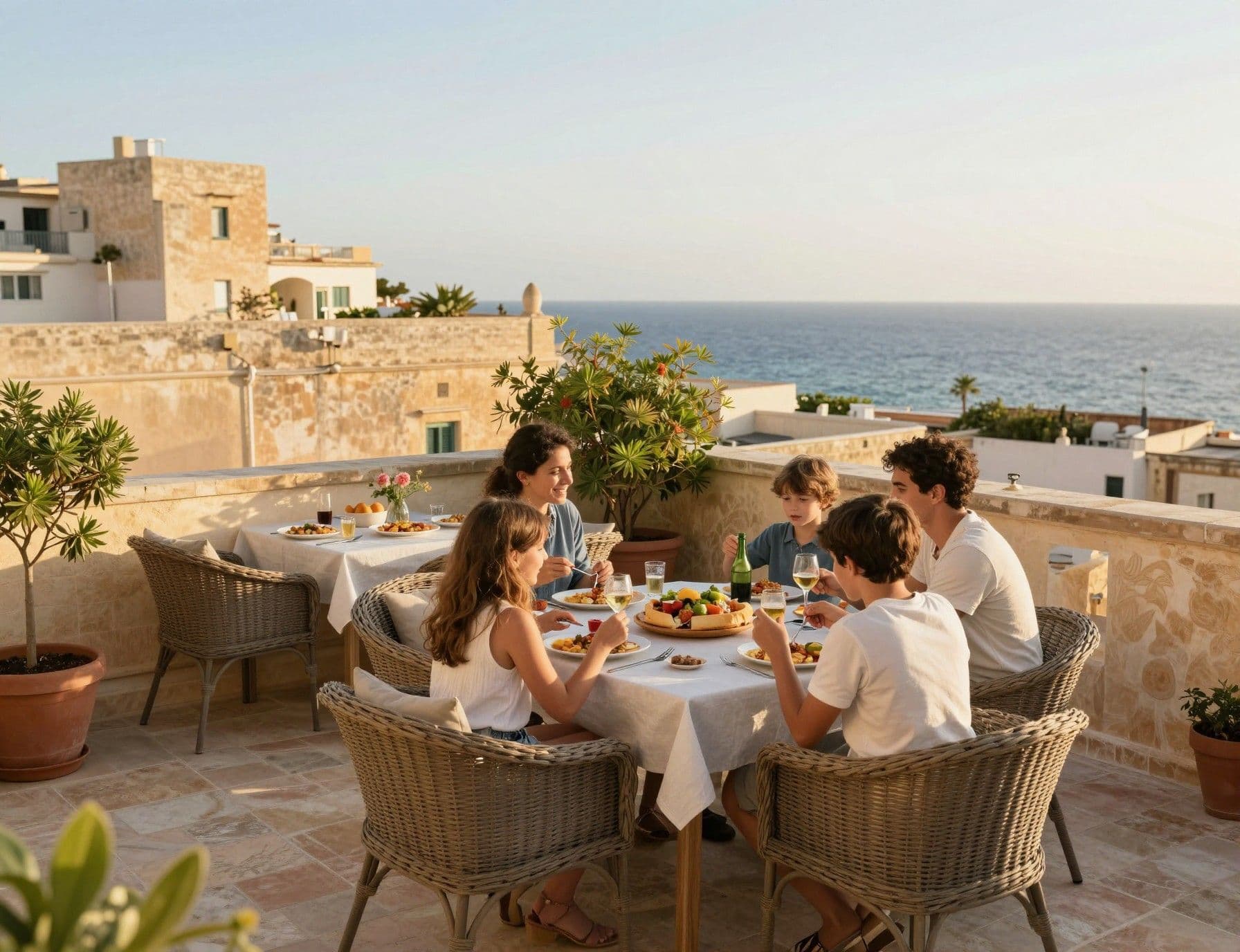
Buying in Malta is less about kilometres and more about how you want to live within a small island. Do you trade a larger garden for a central terrace and daily urban life? Are you buying for year-round residency, seasonal use, or investment? Those decisions determine whether you prioritise proximity to international schools, marina berths, or protected historic façades — and they change the advisors and inspections you'll need.
Property types and the life they enable
From converted townhouses to contemporary apartments and maisonettes with courtyards, each type demands different upkeep and lifestyle choices. Historic conversions require heritage-sensitive contractors; new-builds deliver lower maintenance but sometimes smaller terraces. If outdoor living is essential, prioritise roof terraces or properties in Mellieħa and Gozo where private outdoor space is more common.
Working with local experts who understand life, not just law
Choose agents who can translate neighbourhood rhythm into a shortlist: a developer who knows construction timelines, a local notary familiar with foreign-purchase permits, and an architect who understands conservation rules. Good advisors will show you how living costs — seasonal utility patterns, insurance for sea‑exposed façades, and practical transport links — affect total ownership costs beyond headline prices.
- Steps that blend lifestyle and practical due diligence:
- Visit at least twice in different seasons (late spring and November) to feel summer crowds versus off-season quiet
- Ask agents for running-cost estimates (energy, water, communal maintenance) based on comparable units
- Request conservation and building permit history for older properties; budget for stonework and window upgrades if near the sea
Insider knowledge: what expats wish they’d known
Expat life is social and pragmatic. English is an official language, which flattens initial friction, but integration depends on where you land. In Valletta you join small‑scale civic life; in St Julian’s expat communities are active and services oriented to short-term residents. Many expats underestimate the frequency of maintenance — salt air accelerates wear — and the effect of seasonality on daily routines and rental demand.
Cultural rhythms, language and community
Maltese people are sociable and proud of local traditions. Learning a few Maltese phrases helps, but English will cover most transactions and services. Weekends mean family meals and festas (village feasts) — join one and you’ll meet neighbours, parish committees and local business owners who shape daily life.
Long-term outlook: growth, pressure and smart positioning
National statistics show consistent price growth (the RPPI rose year-on-year in 2024–25), driven by limited land, strong rental tourism and targeted foreign demand. That means buyers who position themselves with a clear lifestyle brief — e.g., steady year‑round rental potential versus personal seasonal use — can find properties that outperform simple ‘price growth’ narratives. Use official indices and local reporting to check where headline growth is concentrated: central apartments, seafront penthouses or specific new‑build zones.
- Red flags and practical watchpoints:
- Unclear deeds or missing permits for conversions — insist on documented permit history
- Over-reliance on short-term rental yield claims — check seasonality and local rental rules
- Ignoring maintenance exposures: salt, stone, and older lime‑mortar roofs cost more over time
- If you’re serious: a short inspection-to-offer workflow
- 1) Shortlist areas with lifestyle alignment (3 locations max) and tour in two seasons
- 2) Order a legal/title check and confirm permit history before offering
- 3) Use local contractors for quick renovation quotes so offers include realistic post-purchase costs
Conclusion: fall for the life, then buy the street
Malta’s compactness is its first attraction and also its central trade-off: lifestyle richness concentrated into small pockets. Start with the life you want — morning cafés, ferry crossings, coastal swims — then match that to property style and a local advisor who understands both seasonality and paperwork. Use official indices and respected local reporting to check price trends, but don’t let headline growth obscure micro‑opportunities on quieter streets or in older buildings that suit a lived, not just invested, life. When you’re ready, a short, season‑aware inspection plan and a team who can read both plans and piazzas will turn Maltese daydreams into lasting homes.
Dutch investment strategist with a Portugal-Spain portfolio. Expert in cross-border financing, rights, and streamlined due diligence for international buyers.