Malta: Buy the Street, Not Just the View
Malta pairs compact Mediterranean life with a tight, data-driven property market; choose streets and seasonality wisely and pair lifestyle intent with local comparables.
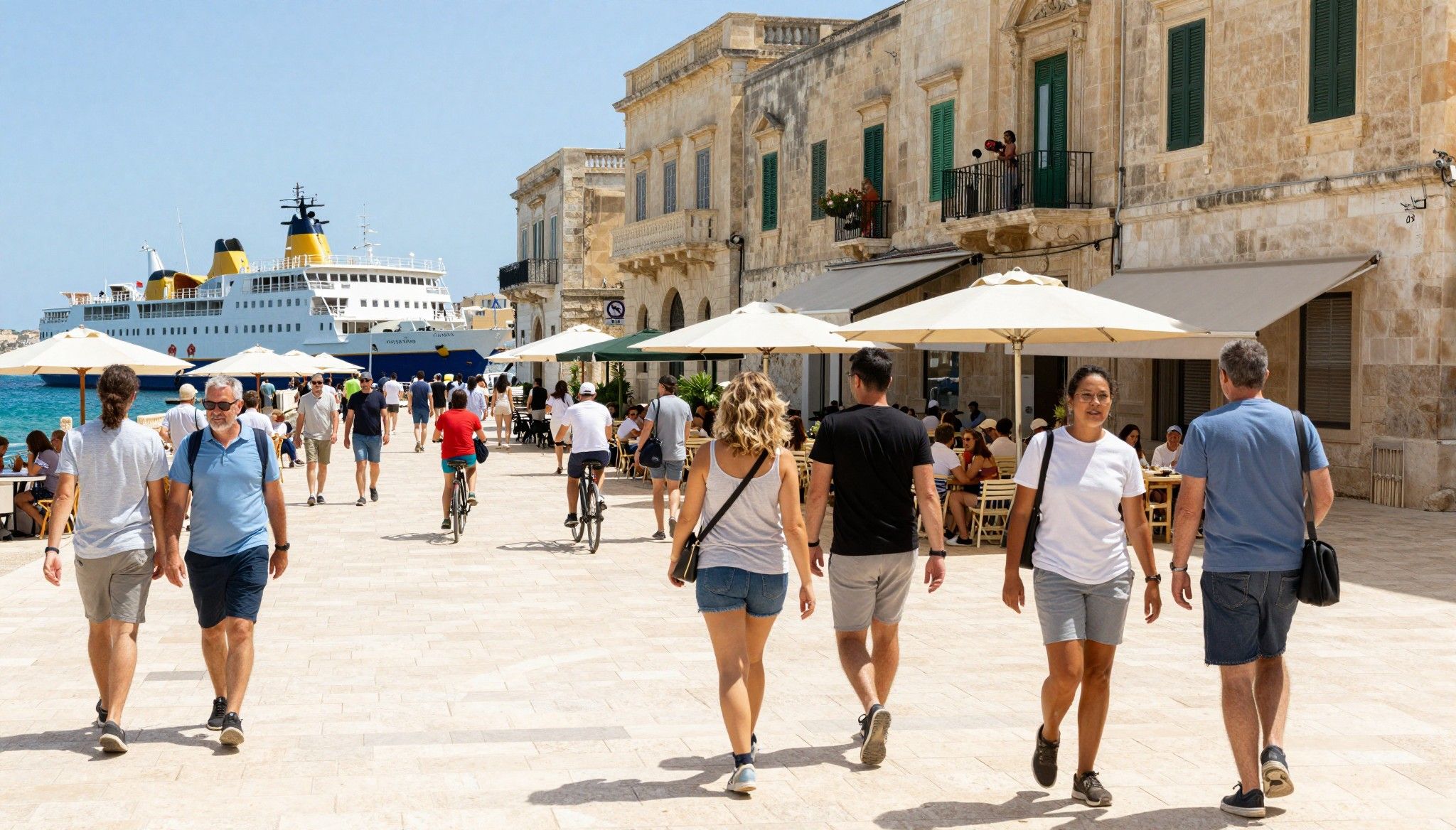
Imagine sipping espresso on a narrow Valletta lane at 09:00, then strolling to a ferry and being at a sandy bay by lunchtime — that compact, lived-in Mediterranean pace is Malta. For international buyers, Malta offers a dense mix of history, sea and neighbourhood life that turns weekend routines into reasons to own. But behind the postcard is a small, fast-moving market where location choices change both day-to-day life and long-term liquidity. Recent National Statistics Office data show continued price rises, so lifestyle decisions must pair with market sense.
Living Malta: daily rhythms, streets and senses
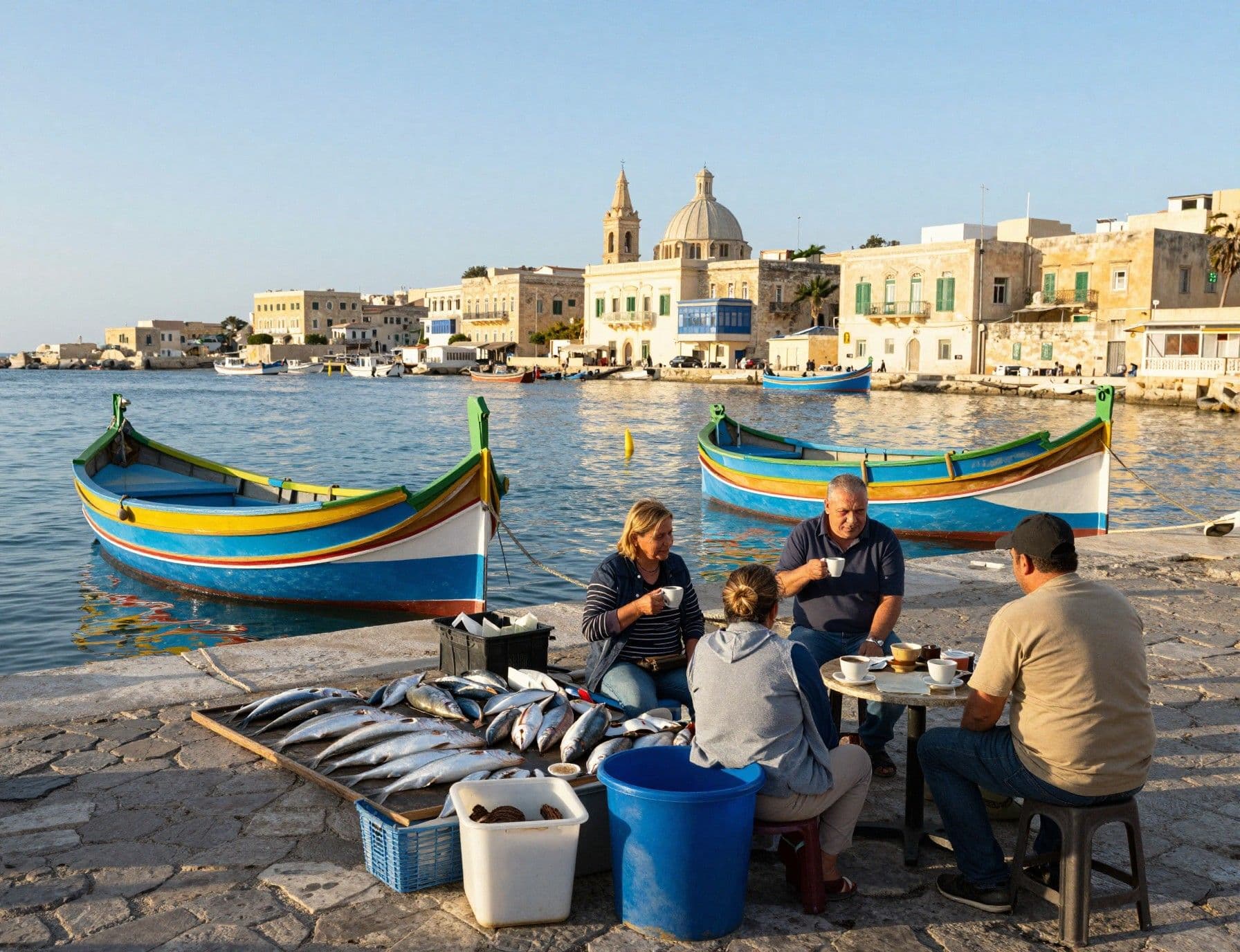
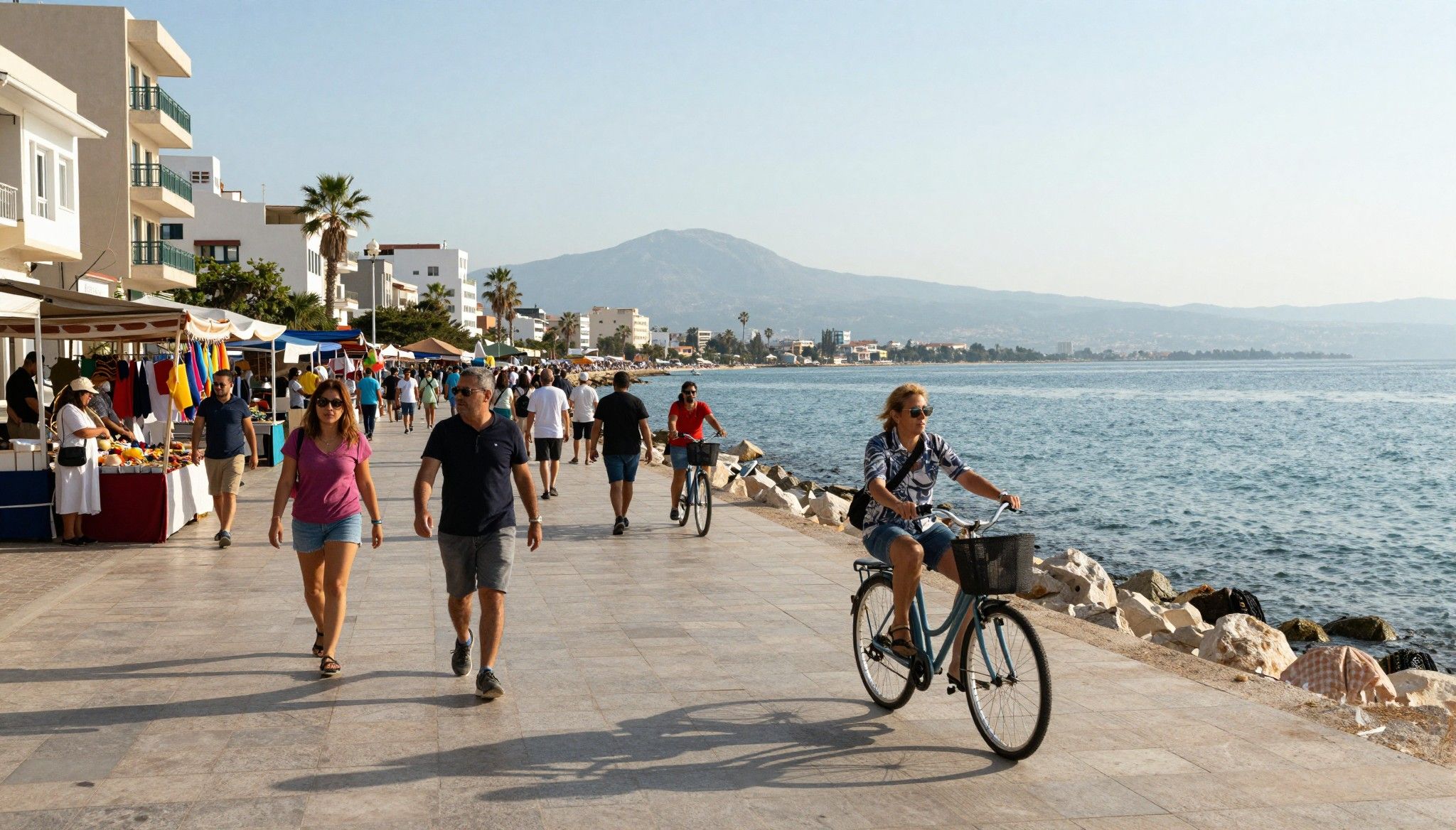
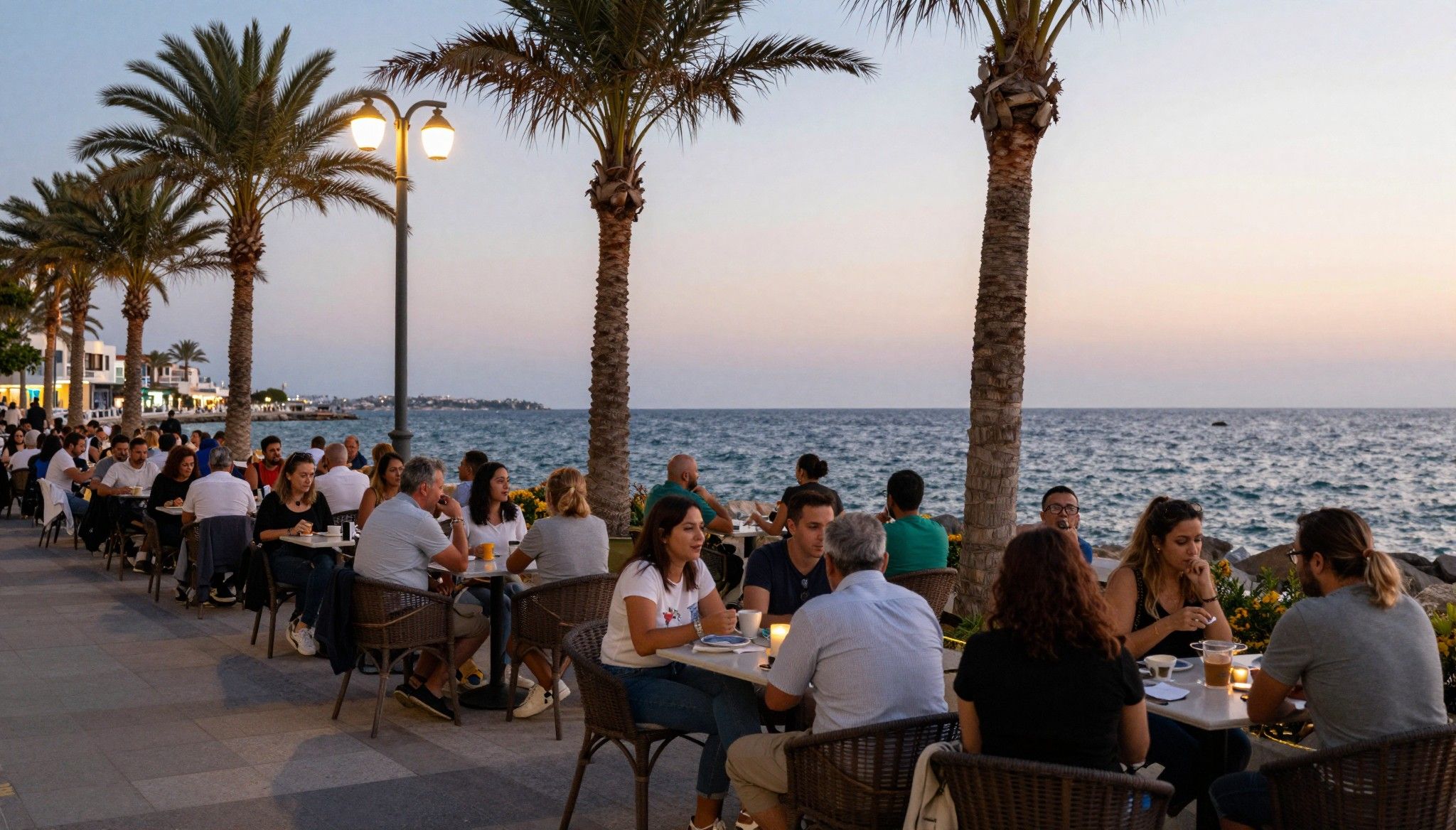
Malta feels like a collection of village centres stitched together by seafront promenades. Morning markets hum in Marsaxlokk, Sliema's waterfront draws walkers and coffee drinkers, and Valletta's baroque streets host after-work apertivi. English is widely spoken, which flattens everyday friction for newcomers, but the island's social life still orbits family gatherings and long lunches — expect invitations, not instant friendships. Seasonality matters less for daily life than you might expect: even in winter there is a steady rhythm of cafés, theatre and neighbourhood rituals.
Neighbourhood spotlight — Valletta, Sliema, Gżira and Marsaxlokk
Valletta is cathedral-and-cobbles living: tight terraces, rooftop terraces, and cultural life on your doorstep. Sliema and St Julian's are the island's commercial and social hubs — think promenades, boutiques, and evening dining. Gżira sits between Sliema and the harbour, popular with professionals and students for its ferry links and views. If you want slow fishing-village mornings and Sunday markets, Marsaxlokk offers a different tempo — painted luzzu boats, fish stalls and calmer coastal homes.
Food, markets and small pleasures
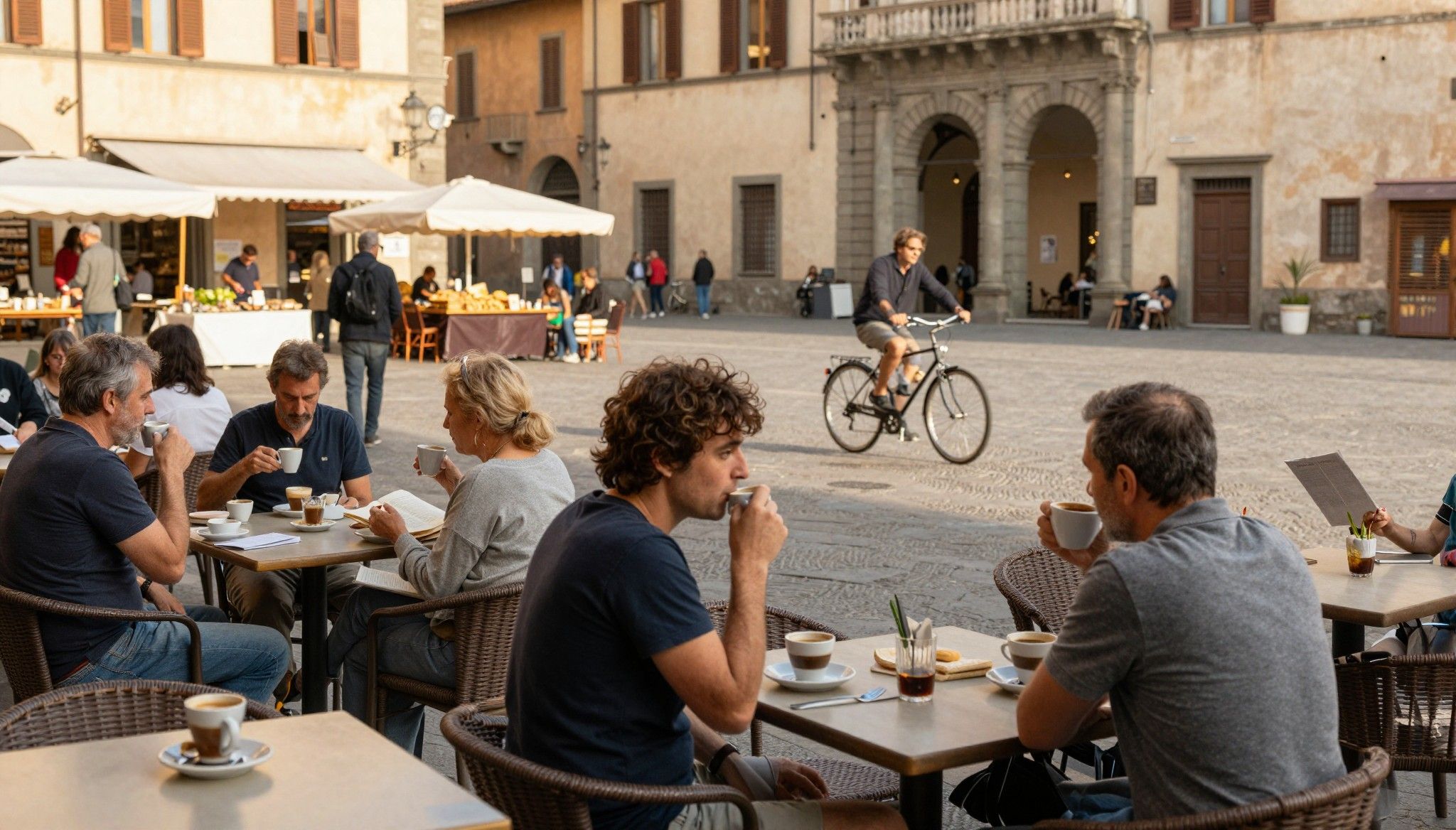
Days in Malta pivot around food: pastizzi and coffee for breakfast, market fish at noon, and long, shared dinners with wine. Look for cafés on Triq il-Merkanti in Valletta, seafood at Marsaxlokk's waterfront stalls, and late-night bites in St Julian’s Paceville (the scene is lively but noisy). Seasonal festivals — village festas in summer and Christmas lights in December — shape where locals gather and which neighbourhoods feel most alive.
- Lifestyle highlights to scout in person
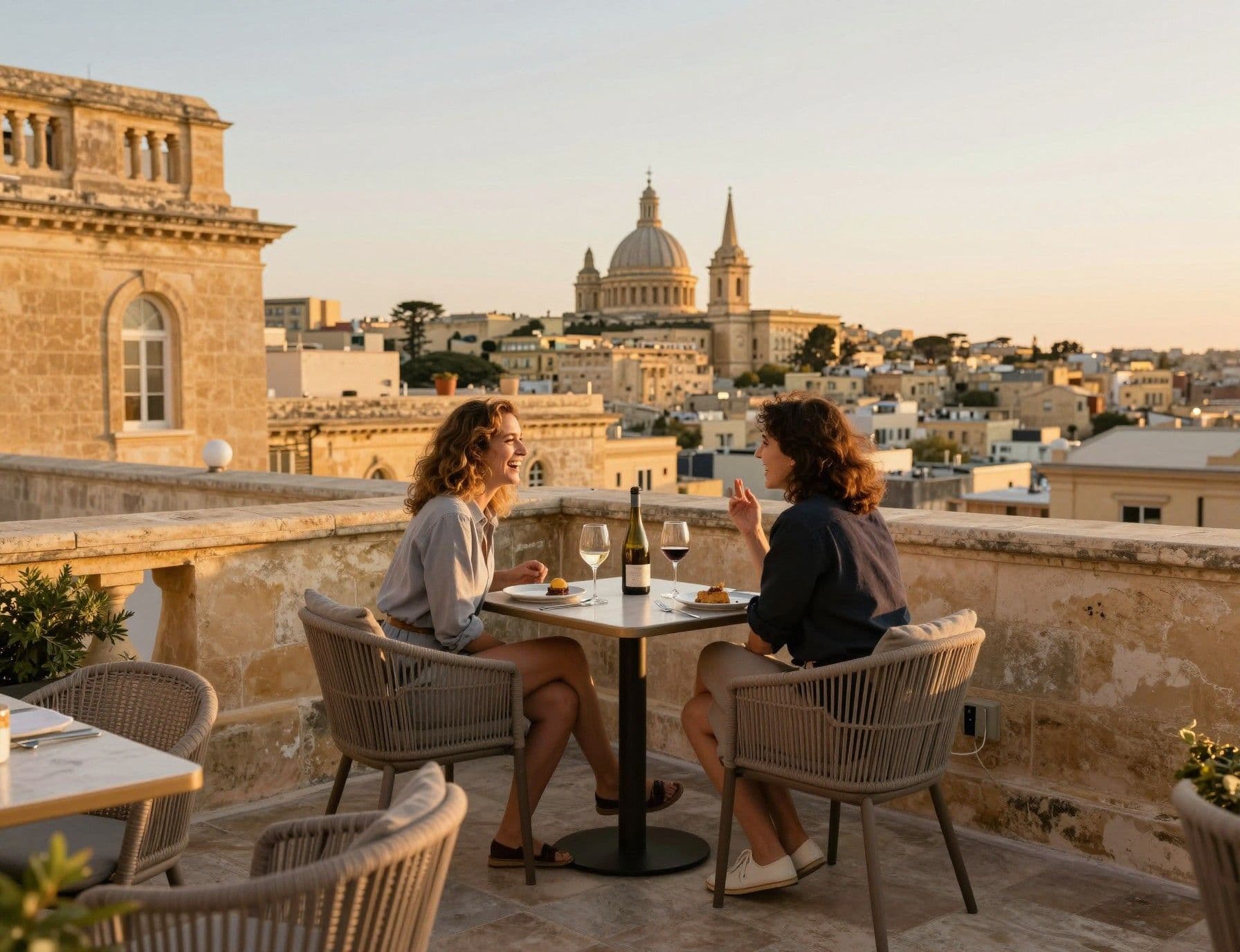
- Morning coffee on Valletta’s Republic Street; ferry commute from Sliema to Valletta; Sunday fish market in Marsaxlokk; sunset walk on Sliema promenade; aperitivo on a rooftop terrace in Gżira; hidden cafés on Triq San Gwann in Birgu (Vittoriosa).
Making the move: property styles and market realities
Malta is compact and prices reflect that scarcity: the National Statistics Office shows steady year-on-year rises in the Residential Property Price Index, so choices about neighbourhood and property type affect both enjoyment and liquidity. New developments in Sliema and Smart City–adjacent areas command premiums, while older maisonettes in inner towns can offer renovation upside. Work with market data and local comparables rather than relying on impressions from a single weekend visit.
Property styles: maisonettes, apartments and converted townhouses
Many buyers choose apartments for ease of management and rental potential; maisonettes (ground-floor units with private entrances) combine indoor-outdoor life and often have roof terraces. Townhouses and palazzini in older quarters offer character but can need significant retrofitting for modern comforts. Consider ceiling height, insulation, and outdoor space: a small terrace in Valletta is behavioural gold for Mediterranean living and frequently the deciding factor between two similar homes.
Working with local experts who know how Maltese life fits property
How an agent can protect lifestyle intent and liquidity:
- Shortlist properties that match weekly rhythms (market access, ferries, coffee spots).
- Check recent transactional comparables (not just asking prices) to estimate resale timeframe.
- Assess renovation scope and permits — heritage façades often require specific approvals.
- Factor in seasonal rental appeal if you plan to let: proximity to beaches, transport and dining matters.
Insider knowledge — myths, red flags and expat truths
Two big myths deserve correction. First, Malta’s citizenship-by-investment ('golden passport') headlines have been curtailed by European rulings, so don’t assume fast-track EU citizenship by buying property. Second, 'crowded and overpriced' is too blunt: yes, the market is tight, but pockets of value exist where lifestyle demand is steady but competition is lower. Savvy buyers blend neighborhood life goals with verified market data and legal counsel.
Cultural cues that shape where you live
Maltese social life is relational and local: join a village festa, a diving club or a volunteer group and you'll get invitations and practical local insight. English and Maltese coexist; administrative processes are commonly in English, but using a few Maltese phrases opens doors. Noise tolerance is higher around social hubs — if you prize quiet, choose inland towns or specific Sliema streets away from the promenade.
Practical red flags and how to spot them
Key red flags to check in viewings and contracts:
- Unclear title histories or unregistered extensions which can delay resale.
- Overlooked service charges or communal maintenance for older townhouses.
- Properties marketed as 'sea view' where access or public waterfront use is compromised.
- Planning restrictions for heritage façades — check the local planning authority early.
Practical next steps: visit in shoulder season (spring or autumn) to feel daily life without summer crowds; ask your agent for transactional comparables from the last 12 months; hire a local lawyer who speaks English and knows planning rules; and budget for modest renovation to translate authentic character into comfortable living.
Conclusion — the life that owning in Malta buys you
Owning in Malta is buying into a daily Mediterranean: small routines that feel large — ferry commutes, market weekends, terrace dinners and a neighbourhood that remembers you. Pair that lifestyle with up-to-date market data (see NSO and industry reports) and local counsel, and you own both a home and a gateway to a compact, resilient market. If the lifestyle has you smiling, start by shortlisting streets not just views — Triq il-Merkanti, Sliema promenade, Gżira waterfront — and let local expertise translate that image into a transaction that keeps the life you fell in love with.
British investor turned advisor after buying in Costa del Sol since 2012. Specializes in cross-border compliance and data-driven investment strategies for UK buyers.