Italy: Street Life, Markets and Smarter Buys
Italy’s daily rhythms — markets, piazze, terraces — define property value. Pair sensory discovery with up-to-date market data and local expertise for lasting returns.
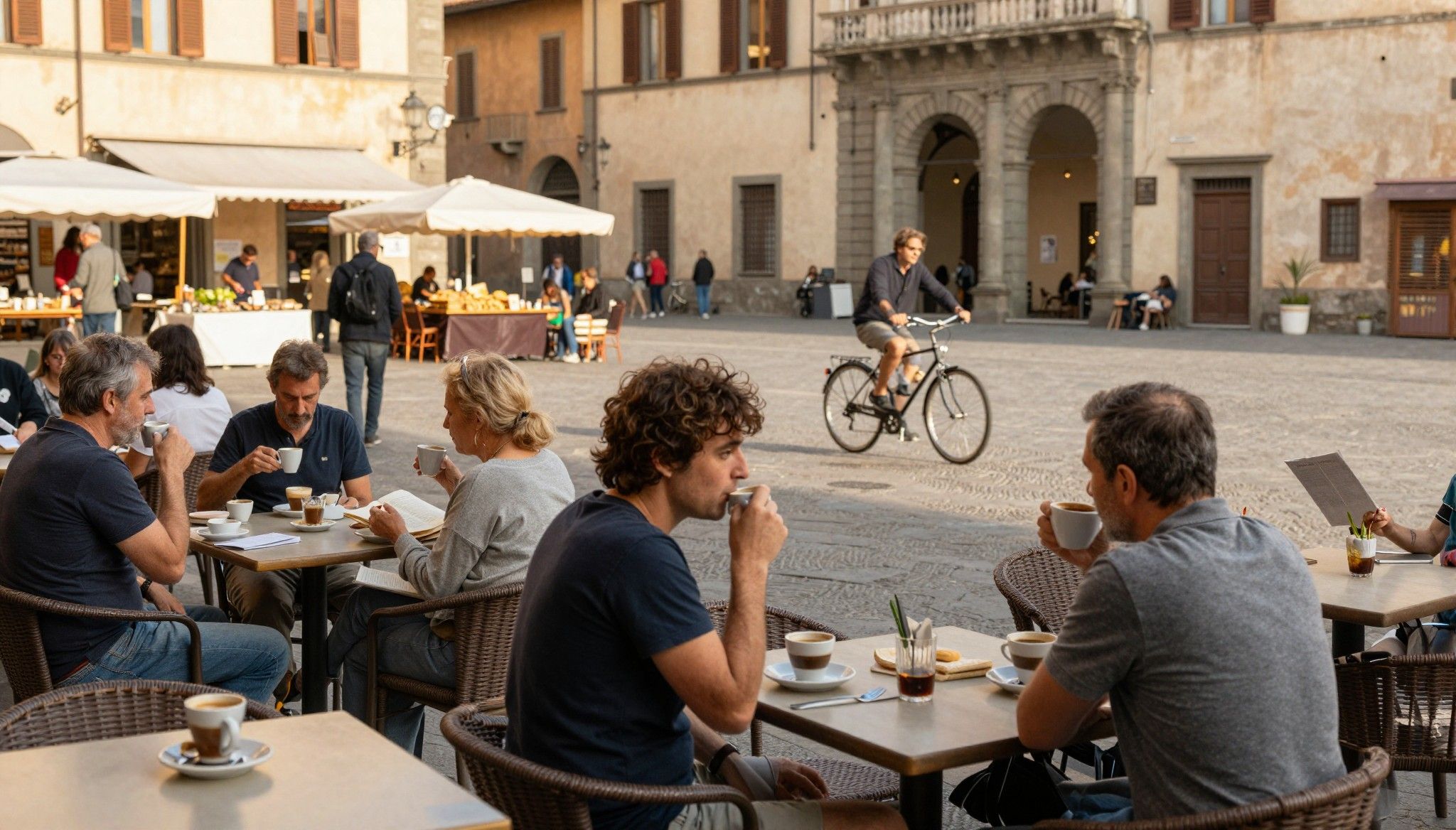
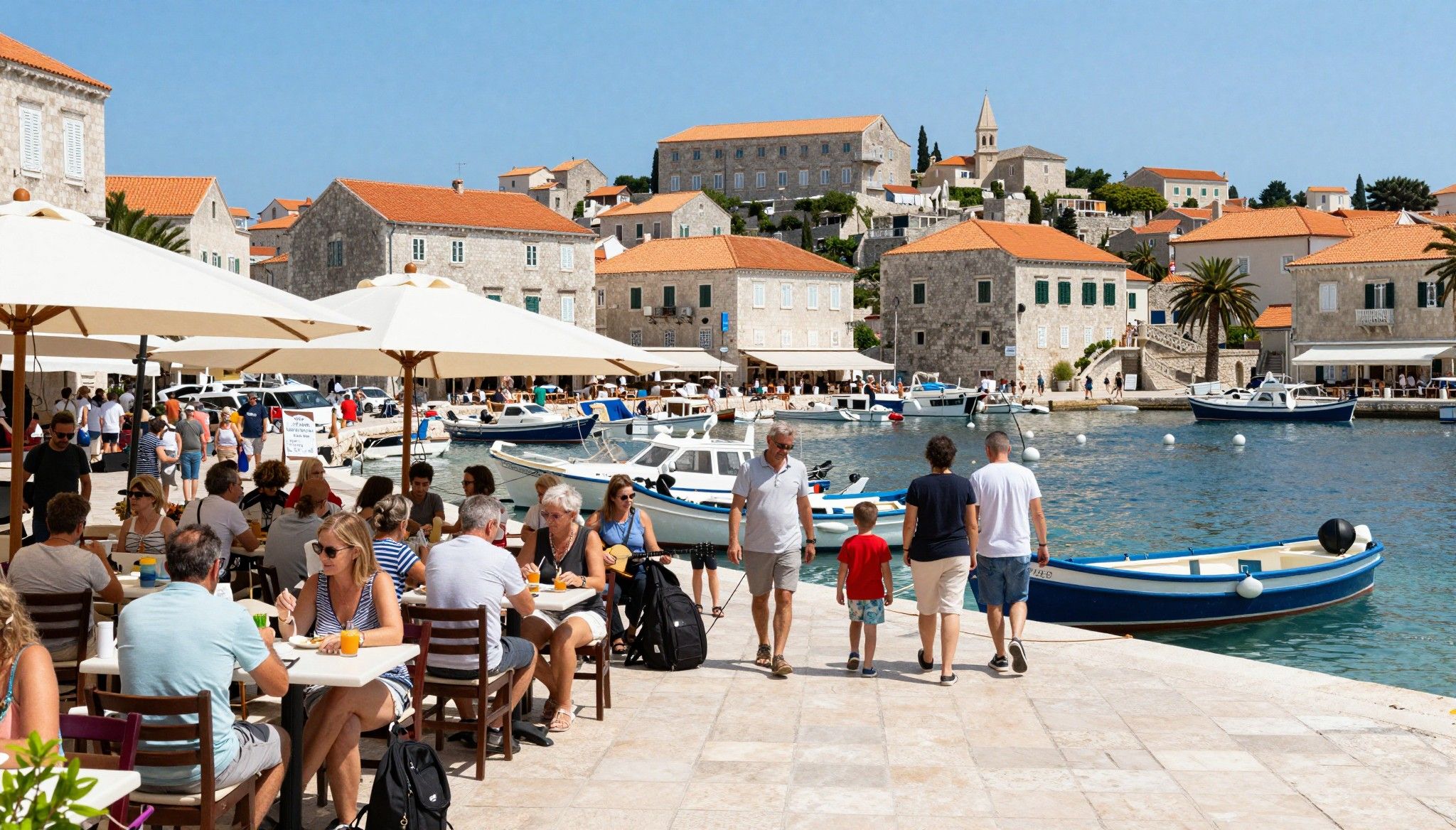
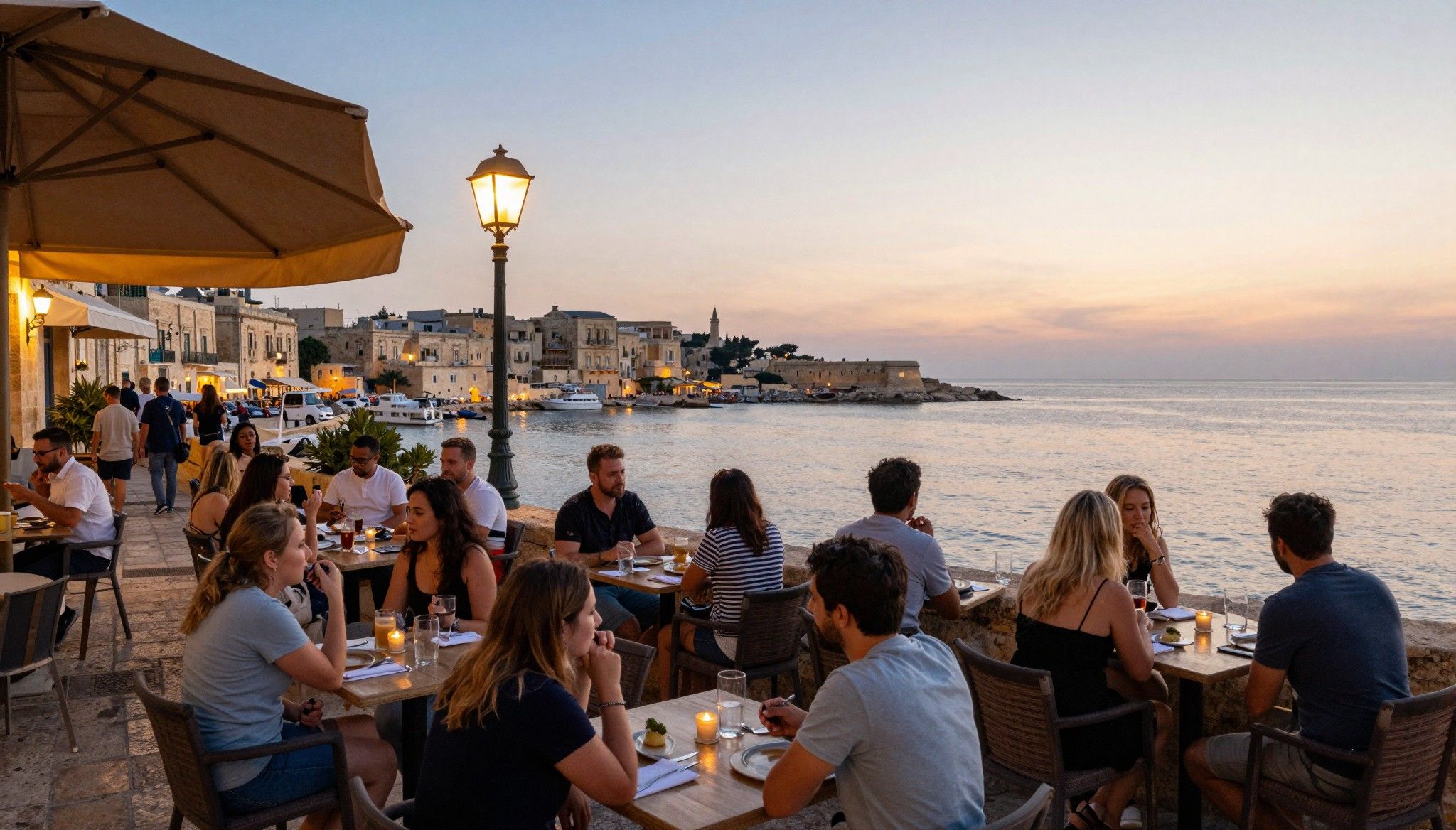
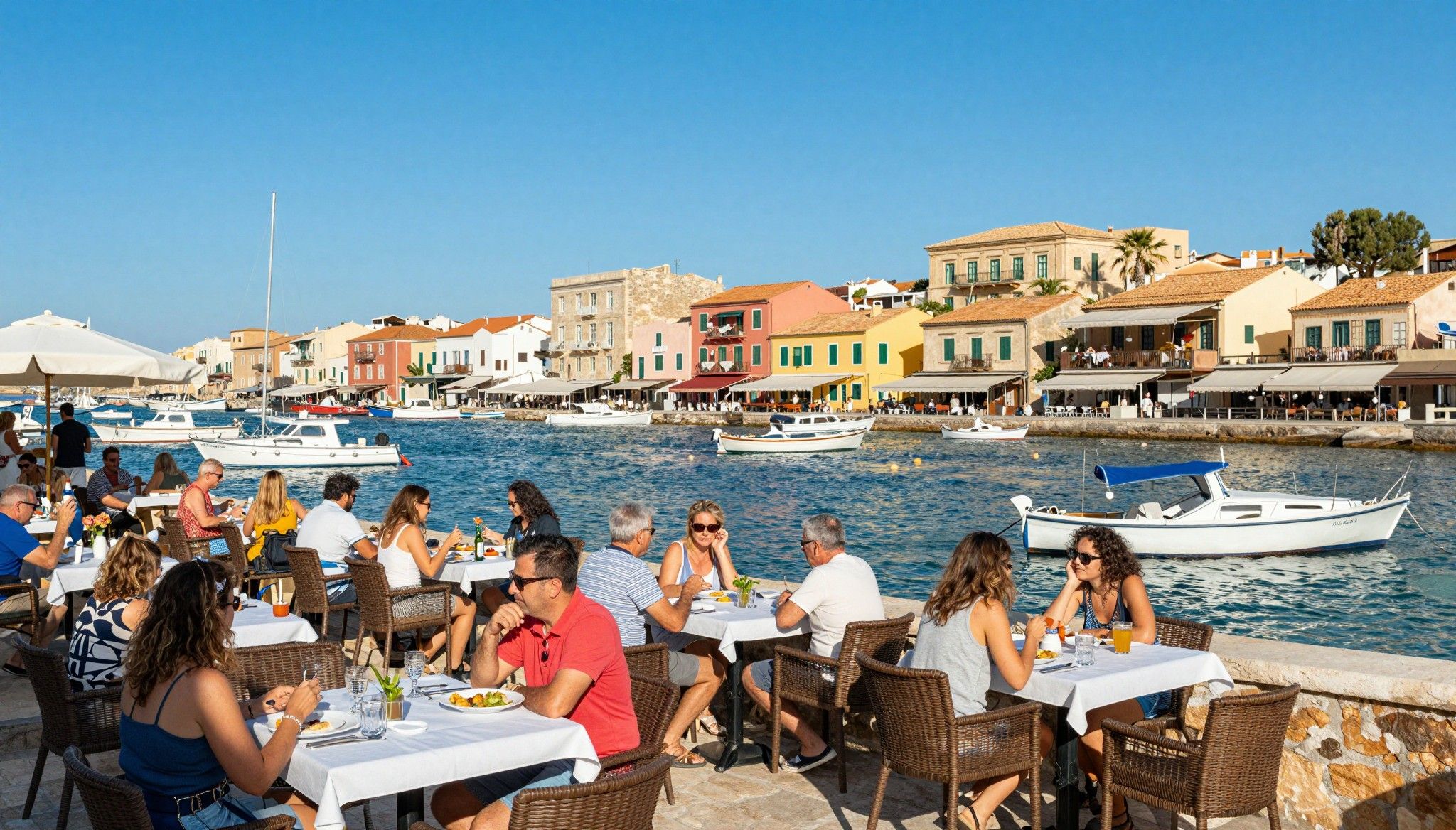
Imagine stepping out at first light to buy fruit at a cobbled market in Trastevere, or taking an espresso on Via dei Condotti before the boutiques open. Italy’s rhythm is lived in short walks, long lunches, and neighborhoods that feel like small countries: every piazza has a mood, every street a story. For international buyers, that sensory pull often arrives before the spreadsheets — but the smartest moves pair those sensory moments with up-to-date market intelligence and local expertise.
Living the Italian Life: Everyday scenes that sell the dream
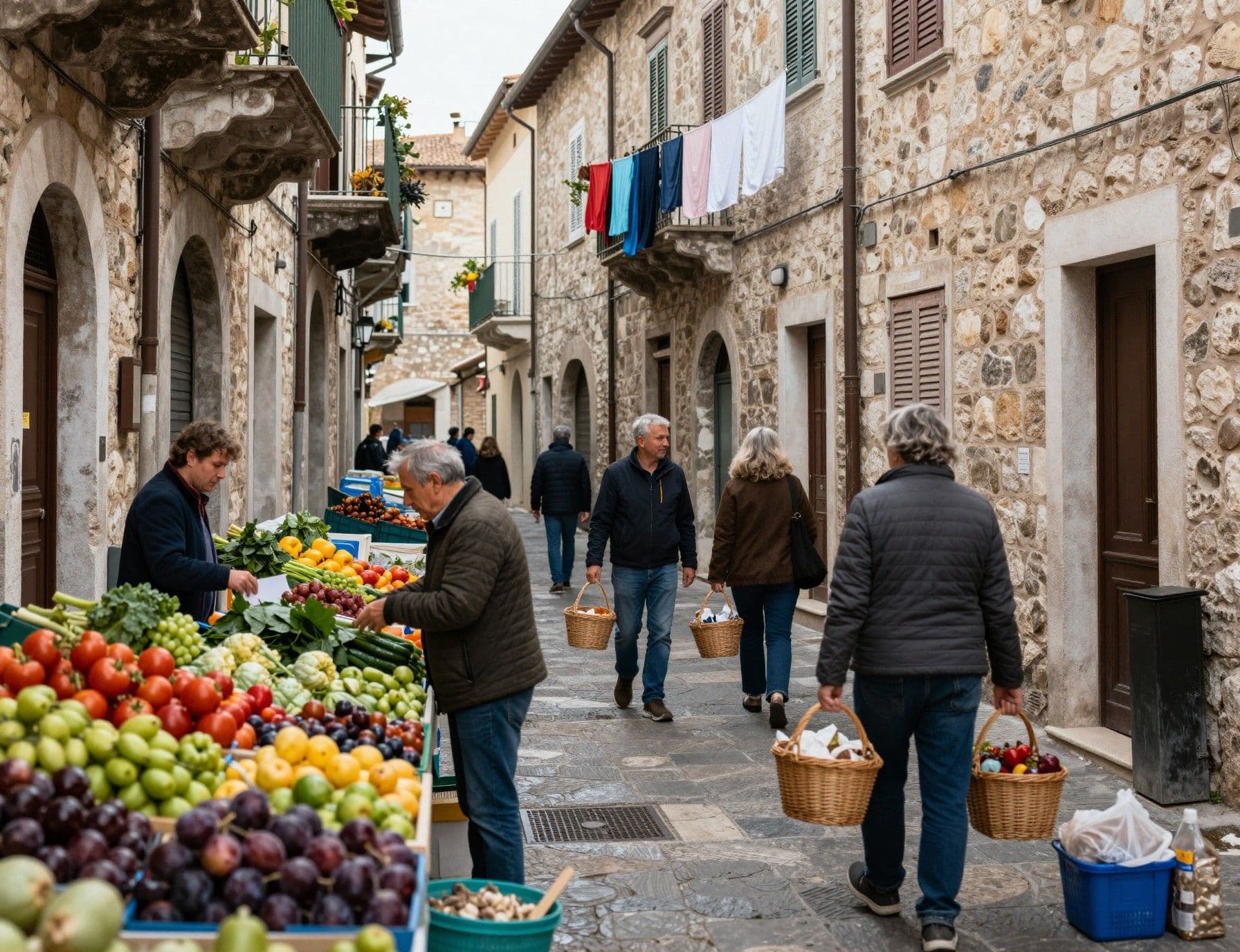
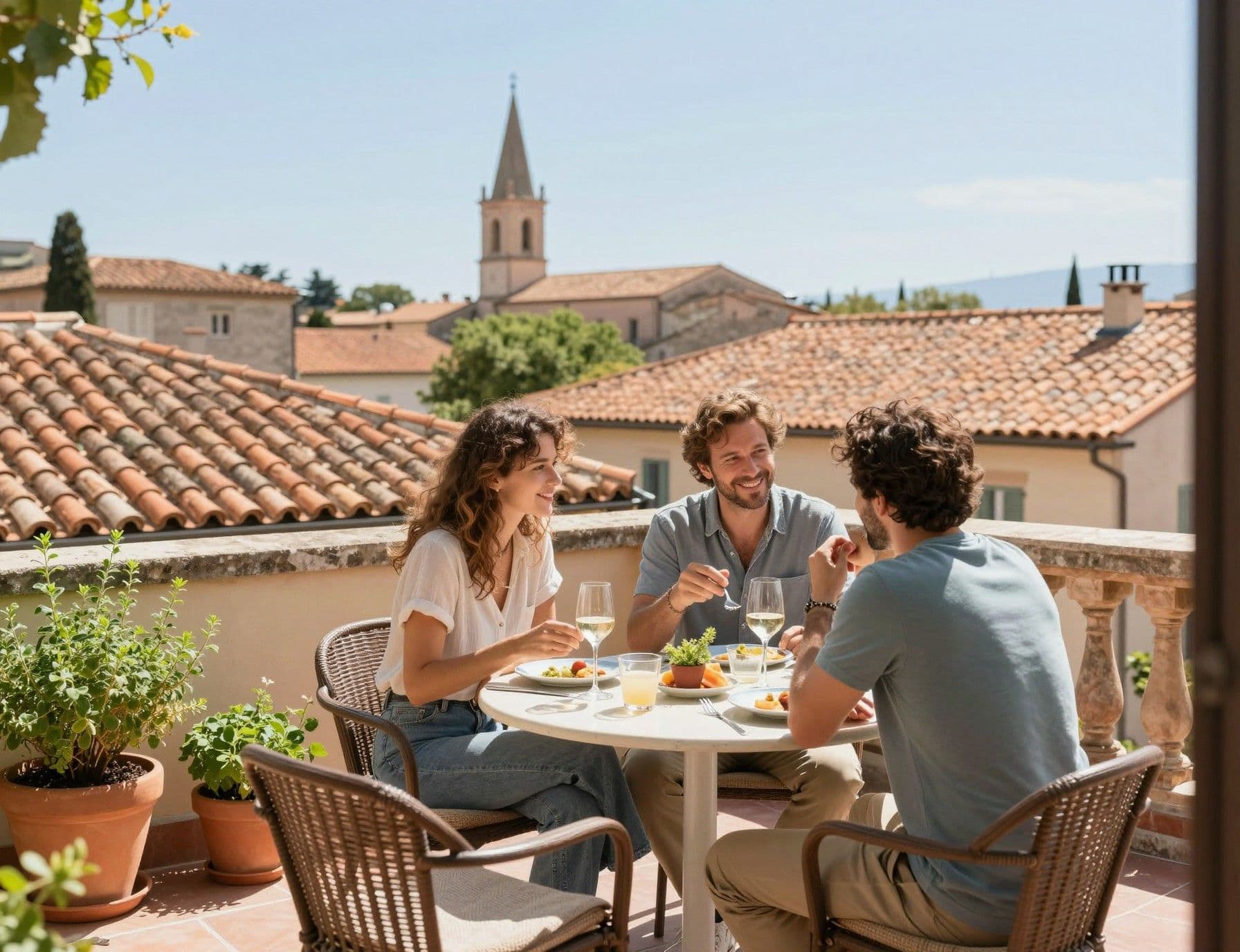
Living in Italy means mixing habits that feel effortless with practical rhythms that shape property choices. Mornings are market-first; afternoons melt into espresso and a passeggiata; evenings gather on a terrace with wine and friends. These daily patterns determine what buyers value: proximity to markets for food lovers, a quiet vicolo for readers, easy regional-train links for weekend escapes, and terraces that work as outdoor rooms for nine months of the year.
Rome — Historic neighbourhoods that feel lived in
In Trastevere and Monteverde, narrow lanes, tiny restaurants, and daily markets shape a social life that’s hard to replicate. Buying here is buying into a street-level community — expect stone facades, apartments with high ceilings, and the trade-off of smaller kitchens but generous public life. If you crave nightly passeggiate and neighbourhood bakeries, central Roman districts deliver the lifestyle; if you prioritise space and modern finishes, look toward EUR or Parioli instead.
Milan — Work, design, and the after-work aperitivo
Milan’s energy is professional and design-forward: Brera and Navigli are social hubs, Porta Nuova is corporate and new-build heavy, while the Maggiolina and Isola areas combine residential calm with cafés and co-working. Buyers drawn by career opportunities and a compact public-transport network find excellent short-term rental demand, particularly in neighbourhoods near universities and business districts. Expect modern apartments, higher asking prices per square metre, and strong day-to-night neighbourhood life.
Lifestyle highlights — what living here actually looks like
Morning markets (Testaccio, Mercato Centrale Florence), late-afternoon aperitivo on canal-side bars (Navigli), weekend trips by regional train to Cinque Terre or the Amalfi Coast, family-run osterias with seasonal menus, and terraces that double your living room in spring and autumn.
Making the move: how lifestyle desires map to market realities
Italy’s market blends regional variety with recent recovery signs; after a subdued stretch many indicators point to modest price growth and stronger transaction volumes. Government data show modest year-on-year price rises in early 2024, and industry observers report rising transactions into 2025. For buyers, that means balancing the desire for authentic neighbourhood life with market realities: some central districts are thin on supply, while provincial cities and the Adriatic or Apulian coasts can offer better value per square metre.
Property styles and what they mean for daily life
A 19th-century palazzo apartment brings high ceilings, period details, and a central address but often needs modern systems upgrades. A new-build flat near Milan’s business districts offers efficient layouts, lifts, and parking but less character. Country villas in Tuscany or Puglia buy space and privacy — you accept distance from daily social life and plan for car-dependence. Pick the building type that supports your routine: entertaining on terraces, walking to cafés, or commuting to offices.
Why working with local experts matters more than ever
Local agents and notaries translate not only language but local practice: how offers are written, typical negotiation levers, and what renovation permissions really take. A well-connected agency scouts off-market listings in specific streets and can anticipate seasonal slowdowns. For international buyers, agencies that combine lifestyle knowledge with legal partners reduce risk and save time — they match quotidian desires (market morning, terrace dining) with tangible property features (orientation, insulation, access).
Six steps that blend life and purchase practicality
1) Visit neighbourhoods at different times of day to test noise, markets and transport; 2) Prioritise orientation and outdoor space if you value outdoor living; 3) Check energy class (Classe Energetica) and likely renovation costs; 4) Ask agents about off-market stock on named streets rather than just districts; 5) Build a short-list of local notaries and surveyors before offer stage; 6) Plan seasonal living — can you rent in summer if you buy inland but want coast time?
Insider knowledge: expat truths, myths and seasonal reality
Expat experience often surprises newcomers: Italians prize local ties, groceries are small-batch, and bureaucracy rewards patience. One common myth is that coastal towns are uniformly more expensive; in reality, inland villages and some southern coasts can offer better prices with authentic life. Seasonality matters: many towns quiet down in winter and pulse in summer — if you want year-round community, choose places with diversified local economies, not purely tourist towns.
Cultural integration: language, community and everyday rules
Learning Italian opens doors to neighbours, tradespeople, and market banter; even conversational phrases change how locals respond to you. Many expats find community through weekly markets, sport clubs, and parish events rather than formal expat networks. Respect for local rhythms — riposo times, polite greetings, timeliness for appointments — smooths renovation and neighbourhood relations and often speeds administrative processes that otherwise stall.
Long-term lifestyle considerations buyers underestimate
Think beyond the purchase price: ongoing maintenance of historic buildings, winter heating costs in older stone homes, and the availability of local builders for specialist restoration. Also account for mobility changes over time — proximity to healthcare and markets matters as years pass — and whether the area’s tourist cycle aligns with your plans to rent or live. These factors determine whether the dream endures or becomes an expensive hobby.
Conclusion: Italy sells a life as much as it sells space — the piazza, the market, the terrace are core to the offer. Pair that sensory first impression with facts: consult national price indices, rental-yield analyses, and a local agency that knows the streets you love. If you want help matching a lived-in neighbourhood to realistic market options, a focussed agency will save you time and protect value while making that passage from dream to daily routine smooth.
Swedish strategist who relocated to Marbella in 2018. Specializes in legal navigation and tax planning for Scandinavian buyers.