Why Greece’s ‘Pricey’ Image Masks Practical Opportunities
Greece’s market blends vibrant neighbourhood life with island calm — plan purchases around daily routines, seasonal realities and local expertise for lasting value.
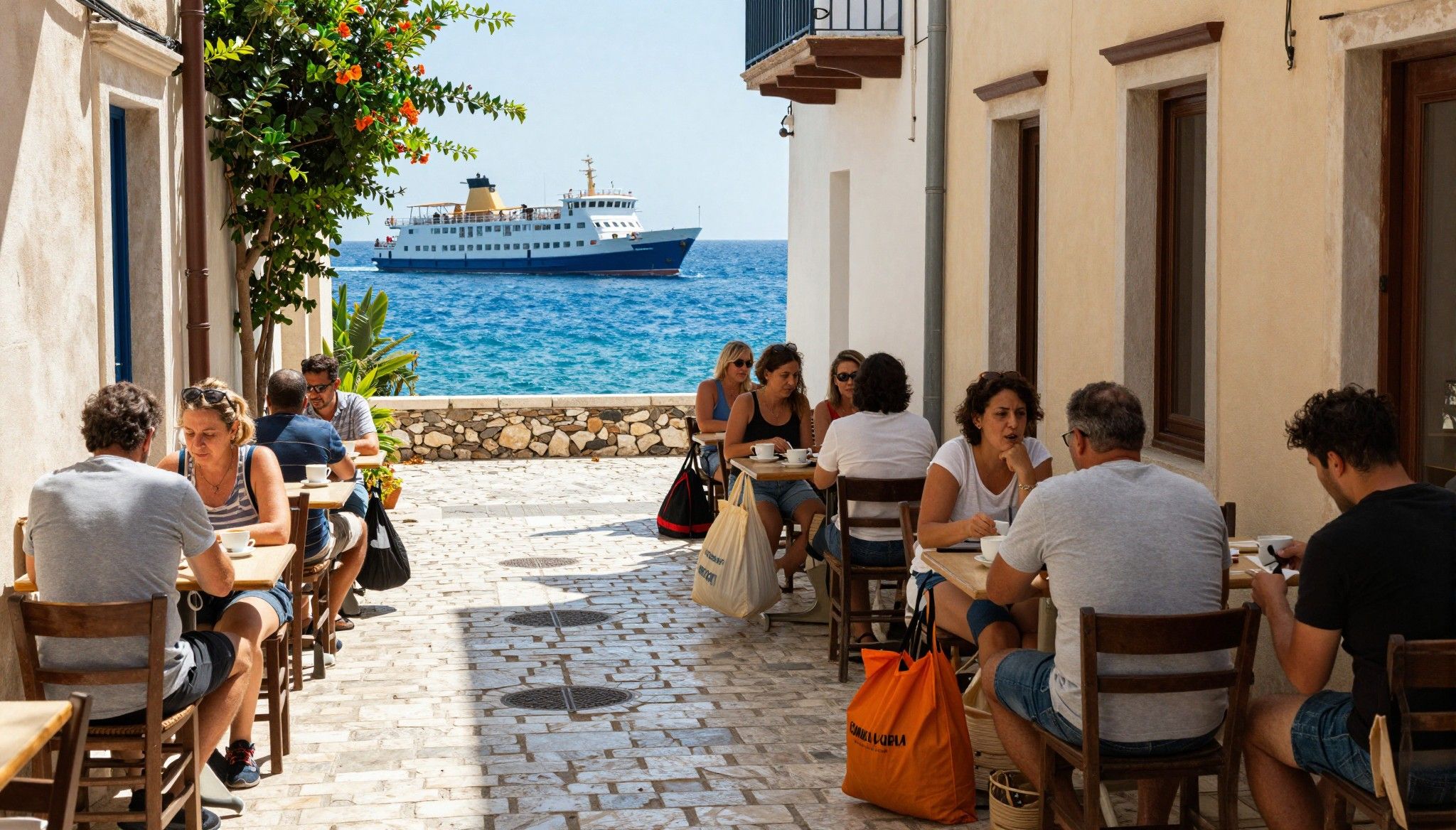
Imagine starting your day with a short walk from a limestone townhouse on Athens’ Koukaki hill to a café where baristas know your name, then catching a late-afternoon ferry to a small island with a taverna that still opens when locals arrive. Greece feels like a sequence of lived moments — markets, neighbourly hellos, sea-scented streets — and that rhythm changes how property is used, valued and cared for.
Living the Greece lifestyle: rhythm, neighbourhoods, taste
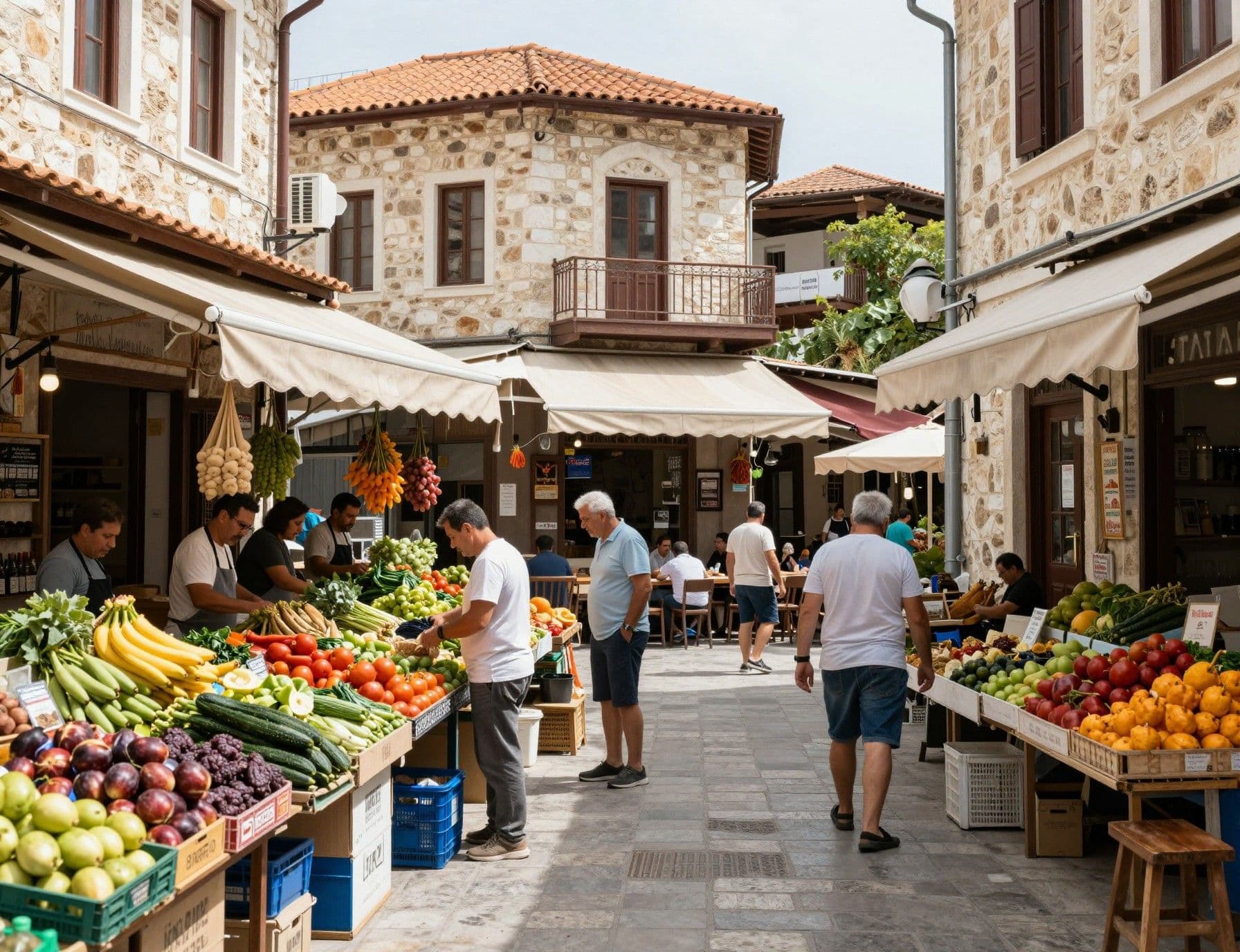
Daily life in Greece is local first: morning markets pulse in neighborhoods like Exarchia (coffee culture and bookshops) and Ano Petralona (quiet squares), while the Athenian Riviera (Glyfada to Vouliagmeni) stages an altogether different, sea-focused routine. These contrasts mean buyers choose either the city’s layered social life or coastal calm — and often both.
Athenian streets and island afternoons
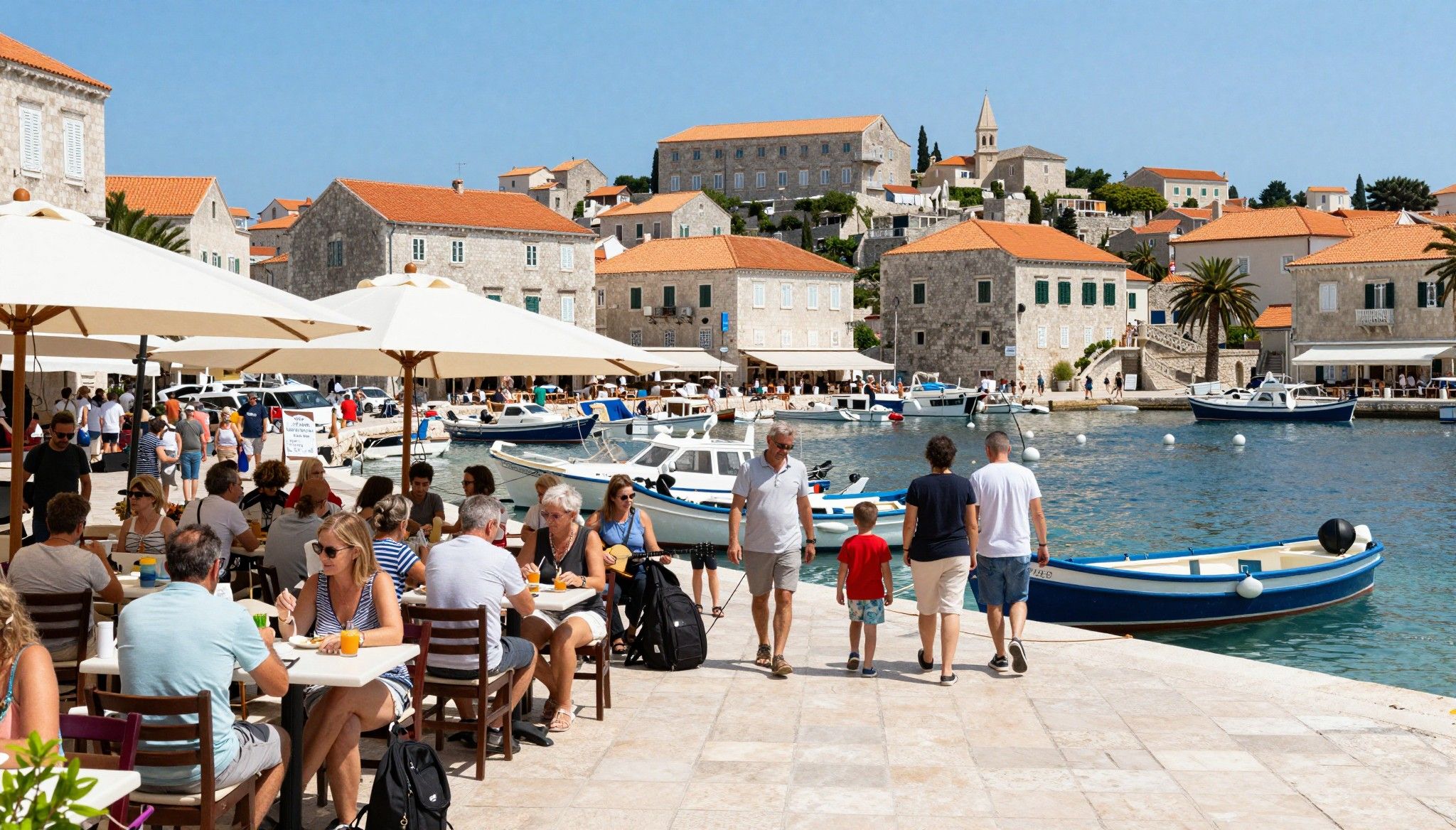
Picture Koukaki’s cobbled lanes and small galleries, then picture the same afternoon on Hydra or Paros: narrow alleys, local bakeries, and owners who lock shutters with pride. Many international buyers split time between Athens for culture and a Cycladic island for slow summers — that split lifestyle shapes what to buy (compact, high-quality apartments in town; low-maintenance villas or renovated stone houses on islands).
Food, markets and everyday texture
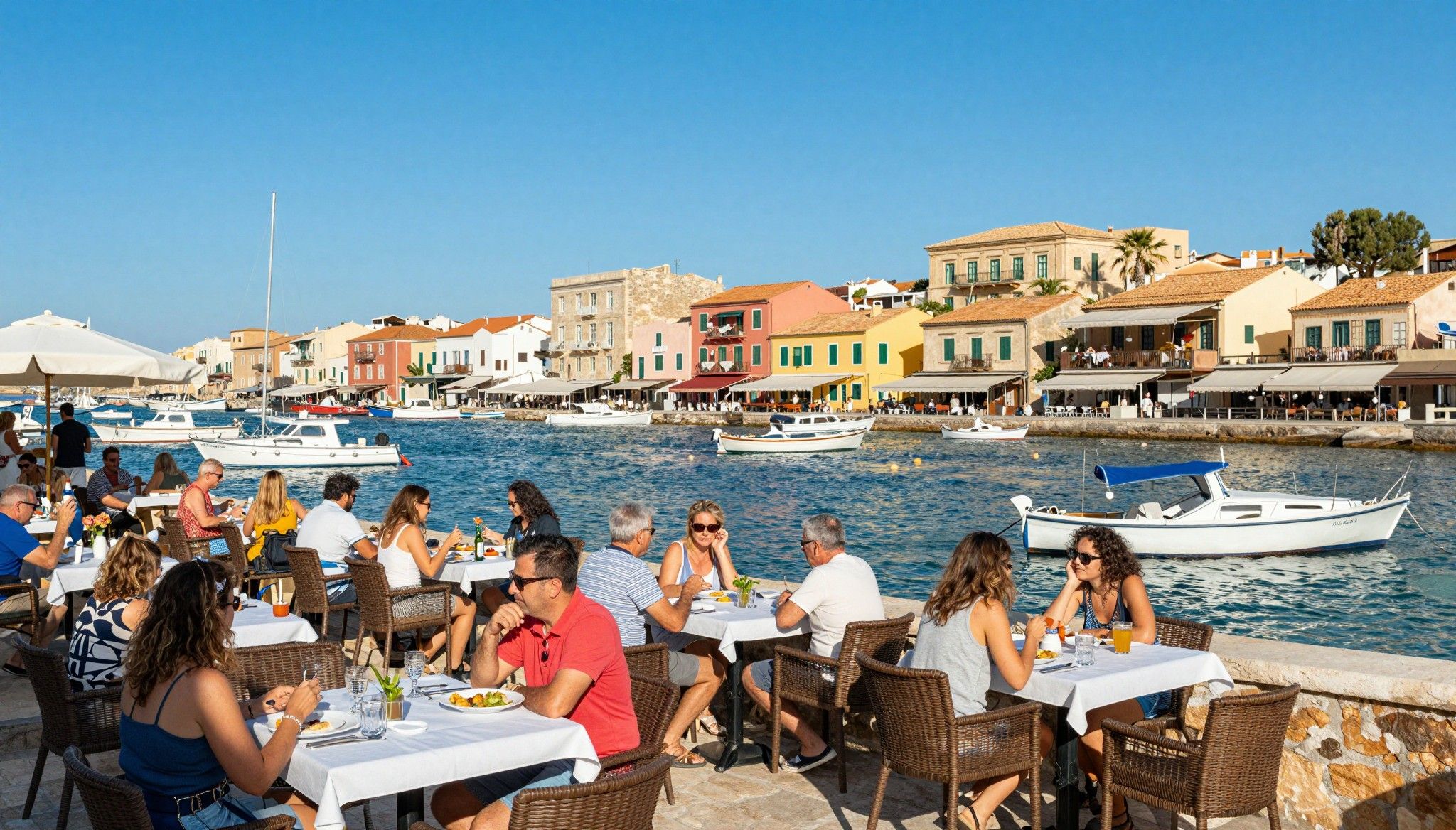
Markets are central to Greek life: fresh fish at Varvakeios market, farmers’ stalls in Chania, and seaside tavernas where catch-of-the-day arrives with a neighbourly laugh. For buyers, proximity to markets, good bread, and a reliable kafeneio often matters more than square metres — these everyday conveniences shape long-term happiness and rental appeal.
- Lifestyle highlights: real places and experiences buyers love
- Athenian cafés and neighbourhood life (Koukaki, Petralona, Pangrati)
- Cycladic beaches and small-island communities — summer pulse, off-season calm
- Local markets (Varvakeios, Chania, Thessaloniki) and taverna culture
Making the move: property types, timing and practical trade-offs
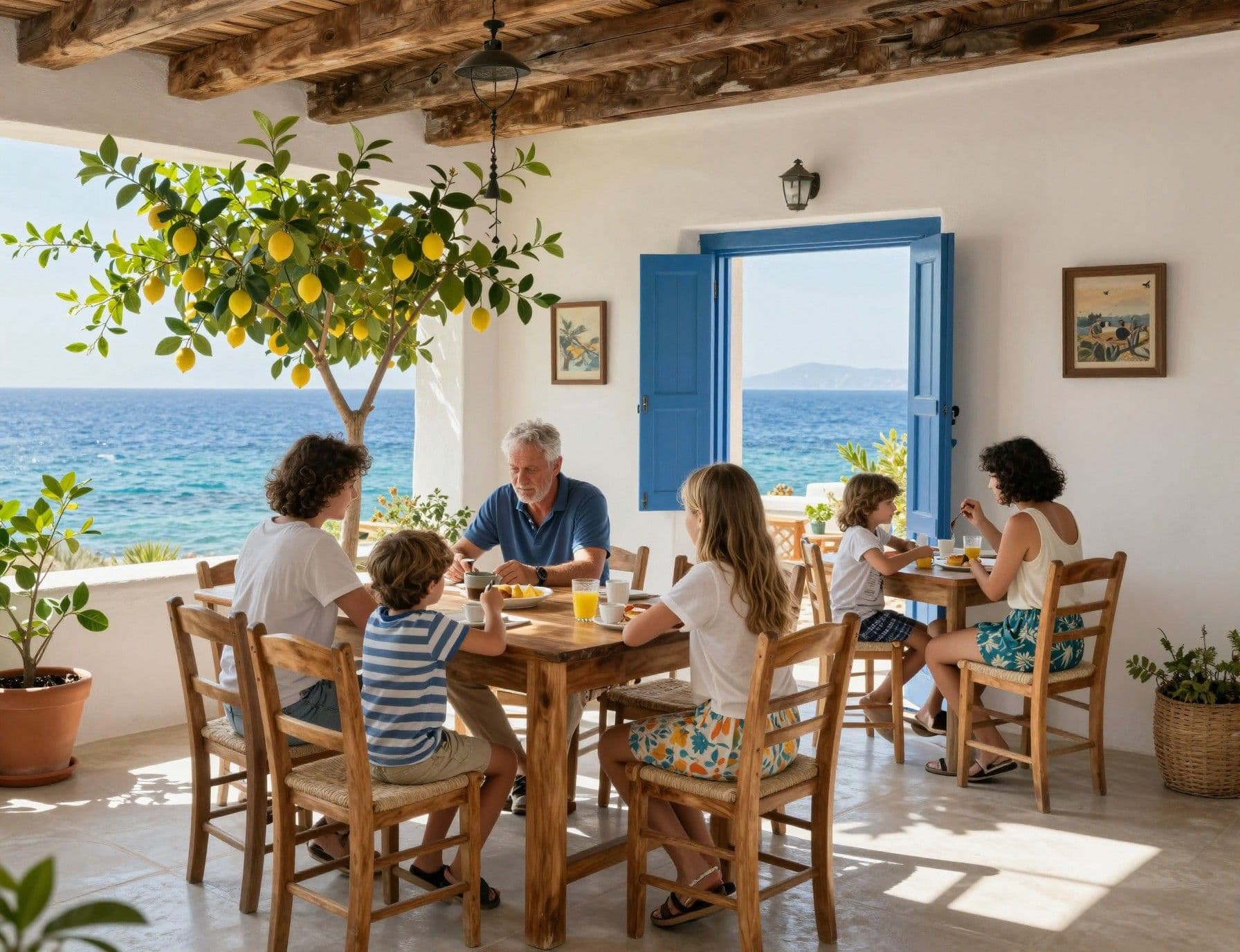
Greece’s market remains active but uneven: strong price growth in Athens and some islands contrasts with calmer inland markets. Bank of Greece data shows residential prices continued to rise into 2024, though growth has moderated — a sign that timing matters more by micro-market than by country headline.
Property styles — how you’ll actually use them
City apartments: choose central, lift-access apartments with modern heating and soundproofing for year-round life and rentals. Island homes: favour renovated stone houses with simple maintenance, cisterns or reliable water supply, and shaded outdoor spaces for summer. New-build coastal developments offer pools and low-maintenance landscaping but check communal rules and seasonal management.
Working with local experts who know the life
Local agencies and lawyers translate lifestyle wishes into technical checks: water access on islands, condominium rules in Athens, planning limits for renovations, and changes to residency schemes. Recent reforms to residency-by-investment mean buyers must confirm timelines and thresholds with specialists before committing.
- Lifestyle-first practical checklist for property visits
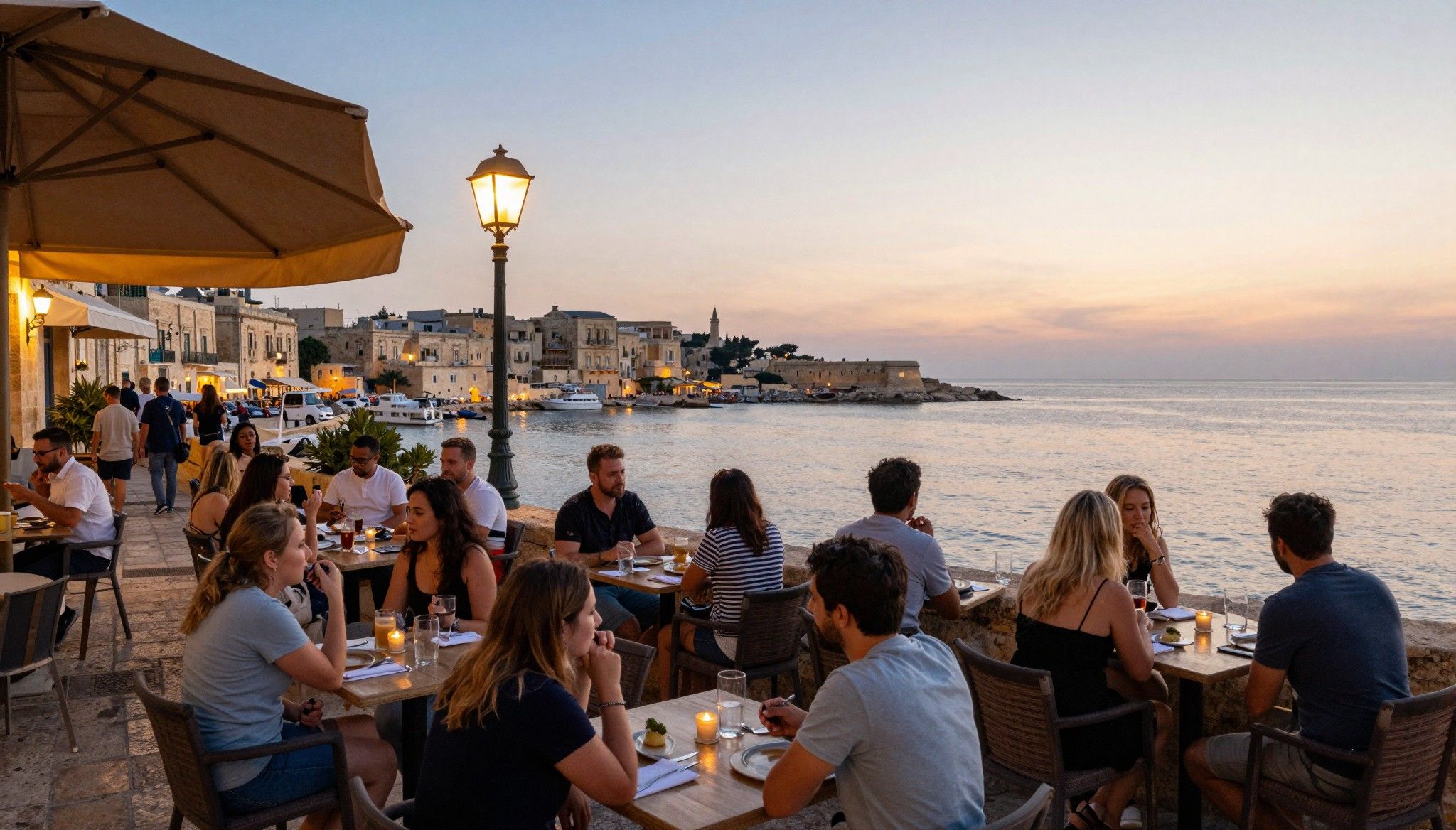
- Visit neighbourhoods at different times: morning markets, siesta hours, and late-evening dining to understand real rhythm
- Check utilities and access (water, broadband, ferry schedules in islands) and ask neighbours about maintenance patterns
- Confirm local taxes, municipal charges and running costs with a bilingual accountant to avoid surprises
Insider knowledge: expat truths, seasonal reality and hidden frictions
Expats say the romance is real, but so are seasonal headaches: water shortages in late summer on some islands, narrow ferry timetables in shoulder seasons, and municipal bureaucracy that runs on different clocks. Foreign investment surged in 2024 but flows and policies shifted in 2025, so the buyer who plans for seasonality and local cadence wins.
Cultural integration and community
Learn basic Greek phrases, attend local festivals and shop at the same market stall: these small actions turn neighbours into allies and simplify everything from permits to contractor recommendations. Many buyers find that choosing a neighbourhood with an active expat cafe or cultural centre speeds integration without losing the local flavour.
Long-term lifestyle and value considerations
Think five years ahead: neighbourhood regeneration projects in Athens can lift demand; small islands may see infrastructure upgrades that change peak-season pressure. Bank of Greece data points to continued, if moderated, price growth — so align lifestyle expectations with a clear exit or rental plan.
- Red flags and practical pitfalls to avoid
- Poor or undocumented water/electric supply on island properties
- Properties listed without clear condominium statutes or with ambiguous access rights
- Assuming peak-season rental figures apply off-season — Greece’s shoulder months tell a different story
If you love the life — narrow streets, market mornings and long lunches — work backward from that image: choose a property that supports the routine (simple maintenance, local services, reliable access) rather than an Instagram-perfect one that’s costly to manage.
Conclusion — a life-first way to buy in Greece
Greece invites you into a slow, sensory life — and the smartest purchases honour that rhythm. Start with where you want to spend your mornings and evenings; use local experts to translate that life into a property decision; and plan for seasonality, maintenance and community. When lifestyle leads, the market tends to follow, and that’s how value compounds over time.
Swedish strategist who relocated to Marbella in 2018. Specializes in legal navigation and tax planning for Scandinavian buyers.