How Cyprus’s Non‑Dom Rules Cut Real Estate Carry Costs
How Cyprus’s non‑dom residency and transfer‑fee rules can cut carrying costs — a lifestyle-first guide that pairs beaches and cafes with tax-smart ownership steps.
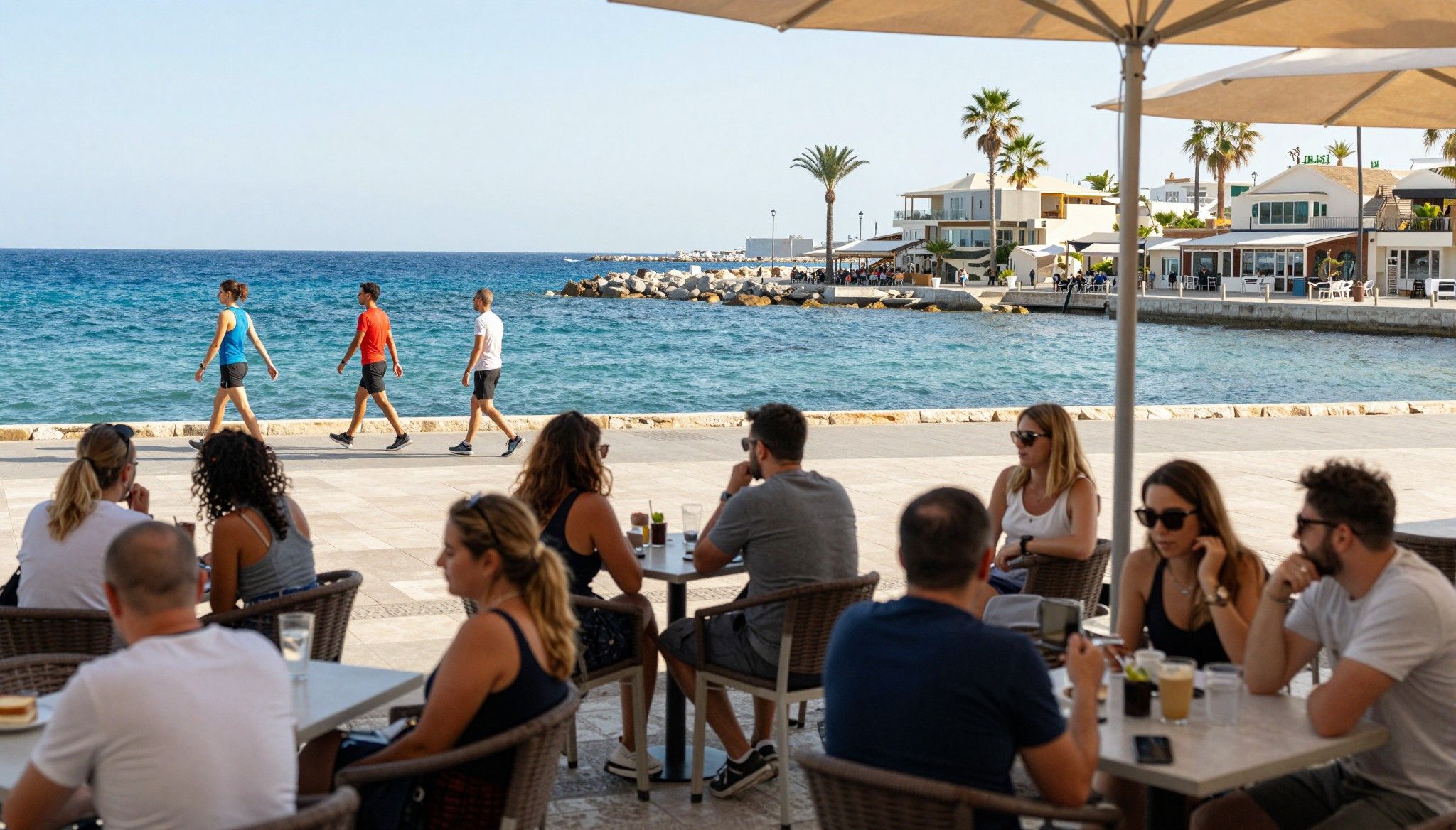
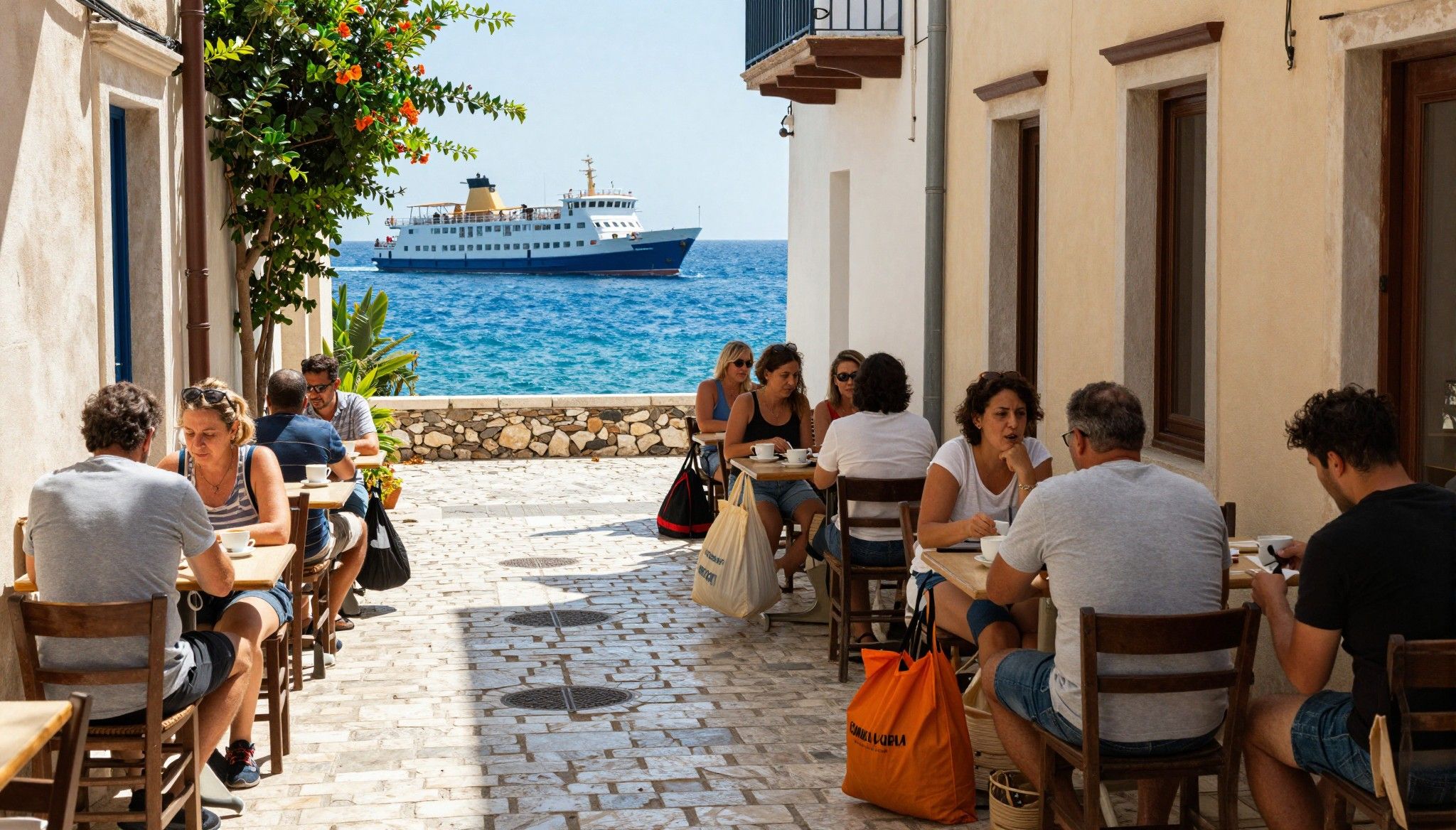
Imagine sitting at a sunlit cafe on Limassol’s Molos promenade, espresso in hand, while your property manager sorts a long‑term tenant across the table. Cyprus feels effortless that way: Mediterranean light, neighbourhood beaches, compact towns where daily life is public and sociable. But behind the easy rhythm are tax rules and fees that change whether that seaside apartment is a lifestyle cost or a manageable carry. This guide shows how Cyprus’s tax and residency rules — notably the non‑dom regime and transfer‑fee structure — can materially reduce the real costs of owning here and reshape where you look to buy.
Living the Cyprus life

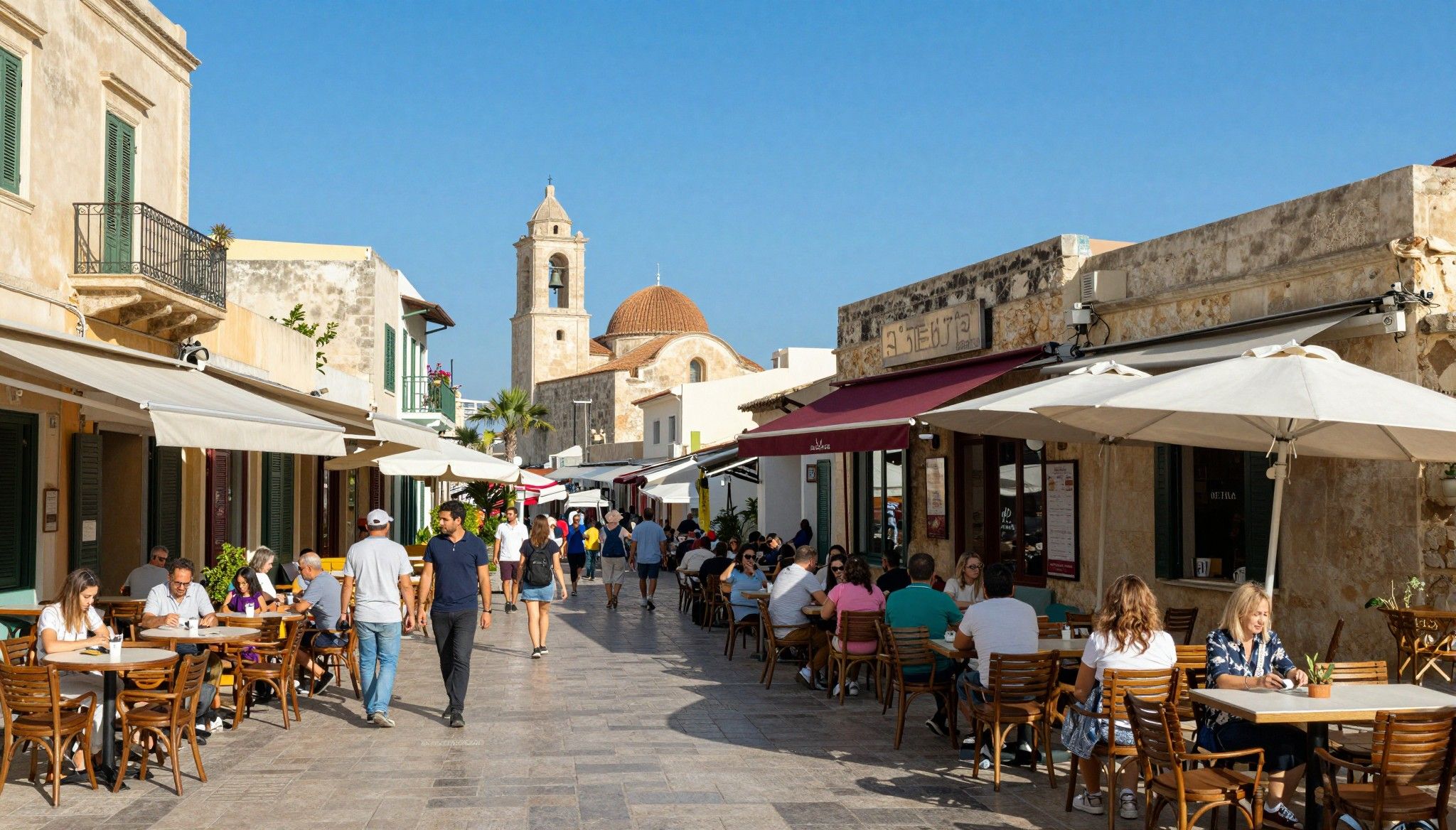
Cyprus is not one life but many: mornings in Nicosia markets, afternoons on Paphos beaches, and evenings in Limassol’s waterfront bars. The island’s scale means a small move — 90 minutes by car — can shift you from historic walled towns to resort promenades. For buyers, this variety matters because lifestyle choices drive housing types: compact apartments for social city life, villas for family weekends, and renovated stone houses for slow, village living.
Neighbourhood spotlight: Limassol and Germasogeia
Limassol blends a busy international scene with neighbourhood pockets like Germasogeia, where cafe terraces, small grocers and family beaches coexist. Walk down Akti Olympion and you’ll pass modern apartment blocks aimed at buyers who want easy maintenance and rental demand from corporate tenants. The trade‑off is higher purchase prices but steadier rental income — a classic lifestyle-versus-yield choice.
Paphos and villages: a different tempo
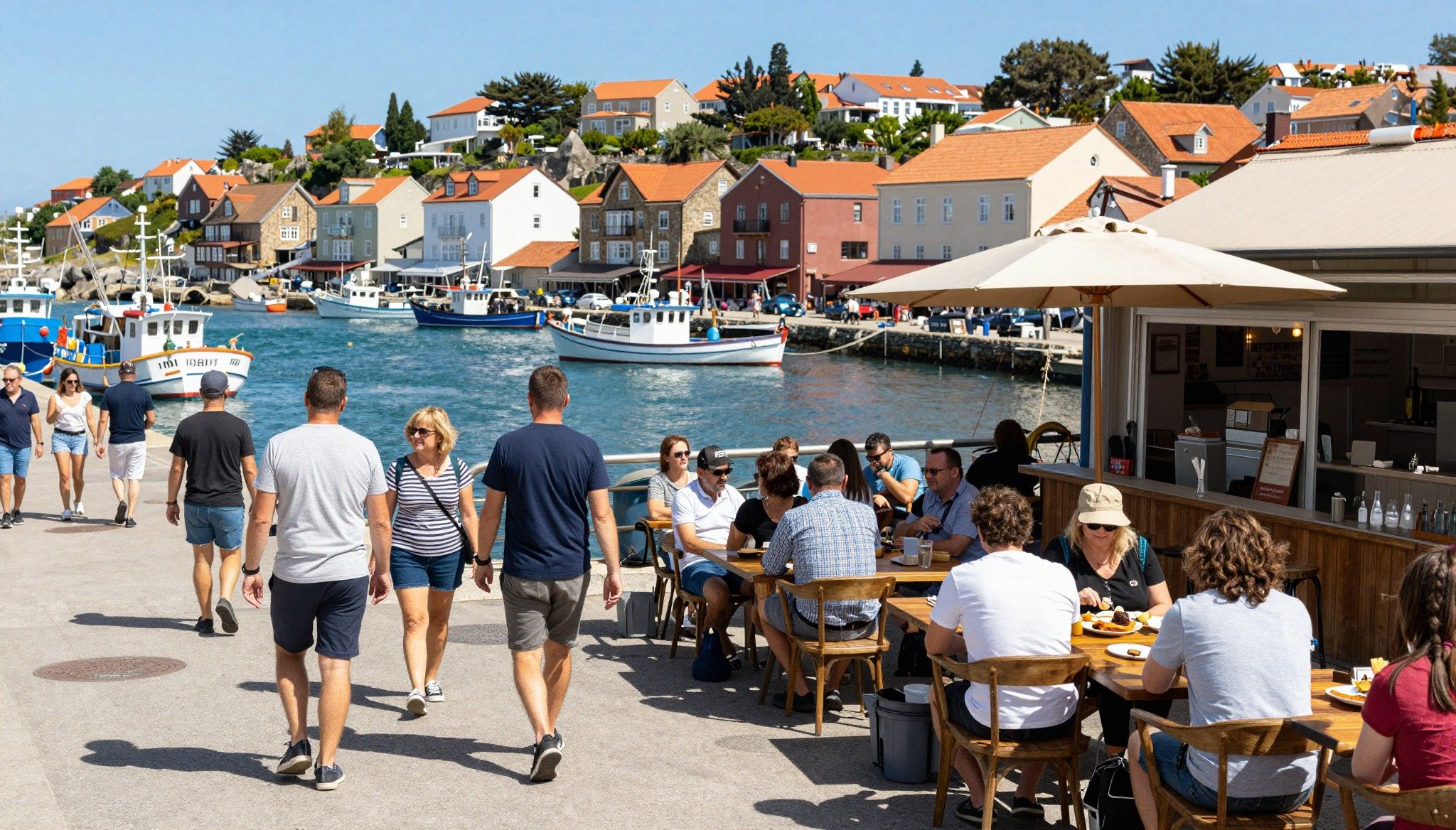
Paphos and nearby villages like Tala offer a quieter pace: tavernas that open late, stone lanes, and homes with courtyards. Prices here often lag Limassol, and the properties are more likely to be detached houses with gardens — appealing for buyers who prioritise outdoor living and longer stays. The point for buyers: tax and residency planning can make these slower markets more attractive when total carry and after‑tax returns are compared.
Making the move: reconcile lifestyle with real costs

Dreams meet paperwork the moment you put down a deposit. In Cyprus, purchase costs that matter most to international buyers are transfer fees, VAT on new builds, capital gains tax on disposal, and ongoing administrative charges. Two practical realities change the calculation: a) the effective 50% reduction in statutory transfer fee rates that the government has maintained since the 2016 reforms and b) the non‑dom residency regime that exempts many passive income streams from Special Defence Contribution (SDC). Together they can turn a location that looks expensive on a price‑per‑m2 basis into an efficient place to hold property long term.
Property taxes that actually bite (and the reliefs to know)
Transfer fees are charged on registration with the Department of Lands and Surveys; thanks to the effective 50% discount, many transactions face lower upfront costs than buyers expect. New properties usually attract VAT at 19% (unless a VAT exemption applies), while resale purchases avoid VAT and pay transfer fees based on a sliding scale. Capital Gains Tax (CGT) sits at 20% on chargeable gains for disposals of immovable property, but allowances and indexation can reduce the base. These are the headline numbers; where you live on the island and how you structure ownership change the outcome.
Residency planning: what non‑dom means for property owners
If you become a Cyprus tax resident and are non‑dom (not domiciled in Cyprus), you are exempt from SDC on dividends, interest and rental income for a statutory period, which can be decisive for international owners who plan to rent. The practical effect: rental income that would otherwise face additional levies can flow tax‑efficiently, improving net yields and making higher purchase prices easier to justify. Residency rules require a presence test (183 days or the 60‑day rule with conditions), so lifestyle choices — where you spend the year — directly affect tax treatment.
Insider knowledge: strategy and common buyer mistakes
I’ve seen buyers chase sea‑view headlines and then be surprised by VAT, higher maintenance, or poor rental seasonality. The smarter play is to match the lifestyle you want to the ownership structure that minimizes tax leakage. For example, opting for a Paphos townhouse managed locally, held under individual ownership while you secure non‑dom residency, can deliver the life you want with lower ongoing tax than a Limassol penthouse carried under a corporate vehicle.
Cultural and practical integration
Language barriers are smaller than you might fear: English is widely used in legal, banking and real‑estate circles, and local agents speak it well. Still, social rhythm matters — shops close for long lunches in summer, and village life revolves around taverna nights and church festivals. These details shape what property works: a compact flat near services works better if you value walkability; a country house fits if you want late‑night family dinners and car access.
Lifestyle‑meets‑tax checklist when choosing where to buy
- Pick a location where the rental season matches your income needs — Limassol for corporate tenants, Paphos for family holiday lets.
- Decide ownership form early: individual title + non‑dom residency can beat corporate structures on day‑to‑day tax.
- Account for VAT on new builds — sometimes a slightly higher price with VAT‑deductible input (for developers) can reduce long‑term costs for investor buyers.
- Factor transfer fees into offer strategy; the effective rates after the 50% government reduction are friendly but still material on higher‑value homes.
- Build a seasonal plan: if you intend to spend 120–150 days a year in Cyprus, model whether partial residency or full tax residency gives the best net outcome.
Practical next steps: how to structure the purchase
Take these steps before you sign a reservation: 1) ask for a net yield illustration that includes transfer fees, VAT (where relevant) and CGT assumptions; 2) get a residency gatekeeping memo from a Cyprus tax adviser outlining whether the 60‑day or 183‑day rule is realistic for you; 3) request examples of comparable resale prices from the local Department of Lands and Surveys data to verify developer claims. These actions translate lifestyle hopes into quantifiable ownership costs.
Step‑by‑step: from visit to title deed
- Reserve with a written memorandum and a small deposit. Engage a bilingual Cypriot lawyer to do title searches and check planning permissions; Cyprus uses a clear deeds system but burdens like undeclared building variations still appear. Complete contracts with VAT and transfer fee allocations noted, and only proceed to registration if you understand the total cash‑needed at completion.
Conclusion: love the life, plan the taxes
Cyprus sells an easy life, but the financial question buyers ask later is not ‘can I afford the purchase’ but ‘can I afford to keep it’. The island’s non‑dom regime and transfer‑fee structure can tilt that balance in your favour when you plan residency and ownership early. Start with lifestyle clarity — which town, which rhythm — then test ownership structures with local advisers, using current government and tax guides to model net outcomes. Do that and the Molos afternoon espresso looks less like a dream and more like an everyday routine you can afford.
British investor turned advisor after buying in Costa del Sol since 2012. Specializes in cross-border compliance and data-driven investment strategies for UK buyers.