When summer hype masks real value on Croatia’s coast
Summer hype inflates coastal asking prices; local data show quieter neighbourhoods and inland towns can offer better long-term value in Croatia.
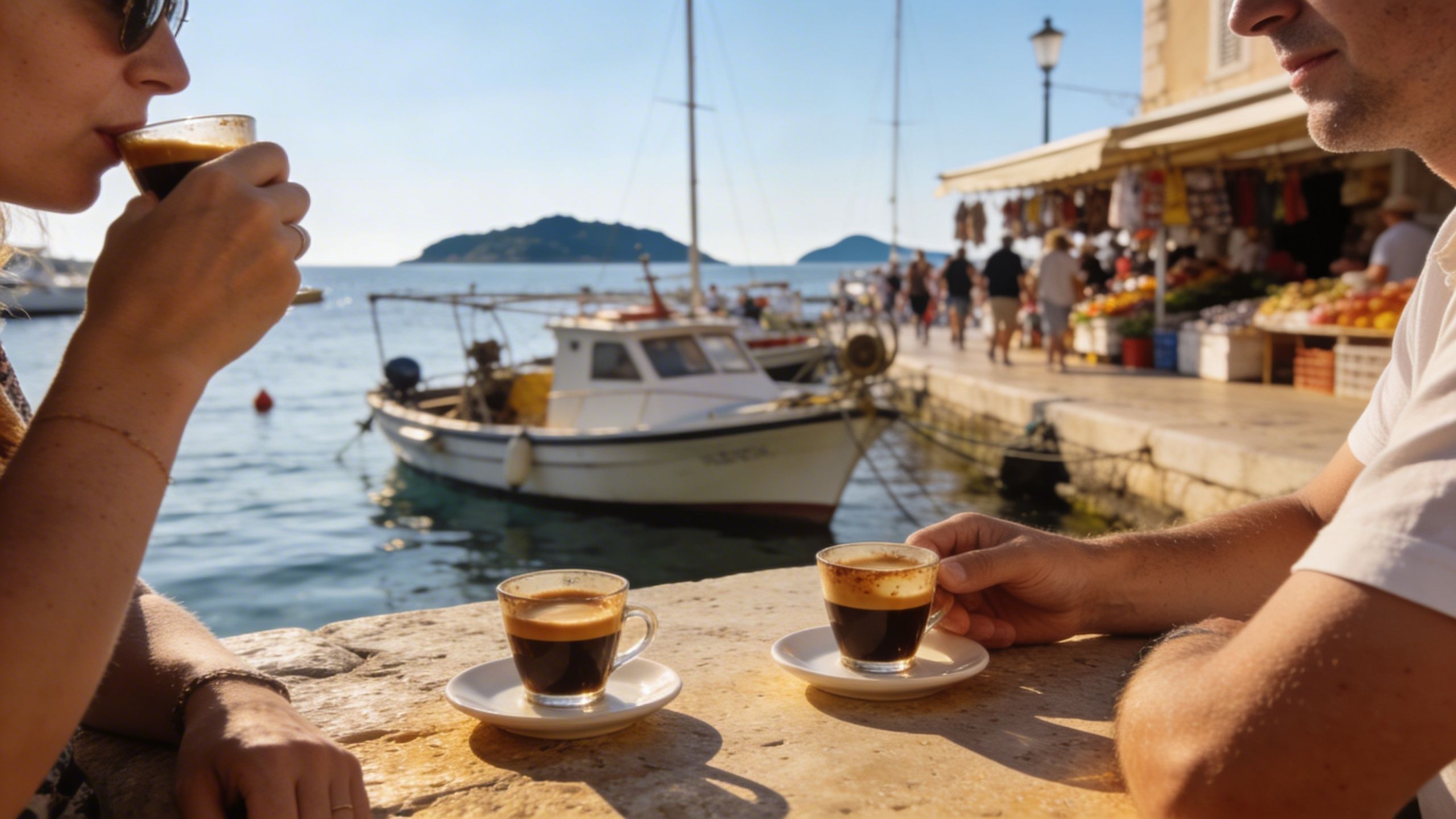
Imagine sitting at a harbour café in Split as a local fisherman steers past, cicadas hum and a neighbour brings fresh figs. Croatia’s coast feels like an invitation: relaxed daily rhythms, market mornings and late-night konobas. That feeling — sunlit stones, narrow streets, island ferries — is what draws international buyers; the harder question is when the postcard lifestyle matches market logic and value. Below I show where the summer hype inflates perceptions, which neighbourhoods quietly outperform headlines, and how data (not just feelings) should shape your next move.
Living the Croatian lifestyle
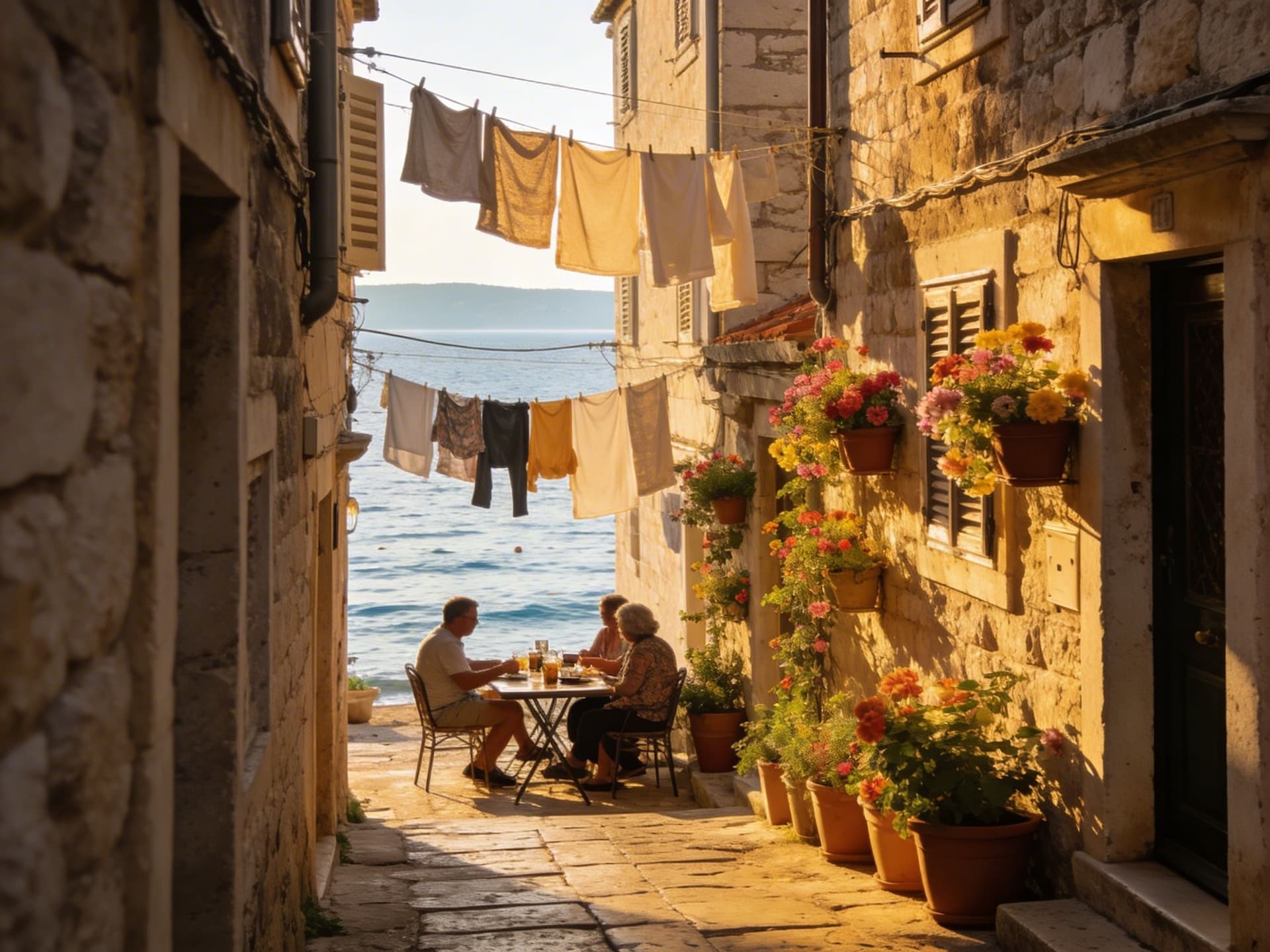
Croatia moves at different speeds: mornings in Zagreb are elegant and urban, afternoons on the Adriatic are slow and social. In coastal towns like Rovinj, Hvar and Trogir you’ll trade commuter stress for sea breezes, local markets and community rituals — early espresso at a baklava shop, olives bought from a neighbour, afternoons on pebble beaches. The rhythm matters for property choice: a designer apartment in the city works for a year‑round resident; a stone house with a courtyard makes sense if you value summers by the sea and longer vacancy windows in winter. Understanding those rhythms helps you see beyond seasonal asking-price spikes to long-term usability.
Zagreb, coast and islands — distinct daily lives
Zagreb’s city life centres on leafy avenues, neighbourhood cafés in Maksimir and lower rents in family districts like Trešnjevka. On the coast, Split’s Riva and Diocletian’s Palace are lively year-round, while islands such as Brač or Korčula switch from quiet winters to full-summer bustle. Each place offers different ownership trade-offs: liquidity and year-round rental demand in Zagreb and Split, versus premium seasonal rates but slower off-season turnover on smaller islands. Think about how you’ll live through four seasons, not just one holiday.
Food, markets and a social calendar that shapes property value
Market stalls, seafood grills and neighbourhood konobas do more than taste good — they build community and sustain year-round neighbourhood life. A flat near Dolac Market in Zagreb or near Split’s Varosh will feel different every day because of those local anchors. For buyers, proximity to markets, seasonal festivals (like Dubrovnik Summer Festival) and ferry links are often stronger predictors of desirability than headline 'sea view' claims. That’s why street-level context should weigh heavily in your search.
Making the move: practical considerations
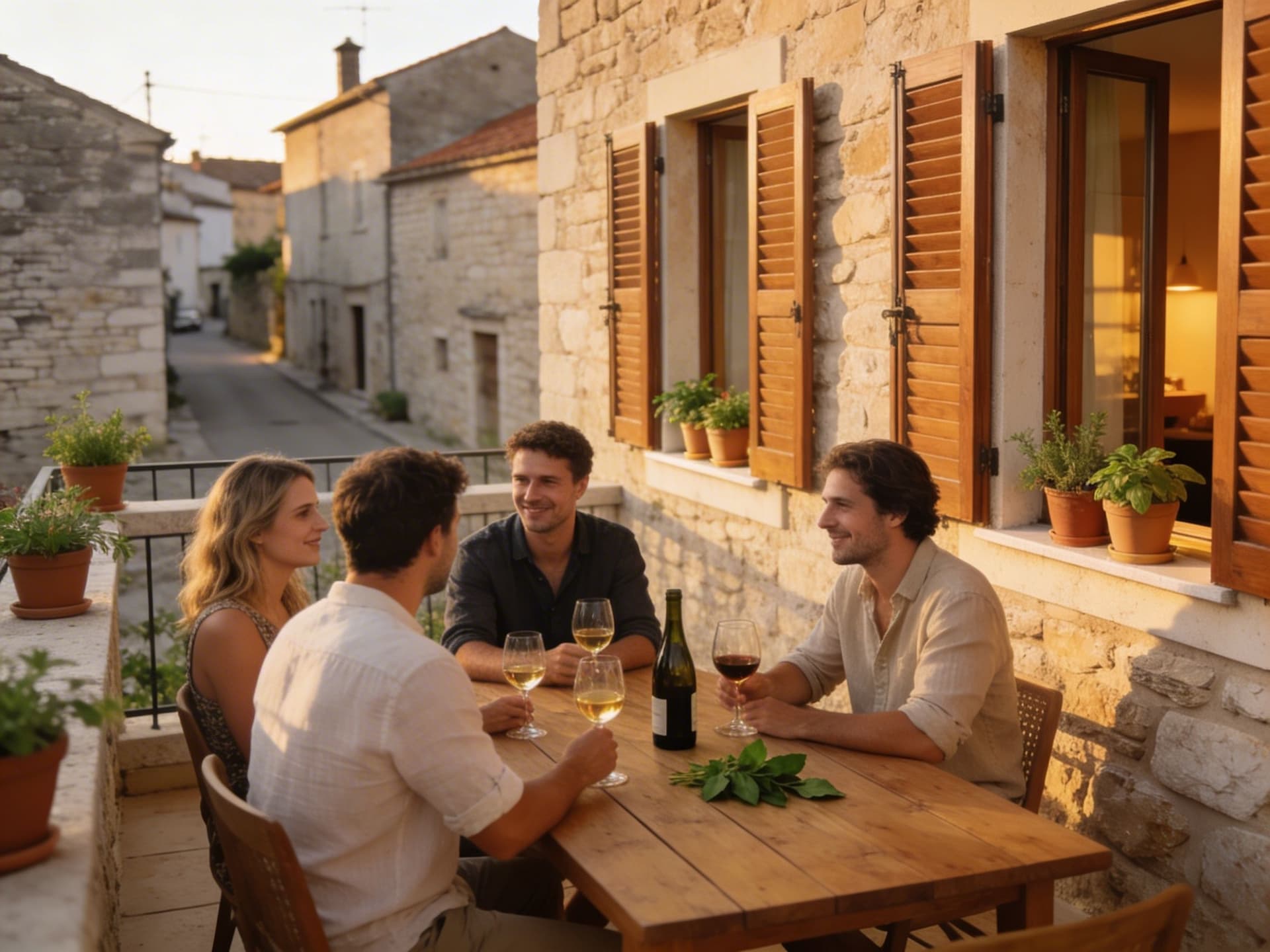
Data show strong national price growth but uneven regional patterns: coastal counties and major cities lead, inland areas lag. Asking prices rose noticeably in 2024–25 with platforms like Njuškalo reporting national apartment asking averages above €3,500/m², while professional reports highlight constrained new supply and investor interest in Zagreb and the Adriatic. That means two practical points for buyers: expect regional premiums on the coast and seek local data (county and city level) rather than national averages when valuing a specific street or block.
Property styles and how they match life
Stone houses with courtyards are culturally iconic on islands and in Istria; they reward outdoor living but often need ongoing maintenance and retrofit work. Modern new‑build apartments in Zagreb or Split offer turnkey convenience and stronger year-round rental appeal, though they trade character for predictability. When you prioritise lifestyle — terraces, sea access, town squares — map those features to realistic cost profiles: restoration budgets for stone houses, condominium fees for city apartments, and seasonal utility and maintenance costs for coastal properties.
Six practical steps that marry lifestyle and market sense
1. Pinpoint the daily routine you want (market mornings, ferry access, quiet nights) and shortlist neighbourhoods that deliver it. 2. Compare recent transaction prices (not just asking) for the street or small area; national averages mislead. 3. Visit outside high season to test winter life — noise, services, transport. 4. Budget a conservative renovation reserve for older stone houses (15–25% of purchase price). 5. Demand transparent occupancy and rental histories if investing for income. 6. Use a local agency with on-the-ground transaction experience and bilingual legal partners to avoid surprises.
Insider knowledge: red flags and counterintuitive opportunities
Here’s a truth many buyers miss: the places tourists swarm in July often show the loudest asking-price inflation but not the best long-term value. Njuškalo data show that some coastal hotspots flatten or return to more modest demand off-season, while nearby lesser-known towns absorb steady local demand and present clearer value. Likewise, a neighbourhood everyone avoids because it’s 'too quiet' in summer may be exactly the place that gives you year-round life and lower acquisition costs — particularly inland towns with improving infrastructure.
Cultural cues that should influence where you buy
Croatians value strong neighbourhood ties, local markets and seasonal festivals; these social anchors sustain long-term desirability. If a place lacks regular services in winter — shops, medical access, ferry frequency — its buy-to-let profile weakens despite summer booking potential. Speak with local residents and a trusted agency to read those social cues; officials and commercial reports (such as Colliers) can confirm infrastructure projects that shift neighbourhood momentum over 3–5 years.
Lifestyle highlights that matter for value
• Daily fish markets (Split’s Peškarija, Rijeka’s fish markets) that anchor community life • Regular ferry links (Hvar–Split, Brač–Supetar) that sustain year-round access • Cultural festivals (Dubrovnik Summer Festival) that raise off-season profile • Local bakeries and cafés on main streets that keep neighbourhoods active • Newly developed marinas and small‑scale tourism projects that can lift nearby values
Conclusion: fall in love, then check the data. Croatia offers a strong life-first proposition — market mornings, island weekends, approachable towns — but buyers who pair sensory discovery with localised price data and reputable agency partnerships fare best. Start with neighbourhood visits off-season, verify transaction-level prices through sources such as DZS and leading market reports, and work with bilingual agents and legal counsel who understand both the lifestyle and the metrics. That approach turns a romantic impulse into a durable, data‑backed decision.
British investor turned advisor after buying in Costa del Sol since 2012. Specializes in cross-border compliance and data-driven investment strategies for UK buyers.