Malta: Streets, Rooftops and Smart Buying
Malta’s island life blends market momentum with intimate neighbourhoods—learn which streets, seasons and property types deliver lifestyle and investment balance.
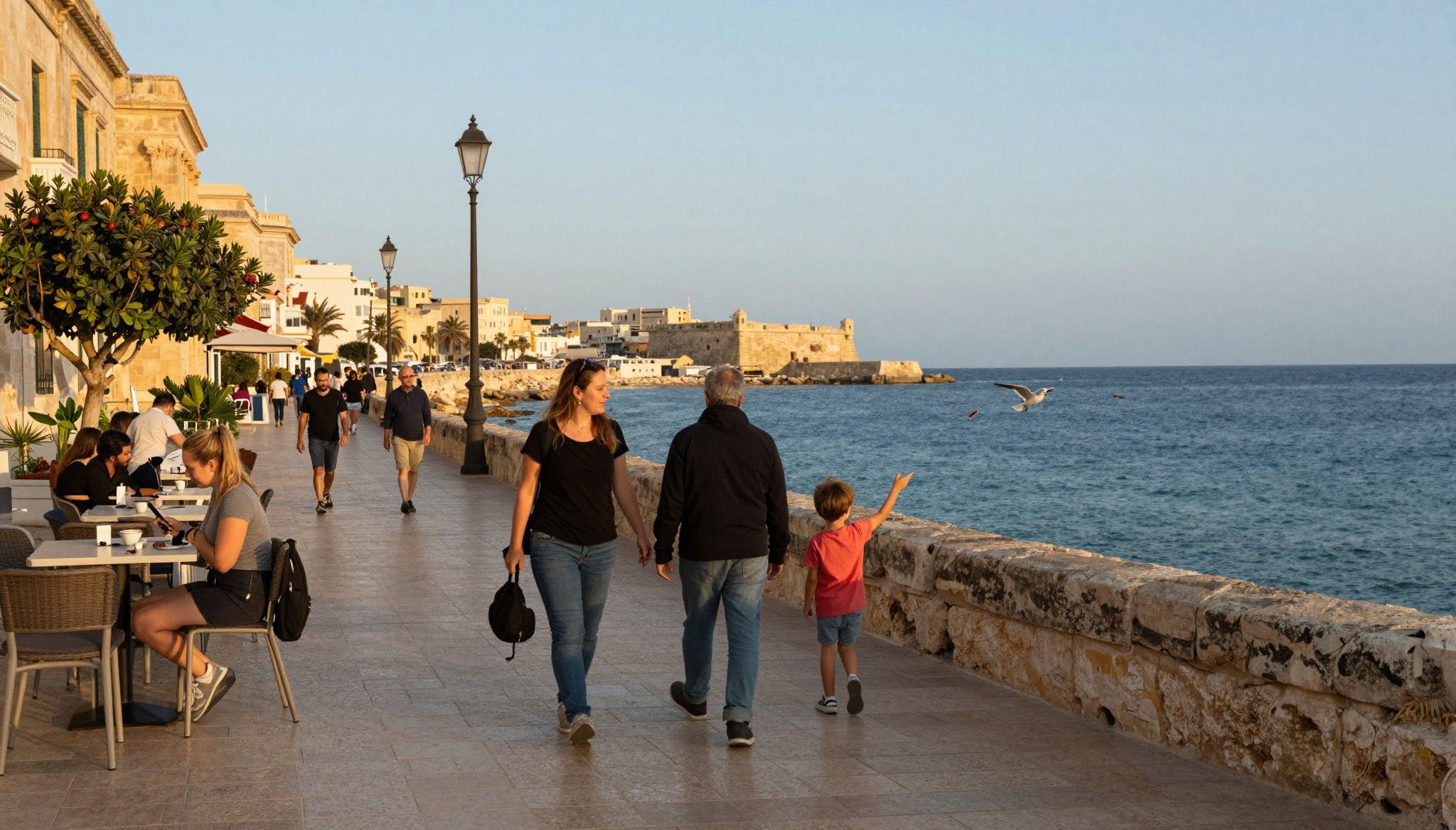
Picture this: a narrow limestone street in Valletta at 09:00 where the air smells of espresso and oven-fresh gbejna (sheep’s cheese). Cafés leak conversation into the street, fishermen push crates of golden fish at the Marsaxlokk market, and neighbours wave from balconies hung with laundry like flags. For international buyers, Malta is compact enough to feel lived-in and large enough to surprise you daily — but love alone won’t pay for paperwork or local quirks. That’s why this piece pairs the lived-in pleasures of Maltese life with concrete, research-backed buying insight.
Living the Malta life: mornings, markets and sea

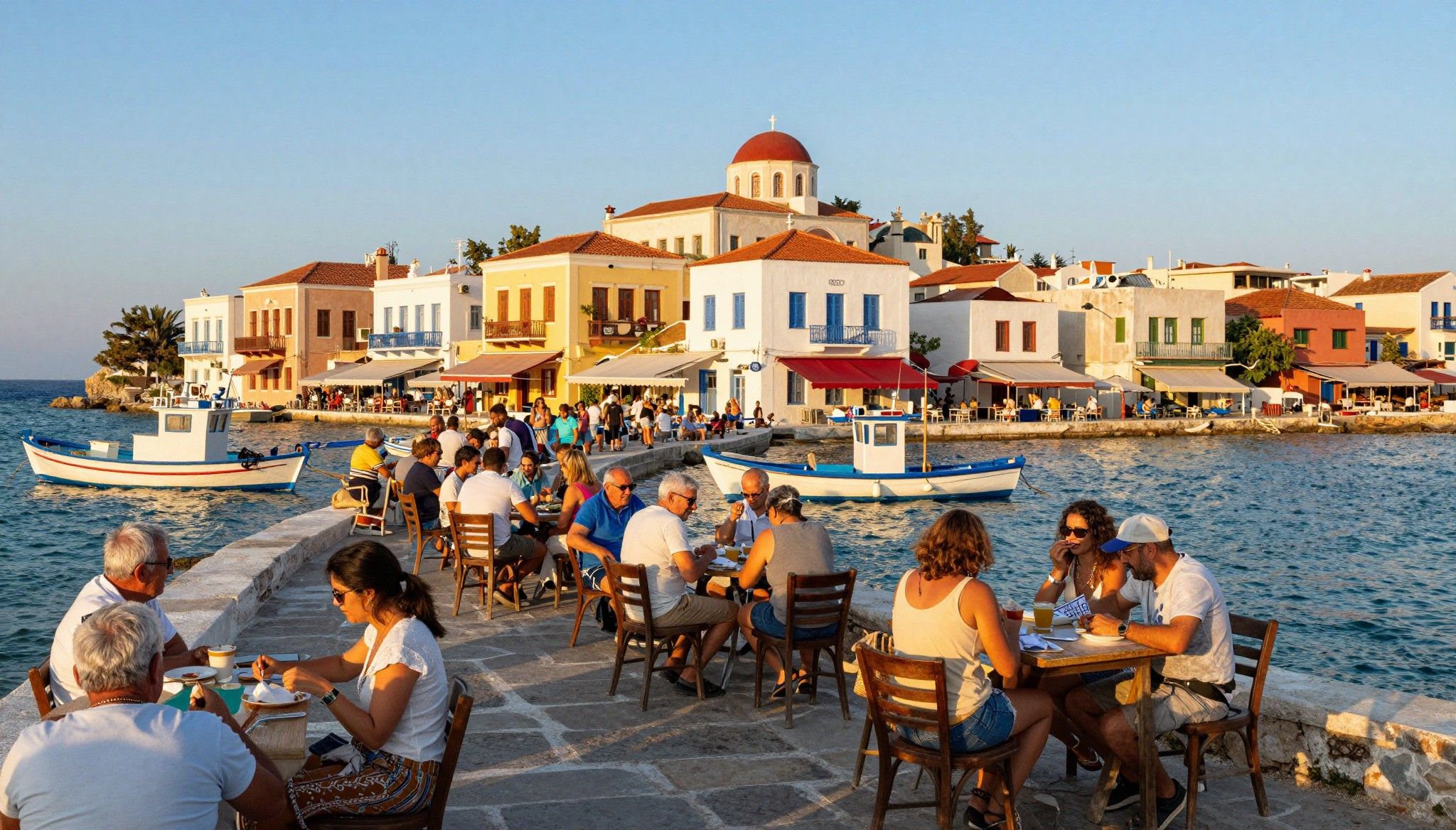
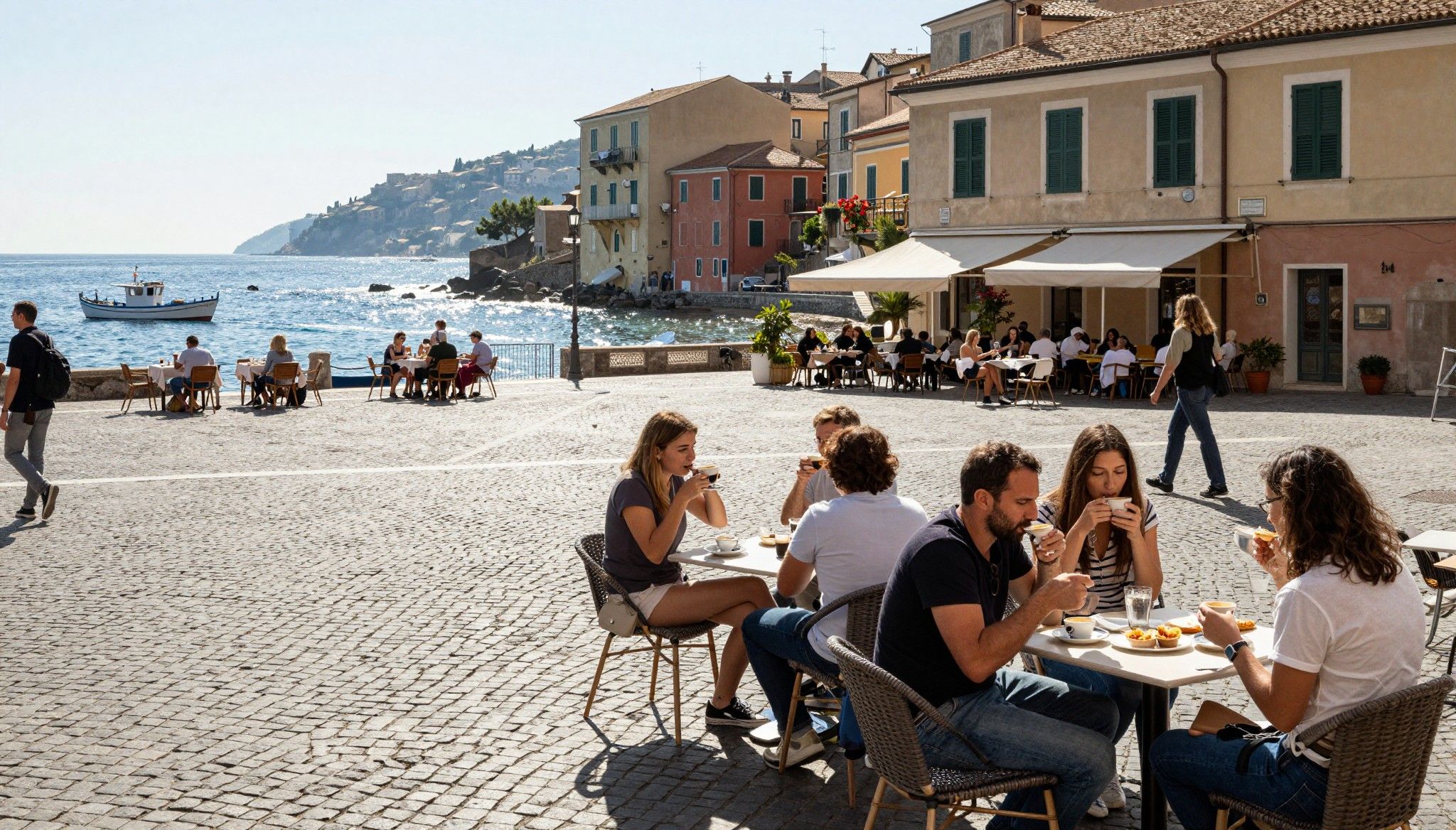
Malta’s daily rhythm is island-small and Mediterranean-slow. Weekdays blend business in Sliema and St Julian’s with late-afternoon swims on hidden coves, while weekends pivot to markets in Valletta and Marsaxlokk. Expats tell me the social life forms quickly around food: communal tables, wine bars, and family-run pastizzerias become instant neighbourhood hubs. The market’s recent uptick in transactions shows demand follows the lifestyle — more buyers want a slice of that routine.
Valletta & the Three Cities: history at your doorstep
Valletta’s honeyed stone, theatre nights, and rooftop terraces attract buyers seeking culture within walking distance. Properties here are often period conversions — maisonettes and townhouses with small courtyards — and buyers trade car convenience for atmospheric streets. Note: island-wide price indexes rose in recent quarters according to official statistics, reflecting premium for centrally located heritage homes. If you crave history, expect a property that needs personality — and probably remedial works.
St Julian’s & Sliema: the social heartbeat
If café culture and a modern waterfront are priorities, Sliema and St Julian’s deliver buzzy promenades, international dining and nightlife. New-build developments and seafront apartments cater to buyers wanting turnkey living and rental potential. Expect higher price-per-square-metre here than in inland villages; the tradeoff is connectivity — ferries, shops and co-working spots make life easy for remote workers and short-term renters.
Making the move: property styles, agencies and practical trade-offs

Your lifestyle choice will determine property type: a converted Valletta townhouse means character and steps; a new flat in Pembroke or St Paul’s Bay means lifts, terraces and easier rentals. Work with a licensed Maltese estate agent who understands local titles, the promise-of-sale system and seasonal rental rules. Banks and finance conditions still influence affordability — island credit exposure means lenders scrutinise income and down-payments more closely than on the continent.
Property types and how they shape daily life
Apartments and maisonettes dominate Malta’s inventory and suit buyers wanting low-maintenance living and rental flexibility. Townhouses and village houses reward patience — interior courtyards and roof terraces are daily luxuries but restorations can take time. If year-round outdoor living is essential, prioritise south-west facing terraces for sun and sheltered courtyards for summer shade. Plumbing, insulation and window upgrades are common renovation items to improve comfort and energy efficiency.
Working with local experts who know the rhythm
Choose agents who regularly handle non-resident buyers and understand residency nuances — Malta has recently seen changes around citizenship-by-investment programs, so seasoned advisors will steer you through the updated reality. A good local lawyer and architect are indispensable: lawyers for contracts and titles, architects for restorations and planning permissions. Expect a more intimate agent relationship here than in larger markets; locals trade on reputation, references and repeated introductions.
Lifestyle-plus checklist when assessing a Maltese property:
Proximity to a sheltered harbour or bathing spot (for year-round dips and resale appeal).
Roof terrace potential — priceless for outdoor dining, drying laundry and expansion.
Local noise patterns: nightlife hubs like Paceville can be vibrant but loud; inland villages are quieter evenings.
Insider knowledge: expat truths, seasonal surprises and red flags
Expats often say their biggest surprise was how seasonal life affects services: some restaurants and shops close outside peak months, and construction pauses can stretch projects. Sellers commonly advertise sea views; what matters more is morning light and wind exposure, which affect heating and outdoor use. Official data confirms ongoing price growth in recent years, so set realistic timelines: snapping up the first attractive property can mean missing better-aligned options after a short search.
Cultural integration: language, neighbours and social life
English is an official language and makes integration smoother; still, learning Maltese opens doors at community events and local festas. Neighbourhoods are social ecosystems — from siestas and Sunday Mass in villages to after-work apertivos in Sliema — and first impressions can lead to long-term friendships. Be prepared to trade some privacy for warmth: Maltese social life is neighbourly and invitations to shared meals are genuine.
Long-term lifestyle considerations and resale realities
Malta’s compactness means location-specific value holds: a small harbour-facing apartment can outperform a larger inland unit on rental and resale. Watch supply-side changes — new developments increase choice but can also temper short-term premiums. For long-term happiness, prioritise a property that fits daily routines (shops within walking distance, manageable stairs, reliable shade) rather than headline statistics alone.
Steps to a confident Maltese purchase:
Engage a licensed local agent and independent lawyer to check titles and the promise-of-sale system.
Visit in shoulder season (April–May or September–October) to judge everyday life beyond peak summer.
Commission a structural and services survey early — limestone buildings commonly need damp proofing and modern wiring.
Plan for utility upgrades and permit timelines if you intend to renovate, and budget contingencies of 10–20%.
Conclusion: Malta feels small enough to belong quickly and big enough to build a life. Imagine Sunday markets, rooftop suppers and a neighbour who knows your coffee order — that’s the daily promise. Pair that feeling with local experts, a realistic timeline, and seasonal visits and you’ll buy not just a property but a place with roots. When you’re ready, work with a Maltese agent who understands both the island’s warmth and its paperwork — they’ll translate the lifestyle into a defensible purchase.
Danish relocation specialist who has lived in Barcelona since 2016. Helps families move abroad with onboarding, schooling, and local services.