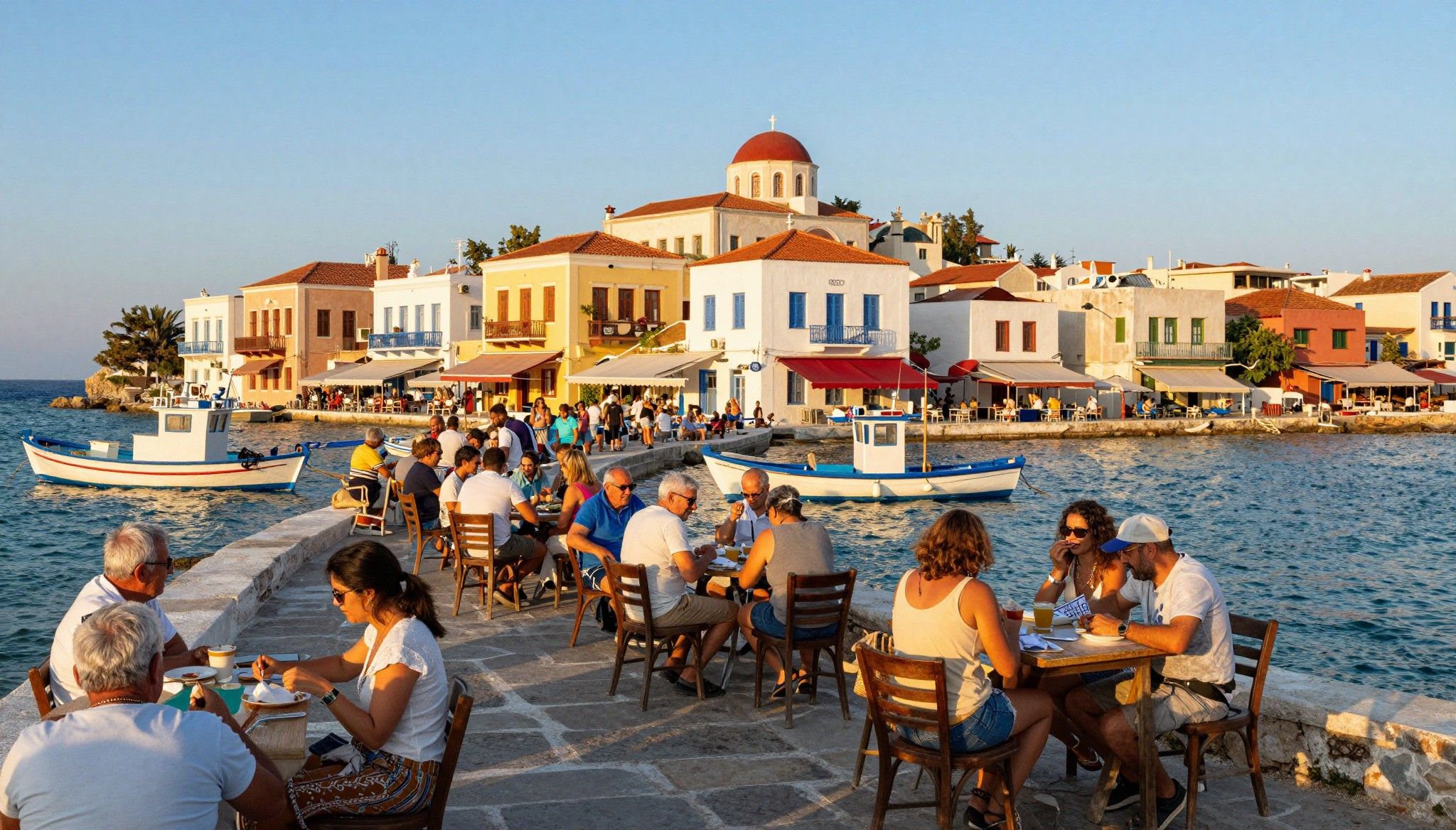
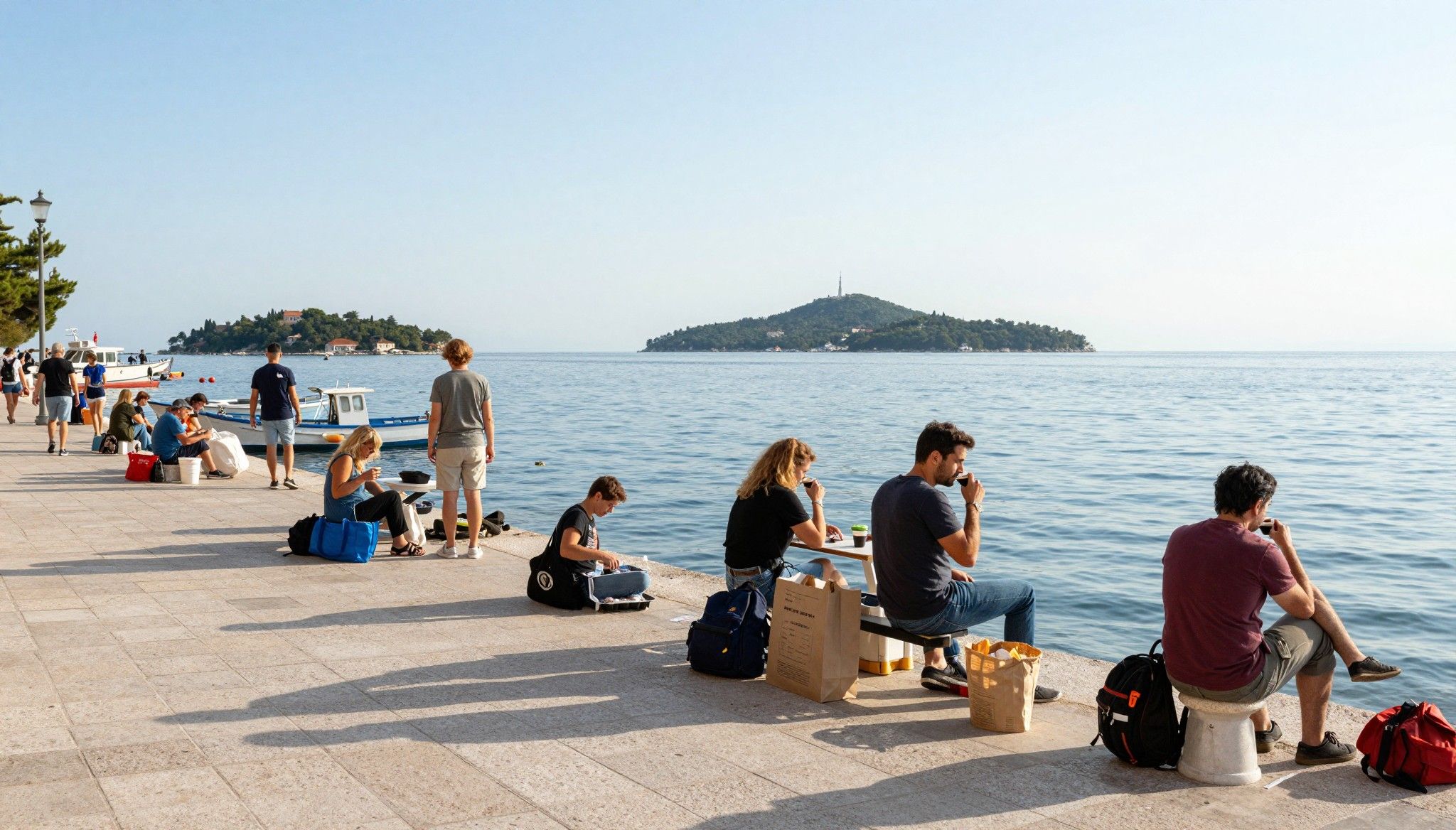
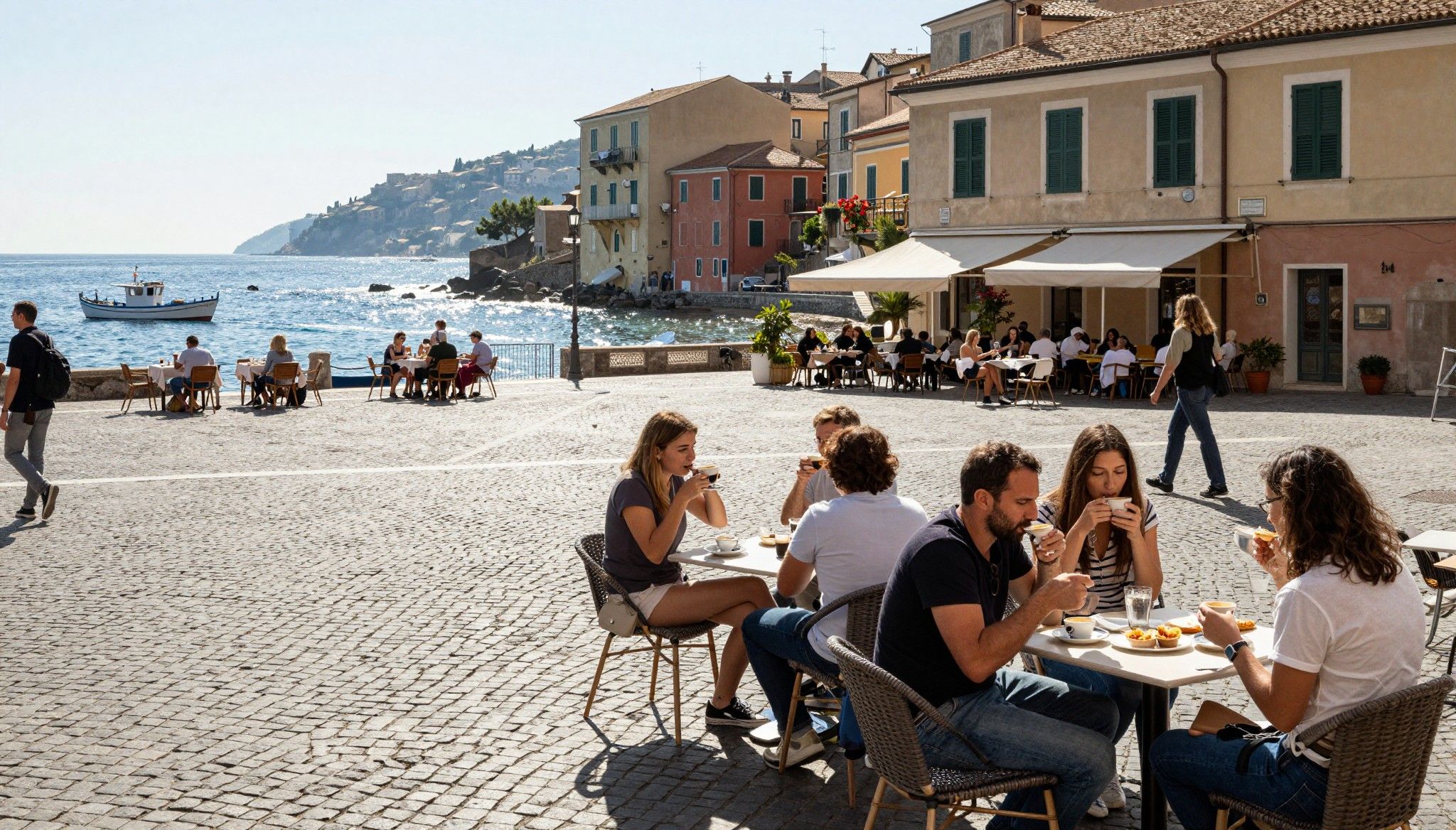
The Summer Illusion: Why Buying in France's Peak Season Misleads
Summer viewings mislead: France’s seasonal rhythms change liquidity and value—visit off‑season, use notarial data, and match property type to daily life.
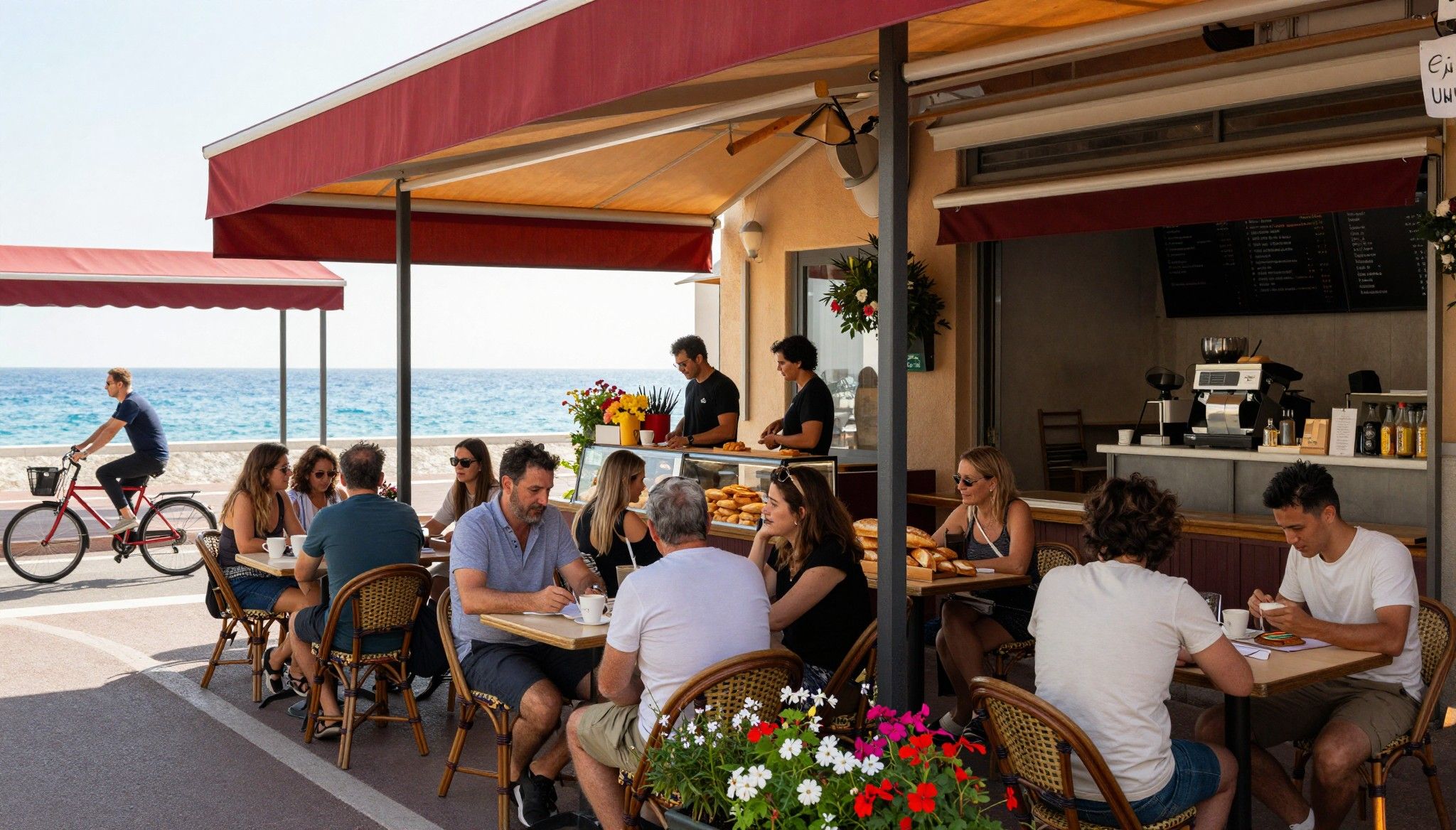
Imagine a late‑summer afternoon on a shaded terrace in Nice: plates of salade niçoise shared between neighbours, a boulanger pushing warm fougasse into a paper bag, and property viewings scheduled between café conversations. That sunlit scene is why international buyers flock to France in summer — and why summer can lie to you. Market rhythms, liquidity and local life all look different when towns are full of holidaymakers; the real signals return in autumn and winter. This guide shows how to read the rhythm, avoid seasonal traps and plan three realistic buying scenarios for life in France.
Living the French Life — More Than Postcards
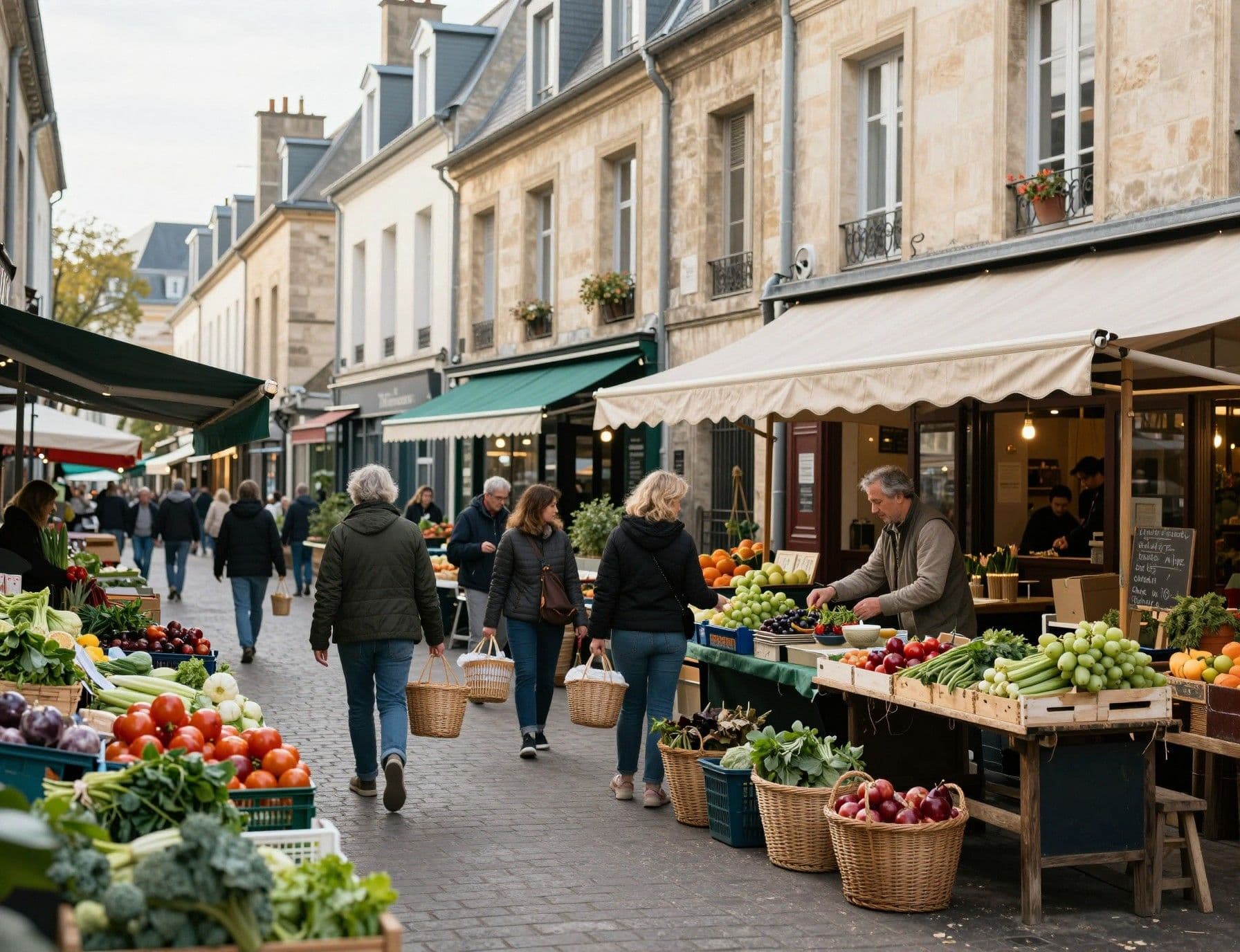
France is a stitched map of distinct daily tempos: Paris hums with café‑queue efficiency and late‑night art openings; Bordeaux wakes for marché shopping and Sunday family lunches; the Côte d'Azur moves between beach mornings and quiet coastal evenings outside July. Living here is tactile — the smell of roast chestnuts in autumn markets, the click of velvety shutters in Provençal lanes, cyclists on narrow coastal roads — and those small routines dictate which property type fits you. When you picture life in France, match the microtempo (street, market, transport) to the property you choose; the wrong tempo makes even a beautiful apartment feel out of sync.
Neighbourhood spotlight: Le Marais, Lyon's Croix‑Rousse, and Biarritz's Port Vieux
Walk Le Marais at 09:00 and you find morning coffee, florists and quiet ateliers; by 19:00 the streets change to lively bistros and evening shoppers. In Croix‑Rousse the hill retains artisans and morning markets that suit families and creatives; it's louder on Sundays but genuinely neighbourly. Biarritz's Port Vieux rewards buyers who want immediate surf culture and compact apartment life, but quiet winters reveal a very different community — one that values proximity to services over a constant tourist buzz. Each of these pockets shows how the same city can present two different markets depending on season.
Food, markets and weekly rhythms
A neighbourhood's market day is a practical litmus test for daily life. If you want to cook seasonal produce at home, look for areas with frequent marchés (for example, Marché des Enfants Rouges in Paris or Marché des Capucins in Bordeaux). Dining culture also shapes property use: terraces and balcons matter more where eating out is part of your social life; garden space matters where weekend markets and family lunches rule. Visit at the day‑of‑week you expect to live there — not during a festival weekend — to understand real routines.
- Market‑day lifestyle checks
- Confirm local marché schedules (frequency and vendor types).
- Check morning transport links and evening social life on a weekday.
Making the Move: Practical Considerations
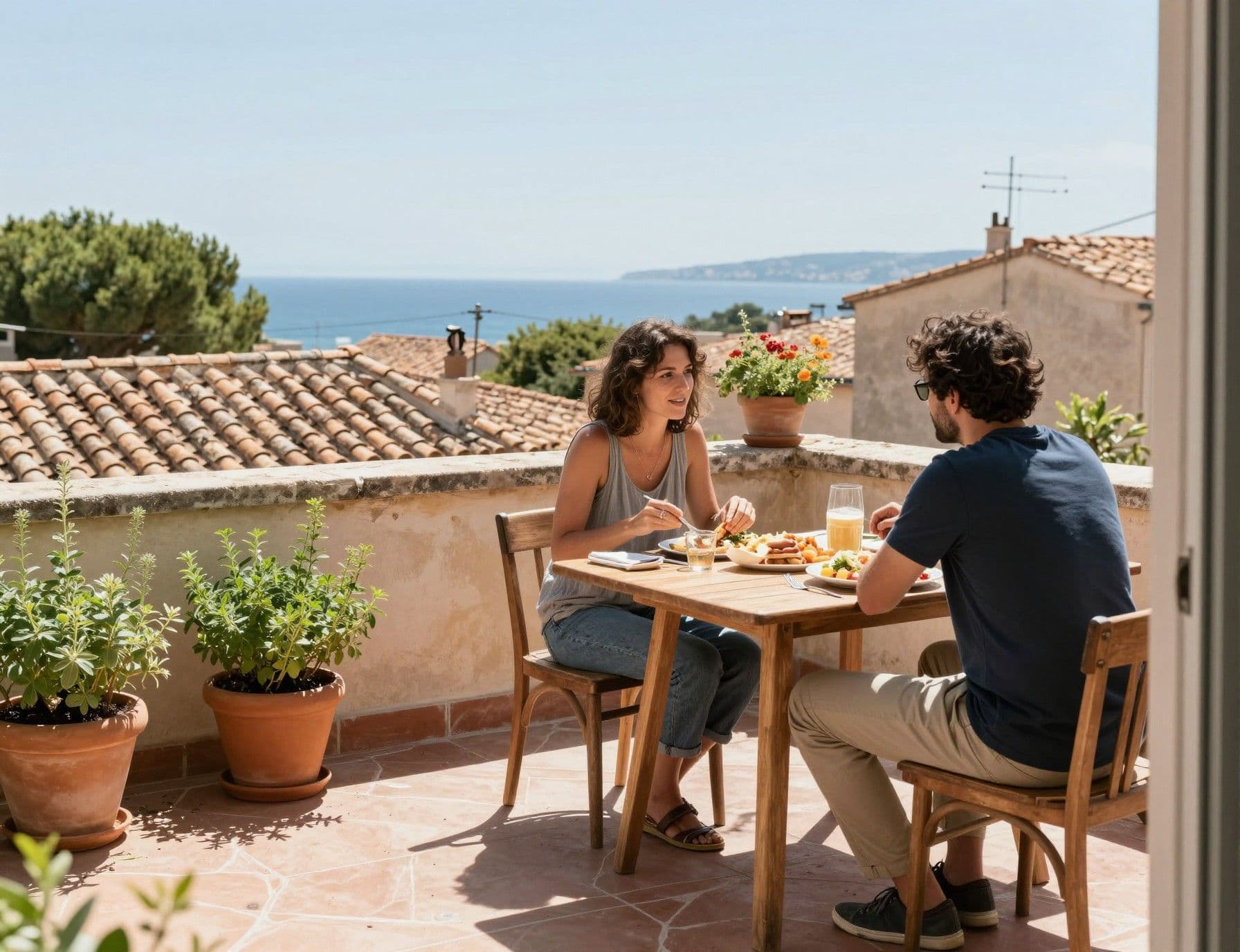
Dreams come first, but facts close the sale. Recent data from national sources shows the market stabilising after 2024–25 volatility, with city‑level divergence: Paris and major regional hubs behave differently from coastal resorts. Notaires de France and INSEE provide transaction and price indices that tell you where demand is firming and where pockets of value remain. Use those datasets to calibrate timing — and remember: summer viewings inflate perceived demand because supply is seasonally constrained.
Property styles and how they shape daily life
A 19th‑century Parisian appartement with high ceilings will reward social living and storage solutions but often lacks outdoor space; a renovated farmhouse in Dordogne trades proximity to services for land and privacy. New‑builds near Montpellier or Nantes offer energy efficiency and predictable maintenance but sometimes sit a short drive from authentic village life. Choose the property type that matches the rhythm you want: compact, urban mornings; long weekend country time; or coastal hours spent outdoors.
Working with local experts who know the life, not just the price
Local agents, notaries and architects reveal the everyday tradeoffs — where parking is a daily headache, which buildings have strict copropriété rules, and which streets flood on heavy rains. Good agencies introduce you to neighbourhoods at the right time of year and run comparables that reflect seasonal liquidity. Ask an agent for recent off‑market activity and for client references who live in the area year‑round; this separates tourist‑led price impressions from durable value.
- Practical steps to move from dreaming to owning
- Visit the neighbourhood off‑season (autumn or winter) to test real services and noise levels.
- Request 12‑month transaction history from a notaire or local agent to see true pricing cycles.
- Verify energy performance (DPE) and factor renovation costs into a 10‑year plan.
- Secure a local mortgage pre‑approval if you want negotiating power during low‑supply periods.
Insider Knowledge: What Expats Wish They'd Known
Expat buyers often tell the same stories: they fell in love with the summer version of a place, only to later discover winters are quieter and services thinner than expected. Market data now backs this up — city centres and coastal towns show different seasonal liquidity and price resilience. Read local news and notaire bulletins to spot when prices shift from tourist peaks to true demand. That small habit saves months of regret and thousands of euros.
Cultural integration: language, community and the unspoken rules
Learning key phrases, joining a marché morning and attending a local council meeting accelerate integration more than aesthetics. Neighbourhoods value continuity — long‑term residents often prefer predictable neighbours and quiet evenings. Respect local rhythms (sieste in small towns, later dinners in cities) and you'll find more helpful local contacts for everything from tradespeople to school recommendations. Integration directly affects resale liquidity: buyers who fit into local life find properties easier to maintain and rent if needed.
Longer‑term lifestyle and market scenarios
Plan for three scenarios: conservative (stability, small annual gains), opportunistic (select neighbourhood growth) and active investor (renovation + rental income). National data through 2025–26 suggests a stabilising market with city‑level winners; that makes selective, lifestyle‑aligned buys attractive. Match your scenario to your tolerance for renovation, local language ability and willingness to live through a full seasonal cycle.
- Three buyer profiles (and what to prioritise)
- Conservative: pick established neighbourhoods with steady demand and minimal renovation.
- Opportunistic: seek secondary city pockets with incoming infrastructure or university growth.
- Active investor: buy with renovation and short‑let potential in mind, but test winter occupancy first.
Conclusion: Fall in love with life, then buy the life you tested. Visit outside the high season, lean on local notaires and agents for real transaction history, and align property type with daily rhythm rather than postcard moments. If you want help translating a lifestyle into market terms — comparables, energy performance, renovation budgets and off‑season checks — work with an agency that shows neighbourhood life in three seasons, not three viewings in July. That way your French life begins as it means to continue.
Norwegian market analyst who relocated to Mallorca in 2020. Focuses on data-driven market insights and smooth relocation for international buyers.