Why France's 'Expensive' Label Hides Opportunity
France’s everyday rhythms hide purchase opportunities — stabilising prices, regional momentum and new acquisition costs mean buyers should pair lifestyle scouting with scenario modelling.
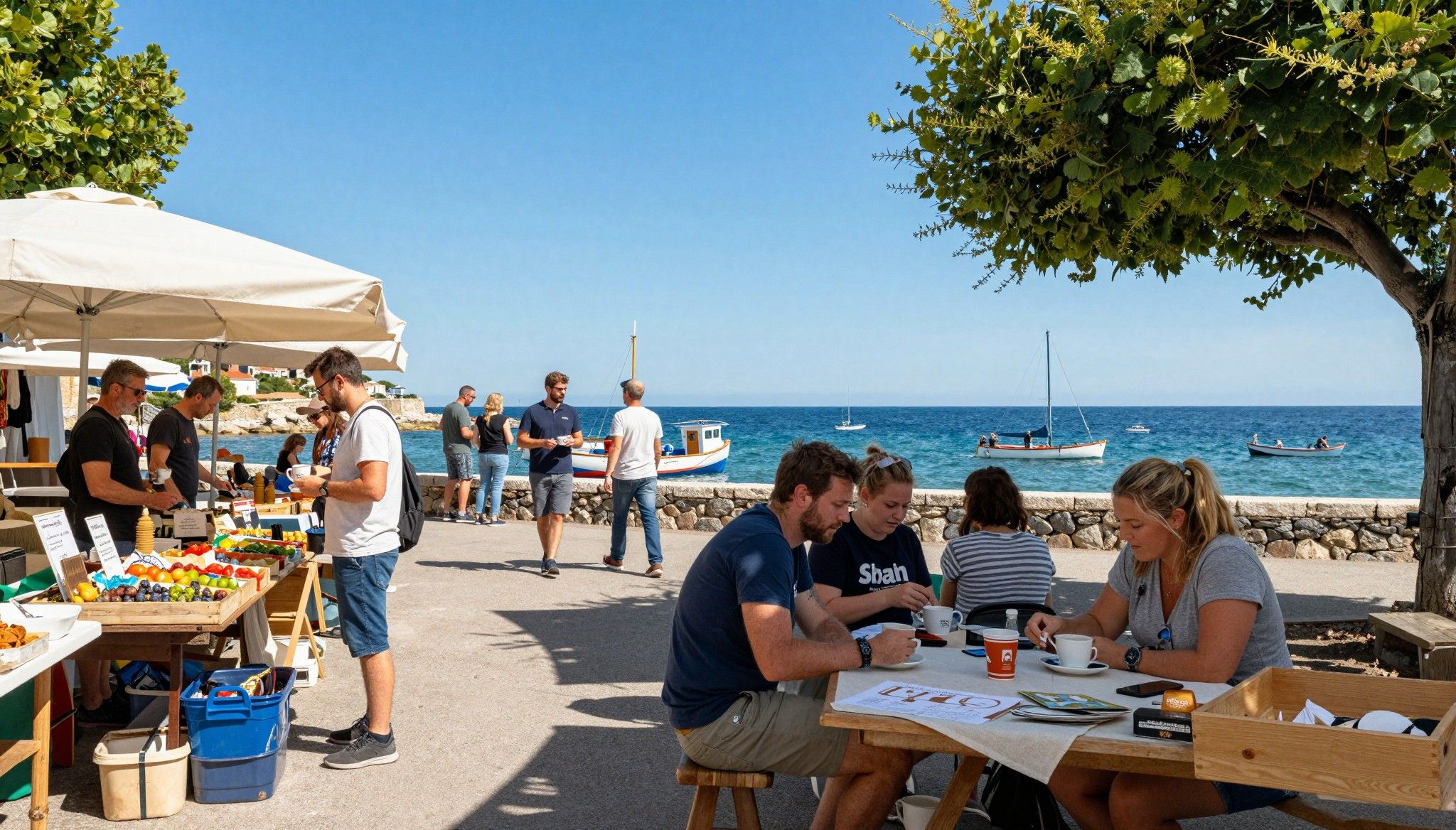
Imagine starting your morning on Rue Cler in Paris with a café crème and warm bread, then driving two hours to a Breton market where oysters rest on ice and fishermen trade jokes. France is a country of distinct daily rhythms — the city hum of arrondissements, the slow afternoons of Provence, the salt-bright mornings on the Côte d’Azur — and those rhythms shape where sensible buyers choose to invest. For international buyers, falling in love with life in France is the easy part; turning that affection into a resilient property decision requires local data and a few contrarian moves.
Living the France lifestyle: more than a postcard

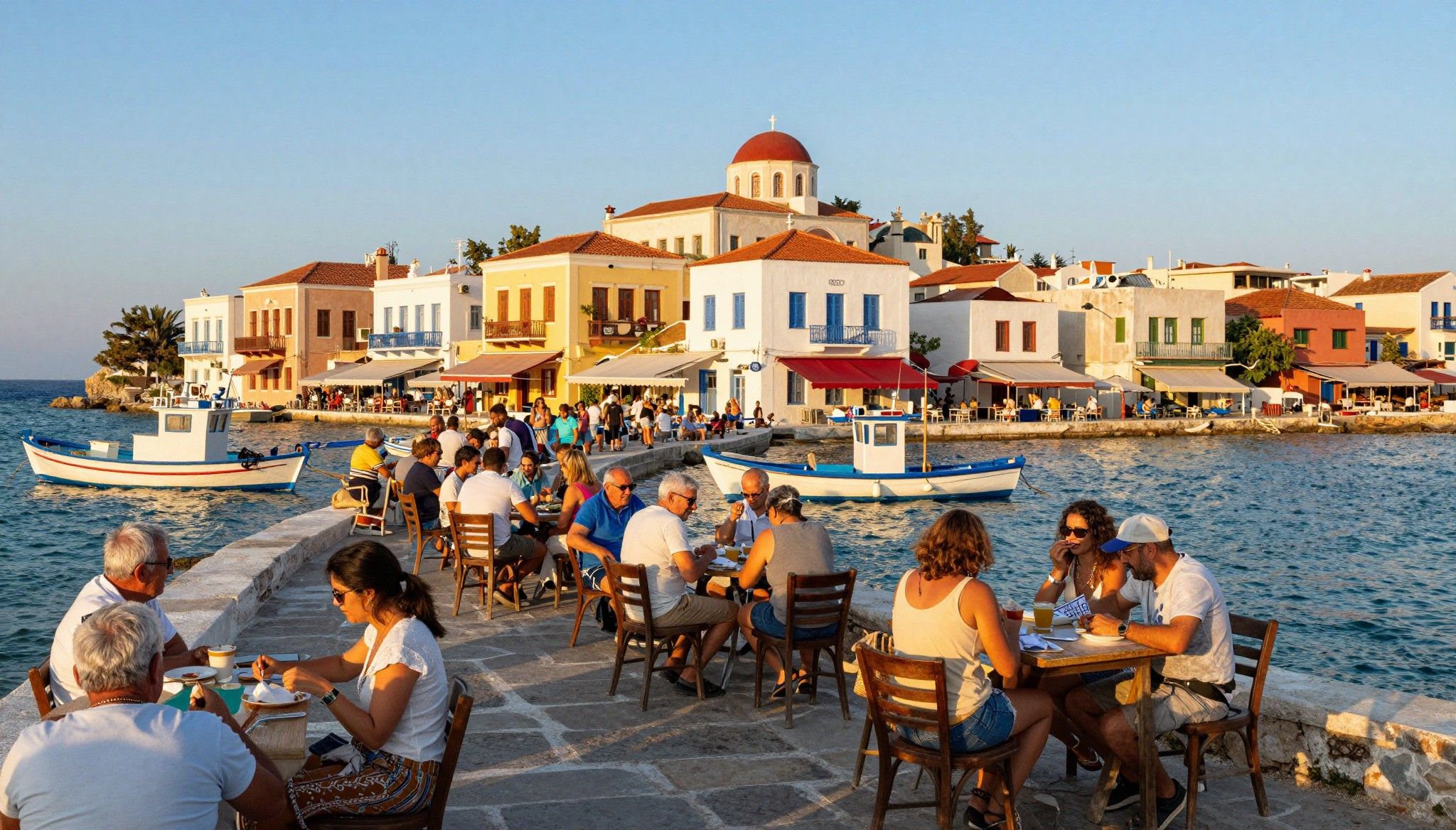
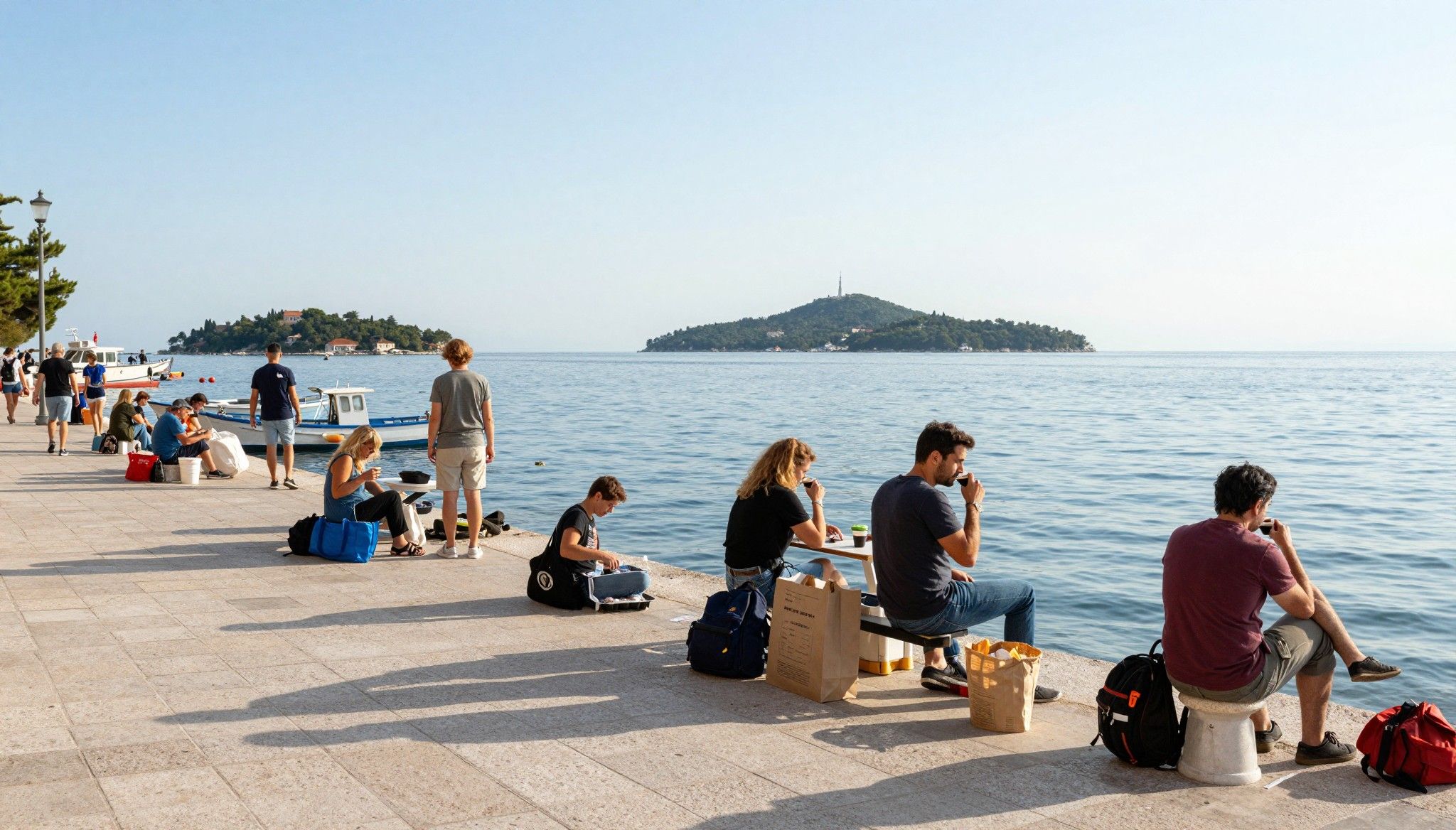
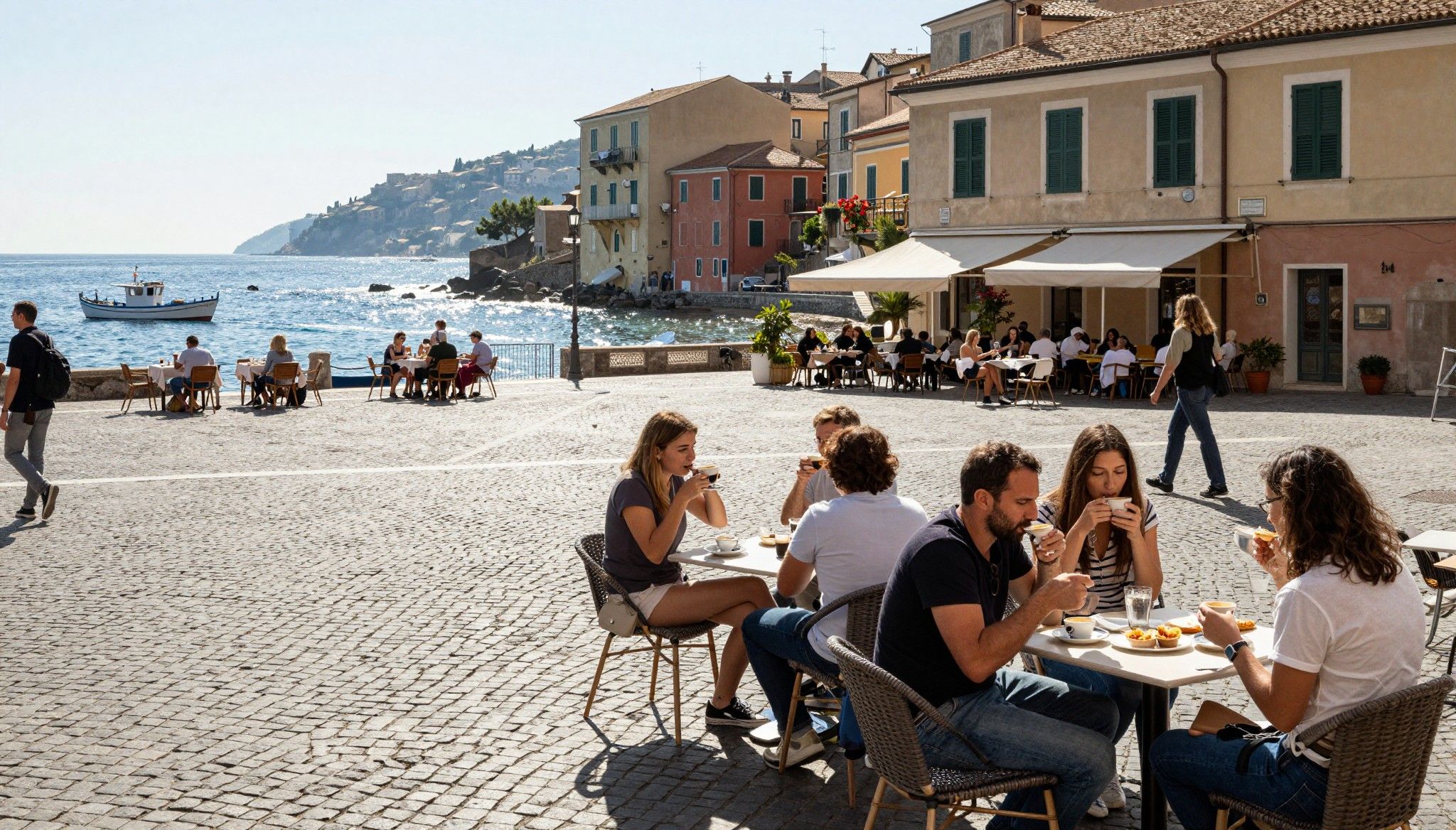
France’s appeal is sensory and seasonal. In Paris you’ll hear the clack of café cups and see windows filled with books; in Lyon market stalls spill charcuterie and quenelles; on the Atlantic coast surfers dry off beside seafood shacks. These everyday scenes are not tourist snapshots — they are the lived textures that matter when you choose where to buy. When you picture life here, think in routines (morning market, Tuesday aperitif, Saturday marche) as much as views.
Neighborhood portraits: where local life collects
Certain streets and quartiers define daily life: Saint‑Germain’s bookshops and small bistros in Paris; Croix‑Rousse’s linen markets in Lyon; Cours Mirabeau’s plane trees in Aix‑en‑Provence; and Vieux‑Port’s working quay in Marseille. Choose a neighborhood by rhythm — do you want weekday markets and independent cafés, or quiet lanes and evening dinners at home? That rhythm will determine the property type and features you value most.
Food, markets and the social calendar
Weekends revolve around markets: Marché Forville in Cannes, Marché des Lices in Rennes, the covered markets of Toulouse. Those markets are also economic signals: rising demand for peri‑market apartments reflects families who want market‑to‑table living. Watch which neighborhoods’ markets have thriving stall counts and year‑round foot traffic — these are reliable predictors of resilient local demand.
- Lifestyle highlights to scout in person: morning marche, a reliable boulangerie, an evening bistro with locals, weekend outdoor markets, proximity to a regional train station, and visible pedestrian life.
Making the move: practical considerations that preserve the lifestyle

Dreams meet paperwork the moment you decide to buy. Recent national indices show prices stabilising after the 2023–2024 adjustments, with transaction volumes recovering — good news for buyers who time visits outside peak tourism. But acquisition costs changed in 2025–2026, and those numbers matter: build them into scenario planning before you fall for a façade.
Property styles and how they map to daily life
Historic apartments (haussmannien or village cores) deliver immediacy: front‑door cafés, walkable services, and smaller utility costs. New builds offer insulation, lifts, and private parking — conveniences that change the weekly rhythm (less time on chores, more time at the marché). Match the property type to the lifestyle you want to keep every week, not just the weekend.
Work with experts who preserve the experience
- 1. Tell your agent the rhythm you want — morning market vs. quiet lanes — and ask for walk‑score style visits. 2. Ask the notaire for a full breakdown of frais de notaire and registration duty before making offers (some changes took effect in 2025). 3. Choose a local mortgage broker to model scenarios for 10, 15 and 25‑year terms; small shifts in rate change cashflow and lifestyle choices. 4. Inspect utility bills and community charges to understand monthly living costs, not just purchase price.
Insider knowledge: what expats wish they’d known
Expats often under‑estimate the daily sociology of a street: the bakery hours, the municipal parking patterns, the seasonal ebb of neighbourhood commerce. These micro‑factors shape resaleability and rental demand. Combine on‑the‑ground reconnaissance with official price indices to build three scenarios — conservative, base, and optimistic — for price and rental returns over five years.
Cultural cues that change how you live — and the property you need
Language shapes access. A rudimentary French lets you negotiate with small vendors, integrate with local committees (syndic de copropriété), and notice subtle maintenance issues. Join a local association or market WhatsApp group for a quick reality check on the street before you bid; neighbours know renovation histories and roof issues long before paperwork shows them.
Long‑term lifestyle scenarios to model
- Scenario planning tips: • Conservative: assume flat prices and focus on strong rental demand (student towns, inner suburbs). • Base: modest annual growth (1–2%) aligned with national indices — prioritise good public transport links. • Optimistic: target regeneration corridors and regional centres seeing above‑average inflows (Lyon, Bordeaux), but stress‑test for 10–20% downside.
Conclusion — live first, buy second. Visit neighbourhoods multiple times (weekday morning, Saturday market, an evening in), align the property type to how you will actually spend time, and build three financial scenarios using current notarial and INSEE data. A good local agency translates those lifestyle priorities into a shortlist that stands up to data and seasons.
Norwegian market analyst who relocated to Mallorca in 2020. Focuses on data-driven market insights and smooth relocation for international buyers.