Why Winter House‑Hunting Wins in Croatia
Visit Croatia in the off‑season: winter viewings reveal true neighbourhood life, maintenance needs, and year‑round demand—data and local rhythms beat summer hype.
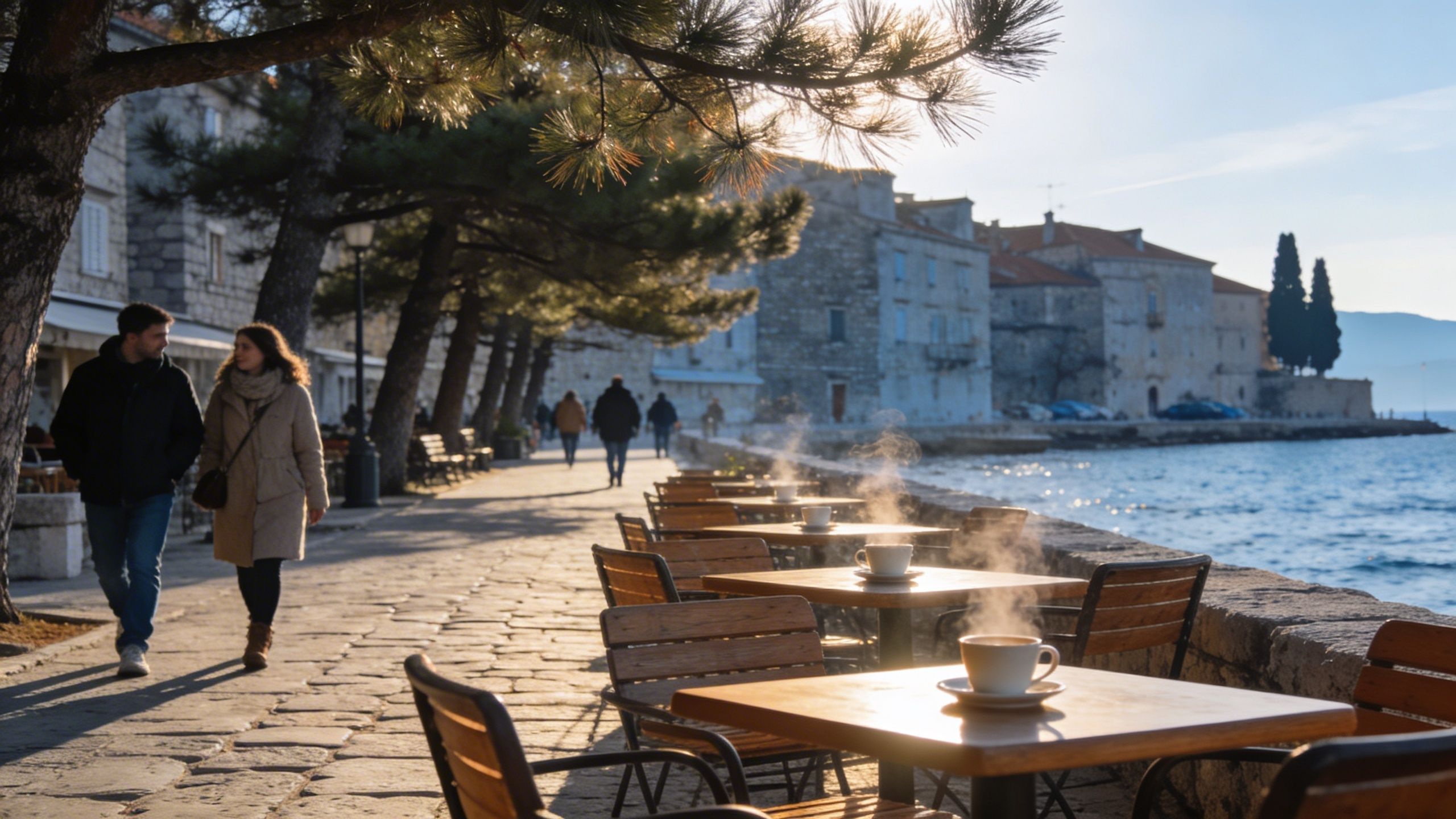
Imagine a frosty morning in Rovinj: espresso steam, the market stalls still setting up, and empty seaside promenades that invite slow walks rather than jostling crowds. That quiet—less hype, clearer value—is the practical opening many internationals miss when they only look in July and August. In Croatia, winter reveals the rhythms behind the Adriatic sparkle and gives buyers a clearer picture of life and the market.
Living the Croatian lifestyle — year‑round, not just in summer
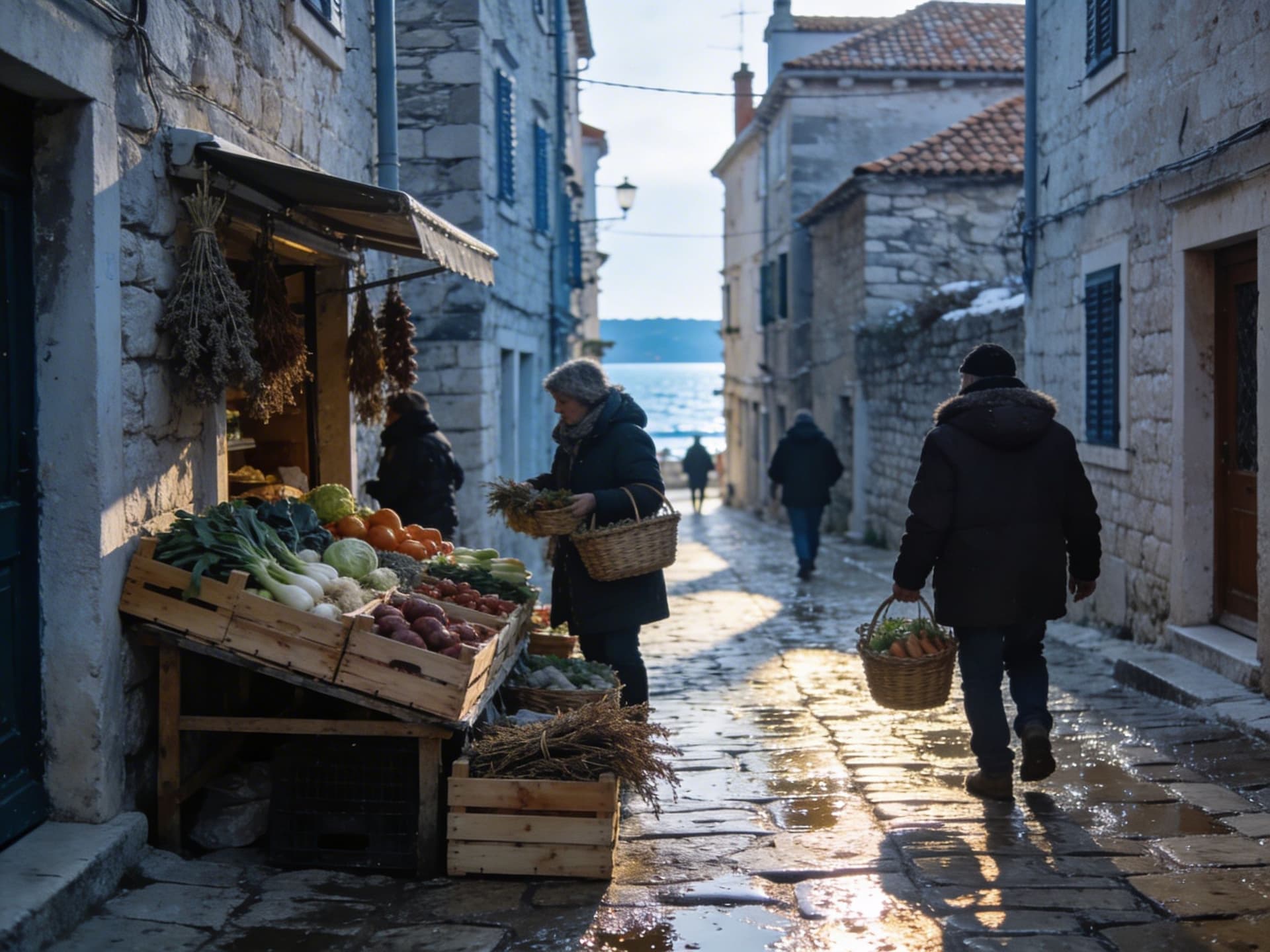
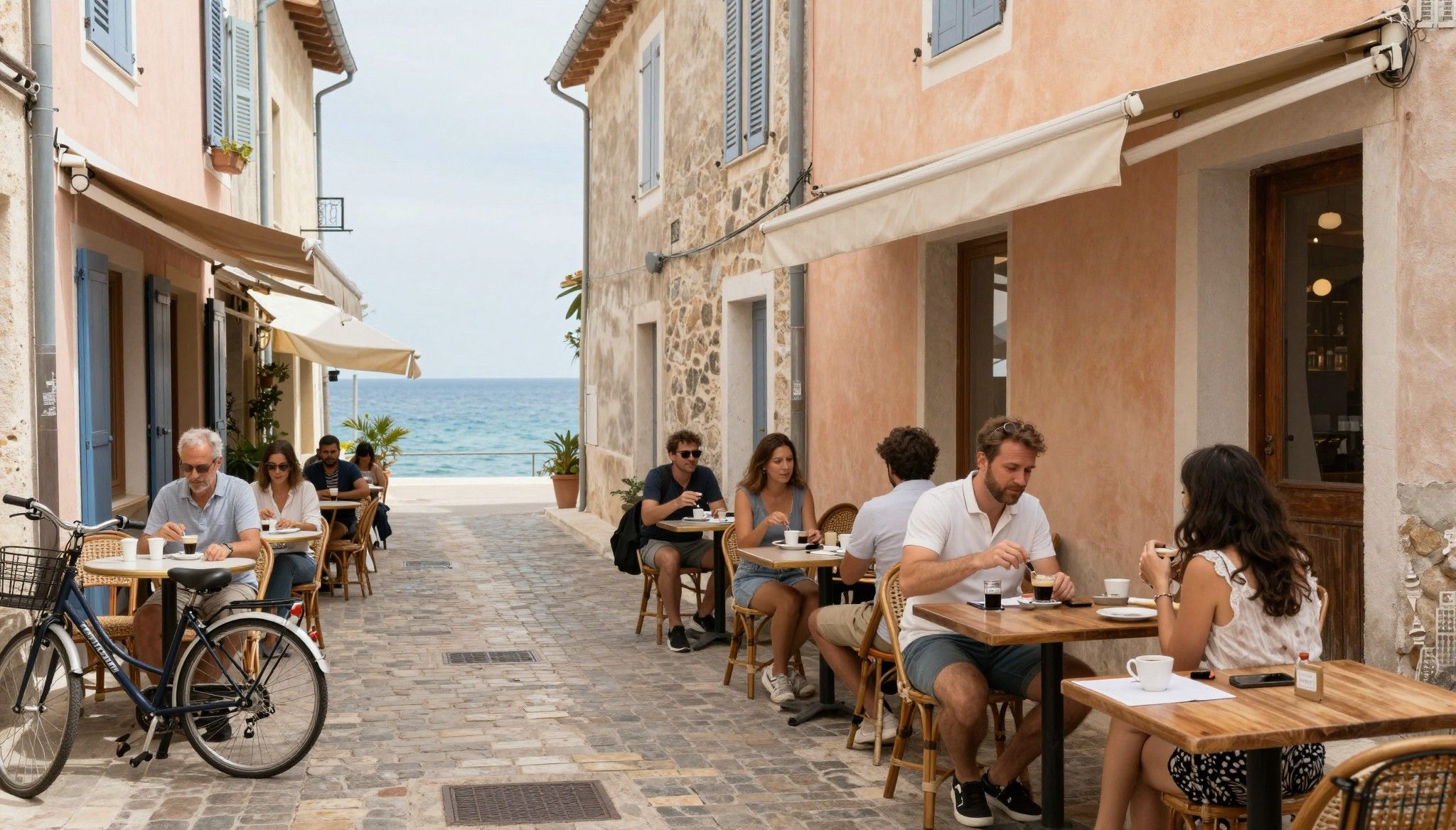
Daily life in Croatia changes with the seasons: mornings smell of baked burek in Zagreb, market fish in Split, and salt and pine resin along the Dalmatian coast. The country is moving toward year‑round tourism—21.3 million visitors and 108.7 million overnight stays in 2024—so the off‑season is no longer empty, it’s revealing. Walking a coastal street in March shows the true maintenance of public spaces, the quality of neighbourly life, and which cafes close for the season versus those that anchor community life.
Spotlight: Dubrovnik’s old town vs. Lap of quieter Adriatic towns
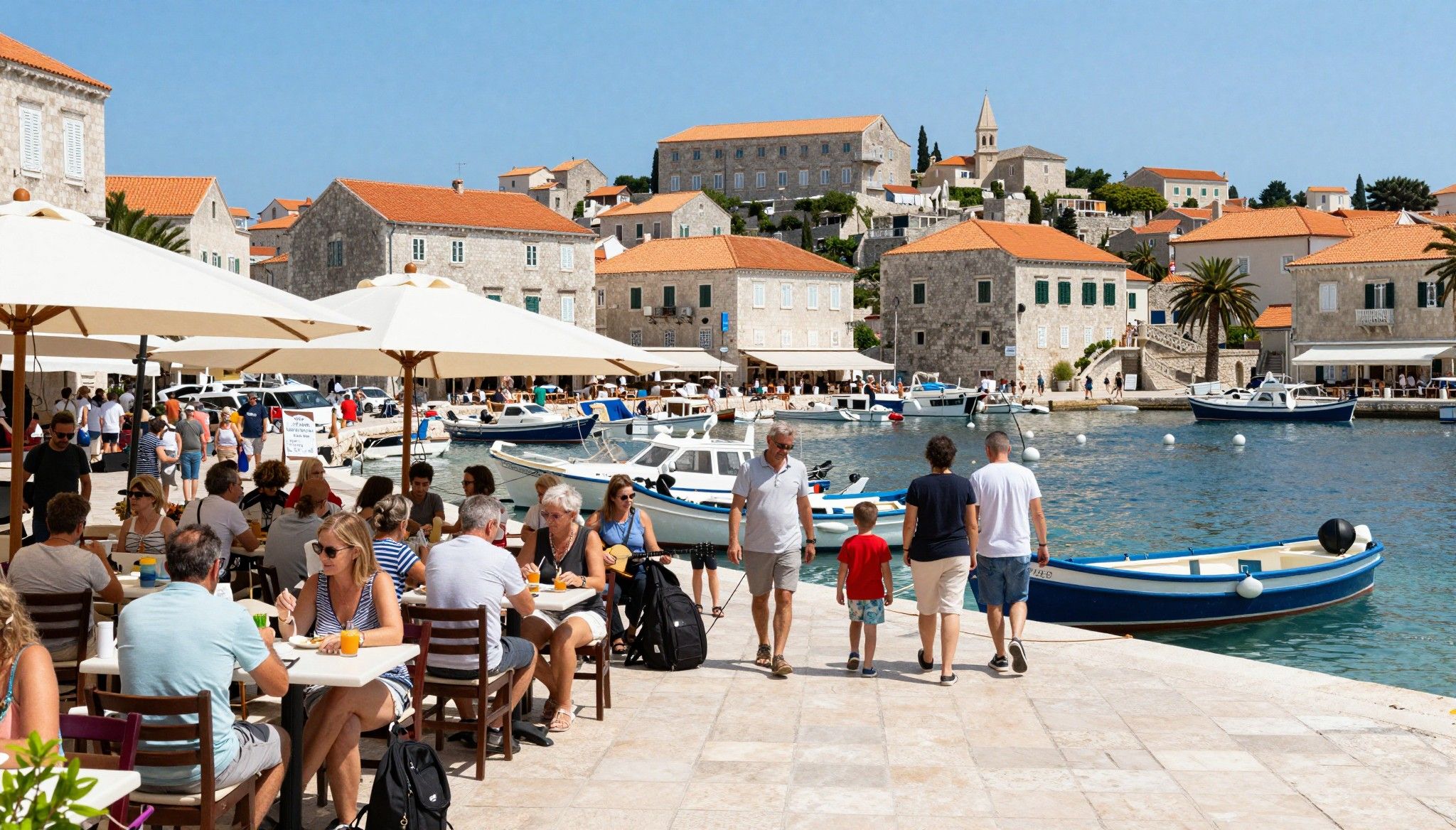
Dubrovnik thrums in high season; off‑season strolls reveal maintenance challenges, permit pressures and noise patterns that tourists hide. Contrast that with lesser-known coastal towns—Trogir, Šibenik, or Istrian Rovinj—where winter-life shows a resilient local economy, year‑round cultural programming and more stable long‑term rental pools. Seeing both rhythms helps you match property to how you’ll actually live.
Food, markets and the social calendar
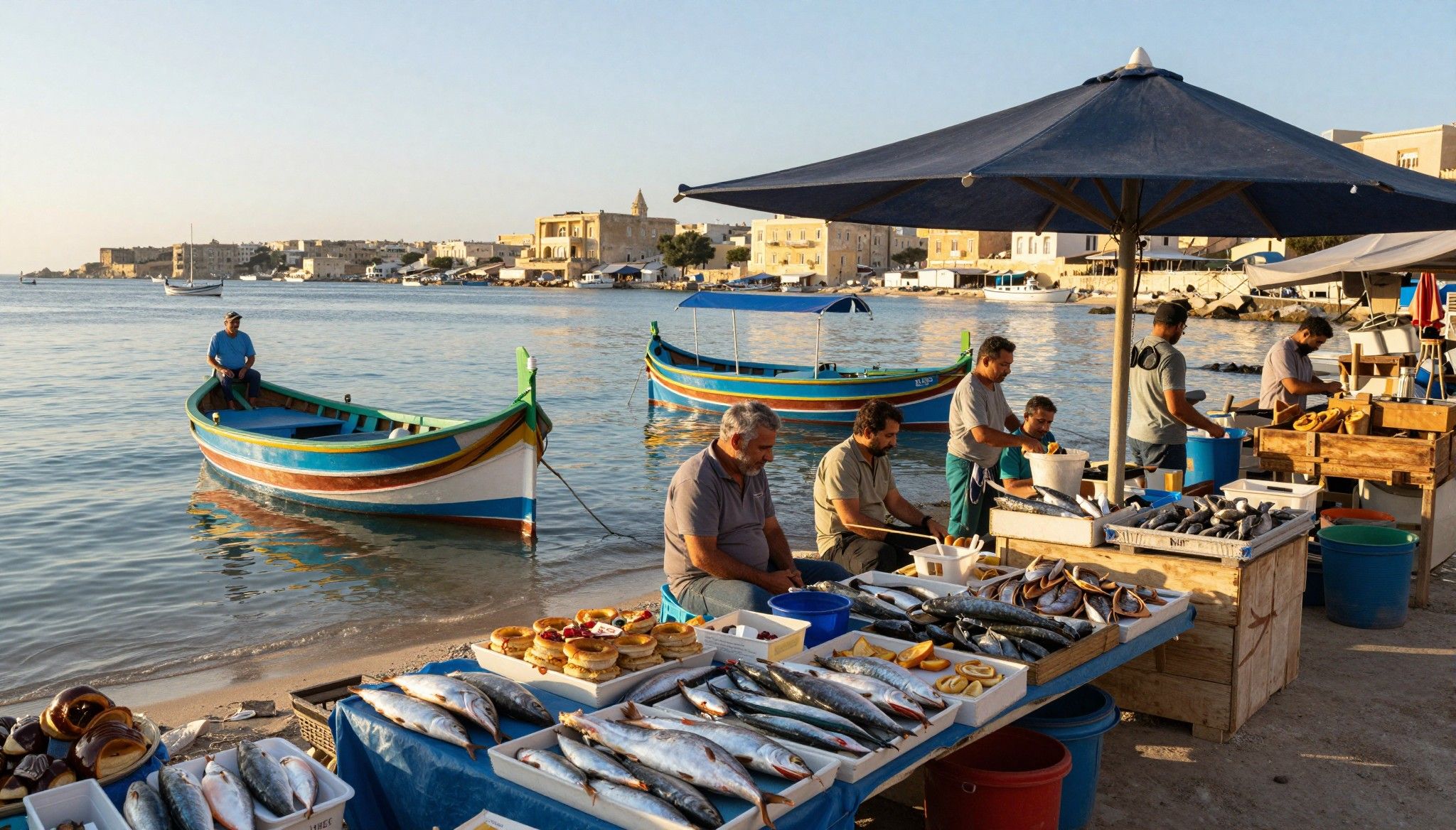
Picture Saturday markets in Zadar where fishermen unload the week’s catch, winter truffle fairs in Istria, and indoor festivals in Zagreb that keep cultural life humming. These off‑peak elements anchor neighborhoods—and properties—making them livable beyond sunlit terraces. For buyers, they indicate which places have genuine community life rather than purely seasonal rental demand.
- Lifestyle highlights to scout in low season
- Weekend markets in Rovinj or Pula
- Local cafés that operate year‑round (sign of resident demand)
- Community festivals in Zagreb and Split outside July–August
Making the move: winter as a strategic market lens
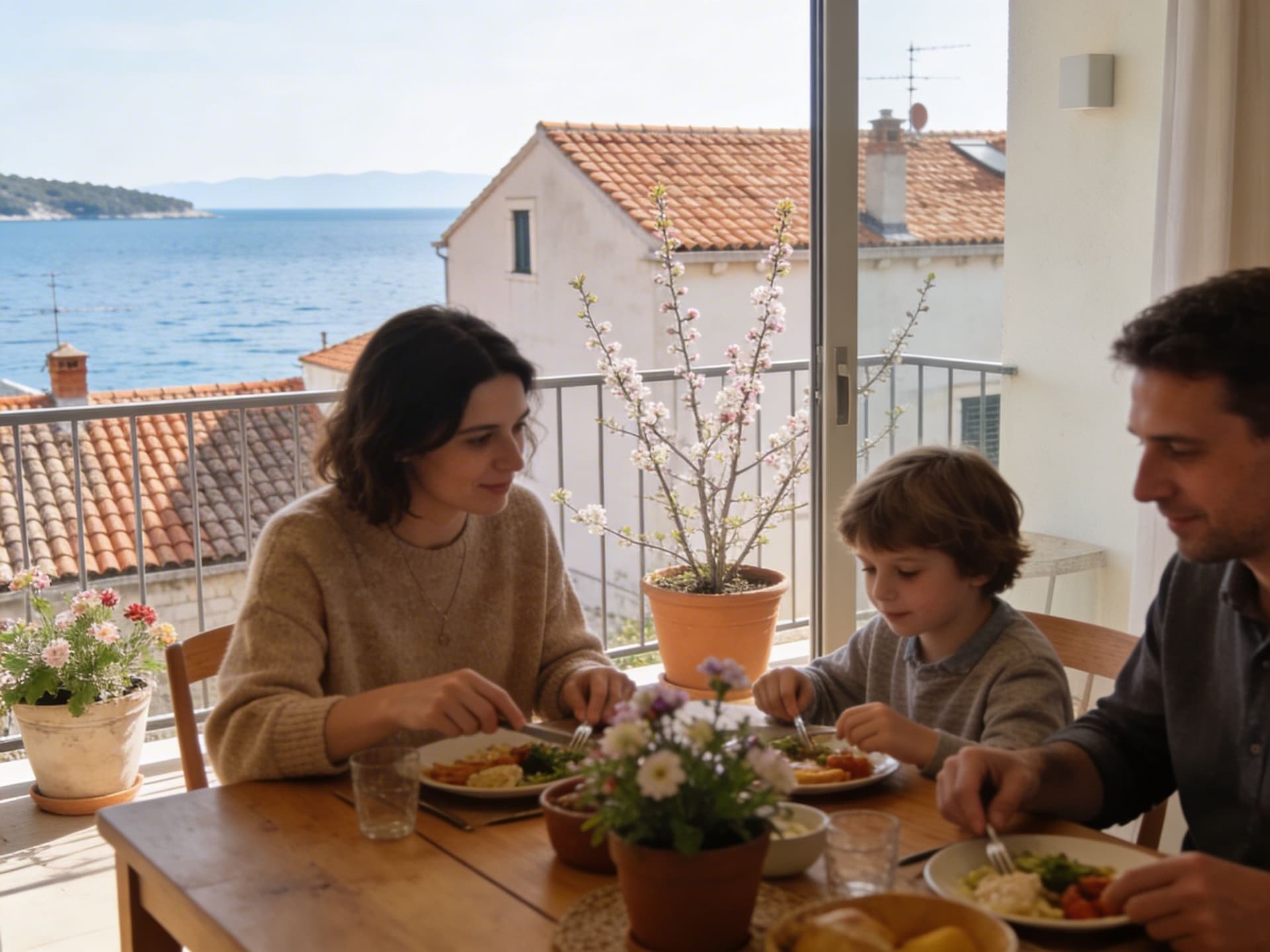
Seeing a property in the off‑season is like test‑driving a neighbourhood when life is routine. You’ll notice insulation quality, heating systems, how streets are cleared of winter rain and leaves, and whether year‑round services (grocers, medical) are truly local. Those factors directly affect renovation budgets, seasonal rental prospects and long‑term comfort.
Property styles and what they mean for daily life
Stone houses in Istria and Dalmatian villas retain thermal mass but often need modern insulation; modern developments near Split offer conveniences but can lack the character that binds a neighbourhood. New builds usually promise lower maintenance short‑term, whereas restored historic homes often require a clearer renovation budget and timeline. Match the property’s construction to how you want to live in all seasons.
Work with agents who prioritise seasonality insights
Choose agencies that show you properties both in high and low seasons, provide utility cost history, and can share long‑term neighbour and maintenance records. A local agent who knows which cafés, bakeries and clinics stay open in January is more valuable than one with only summer photos.
- 6 winter‑driven checks to include in any viewing
- Check heating and insulation performance (ask for winter bills).
- Observe street lighting, drainage and public maintenance.
- Confirm year‑round access to shops, pharmacies and clinics.
- Ask neighbours about occupancy patterns and short‑term rental pressure.
- Get a local‑season rental versus long‑stay demand breakdown.
- Request historical maintenance and municipality works schedules.
Insider knowledge: what expats wish they’d known
Expats often romanticise coastal living until they face shipping‑container high season rents, local wage realities and planning rules that prioritise coastal conservation. Young Croatians leave home later than peers in other EU countries—an indicator of housing supply pressure—so long‑term rental markets can be tighter than they look during summer. Understanding local demographics helps set realistic expectations for rental yield and community integration.
Cultural cues that shape daily life
Croatians value neighbourhood ties: shopkeepers, festival organisers and municipal workers form the social infrastructure. Learn simple phrases, attend a local market day, and you’ll learn which streets are quiet in winter and which are lively year‑round—information that beats glossy listings when choosing a home.
Long‑term practicalities to factor in
Croatia has seen notable house‑price growth in recent years compared with some EU peers, driven in part by tourism and limited supply. Combine national price trends with local seasonality checks: coastal properties may show larger summer‑winter occupancy swings, while inland towns and Zagreb often offer steadier year‑round life and potentially more balanced long‑term demand.
- Red flags winter reveals
- Shops closed for months—signals seasonal income, not resident demand.
- Poor drainage or damp in basements visible after winter rains.
- High short‑term rental listings but few long‑term tenants.
Conclusion: If you want to fall in love with Croatia for the right reasons, visit in the quiet months. You’ll taste the true social fabric, measure what living there will cost across seasons, and avoid buying into a postcard moment that vanishes after September. Book a winter visit, ask an agent for utility and maintenance histories, and cross‑check neighbourhood life with local events calendars—then decide with both heart and evidence.
British investor turned advisor after buying in Costa del Sol since 2012. Specializes in cross-border compliance and data-driven investment strategies for UK buyers.