Buy Where Greece’s Daily Life Still Holds Value
Fall in love with Greece’s neighbourhood rhythms — match terraces, markets and seasonal life to property choices, and use recent policy shifts to your advantage.
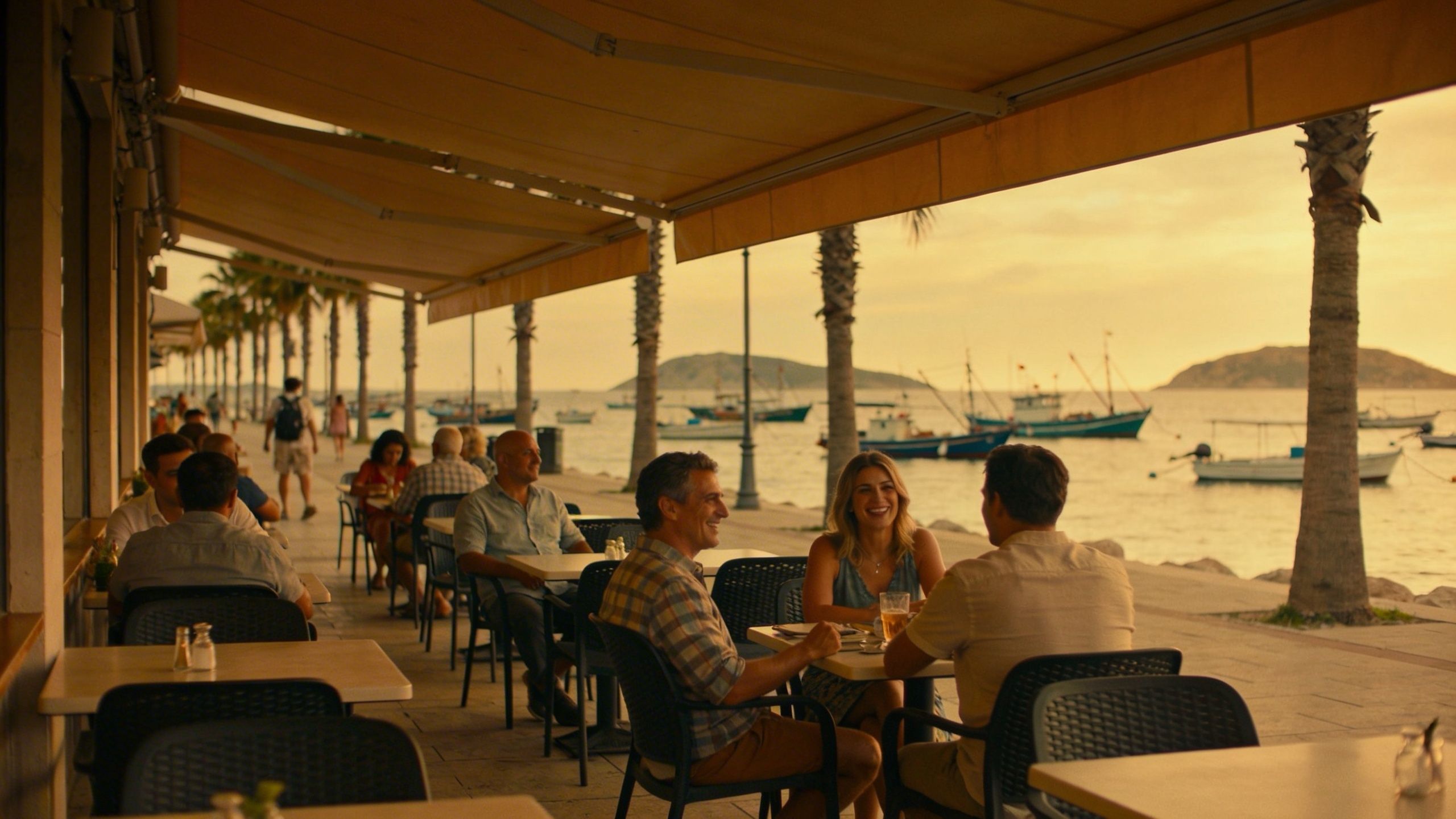
Imagine waking to espresso steam and the scent of freshly baked koulouri, stepping onto a balcony that faces a narrow street where neighbours know each other by name. In Greece the day expands slowly: morning markets, a long lunch, afternoon walks by the sea or among olive groves, and evenings that unfurl at sidewalk tables. That rhythm shapes what people buy here — not just square metres, but courtyards, terraces and access to local life. Recent market analysis shows rising prices in city and coastal pockets, but the lifestyle trade-offs and seasonal rhythms are where smart buyers find value.
Living the Greece lifestyle
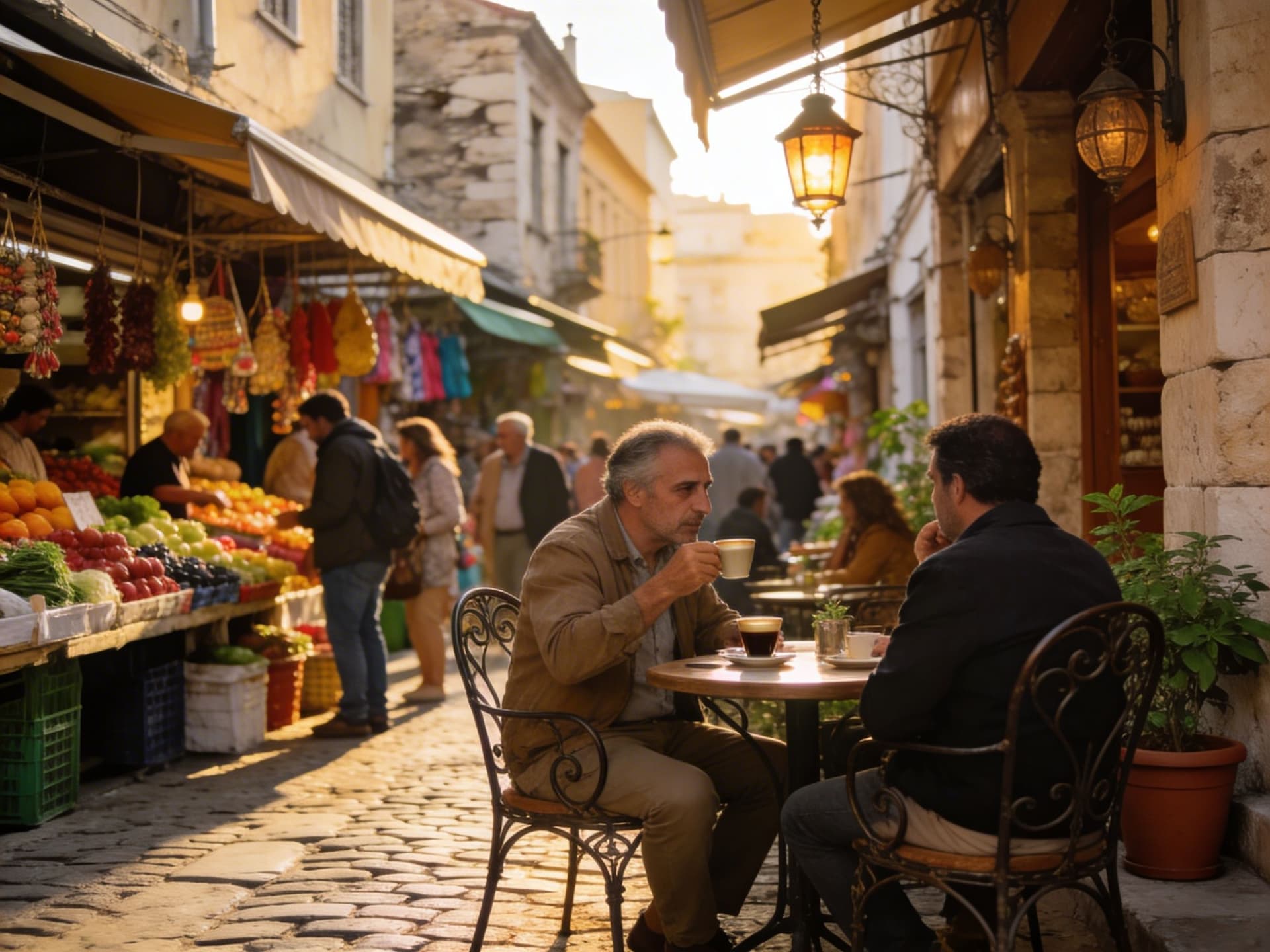
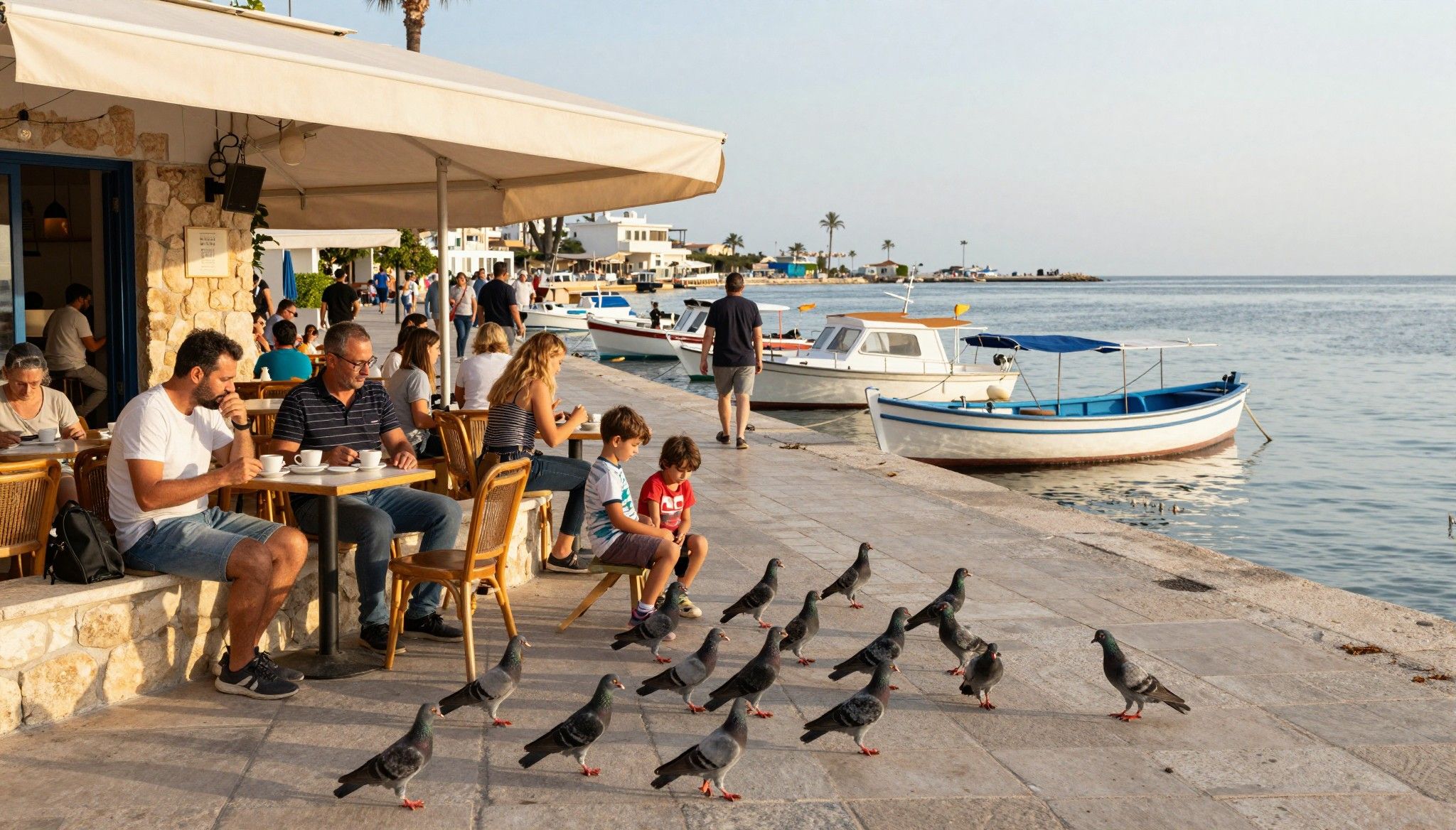
Greece feels like a collection of small towns stitched into cities and islands: Athens has neighbourhoods with café-lined streets and late-night vibrancy, while islands and coastal towns move at a slower tempo set by the sea. Morning market runs, kafeneio conversations and seasonal festivals punctuate life; properties with usable outdoor spaces and shade perform best for living and year-round rental. Official price indices and central-bank commentary reflect steady increases in recent years, but those numbers hide the real deciding factor for buyers here: proximity to life, not just coastline.
Athens neighbourhoods: From Koukaki to Glyfada
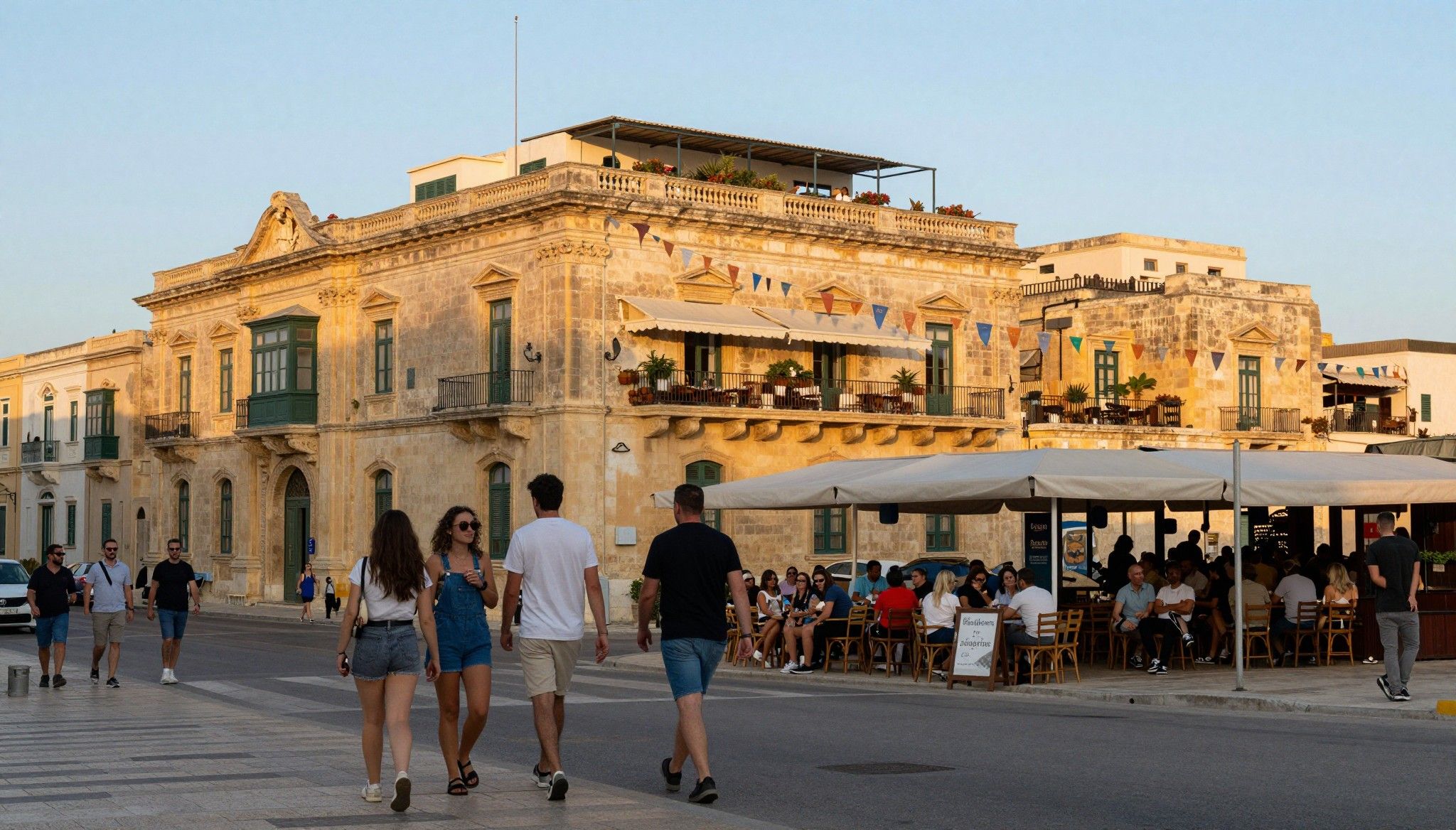
Koukaki and Thissio offer narrow streets, tavernas and daytime museums that attract culture-first buyers who prize walkability and local rhythm over high-rise views. Glyfada and Voula on the Athenian Riviera provide beach access, marinas and a suburban polish that appeals to families and second-home owners seeking a sea-surface lifestyle. Each pocket behaves differently through the year — central Athens hums in winter and shoulder seasons; the Riviera brightens for long summer days — and your property choice should match how and when you want to live.
Islands and the northern alternative: Santorini vs Thessaloniki
Tourist magnets like Santorini offer spectacular scenes but come with intense seasonality and service-heavy markets that spike prices and operating costs. Thessaloniki is a different proposition: infrastructure investment, a growing tech and cultural scene, and lower comparative prices make it attractive to buyers looking for yield and steady appreciation. Recent reporting points to infrastructure improvements and an uptick in institutional interest in the north, which changes the investment story beyond island glamour.
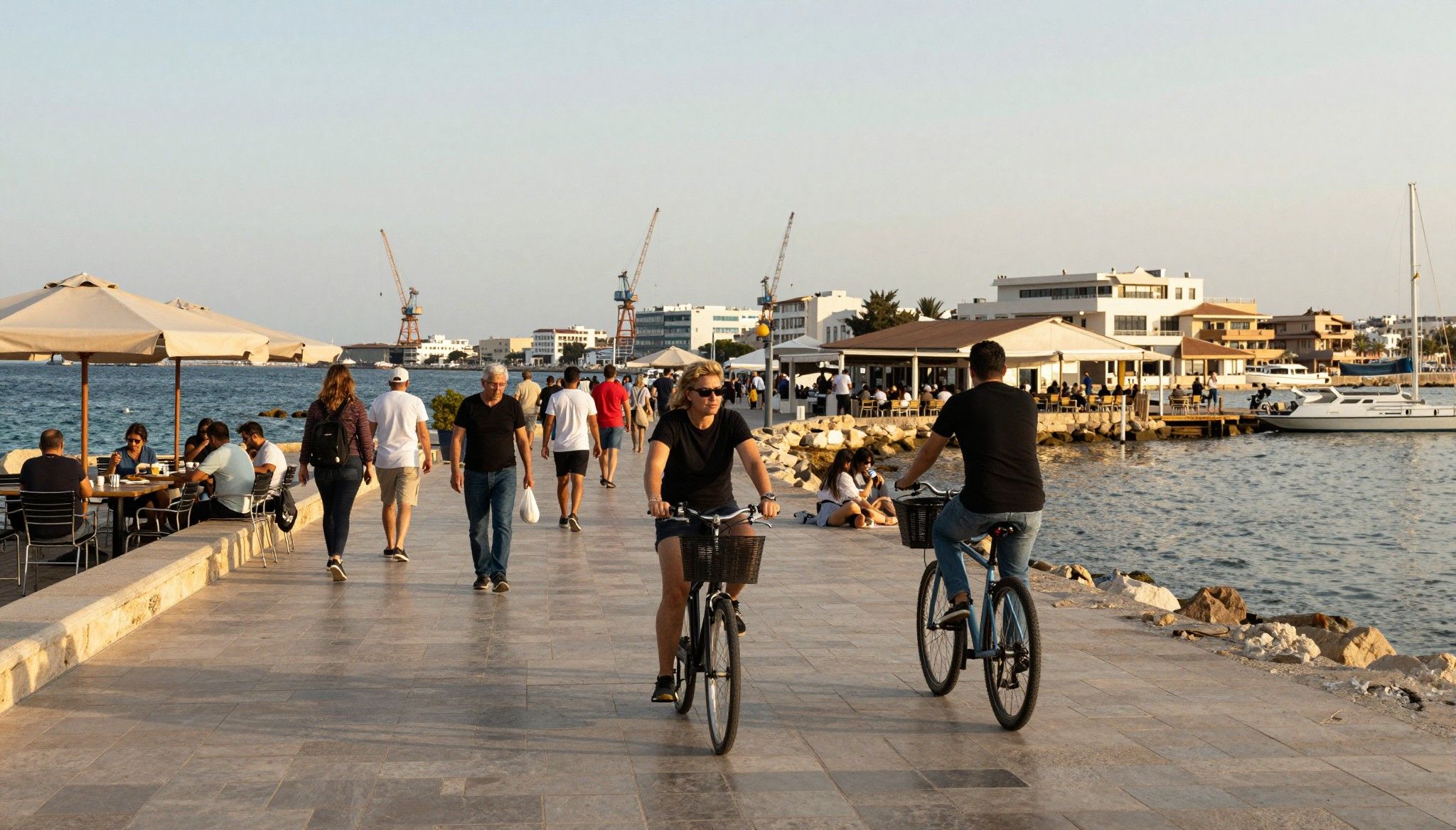
- Lifestyle highlights to look for when choosing a pocket in Greece: - Morning markets: Varvakios (Athens) and Modiano (Thessaloniki) - Seafront promenades: Glyfada marina, Kalamata waterfront - Coffee culture spots: Kafenia on Agias Theklas and Kolonaki squares - Hidden beaches: small coves on Kefalonia and Evia - Seasonal festivals: local panigyria that bind communities
Making the move: practical considerations that keep the lifestyle
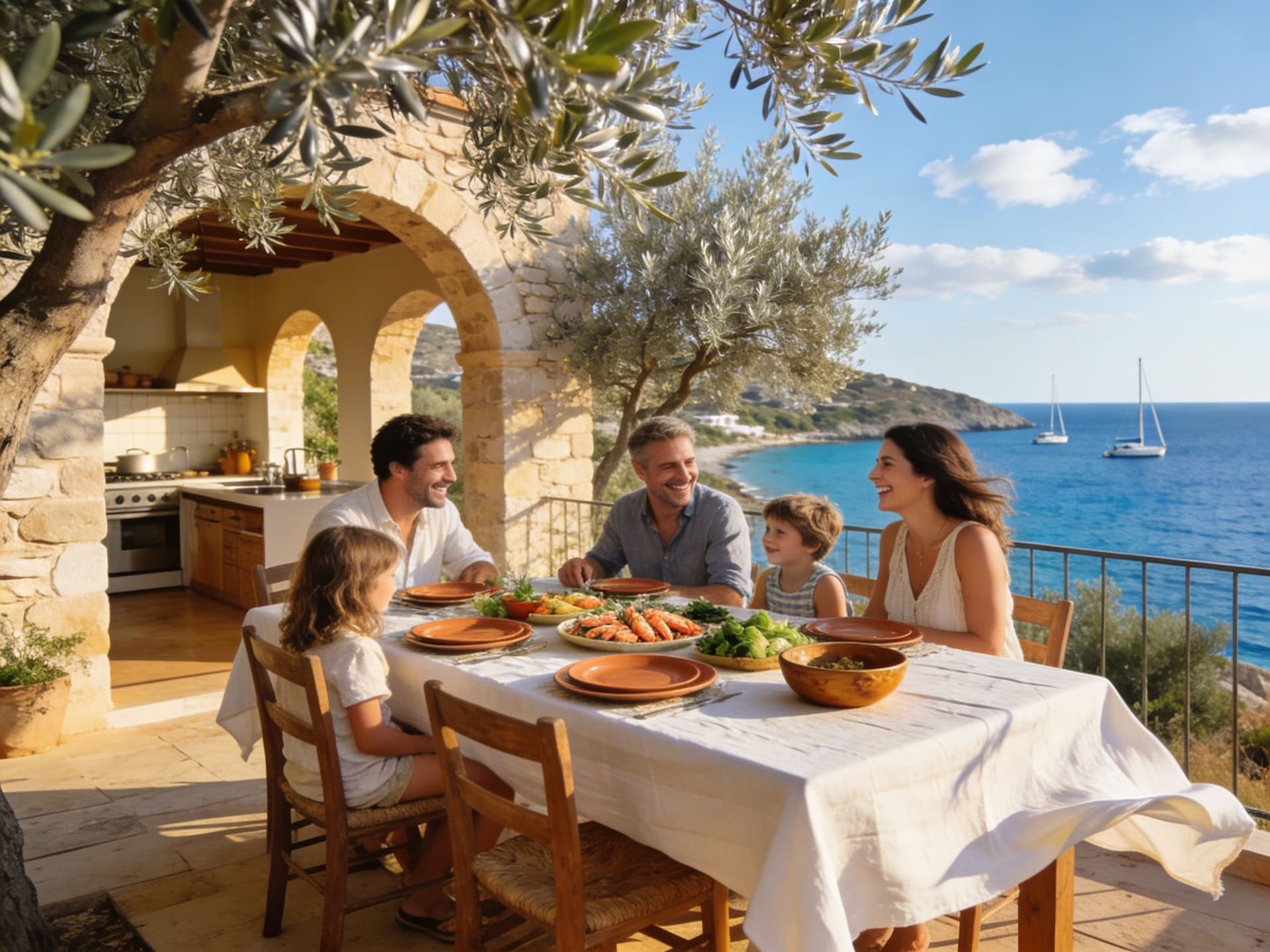
Your lifestyle checklist — terrace, proximity to market, shade, sea access or tram lines — narrows the field, but practical steps turn a dream into a secure purchase. Legal and residency frameworks have changed recently: Greece raised investment thresholds for residency-by-investment in 2024, shifting where demand concentrates and how buyers plan. Work with advisors who translate these policy changes into local neighbourhood strategy and who prioritise lifestyle features that retain value and reduce management headaches.
Property types and how they shape daily life
A terrace apartment in Athens gives you morning light and street life; a renovated stone house on an island gives seasonal solitude and garden living; a modern villa on the Riviera gives year-round outdoor living with higher running costs. Match the property type to your use: full-time residents often prioritise insulation, heating and community services, while part-timers value lock-up-and-leave features and low maintenance. Factor in summer cooling, roof terraces and water storage — these are the practical lifestyle features that matter in Greece.
Working with local experts who know the life, not just the listings
- 1. Ask agencies for local-life proof: photos of the street at different seasons, recent utility bills and neighbour testimony. 2. Request management plans if renting — who answers evening calls, seasonal hire, cleaning and tax handling. 3. Insist on energy certificates and recent renovation permits; these influence living comfort and resale. 4. Compare comparables by lifestyle: listing price vs. proximity to markets, beaches and transport rather than headline m² alone.
Insider knowledge: what expats wish they’d known
Expats often discover that day-to-day life matters more than headline returns: a nearby bakery, a pharmacist who speaks English, or an active local association turn a house into a home. Seasonality is a practical problem — islands can feel empty in winter and clogged in summer — and that affects rental income, maintenance and social life. Recent reporting highlights supply constraints across Greece that push values in desirable pockets; knowing which micro-markets are supply-limited helps you buy where life, not just price charts, favours ownership.
Cultural integration and everyday practicalities
Learning a few Greek phrases opens doors: people respond warmly to effort and local invitations commonly begin with coffee or food. Community life in smaller towns revolves around the church calendar, festivals and market days — participate and you’ll be invited into neighbourhood networks that help with renovation contractors, local schooling choices and property caretaking. For many internationals, integration is as much about habits — arriving for lunch late, embracing long dinners — as it is about documents.
- Long-term considerations for lifestyle sustainability: 1. Check infrastructure plans — new transport or marinas change neighbourhood life. 2. Confirm property insurance and seasonal maintenance costs for coastal exposure. 3. Understand rental seasonality if you plan lettings; off-season yield can be half of summer returns. 4. Plan for local healthcare access and schooling if relocating with family.
Greece offers a rare combination: neighbourhood rhythms, deep food culture and coastal life within reach of modern cities. If you prioritise life — markets, terraces and local networks — and pair that with pragmatic checks on regulations, energy performance and management, you’ll find properties that feel like home and perform over time. The next step is local verification: ask agencies for life-first comparables, seasonal operating costs and proof of permit history; those answers separate romantic listings from genuinely livable homes.
Dutch investment strategist with a Portugal-Spain portfolio. Expert in cross-border financing, rights, and streamlined due diligence for international buyers.