Greece: Buy the Rhythm, Not the View
Greece offers coastal charm and urban rhythm — but Golden Visa reforms and rental rules have reshaped demand. Buy the street and daily life, not only the view.
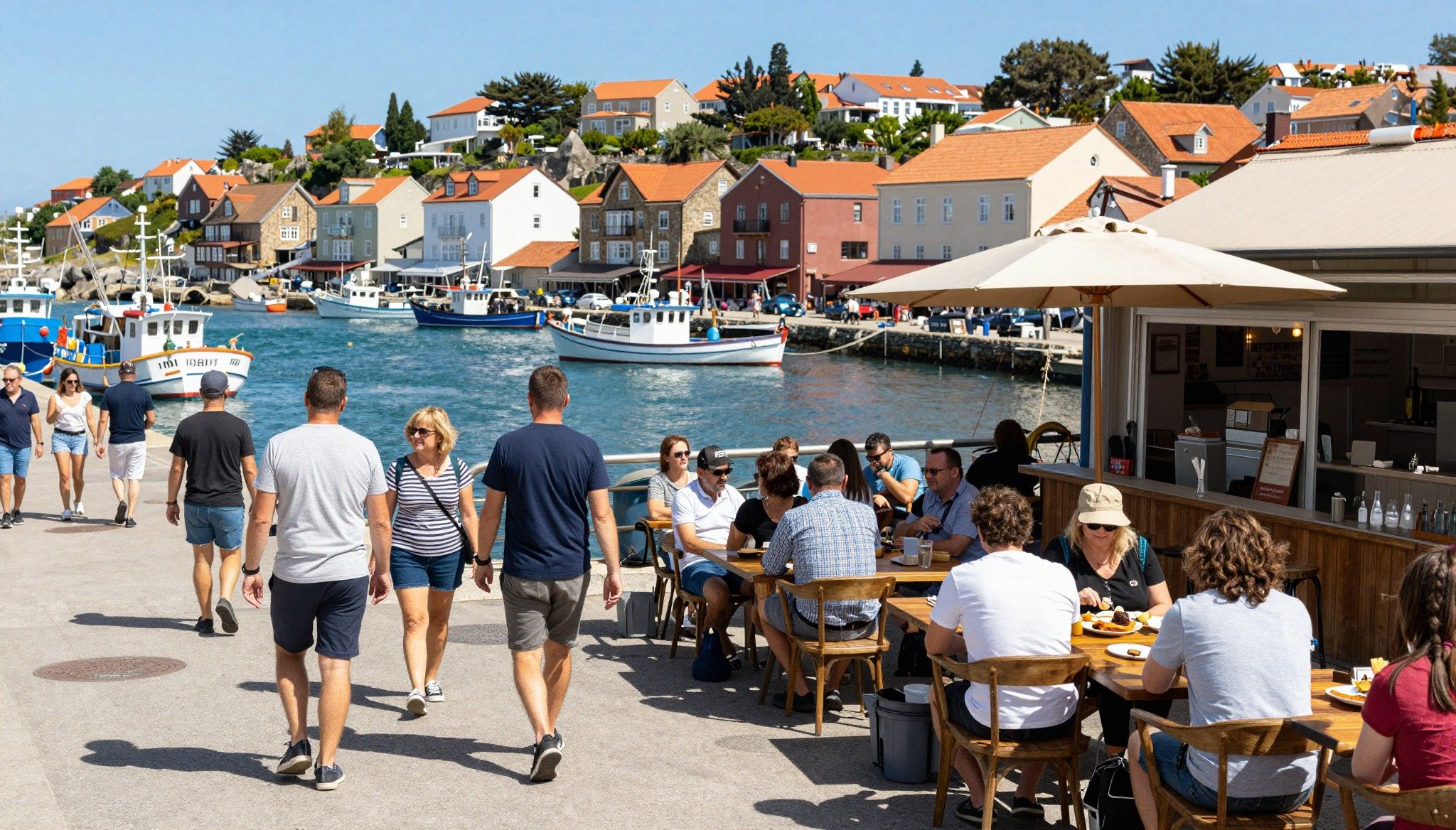
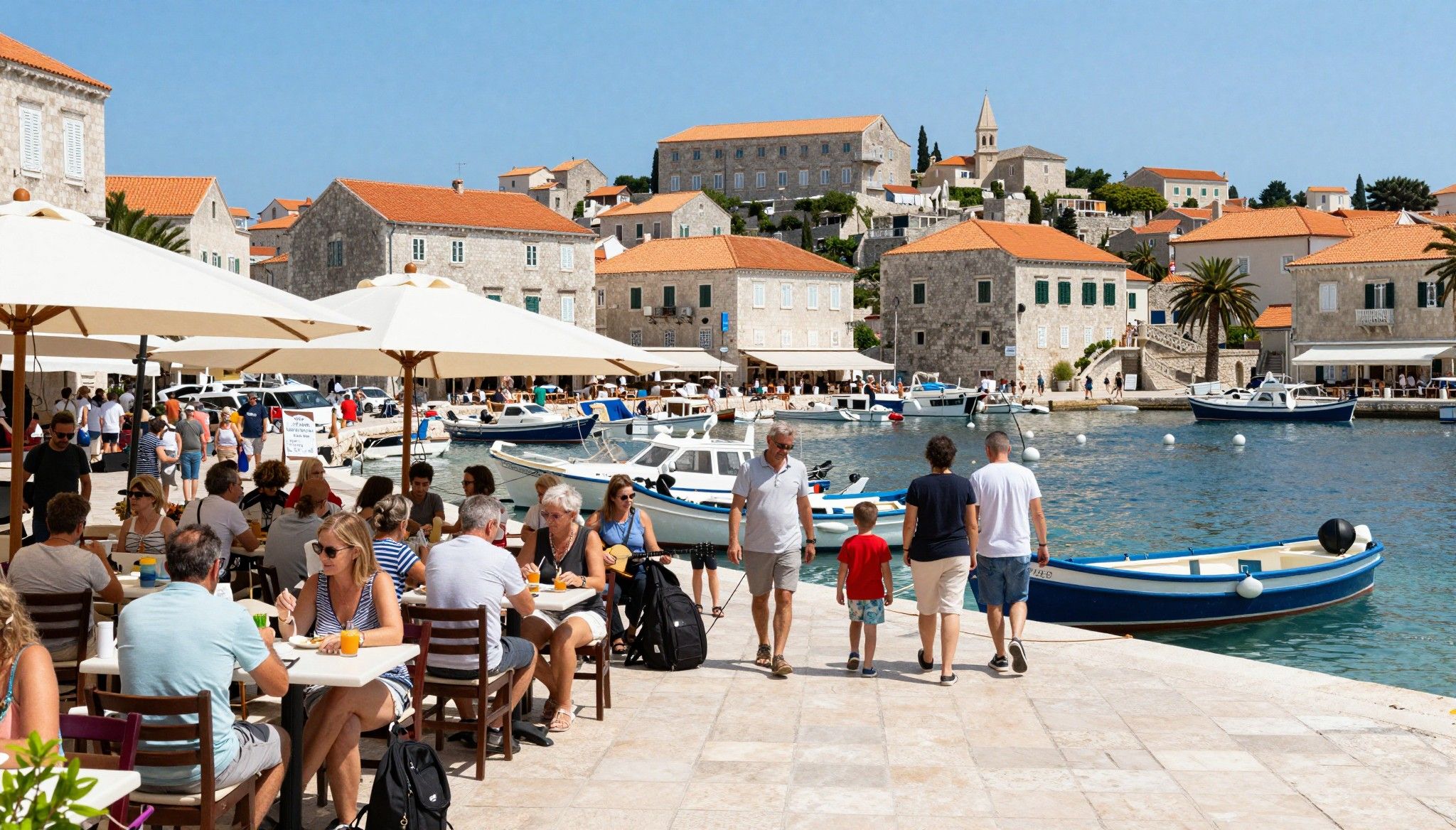
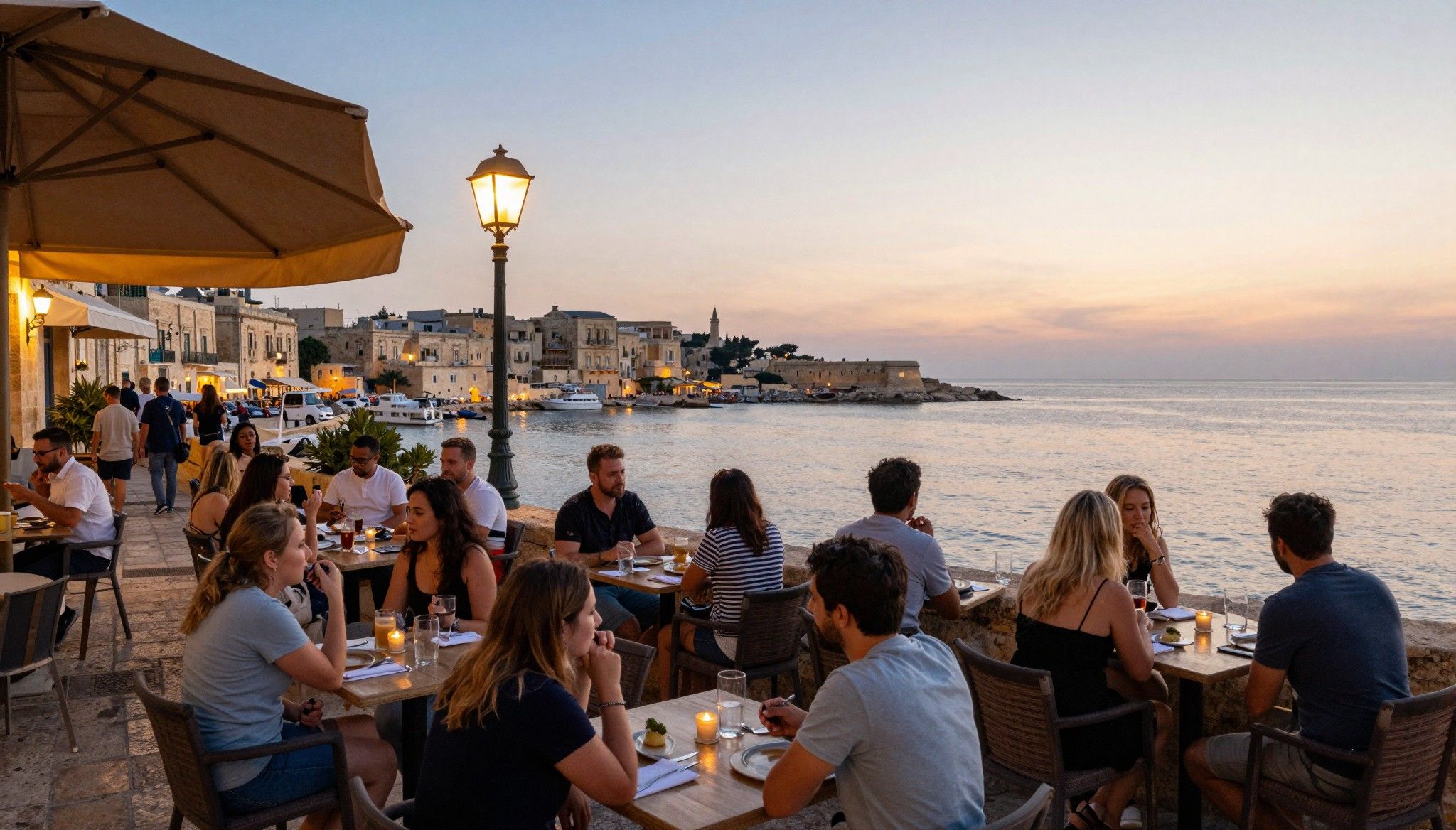
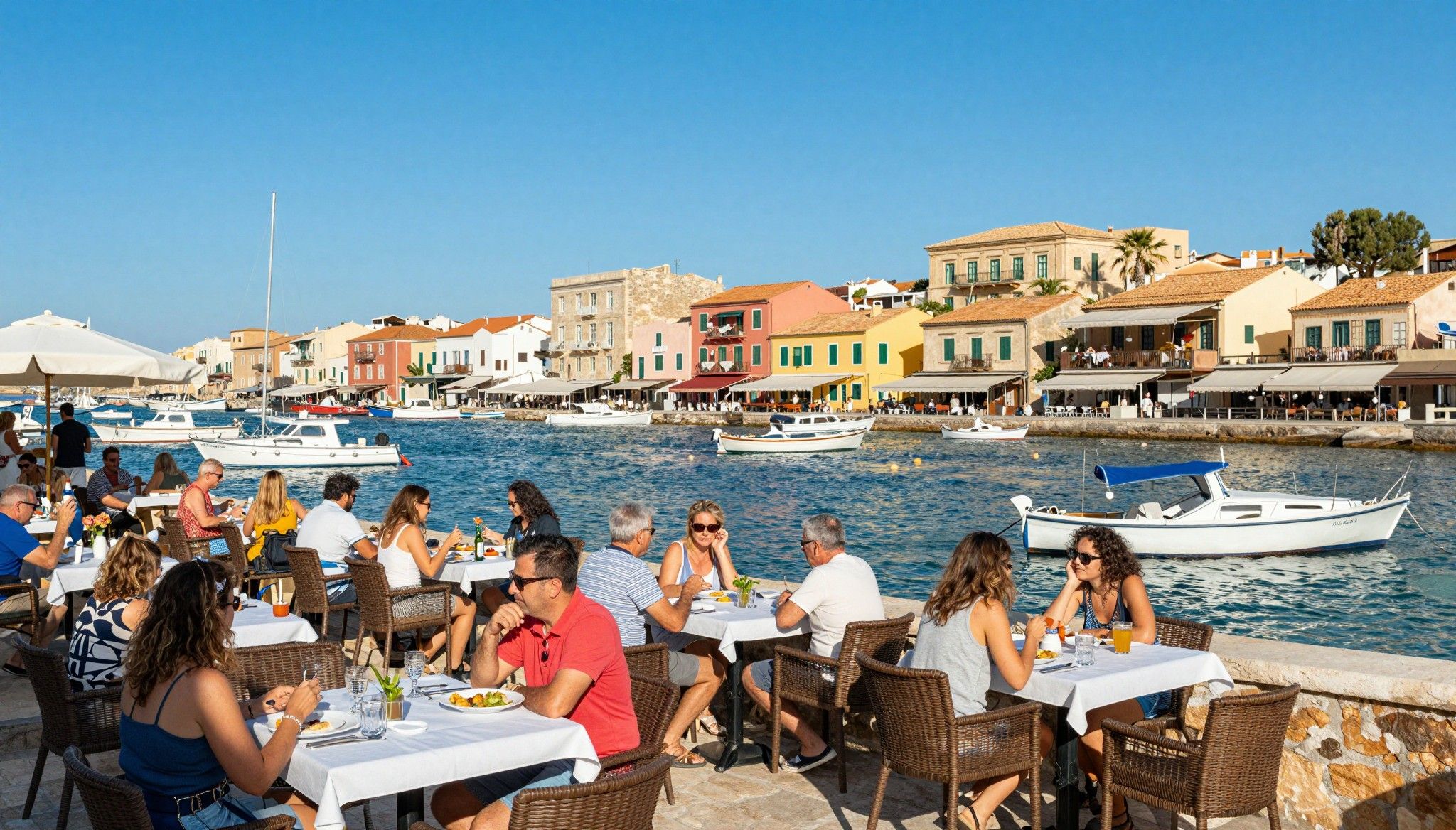
Imagine stepping off a ferry into an island square where old men play backgammon under bougainvillea, then hours later sipping espresso in an Athenian kafeneio as the city hums around you. That contrast — island calm and urban pulse — is Greece’s real appeal for international buyers: compact, highly local neighbourhoods woven into a country rich in food culture, seaside rhythms and architectural variety. But beneath the daydreams, recent policy shifts and tourism pressures have restructured who buys what and where. For buyers who want both life and value, Greece now rewards a different kind of research-led romance.
Living Greek Life: more than postcard moments
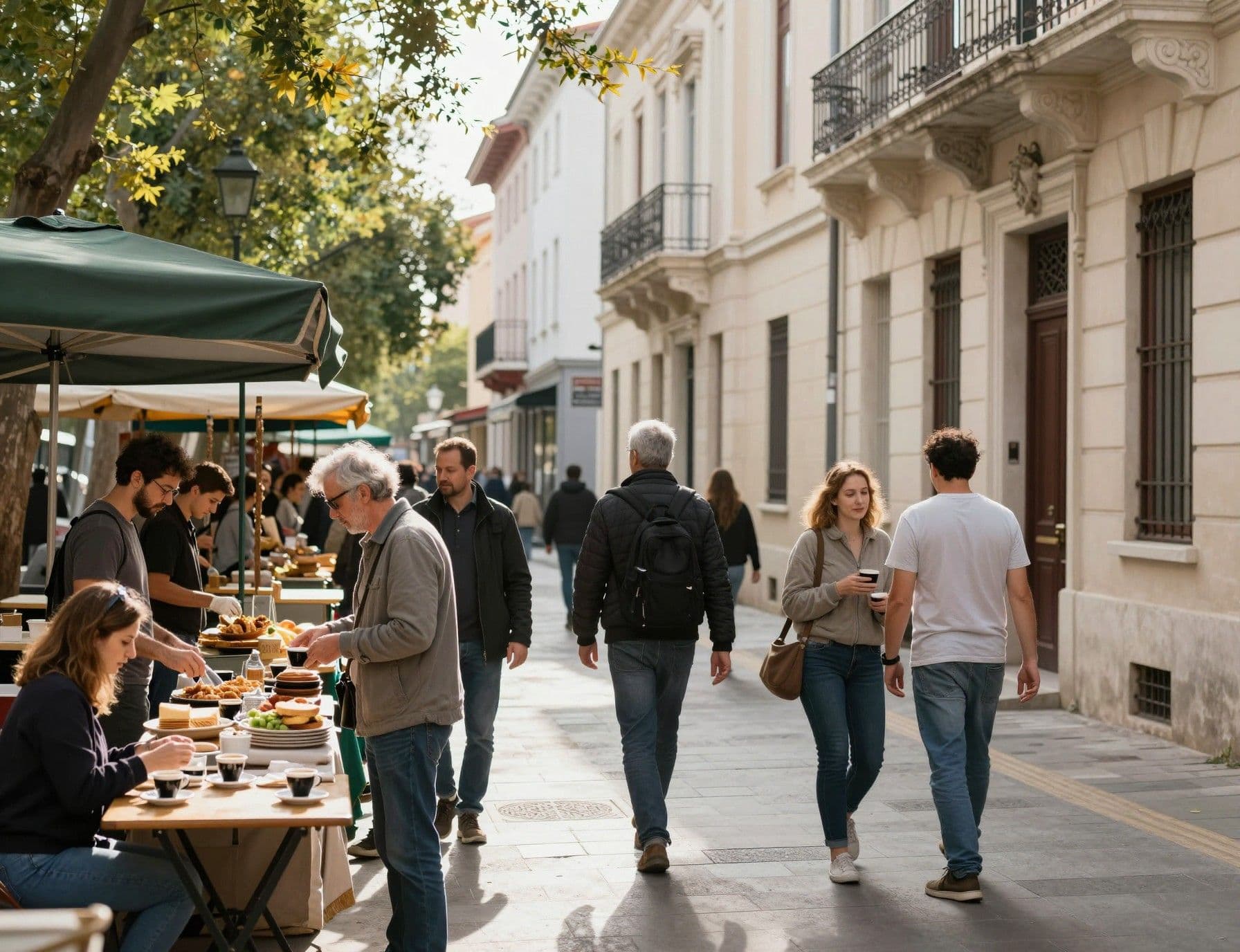
Greece’s daily tempo is sensory: markets at dawn, long lunches, late-evening promenades. In Athens you’ll hear motorbikes weaving down Voukourestiou toward Kolonaki boutiques; on islands like Naxos or Syros the rhythm bends to fishing schedules and taverna reservations. These patterns shape what you buy — a compact city flat near bakeries or a house with a shaded courtyard where neighbours gather — and the social life you inherit the moment you move in.
Neighborhoods that tell the story
Kolonaki and Plaka in Athens offer two different Greek lives: Kolonaki’s coffee culture and design shops suit weekday professionals and cultured evenings; Plaka’s alleyways feel permanently on holiday, good for short-stay income but noisier in summer. On the islands, look beyond Mykonos and Santorini — Serifos, Syros and Naxos combine stronger year-round communities with more reasonable prices and authentic markets where chefs shop.
Food, markets and weekend rituals
Weekends in Greece revolve around food: farmers’ markets, kafeneia, and seaside tavernas. Thessaloniki’s revived markets and food halls are a cue to urban regeneration and where renovation projects often cluster. For buyers who value daily life, proximity to a morning market or a favored taverna often matters more than sea views when choosing a street.
- Lifestyle highlights to seek out
- Morning market in Koukaki (Athens) — fresh produce and a strong neighbourhood pulse
- Voukourestiou / Kolonaki for café life and walkable boutiques
- Syros town piazzas — year‑round community events rather than seasonal peaks
Making the move: lifestyle-led, data-backed choices

Dreams meet process at the offer stage. Recent Golden Visa reforms and short‑term rental regulation have changed incentives: some islands and Athens now require higher minimum investments for residency routes, and lawmakers have tightened guest‑housing standards to protect local housing stock. That reshapes where international demand concentrates and where buying for lifestyle will feel sustainable rather than speculative.
Property styles and how they shape living
A neoclassical Athenian apartment gives you high ceilings and streetside cafés; a Cycladic house offers indoor‑outdoor terraces and simple stone construction that suits the heat. Choose by how you live: if you want local belonging, prioritise a street with permanent residents and small shops; if seasonal hosting matters, prioritise easy access and amenity-rich centres with management support.
Working with agents who match life to property
Good local agents do more than show listings: they map daily life — bus times, where the older baker opens, which streets are quiet after 10 pm. Ask agencies for three recent buyer stories and the blocks where their clients actually live, not only where they earned rental yields. That reveals alignment between promise and reality.
- Steps to balance lifestyle with market dynamics
- Spend 48–72 hours living like a local: buy breakfast at the same bakery two mornings and note foot traffic and noise.
- Request a neighbourhood file from your agent: utility bills, seasonal occupancy and noise, local market rents.
- Check regulatory risks: recent rules on short‑term rentals and Golden Visa thresholds can change your yield assumptions.
Insider knowledge: what expats wish they'd known
Real talk: high summer is deceptive. Streets empty in October, utilities and heating matter more than sea view, and some neighbourhoods marketed as "authentic" are already heavily rented to tourists. Expats often underestimate how seasonal life becomes and overestimate short‑term rental returns — especially where regulators are tightening standards.
Cultural integration, language and community
Learning basic Greek opens doors beyond bureaucracy: landlords, shopkeepers and neighbours respond differently when you try. Community life in smaller islands means invitations to local festivals and shared labour — a quick route to belonging. For families, proximity to municipal services and summer childcare patterns is crucial; for remote workers, reliable internet and coworking in Athens or Thessaloniki matter more than villa size.
Long‑term lifestyle and practical considerations
Expect steadier markets in 2025 and beyond, with foreign buyers representing a sizeable share of transactions in premium areas. That improves liquidity for sellers but raises premiums in headline locations. Alternative pockets — regenerated suburbs, lesser‑known islands and coastal towns with good transport links — are where lifestyle-minded buyers find space to live without being priced out.
- Red flags to watch for
- Properties marketed as "instant rental income" without clear occupancy data or recent licence numbers.
- Basement conversions, windowless units or properties with unresolved change-of-use applications (regulators are restricting these).
- Offers that require out‑of‑country-only payments or lack full title documentation.
Conclusion: If you want Greek life, buy the rhythm before the roof. Prioritise streets and routines that match how you imagine your days; then validate that choice with market facts: recent Golden Visa reforms, short‑term rental licensing and local occupancy trends. When lifestyle and data align, Greece rewards you with community, cuisine and a calendar of small daily pleasures that feel consequential. Ask your agent for three real neighbourhood references, a neighbourhood file and regulatory checks before making an offer — and you’ll start living the life, not just owning a view.
British investor turned advisor after buying in Costa del Sol since 2012. Specializes in cross-border compliance and data-driven investment strategies for UK buyers.