Greece: Life Rhythms vs. Market Reality
Greece pairs effortless daily life with a regulated, regionally split property market — match your chosen rhythm (city, island, coast) to local rules and expert advice.

Imagine waking to the slap of bright light on limestone terraces, an espresso steaming at a pavement table in Koukaki and a fisherman’s crate of octopus at the nearby market — then closing your laptop and walking five minutes to the Acropolis. Greece sells itself as time slowed and senses sharpened; beneath that ease is a fast-moving property market with new rules, shifting yields and seasonal realities that change how you should buy.
Living the Greece lifestyle — how it actually feels

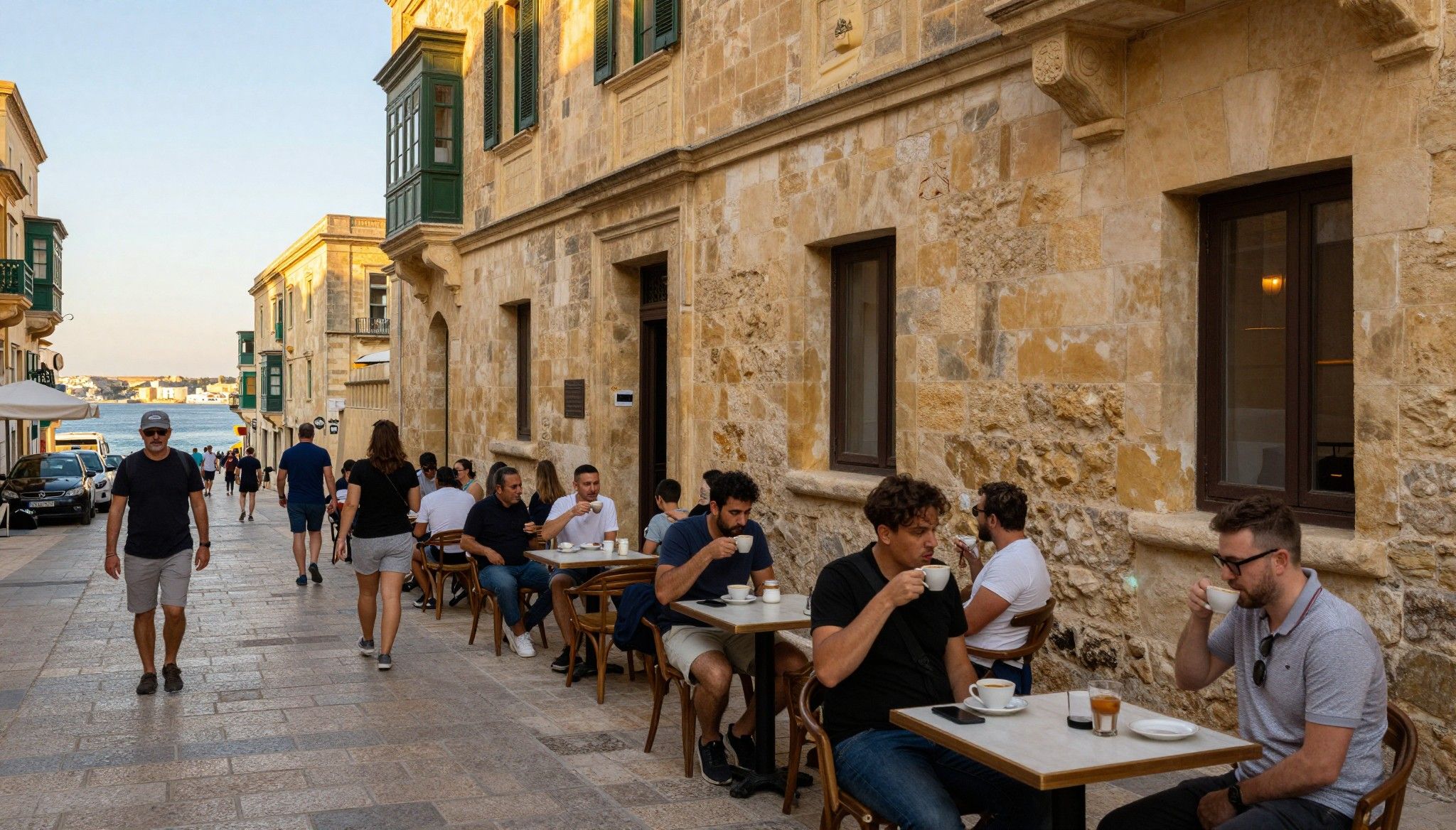
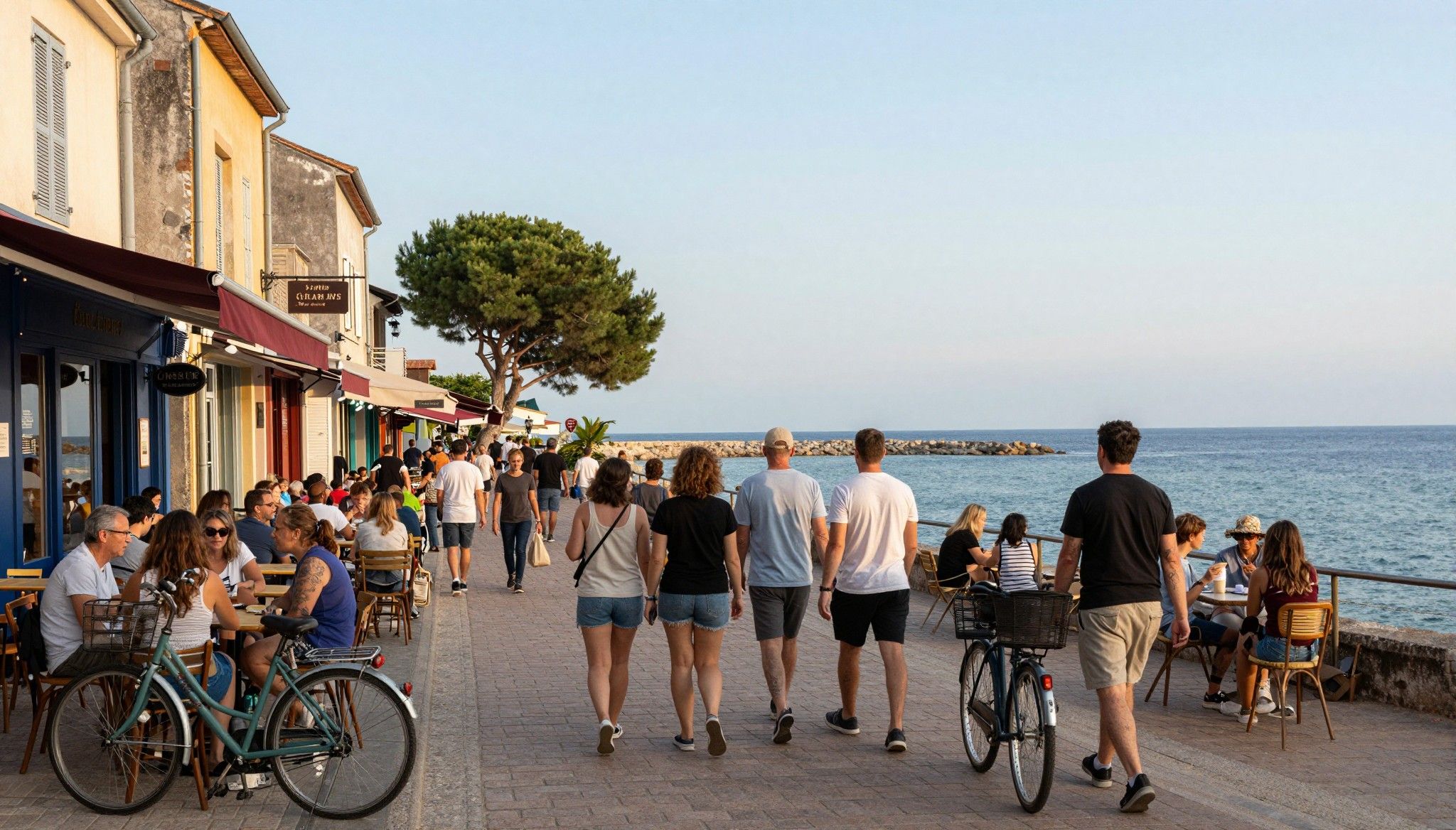
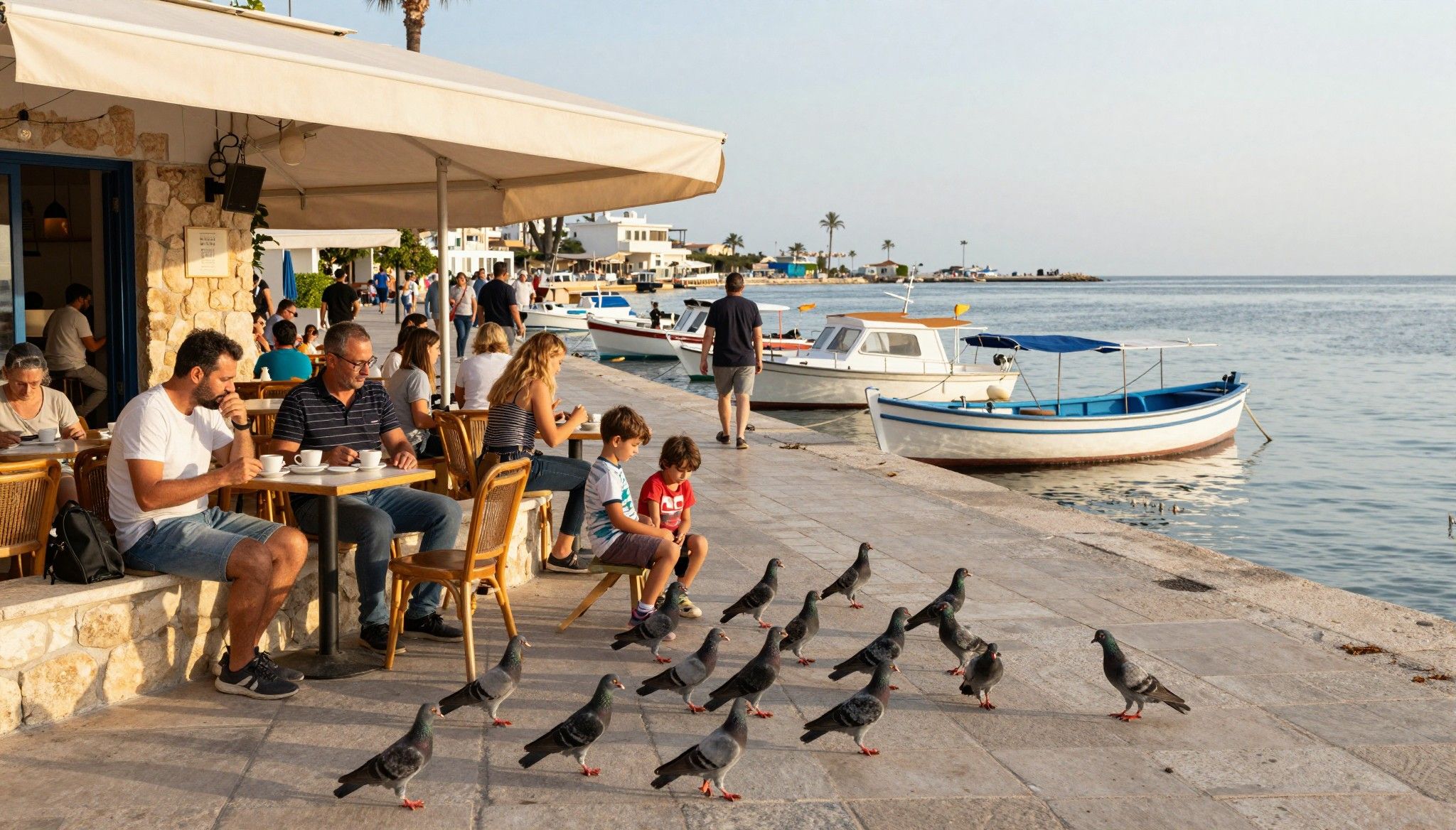
Daily life in Greece blends open-air routines with strong neighbourhood rituals. Mornings mean cafes full of retirees and remote workers; afternoons drift toward siesta and seaside swims; evenings are market runs and long dinners. Whether you pick an island port, a leafy Athenian street or a village in Crete, the soundtrack is similar — church bells, bakery ovens, and the sea when you’re close enough to hear it.
Central Athens: Koukaki, Pangrati and the pulse of city life
Koukaki and Pangrati feel lived-in: narrow streets, family-run kafeneia, and parks where kids meet after school. Koukaki’s short walks to museums make it a favourite for buyers who value culture and year-round rental demand; Pangrati’s squares and newer apartments attract younger residents and professionals. Prices and rents vary strongly by street and building condition, so neighbourhood knowledge matters as much as postcode.
Aegean islands vs big island life: Mykonos myths, Crete realities
Islands like Mykonos and Santorini draw headlines and premium prices, but they are seasonal and tightly regulated. Crete and parts of the Peloponnese offer year-round communities with stronger everyday life and lower entry prices while still delivering tourist demand. Recent national price indices show broad growth but wide regional variation — meaning lifestyle choice and investment outcome often diverge.
- Lifestyle highlights: morning routine to nightfall
- Espresso at Kafenio Stoa in Pangrati; Sunday market at Varvakios in Athens; late-afternoon swim at Voula beach; neighbourhood festivals (panigyria) in Crete; sunset aperitivo on Naxos harbour.
Making the move: practical considerations that match the life

Your lifestyle choice dictates practical trade-offs. Want a pied‑à‑terre steps from museums and cafes? Expect tighter supply, higher per-square-metre costs and local rules limiting short-term lettings. Want a year-round coastal life? You might trade immediate rental yields for calmer communities and lower volatility. Recent regulatory changes — including adjustments to residency-by-investment thresholds and tighter short‑term rental rules — make matching life and legal strategy essential.
Property types that fit how you’ll live
City apartments — close to services and social life — are compact and high-demand; renovated neoclassical flats deliver character but require maintenance. New‑builds on the Athens Riviera offer modern amenities and sea access but carry premium pricing. On islands, traditional stone houses need sympathetic upgrades; modern villas provide comfort but higher running costs. Choose the type that supports daily rhythms: market runs, walking distance to cafes, or private outdoor space.
How local experts turn lifestyle into an address
A good local agent spots the street-level differences that change daily life: which block gets morning sun, where deliveries are noisy, which buildings have long-term neighbours versus tourist churn. They also navigate new rules on residency investments and short-term rentals, and introduce reliable property managers who preserve both your lifestyle and asset value.
- Practical to-do list that blends life and legality
- 1) Decide the daily life you want (walk-to-cafe, island calm, inland village). 2) Map that life to neighbourhoods and sample weekdays there. 3) Verify residency or visa implications for your budget and property type. 4) Check short‑term rental rules if you plan to let seasonally. 5) Contract a local architect/inspector for structural and energy checks. 6) Engage a bilingual lawyer to review titles and tax implications.
Insider knowledge: what expats say and what data confirms
Expats tell two recurring truths: neighbourhood rhythm matters more than headline price, and yields vary sharply by location and property quality. Data supports this — inner-city pockets like Koukaki and Pangrati show solid rental demand and mid-single-digit yields, while luxury coastal suburbs have lower yields because prices are high relative to rent.
Cultural cues that affect where you buy
Community matters: many Greeks value long-term neighbours and family presence, so apartment buildings often have tight-knit committees (diikitika) and informal rules. Loud renovation work, leaving garbage areas untidy or ignoring communal schedules can quickly sour relations. Learning basic Greek greetings and attending local festivals makes integration smoother and helps when small neighbourhood issues arise.
Long-term lifestyle and value: what to expect over five years
Greece’s market has shown steady price growth nationally, but locations diverge: Athens suburbs and Cyclades lead, inland and northern regions lag. For buyers focused on lifestyle and moderate appreciation, choose places with year-round services and diversified economies; for capital growth, priority tourist islands and prime Athenian suburbs remain the engine.
- Expat red flags and quick checks
- Unclear title history or missing permits; promises of high short‑term income without legal backing; properties marketed as “near the sea” but with poor access; agents unwilling to show energy certificates or inspection reports.
If you want public infrastructure and long-term urban uplift, watch large projects such as Ellinikon on the Athens Riviera — these shape which suburbs appreciate. For island life, look at transport links and energy costs; for country homes, check water supply and winter access.
- Steps to make an informed offer in Greece
- 1) View properties in the neighbourhood across a week to sense seasonality. 2) Order a full title search and cadastral verification. 3) Commission a technical inspection and energy performance certificate. 4) Agree terms with a lawyer and include clear conditions for deposit return. 5) Set aside funds for transfer taxes, notary fees and a reserved renovation budget.
Conclusion — how to marry the dream and the spreadsheet
Greece offers an enticing life — neighborhoods with strong ritual, food scenes that anchor the week, islands that rewrite your pace. To live there well, pair that day‑to‑day vision with a local team that understands neighbourhood nuance, recent regulatory shifts and the real street-level factors that protect both your lifestyle and your investment.
Next steps: visit one neighbourhood for a week, meet two local agents, and ask for recent transaction lists and yield examples before you make an offer. Treat the first visit as a lifestyle audit — you are buying the rhythm, not just the square metres.
Norwegian market analyst who relocated to Mallorca in 2020. Focuses on data-driven market insights and smooth relocation for international buyers.