Cyprus: Lifestyle First, Tax Smart — Neighbourhoods & Timing
Fall in love with Cyprus’s seaside rhythm — then use tax, VAT and transfer‑fee facts to choose the neighbourhood and timing that save you money and stress.
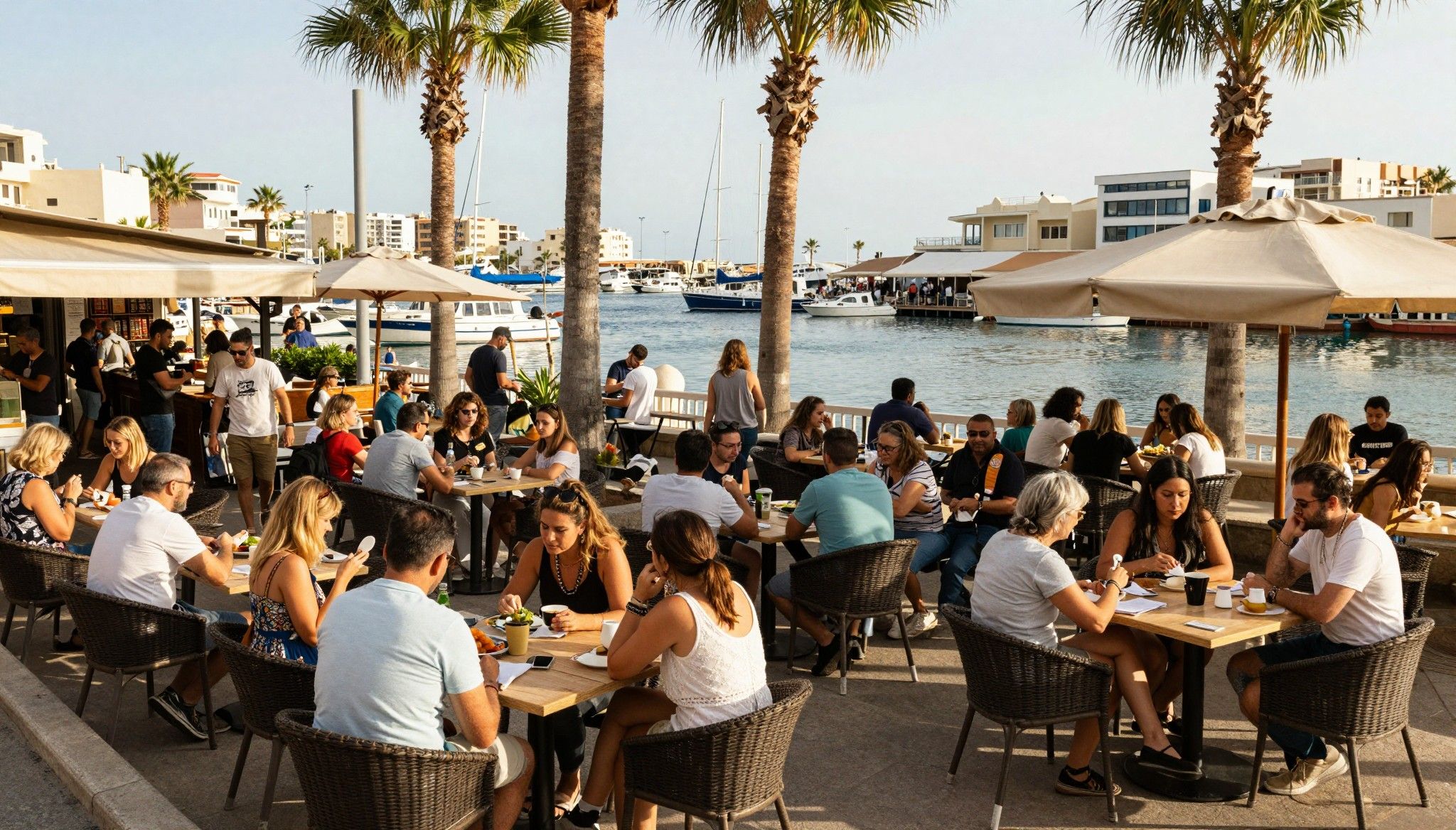
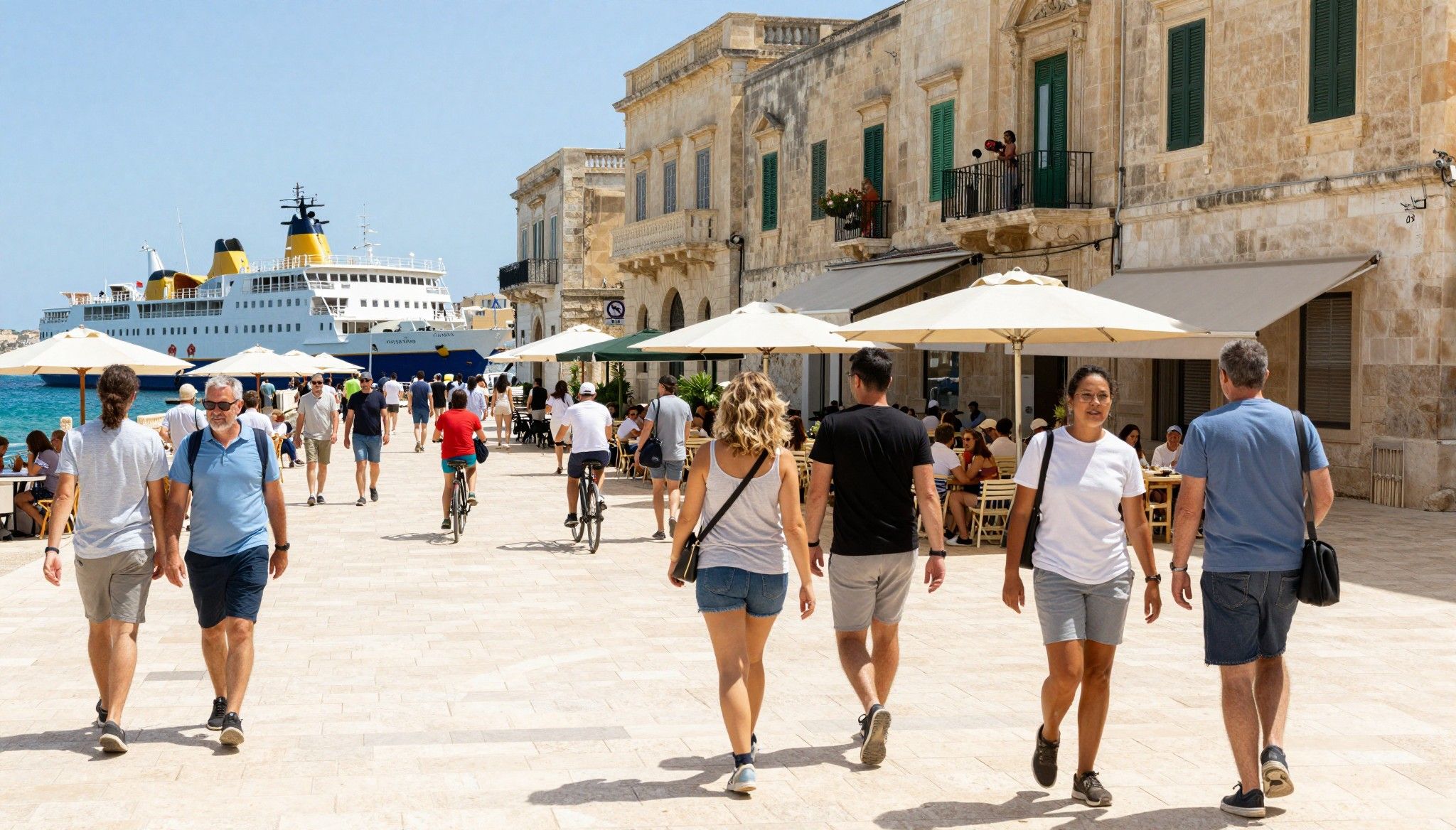
Imagine sipping espresso on a sun-warmed terrace in Limassol’s old port, then strolling past fishermen mending nets toward a late-afternoon market — that everyday ease is why people buy in Cyprus. Yet lifestyle romance meets a practical reality: transfer fees, VAT rules and residency subtleties materially shape which neighbourhoods make sense and when to buy.
Living Cyprus: sun, streets and seasonal rhythm
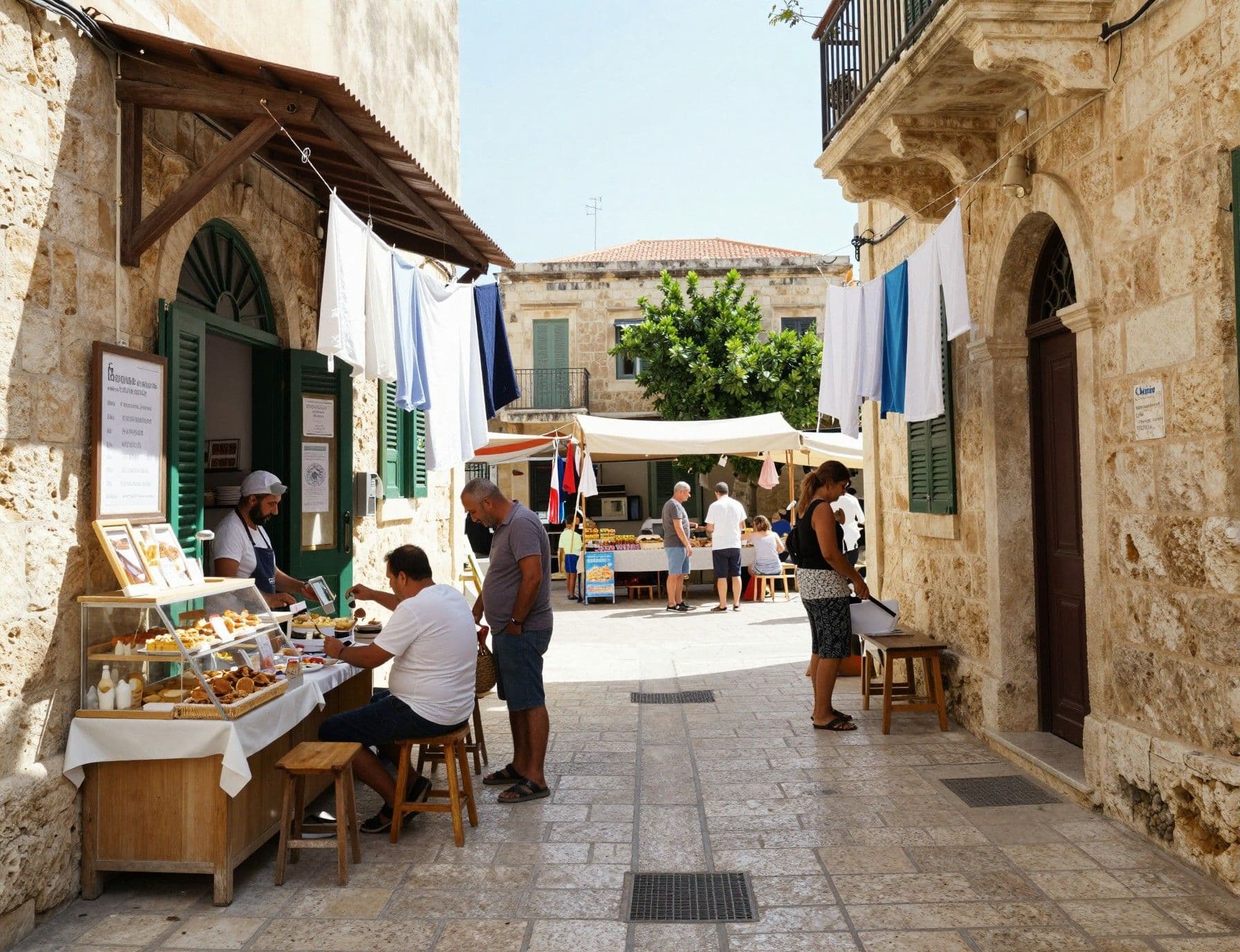
Life in Cyprus is bright and unhurried. Mornings bring small coffee bars spilling onto pavements in Nicosia’s Strovolos district, afternoons flow to beaches in Paphos or Limassol, and evenings gather in tavernas where neighbourhoods trade news over mezze. The island’s compact scale means a mountain village and a sandy cove can both be weekend routines.
Neighbourhood spotlight: Limassol Marina to Old Town
Limassol’s Marina offers modern marina-side living, luxury new-builds and cafes aimed at a cosmopolitan crowd; two kilometres inland the Old Town keeps daily life local — bakeries, a Tuesday market and narrow streets where you truly meet neighbours. For buyers, that contrast matters: new developments bring VAT and modern amenities; the Old Town brings lower maintenance costs but older title considerations.
Coastal calm: Paphos and Larnaca rhythms
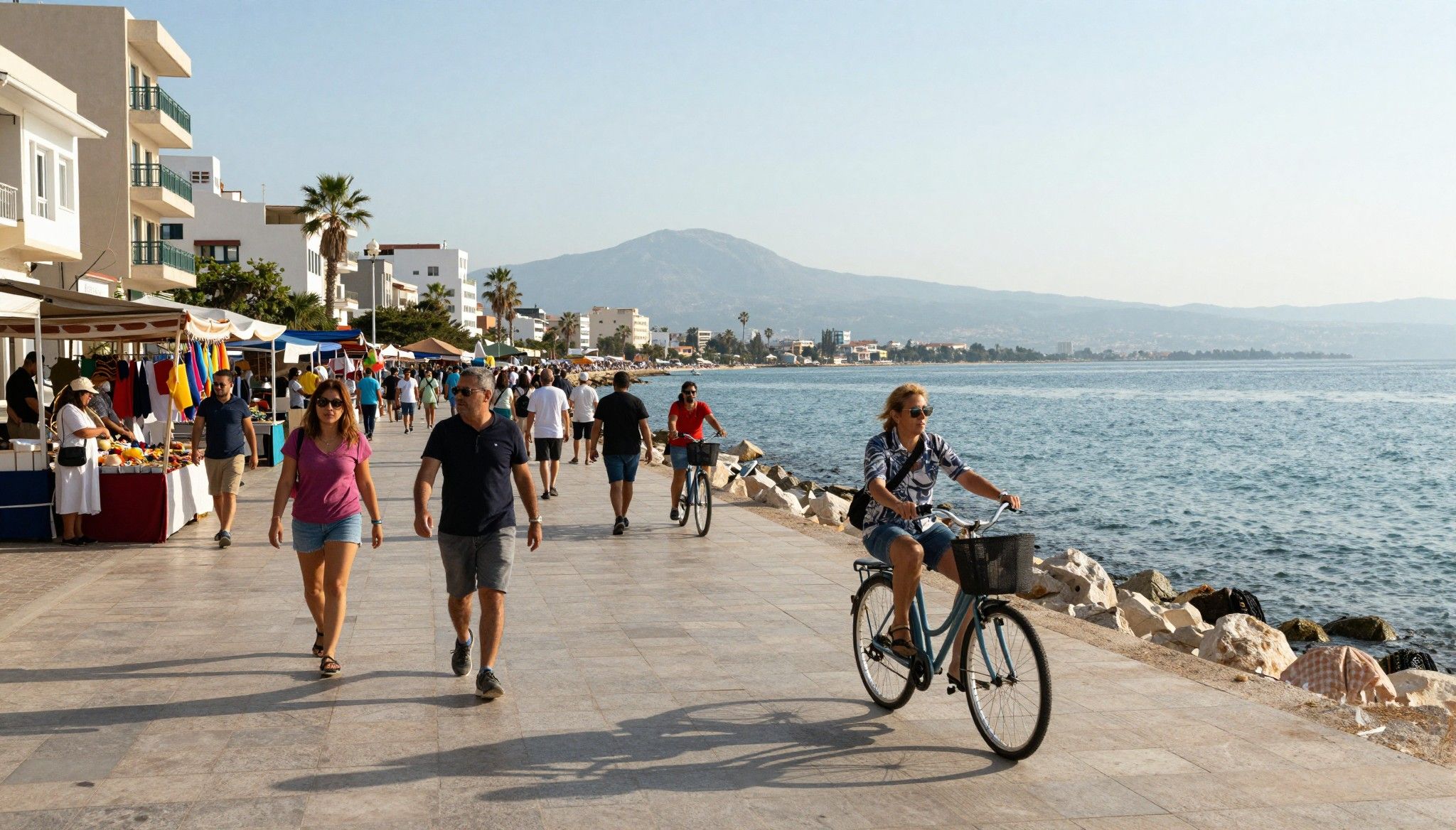
Paphos feels historic and slow; Larnaca’s palm-lined Finikoudes promenade hums with everyday seaside life and easy airport access. New coastal developments often carry VAT at the standard 19% though first-time buyer reductions may apply — a practical detail that changes the effective price of beachfront living. Buyers should budget for transaction levies early in their search. (See market guidance.)
- Lifestyle highlights: real local cues
- Morning espresso spots: Mouttagiaka cafes in Limassol; Zenon Street roasters in Paphos
- Weekly markets: Nicosia’s municipal market (fresh produce), Paphos Old Market for handicrafts
- Hidden beach: Governor’s Beach near Limassol — quieter midweek
Making the move: money, rules and the little surprises

Practical realities in Cyprus cut both ways: low annual property levies compared with many European countries, but a transaction profile that includes transfer fees, possible VAT on new builds and capital gains tax on disposal. Reliable sources and a local accountant early in the process save surprises — for example, the structure of purchase (new-build vs resale) changes whether VAT or transfer fees dominate the up-front cost.
Property types and what they mean for your budget
New builds near marinas and resorts often carry VAT (standard 19%), while resale apartments commonly trigger transfer fees calculated on a sliding scale. That changes negotiation tactics: if a developer offers a slight price reduction but the property is VAT-liable, the effective cost may still be higher than a resale with transfer fees. Know which levy applies before you compare headline prices.
Working with local experts who speak both lifestyle and law
Good agents are cultural translators — they know which Lampron Street cafés attract neighbours, and they also bring trusted lawyers and accountants who can verify title deeds and residency pathways. For residency, local changes have tightened documentation and compliance; work with advisers who keep up with immigration and tax updates so your lifestyle plan matches the legal reality.
- Steps to combine lifestyle goals with tax-smart purchasing
- Decide lifestyle priority: coastal daily life, mountain retreats, or city rhythm — this narrows neighbourhoods and tax exposures.
- Ask whether the property is new-build (likely VAT) or resale (transfer fees). Get written estimates from developer and the land registry comparison.
- Engage a Cyprus lawyer to check title status, encumbrances and whether the land district uses comparative valuations for transfer fee assessment.
- Model holding costs: local council levies, community charges and realistic utility budgets — island summers drive air-conditioning use and seasonal water costs.
Insider knowledge: myths, red flags and expat truths
Myth: Cyprus is 'cheap' for everything. Truth: purchase mechanics make some pockets more affordable, but prime coastal strips can be priced like other Mediterranean hotspots. Watch for red flags — unclear title deeds, unusually low prices from non-local sellers, or developers who overpromise completion dates.
Cultural cues that change how you live (and where you buy)
Cypriot life values outdoor communal time; small balconies and shared courtyards matter more than a spare formal dining room. If you picture weekend barbecues and nearby cafés, prioritise neighbourhoods with public squares and pedestrian streets rather than parking-heavy suburbs.
Longer-term practical considerations
Think beyond purchase: rental market seasonality affects yield (summer months dominate holiday lets), while access to health services and schooling shapes neighbourhood desirability for long-term residents. Plan exit scenarios: capital gains tax rules apply on disposal and can alter expected returns.
- Red flags to check before signing
- Incomplete title deed history or reliance on 'pre-approval' promises from banks
- Developer warranties that exclude structural elements after handover
- Unclear split of VAT vs. transfer fee responsibility in the sales contract
Conclusion: Cyprus is a place where seaside mornings, mountain escapes and village rituals coexist with precise legal and tax mechanics. If the lifestyle draws you in, let data and local advisers keep the dream intact.
Dutch investment strategist with a Portugal-Spain portfolio. Expert in cross-border financing, rights, and streamlined due diligence for international buyers.