Streets before square metres: living Malta, buying smart
Feel Maltese life — from Valletta mornings to St Julian’s nights — then match that rhythm to market facts: Malta’s RPPI rose in 2025; choose location before square metres.
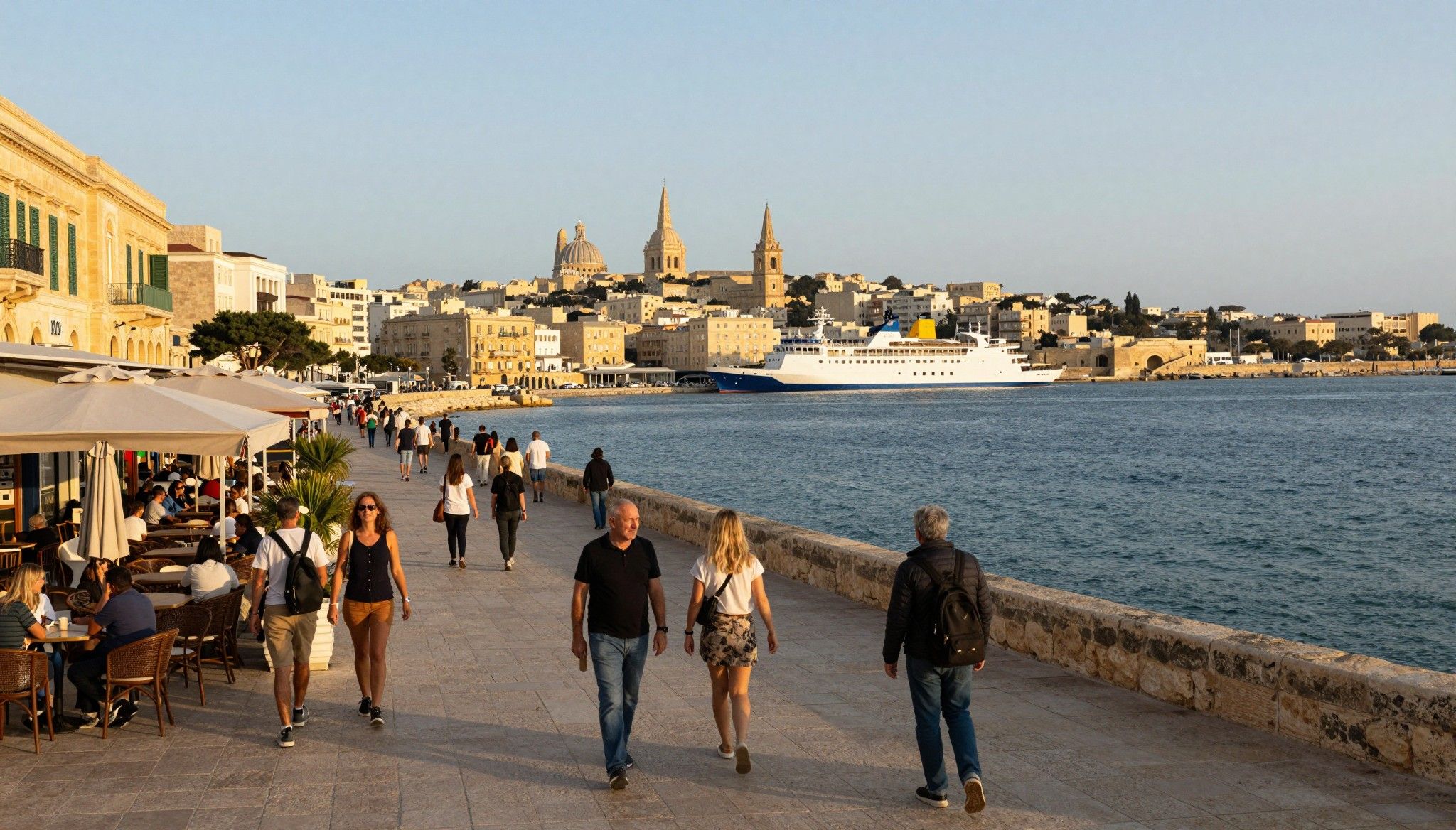
Imagine sipping an espresso on a narrow Valletta side street, sunlight cutting through limestone facades, while the sea smells faintly of salt and frying garlic. That everyday scene — neighbourhood cafés, ferry commutes, market mornings — is the lived Malta many buyers fall for before they even look at listings. But behind the light and limestone, prices, policy changes and seasonal rhythms shape what you can actually buy and how you will live here.
Living Maltese Days: what life feels like
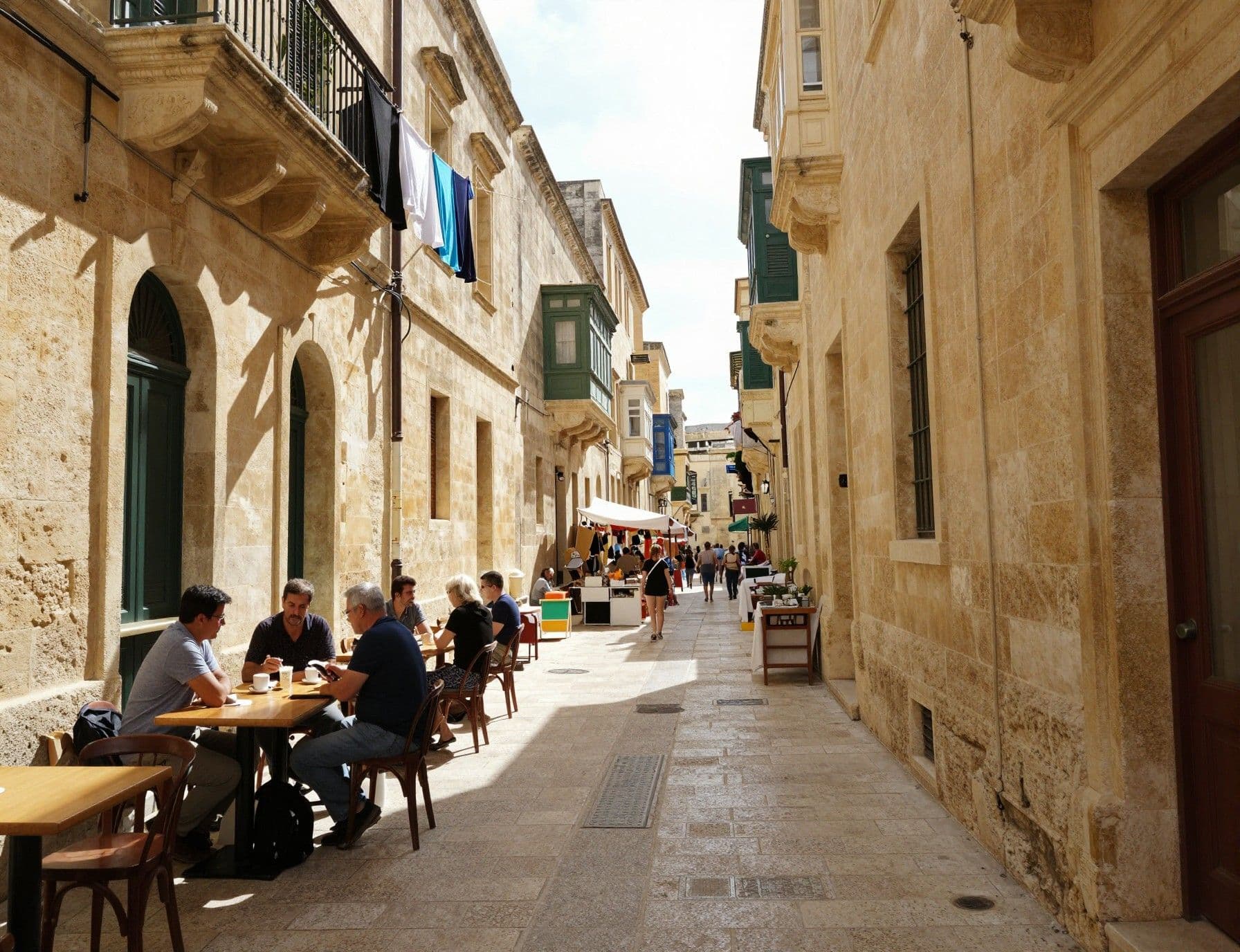
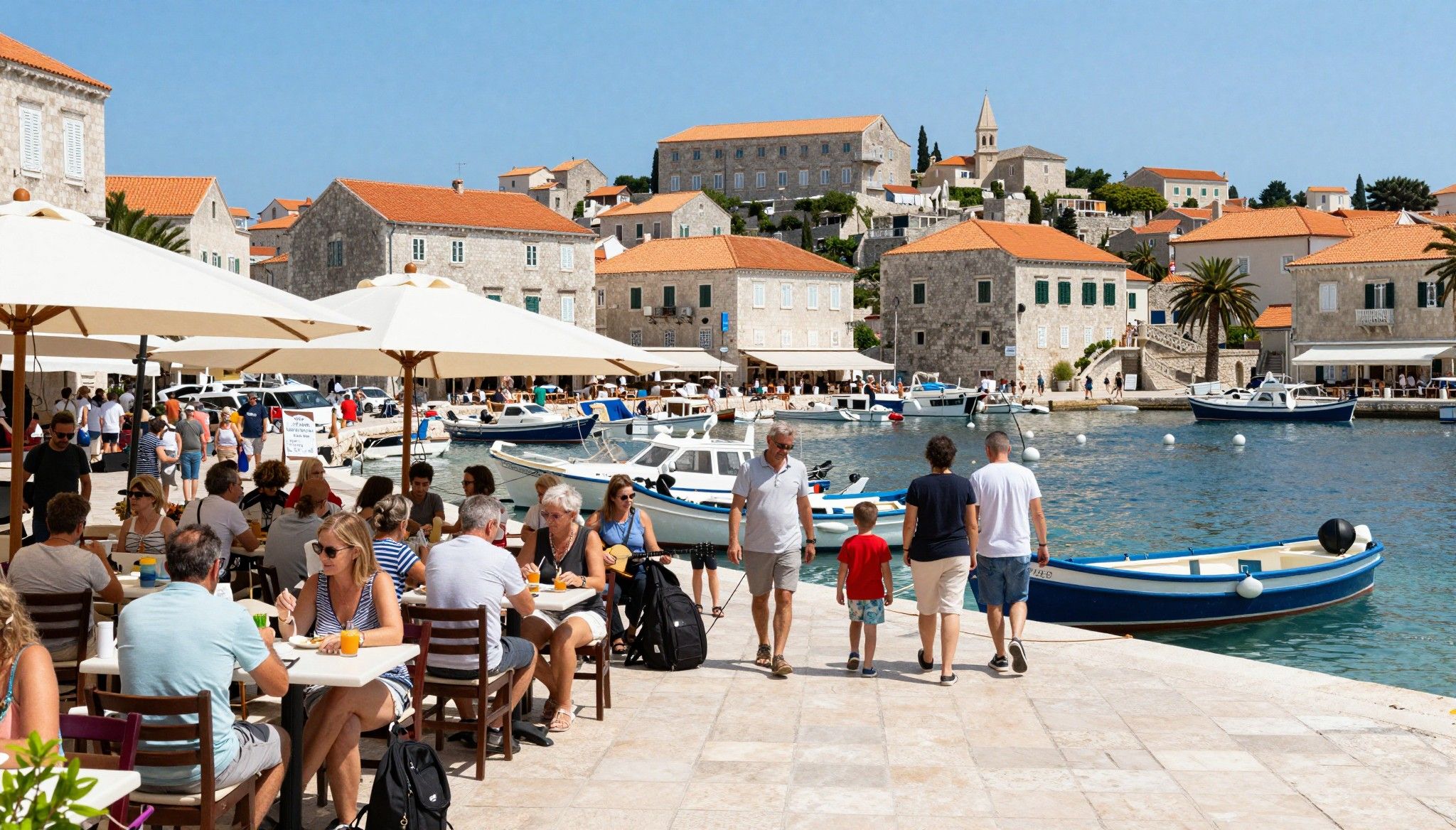
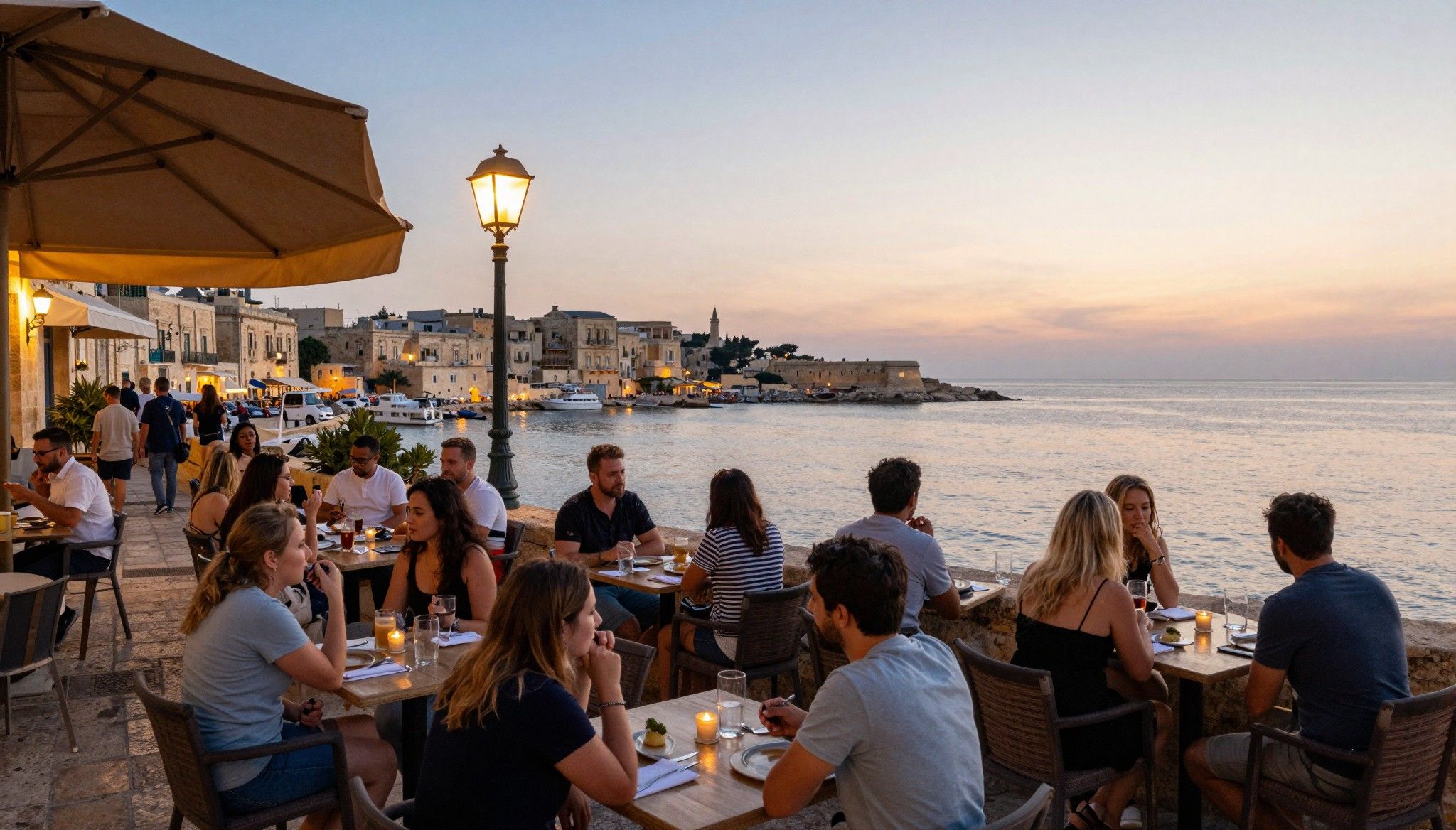
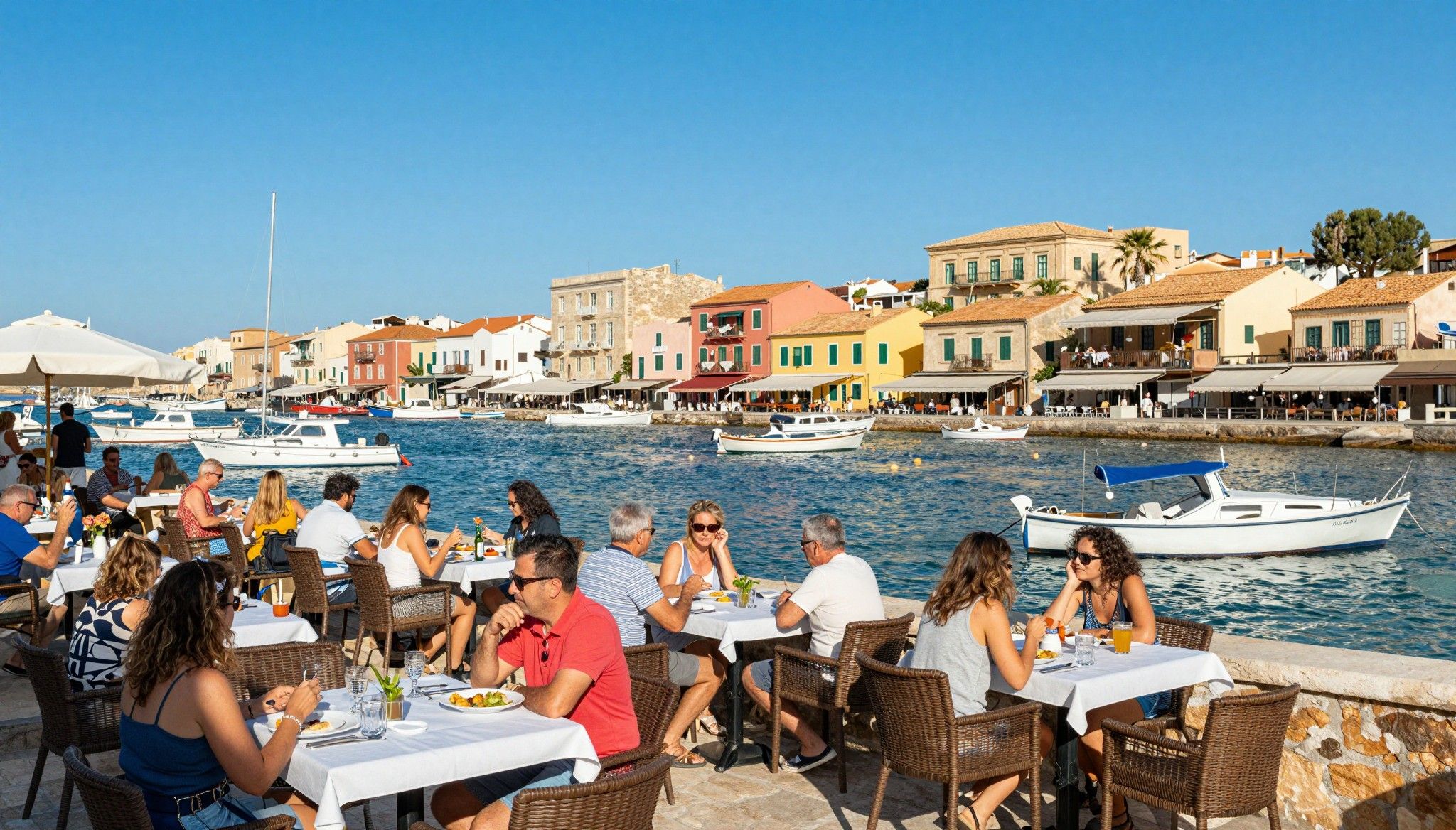
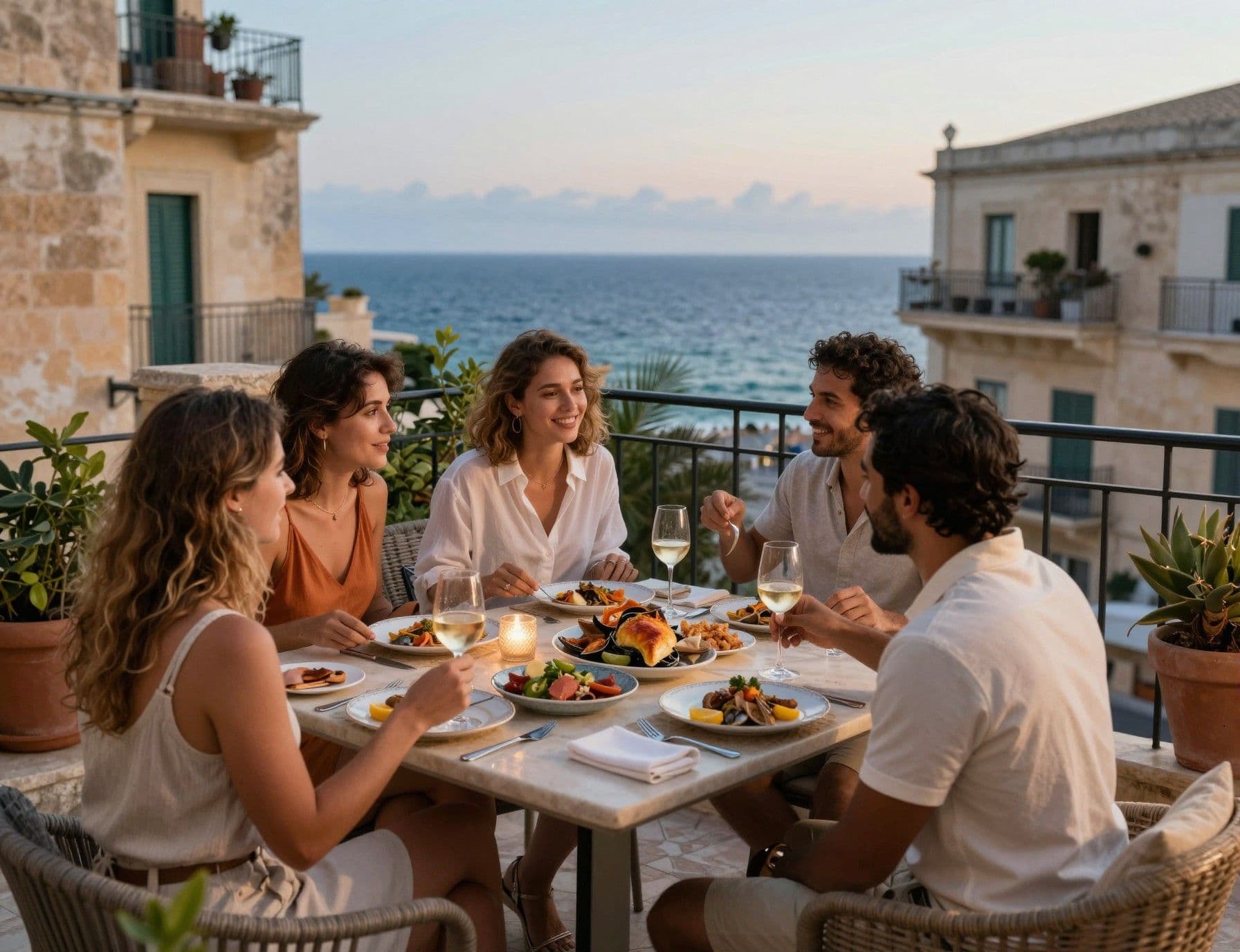
Malta compresses Mediterranean life into a small, walkable island. Mornings mean market stalls in Marsaxlokk, afternoons drift to Sliema promenades and rooftop bars in St Julian’s, and evenings gather around long dinners where seafood is treated like ritual. English is widely spoken, so everyday tasks feel straightforward for many internationals, but social life still orbits neighbourhoods, not labels; locals make friends for life in tiny piazzas and church squares.
Valletta & the capital fringe — lived-in history
Valletta’s streets are intimate and a little steep; think narrow alleys, balconied houses and cafés that open onto small harbours. Living here means morning markets and an easy ferry to Sliema. Expect renovated townhouses with internal courtyards, compact apartments with high ceilings, and the kind of pedestrian life that replaces driving with walking and social serendipity.
Sliema, St Julian’s & Gzira — coast, cafes, and the expat pulse
Sliema and St Julian’s pulse with cafés, co‑working spots and a waterfront lifestyle. Gzira sits between them with quieter streets and good value pockets. These areas suit buyers who want cafés steps from their door, dramatic sunsets over the harbour, and quick access to restaurants and nightlife. They’re popular with professionals and short-term renters, so consider how you feel about bustle versus calm when choosing streets here.
- Lifestyle highlights: Marsaxlokk fish market, promenades in Sliema, Popeye Village weekend escapes, dinner at Ta' Kris in Sliema, sunset walks on Spinola Bay, local festas in small towns.
From daydream to deed: practical realities that shape decisions
Buying in Malta means balancing lifestyle with a compact, sometimes competitive market. Malta’s Residential Property Price Index rose 5.6% year‑on‑year in Q2 2025, reflecting steady demand for apartments and maisonettes. That trend matters: stock is geographically tight, renovation costs are high, and location premium is real — walking distance to the waterfront or a notable piazza translates into price. Use local data early in conversations with agents; neighbourhood micro-differences matter more here than in larger countries.
Property types and how they fit daily life
Traditional Maltese property is limestone-built: terraced houses, maisonettes (two-level apartments with street access) and modern blocks. Maisonettes give you a sense of house-like life with terraces, while renovated townhouses offer private courtyards. New-build apartments often include amenities but sit in denser developments. Choose by routine: if you prize morning walks to a café, prioritise proximity over internal square metres; if you want a calm garden, a house in the more rural north could be necessary.
How local agents turn lifestyle into listings
Work with agents who map lifestyle (cafés, schools, ferry links) to properties. Ask for street-level comparisons, renter demand in the area, and renovation histories. A good agent will introduce you to neighbourhood routines — where the baker puts out pastries at 07:30, which streets have evening noise, and which blocks flood during heavy rains — and will overlay that with deed records and recent sale prices.
- Practical tips blending lifestyle and property: 1) Insist on walking the route you’d take daily (shop, school, transport). 2) Ask for three comparable sales within 6 months to test asking price. 3) Verify outdoor space usability — terraces can face strong wind. 4) Check building maintenance funds for older blocks. 5) Probe planning constraints if you plan to extend or add glazing.
Insider knowledge: the things expats say later
Many expats tell the same stories: language is less of a barrier than they feared, but social integration takes time; summers are lively and noisier than guidebooks imply; and policy shifts — like the end of citizenship-by-investment programmes — change investor sentiment overnight. Expect both predictable routines and policy surprises. Local community ties and a patient timeline pay off more than trying to force a quick purchase based only on holiday impressions.
Cultural cues that change where you buy
In Malta, festas and church calendars set rhythms: evenings can be noisy in summer and entire streets close for communal events. That’s charming — until you’re trying to sleep. If quiet matters, avoid homes directly on festa routes. Conversely, if you want to feel immersed, choose a street that celebrates. Small choices like this profoundly affect long-term satisfaction.
Long-term lifestyle and investment outlook
Malta’s market has shown steady price appreciation (NSO data reports mid‑2025 gains), driven by limited land, tourism recovery and strong domestic demand. As a long-term owner, expect liquidity to be concentrated in central coastal towns; if you prefer lower entry prices, look inland or to smaller villages where lifestyle tradeoffs (longer commutes, quieter days) align with price advantage.
- Red flags locals warn about: 1) Unclear renovation permits; 2) Buildings with deferred maintenance funds; 3) Properties marketed with misleading “sea views” that are seasonal; 4) Streets with festa-related noise; 5) Overpriced conversions marketed off-plan without comparable evidence.
- A short, actionable buying sequence: 1) Spend a week living in your preferred neighbourhood (rent a month if possible). 2) Ask an agent for three recent deed extracts for the street. 3) Commission a local surveyor before signing. 4) Check municipal planning notes for the block. 5) Negotiate timing that fits the local rental season if you plan to let.
If you want to fall in love with Malta for the right reasons, start with lifestyle and then test that love against data. Walk streets at different times, talk to café owners, and ask agents about the everyday — not just square metres. An agent who knows where the baker puts croissants at 07:30 and which blocks flood during storms is worth their fee; they translate the island’s life into the practical steps that keep the dream intact.
Norwegian market analyst who relocated to Mallorca in 2020. Focuses on data-driven market insights and smooth relocation for international buyers.