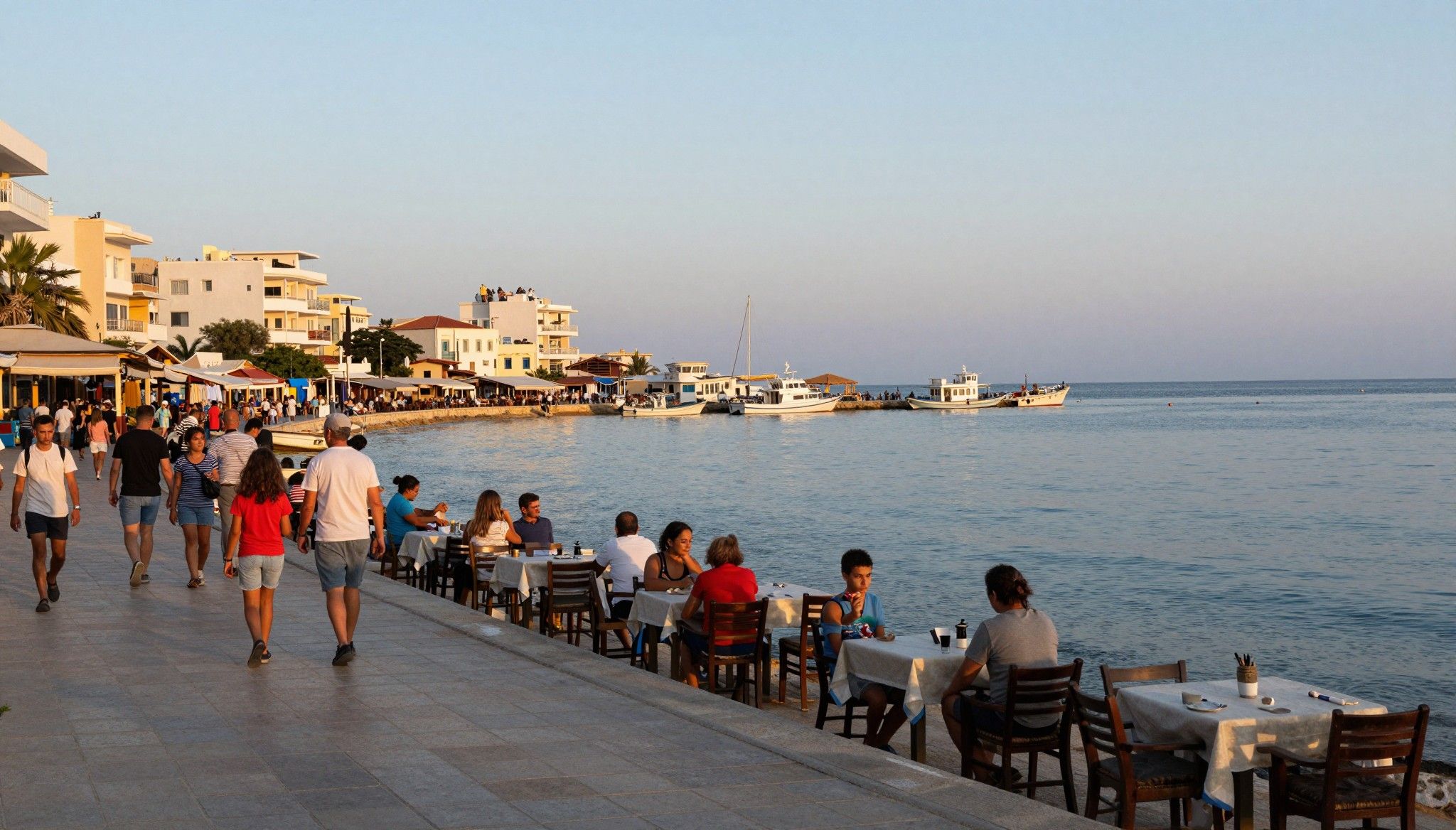
The Italian Neighbourhood Everyone Avoids (That's a Buy)
Find value in the Italian neighbourhoods locals avoid: lifestyle-rich pockets with hidden upside backed by ISTAT, Nomisma and local market signals.
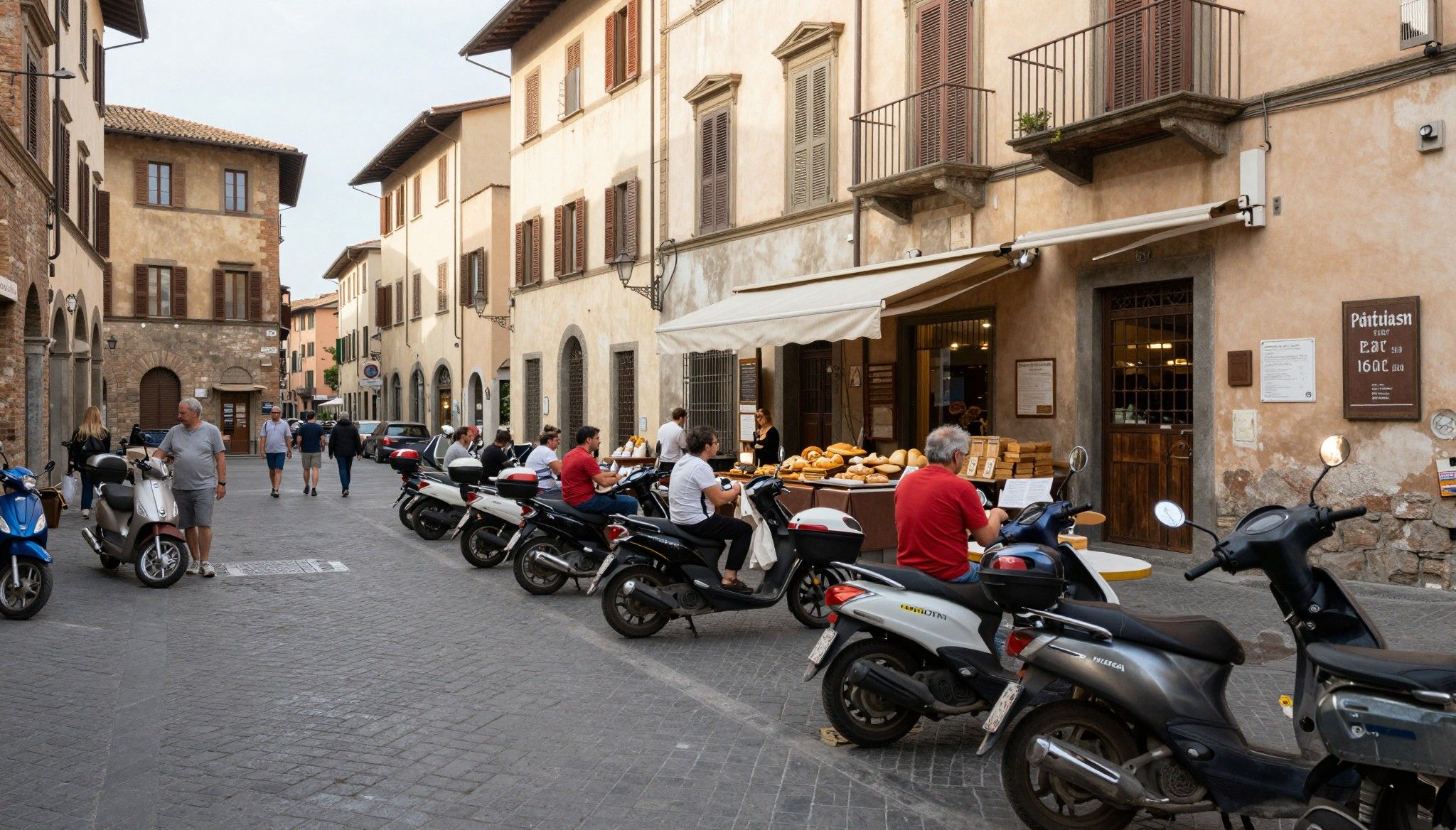
Imagine sipping an espresso on a narrow Roman side street at 09:00, then crossing to a quiet piazza where the locals meet for cornetti and conversation. Italy still rewards small daily rituals—the market for morning coffee, Saturday markets and aperitivo hours shapes neighbourhood life more than glossy brochures. Yet many international buyers arrive following price labels or coastal clichés and miss neighbourhoods locals avoid for reasons that actually create opportunity. This piece shows you the unexpected pockets where local indifference equals investment value, paired with practical market signals you can verify before you bid.
Living the Italian lifestyle (but quieter and cheaper)
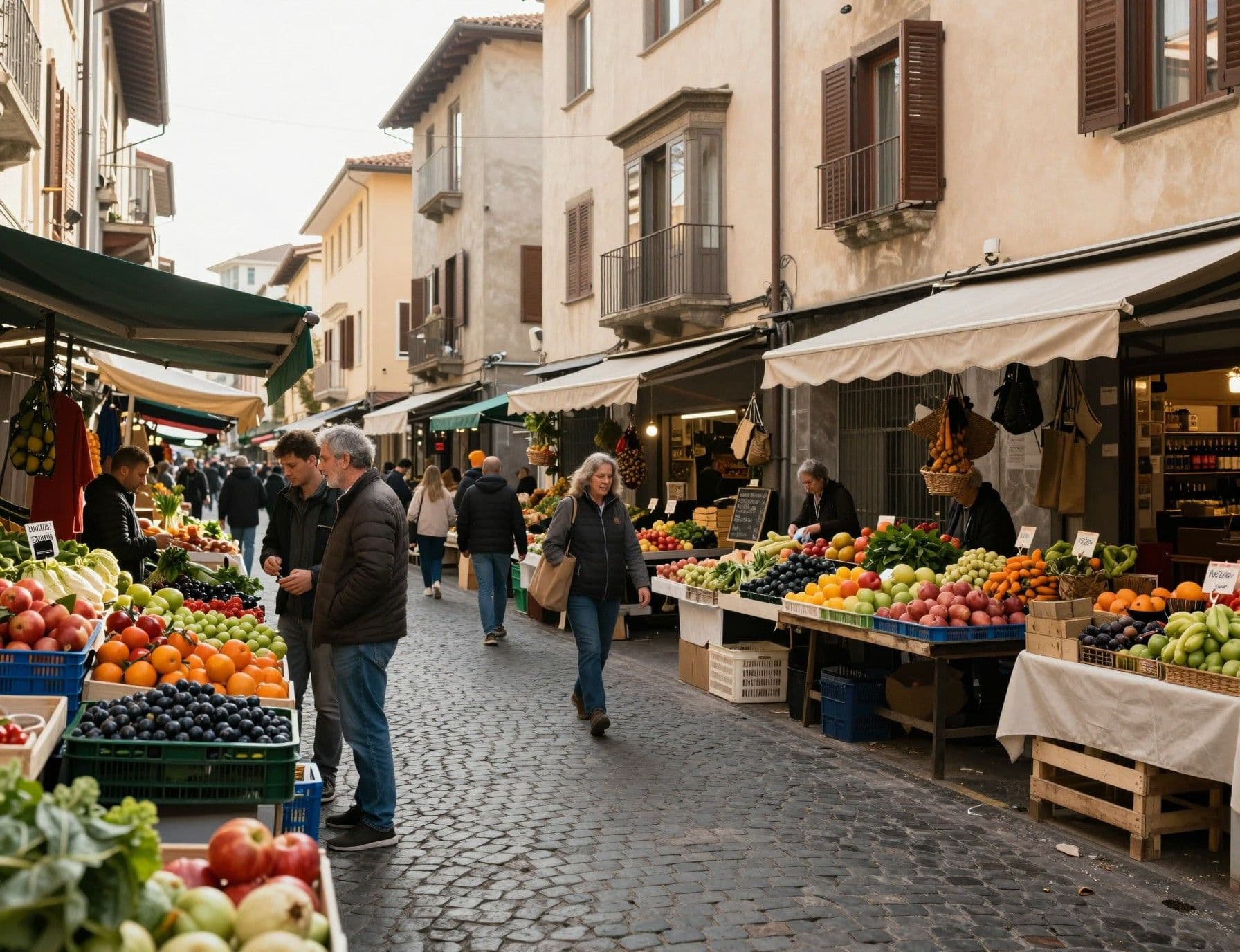
Italy’s day-to-day life is tactile: fresh bread at 07:30, market vegetables by 10:00, neighborhood bars filled at mid-afternoon. That rhythm gives some streets a loud, touristy pulse and others a low-key local heartbeat. The secret for buyers is finding places where locals have moved on or where everyday functions remain—baker, greengrocer, barber—but the market attention hasn’t followed. Those pockets tend to be near transport links or civic investment, offering lifestyle authenticity and future upside.
Spotlight: overlooked quarters worth living in
Think of pockets like Rome’s Pietralata or Milan’s Lambrate—not the headline suburbs, but areas where industry once dominated and is now converting into housing, coworking and small hospitality. These places keep bakeries open at dawn, have simple trattorie around the corner and parks where families meet on Sunday. For international buyers this translates to authentic daily life with lower entry prices, good rental demand from young Italians and redevelopment stories that local agents track closely.
Food, markets and small rituals that anchor neighbourhoods
Start your day at an alimentari that knows names; afternoons are for mercato browsing and late-evening passeggiata. Neighborhoods that retain their market stalls, a lively bar and a municipal park keep long-term value because they support daily life rather than seasonal tourism. For buyers who want a lived-in Italy, these micro-features matter more than a fancy façade: they determine whether you’ll find friends, repeat renters and a sense of belonging.
- Lifestyle highlights to look for on the street level
- A weekday market (not only weekend tourist stalls)
- A neighbourhood bar where regulars know your name
- Short walks to schools, parks and a public library
- Repeated civic investment (station upgrades, bike lanes)
Making the move: practical signals that back the lifestyle
Dreams meet reality in data: national sources show modest house-price growth in recent years and an uptick in transactions as mortgage availability recovered. Use national indices to confirm broad momentum, then layer local supply signals—new building permits, station refurb projects, or a rise in long-term rentals—to spot undervalued pockets before they hit headlines. These are the same signals Italian buyers watch when they avoid an area temporarily but plan to return once infrastructure changes kick in.
Property types that fit the lived‑in Italian life
In Italy you’ll see three durable choices: compact historic flats with high rental appeal, post-war mid-rise apartments that convert easily, and small terraced houses or townhouses in secondary centres. Each supports a different daily routine—city flats for café life, mid-rises for families wanting parks nearby, houses for garden and weekend food markets. Choose by how you want to live: morning market runs, evening passeggiata or weekend drives into countryside markets.
Work with agencies who know the neighbourhood story
Good local agents are storytellers: they’ll show you where a tram line is planned, which blocks host artisan workshops and which landlords prefer long-term tenants over short-stay conversions. Ask agencies for three concrete examples of recent sales in the target micro‑area and copies of building permits or recent energy-efficiency upgrades. That evidence separates marketing from actual neighbourhood change and helps you bid with confidence.
- Steps to validate a neighbourhood’s upside
- Check national HPI and local transaction counts to confirm market direction
- Request recent utility and permit documents from the seller/agent
- Visit the street at 08:00, 13:00 and 19:00 to feel daily rhythms
- Speak with at least two local shop owners about turnover and footfall
Insider knowledge: what expats wish they’d known
Many expats say they regretted buying purely in a headline area because seasonal tourism made everyday life harder. Others missed that Italians sometimes shun an area for a decade for reasons (industrial use, flood memory, or noisy markets) that reverse once public investment arrives. A practical attitude—observe, ask, and wait for verification—turns what locals avoid into your advantage when change is genuine.
Cultural tips that change where you should buy
Learn basic phrases, visit the local bar weekly and join a mercato day to integrate quickly; social bonds in Italy speed practical tasks like contractor recommendations or short-term rentals. Speaking Italian helps but isn’t mandatory—respect and curiosity open doors faster than perfect grammar. For many buyers those relationships ultimately determine a property’s happiness premium and local rental desirability.
Long-term lifestyle and market sustainability
Italy’s long-term appeal rests on tourism, quality of life and constrained historic-centre supply. Prime pockets are resilient, while secondary neighbourhoods often post stronger percentage gains as city policies and mobility projects land. Combine lifestyle metrics with evidence of municipal investment and you’ll pick neighbourhoods that are both lovely to live in and defensible as investments.
If you want a practical next step: pick two candidate neighbourhoods—one headline and one overlooked—then gather three data points for each (recent transaction price, number of active listings, and a planned public project). Visit both at multiple times, talk to shopkeepers, and ask local agents for documented comparables. Those simple measures turn romantic expectation into informed choice and often reveal the overlooked neighbourhood as the smarter long-term buy.
Conclusion: love the lifestyle, verify the story. Italy rewards people who come for the markets, the coffee, the parks—and then do the homework. Local knowledge, small daily rituals and a few verifiable data points will help you buy where locals once shrugged and where life—and value—quietly improve.
Norwegian market analyst who relocated to Mallorca in 2020. Focuses on data-driven market insights and smooth relocation for international buyers.