Cyprus: Lifestyle Scenes & Scenario-Driven Market Moves
Fall in love with Cyprus’ neighbourhood rhythms while using scenario-driven forecasts—tourism, price indices and local levers show where lifestyle and value meet.
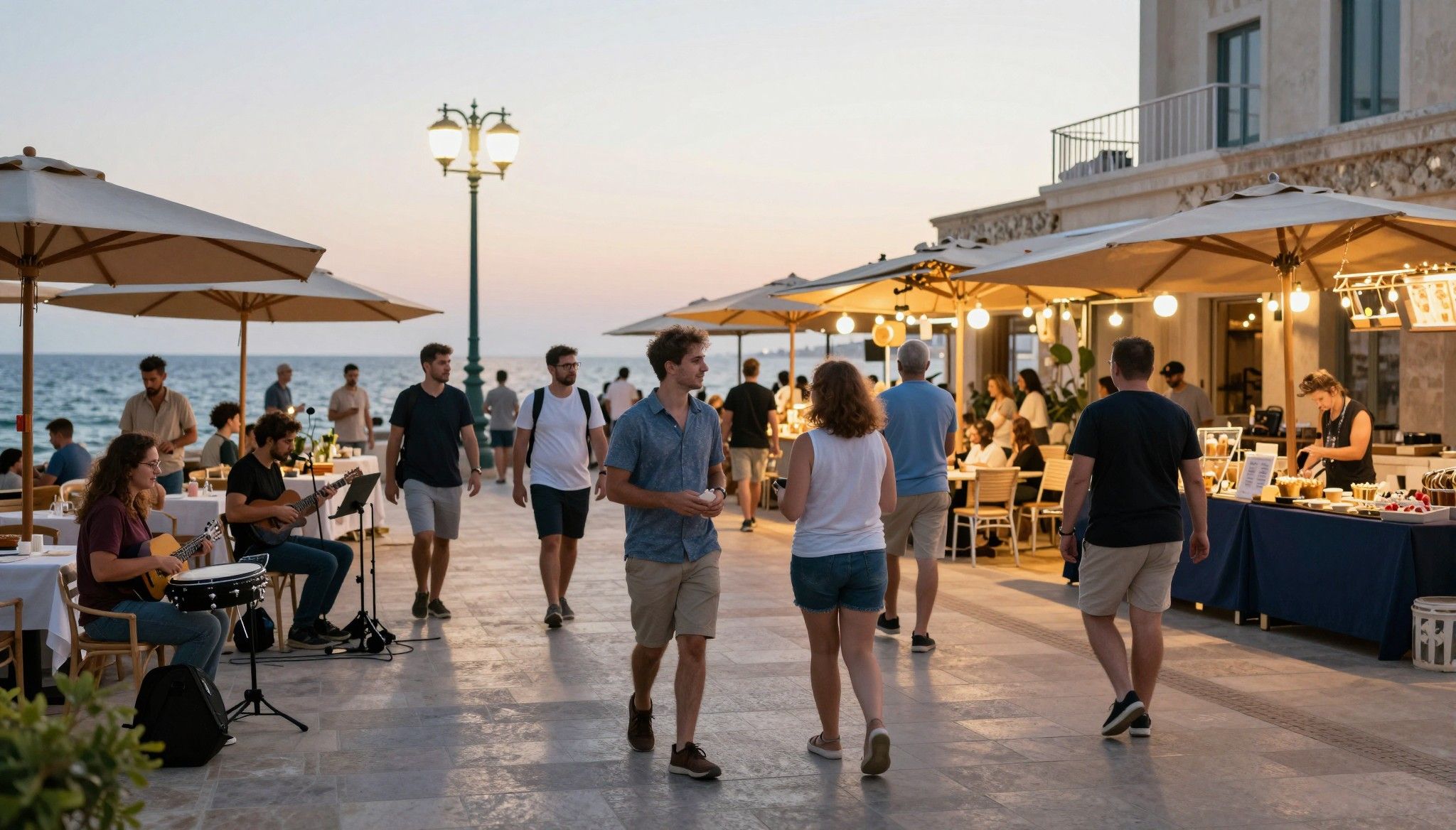
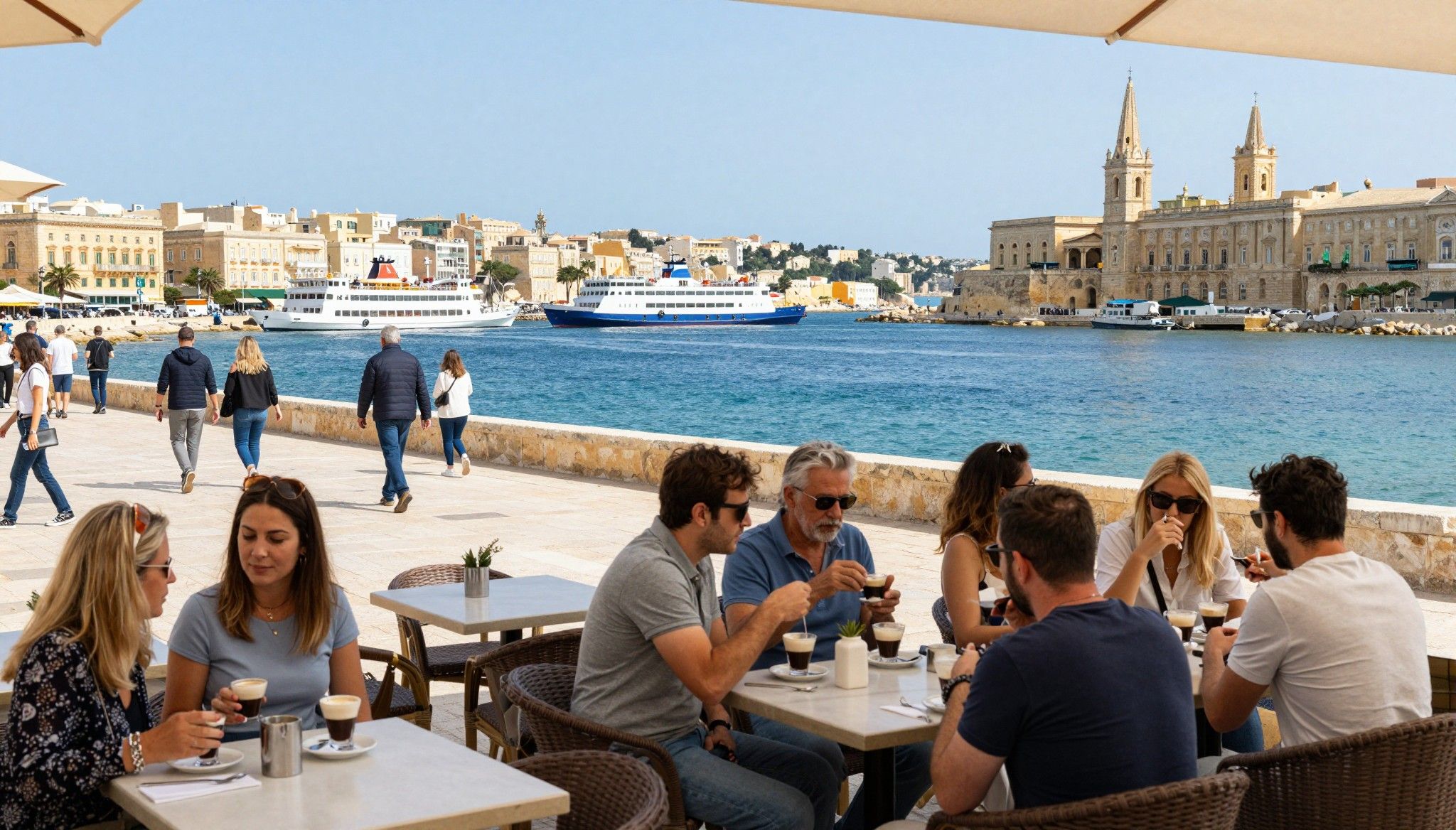
Imagine walking from a sun-warmed café on Limassol’s Molos promenade to a small, shady taverna in old Paphos within the same week. Cyprus moves at a measured Mediterranean pace—sea breezes, late lunches, and local festivals—but beneath that leisure is a market shaped by record tourism, selective foreign demand and clear regional winners. Recent market analysis shows price growth and brisk transactions in coastal hotspots, but the smartest buyers pair atmosphere with scenario planning to avoid seasonal illusions and future risk. This guide blends that lived-in feeling with practical forecasts so you can fall in love with life here and decide with confidence.
Living Cyprus: daily rhythms, flavours and neighbourhoods
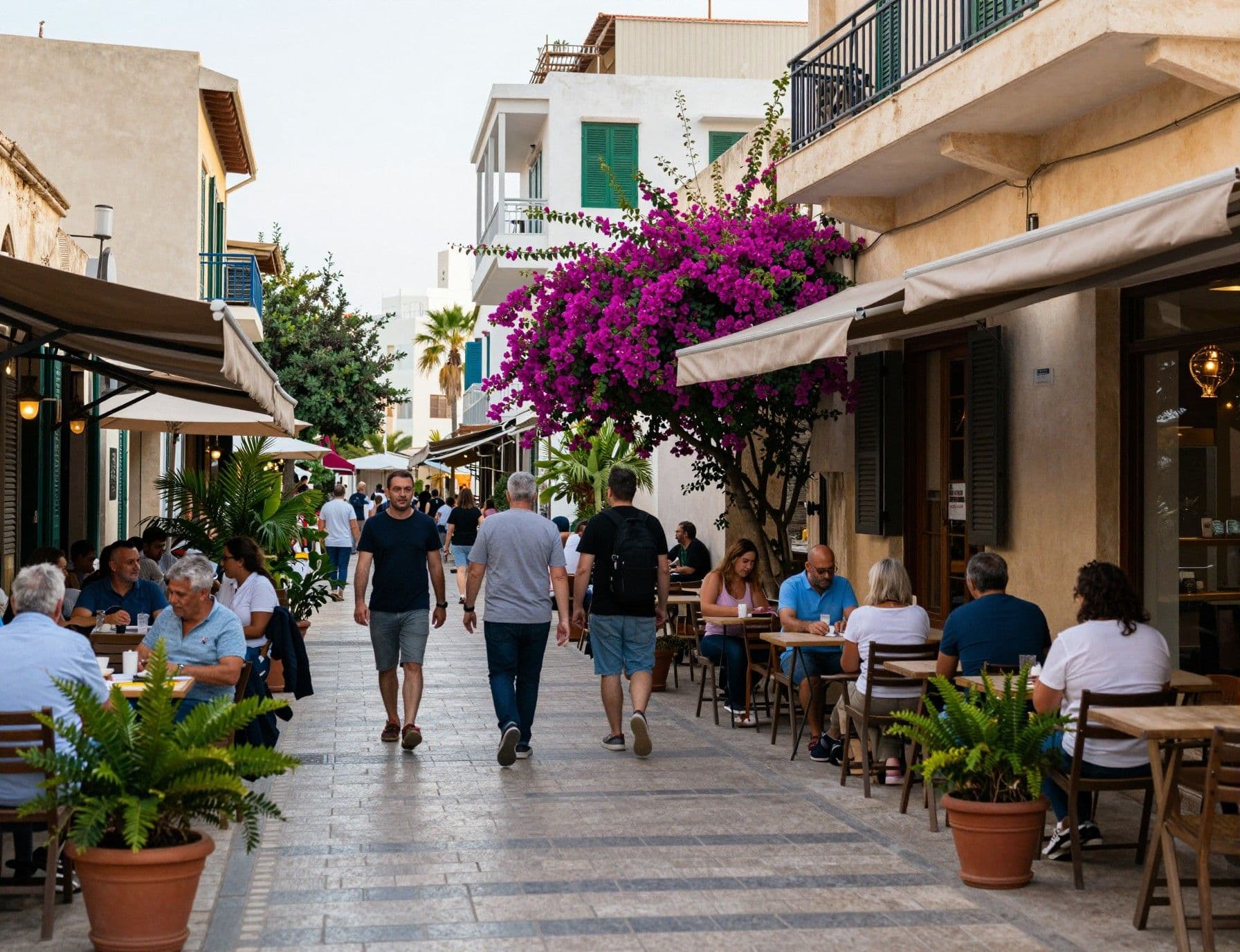
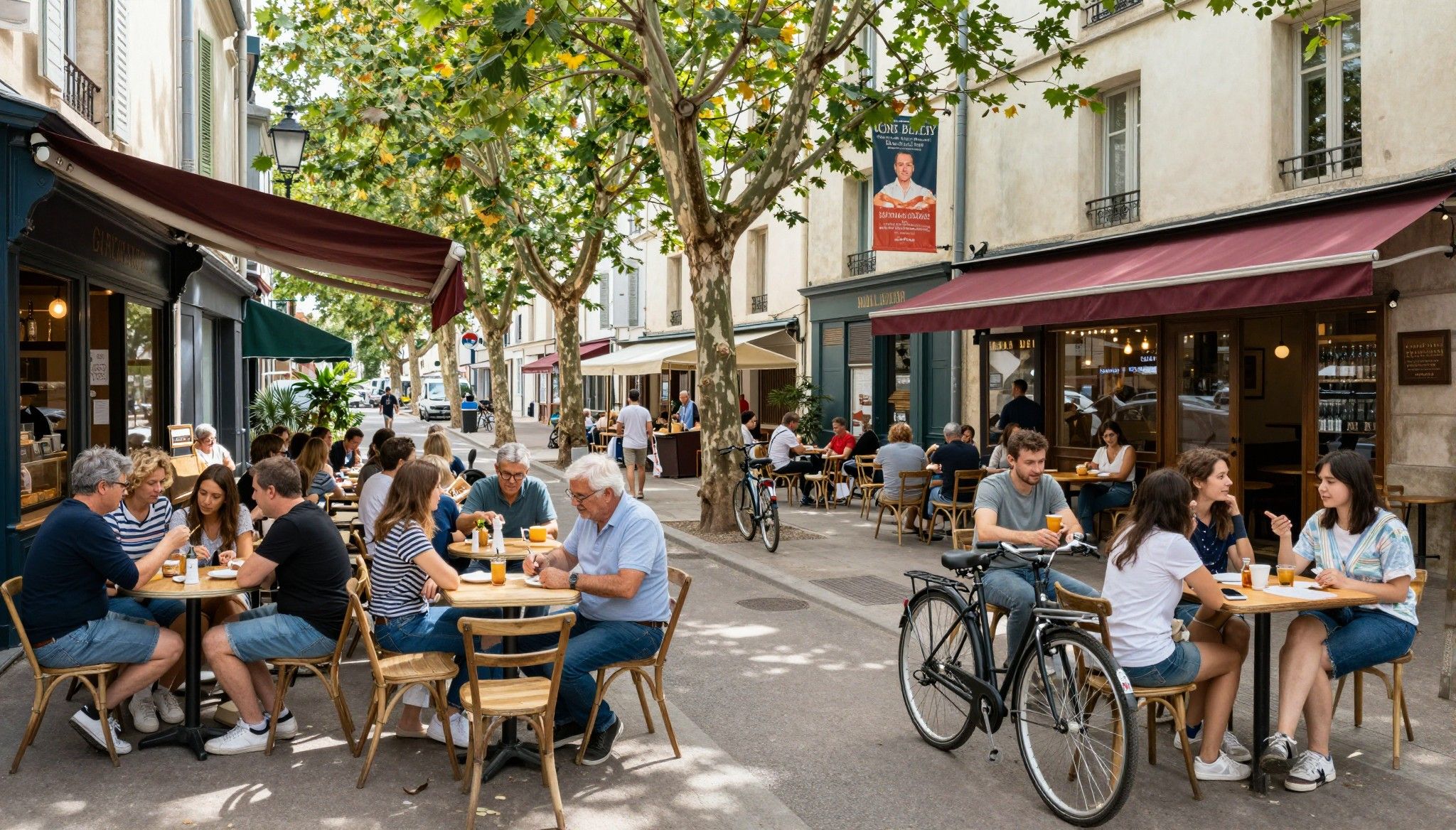
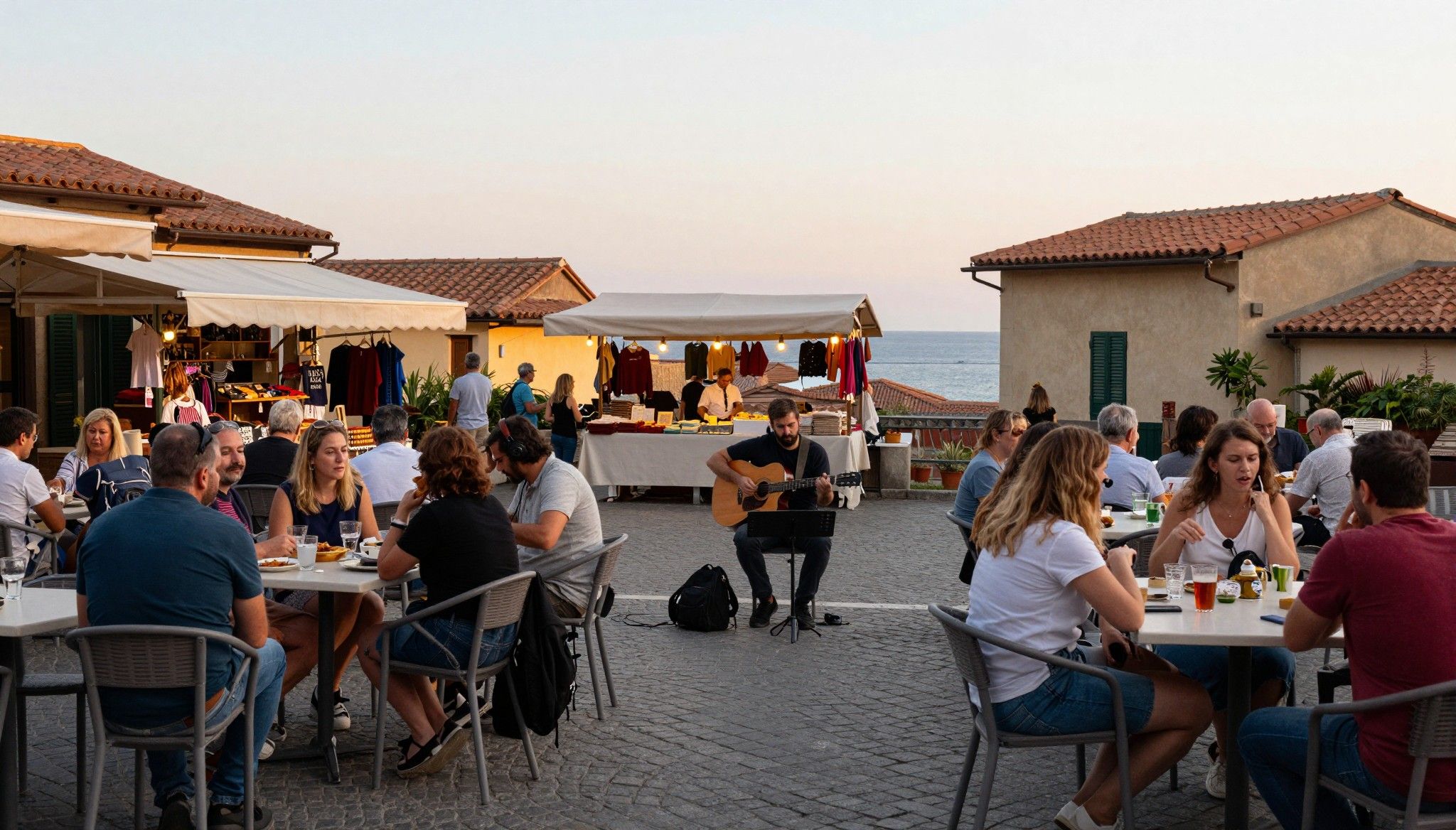
Cyprus is less an island of single identity and more a collection of neighbourhoods, each with its own tempo. Mornings in Limassol mean cafés filling with remote workers and families; Paphos mornings centre on promenades and archaeological walks; Larnaca hums with a quieter, local rhythm and easy access to the airport. Weather shapes life: winters are mild and green in the Troodos foothills, summers are long and dry along the coast, and property choices—terraces, shutters, and shaded courtyards—reflect that. Living here is sensory: citrus groves scent the air in spring, fish tavernas steam in summer heat, and weekday markets set the social calendar.
Limassol: coast, cafés and compact luxury
Limassol pairs a modern marina and international schools with dense older quarters where neighbours still know each other by name. Walk along Molos for morning coffee at Giorgos’ kiosk, then step into the old town for mezze at Ta Piatakia on Pasikratous Street. For buyers, Limassol offers new‑builds with concierge services and resale apartments by the sea; expect premium per-square-metre pricing but strong rental demand during high season. If you value a socially active expat community and short drives to amenities, Limassol often feels worth the premium.
Paphos & Larnaca: quieter charms, seasonal potential
Paphos draws history lovers and families to its archaeological zones and long promenade; Larnaca is increasingly attractive for buyers seeking convenience and lower entry prices near the airport. Tourism recovered and set records in 2024—over 4 million arrivals—boosting short‑term rental potential in coastal towns, though demand is concentrated in a few months. That seasonality matters: a seafront apartment can generate strong summer income, but long-term capital growth depends on broader municipal investment and year-round appeal. Check local occupancy trends and visitor origin (UK, Israel, Poland are large source markets) before assuming uniform cashflow across the island.
- Lifestyle highlights: Molos promenade coffee, Paphos archaeological walks, Larnaca Finikoudes beach strolls, Troodos village weekends, Akamas nature trails, local open‑air markets
Making the move: property types, seasons and practical trade-offs
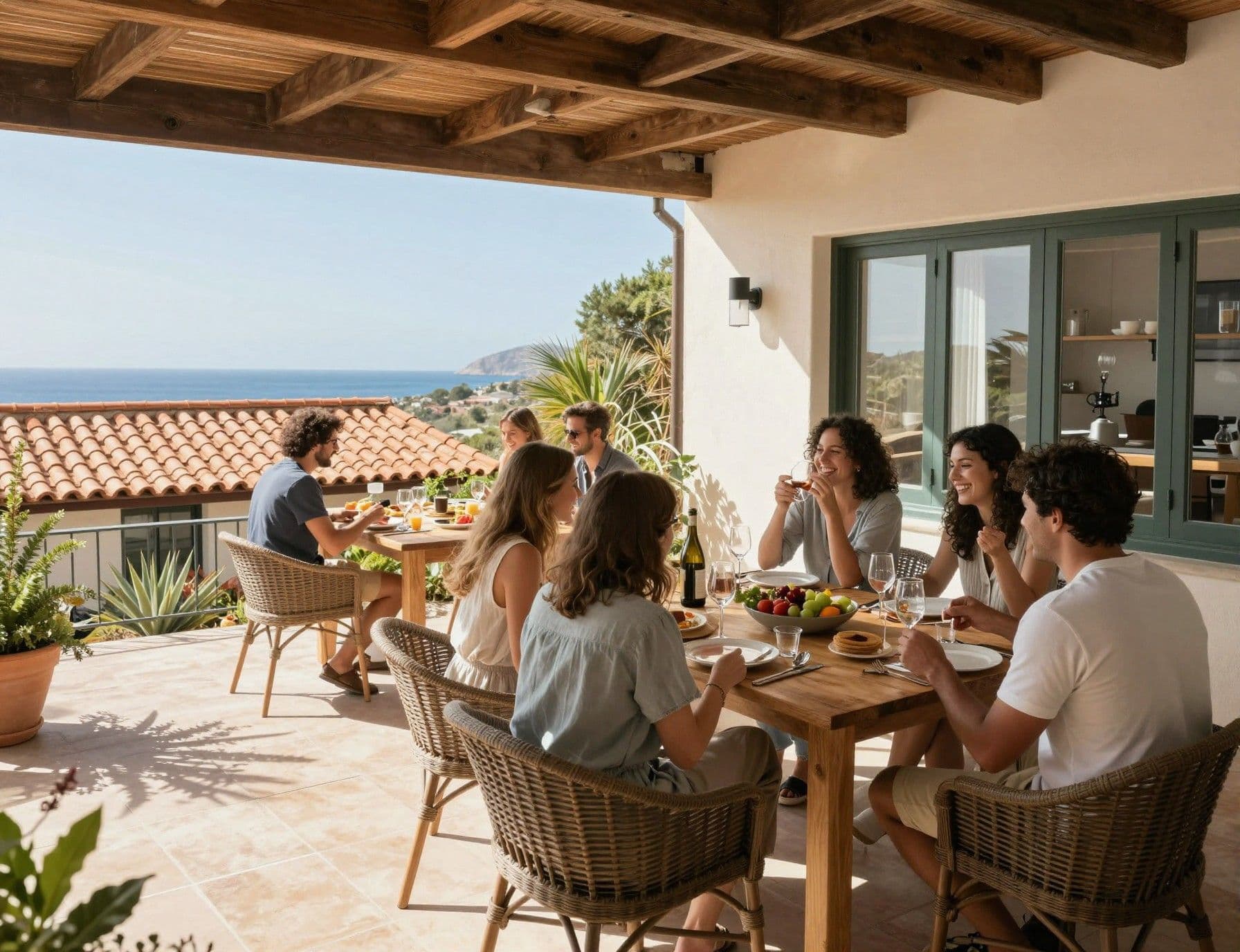
Fall in love with a lifestyle, then translate it into the right asset. The Central Bank’s recent residential price index shows continued island-wide growth, but that headline masks regional differences and a more selective market. New builds near marinas and large resorts command premiums, while village houses and suburban apartments still offer value if you accept a trade-off in immediacy of services. Timing matters: avoid house hunting during peak tourist months when every place looks busy—visit in spring or late autumn to assess everyday life.
Property styles and how they shape life
Seafront apartments offer low‑maintenance living and rental upside but narrower resale pools; villas deliver private outdoor life and resale flexibility but higher running costs. Traditional stone houses in villages give authenticity and cooler summer microclimates, yet often need renovation and local planning knowledge. Consider how you will actually use the property: weekly rental, seasonal visits, or full-time residence—each use case points to different neighbourhoods and building types. Match daily routines—coffee spots, schools, shops—with walking distances rather than scenic headlines.
Work with local experts who know the seasons
- 1. Ask agents for segmented data: occupancy by month, buyer nationality, and average yields rather than single annual figures. 2. Request recent transaction comparables within 500 metres and two years; coastal micro-markets can shift rapidly. 3. Demand clarity on running costs—water, communal fees and seasonal maintenance—especially for villas with pools. 4. Confirm planning status and any coastal set-back rules before offer stage to avoid surprise restrictions. 5. Build a scenario model: conservative rental yield, mid-case capital growth, and an adverse case with 12–18 months low occupancy.
Insider knowledge: myths, red flags and the long view
Cyprus’ romance—old towns, beaches, and warm weather—can blind buyers to small but important realities: stamp duty and local fees vary by transaction, municipal upgrades, water scarcity in summer, and developer reputations matter. A frequent myth is that every coastal location guarantees short-term rental income; in truth, demand concentrates around a handful of properties and proper management is necessary. Read developer track records, insist on clear warranties, and verify occupancy patterns rather than trusting promotional projections.
Cultural integration and everyday life
English is widely used in business and hospitality, which eases early transitions, but learning basic Greek opens doors to local networks and quieter neighbourhoods. Community life revolves around markets, church and municipal festivals—attending a village festival will introduce you to neighbours, bakeries, and local tradespeople more quickly than any property listing. Expect slower bureaucratic timelines and plan for them in your purchase schedule; patience here often yields better prices and friendlier relationships.
Longer-term scenarios buyers should model
- 1. Base case: steady tourism and 3–5% annual price growth in coastal hotspots. 2. Upside: improved infrastructure and rising business travel push shoulder-season occupancy and stronger yields. 3. Downside: prolonged regional travel disruption or over-supply of similar product leads to slower rental recovery and flat prices.
These scenarios matter because financing, insurance and management plans differ across them. Build conservative cashflow models, secure a reliable local property manager and ask sellers for real occupancy and maintenance records. Seasonality, source-market concentration (UK, Israel, Poland), and municipal investment are the three levers that will influence your asset’s performance over the next five years.
Quick due-diligence checklist before making an offer
- 1. Obtain recent title and encumbrance search from the Land Registry. 2. Verify building permits and occupancy certificate with the local municipality. 3. Request 24 months of actual rental/occupancy records if buying for investment. 4. Get quotes for communal fees, insurance and water in peak season. 5. Use a local notary and solicitor experienced in cross-border transactions.
Moving to Cyprus can feel like stepping into a slower, brighter rhythm of life. The island rewards buyers who pair that romance with disciplined scenario planning: check seasonality, verify developer history, and model conservative returns. Work with local agents who provide segmented data and manage expectations rather than sell headlines. If you want to talk specifics—neighbourhoods that match your rhythm, scenario templates or agent recommendations—we can assemble a short-list tailored to whether you want full-time life, a seasonal retreat or an income-producing coastal apartment.
Norwegian market analyst who relocated to Mallorca in 2020. Focuses on data-driven market insights and smooth relocation for international buyers.