Italy: Neighbourhood Rhythms That Should Shape Your Buy
Italy’s lifestyle-led property market pairs vivid neighbourhood rituals with regional price divergence; use ISTAT and local reports to match your dream to realistic value.
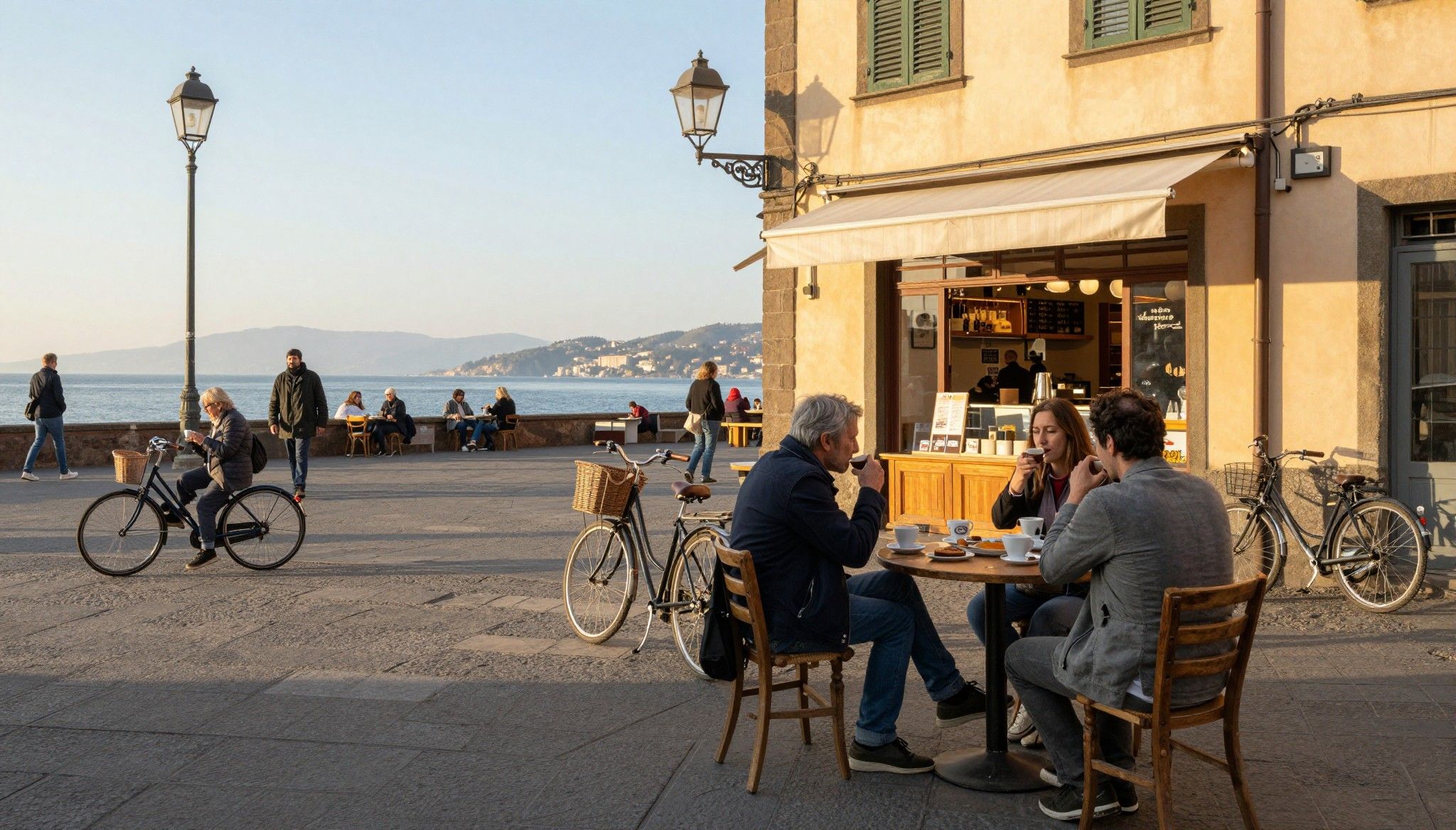
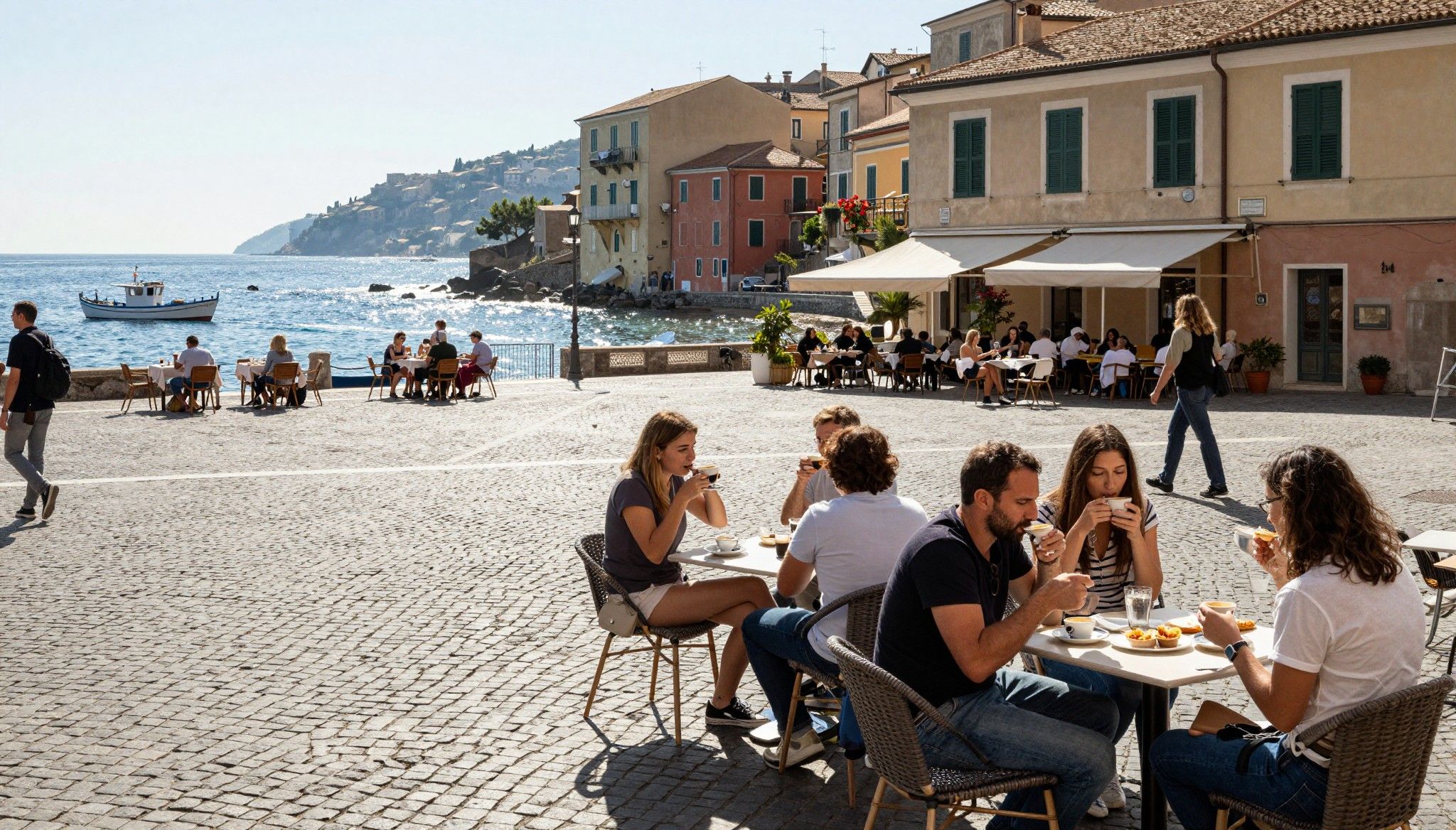
Imagine sipping an espresso at a sun-warmed table on Via del Governo Vecchio in Rome, then cycling past artisan bakeries to a piazza where neighbours still trade news — that everyday choreography is Italy. For international buyers the romance is immediate: layered history, food at the centre of life, and neighbourhoods that age like good books. But beneath the charm are measurable market rhythms — regional price gaps, seasonal demand, and legal details — that shape whether a purchase becomes a lifestyle fulfilment or an expensive lesson. This piece pairs lived-in scenes with current data so you can fall for Italy and buy with confidence.
Living the Italy lifestyle
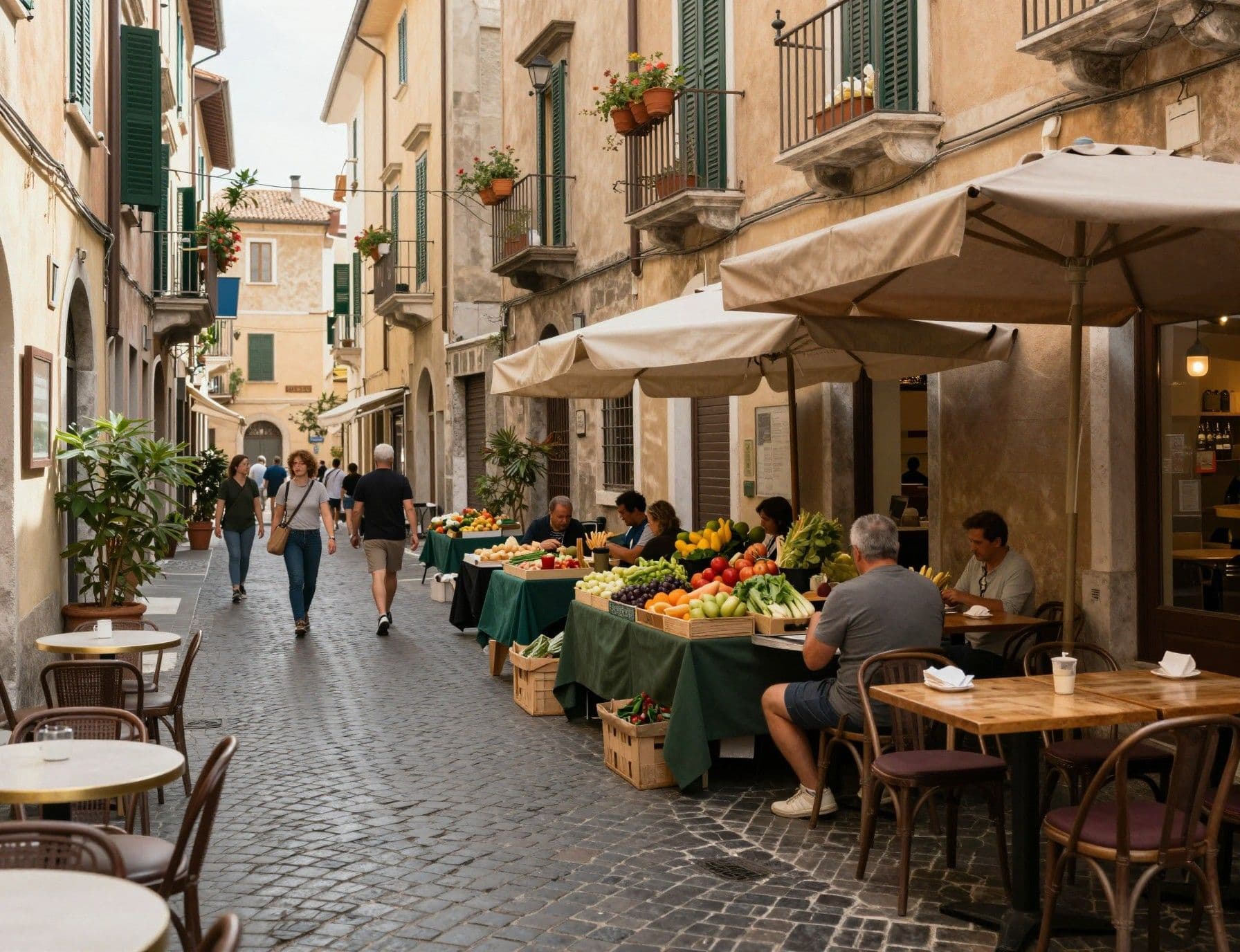
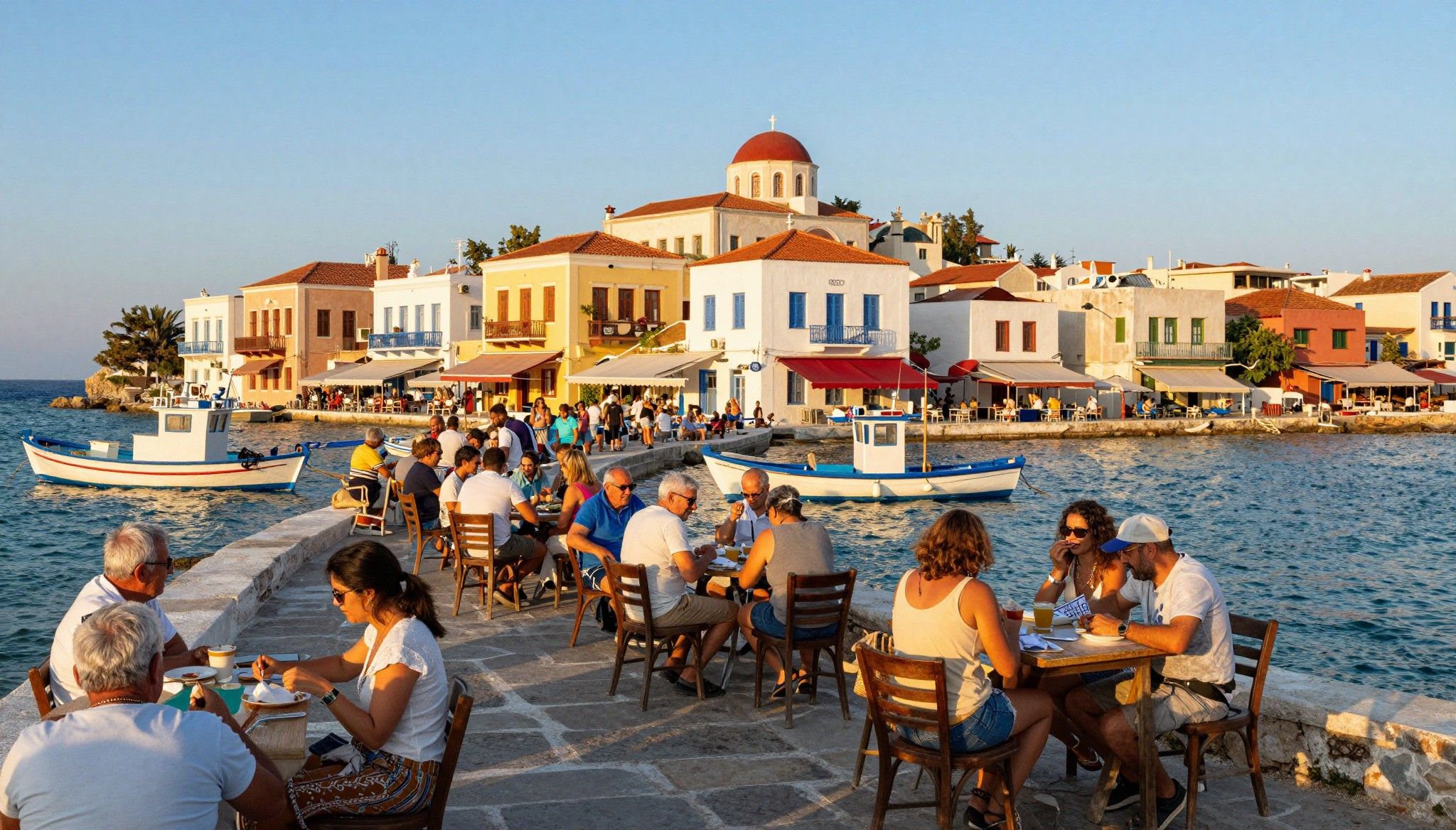
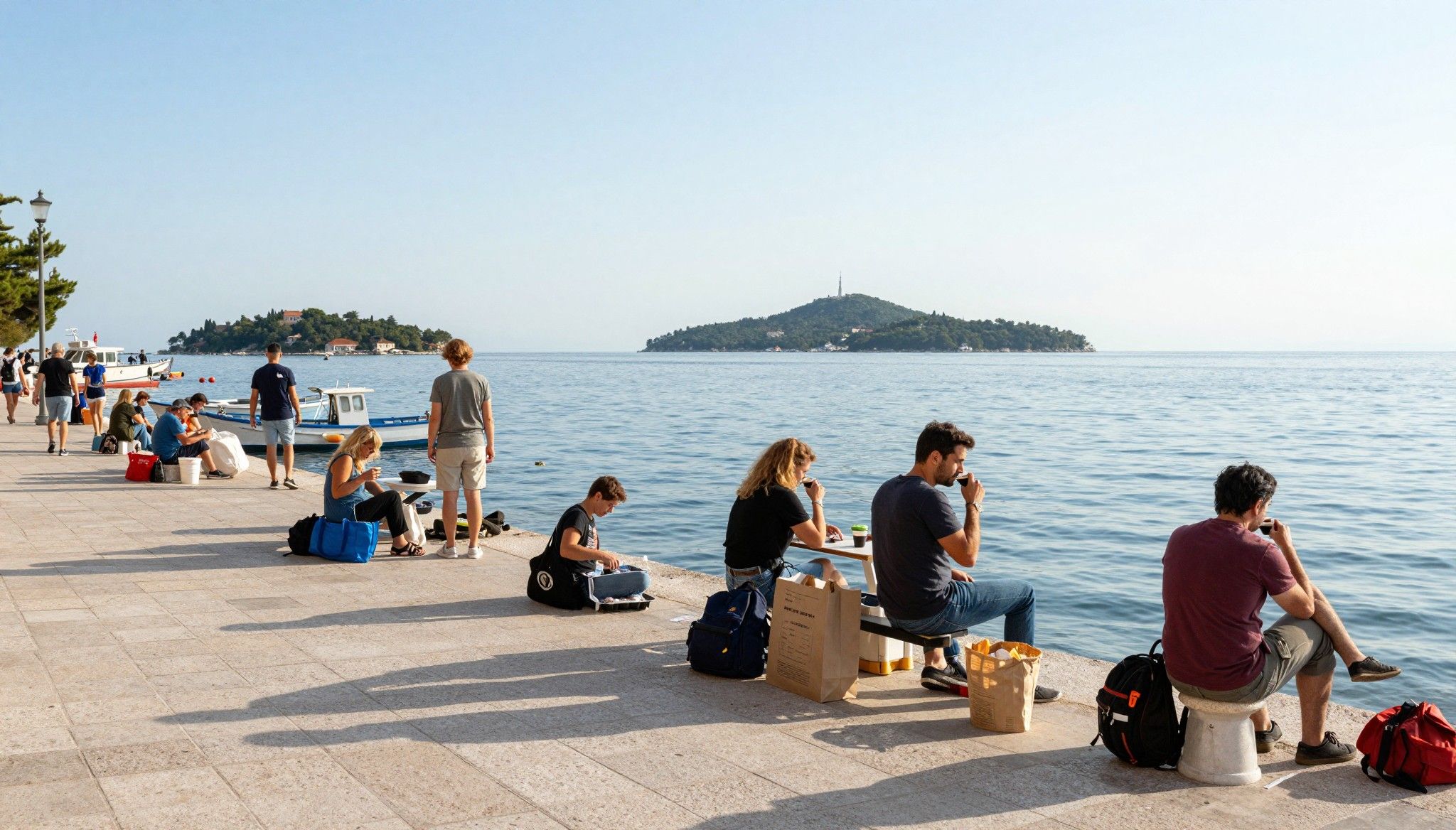
Italy’s everyday life is a series of small rituals: morning espresso, a weekday market run, late dinners that stretch past sunset. Cities offer layered options — compact historical cores, quiet residential ring streets, and adjacent green lungs — while coasts and islands trade busy summer months for reflective off-seasons. Recent reports show continued foreign appetite in regions such as Tuscany and coastal hotspots, which explains why lifestyle choices and market timing are inseparable considerations for buyers. (See regional demand trends from Knight Frank.)
Rome: alleys, aperitivi and varied property types
Picture Trastevere’s cobbled lanes at dusk — neighbours chatting across windows, trattorie filling the air with garlic and wine. Yet a ten-minute taxi ride brings you to the Prati boulevards and modern apartment blocks lining the Tiber. For buyers this means trade-offs: medieval charm versus modern conveniences, and variable maintenance costs when buying in an older palazzo.
Milan & Florence: design, work and countryside escapes
Milan pulses with design firms and finance jobs; apartments in Brera or Navigli deliver immediate urban energy but smaller footprints. Florence mixes Renaissance streets with easy access to villas in the surrounding Chianti hills. Recent market overviews note price resilience in these cities, driven by both domestic buyers and returning international demand. That resilience translates into stronger competition but also clearer liquidity for the right property types.
- Lifestyle highlights: markets, beaches and secret corners
- Open-air markets: Campo de' Fiori (Rome), Mercato Centrale (Florence), Mercato di Sant’Ambrogio (Milan)
- Coastal escapes: Amalfi Coast coves, Ligurian villages of Cinque Terre, Puglia’s Polignano a Mare beaches
- Hidden gems: Oltrarno workshops (Florence), Testaccio food stalls (Rome), Isola’s café culture (Milan)
Making the move: practical considerations
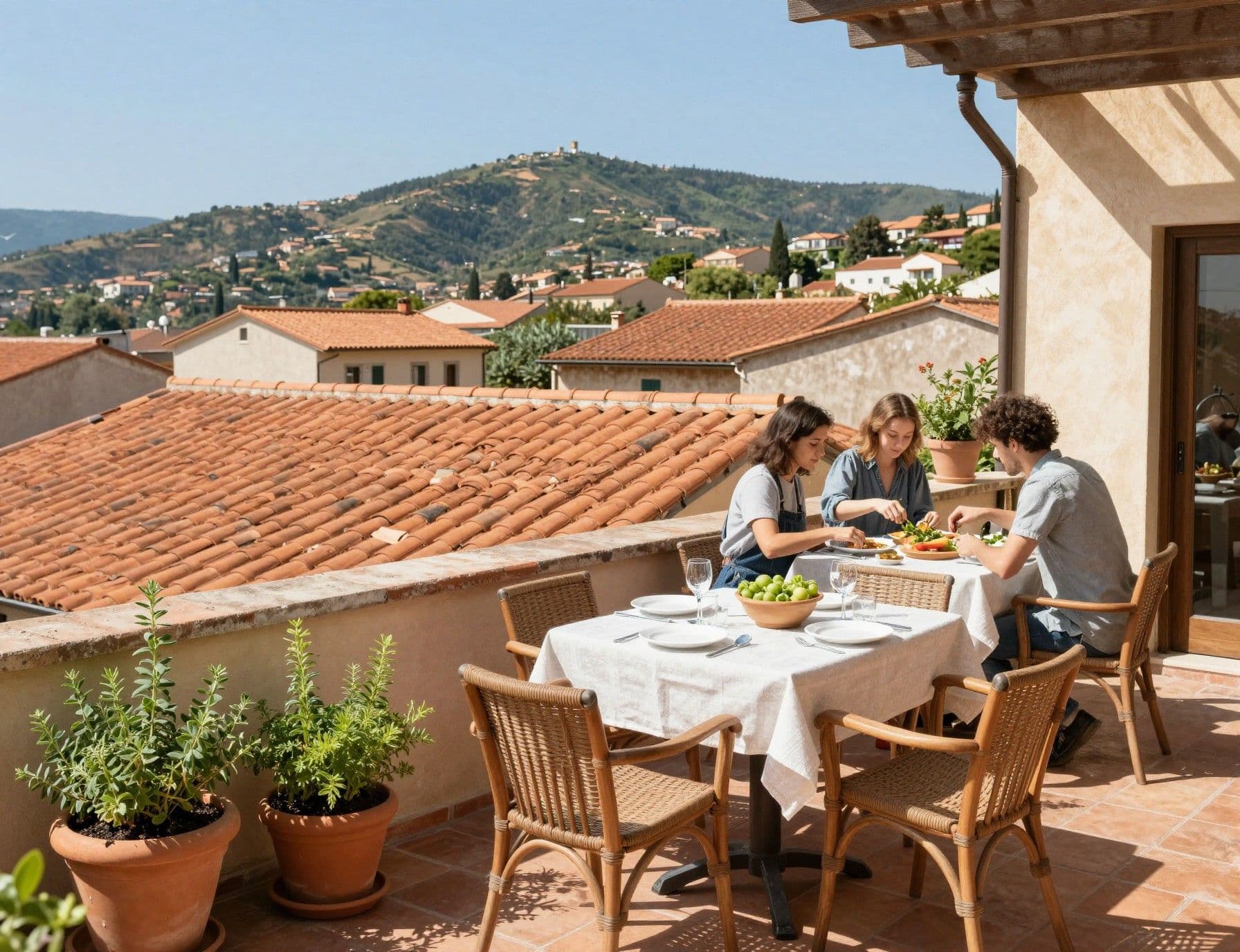
Romance meets regulation: before you fall wholly for an apartment with shutters and a view, calibrate lifestyle choices against price trends and transaction dynamics. ISTAT and sector reports show house-price growth is heterogeneous across regions, so what looks like value in one province can be average in another. Use official indices and recent market reports to benchmark asking prices against local averages and to set realistic renovation and running-cost expectations.
Property styles and how you’ll live in them
A medieval flat’s thick stone walls keep summer cool but often lack insulation; a modern condominium near Porta Romana offers central heating, elevators and secure parking. Think beyond surface beauty: ceiling height, noise levels, access to green space, and whether the layout supports remote work or regular entertaining. These features determine your day-to-day comfort and the property’s rental appeal if you plan to let it intermittently.
Work with agencies who scout lifestyle fit
Local agents do more than show keys; the best act as lifestyle translators — matching morning routines, school routes, and social habits to the right streets. Seek agencies with strong local track records, multi-language capability, and demonstrable knowledge of seasonal life (how a coastal town quiets down in winter, or how historic centre maintenance works). Their insight reduces search time and prevents common mismatches between expectation and daily reality.
- Practical-lifestyle checklist when assessing properties
- Confirm utility logistics: broadband speed, heating type, and energy performance certificate
- Ask about seasonal running costs: condo fees, winter heating, and municipal taxes that vary by region
- Check neighbourhood rhythms: morning market days, nightlife windows, and weekday traffic patterns
- Validate rental potential if needed: tourist season length, local short‑let rules, and occupancy averages
Insider knowledge: what expats wish they’d known
From renovation surprises to seasonal town rhythms, expats often say the same two things: embrace the slow pace of bureaucracy and love the street life. Data-backed reports show a recovery in transactions and continued foreign interest, but insiders stress that integration — learning local rhythms, joining community associations, and using a trusted local notary — makes the purchase truly rewarding.
Language and social customs that affect daily life
A little Italian goes a long way: shopkeepers, couriers and neighbours respond warmly when you try the language. Church festivals, local patron saint days and weekly markets shape when shops open and when streets are full — these rhythms also affect property viewings, tradespeople availability and renovation timelines.
Long-term lifestyle sustainability
Think five years ahead: will you want a home closer to health services, schools, or nightlife? Are you buying an asset that can adapt to family growth or aging in place? Regions with steady demand, documented price stability and infrastructure investment are likelier to keep life comfortable and resale straightforward.
- Red flags locals warn about
- Unusually low asking price in a historic centre without clear renovation paperwork
- Properties with shared courtyard access but unclear maintenance agreements
- Buy-to-let pitches that ignore local short‑let regulations and tourist tax implications
Conclusion: live the life, measure the math
Italy offers a compelling lifestyle that rewards curiosity and patience. Use official indices (ISTAT) and regional reports to set financial expectations, work with agencies that understand both your lifestyle and the paperwork, and prioritise neighbourhood rhythms over single-view headlines. Book viewings around real days in the neighbourhood — a weekday market, a Sunday aperitivo — and you’ll see past the brochure into the life you’ll actually live.
Dutch investment strategist with a Portugal-Spain portfolio. Expert in cross-border financing, rights, and streamlined due diligence for international buyers.