Malta: Buy the Life, Not the Postcard
Malta’s compact, lived-in lifestyle drives property value — prioritise day-to-day fit over postcard views and use official RPPI data to time decisions.
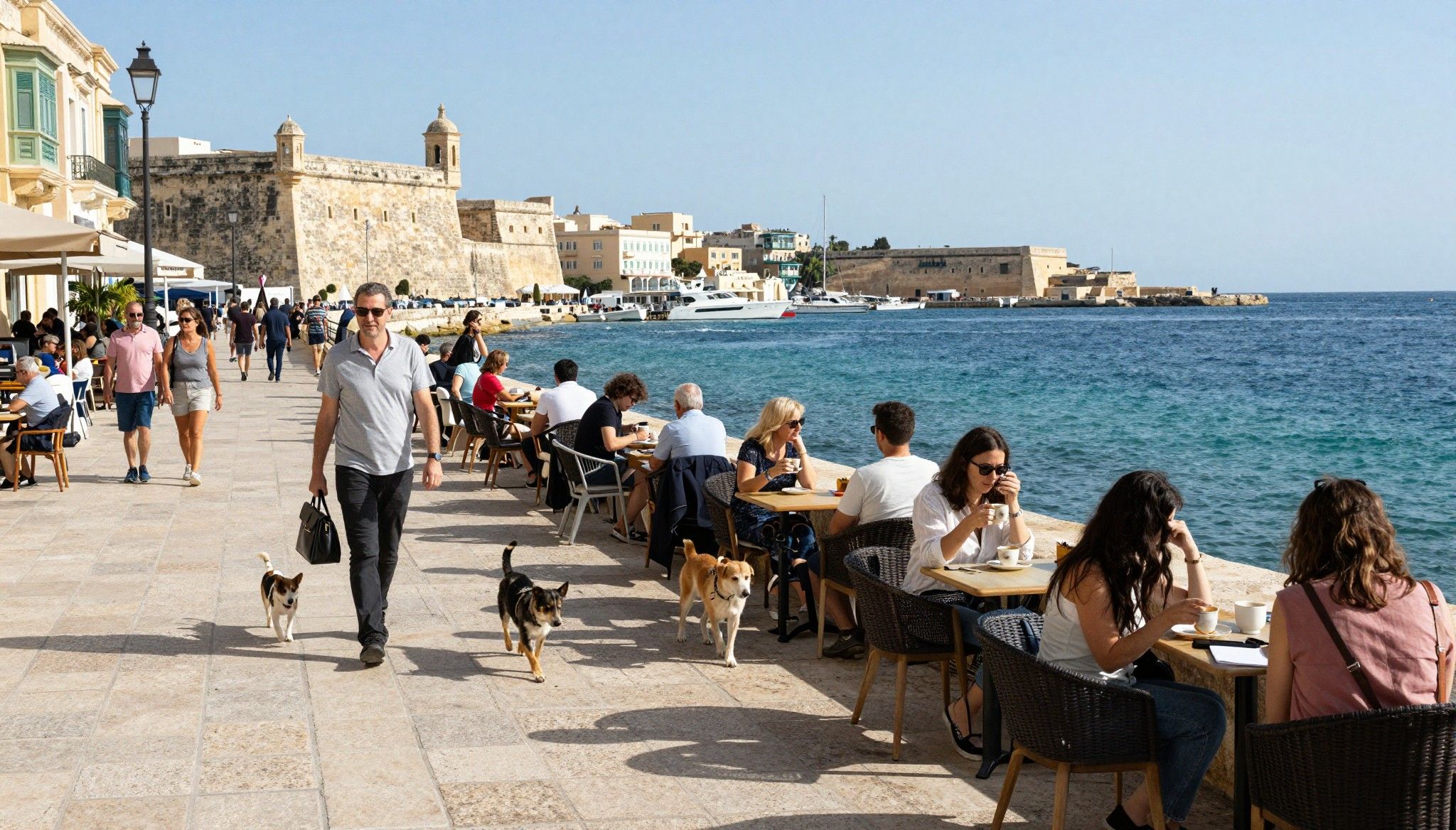
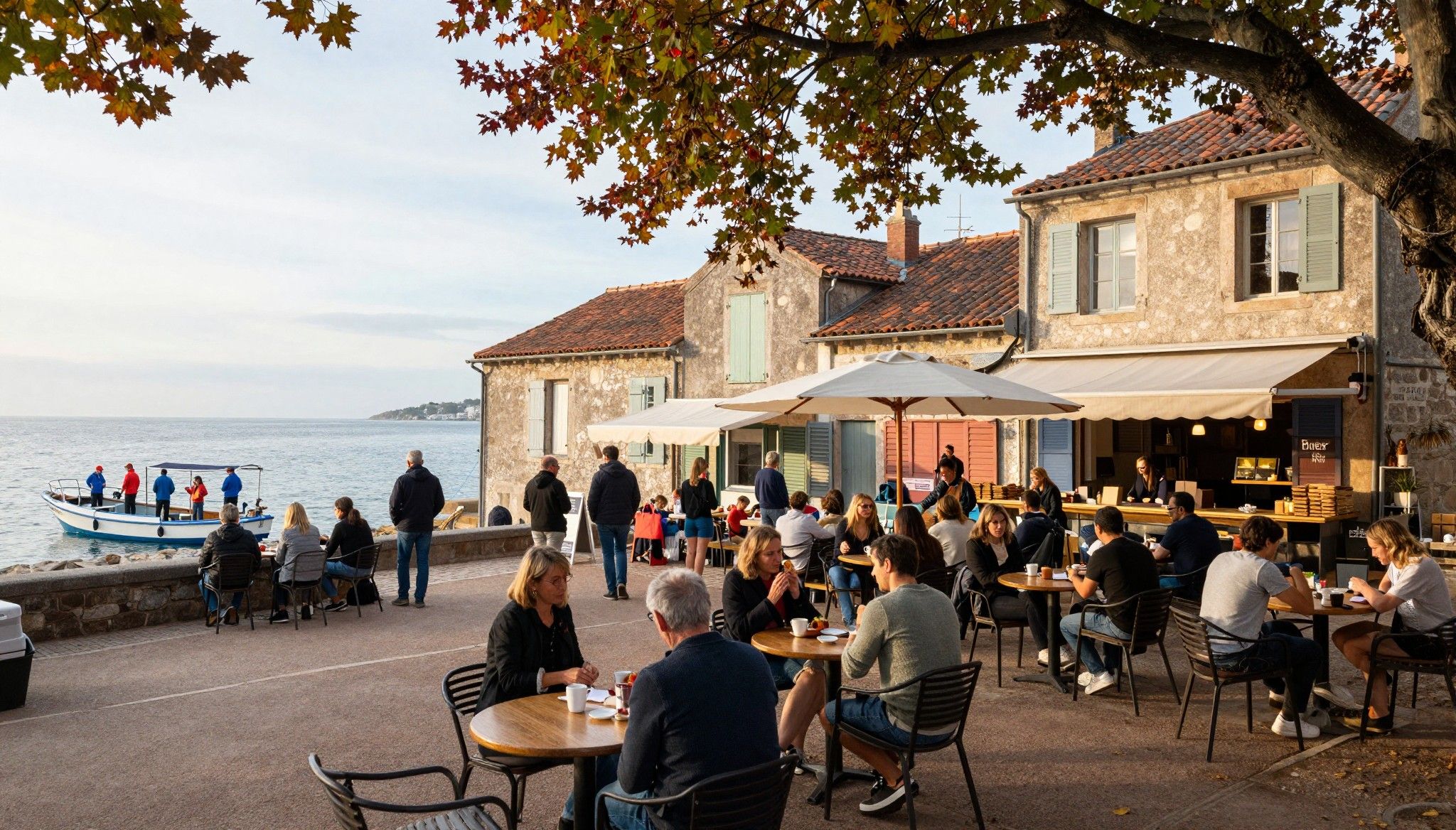
Imagine stepping out at 08:30 to buy bread in Marsaxlokk, the salt air mixing with frying oil from a pastizzi stand, while a neighbouring cafe switches on a cezve for freshly brewed coffee. In Malta daily life folds historic stone streets, tight-knit neighbourhood cafes and postcard bays into a compact rhythm: errands, social time, and the sea never feel far. For buyers from abroad that compressed, lived-in quality is the island’s magnet — but it also shapes how you search, negotiate and live. Below we show why Malta’s lifestyle and market often contradict assumptions, and how to lean into what actually matters when investing.
Living Malta: the compact life that feels larger
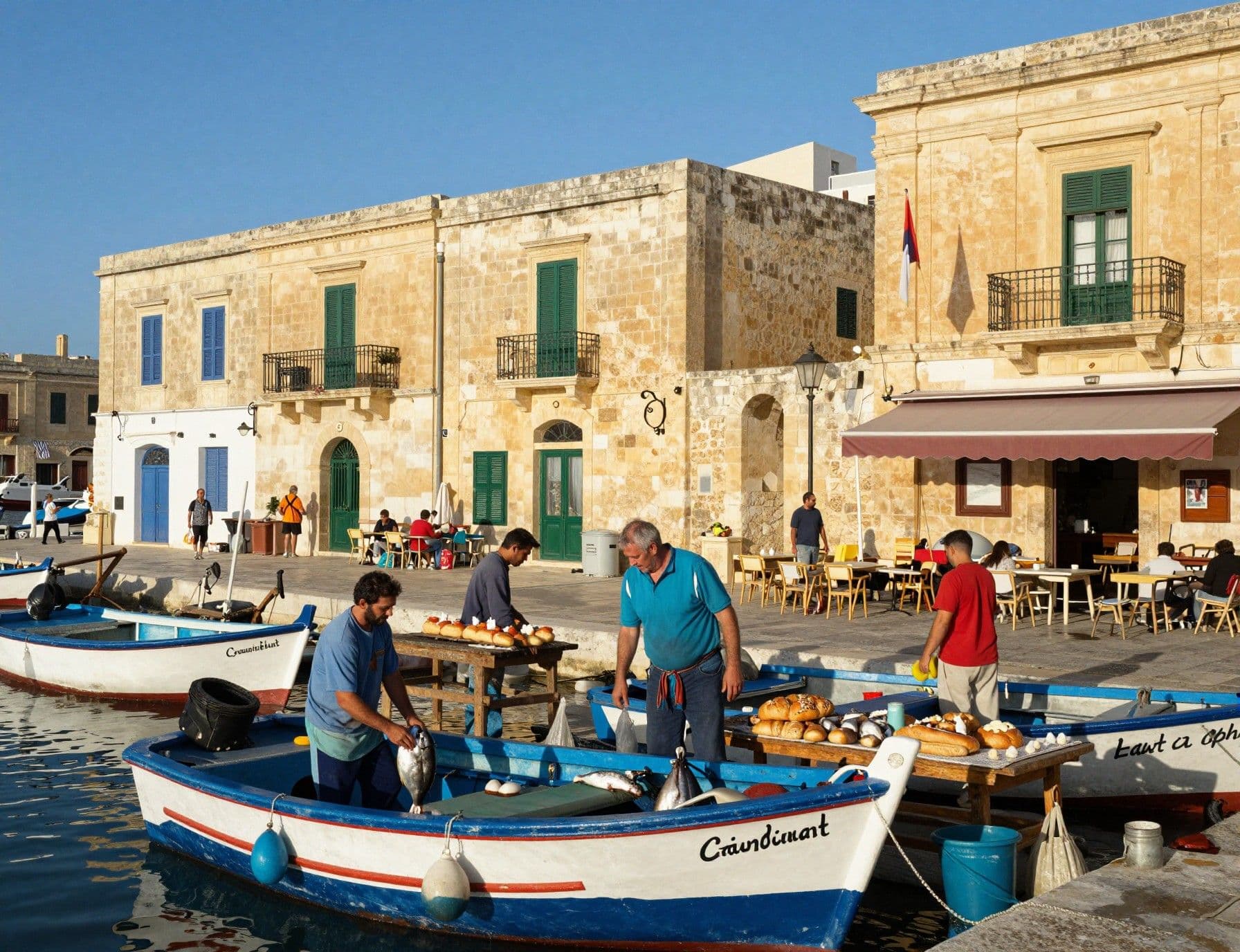
Malta’s island scale means neighbourhood character arrives quickly: a ten-minute walk can take you from quiet terraced streets to a harbour-side bar. Light plays differently on limestone facades and summer evenings are dominated by open-air conversation; winter calms around cosy trattorias and local festas. These everyday details influence property choice — a small terrace in Sliema or a maisonette in Mdina deliver very different daily experiences despite similar price tags. Recent official figures show steady price growth, reminding buyers that lifestyle value and market momentum often move together.
Neighbourhood spotlight — Sliema, St Julian’s, Valletta
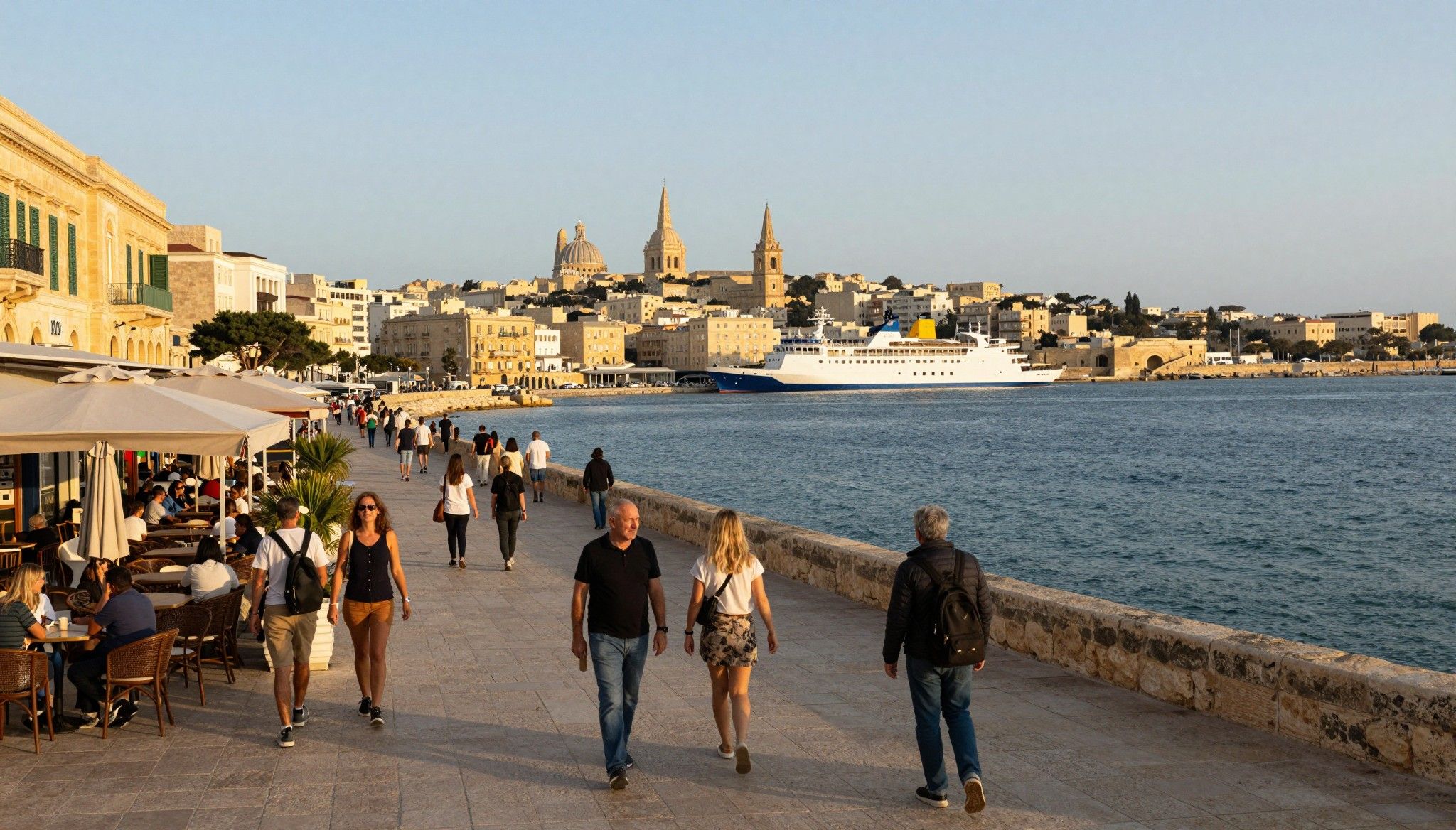
Sliema and St Julian’s are where seaside promenade living meets cafés open from dawn: expect livelier streets, higher rents and a fast-turnover buyer pool. Valletta is compact, ceremonial and quieter at night, prized by those who want history at their doorstep and smaller, characterful units. Each area trades off privacy, yield potential and daily convenience — and official RPPI data confirms neighbourhoods near coastlines and services have seen disproportionately strong price growth in recent quarters.
Food, markets and weekend life
Weekends here unfold from fish markets in Marsaxlokk to farmer stalls in Għargħur and tapas-style dining in St Julian’s. The island’s culinary life is intimate: chefs and restaurateurs tend to cluster in particular streets, and those micro-clusters often prefigure residential demand. For buyers imagining long-term integration, these patterns matter — proximity to your preferred market or café can determine whether a property feels like home from day one.
- Morning espresso at Café Cordina (Valletta); Sunday fish market at Marsaxlokk; Coastal walks from Sliema promenade to Tigné; Festa nights in small village squares; Sunset swims at Għajn Tuffieħa.
Making the move: practical choices that preserve lifestyle
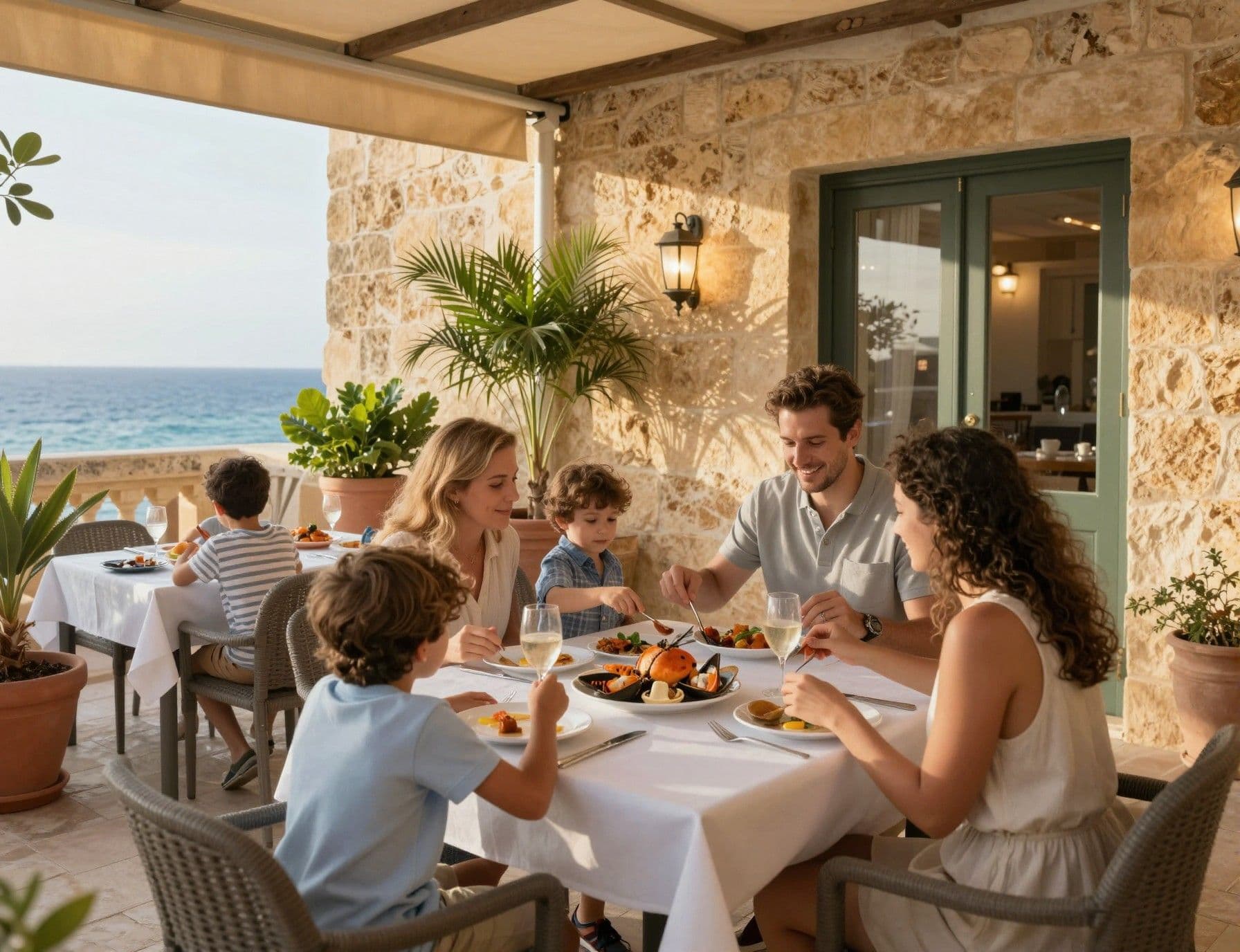
The romance of Malta can tempt buyers to prioritise sea views over day-to-day convenience — but the island’s limited land supply and rising transaction values mean practical decisions pay off. Work out whether you want immediate lifestyle (walkable cafés, beaches) or longer-term upside (areas targeted for regeneration). Data from central statistical authorities and market reports show steady price rises; combining that with lifestyle mapping helps you pick a property that works both emotionally and financially.
Property styles & how they shape daily life
Townhouses and 'houses of character' offer generous indoor space and private courtyards but require maintenance and restoration know-how. Modern apartments near the promenade are low-effort and rent well to professionals and tourists, while maisonettes offer a middle-ground for bi-seasonal living. Think practically: storage, insulation, shutters for summer heat, and whether a rooftop or balcony is usable year-round — these features directly affect how 'Malta life' will feel every day.
Working with local experts who understand the life you want
A local agent fluent in neighbourhood rhythms is worth their weight in saved hours: they know which streets go quiet after festa season, which blocks attract long-term locals and which developments market themselves to short-stay lettings. Use agencies to test-fit lifestyle priorities — ask them for day-in-the-life walkthroughs, not just floorplans. Also confirm that the agency provides references for neighborhood experiences (current residents, local cafés, concierge services) before committing.
- Walk the lifestyle checklist: 1) Visit morning and evening to gauge noise and atmosphere; 2) Check local transport and ferry links if you’ll commute; 3) Inspect storage, air-conditioning and rooftop access; 4) Ask about rental interest if you plan to let seasonally; 5) Request a list of recent comparable sales from the agent.
Insider knowledge: what expats wish they’d known
Expat owners often say the surprise wasn’t the market but the social texture: neighbours who keep late hours, festas that close streets for a day, and the frequency of short-term rentals next door. These social realities shape both living comfort and rental economics. Market statistics show consistent price upticks, but the micro-level social environment determines whether a purchase feels like a wise investment or a lifestyle compromise.
Language, community and daily integration
English is an official language and a practical bridge to integration — but local social networks form around village clubs, clubs for boat owners and church festas. Joining local groups (volunteer beach clean-ups, cooking classes, language tandems) accelerates integration and helps you spot property issues before formal inspections. Also be aware of policy shifts: recent scrutiny of residency and citizenship schemes has changed the investment landscape, so ask your advisors for up-to-date regulatory advice.
Long-term lifestyle and what to expect
Over five to ten years, buyers who match lifestyle to property type tend to report higher satisfaction than those chasing speculative returns. Expect incremental value from improvements that support everyday life — better ventilation, shaded outdoor space, secure storage — rather than only cosmetic upgrades. Use market reports to time your move, but prioritise the daily rhythms: if you’ll live there half the year, design the home for those exact months.
- Quick practical tips: 1) Verify final deed prices vs advertised figures with the NSO; 2) Prioritise walkability over view if community matters; 3) Budget for limestone maintenance and summer cooling; 4) Confirm short‑term rental rules locally before buying.
Conclusion — Malta rewards buyers who buy the life, not the brochure. Start with the everyday scenes you crave — which café, which market, which walk — then map those to neighbourhoods and property types. Work with a local agent who tests lifestyle fit as methodically as they check titles and comparables. When lifestyle and diligence align, Malta’s compact scale turns an island purchase into a sustained, lived-in reward.
Swedish strategist who relocated to Marbella in 2018. Specializes in legal navigation and tax planning for Scandinavian buyers.