Italy: Streets, Sea and Smart Buying
Italy’s daily rhythms — city cafés, coastal afternoons and hilltop markets — shape smarter property choices; recent ISTAT data shows modest price growth and rising foreign demand.
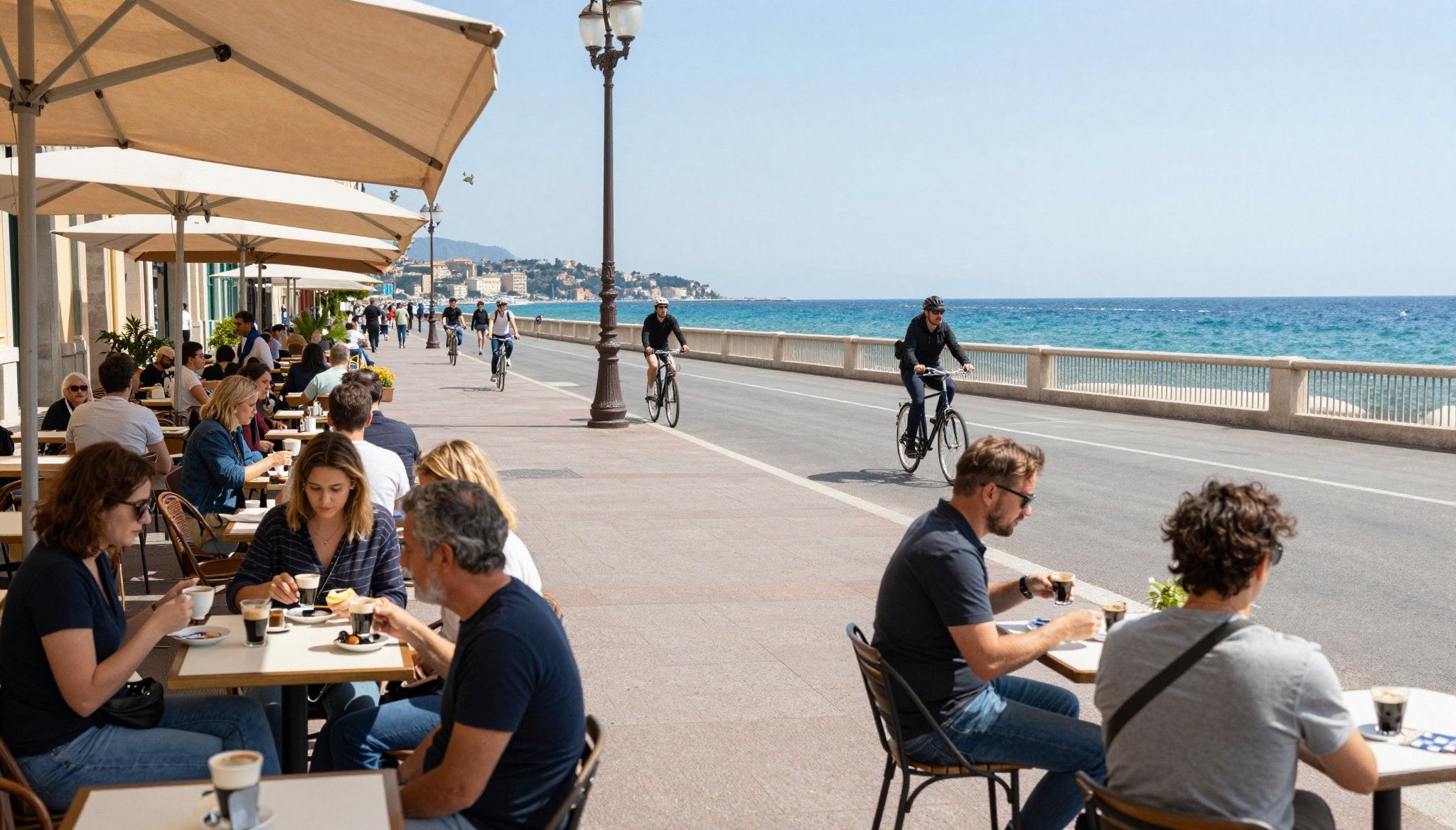
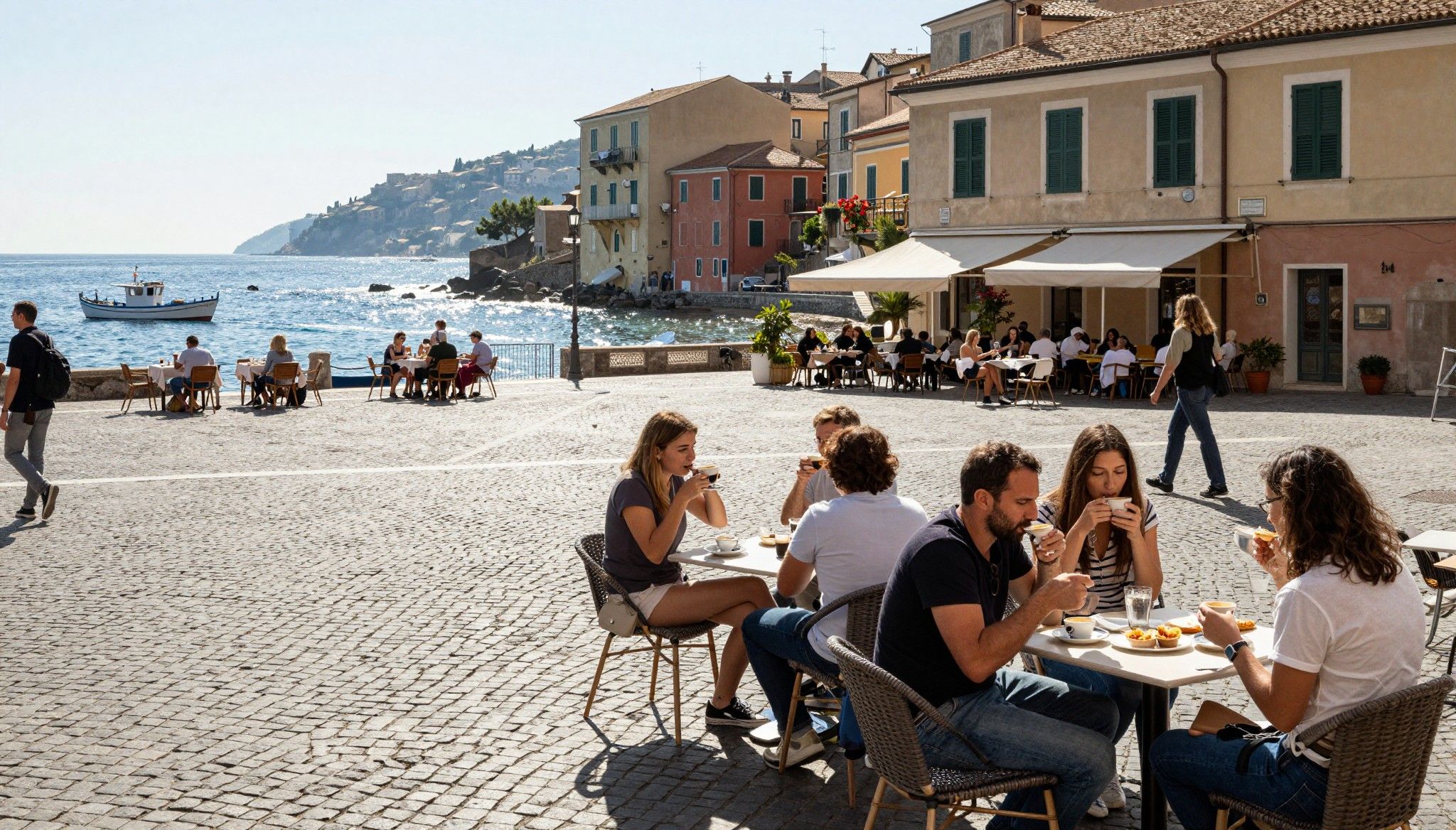
Imagine sipping an espresso on a narrow street in Trastevere, then, two hours later, driving through olive groves toward a sunlit hilltop hamlet where local kids still play soccer in the piazza. Italy offers weekday rhythms that move between precise city rituals and slow countryside time — life lived through markets, cafés, seasonal festivals and long dinners. That lived-in texture is the reason many international buyers choose Italy: it’s not only architecture and views, it’s the daily choreography of life. But fantasy and paperwork meet; understanding recent market shifts and practical steps makes that dream a durable decision.
Living the Italy lifestyle
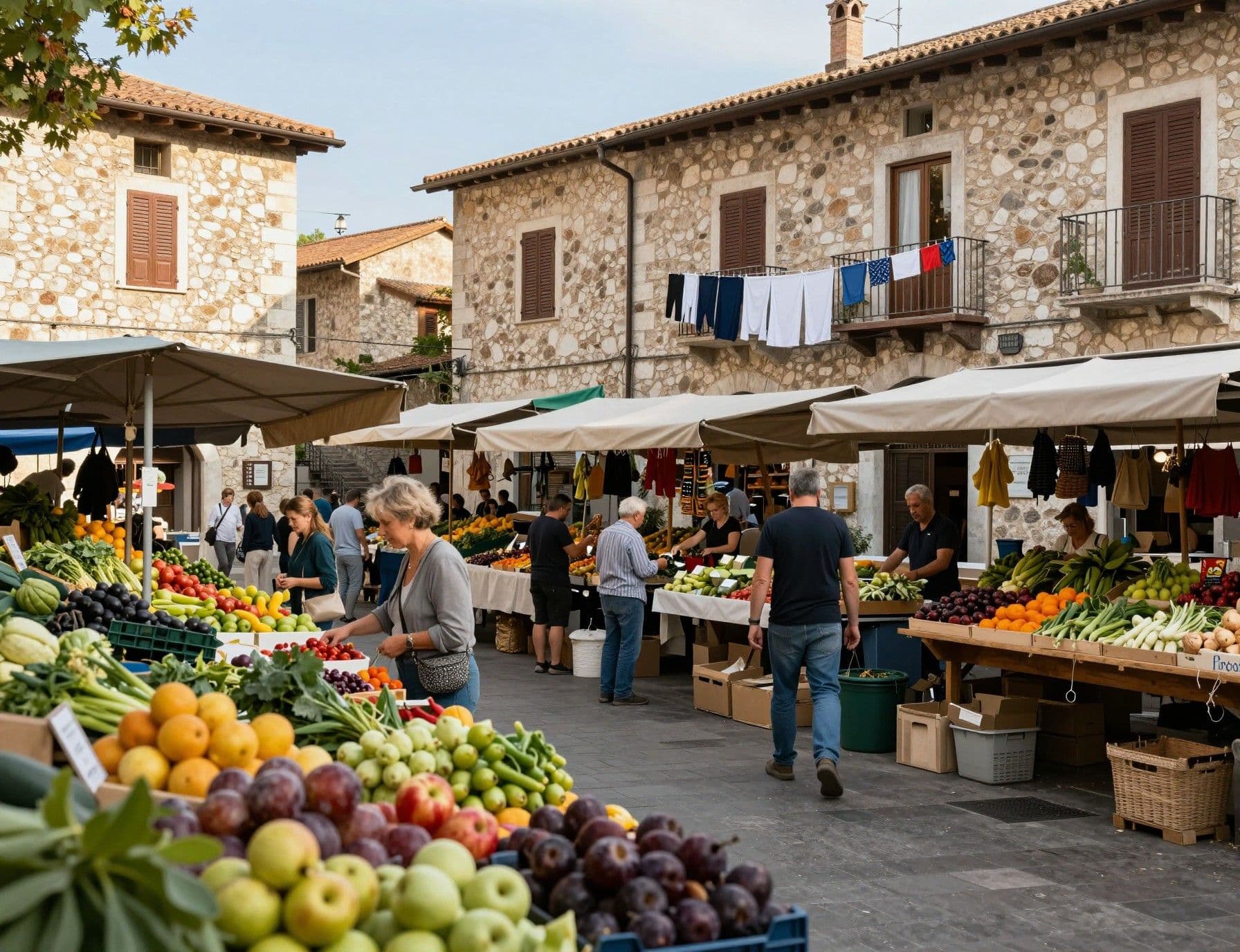
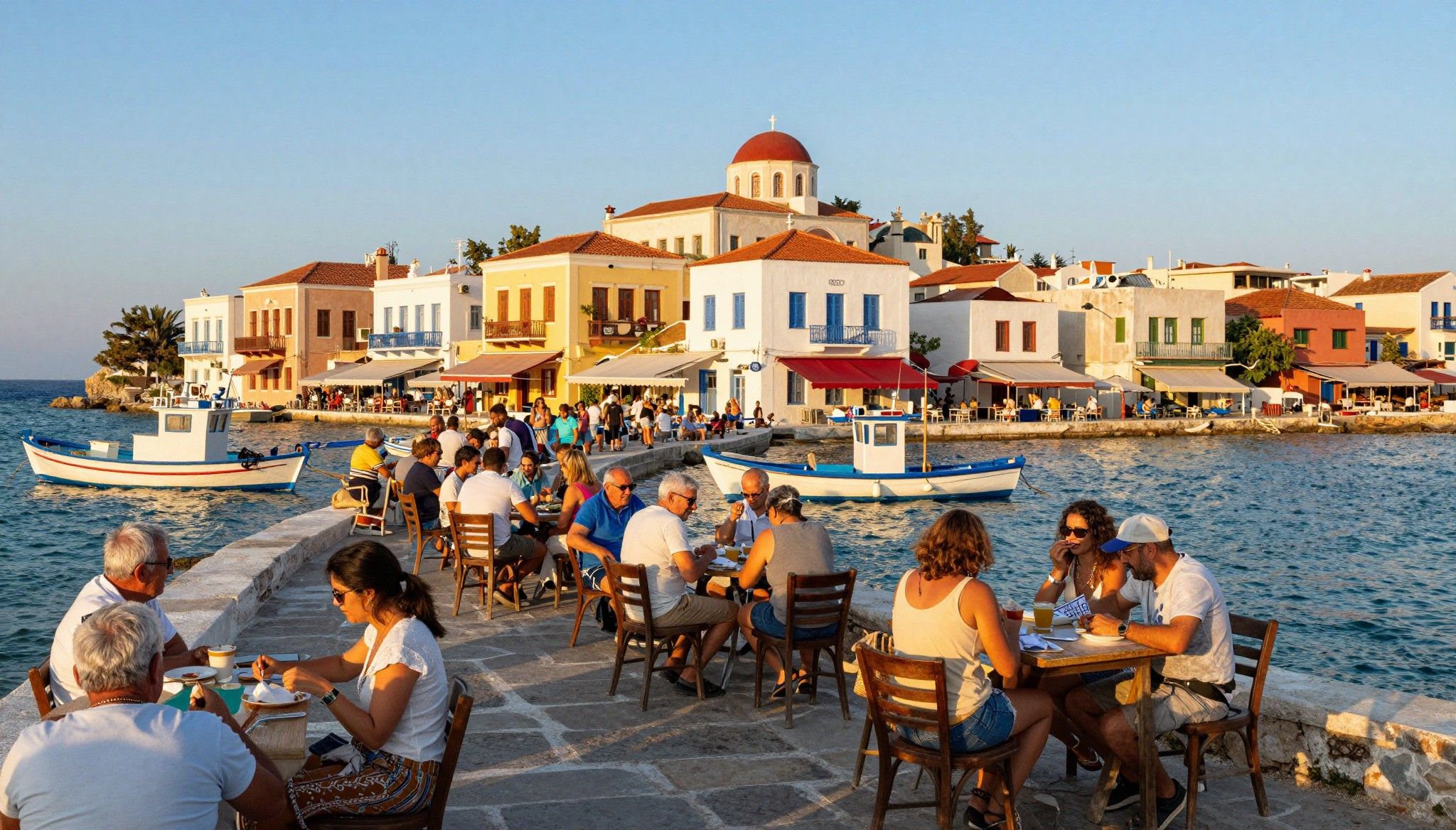
The Italian day is defined by places: morning coffee at the bar counter, mid‑day markets, a slow passeggiata at dusk. In cities like Rome and Florence you feel history underfoot; in coastal towns from the Amalfi Coast to Puglia the day is tuned to the sea. Small neighbourhood details — a baker on Via dei Coronari, a fishing quay in Cetara, the seafood market at Mercato di Rialto — shape routines and, crucially, what property works for you. When you choose a street, you choose a tempo of life.
City pockets to know: Rome, Milan, Florence
Rome’s Trastevere and Monti brim with neighbourhood cafés, artisan shops and layered architecture — ideal for buyers craving walkable life and restaurant culture. Milan’s Brera and Navigli offer contemporary design energy, coworking and a stronger professional scene for remote workers and entrepreneurs. Florence’s Oltrarno is quieter after 7pm but full of artisan workshops and small squares that feel local, giving buyers a boutique, slow-luxe lifestyle.
Coast, lake and hill: the alternative rhythms
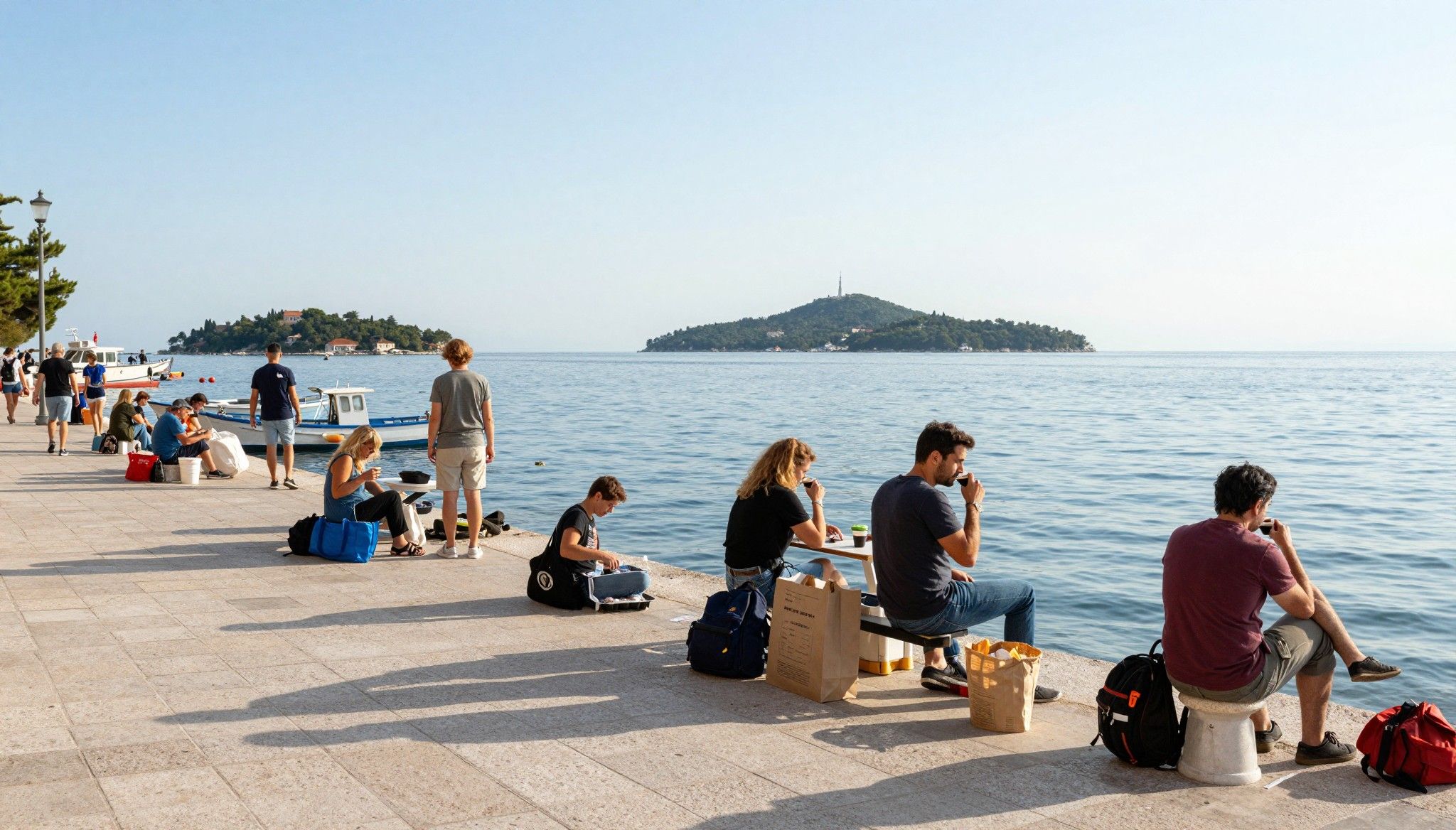
If you prefer sea-scented mornings, neighborhoods like Positano’s upper lanes, Sorrento’s historic centre, or the lesser-known coastal towns of Le Marche provide daily access to beaches and boat culture. Lake districts — Como and Garda — combine waterside promenades with smaller town life, while Tuscany’s crests around Pienza and Cortona offer food-focused markets and vineyard rhythms. Each setting changes how you use a property: a balcony facing a piazza is a living room; a terrace by the sea becomes the main entertaining space.
- Morning coffee at a local bar (try Caffè Sant’Eustachio in Rome); weekly marchés (Mercato Centrale in Florence); weekend fish markets in Amalfi; afternoon passeggiata on Milan’s Darsena; truffle fairs in Alba; lakeside aperitivo in Bellagio.
Making the move: practical considerations
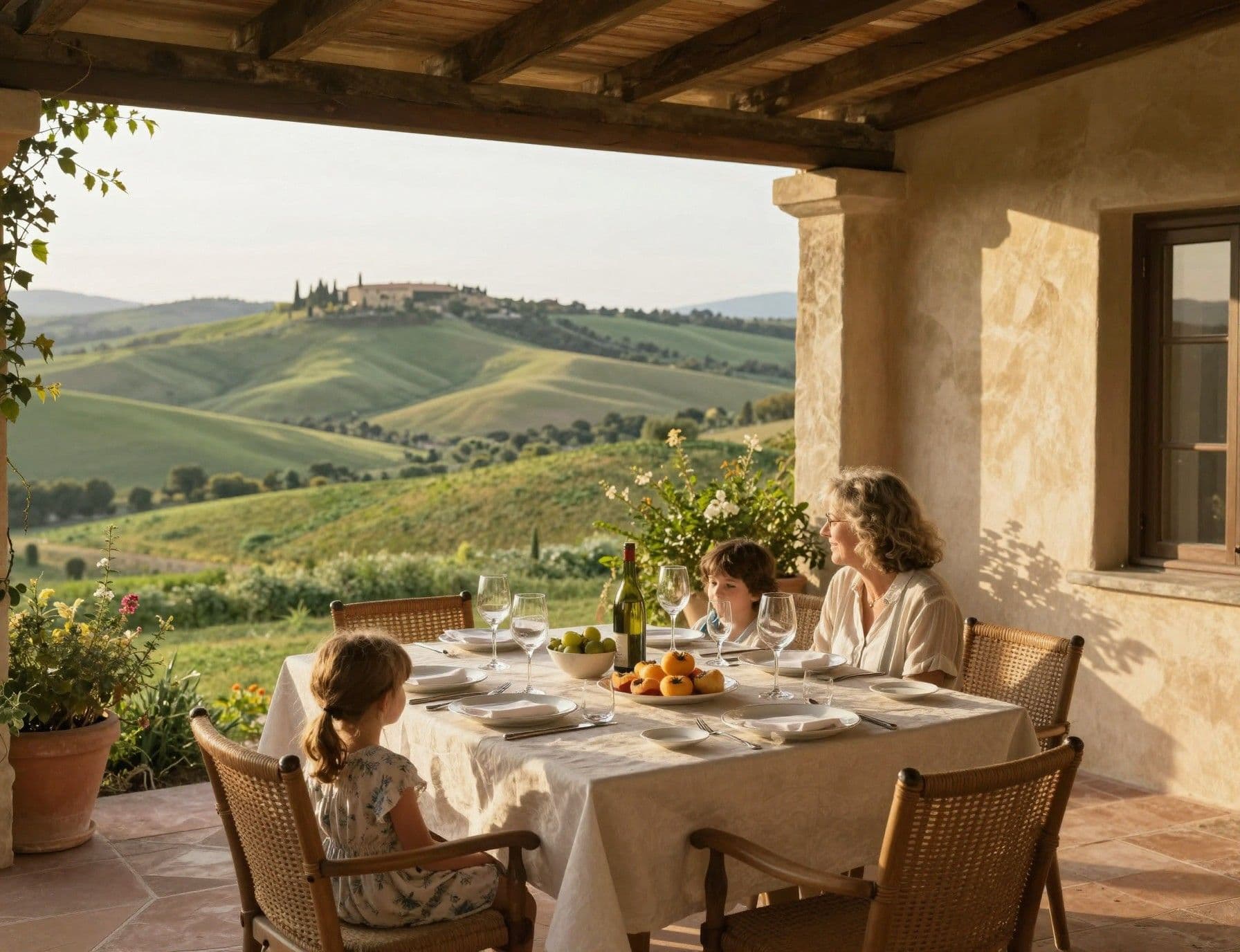
Dreams must meet process: whether you want a pied-à-terre in Milan or a restored farmhouse in Le Marche, Italy’s notary-led purchase system, municipal taxes and residency rules shape outcomes. Recent data from the national house price index shows prices and transaction volumes rising in 2024–2025, particularly in city centres and sought-after coastal areas, so timing and local knowledge matter when evaluating value. Working with a local agent, an English‑speaking notaio and a fiscal advisor will save weeks and avoid costly errors.
Property types and the life they buy
Historic centro apartments deliver immediacy — cafés, shops and at‑door life — but often require renovation and come with condominium rules. New‑builds and conversions in suburbs or edge-of-town areas give space, parking and easier maintenance. Rural farmhouses offer land and privacy but demand management for heating, insulation and water systems. Match the property’s daily logistics to how you want to live: if you value café culture, accept smaller indoor space; if you love garden dinners, prioritise outdoor square metres.
How local experts close the gap
- 1) Ask a buying agent to shortlist 6 properties that match a specific lifestyle brief (city life, coastal weekends, village calm). 2) Use a notaio for clear title checks and zoning confirmation before offer. 3) Commission a local surveyor for masonry, moisture and roof checks — older buildings often hide cost. 4) Confirm IMU/TARI obligations with your fiscal representative and model rental income if you plan short-term lets. 5) Visit in shoulder seasons to see daily life, not the peak-season marketing.
Insider knowledge: what expats wish they'd known
Real‑talk from buyers: seasonal visits change perception, old plumbing costs surprise, and neighbourhoods evolve quickly when tourism grows. National statistics show modest price rises and increased transaction volumes in 2024–2025, which means buyers who wait for 'discounts' may find supply thinner in their preferred pockets. Conversely, buying in lesser-known provinces often gives more square metres for the budget and faster community integration.
Language, community and daily integration
Learning conversational Italian opens access to favours, better prices at markets and invitations to local events; it also smooths bureaucracy. Seek cafés where locals gather (not tourist traps) and volunteer at a community festa to meet neighbours. Expat forums and local Facebook groups are useful but always verify tips with a local professional — real estate practice and municipal rules vary by comune.
Long-term lifestyle realities
Over five to ten years, properties in well-connected town centres and near transport nodes tend to retain demand; remote farmhouses appreciate more slowly and require active stewardship. Consider maintenance rhythms — central heating, roof works, and seasonal pest control — when building running-cost estimates. Think of the purchase as buying a life pattern not just a building: where you shop, how you socialise and how often you travel will determine whether the place feels like home.
- Visit in late autumn or spring to judge real life; prioritise a notaio early; budget 5–10% extra for renovations; check municipal zoning for short‑let rules; register a local fiscal code (codice fiscale) before closing.
Italy trades in textures: the clack of espresso cups, market crates, a choir in a church square. If that sensory life matches your dream, start with a lifestyle brief: list three daily non‑negotiables (close bakery, sea access, or quick rail to a city) and ask agents to search to that brief first. With accurate market data, a local team and a clear lifestyle map, buying in Italy becomes less about a perfect property and more about a life well chosen.
Danish relocation specialist who has lived in Barcelona since 2016. Helps families move abroad with onboarding, schooling, and local services.