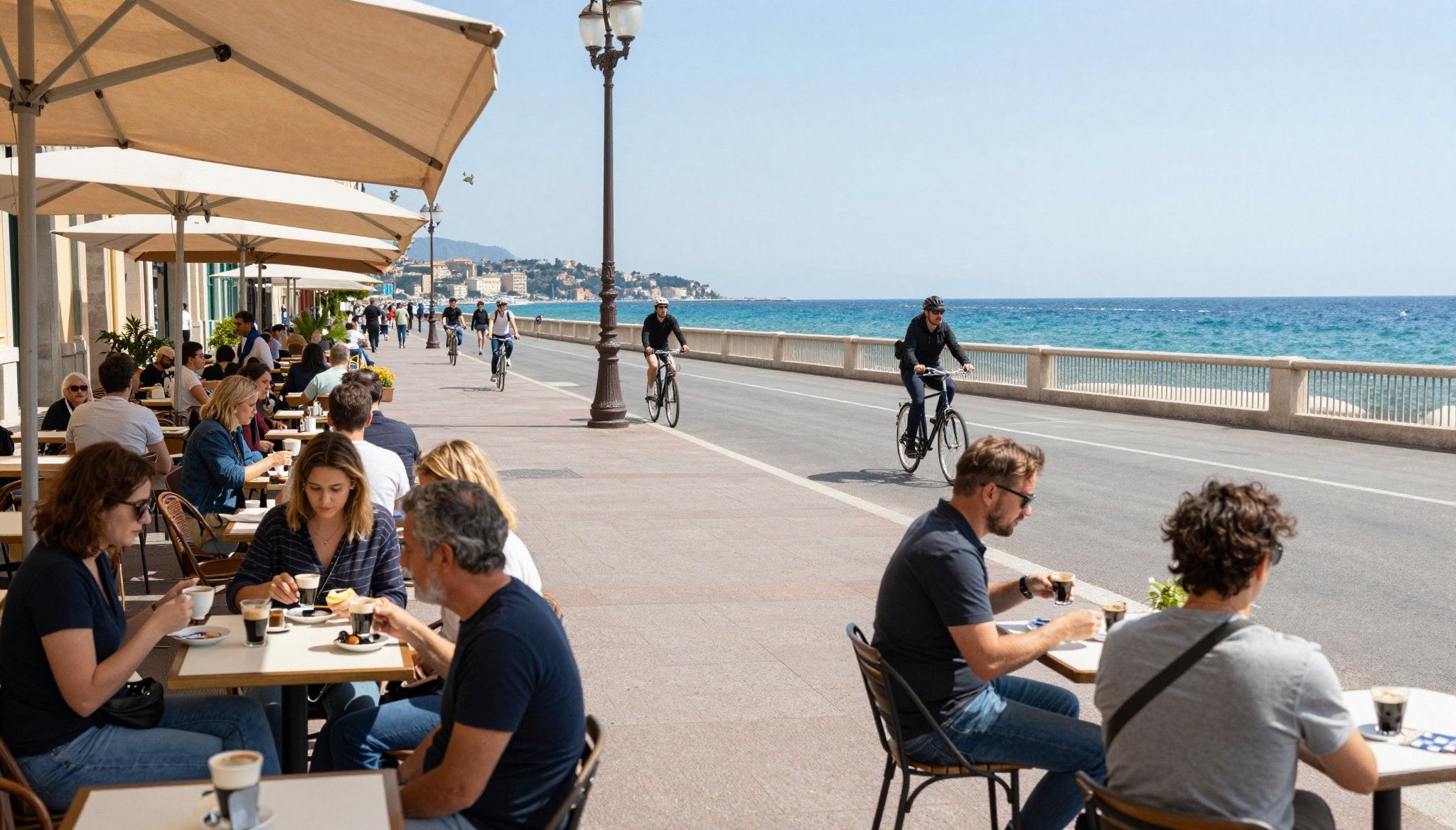
When Off‑Season in France Becomes Your Advantage
France’s off‑season reveals neighbourhoods and negotiation advantages — use INSEE and Notaires data plus seasonal viewings to find value beyond summer hype.
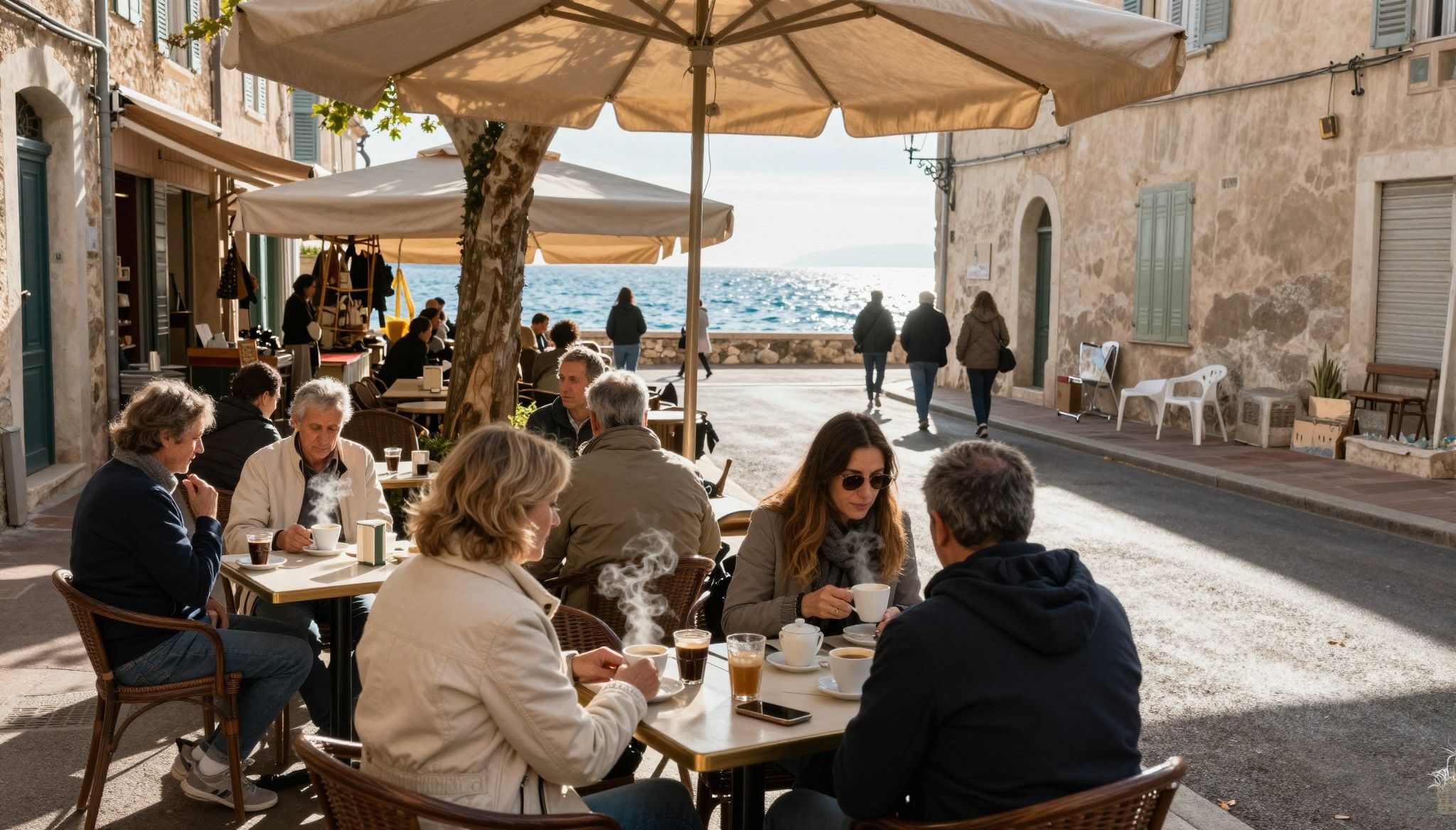
Imagine an October morning in Nice: market stalls still smell of lavender and citrus, terraces fill with locals sipping café allongé, and the summer crowds have thinned enough that you can hear the sea. That quieter rhythm is not just a mood — it often signals a better moment to negotiate, view properties without staged frenzy, and discover neighbourhoods where local life, not tourism, sets prices. According to recent market analysis, France’s national price trends softened in 2023–24 and showed early signs of recovery through 2025, making seasonality a tactical tool for international buyers. This guide blends the sensory airm of French life with data-backed tips so you can fall in love — and buy with confidence.
Living France: how seasons shape daily life
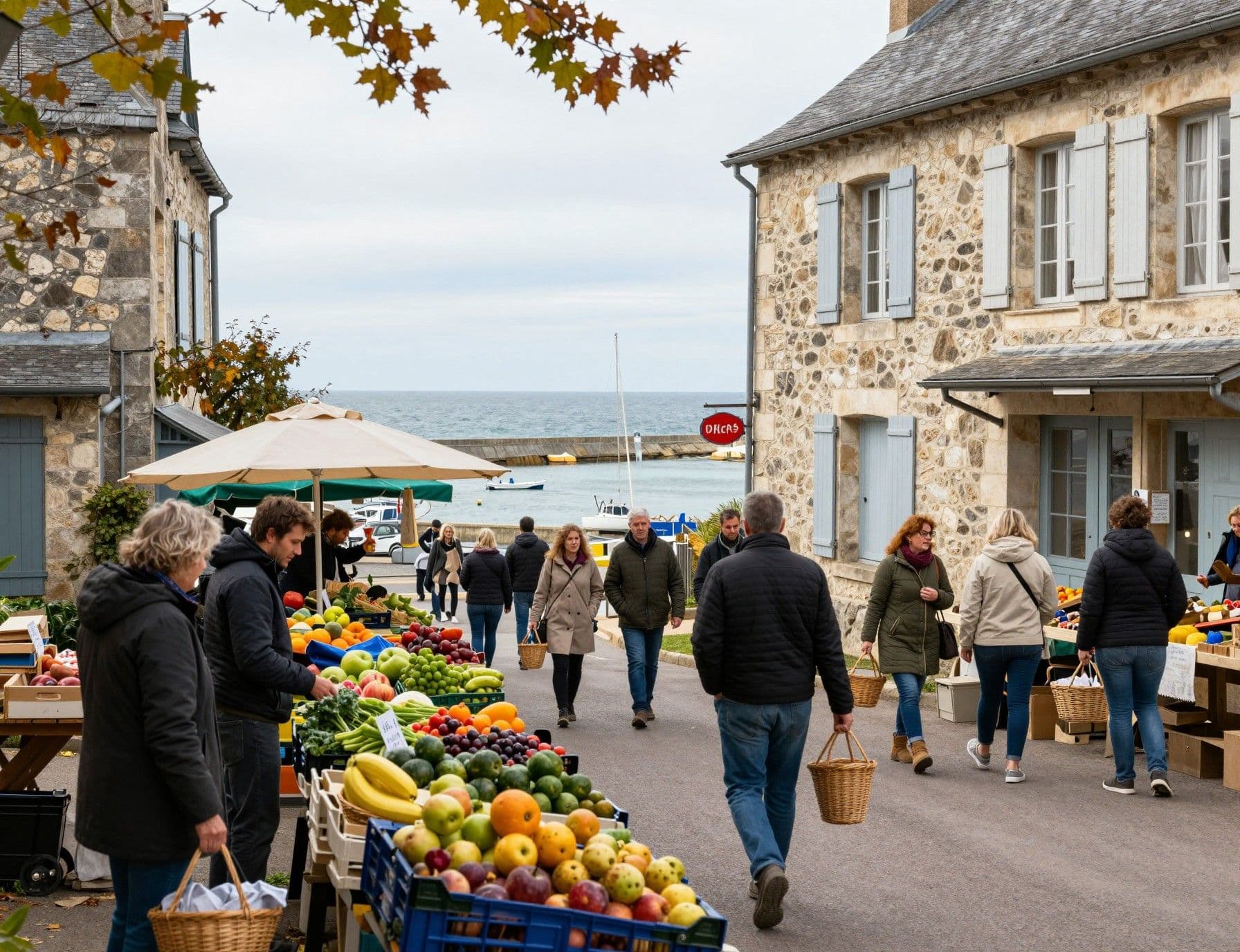
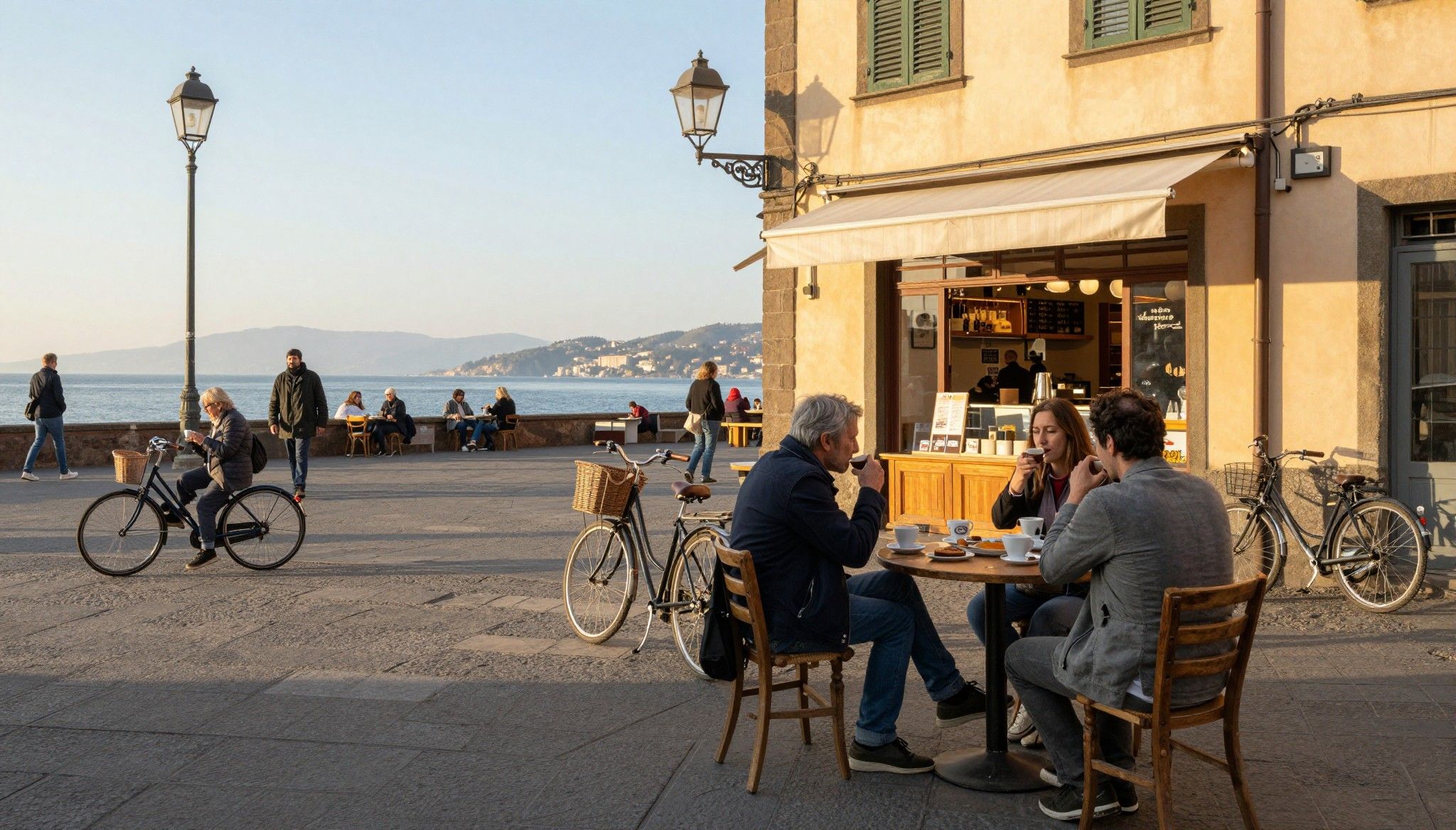
France changes shape with the calendar: coastal towns empty and become local again after summer, alpine villages hum with activity in winter, and provincial markets anchor weekend life year-round. This seasonal cadence affects everything you feel on a street — the baker’s queue, the volume in cafés, the number of short‑term rentals on a block — and those micro-changes feed directly into local pricing dynamics. Understanding that rhythm helps international buyers choose neighbourhoods that match long-term lifestyle goals rather than postcard impressions.
Coastal towns: the post-summer reveal
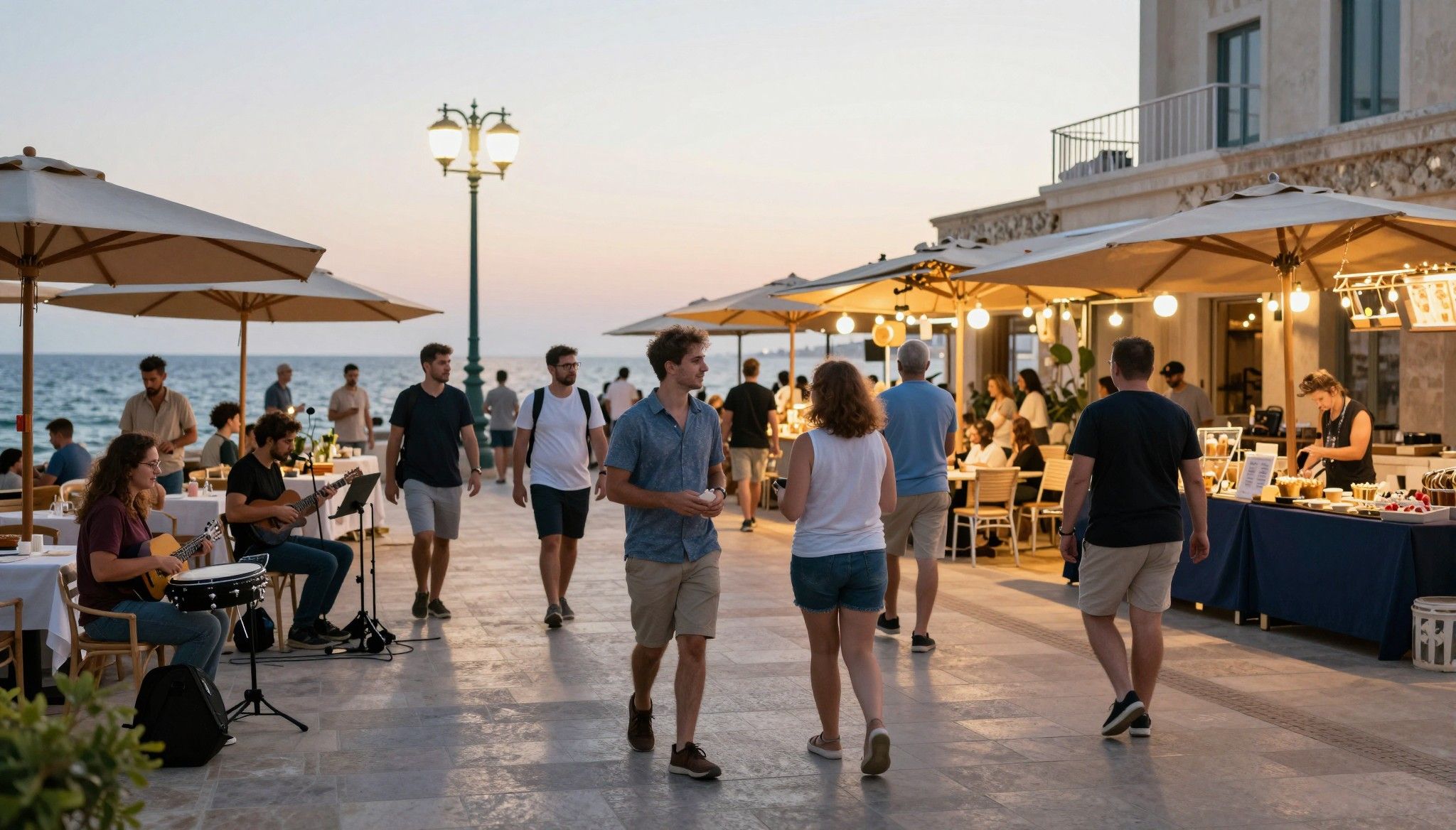
Walk the rue de la République in a coastal town in September and you’ll quickly see the difference between tourist-facing streets and the quieter residential lanes where families live year-round. Notaires de France data show shifts in buyer mix by region — foreign buyer shares rose in parts of Nouvelle‑Aquitaine and Occitanie, for example — and local streets that were crowded in July can reveal surprising value once short-term lets subside. For lifestyle-minded buyers, these quieter weeks are when you meet neighbours, test commutes, and evaluate whether the seaside life is daily life or a holiday.
City outskirts vs. historic centres: weekday rhythms matter
In cities such as Lyon, Bordeaux or Grenoble, weekday life exposes infrastructure strengths — markets, transport links, schools — that holiday weekends mask. INSEE price indices show central flats often behaved differently to suburban houses during 2024–25, with flats stabilising earlier in some regions. If you want authentic day‑to‑day living rather than a curated tourist snapshot, schedule viewings on a Tuesday or Wednesday outside high season and observe local routines.
Making the move: timing, prices and where value hides
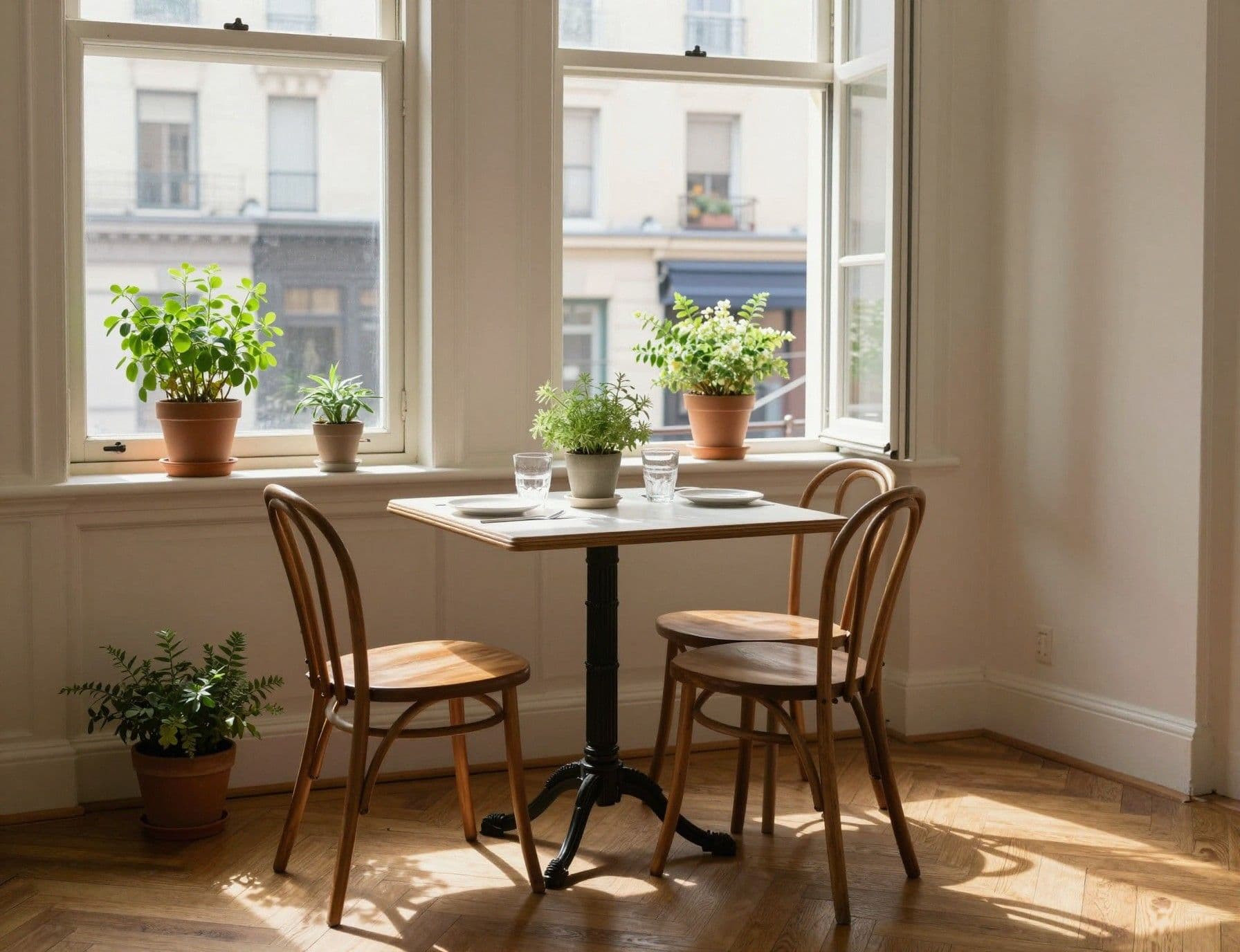
Macro figures matter, but the real opportunities live in micro patterns. National indices signalled recovery in early 2025 after two years of correction, yet regional spreads remain wide: some provincial markets rose while Île‑de‑France lagged. Savills notes that easing monetary pressure in 2025 supported renewed investment appetite, particularly for well-located assets with rental potential. For international buyers, that means looking beyond headline averages — and using seasonality to your advantage when negotiating.
The neighbourhood everyone avoids (and why it can be an opportunity)
Some streets are dismissed by buyers because they're near a busy road, a transient student hall, or a seasonally noisy square — yet those very features can mean lower entry prices and stronger long-term demand once the temporary factors are managed. Connexion France highlights how price movements vary by locality: suburbs that boomed in 2020–21 have cooled, while steady commuter towns regained buyer interest in 2025. If your lifestyle tolerates a short commute or you prioritise indoor‑outdoor living over central addresses, these overlooked pockets can outsmart city price tags.
- Practical tactics to capture off‑season value
1) View off-peak: schedule inspections in autumn or late winter to see neighbourhoods without staging or crowds. 2) Ask for local comparables: request recent sale prices for the same street rather than the whole commune. 3) Meet the concierge or mairie staff: they give practical insight into noise, projects, and population mix. 4) Negotiate with data: cite regional indices and recent local transactions to justify offers. 5) Factor seasonality into rental forecasts: summer hotspots often show inflated short‑term returns that fall off outside July–August.
Insider knowledge: expat lessons and cultural cues
Expats who settle well in France treat the market as a relationship, not a transaction. They prioritise neighbourhoods where local rituals — boulangerie routines, market days, aperitif spots — fit their life. Real-life buyers often regret choosing a flat because of rental yield projections alone and not testing the daily commute, school runs or waste collection days. These lived realities affect long-term happiness and resale appeal more than a few euros per square metre.
Language, community and the social contract
You don’t need fluent French to buy, but some French helps when building local goodwill — shopkeepers, neighbours and mairie staff respond when you exchange a few words. Notaires data show increases in purchases by non-resident foreigners in certain regions, and successful expats usually combine professional advisers with local human networks to bridge cultural gaps. Investing time in community rituals — attending a market, joining a club, learning local waste schedules — pays dividends when you live there.
- Steps to test the lifestyle before you commit
1) Rent for a month in your target neighbourhood during a non-peak season. 2) Spend three weekday mornings observing transit and shops. 3) Meet a local agent and ask for three off-market viewings. 4) Speak to at least two neighbours about daily upkeep and municipal plans. 5) Run the local rental market figures through an independent advisor to test income assumptions.
France combines timeless public life with pragmatic market mechanics; when you buy in an off-season month you buy with perspective rather than persuasion. Use national indices from INSEE and Notaires to set expectations, then lean on local scouts and seasonal timing to uncover streets that tourists overlooked but locals call home. If you want help turning lifestyle intentions into a shortlist of neighbourhoods and reliable valuations, a local agency experienced with international buyers will save time and reduce surprises.
Next steps: plan an off‑season scouting trip, collect street-level comparables, and arrange viewings on weekdays. The quieter months in France are not a lull — they’re when the country reveals how people really live, and when smart buyers spot value beyond the postcards.
Swedish strategist who relocated to Marbella in 2018. Specializes in legal navigation and tax planning for Scandinavian buyers.