France: Where Lifestyle and a Tight New‑Build Pipeline Meet
France’s 2024 pipeline contraction means lifestyle-led buyers must pair season‑aware visits with developer timelines and local market data to secure the right new build.
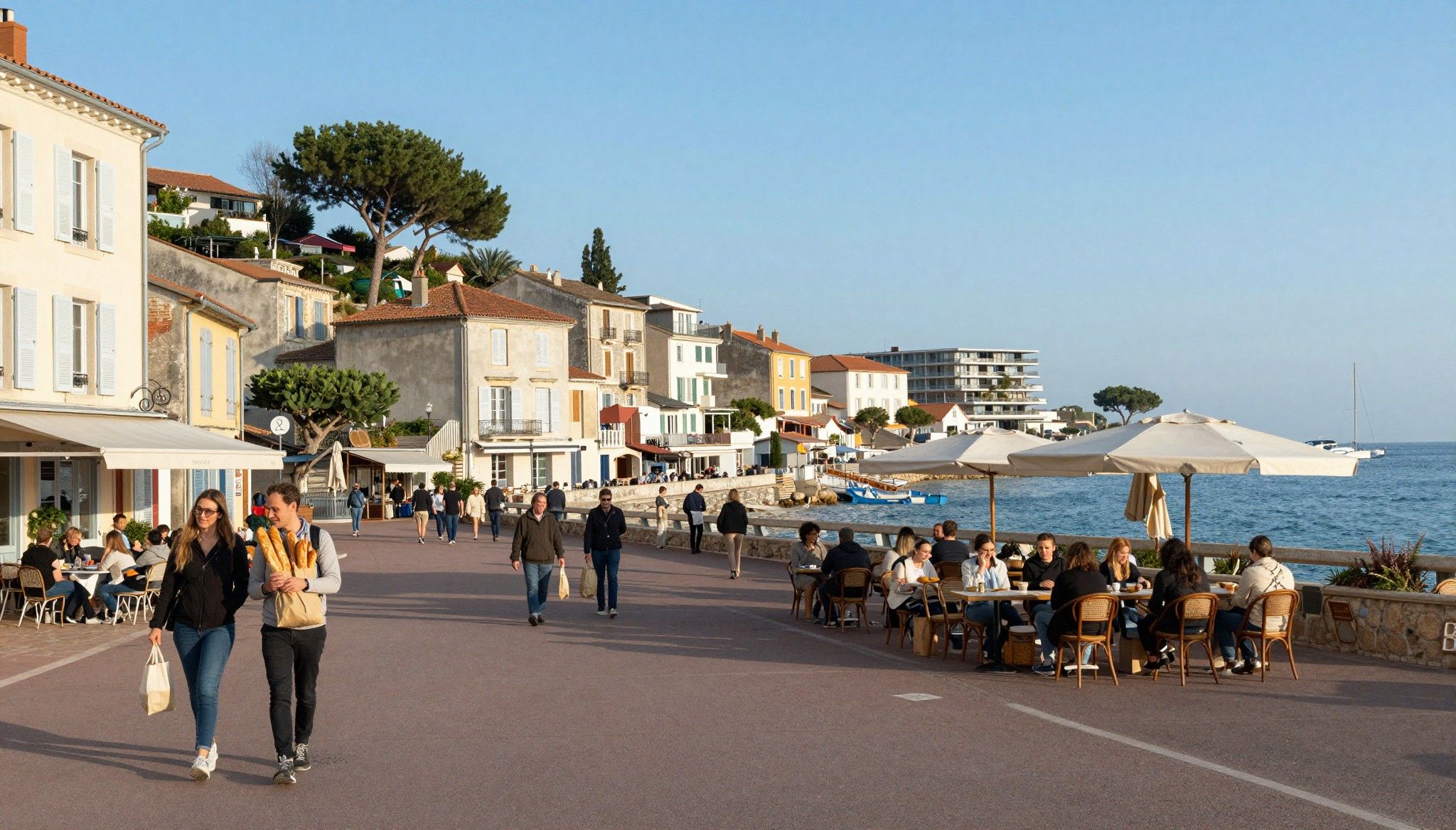
Imagine waking on a narrow Rue in Aix, the smell of fresh brioche drifting from the boulangerie, then driving an hour later to a calm Médoc vineyard where a new low-rise development edges the lane. That daily contrast—historic urban life and quiet new-build edges—defines modern France for many international buyers, and it’s precisely why smart buyers study the development pipeline, not just postcards.
Living France: rhythms, neighbourhoods, everyday pleasures
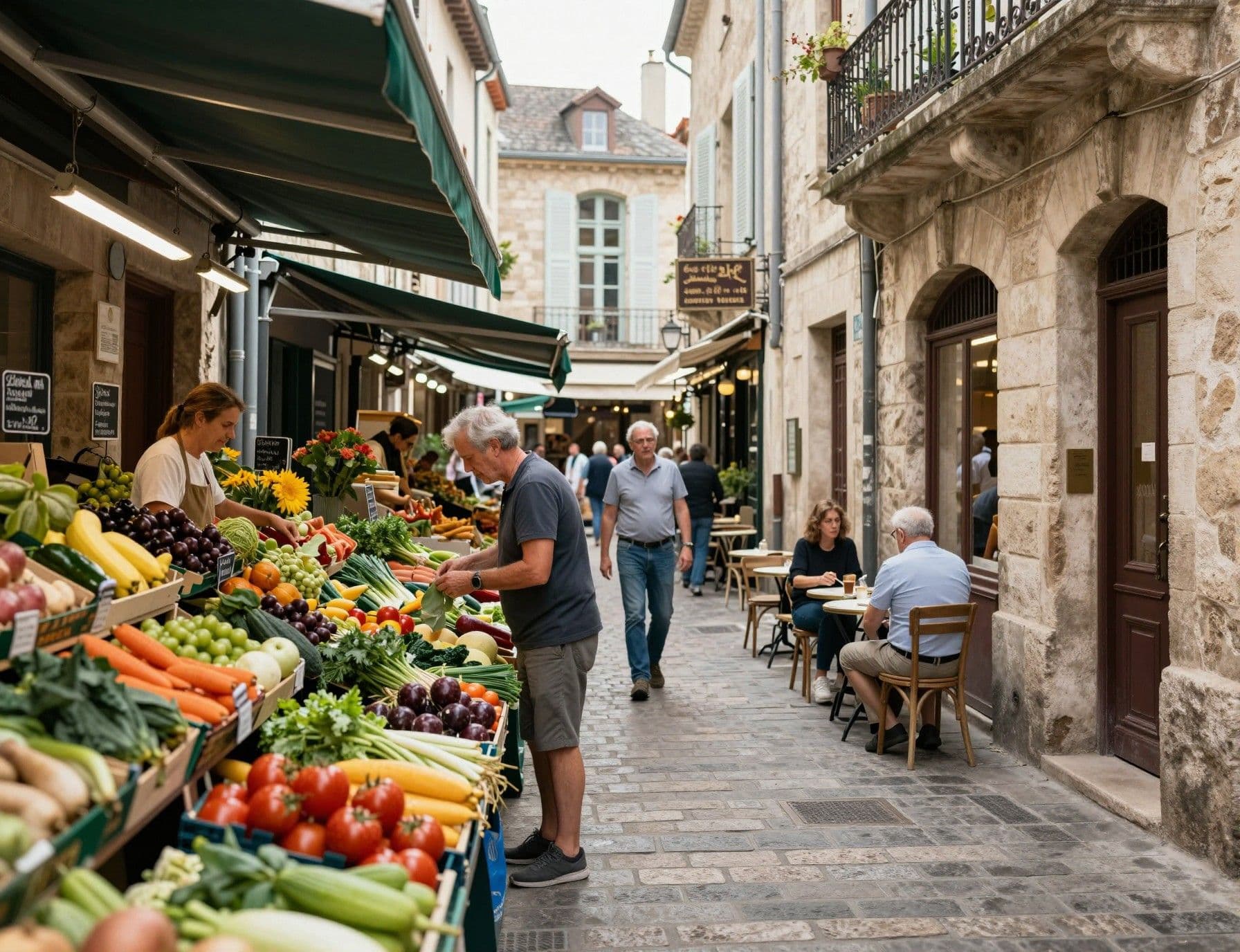
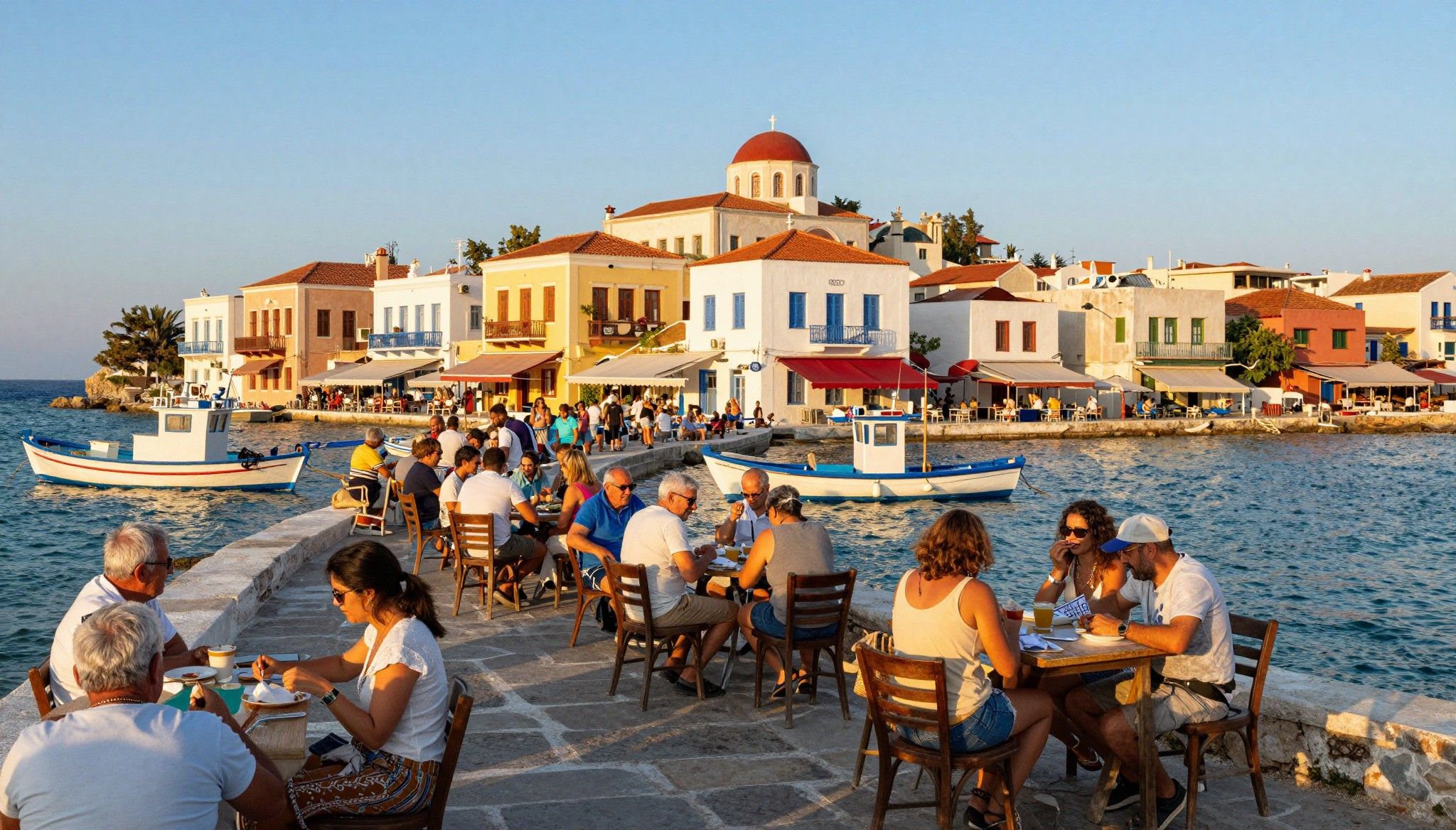
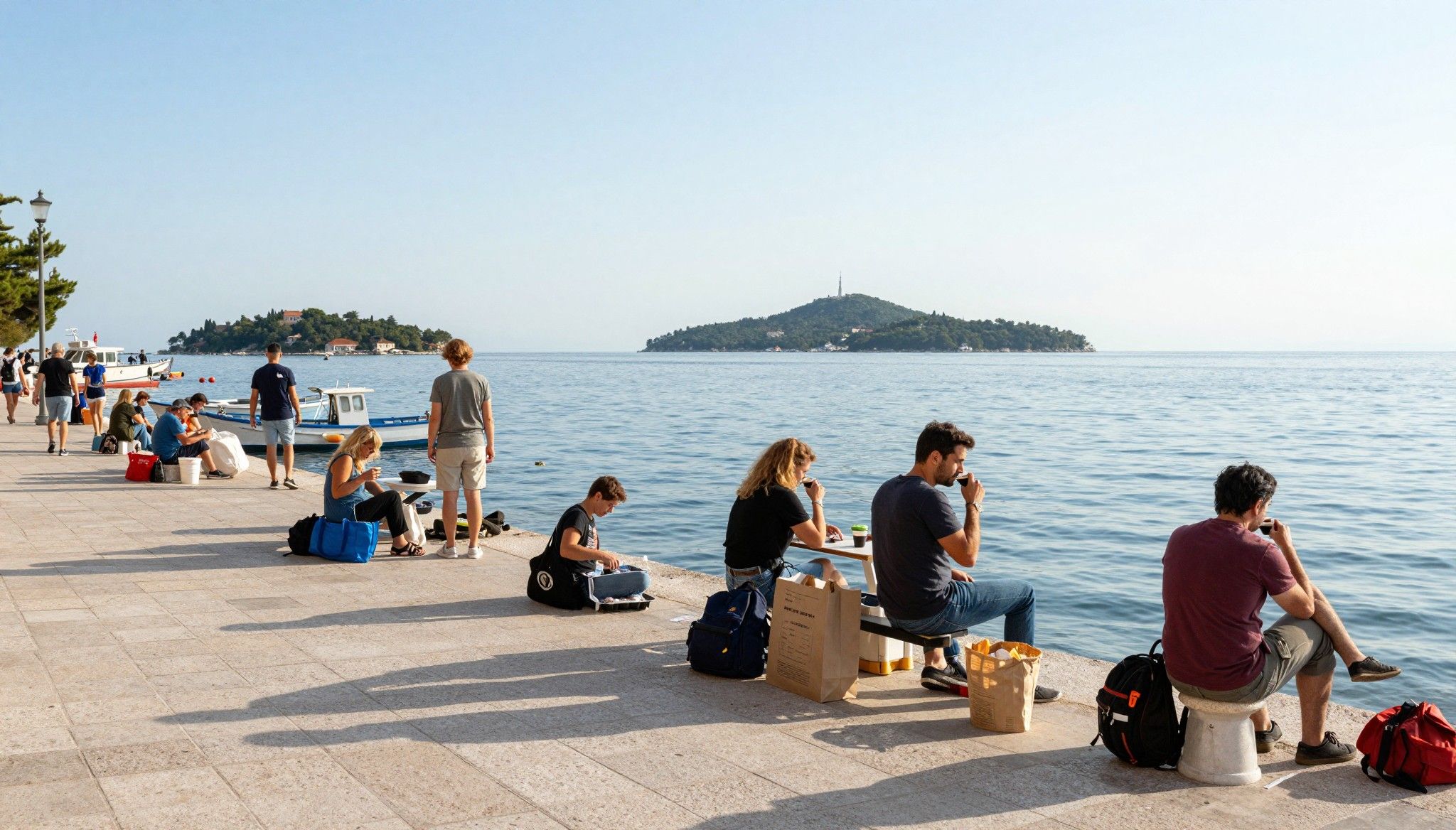
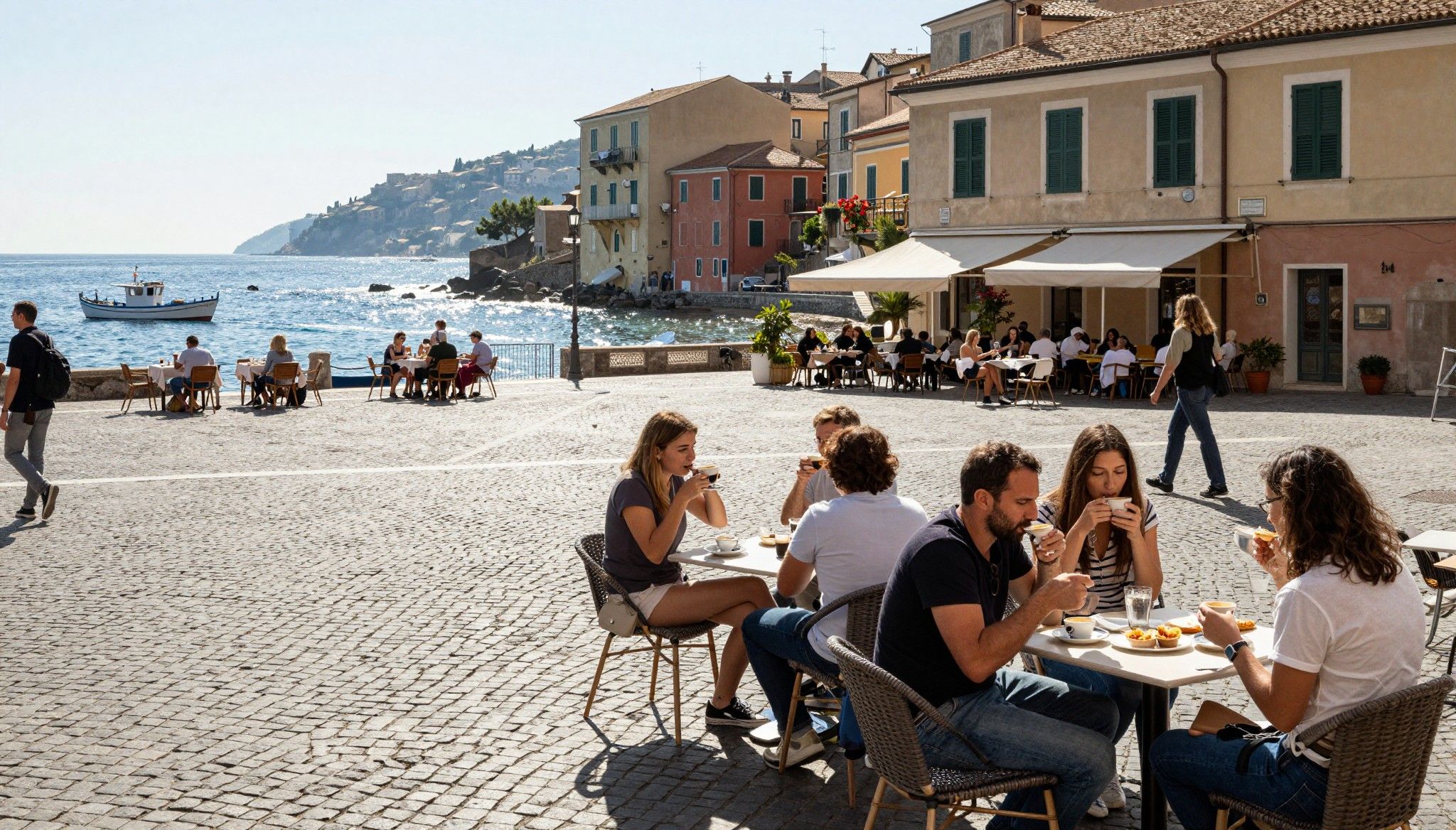
France is equal parts ritual and season: weekday espresso at a corner café, Saturday morning markets, and a slower, social evening culture. Coastal Provence and the Côte d’Azur keep a Mediterranean tempo—open-air dining and sea breezes—while Parisian arrondissements move faster with weekday commerce and museum life. That range is why buyers who love lifestyle diversity favour France’s varied new-build pipeline: it can deliver a modern apartment on a lively street or a townhouse close to vineyards and shores.
City pulse: Paris, Lyon, Bordeaux — neighbourhood character
In Paris, lanes like Rue Cler or the Marais mix daily market life with cultural access; new developments there prioritise efficient use of space and thermal upgrades. Lyon’s Croix-Rousse still hums with artisan cafés and family life, attracting buyers who want community plus good transport. On the coast, towns from Antibes’ old port to Nice’s quieter west side show strong international demand and limited new supply, keeping competition high. Recent market reports show prime coastal areas retain strong foreign interest even as national new-build volumes fell.
Food, markets and micro-lives that shape property choices
Weekend markets and small-group dining inform where buyers want to live: proximity to a covered market or a favourite bistrot often matters more than a sea view. At the same time, national statistics show that new housing starts and reservations dropped sharply in 2024, so lifestyle-led locations with existing amenities often have fewer, higher-quality new units available—making early pipeline intelligence vital.
- Lifestyle highlights to look for in France
- Strolling markets: Marché Forville (Cannes) or Marché des Enfants Rouges (Paris) — daily rhythm and resale magnet
- Coastal promenades: Promenade des Anglais (Nice) and quieter coves near Cassis — lifestyle plus limited new supply
Making the move: pipeline realities and what they mean for buyers
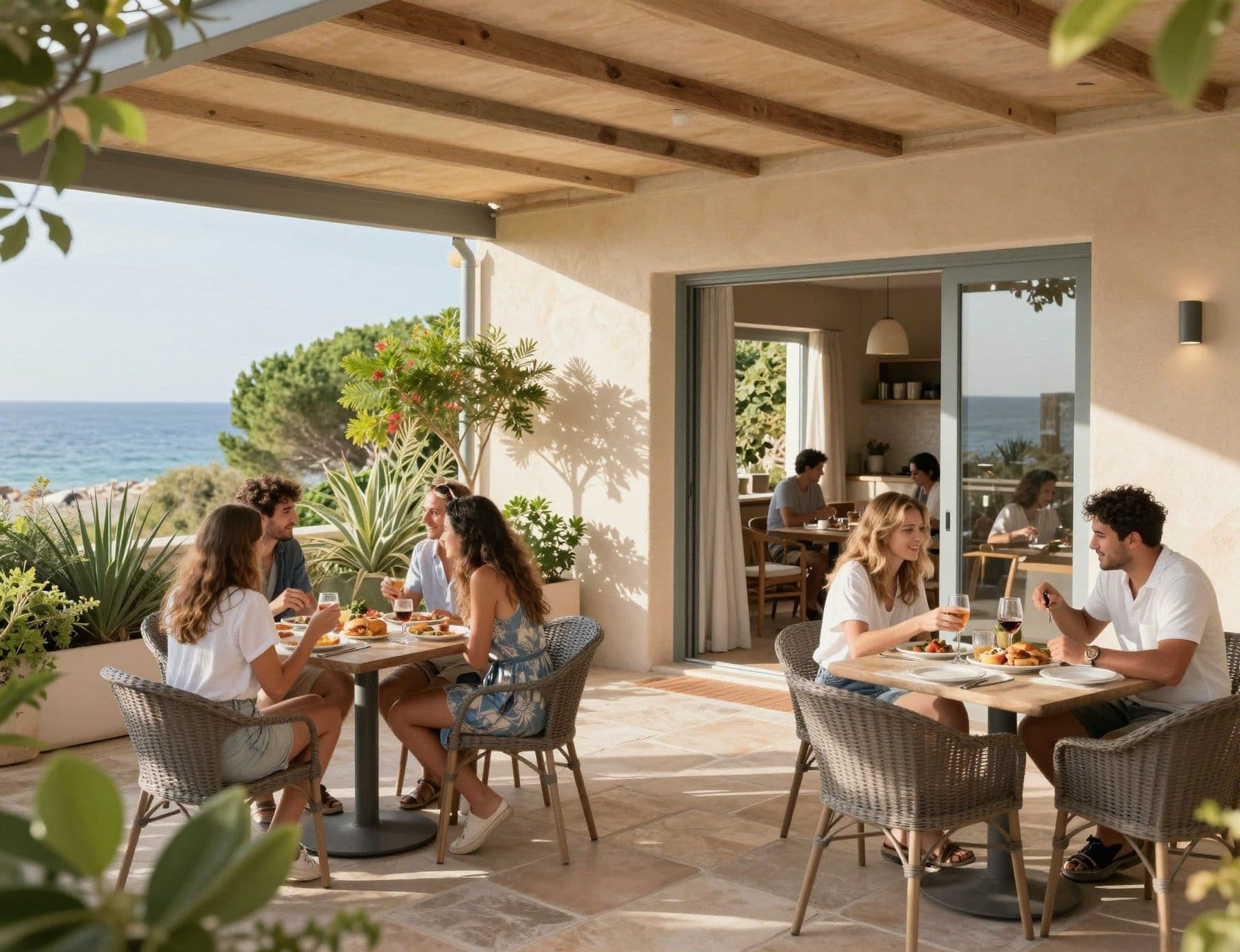
If the lifestyle sells you on France, the pipeline will define your timing. In 2024 the pipeline contracted substantially—authorisations and starts fell across most regions—pushing developers to focus on fewer, often higher-spec projects. For buyers this means two practical effects: fewer off-plan bargains and faster premium re-pricing in coastal hotspots where demand outstrips supply.
Property types in the pipeline and how they live
New French developments run the gamut: compact energy-efficient city flats with concierge services; low-rise coastal residences with private courtyards; and village-edge maisonettes aimed at families or retirees. Match building type to daily life: choose courtyard buildings for neighbourhood interaction, or small-residence projects for quiet seaside living. Consider insulation, ventilation and outdoor space—features developers now emphasise after recent energy regulation updates.
Work with local experts who understand lifestyle fit
A local agent who knows daily life—where the best morning cafés sit, which streets are noisy in summer, where new builds include resident communities—adds intangible value. They can flag pipeline releases, advise on developer reputations, and arrange viewings timed to show how a street works across seasons. For international buyers, that local context is as important as price-per-square-metre.
- Steps to blend lifestyle and pipeline intelligence
- Ask for a developer timeline: planning permission, build milestones, snagging schedule.
- Request local comparables: recent resale prices on the block, not just advertised prime numbers.
- Visit the neighbourhood at different times (weekday morning, Sunday market, high season) to test the rhythm.
Insider knowledge: myths, seasonal signals and mistakes buyers make
Myth: 'France is uniformly expensive.' Reality: supply shortages drive local price pressure; many inland regions and smaller coastal towns have accessible new-build units. Myth: 'Buy in high season.' Reality: developers and local agents often schedule new releases in autumn or winter—visit off-season to see streets without tourist masks. Missing these subtleties can cost time and leverage.
Cultural and seasonal cues that affect value
French local festivals, market seasons and summer tourist flows change short-term rental demand and the feel of a neighbourhood. For buyers focused on rental income, festival calendars and local transport peaks matter. For owner-occupiers, autumn viewings reveal noise and neighbour patterns masked in July and August.
Red flags developers won’t volunteer
- Unclear completion guarantees or vague energy-performance commitments
- Developer-deferred works that shift maintenance costs to the homeowner association
- Over-optimistic rental yield projections for seasonally dependent towns
Use written warranties and insist on clear contractual language about common areas, soundproofing and energy performance. Local notaires and architects can interpret technical clauses—don’t rely on verbal assurances.
Conclusion: fall in love, then fact-check. Let the markets and pipeline shape timing.
Picture yourself with a key in hand on a quiet street in Provence or stepping onto a balcony in Le Marais. Then call a local expert, check the pipeline, request developer timelines and visit in off-peak season. With supply constrained across France, the right intel—seasonal, cultural and pipeline-specific—turns desire into a confident purchase.
Swedish strategist who relocated to Marbella in 2018. Specializes in legal navigation and tax planning for Scandinavian buyers.