Italy: Live the Rhythm, Buy with Local Data
Italy seduces with piazzas, markets and coastlines — pair lifestyle scouting with local market data, short‑term rental rules and neighbourhood‑level checks to buy wisely.
Imagine sipping espresso on a terrace in Trastevere, then hopping a train for a weekend on the Amalfi Coast — Italy asks you to live slowly and with taste. For international buyers the romance is real, but so is the paperwork, shifting rental rules and local rhythms that shape value. This piece pairs the life you want with the realities you’ll meet when buying in Italy, backed by recent market data and practical steps.
Living the Italian Life — sensory, local, everyday
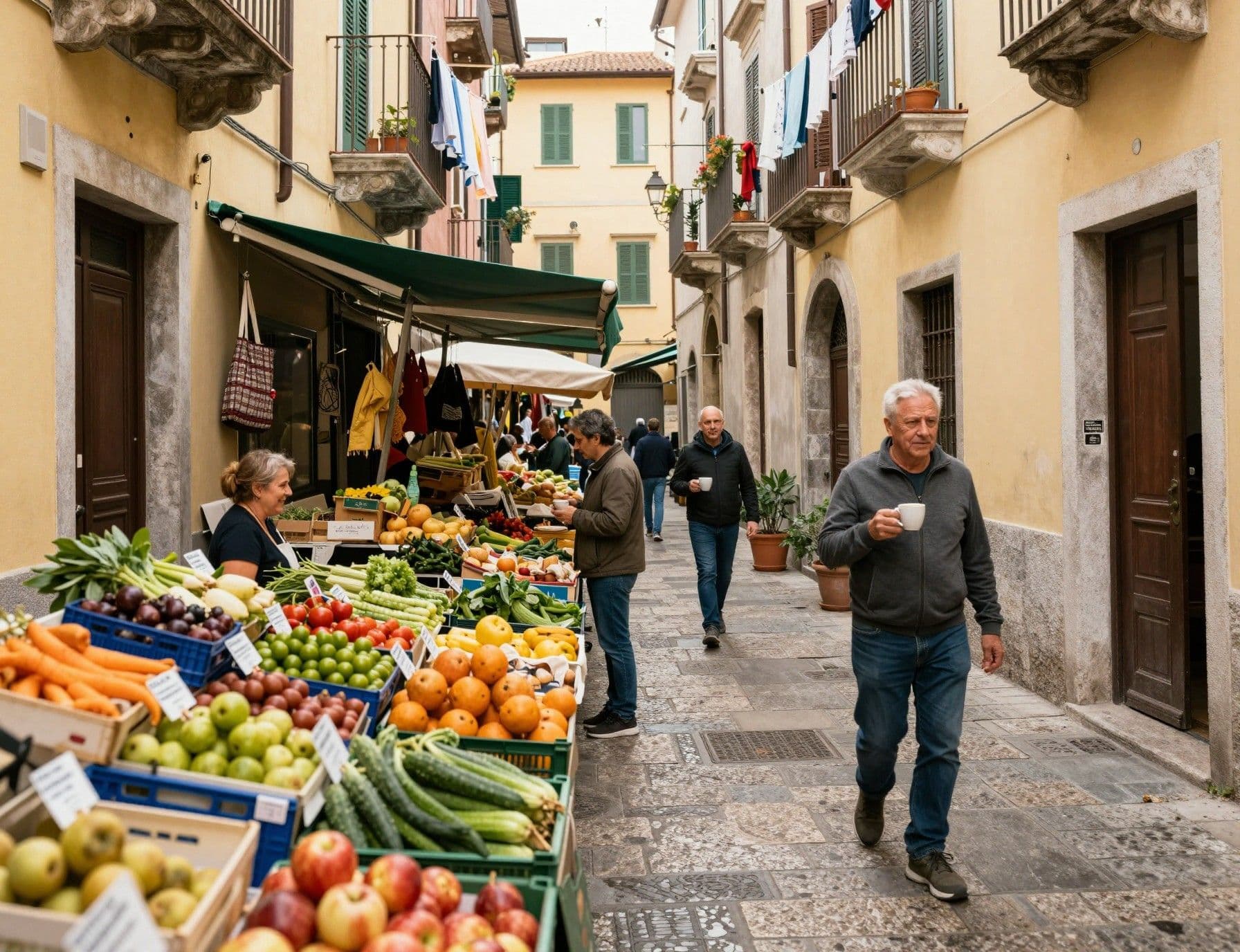
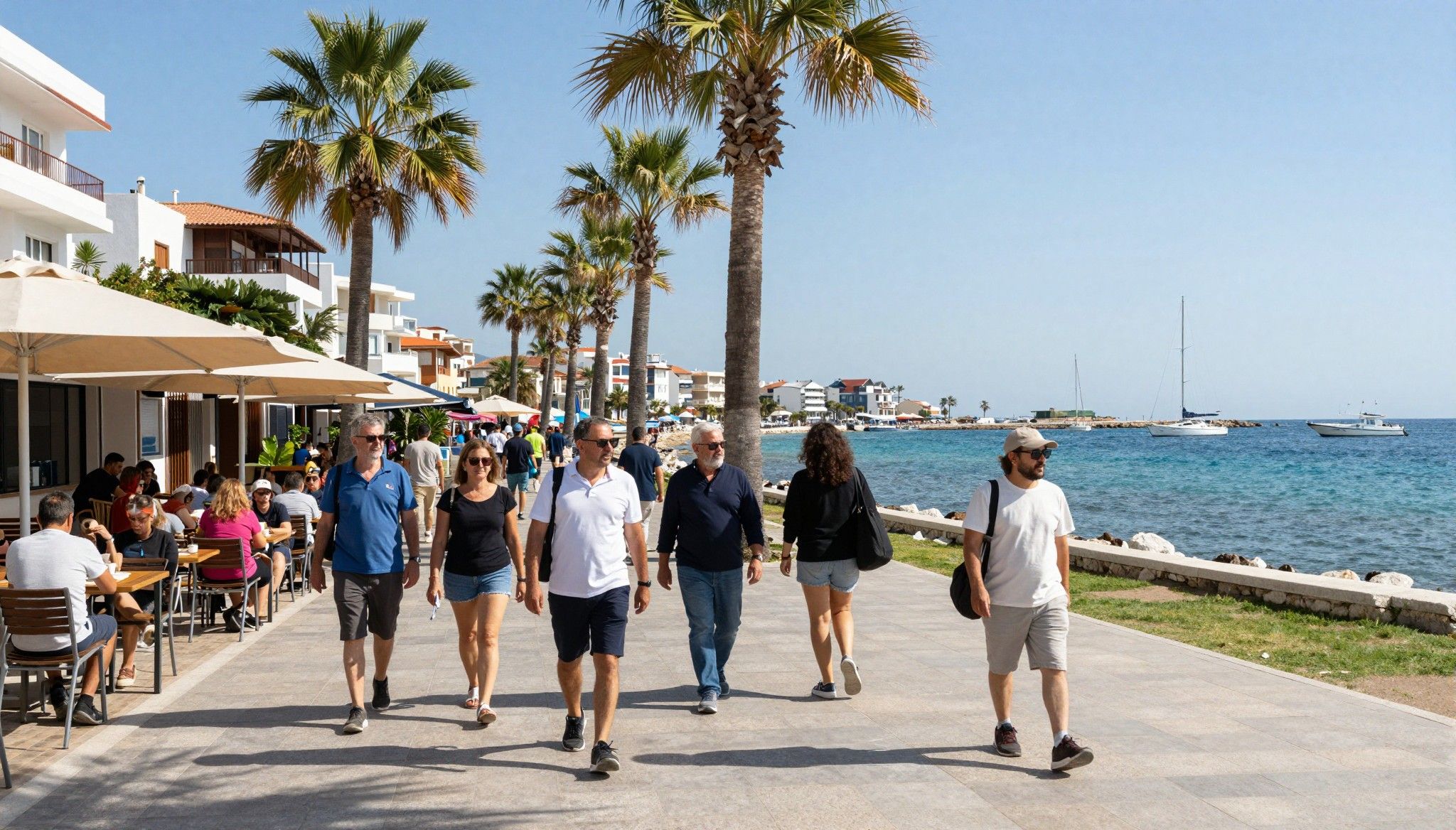
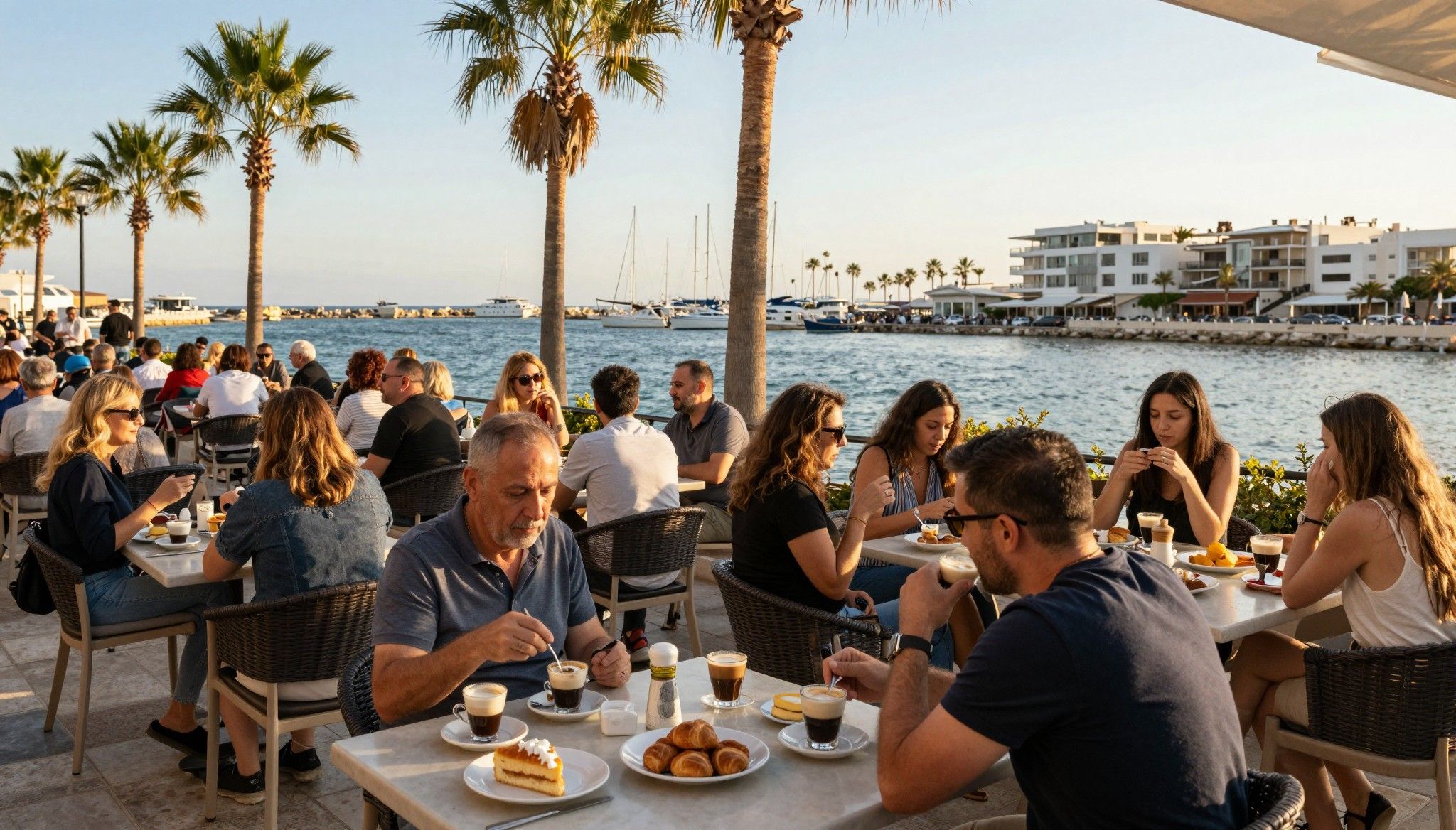
Italy’s appeal is choreography of small pleasures: morning markets, neighborhood bars, piazzas that change tone by hour. Markets and property numbers tell a similar story — demand remains resilient in city centres and coastal hotspots even as national price growth moderates. Expect lively streets, strong seasonal swings and a patchwork of micro-markets across regions. (See market snapshot from Immobiliare.it for context.)
Rome: historic pulse and neighbourhood contrasts
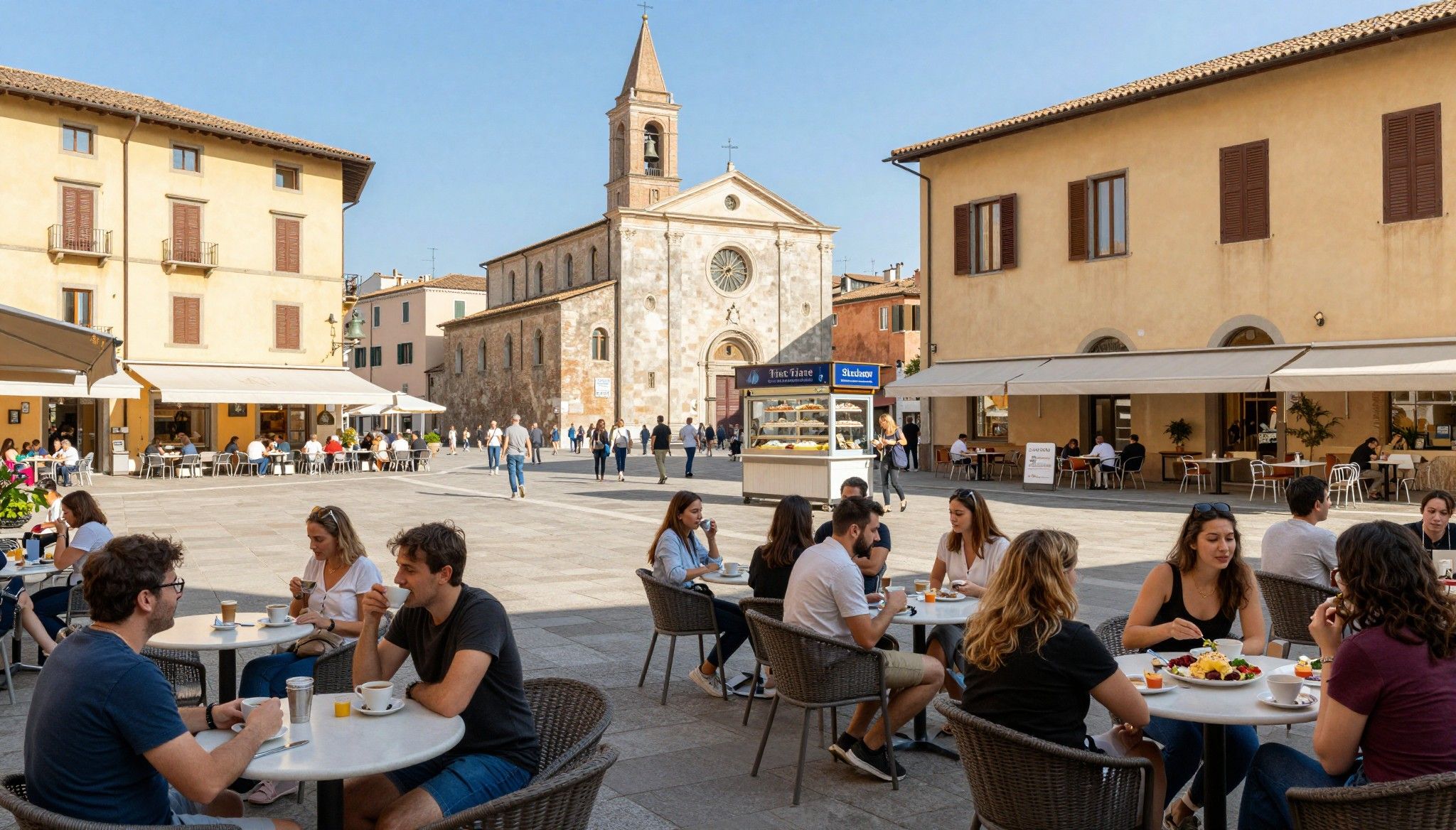
Picture narrow, cobbled lanes, tiny wine bars and Vespa traffic punctuating a late‑afternoon passeggiata. In Rome you trade a quiet suburban garden for centuries of street life; properties in Prati, Trastevere and Testaccio deliver daily ritual — espresso, mercato, aperitivo — at the cost of smaller interiors and occasional tourist noise.
Coast & islands: Amalfi, Sicily and Liguria’s quieter cove life
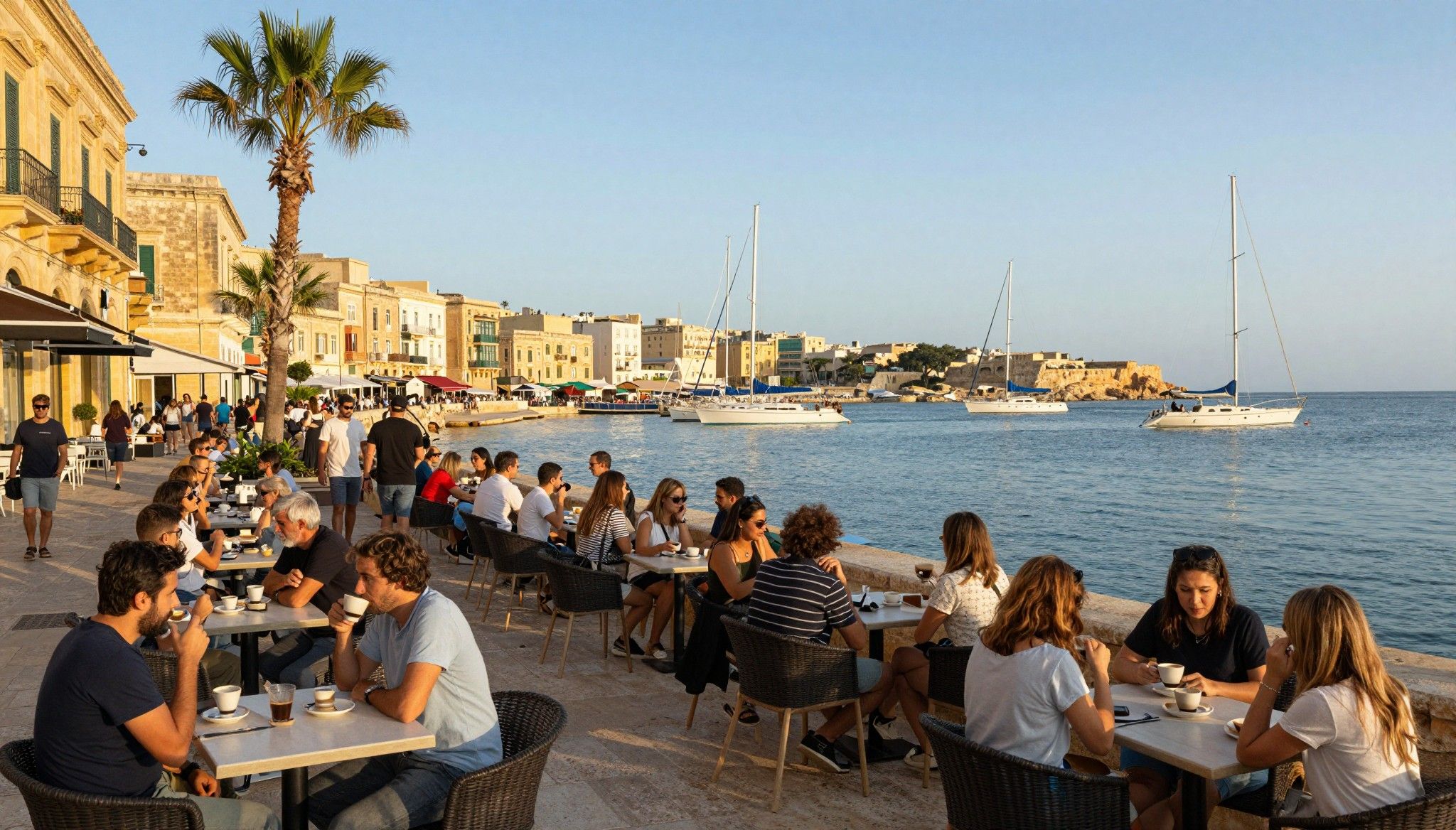
Living on the coast means terraces that become rooms, a rhythm set by tides and tourists, and months when the village feels like yours — usually late autumn to spring. Expect seasonal services, higher maintenance on salt‑air facades, and a premium for direct sea access.
- Lifestyle highlights (places to feel at home)
- Morning markets: Campo de’ Fiori (Rome), Mercato Centrale (Florence)
- Cafés: Caffè Greco (Via dei Condotti), seaside chiringuitos on Sardinia’s Costa Smeralda
- Hidden beaches and parks: Baia dei Turchi (Puglia), Parco della Caffarella (Rome)
Making the move: lifestyle-led, technically smart

Your dream — terrace dinners, local markets, coastal weekends — must meet reality: market cycles, short‑term rental rules and the right local advisor. Institutional activity in 2025 showed strong investor interest, which supports liquidity in top markets but also pushes competition for prime stock. This is why you pair lifestyle scouting with a data‑minded plan. (See Colliers for investment trends.)
Property types that match life, not just image
Historic centro apartments offer immediacy — cafe culture at your door — but often need seismic‑proofing and careful plumbing upgrades. Newer developments in redeveloped districts give space, insulation and modern amenities, ideal for families or remote workers. Coastal villas buy privacy and outside space, but factor higher upkeep and seasonal vacancy into returns.
Working with local experts who know life and law
Short‑term lets are a major part of coastal and city economics — but rules changed substantially from 2024 onwards. Trusted local agents and a tax advisor will tell you whether a property is suited to long lets, seasonal rental or needs business registration because of volume. Platforms now withhold taxes in many cases, so plan net returns with up‑to‑date guidance. (Practical tax notes from platforms and local press are essential.)
- Six steps to match lifestyle to a purchase
- 1. Spend three separate days in your target neighbourhood at different times (morning market, siesta, evening).
- 2. Request local utility bills and service schedules from the seller or agent to understand seasonality and costs.
- 3. Ask your agent about recent comparable sales — not list prices — and ask for three months of rental occupancy data if you plan to rent.
- 4. Confirm zoning and tourist‑licence status with the municipality before any investment tied to short lets.
- 5. Budget 5–10% of purchase price per year for maintenance on coastal properties (salt, humidity) and 10–15% for significant historic restorations.
Insider knowledge — what expats wish they'd known
Expat buyers often say the romance arrived first and the bureaucracy second. The reality: language gaps, municipal variance and seasonal service rhythms shape daily life. Cities like Florence and Venice are tightening tourist rules; coastal towns vary municipality by municipality. Learn the local calendar — market days, festa patronale dates and building‑works seasons — to time viewings and negotiations.
Language, community and daily life
Small courtesies matter: introduce yourself to neighbours, learn basic Italian phrases, and attend a local event — it accelerates trust and smooths renovation approvals. Many expats find neighbourhoods through school gates, market stalls and corner bars rather than property portals.
Long‑term lifestyle and value
Buying in Italy is often a medium‑term to long‑term decision: neighborhoods mature slowly, infrastructure projects take time, and heritage-led regeneration can re-price whole districts. Recent reports show continued interest from foreign buyers and modest national price growth — factors that support patient, lifestyle‑driven investment.
- Red flags locals warn about
- Unregistered short‑stay use or missing tourist licence (risk: fines and forced delisting).
- Incomplete seismic or structural certificates for older buildings (risk: insurance and renovation limits).
- Discrepancies between advertised and cadastral floor area (risk: tax and mortgage issues).
- Practical next steps to act on the lifestyle
- 1. Shortlist three neighbourhoods based on daily routines, not photos; spend a week sampling each during different seasons.
- 2. Hire a trusted bilingual agent and an independent surveyor before making an offer; insist on recent structural and energy certificates.
- 3. Model returns using current short‑term rental withholding rules and local tourist taxes — deduct platform withholdings and municipal levies.
Conclusion: Italy is a place you live as much as you invest in. Start with the life you crave — neighbourhood cafes, weekend coastline or a hillside garden — then back it with local data, an advisor who understands municipal nuance, and budgets that factor seasonality and heritage repairs. Do that and the Italian rhythm becomes yours.
Dutch investment strategist with a Portugal-Spain portfolio. Expert in cross-border financing, rights, and streamlined due diligence for international buyers.