Italy: Neighbourhood Rhythm, Market Reality
Experience daily Italian life—markets, cafés, seasons—and pair it with data: modest price growth, rising foreign demand and neighbourhood-driven value.
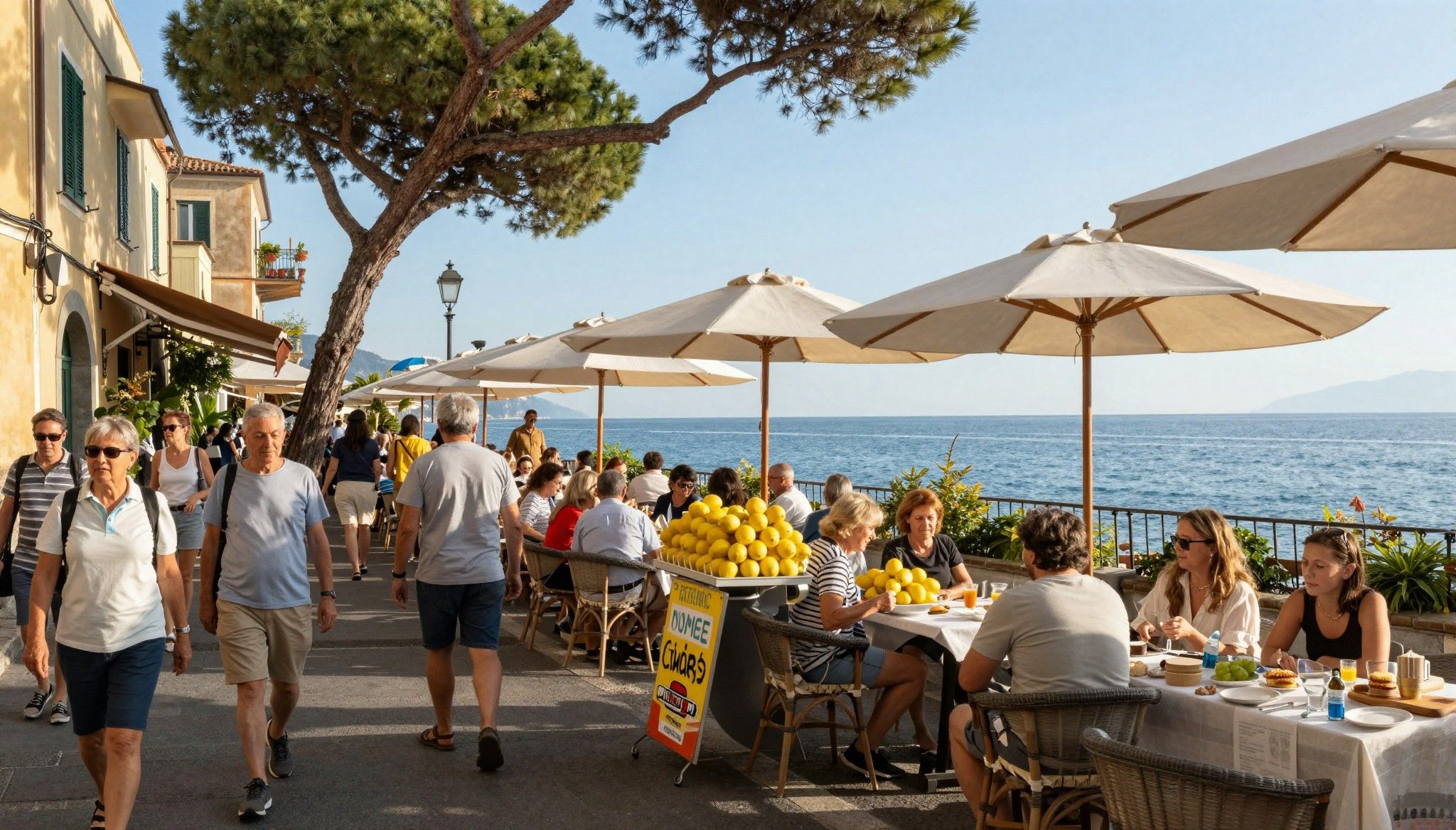
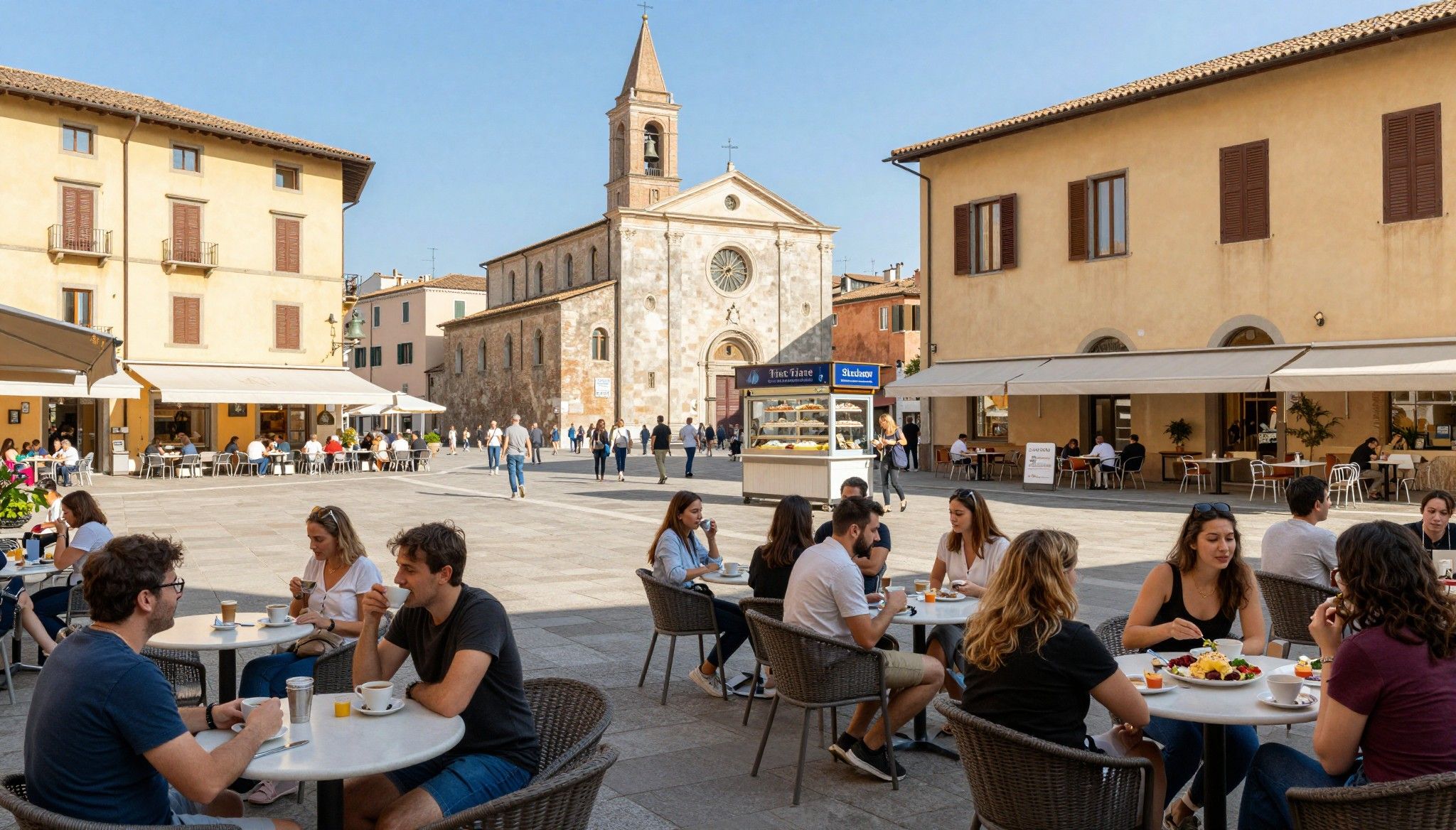
Imagine stepping out for a morning espresso on Via Roma in a historic town, then crossing to a sun-warmed piazza where a fruit market hums and neighbors swap news. That ease—coffee culture, weekly markets, siesta-adjacent rhythms—defines why so many international buyers fall for Italy. But beneath the romance are concrete signals: price movement is modest, foreign demand is rising, and new-builds are driving much of the upward momentum. We pair sensory scenes with data so you can love the lifestyle and buy with confidence.
Living Italian Life: streets, seasons and the daily beat
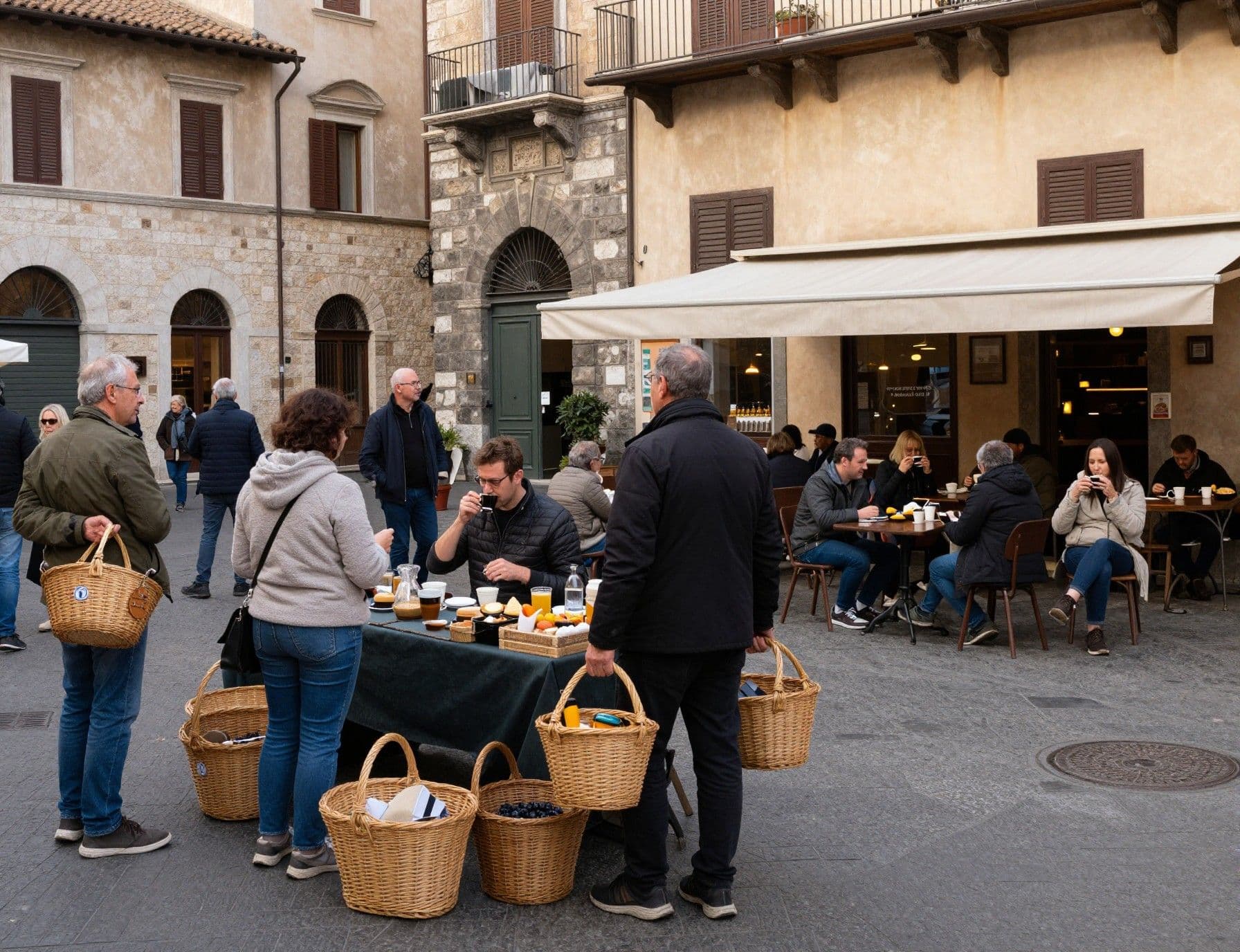
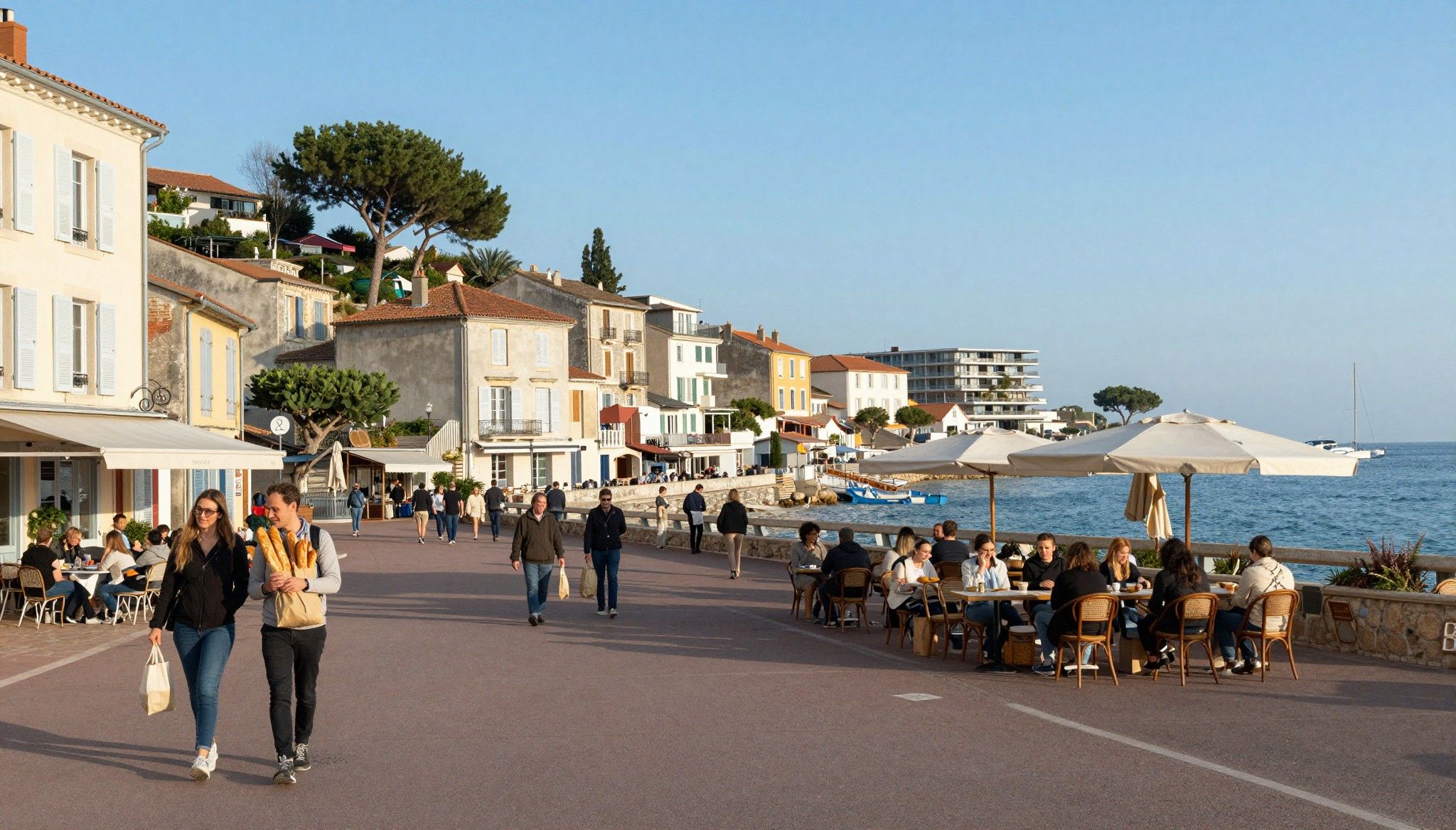
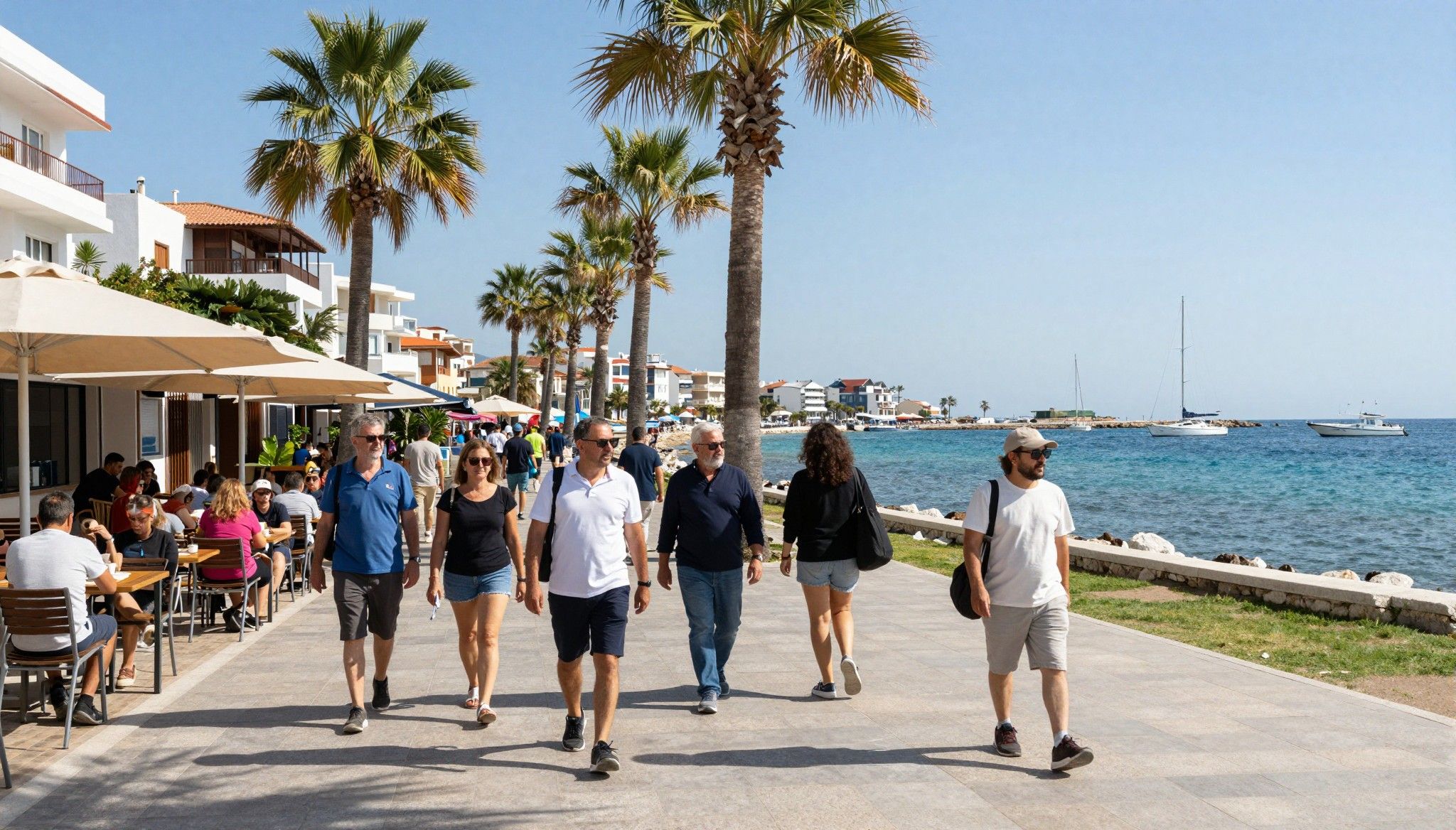
Italy’s attraction isn’t a single postcard: it’s neighbourhood-scale. From Naples’ alleyway cafés to Bergamo’s stone-laced lanes and the Ligurian promenades of Levanto, daily life is about proximity—shops, markets and family-run osterie within easy walking distance. Weather shapes choices too: northern cities have four distinct seasons and require energy-efficient heating, while the Tyrrhenian and Adriatic coasts lend themselves to year-round outdoor living. For buyers, that means choosing a property type that matches how you actually want to live: compact city flat, seaside apartment with a balcony, or a hilltop villa with olive groves.
Neighbourhood spotlight: Oltrarno (Florence) vs. Navigli (Milan)
Oltrarno feels like living inside an artisan’s studio—narrow streets, local workshops, corner trattorie where chefs source produce from Mercato di Sant’Ambrogio. Navigli, in contrast, is canal-side vibrancy: aperitivo culture, late-night galleries and strong short-term rental demand. Both feed different lifestyles: Oltrarno suits lovers of craft and slow mornings; Navigli suits social, design-oriented residents who value nightlife and transport links.
Food, markets and ritual: how cuisine shapes where you live
Weekends center on markets—from Mercato di Porta Palazzo in Turin to Campo de' Fiori in Rome—and those rhythms affect property desirability: proximity to fresh produce and bakeries often beats square metres in locals’ priorities. For buyers, living near a mercato often translates to higher daily quality-of-life and better long-term demand from renters who want authentic local experiences. Seasonal festivals—truffle fairs in Piedmont, sagra del pesce on the Amalfi coast—also animate neighbourhood calendars and increase tourist and rental interest during specific months.
Making the move: what the market actually looks like
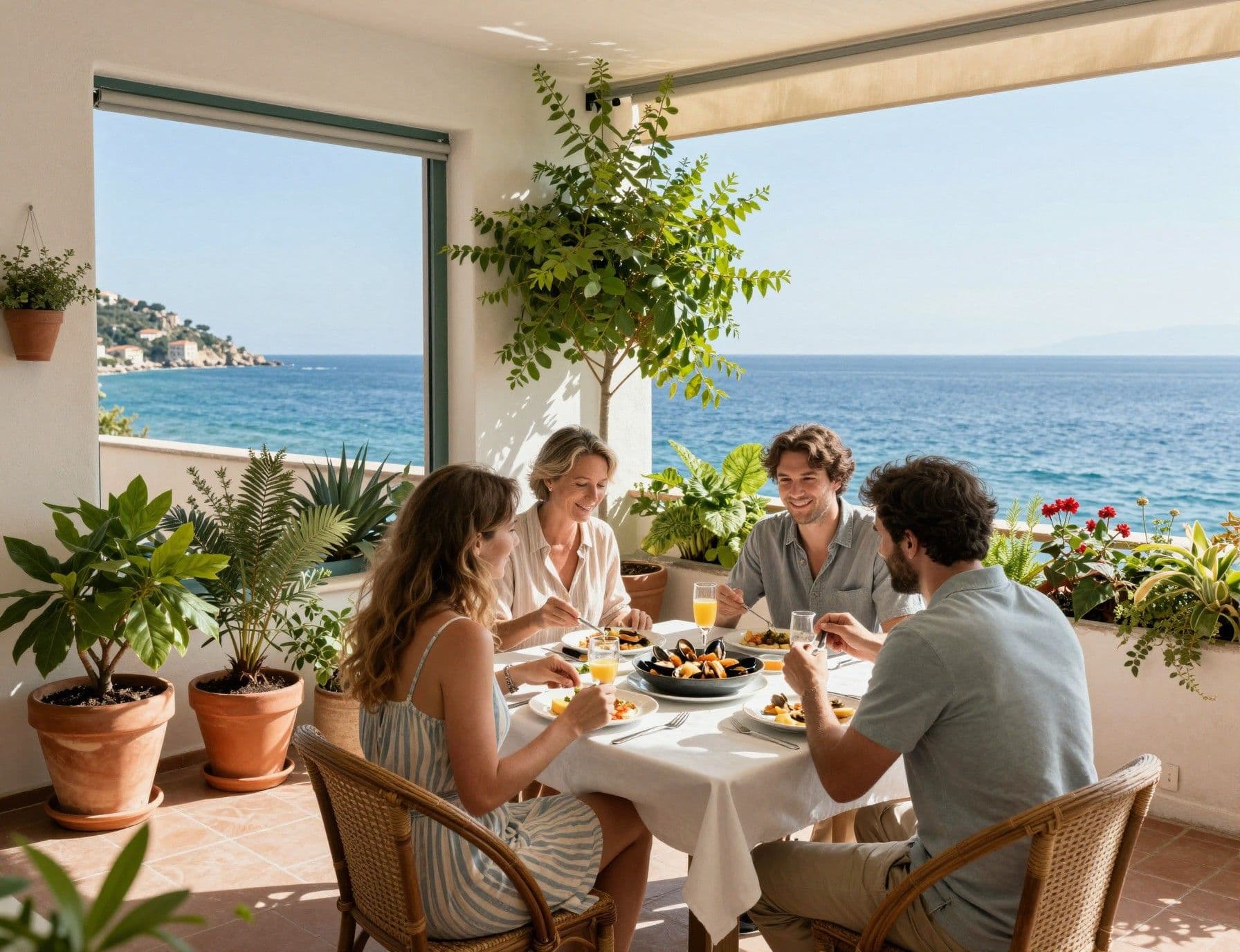
Data shows Italy’s market is active but not overheated: around 950,000 property transactions were recorded in 2024, and price growth has been measured rather than explosive. Foreign buyers are a growing share—reports from industry researchers note rising international interest across cities and coastal areas. For practical buyers, that means opportunities exist in both established centres (Rome, Milan) and value pockets (smaller Tuscan towns, parts of Puglia). Prioritise neighbourhood rhythm over headline city names when assessing value.
Property styles and how they shape life
Historic apartments (centro storico) offer immediate atmosphere—high ceilings, shutters and proximity to landmarks—but often need work on insulation and utilities. New-builds and restored properties command premiums because of energy performance and modern layouts; they suit buyers who want plug‑and‑play living or higher short-term rental appeal. Country houses and villas provide space and privacy, but factor in maintenance and seasonality: olive groves and pools are lifestyle assets that add upkeep costs.
Work with local experts who know life, not just listings
A good local agent does more than show properties: they map daily life (where to shop, which cafés are truly local), explain seasonal flow and introduce trusted notaries, architects and property managers. For international buyers, agencies that offer bilingual service, energy-performance knowledge and rental-market insight reduce costly surprises. Ask agencies for neighbourhood walk-through videos, local rental comps, and examples of recent renovation outcomes so you can see how a property performs both as a home and an asset.
Insider knowledge: myths, red flags and things expats wish they'd known
Myth: Italy is uniformly expensive. Reality: prices vary dramatically—Milan and coastal hotspots are pricier, while many southern towns and inland villages offer excellent value. Myth: renovations always deliver big returns. Reality: permits, seismic standards and energy upgrades can add time and cost; budget accordingly. Expats often wish they'd known local administrative lead times and the quirks of municipal regulations before committing.
Cultural integration: language, community and everyday etiquette
Language matters less in tourist hubs but matters deeply in smaller towns where relationships are built in person. Neighbours still value politeness—learn basic Italian phrases, show up at the local bar, and attend a sagra once or twice to be part of community life. Those efforts translate into better local intel, trusted tradespeople, and a smoother long-term ownership experience.
Long-term lifestyle and investment considerations
Think in seasons: some towns swell in summer and quiet in winter, which affects rental income and maintenance needs. Energy-efficiency upgrades are increasingly valuable in Italy due to regulations and buyer preference; prioritise EPC improvements when possible. Finally, consider how your intended use—year-round residence, part-time retreat, or income property—changes the ideal neighbourhood and property type.
- Lifestyle-to-practical checklist
- 1. Match rhythm: choose a neighbourhood that matches your daily tempo (market mornings vs nightlife).
- 2. Verify running costs: ask for recent utility bills, condominium minutes, and maintenance records.
- 3. Insist on local comps: require rental and sale comps from the last 12 months in your micro‑area.
- 4. Plan for seasonality: if relying on holiday lets, model off-season occupancy realistically.
- 5. Use a multi-disciplinary team: agent, bilingual notary, architect (for renovations) and a local property manager.
- Step-by-step for a confident Italian purchase
- 1. Shortlist neighbourhoods after a reconnaissance visit (3–5 days) and a guided walking tour with your agent.
- 2. Request full property dossiers: catastale extracts, energy certificate (APE), condominium minutes and recent renovations.
- 3. Make an offer conditional on a notary review and a technical inspection; budget 10–15% extra for unexpected findings.
- 4. Sign preliminary contract (compromesso), place deposit, and set a realistic completion timeline with the notary.
Conclusion: live the life, secure the asset
Italy offers a rare combination: everyday beauty and pragmatic opportunity. Start with the neighbourhoods that call to you, then bring data and trusted local expertise to the table. If you want a thoughtful next step, ask an agent for a micro-area report (3–5 properties) showing recent sold prices, seasonal rental performance and a renovation estimate. That’s how you turn the dream—espresso on a sunny balcony—into a secure property decision.
Dutch investment strategist with a Portugal-Spain portfolio. Expert in cross-border financing, rights, and streamlined due diligence for international buyers.