Italy: Buy the Life, Back It with Data
Italy’s lifestyle is the investment—pair sensory neighbourhood scouting with ISTAT and local market data to buy a home that fits everyday life, not just a postcard.
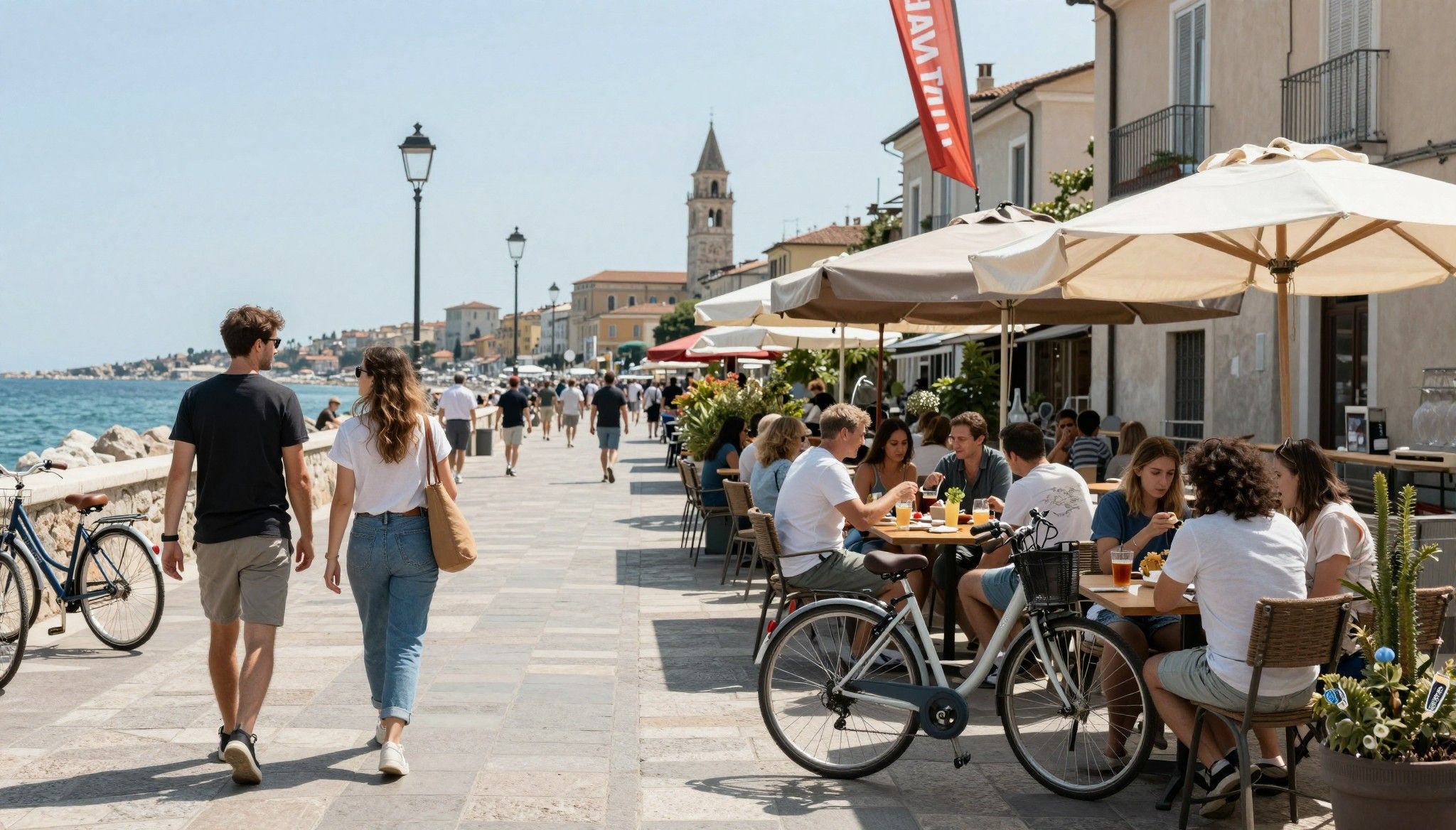
Imagine waking to the clatter of a street market in Naples, sipping a citrus-sweet espresso on a sunlit balcony in Palermo, or cycling past olive groves outside Lecce — Italy is a collage of daily rituals that turn property into lifestyle. For international buyers the romance is immediate: piazzas, food, and a slower rhythm of life. But beneath the postcard is a varied market where timing, neighbourhood nuance and local agency expertise change outcomes dramatically. This piece weaves sensory snapshots with data-driven signals so you can fall in love without losing your head.
Living the Italy lifestyle
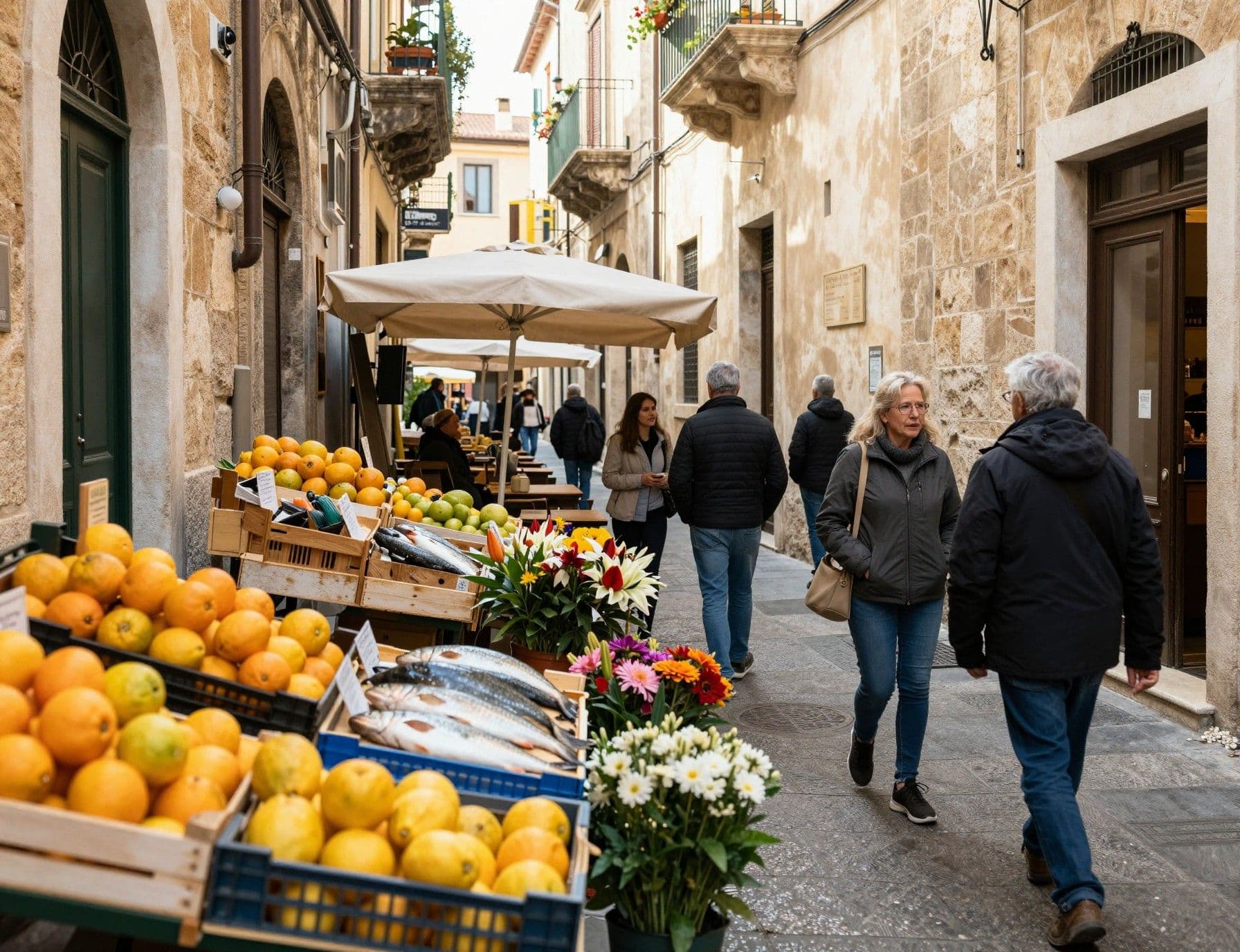
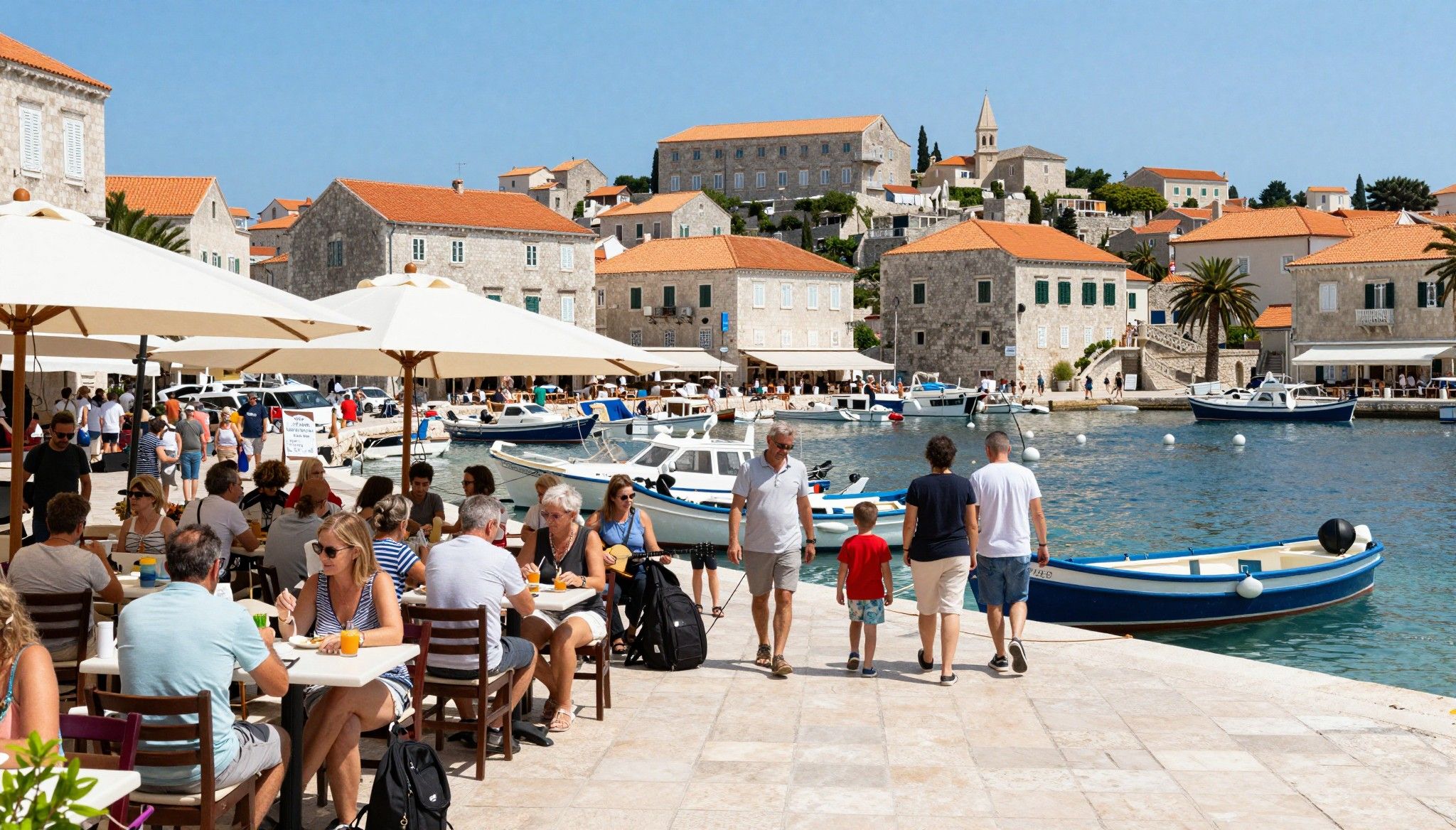
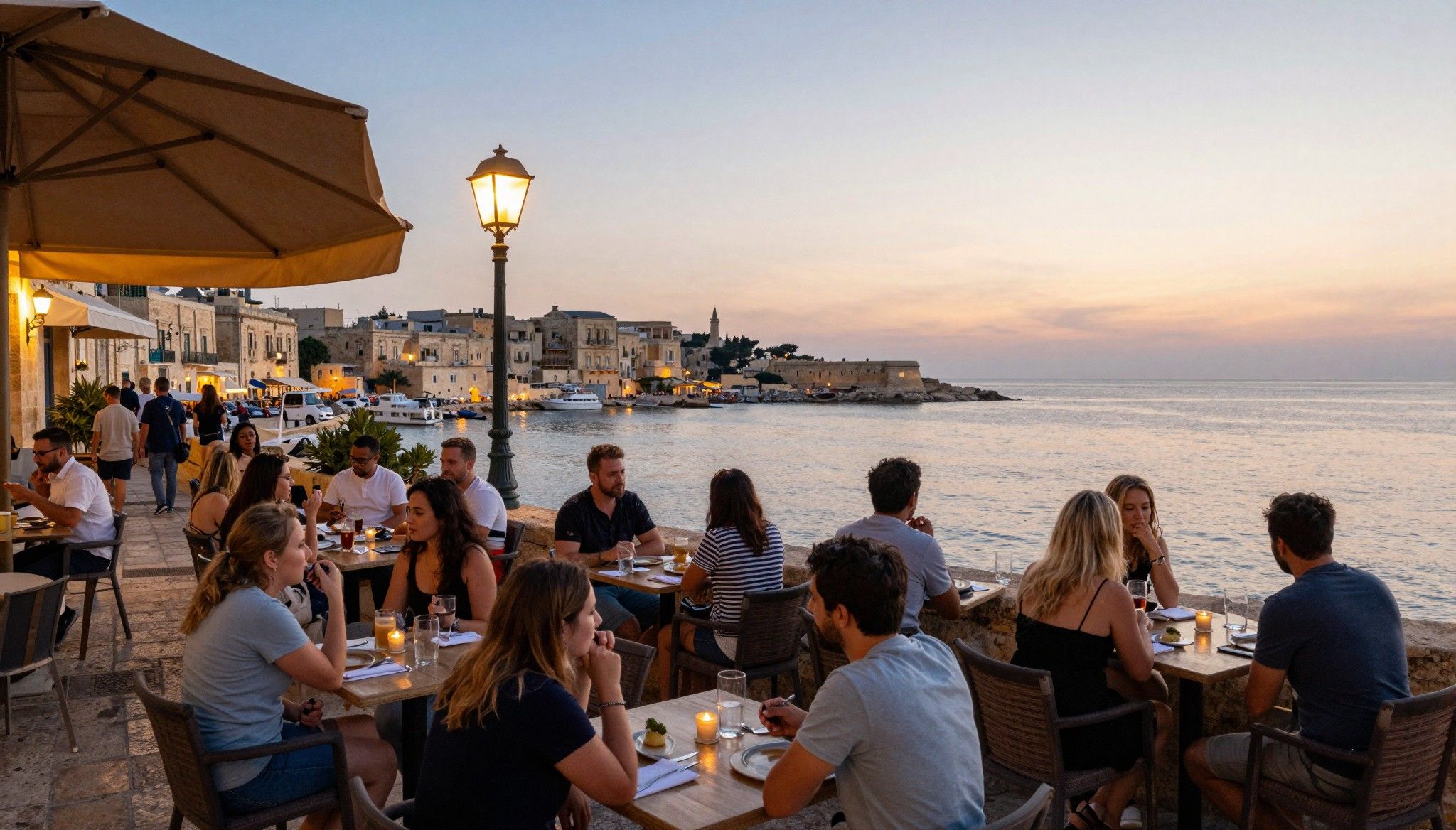
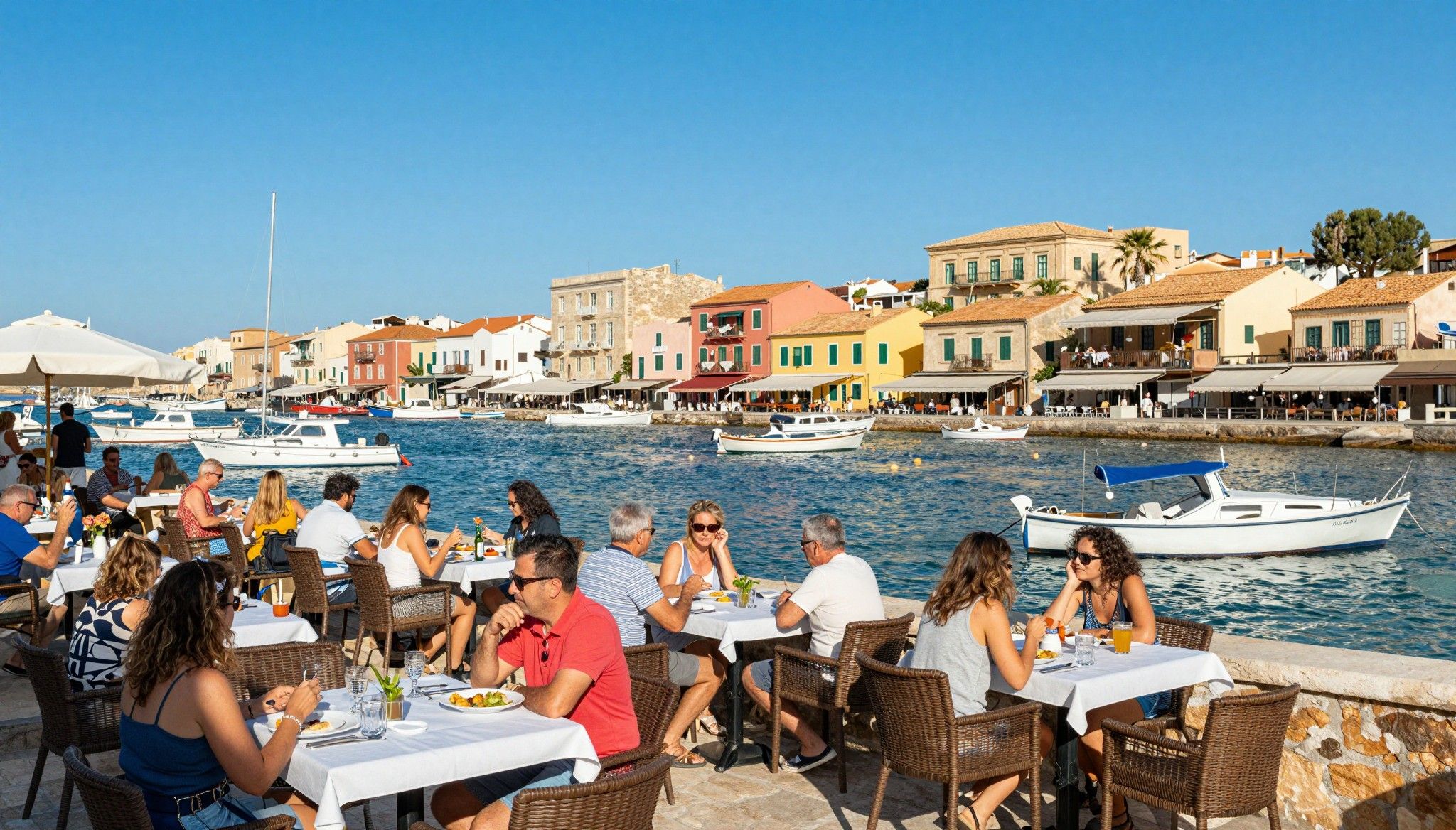
Daily life in Italy is tactile: morning markets, late‑afternoon passeggiata, and neighbourhood cafés where faces are known. In cities like Milan and Bologna the rhythm tilts professional — coworking hubs, late dinners and efficient transit — while coastal towns such as Sorrento and Portofino move with tide and tourism. Seasonality matters: winter months reveal local routines and offer quieter property visits, while summers test whether a seaside community is year‑round or purely seasonal. Understanding these rhythms helps you choose the street and the property that will truly fit your life.
City neighbourhoods: where everyday life happens
Each city has a handful of neighbourhoods that define daily living. In Rome, Trastevere offers cobbled intimacy and bohemian dining but higher tourist footfall; Prati feels quieter with leafy streets and government services nearby. Milan’s Navigli is social and canal‑lined; Brera trades bustle for art galleries and boutique bakeries. Picking the right quarter means choosing the rhythm you want — market mornings, late nightlife, or family‑friendly squares — and then using local sales data to test if prices reflect that lifestyle or just the postcard image.
Food, markets and the social calendar
Markets and food shape where Italians live: a lively mercatino can lift a street’s daily appeal and long‑term desirability. Seasonal festivals—sagre for truffles or chestnuts—can reveal communities with year‑round cohesion rather than tourist cycles. Data shows modest national price growth in recent quarters, but local pockets — often tied to strong cultural scenes — outperform averages. Look beyond headline prices and map cultural anchors: the best lifestyle purchases sit where everyday pleasures and sustainable neighbourhood life intersect.
- Market & lifestyle highlights to scout in person: • Morning food market (e.g., Mercato di Ballarò in Palermo) • A neighbourhood café that knows your name (truly common in smaller quarters) • Weekly cultural events (concerts, film nights) • Proximity to green space or sea within 15–30 minutes • Local artisan shops and a consistent bakery schedule
Making the move: practical considerations
Romance meets reality at the offer stage: Italy’s markets are diverse, and small legal, seasonal or building issues change value fast. National data indicates continued price growth but also highlights regional disparities — Milan and coastal hotspots behave differently from inland provincial towns. Work with an agent who knows municipal planning quirks, typical renovation costs for older stock, and whether neighbourhood demand is driven by tourism or stable local renters. That practical knowledge preserves both lifestyle and capital.
Which property type matches your life?
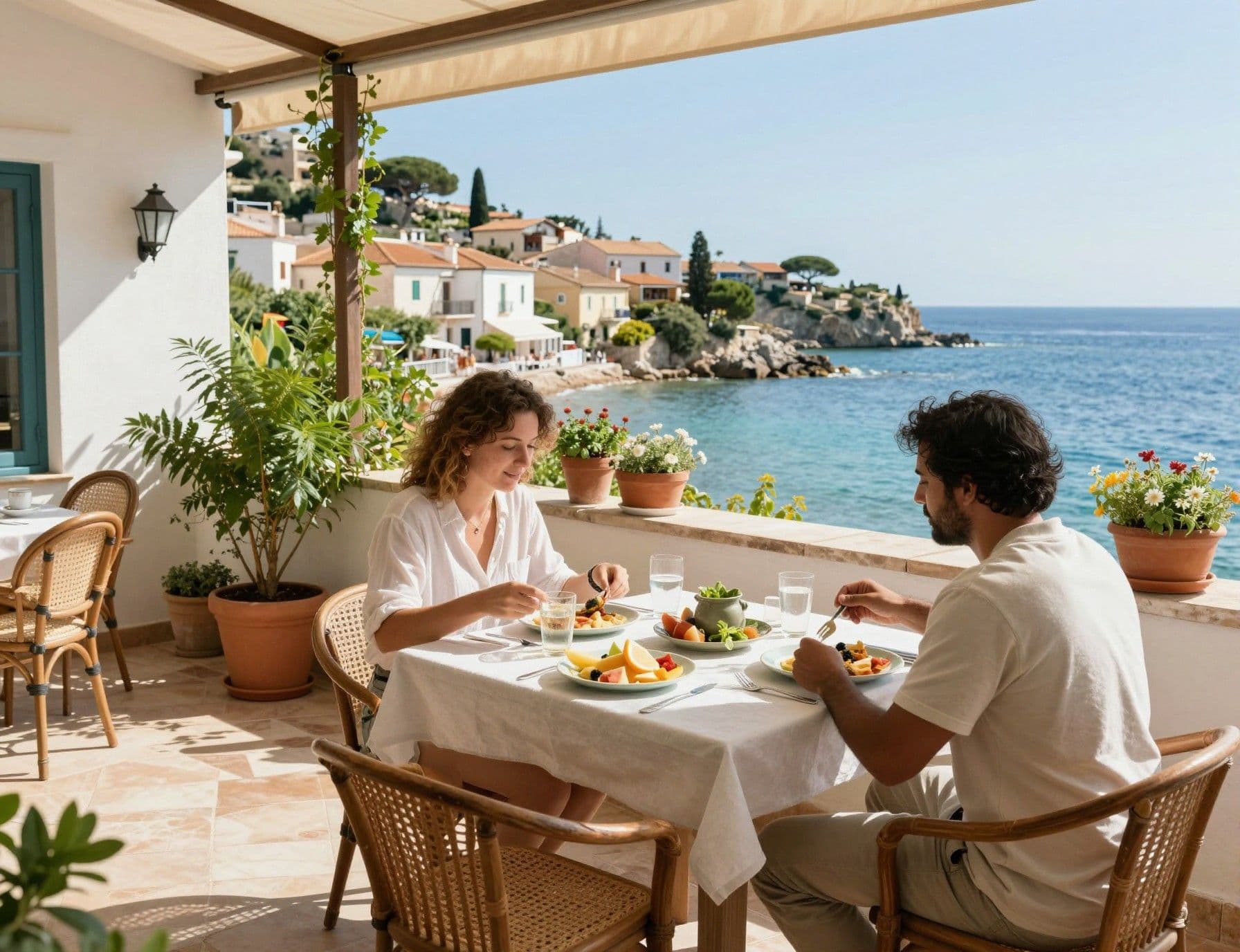
If your day is café‑to‑studio‑to‑aperitivo, a compact city apartment near transit is often better than a large, quiet villa with long maintenance needs. For seaside lovers, test insulation and water damage history — a terrace with sea views costs more but may restrict year‑round use. Historic apartments offer charm but require a realistic renovation budget and longer permitting times. Match property type to how you want to live: low‑maintenance pied‑à‑terre, family townhouse with a small garden, or a countryside farmhouse for long seasons of harvesting and entertaining.
Working with local experts who know the rhythm
A local agency should be a cultural translator, not a salesperson. They arrange viewings when the neighbourhood is alive, connect you with trusted notaries and builders, and flag hidden recurring costs like condominium fees or seasonal utility surcharges in tourism areas. Good agents also read market signals — vacancy rates, short‑term rental pressure, and municipal regeneration projects — and align them with your lifestyle priorities. Insist on references and examples of projects the agency has completed in the specific quarter or seaside stretch you love.
- Steps to translate lifestyle into a sound purchase: 1. Spend a full week living in the neighbourhood (mornings, evenings, market days). 2. Compare three properties of different ages and note maintenance, orientation and noise. 3. Ask your agent for recent local sales and condo fee histories, not just asking prices. 4. Budget 10–20% extra for renovation and compliance with local building rules. 5. Arrange a notary review before final offer — local notaries can flag problems quickly.
Insider knowledge: what expats wish they'd known
Expats often discover a gap between romantic expectation and municipal reality: cafes close in August in small towns, building conservancies can veto façade changes, and heating systems vary regionally. Language is less of a barrier than assumed if you cultivate local relationships — shopkeepers, neighbours and a bilingual agent become daily allies. Data confirms what locals feel: modest national price growth masks hot micro‑markets and undervalued provincial gems. Spend time listening; neighbourhood cadence will tell you more than glossy listings.
Cultural integration and the social fabric
Integration is practical: attend market mornings, join a language exchange, and volunteer at a local sagre. Italians value reciprocity — small gestures like learning basic greetings, respecting quiet hours (usually after 14:00 and after 22:00) and participating in local celebrations go a long way. Schools, health services and municipal offices vary by region, so pairing lifestyle choice with service expectations is essential for families. The social fabric is as important to long‑term happiness as square metres and sea views.
Long‑term lifestyle: what changes after you move
After a year you’ll notice small transformations: weekday rhythms settle, favourite cafés become second living rooms, and seasonal festivals reshape your calendar. Properties in stable communities often appreciate more steadily than those in purely tourist zones, a fact supported by national statistics showing regionally uneven but persistent growth. Plan for evolving needs: storage for bicycles, a workspace with natural light, or insulation upgrades for year‑round comfort. These practical shifts preserve both lifestyle and long‑term value.
- Red flags and quick checks before you sign: • High short‑term rental activity on the block (seasonal noise and maintenance) • Unclear condominium meeting minutes or sudden special assessments • Documents missing for renovations claimed in the listing • Heating systems older than 20 years without inspection reports • Streets that flood or have known environmental risks
Picture yourself at the table: neighbours you know, a market basket in hand, and a home that fits the life you actually want to lead. Italy’s diversity lets you choose the seaside pace, the city hum or the slow countryside harvest. Use data from ISTAT and local reports to set realistic expectations, then ground those numbers with weekday visits and the right local experts. When lifestyle and market logic align, buying in Italy stops being an aspiration and becomes a well‑planned new chapter.
Next steps: shortlist neighbourhoods, book a week of exploratory stays, and ask your shortlisted agents for recent local comparables and renovation references. Request the notary’s early review of title documents and confirm condo minutes before a binding offer. If you want help matching lifestyle priorities to a shortlist of streets and property types, agencies with regional coverage can translate the cultural cues into practical checks and budgets. Start with living the place for a week — that’s where love meets sense.
Swedish strategist who relocated to Marbella in 2018. Specializes in legal navigation and tax planning for Scandinavian buyers.