Italy: Match Neighbourhood Rhythm to Market Reality
Italy offers diverse lifestyles and steady 2025 price growth; match neighbourhood rhythms (Milan, Tuscany, coast) to your daily life and back choices with local HPI and agent evidence.
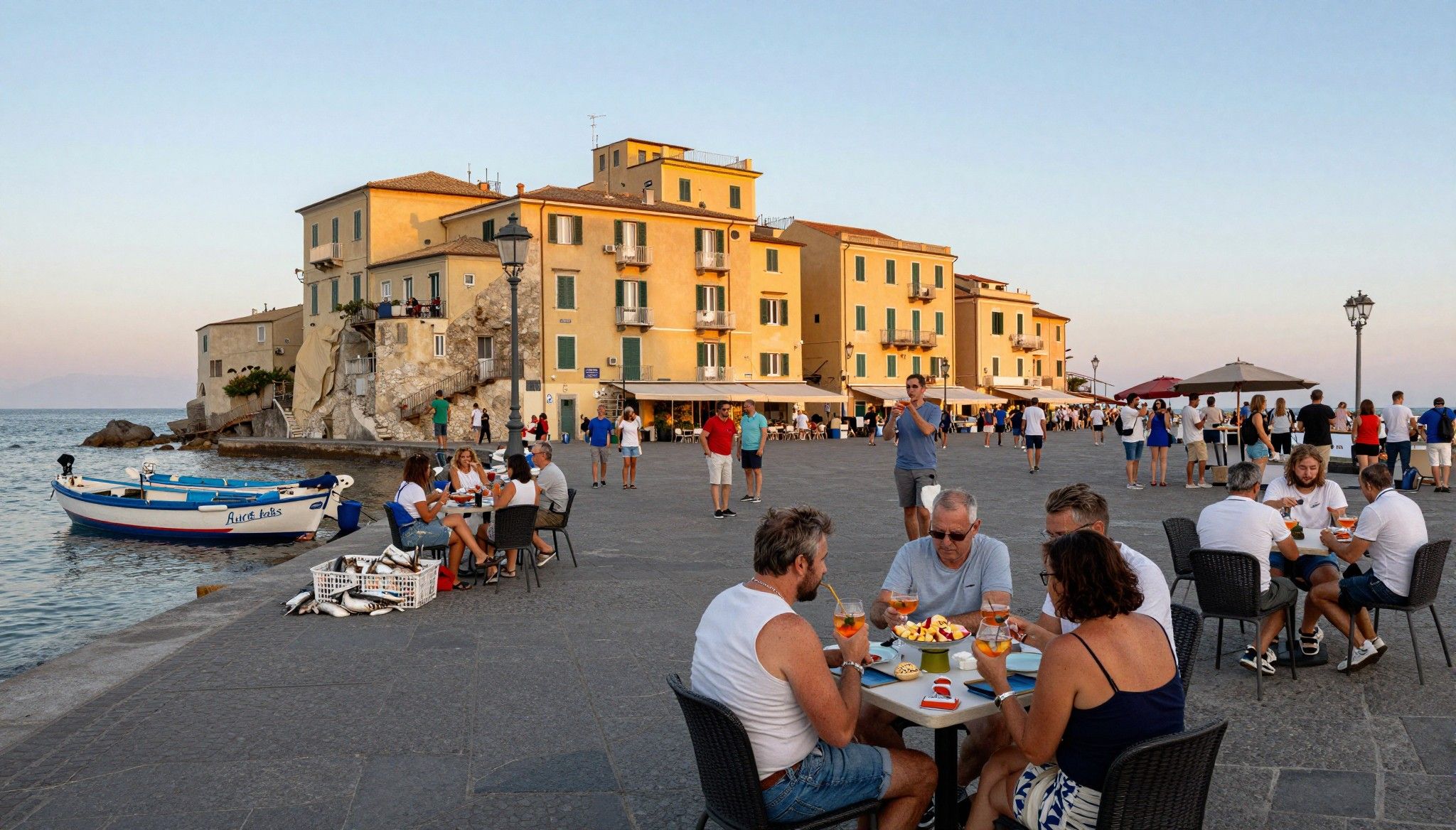
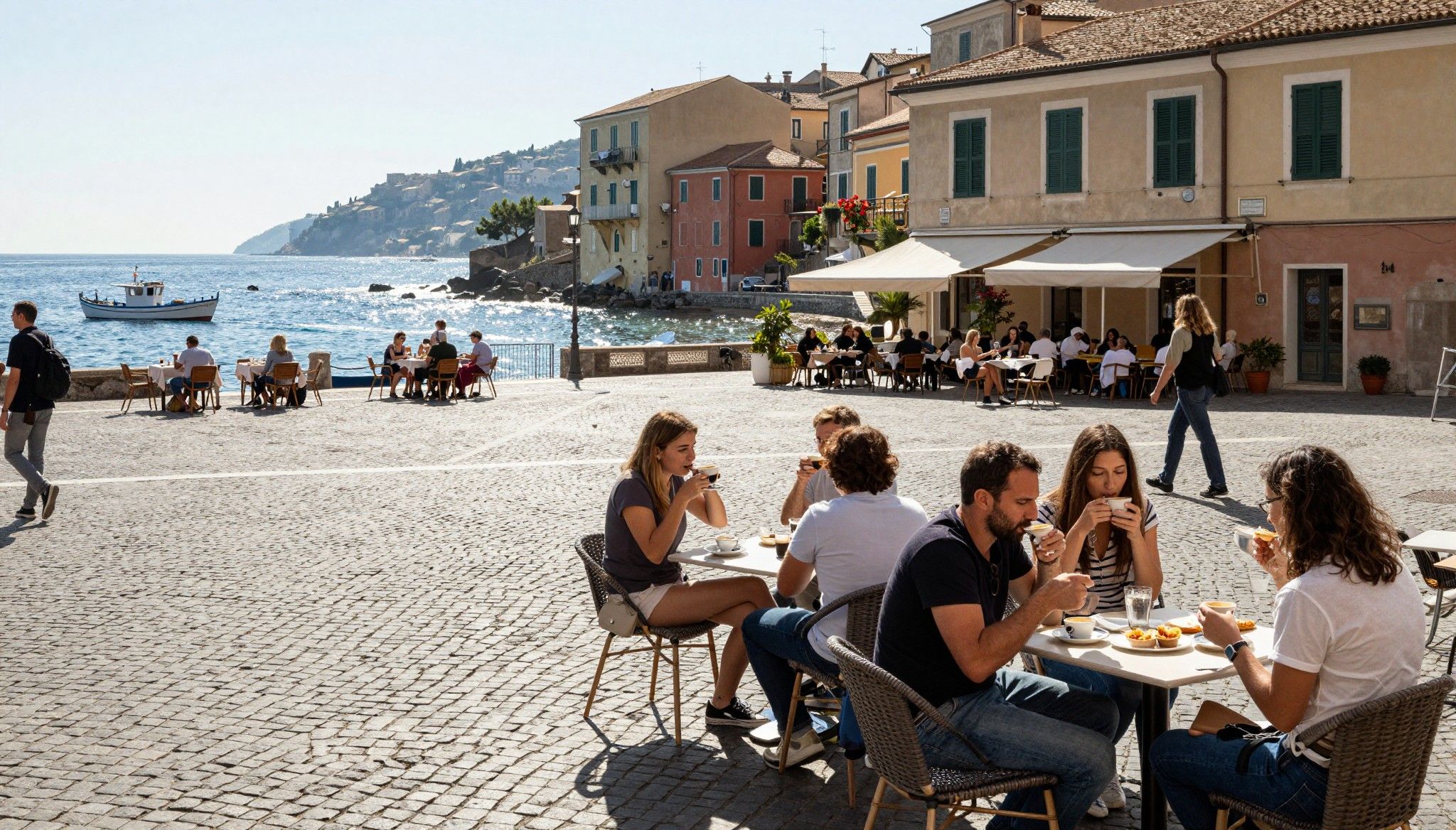
Imagine stepping out at 08:30 for a short espresso at a corner bar on Via dei Condotti in Rome, then taking the tram across tree-lined neighborhoods to a Sunday market where vendors still weigh cheese on a brass scale. That sensory rhythm — coffee, conversation, seasonal produce, a late-afternoon passeggiata — is the everyday Italy that draws international buyers. But the lived reality varies wildly between Milan apartments, seaside Amalfi villas and restored country houses in Puglia. Understanding those differences is how buyers match the dream with durable value.
Living the Italy lifestyle
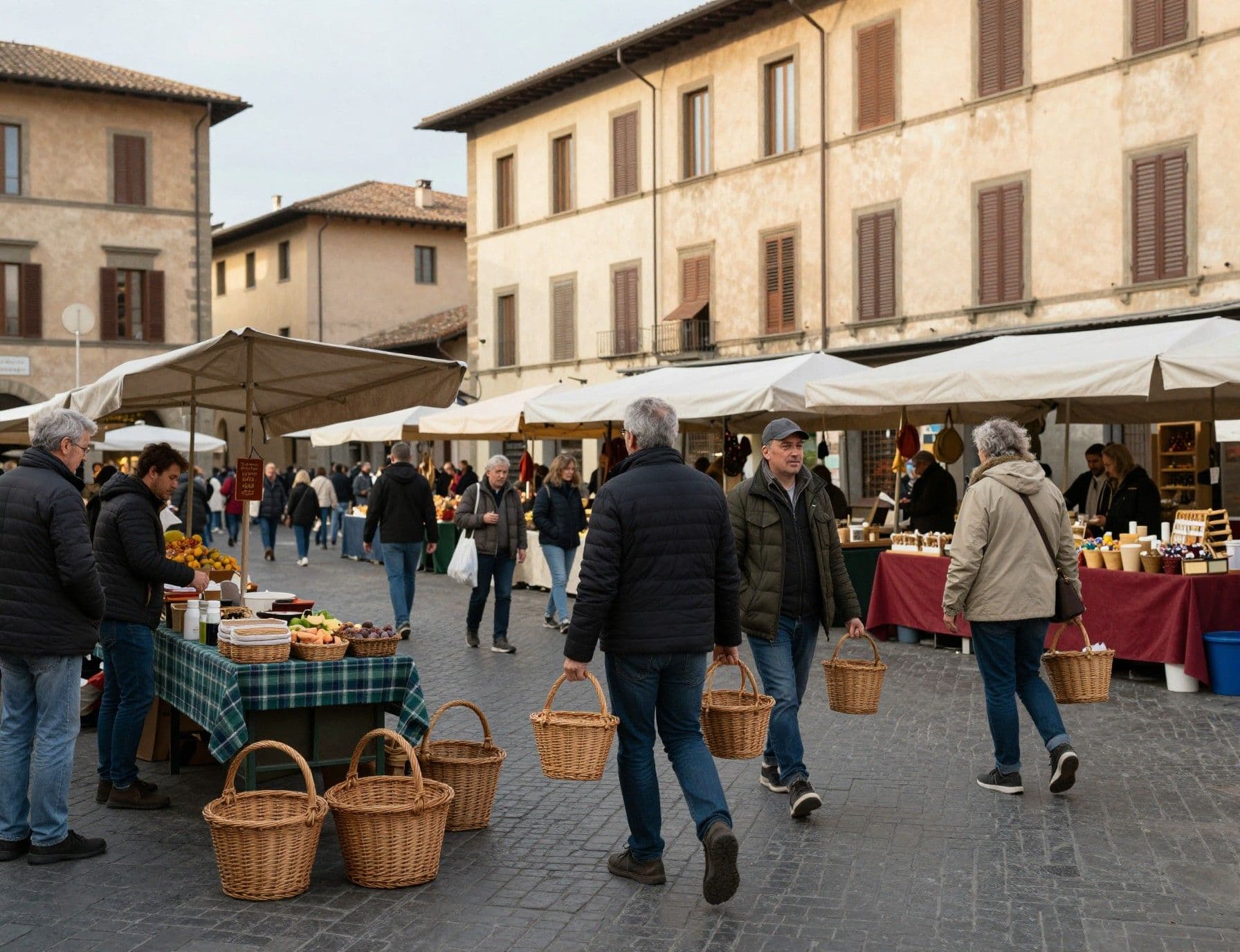
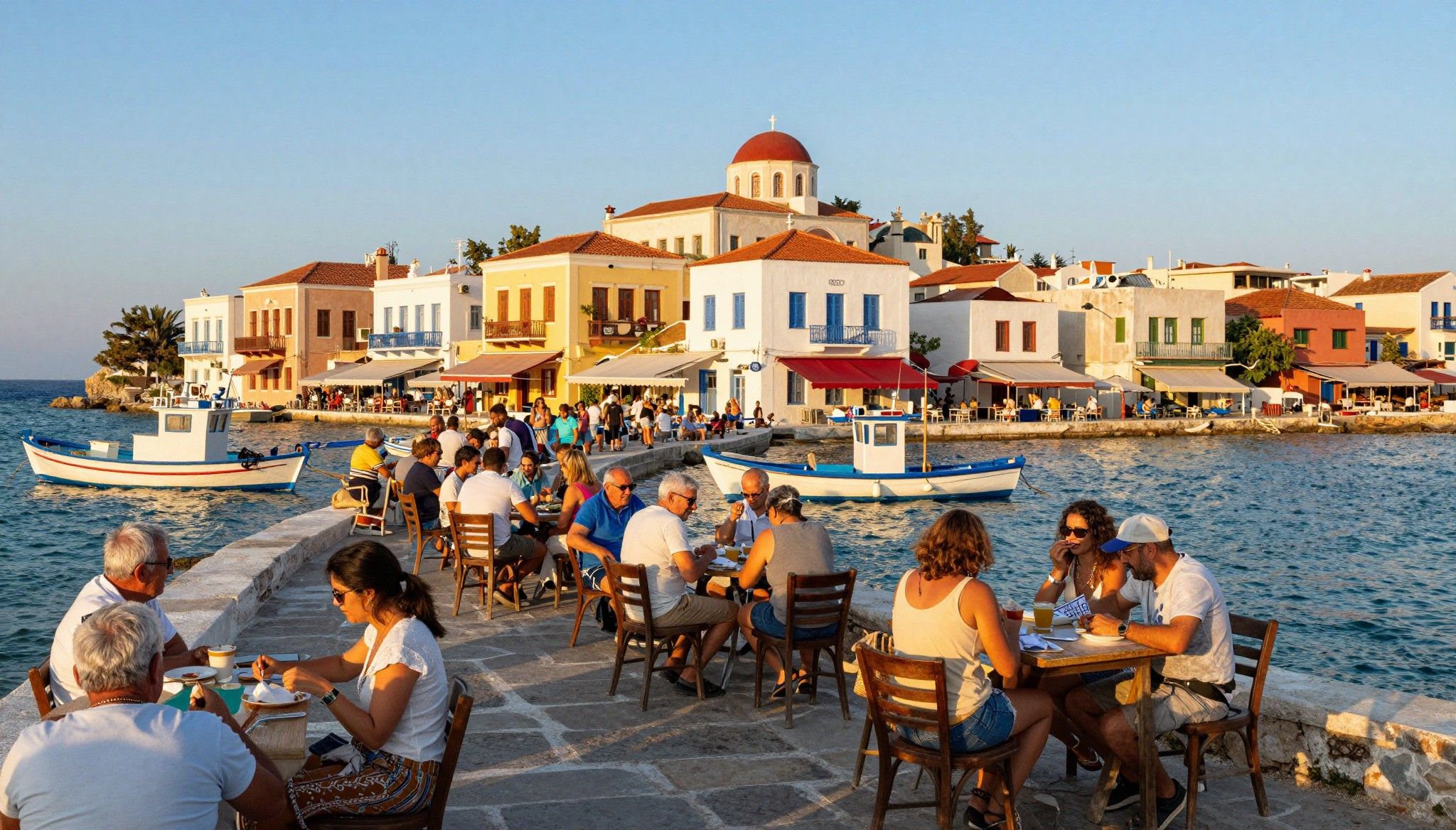
Italy is not a single rhythm but a mosaic. City mornings pulse with cafés, boutiques and tram lines; afternoons in coastal towns slow to beachside bars and late lunches; evenings in hill towns gather around piazzas. Areas such as Tuscany and the Veneto mix tourism with lived-in communities, while cities like Milan offer a stronger year-round rental market and job-led demand. Recent official HPI data show national price growth continuing into 2025 — a sign buyers should weigh lifestyle against market momentum.
Neighborhood spotlight: Milan city centre vs Navigli
Picture a two-bedroom loft near Corso Como: morning espresso in a minimal café, coworking ten minutes away, and metro access for business connections. Compare that with an apartment on the Navigli canals: evenings filled with aperitivo crowds, independent galleries and an owner-friendly short‑let market. Each spot suits a different life — Milan central for professional rhythm and rental yield; Navigli for lifestyle-led living and seasonal demand. Market reports point to Milan’s continued lead in prime pricing, which translates into higher entry costs but a deeper rental pool.
Food, markets and weekend life
Weekend routines in Italy are often organised around markets and food. In Naples, expect sfogliatella for breakfast then a morning at Porta Nolana market; in Bologna, lunch centers on tortellini and glass of Sangiovese. These rituals shape property choices: buyers want kitchens that can host, terraces for afternoon shade, and proximity to market squares. Practical detail: seasonal costs and utilities vary, and local consumer price indices help estimate living budgets alongside mortgage or ownership costs.
- Lifestyle highlights to consider
- Daily espresso culture — small cafés on almost every corner
- Weekly markets (mercati) that define neighbourhood life
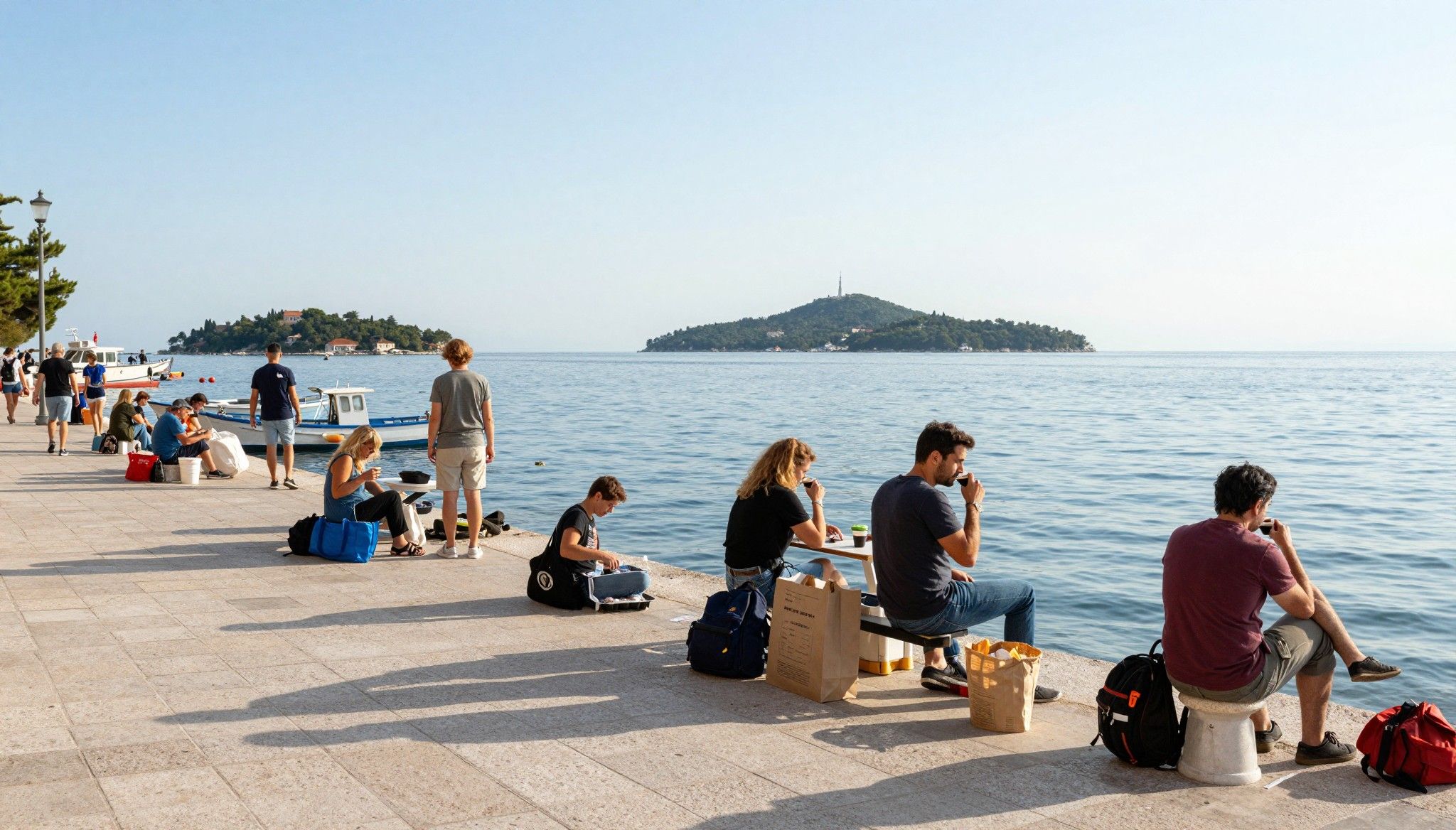
- Seasonal coastal shifts — summer energy vs quiet off‑season
Making the move: practical considerations
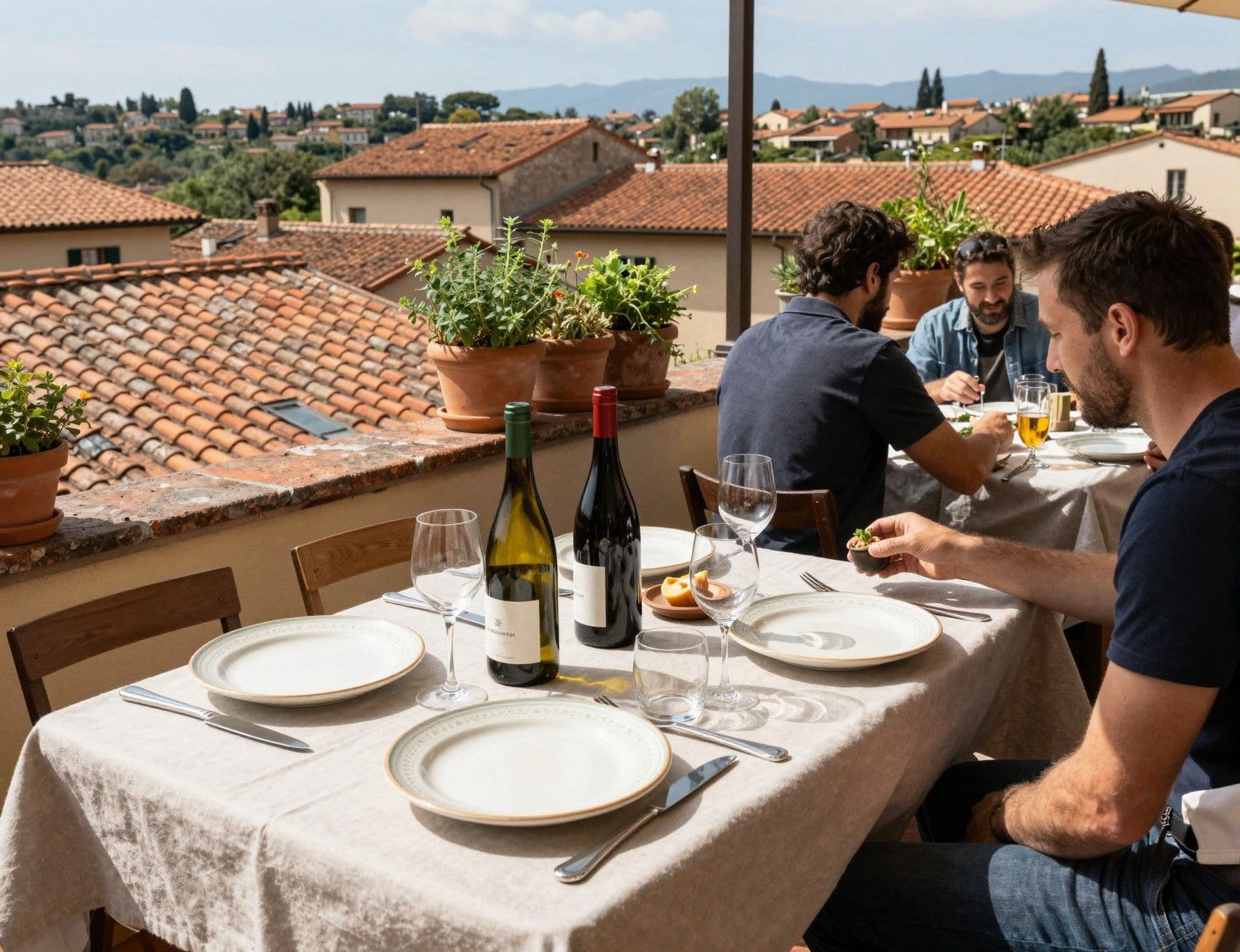
The fantasy of Italian life meets paperwork and local practice. Start by translating lifestyle priorities — proximity to markets, terrace space, or year‑round rental potential — into property types. Then layer in market data: national house price indices rose through 2025, but regional performance diverges. That matters for timing, negotiation and expected returns.
Property styles and how you'll live in them
A historic centre apartment gives instant access to culture and cafés but often means compact layouts and strict conservation rules. Coastal villas buy outdoor life and rental seasonality. New-builds in peripheral towns offer energy efficiency and parking but are further from markets and nightlife. Italy’s HPI growth (around +3–4% YoY in 2025) suggests steady demand; choose a property type that aligns to how often you’ll use the home and whether you want rental income.
Working with local experts who know the lifestyle
An agent who knows the neighbourhood rhythm is invaluable: they spot when a street is shifting from local to tourist, they know which buildings allow short lets, and they can suggest renovation partners conversant in local heritage rules. Look for agencies that show listings in the context of daily life — photos of the morning market, route to the nearest pharmacy, and nearby schools — not only glossy interiors.
- Steps to balance lifestyle and market sense
- List your 3 non‑negotiables (e.g., terrace, 10‑minute market walk, tram access).
- Match those to property types, then map three neighbourhoods that fit each profile.
- Ask agents for real‑life evidence: photos of the street at different times and recent comparable sales.
Insider knowledge: what expats wish they'd known
Expats often discover that small cultural differences shape daily comfort. Local shop opening times, the central role of the neighbourhood bar, and municipal rules for holiday rentals all affect how you live and earn from a property. In places like Tuscany and coastal Puglia, foreigners are reshaping demand — but community integration requires patience and respect for local rhythms.
Cultural integration, language and social life
Learning Italian opens doors: neighbours, artisans and municipal offices respond differently when you try the language. Join local associations — market volunteer days, amateur football clubs, or cooking classes — to anchor your life beyond expat bubbles. Many buyers say the quickest route to belonging is regular attendance at the same café and shopping at the same market stall.
Longer-term lifestyle and market considerations
Think five years ahead: will you want a larger kitchen for expanded social life? Will local infrastructure improve (new rail links, regional incentives) or will tourism growth make the area more seasonal? Reports note steady foreign demand and selective prime growth; tailor your buy to expected life changes, not only today's Instagram-worthy streets.
- Red flags local buyers watch for
- A building under conservation that limits renovations
- Streets that are holiday-only in summer but empty off‑season
- Properties without documented recent energy upgrades (higher running costs)
Conclusion: imagine the life, then back it with evidence. Start with sensory scouting — a short visit to your favoured neighbourhoods at different times of day — and pair that with market checks: recent sales, HPI trends and agent-provided local comparables. Italy offers a spectrum of lifestyles and resilient market pockets; the best purchases connect tangible daily pleasures with realistic financial expectations. When you're ready, choose an agency that frames listings around life — routes to the market, typical weekend scenes, and community profiles — not just square metres.
Swedish strategist who relocated to Marbella in 2018. Specializes in legal navigation and tax planning for Scandinavian buyers.