Malta: Buy for the Daily Rhythm, Not the Headline
Malta compresses Mediterranean life into walkable neighbourhoods — buy for daily routines, not headlines; check licences, terraces and peak-season rhythms.
Imagine starting your morning with an espresso on a limestone balcony in Valletta, then cycling to a quiet cove for a swim before the city wakes. Malta compresses Mediterranean life into a 27-by-14-kilometre frame: narrow streets, sea-salt air, markets that trade gossip as eagerly as produce — and a real‑estate market where local rhythm matters as much as price.
Living the Malta lifestyle
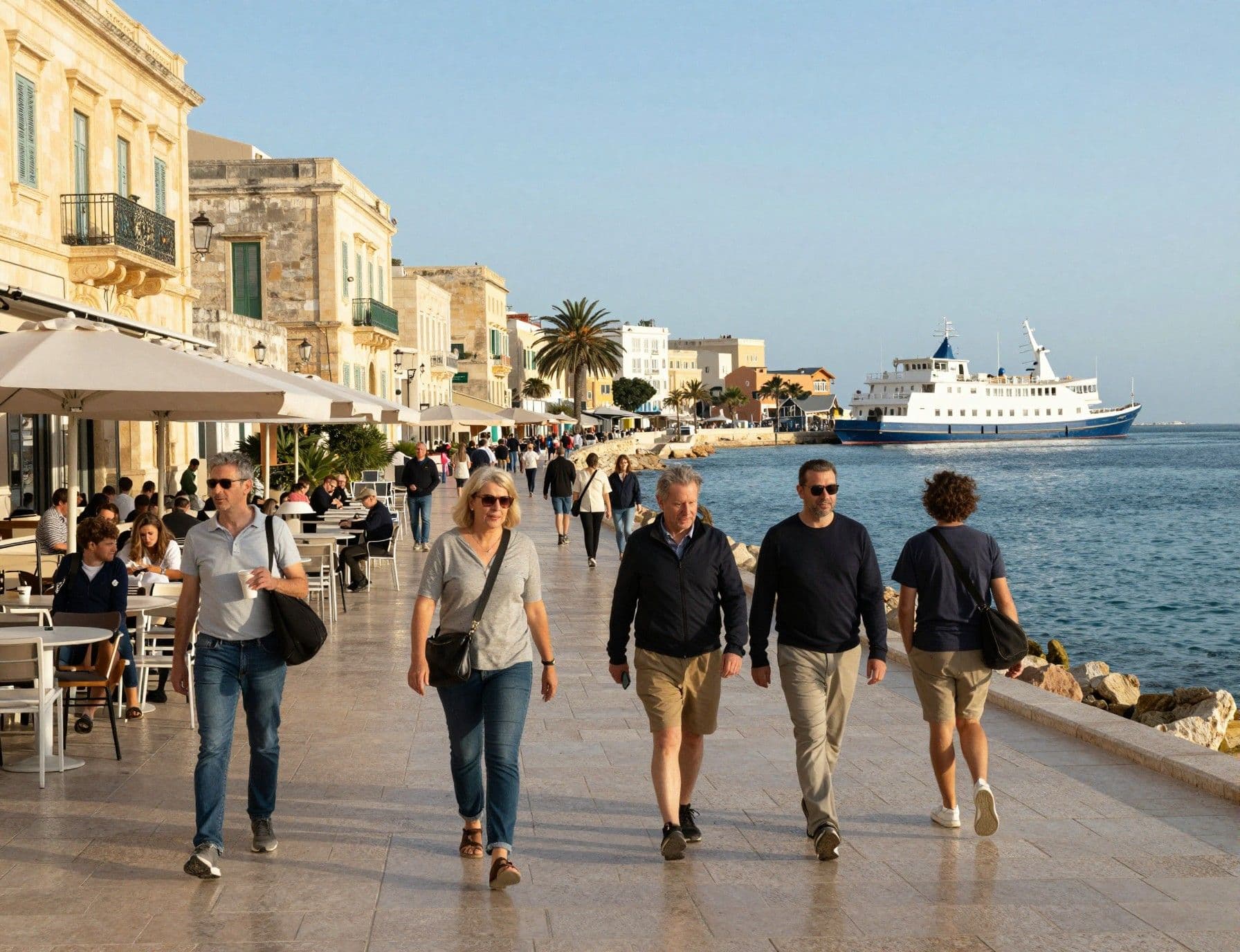
Day-to-day life in Malta feels theatrical and small-town at once. Mornings bring bakery queues and church bells; afternoons drift toward seaside bars and siestas in quieter towns; evenings are for long dinners that stretch past midnight. English is an official language, which flattens many practical barriers for internationals, but the social texture is shaped by Maltese family rhythms and island-scale informality.
Valletta & Three Cities: compact history, civic life
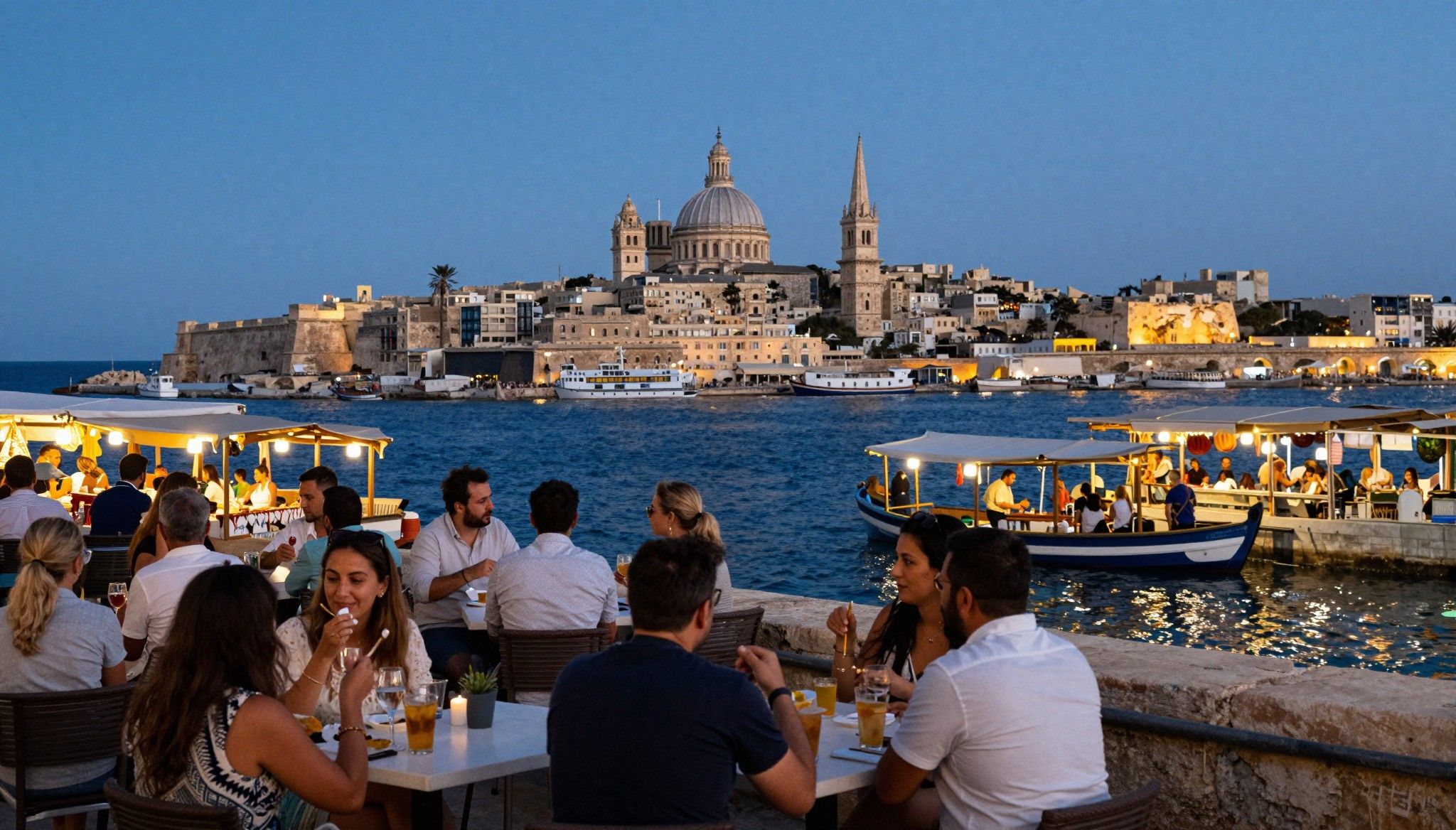
Valletta’s baroque facades and narrow bastion streets reward walkers: coffee at Café Cordina, a late afternoon at Hastings Gardens, then cocktails overlooking the Grand Harbour. Cross the harbour to Senglea and Vittoriosa for quieter harbourside life where restored townhouses sit above traditional boatyards — ideal if you want walkable heritage with harbour views and short commutes to jobs in finance or tourism.
Sliema/Gzira & St Julian’s: seaside sociality and services
Sliema and St Julian’s are Malta’s modern living hubs: seafront promenades, high-street boutiques, international restaurants and easy ferry links to Valletta. Expats and young professionals cluster here for amenities and transport; expect apartment living, rooftop terraces, and a busier night scene in Paceville if nightlife is part of your plan.
- Lifestyle highlights — what makes Malta sing
- Morning espresso and ftira at Café Cordina (Valletta); ferry to Manoel Island for weekend runs; seafood at Marsaxlokk market on Sunday mornings; snorkeling at St Peter’s Pool (south); rooftop aperitifs in Sliema at sunset; seasonal festas in village squares that bring the island together.
Making the move: lifestyle meets property reality
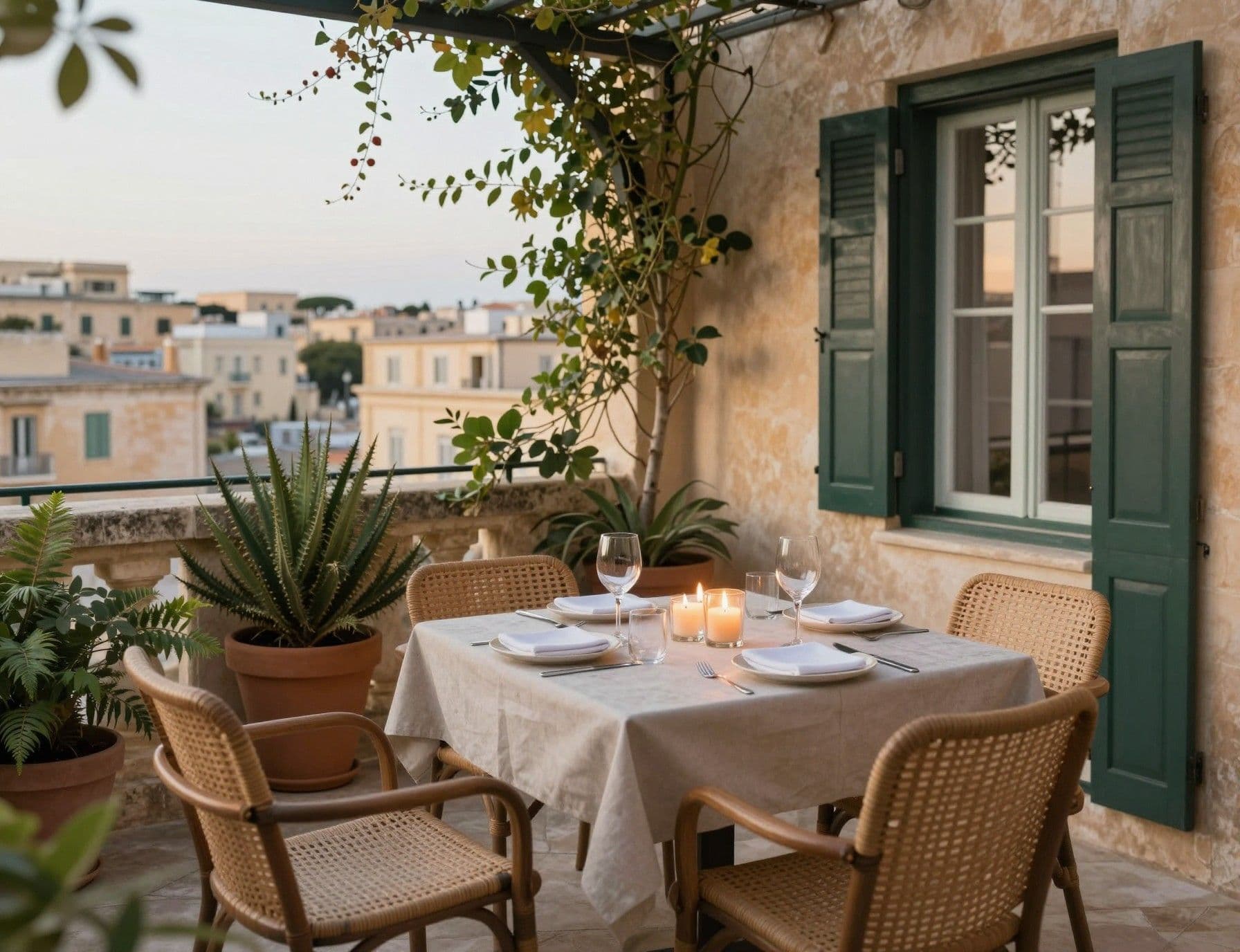
Malta’s compact size makes neighbourhood choice disproportionately important. Choose a sunlit terrace and you might trade square metres; choose a larger suburban home and you accept a different daily rhythm. Recent price indices show steady upward pressure, so timing and the right neighbourhood match the lifestyle you want more than chasing headline yields.
Property styles and how they shape life
Choices range from converted townhouses (houses of character) to modern apartments and new developer blocks. Townhouses offer vaulted ceilings, internal lightwells and roof terraces — perfect for slow living and entertaining. Modern apartments deliver amenities and easier maintenance, suiting buyers who prioritise convenience and rental potential.
Working with local experts who understand the rhythm
A local agent who knows which streets hold morning markets, where council parking is tight, and which restorations require conservation approval will save time and money. Look for agencies that show transaction history by neighbourhood and have a network of architects and lawyers familiar with Malta’s planning norms.
- Practical steps that blend lifestyle and process
- Tell your agent your daily routines first (work, school, sea access).
- Map commute times by car and ferry during peak hours — they change the day-to-day.
- Check conservation restrictions for heritage homes before bidding.
- Validate short‑let licensing if you plan seasonal rentals — local councils vary.
Insider knowledge: expat truths and market realities
Expats tell a familiar story: Malta is easy to live in but surprisingly demanding to buy into. High tourism intensity in summer changes neighbourhood character and short‑term letting rules are evolving. Expect lively summers and much quieter winters — that seasonality affects both lifestyle and rental demand.
Integration, language and social life
English and Maltese are both in daily use; working knowledge of English gets you far. Local cafés, sports clubs and festa committees are where friendships form. Be ready for an island pace: decisions can be relationship‑driven, and a local introduction often opens doors faster than a cold email.
Reality check on residency: high‑profile changes to Malta’s investor citizenship programmes have political and market spillovers. While some residency routes remain, rely on current legal advice — changes can influence buyer appetite, compliance requirements and the premium paid for certain properties.
- Red flags and local quirks to watch for
- Unpermitted alterations in older townhouses; unclear terrace rights; short‑let licence suspensions or caps in some localities; seasonal noise near festa routes; parking scarcity in historic cores.
Longer term, life on the island tends to simplify: you exchange scale for depth — a weekly market in Marsaxlokk becomes a ritual, a neighbour’s kitchen becomes a shortcut to community. For buyers, that’s the promise: concentrated life, fast friendships, and a walkable routine most Mediterranean places only approximate.
Future-facing considerations
If you plan to hold for a decade, watch planning pipeline and rental regulation. New-build supply is limited by island constraints; renovations and conversions will drive much of the near‑term stock growth. That scarcity supports values but raises the bar for due diligence.
- Checklist before you bid
- Confirm exact property boundaries and terrace rights; obtain a planning history report; test commute times in peak season; check short‑let licensing rules locally; hire a bilingual notary or lawyer familiar with Maltese conveyancing.
Picture the payoff: weekday swims before work, Sunday markets that feel like family rituals, neighbours who become friends. Malta asks for adaptation — narrow streets, small gardens, seasonal crowds — and rewards with concentrated quality of life you can’t replicate at scale.
Ready to act? Start by shortlisting 3 neighbourhoods that match your daily rhythm, commission a local viewing plan that tests mornings and evenings in each area, and ask your chosen agency for a two‑year neighbourhood price and short‑let licensing history. Those three steps turn a dream into a realistic move.
Conclusion — Malta as a lifestyle investment: it’s compact, social, and seasonal. Buy with your life in mind and you buy the island’s everyday joys, not only a postal code.
Swedish strategist who relocated to Marbella in 2018. Specializes in legal navigation and tax planning for Scandinavian buyers.