France: Lifestyle Choices That Shape Tax & Long‑Term Cost
How to match France’s irresistible lifestyle with tax realities: neighbourhood rhythms, non‑resident obligations (IFI, rental tax) and practical steps to buy with confidence.
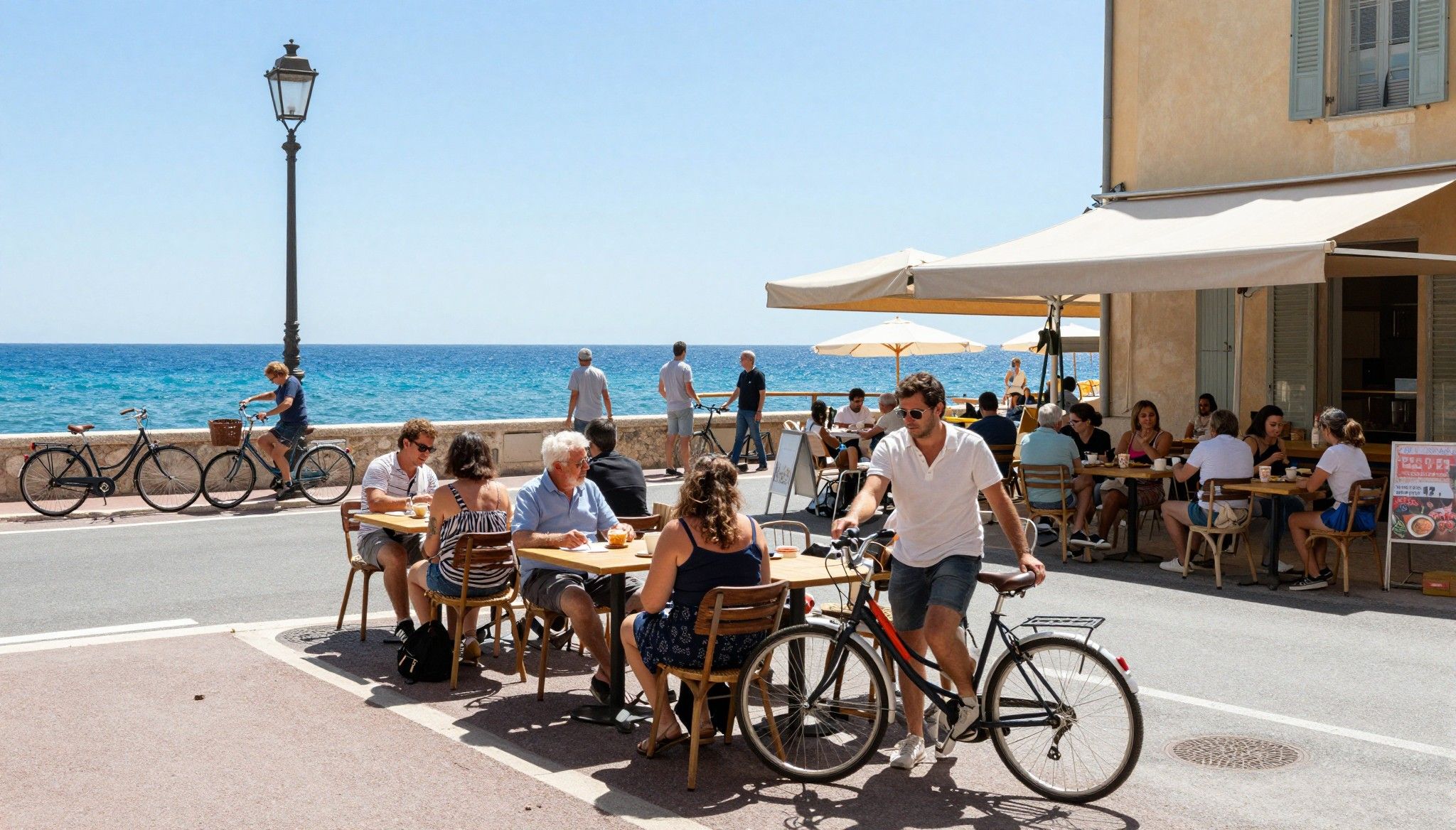
Imagine starting your morning with a pressé at Café du Marché on rue Cler, baguette in hand, then wandering to a Saturday marché for oysters and wild mushrooms — that sensory day-in-France is the reason many of us cross borders. But lifestyle and paperwork arrive together: from propriété styles in Aix to pied‑à‑terre rules in Paris, tax and residency choices shape how that life will actually unfold. This guide mixes neighbourhood colour with practical tax clarity so you can fall in love wisely, not impulsively.
Living the French life — streets, seasons, and daily rhythms
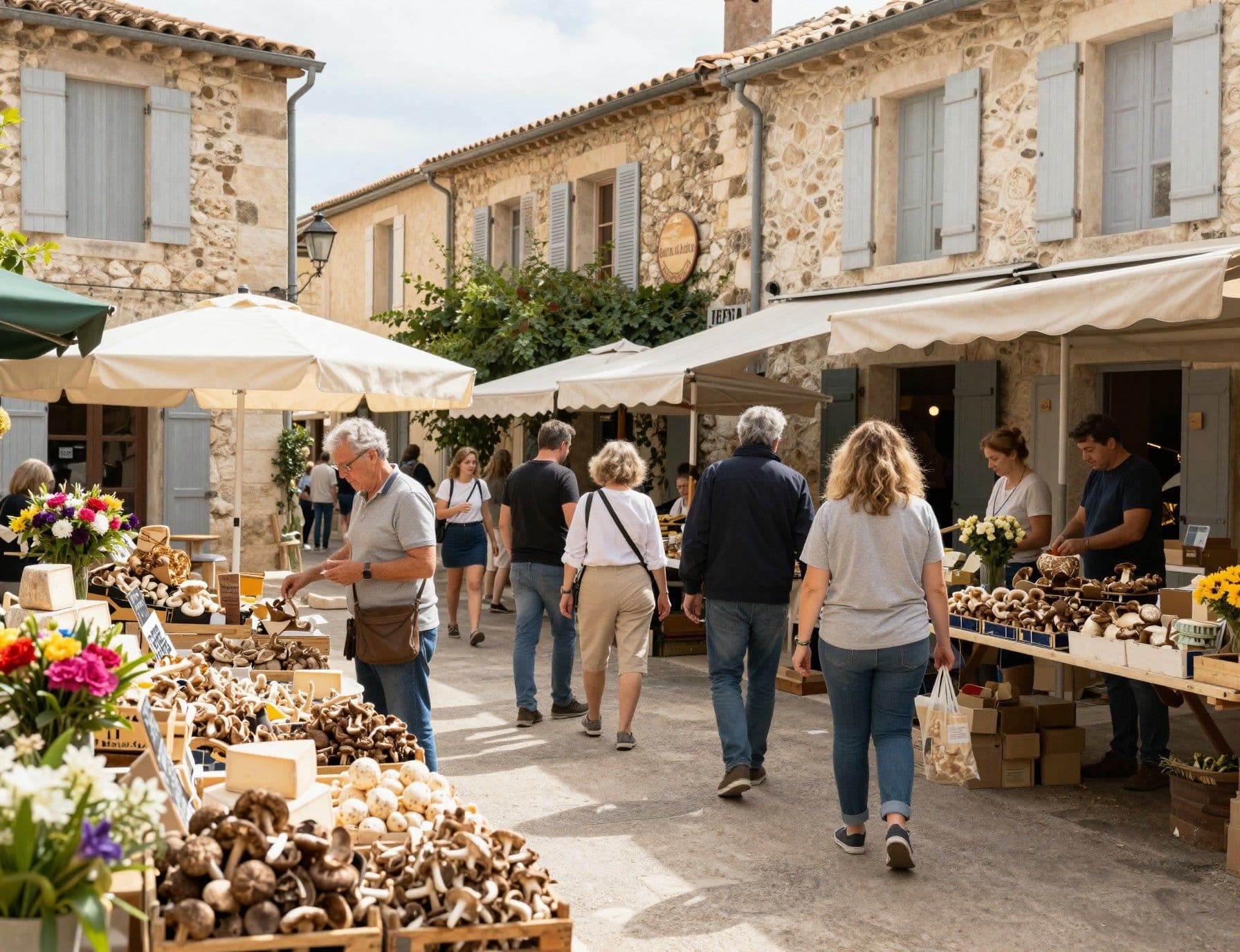
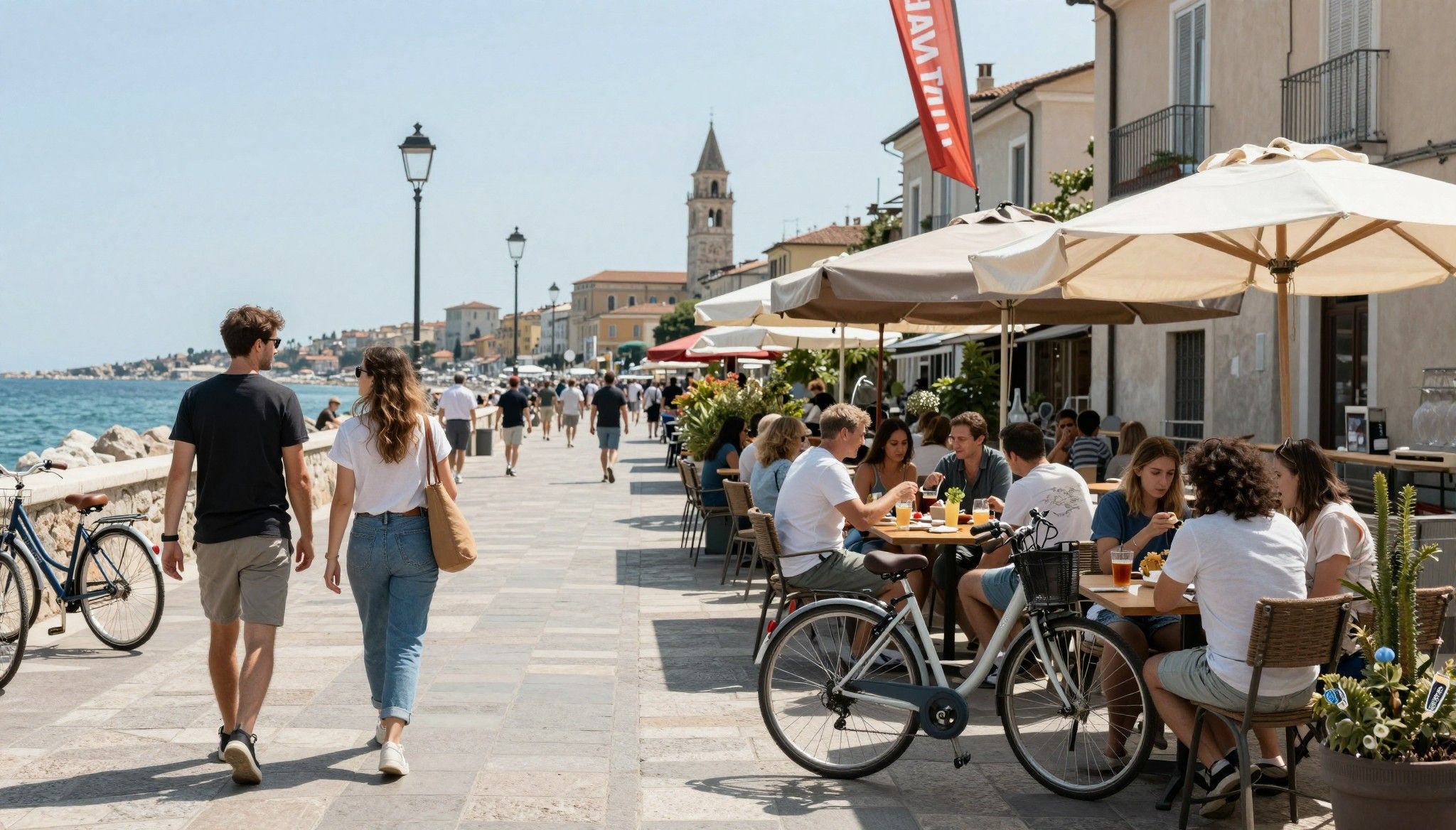
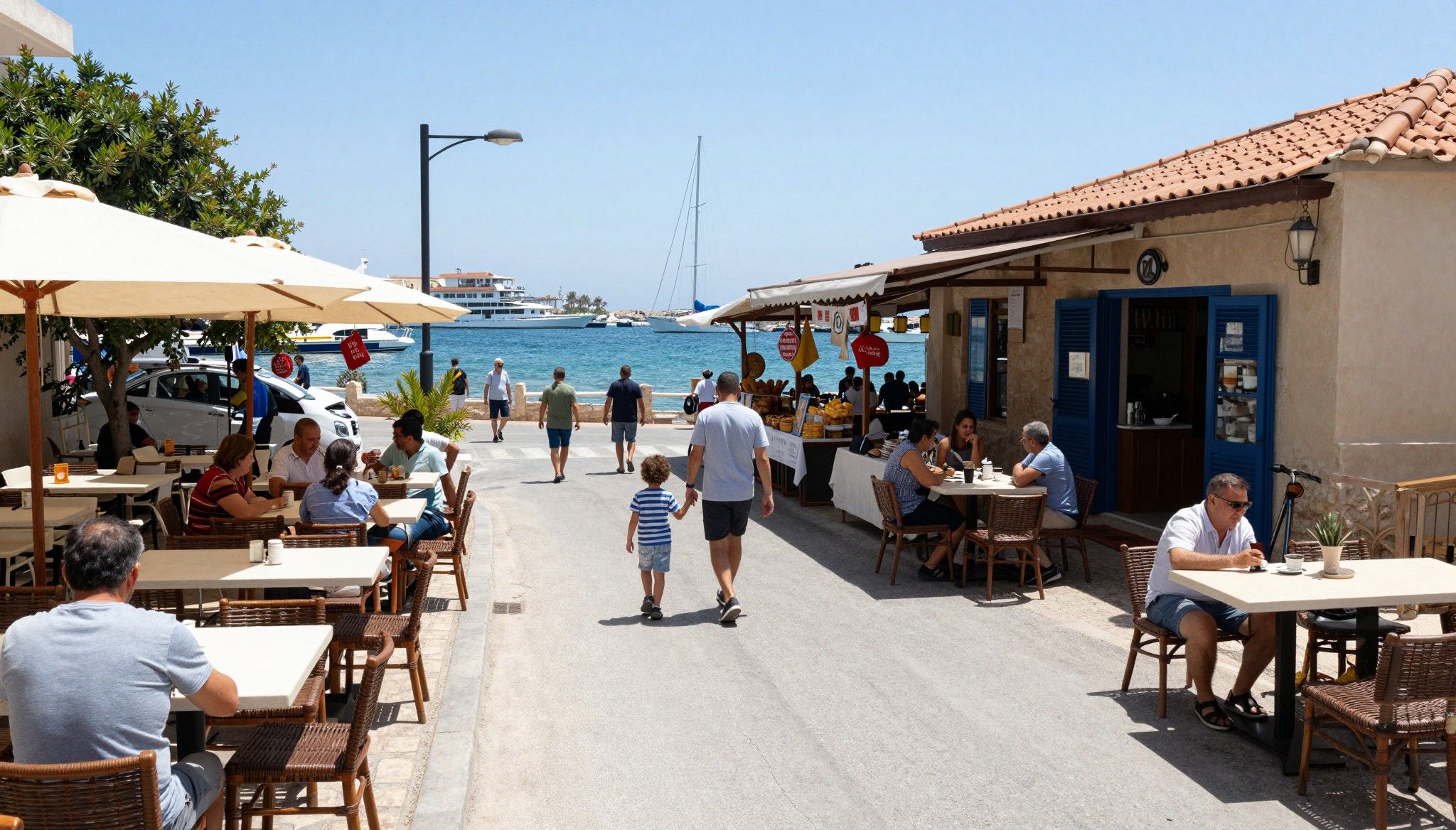
France lives at multiple speeds: slow mornings in village squares, purposeful bustle in Paris arrondissements, and laissez‑faire afternoons on the Côte d’Azur. Scent is part of place — sea salt near Nice, lavender in Provence, wood smoke in Brittany — and those sensory cues influence where buyers settle. When you picture life here, think in neighbourhood beats: market days, café terraces, and weekly boulangerie runs that structure time more than clocks do.
Neighbourhood spotlight: Paris 7th to Montreuil — contrast in one commute
On rue Saint‑Dominique in the 7th, you’ll find small shops, local schools and an after‑work crowd that values quiet evenings as much as proximity to museums. By contrast, Montreuil’s ateliers and burgeoning food scene give more interior space and lower price per square metre but a different tempo and commuting tradeoffs. These contrasts matter because property taxes, rental appeal and renovation permissions vary across communes — your daily life and long‑term costs are decided at the neighbourhood level as much as the national one.
Food, markets and the seasonal rhythm that shapes property choice
If weekend market life matters, Provence and Brittany offer distinct calendars — truffle season and summer oyster festivals bring short, intense peaks of demand for holiday lets and second homes. Coastal towns like Biarritz and La Rochelle swell in July–August, changing noise, service levels and short‑term rental yields; inland villages are quieter but often cheaper. Choose seasonality deliberately: do you want the town full of life two months a year, or a steady neighbourhood you can call home year‑round?
- Lifestyle highlights to scout on site: Marché timings (name the day), café terraces (specific streets), local boulangerie, nearest pharmacy and medical centre, weekend transport links (train vs motorway), nearest international airport.
Making the move: how lifestyle choices intersect with tax and regulation

Dreams meet documents fast: regional price trends, municipal rules, and national tax frameworks determine whether a neighbourhood lifestyle is affordable in practice. Recent market reports from notaires and INSEE show heterogeneous price movement between cities and regions, so what looks expensive at first can be value if local taxes and long‑term demand align. Use data to test feelings: measure likely costs beyond the asking price — taxes, insurance, running costs and potential IFI exposure — before you fall in love.
Property types and what they mean for life and levy
Historic appartements in Paris deliver proximity and charm but bring copropriété (co‑ownership) charges, strict renovation rules and possibly higher taxe foncière for the building footprint. Modern new‑builds (neuf) in Occitanie or Pays de la Loire often include energy guarantees and temporary tax breaks on VAT or notaire fees but sit further from high‑density services. Decide first how you’ll live: large kitchen and garden for weekend entertaining, or compact central flat for daily walkability — each choice carries different recurring tax and maintenance profiles.
Work with experts who speak neighbourhood and rules: a bilingual notaire, a tax adviser familiar with non‑resident rules, and an agent who knows mairie (town hall) procedures. Non‑residents have defined obligations — rental income, capital gains on resale and local taxes — and France’s tax portal makes the rules explicit for foreign owners. Early conversations with a fiscal adviser can reveal if your purchase will trigger wealth tax (IFI) exposure or higher withholding on rental income, and that knowledge often guides negotiation and structure.
- Steps to align lifestyle wish‑list with fiscal reality: 1) List must‑have neighbourhood elements and realistic commute times; 2) Request recent local tax bills and copro reports from seller/agent; 3) Ask a notaire for preliminary capital gains and inheritance implications; 4) Check IFI exposure if combined French property value may exceed €1.3M; 5) Plan for running costs and a 10–15% buffer beyond purchase price for taxes, notaire fees and renovation.
Insider knowledge: the rules expats often miss (and the myths worth busting)
Two persistent myths: 'France is prohibitively expensive everywhere' and 'non‑residents can ignore local taxes.' Both are false in practice. INSEE and notarial indices show strong regional variation: while Paris and Côte d’Azur command premiums, medium towns and many coastal departments offer value and steady demand. Simultaneously, non‑residents are very much in the French tax orbit for property income, capital gains and potentially IFI — ignorance is a costly posture.
Cultural and administrative quirks that shape choices
Expect formal processes: mairie permissions for facade changes, syndic meetings for co‑owned buildings, and tight heritage protections in many centres. Language matters in nuance: a property description that reads 'à rénover' can mean a cosmetic refresh or a full structural project — ask for specifics and contractor quotes. Also, social rhythms matter: shops closing Monday afternoons or entire towns slowing in August will change daily life and rental seasonality.
Long‑term lifestyle questions that affect taxation and resale
Will this be a principal residence, a seasonal second home, or an income property? Each status alters capital gains treatment, deductible expenses and IFI calculations. For example, the capital gains exemption for a principal residence does not apply to non‑residents; rental use may attract social charges and withholding taxes. Clarify intended use early and structure ownership (individual, SCI, company) with professional advice to minimise surprises.
- Red flags local agents will notice: missing copro syndic accounts (debt risk), recent major works without permits, inconsistent taxe foncière history, unregistered short‑term rentals in regulated zones, and ambiguous property boundaries.
- When an offer becomes a purchase: 1) Request a preliminary mortgage feasibility (if borrowing in France); 2) Sign a promesse de vente with clear conditions (financing, survey); 3) Provide required ID and fiscal numbers to notaire; 4) Complete notaire due diligence and pay frais de notaire; 5) Final signing and registration — expect 2–3 months from promesse to keys in most cases.
Buying in France is an emotional choice that benefits from a rational framework. Spend as much time on tax planning and neighbourhood research as you do imagining café life; a well‑structured purchase lets the lifestyle flourish instead of becoming an administrative burden. Start with local experts — bilingual notaire, tax adviser and an agent who knows the mairie — then return to the daily vision: which bakery, which square, which route home will define your French life.
Next steps: visit at least twice (off‑season and in‑season), ask agents for recent tax bills and copro minutes, and get a short tax memo from a French fiscal adviser before you sign. If you want Blueprintera’s recommendation, we can match you to specialists experienced with your nationality and lifestyle priorities so you can focus on the menus, markets and morning routines that made you fall in love with France in the first place.
British investor turned advisor after buying in Costa del Sol since 2012. Specializes in cross-border compliance and data-driven investment strategies for UK buyers.