Greece: Buy the Neighbourhood Rhythm, Not the Hype
Greece’s Mediterranean lifestyle pairs with evolving rules and local micro‑markets; choose neighbourhood rhythm first, then align legal and rental realities.
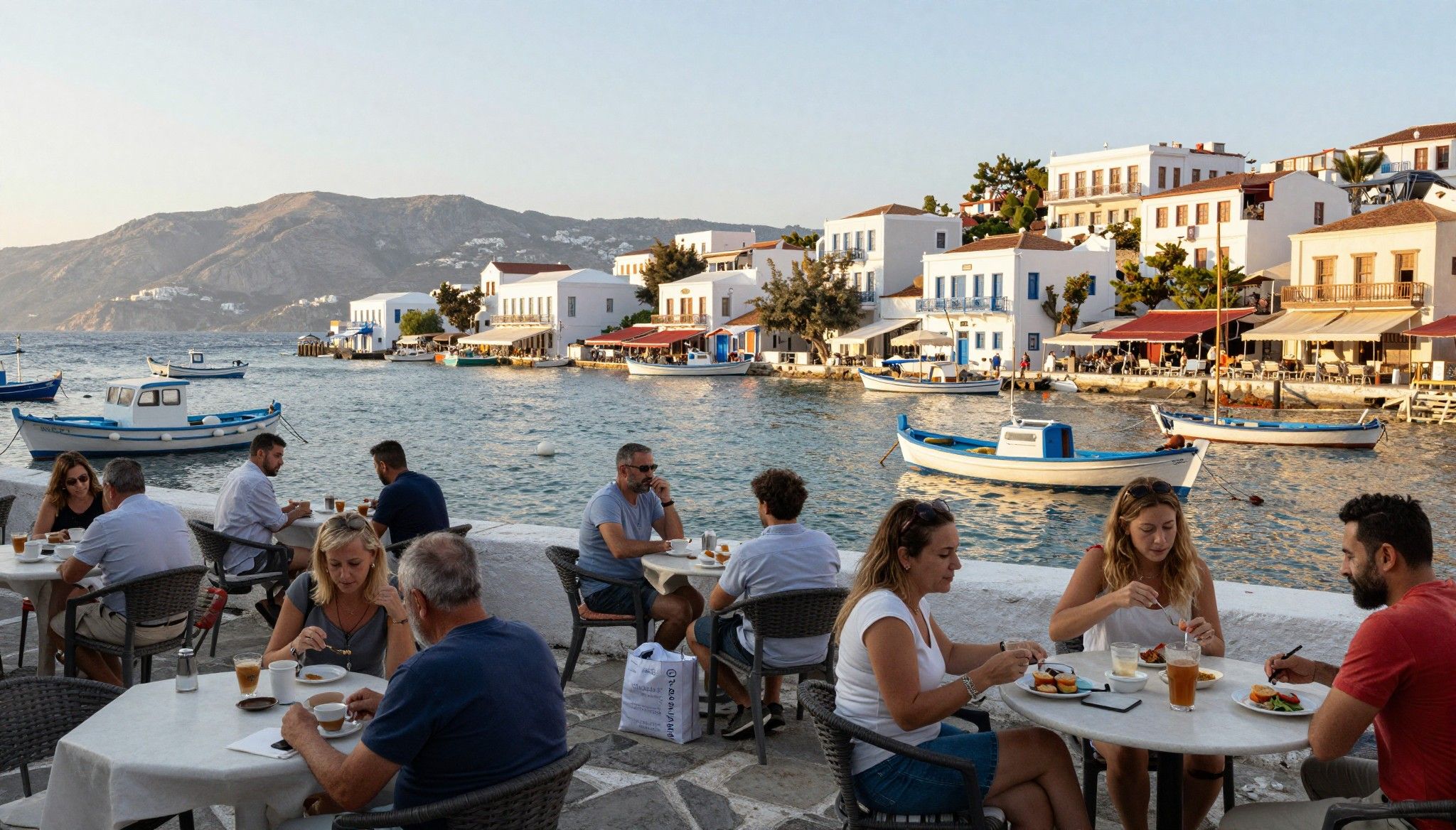
Imagine waking to the smell of fresh bread from a neighborhood bakery in Koukaki, sipping espresso on a sun-warmed balcony in Glyfada, or stepping from a narrow Venetian street onto a Cretan pebbled beach. Greece’s rhythm moves between relaxed afternoons, lively evening kafeneia, and an almost theatrical summer that fills islands and coastal towns. For buyers coming from the Costa del Sol, Greece offers similar Mediterranean light and sea culture but with different seasonal flows, neighbourhood textures and buying rules — and, increasingly, fresh opportunities where buyers’ assumptions about price and demand are wrong.
Living the Greek life: what you'll actually feel
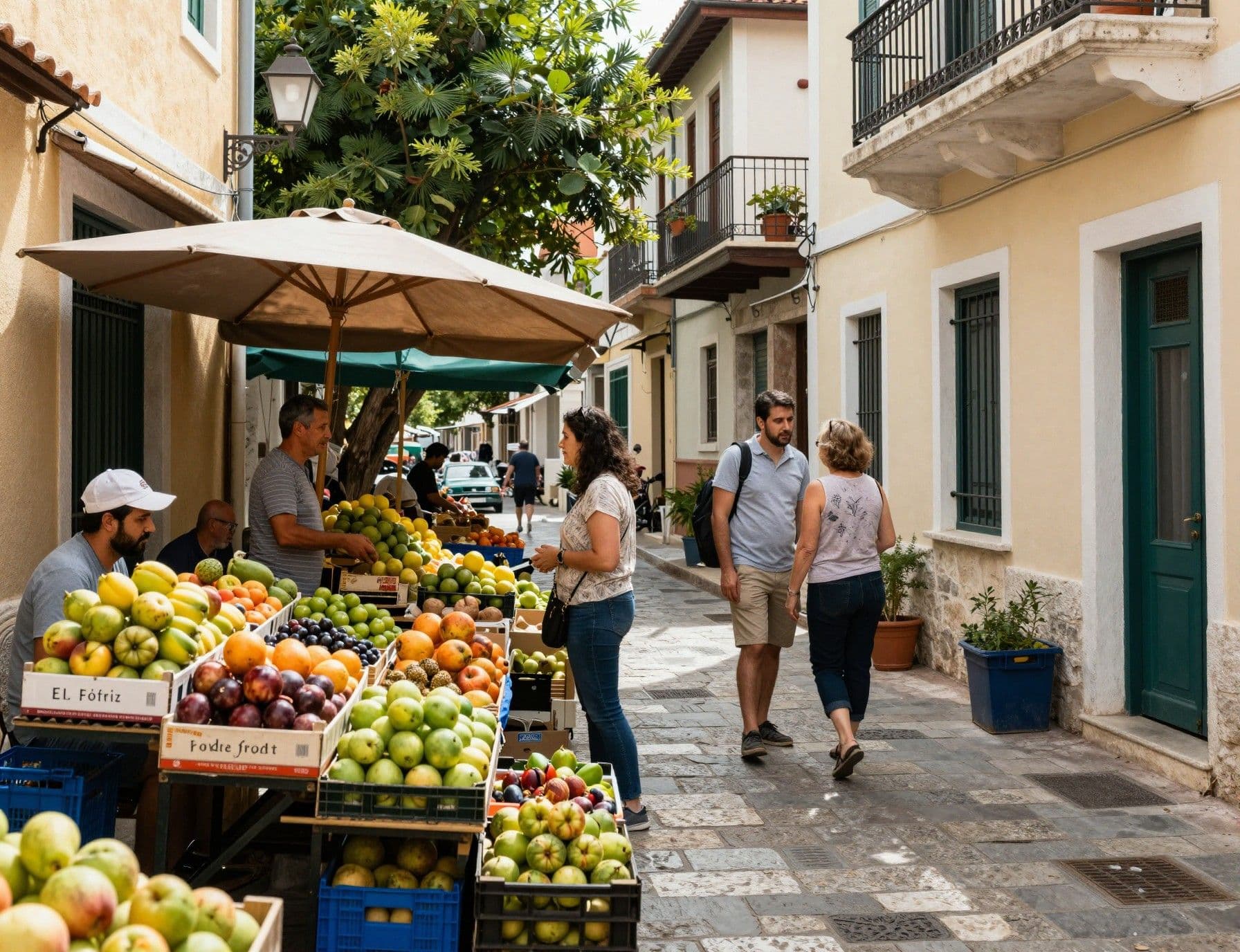
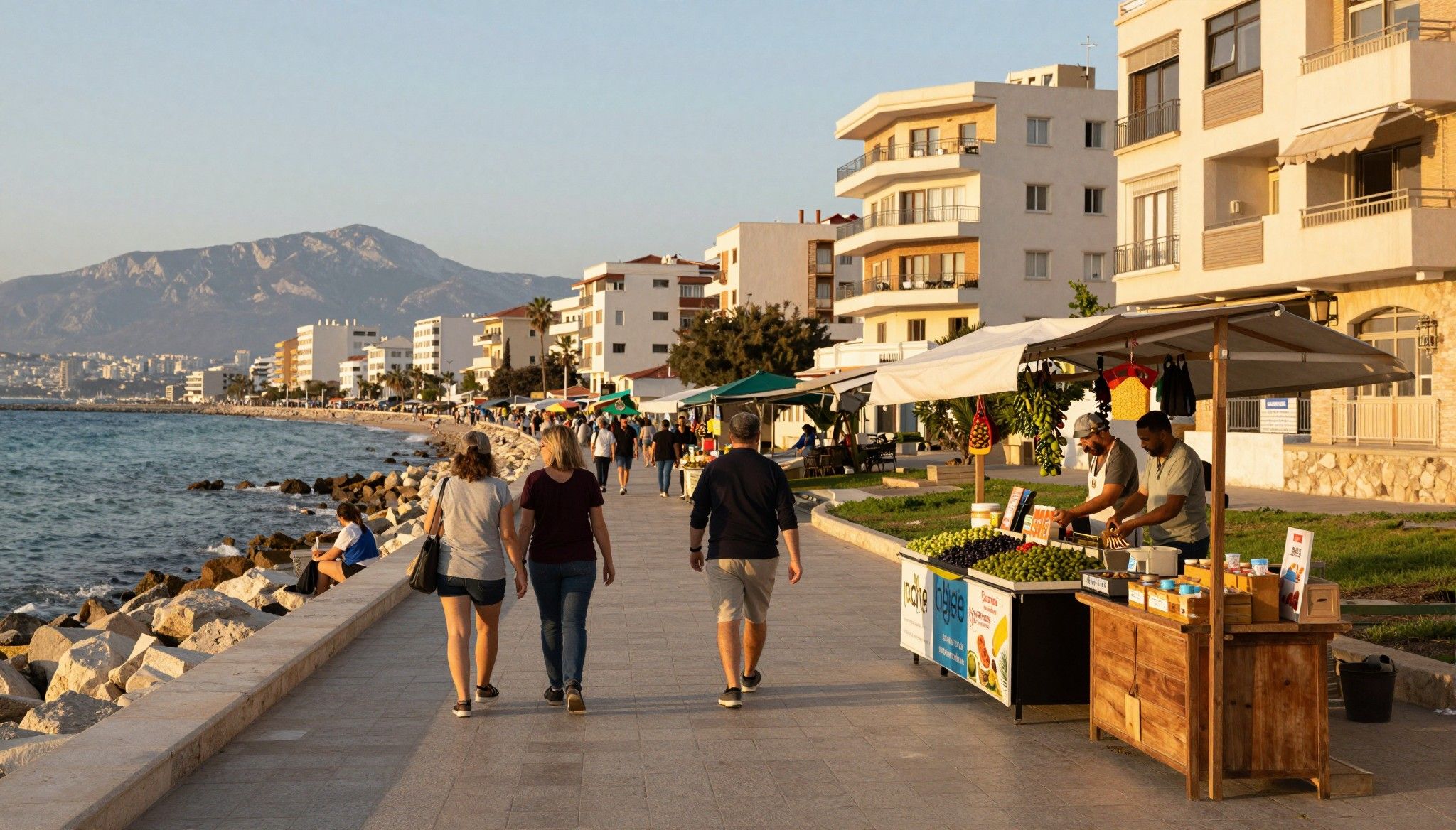
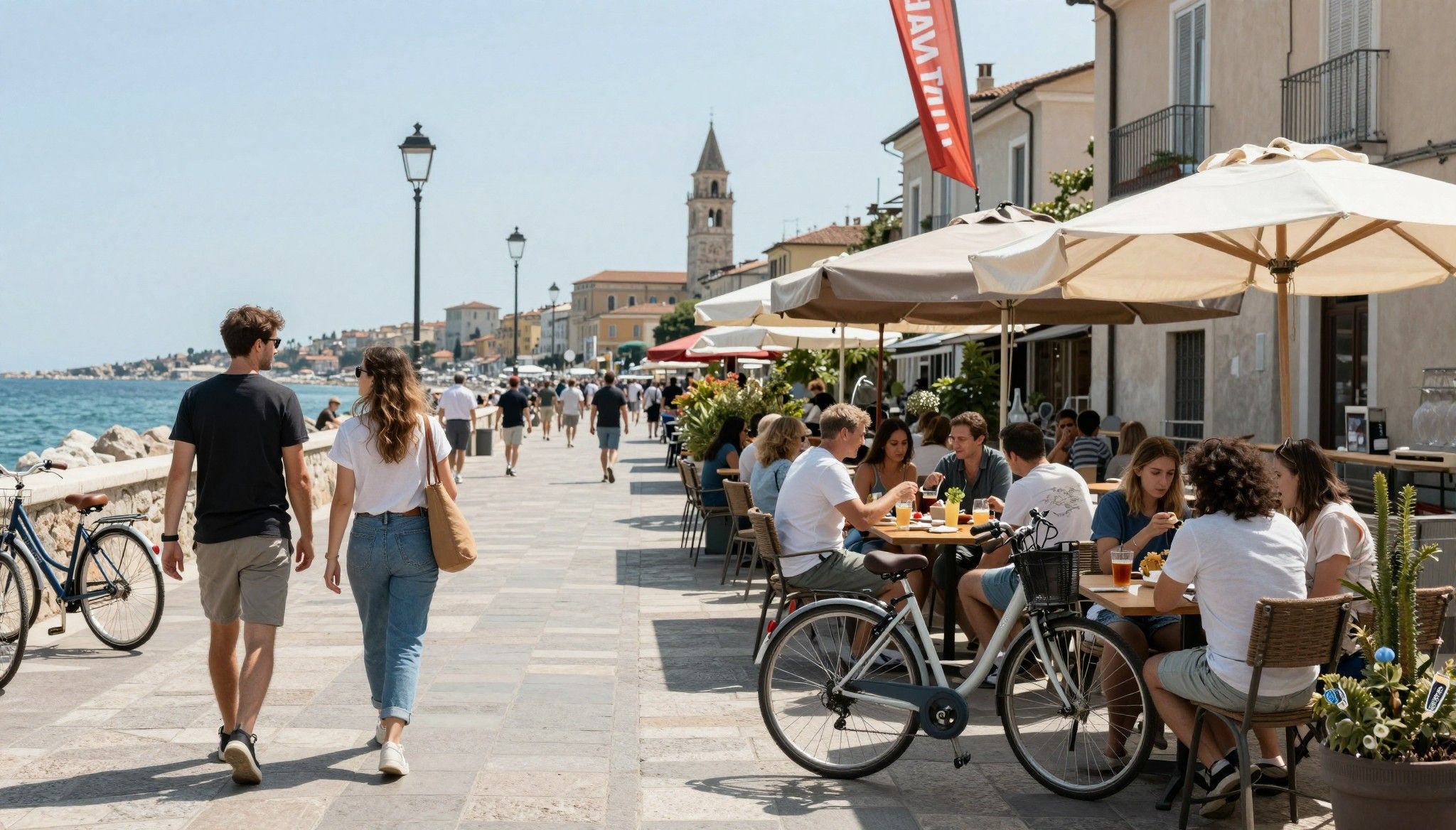
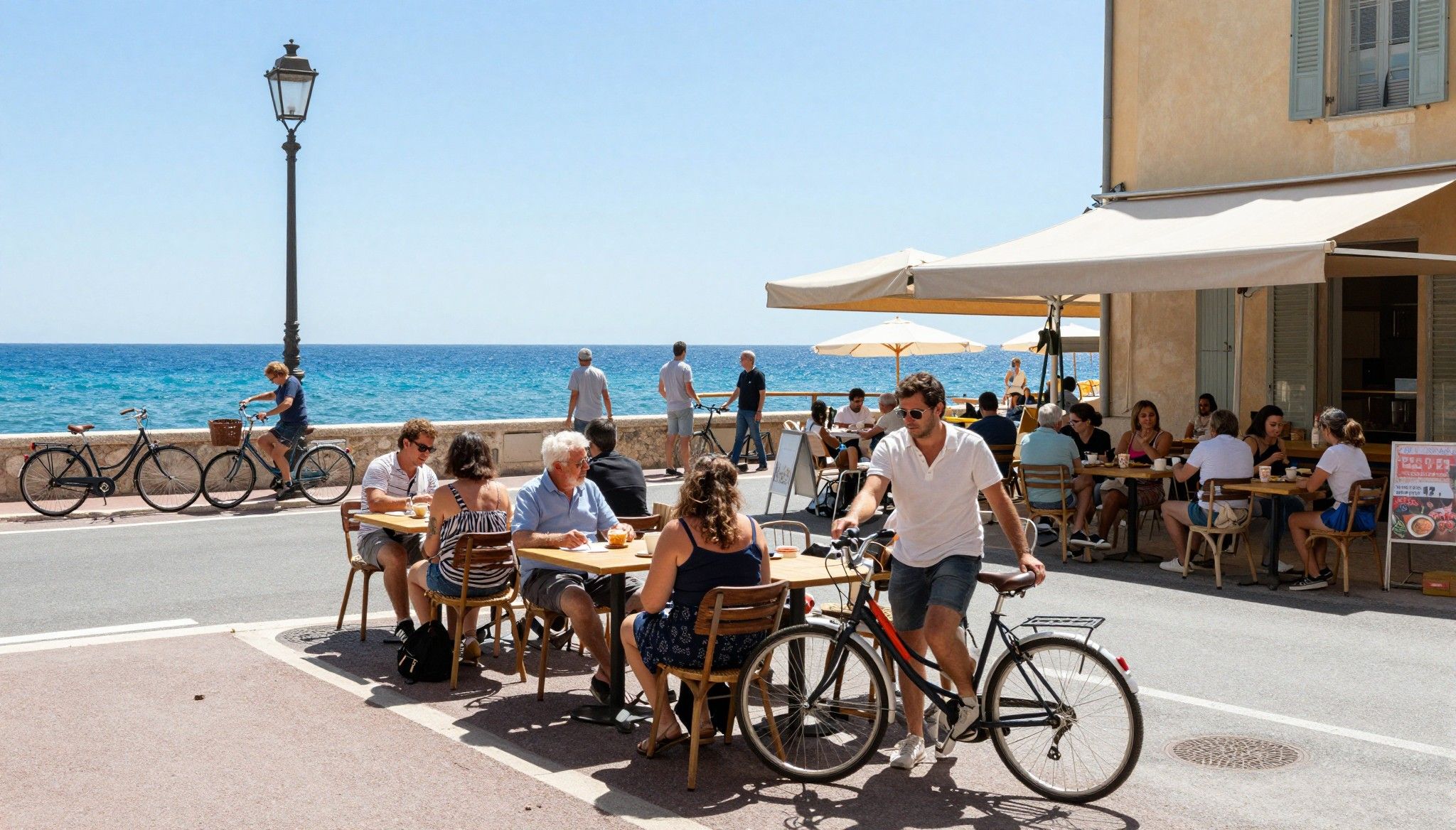
Daily life in Greece is sensory and local: late-morning coffee, the clatter of plates at a taverna by the sea, markets loud with fishmongers and farmers. Urban neighbourhoods like Athens’ Koukaki or Exarchia are walkable and social, while coastal towns such as Glyfada or Palaio Faliro combine marina life with compact village cores. Tourist seasons swell many places, but recent visitor numbers show stronger year-round flows — a factor that changes rental dynamics and resale timing for buyers. (See national statistics and tourism reporting for recent arrival trends.)
Athens neighbourhoods: city living with seaside short-cuts
Neighbourhoods like Koukaki and Pangrati put cafés, small galleries and family-run tavernas on your doorstep; bright, apartment-lined streets meet archaeological backdrops. Head south to Glyfada and Voula for coastline promenades, yacht clubs and modern shopping; prices look different here than in central Athens but the lifestyle trade-off — more outdoor living and green spaces — can be decisive for families or second-home buyers.
Islands and regions: Crete, Corfu, the Cyclades and mainland surprises
Crete’s Chania and Rethymno have year-round communities and markets; Corfu blends Ionian lushness with Venetian architecture; the Cyclades (Naxos, Paros) are calmer and often show steadier long-term demand than flashier islands. Inland pockets (Pelion, Mani) offer cooler summers and traditional stone houses — attractive if you want seasonal variety. Recent national price indexes point to steady appreciation in many urban and sought-after island locations, but micro‑markets vary considerably.
- Lifestyle highlights to seek out in Greece
- Morning espresso at Taf Coffee in Koukaki, Athens — community mornings and people-watching.
- Sunday market at Varvakios in central Athens — fresh produce, grilled seafood and lively bargaining.
- Walks along Glyfada’s marina and seaside promenade — outdoor dining and a marina culture.
- Late-summer festivals (panigyria) on Crete — local food, music and an intense community feel.
Making the move: practical choices that protect the lifestyle
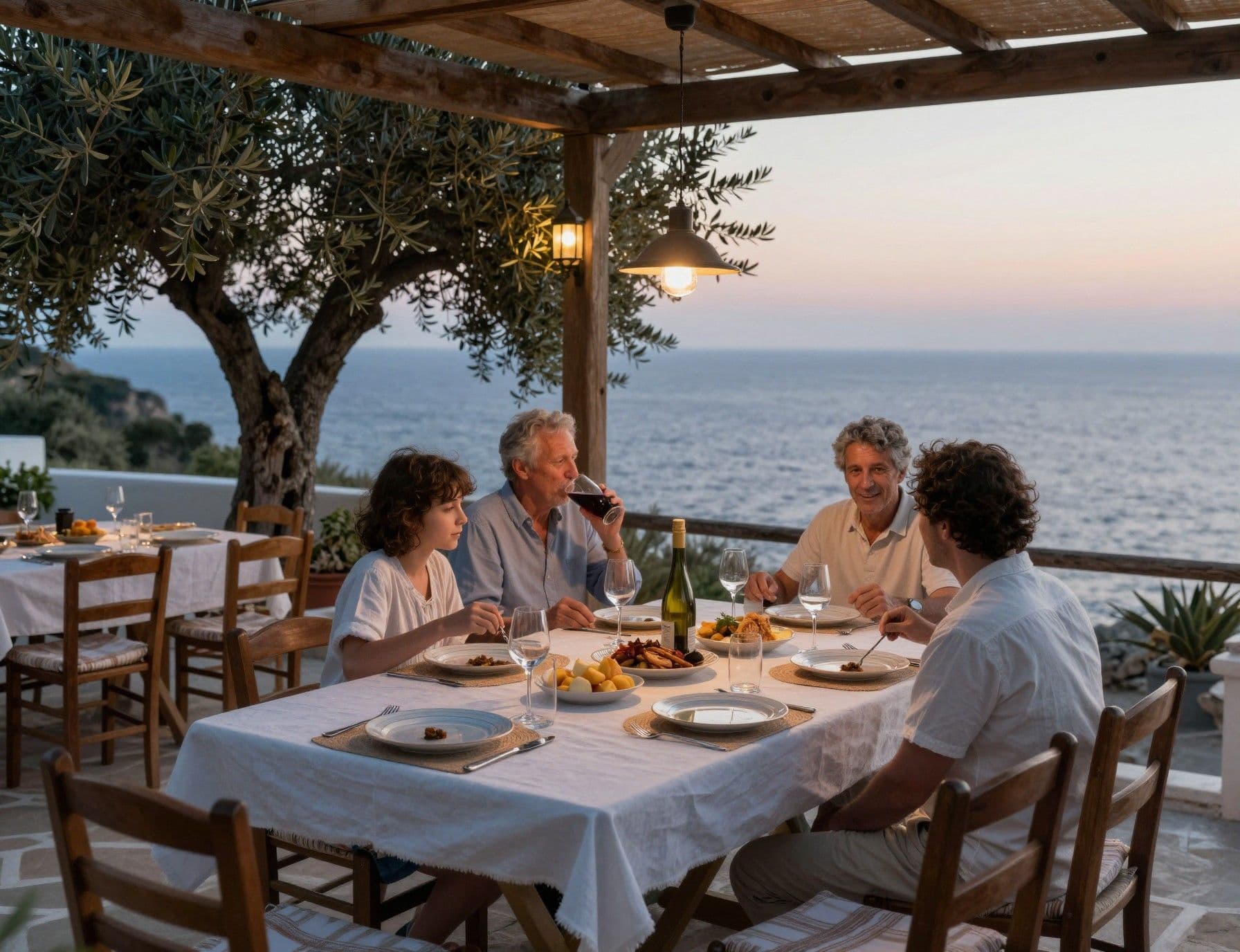
Dreams of tavernas and beaches should meet practical filters: seasonal occupancy, short‑term rental rules, and residency frameworks. In 2024 Greece reworked aspects of its residency-by-investment rules and has tightened regulations around short‑term rentals in some urban cores — developments that change yield assumptions and the pool of feasible buyers. Working with advisers who track these rules saves surprises and preserves the lifestyle you bought the property to enjoy.
Property styles and how they shape daily life
A Cycladic whitewashed townhouse delivers balcony dinners and narrow-street charm but often less private outdoor space; a modern Glyfada apartment gives sea-views, parking and proximity to services. Stone houses in Crete or Mani require attention to insulation and maintenance but reward with thick walls and cooler interiors in summer. Choose property types that match how you want to live — terraces and cross‑ventilation for summer, central heating for winter retreats, and storage for seasonal gear.
Working with local experts who speak lifestyle
How local agencies help marry dream and reality
- 1. Match neighbourhood rhythm — agents familiar with municipal rules and seasonal life filter options that sustain daily living rather than just tourist demand.
- 2. Vet short‑term rental legality — agents and local lawyers confirm licences, safety codes and recent municipal restrictions that affect income and occupancy.
- 3. Advise on renovation practicality — local builders estimate realistic timelines and costs for island logistics, seismic standards and traditional material sourcing.
- 4. Connect community — agencies often introduce you to neighbours, café owners and property managers so your lifestyle can start the day you arrive.
Insider knowledge: what expats wish they'd known
Practical realities often surprise newcomers: municipal enforcement of short‑term rentals can be strict in city centres, local utility paperwork takes patience, and language gaps matter less when you have a bilingual property manager. Tourism surges have pushed demand — and prices — in popular island towns, but recent policy shifts aim for sustainable tourism and tighter accommodation standards. Those adjustments can turn previously high-yield short‑term investments into longer-term residential markets.
Cultural integration: rhythms that shape where you buy
Greece values community ties: shopkeepers remember names, festivals create strong neighbourhood bonds, and face‑to‑face introductions open doors that listings often don’t. Learning basic Greek phrases — a few polite greetings and food words — speeds integration. Choose a neighbourhood whose daily rhythm matches you: market‑driven mornings or quiet, residential afternoons.
The longer view: how lifestyle and investment converge
Over five to ten years, properties tied to genuine local life (neighbourhood cafés, regular markets, year‑round communities) tend to hold value better than those purely optimized for high-season holiday lets. Look for municipalities planning infrastructure upgrades (ports, airports, road works) — these may be subtle signals of future demand. Recent national data shows robust tourism inflows that support long-term demand, but local legal and planning changes can reshape returns quickly.
Conclusion — fall in love, then check the facts. Start by mapping the life you want (daily café, market access, sea proximity), shortlist neighbourhoods that live that life year‑round, and work with local agencies and legal counsel who can translate lifestyle promises into reliable contracts, licences and maintenance plans. Greece gives you Mediterranean light, short walking distances and a rhythm that slows the pulse — pair that feeling with sober local advice and you keep both the lifestyle and the asset.
Norwegian market analyst who relocated to Mallorca in 2020. Focuses on data-driven market insights and smooth relocation for international buyers.