How Cyprus’ Non‑Dom & VAT Choices Cut Carry Costs
How Cyprus’ non‑dom rules, VAT vs transfer‑fee choices and neighbourhood rhythms change the real cost of owning — with lifestyle-led, data-backed steps.

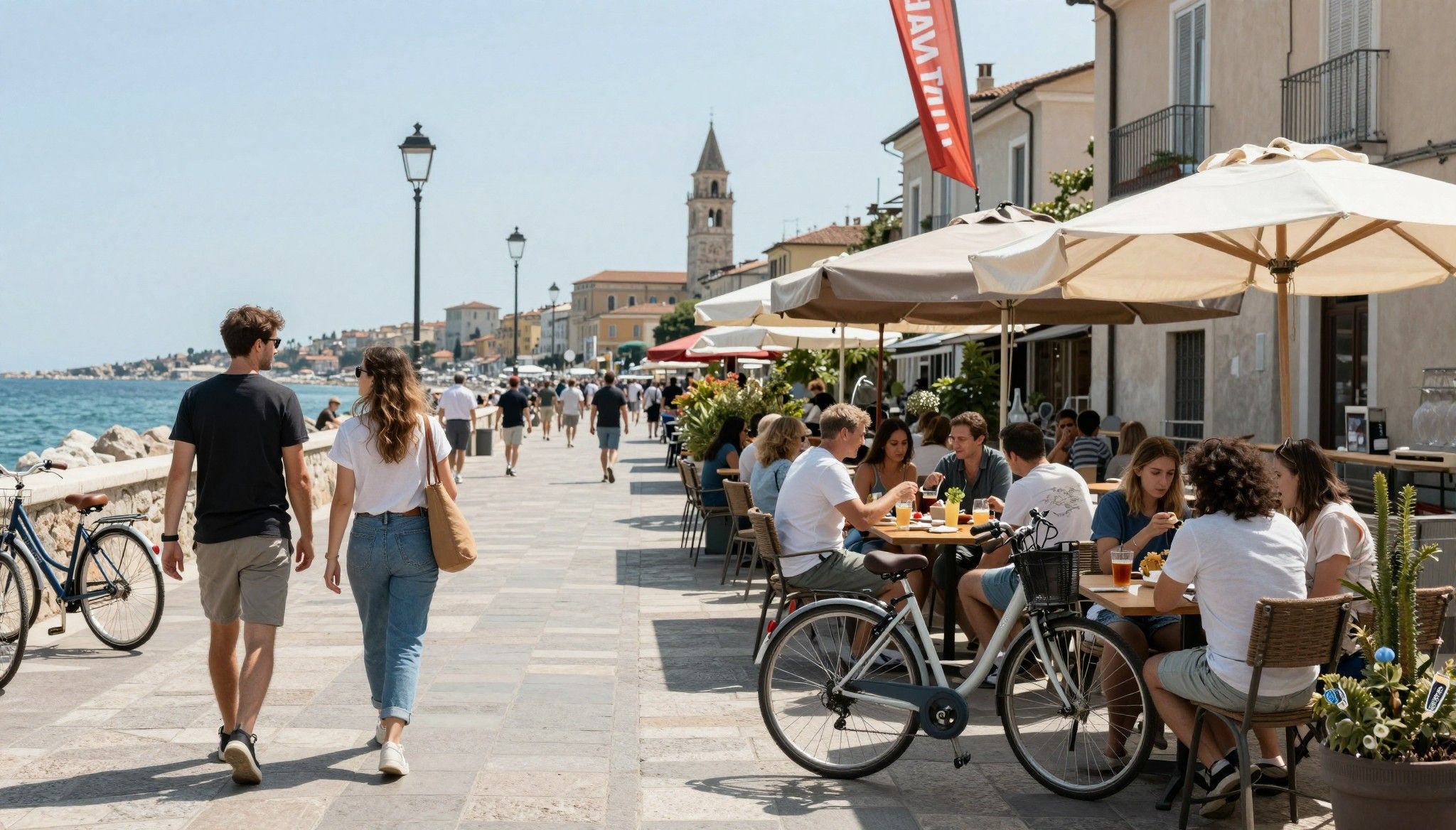
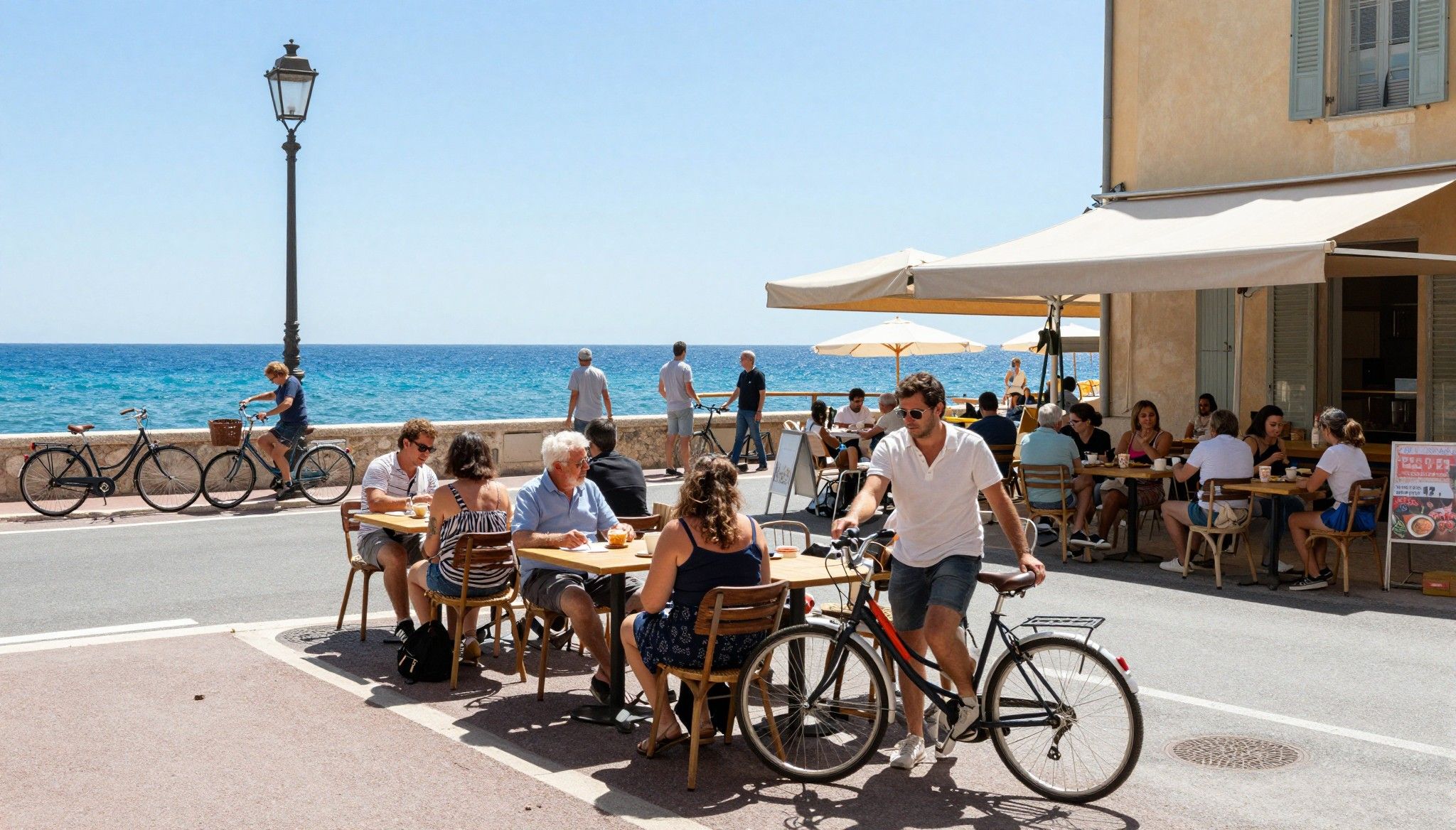
Imagine sipping an espresso at To Kazani in old Nicosia, then walking five minutes to a quiet townhouse whose garden catches the afternoon sun. Cyprus feels like that—small-scale pleasures, seaside rhythms and mountain villages within an hour. But beneath the lemon trees and taverna chatter lies an often-misunderstood fiscal landscape: residency, non-domicile rules and transfer fees that materially change how much you actually pay to own and carry a home here.
Living Cyprus: moods, seasons and neighbourhood rhythms

Cyprus unfolds slowly. Mornings belong to cafés and bakeries (try Fanouropita in Larnaca); afternoons, to beaches like Fig Tree Bay and municipal parks; evenings, to neighbourhood souvlaki joints where locals debate football. Weather shapes everything — winter rains bring citrus blossom and low hotel occupancy, while summer crowds push prices and short-term rental demand in coastal towns.
City pulse: Limassol, Nicosia and the evolving coast
Limassol hums with yachts, international schools and new developments; Nicosia feels older, more residential, with boutique cafes on Ledra Street and restored stonework in Omorfita. Paphos and Larnaca offer a softer coastal pace — think family beaches, weekly markets and lower entry prices. For lifestyle buyers, the right postcode is a trade-off between nightlife, schools and daily convenience.
Food, markets and secret corners
Weekends mean farmer markets (try the Limassol Municipal Market early Saturday), seaside tavernas serving fresh octopus, and hill drives to Troodos for chestnut festivals. Hidden gems — a pebble cove outside Ayia Napa or a Sunday coffee at Mavili café in Polis — often indicate neighbourhoods where locals invest in houses rather than Airbnb churn.
Making the move: tax realities that reshape lifestyle choices

Your dream lifestyle — terrace breakfasts, weekend hikes — is affordable or expensive depending on tax and fee choices. Two pieces matter more than most buyers expect: (1) whether you become a Cyprus tax resident and can benefit from the island’s non-domicile (non‑dom) regimes; and (2) whether your purchase is VATable (new build) or a resale, because VAT status changes transfer-fee exposure and long-term carrying costs. These are not abstract points: they change the effective annual cost of ownership.
Property types and their fiscal profiles
New developments typically carry VAT (standard 19% or reduced 5% in certified cases) which replaces transfer fees — that can be a net saving for certain buyers, especially when VAT is recoverable or already priced into developer financing. Older resale homes avoid VAT but attract progressive transfer fees (3% on the first €85,000; 5% on the next €85,000; 8% on amounts above €170,000) and these are often assessed on the Land Registry’s market value rather than sale price.
- Lifestyle + fiscal checklist when comparing new build vs resale
- 1) New build pros: modern layouts, potential VAT transparency, developer warranties and lower immediate maintenance; cons: higher headline price and possible construction completion risk. 2) Resale pros: established neighbourhoods, immediate rental potential, negotiable price; cons: transfer fees, possible renovation needs, and older systems (electrics/plumbing). 3) For long-term residents, non-dom tax status can reduce tax on dividends and foreign income — a consideration if you plan to run a business or receive pensions.
Insider knowledge: rules, red flags and local advisors who save real money
Expats say the same regret: they fell in love with a neighbourhood before vetting the tax picture. Common red flags: (a) developers marketing 'no transfer fees' without clear VAT status; (b) purchase contracts that leave completion dates vague; (c) unverified Land Registry valuations that inflate transfer fees. A good local tax lawyer and an agent who understands both lifestyle fit and tax outcomes prevent costly surprises.
How local advisers actually help
- 1) Confirm whether the property is VATable and model the net cost (purchase price + VAT vs. transfer fees). 2) Check Land Registry valuation history to forecast transfer fee exposure. 3) Run residency scenario modelling: tax resident/non-resident and non‑dom implications for dividends, pensions and rental income. 4) Advise on timing — buying in low tourist season can yield negotiation leverage, while buying new ahead of completion can lock a developer price that outpaces later market inflation.
What locals wish you knew about community and long-term life
Expat neighbours often highlight practicalities over postcards: water pressure in older blocks, winter heating needs in mountain homes, and reliable property management for absentee owners. Market data shows island-wide price growth has been uneven; international buyers pushing into Paphos or Larnaca for affordability changed rental dynamics and community makeup in recent years. Anticipate evolving neighbourhoods rather than fixed postcards.
- Practical next steps to marry lifestyle with tax sense
- 1) Map three neighbourhoods by lifestyle features (cafés, beach access, schools) and overlay tax outcomes (VAT vs transfer-fee scenarios). 2) Hire a Cyprus tax advisor to run residency/non‑dom modelling and an independent valuer to check Land Registry figures. 3) Negotiate deposit and completion clauses tied to planning and utility approvals. 4) Factor in property management and insurance costs for absentee periods; these reduce net yield but preserve lifestyle value.
Picture this: you choose a modest three-bedroom in Kato Paphos that keeps weekend beach life and a short drive to the old town, your tax adviser secures non-dom status for foreign-income relief, and a local agency arranges tenants who respect the house. You keep the life you wanted and reduce surprise costs. Cyprus’s fiscal levers — VAT, transfer fees and non-dom rules — don’t kill the dream; they refine it.
Ready to test a neighbourhood against tax reality? Begin with a simple brief: tell your agent the lifestyle you want, ask them to provide two net cost scenarios (new build with VAT vs resale with transfer fees), and insist on contact details for a local tax lawyer. That three-step comparison separates homes that feel good from buys that stay good.
British investor turned advisor after buying in Costa del Sol since 2012. Specializes in cross-border compliance and data-driven investment strategies for UK buyers.