Croatia: Life Rhythms, Market Signals and 3 Buy Scenarios
Picture daily life on the Adriatic, then test three five‑year buying scenarios—seasonal retreat, hybrid living, or year‑round home—using tourism and housing data.
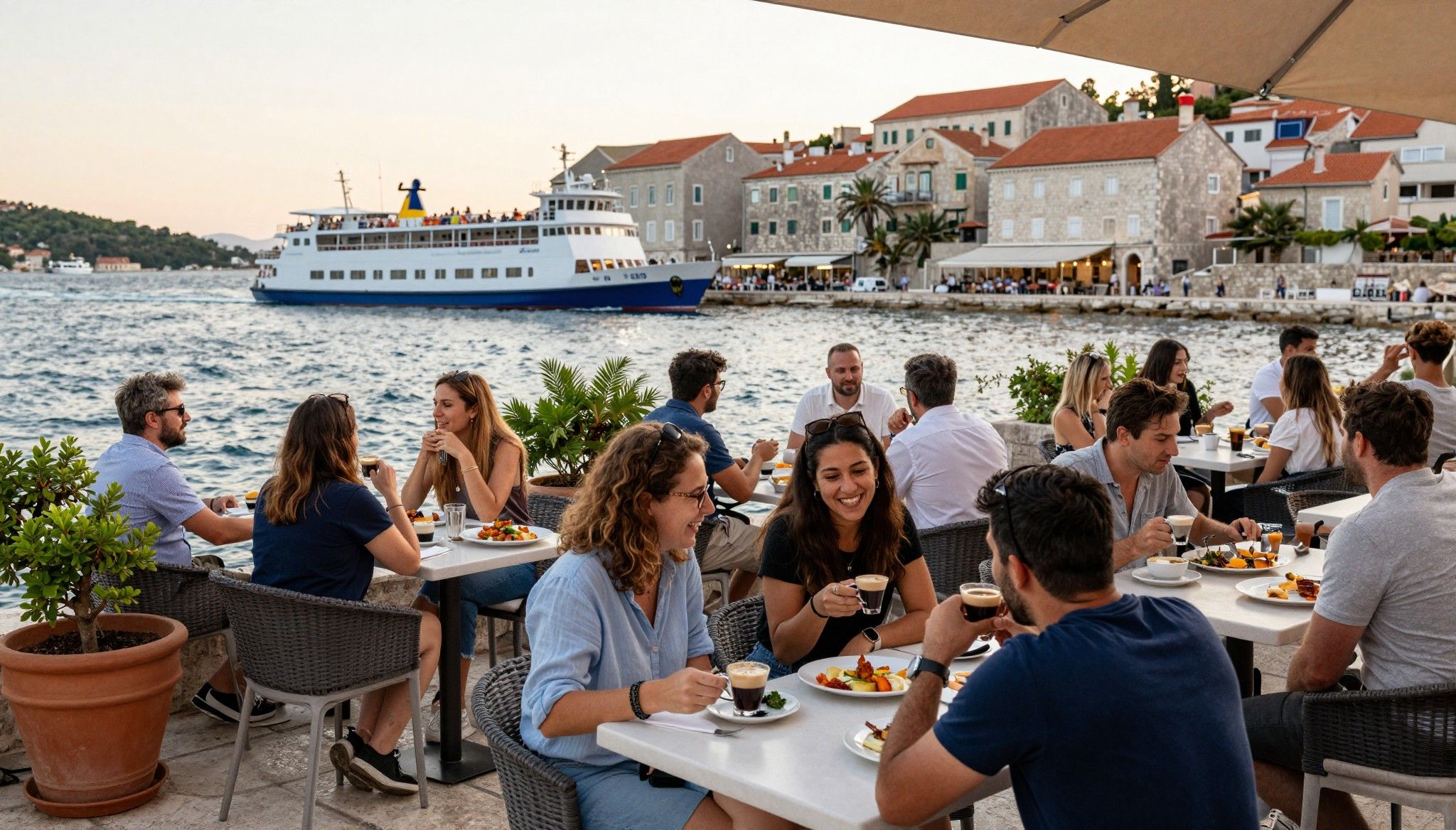
Imagine waking on a quiet Dalmatian morning, espresso in hand, the market’s fishmongers setting out their day's catch and an island ferry’s horn in the distance. In Croatia that sensory rhythm — stone streets, seaside terraces, neighbourhood cafés — is the real reason buyers arrive, not headlines about price tags. But lifestyle romance meets a real market with clear signals: tourism momentum, concentrated coastal demand and rising square‑metre prices in hotspots. This guide blends those sensory scenes with scenario thinking so you can picture life here and plan a purchase that holds up to data and seasonality.
Living the Croatia lifestyle
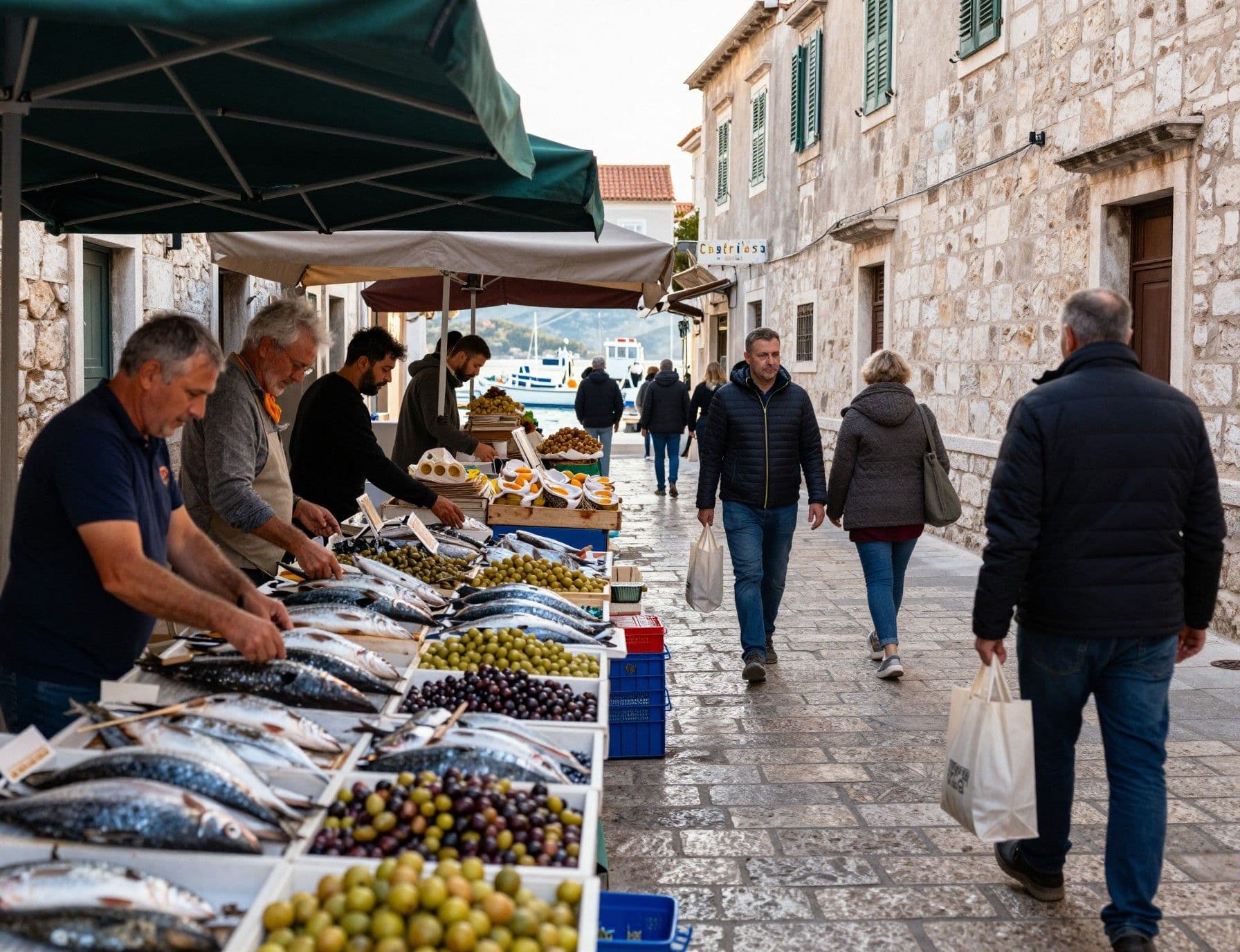
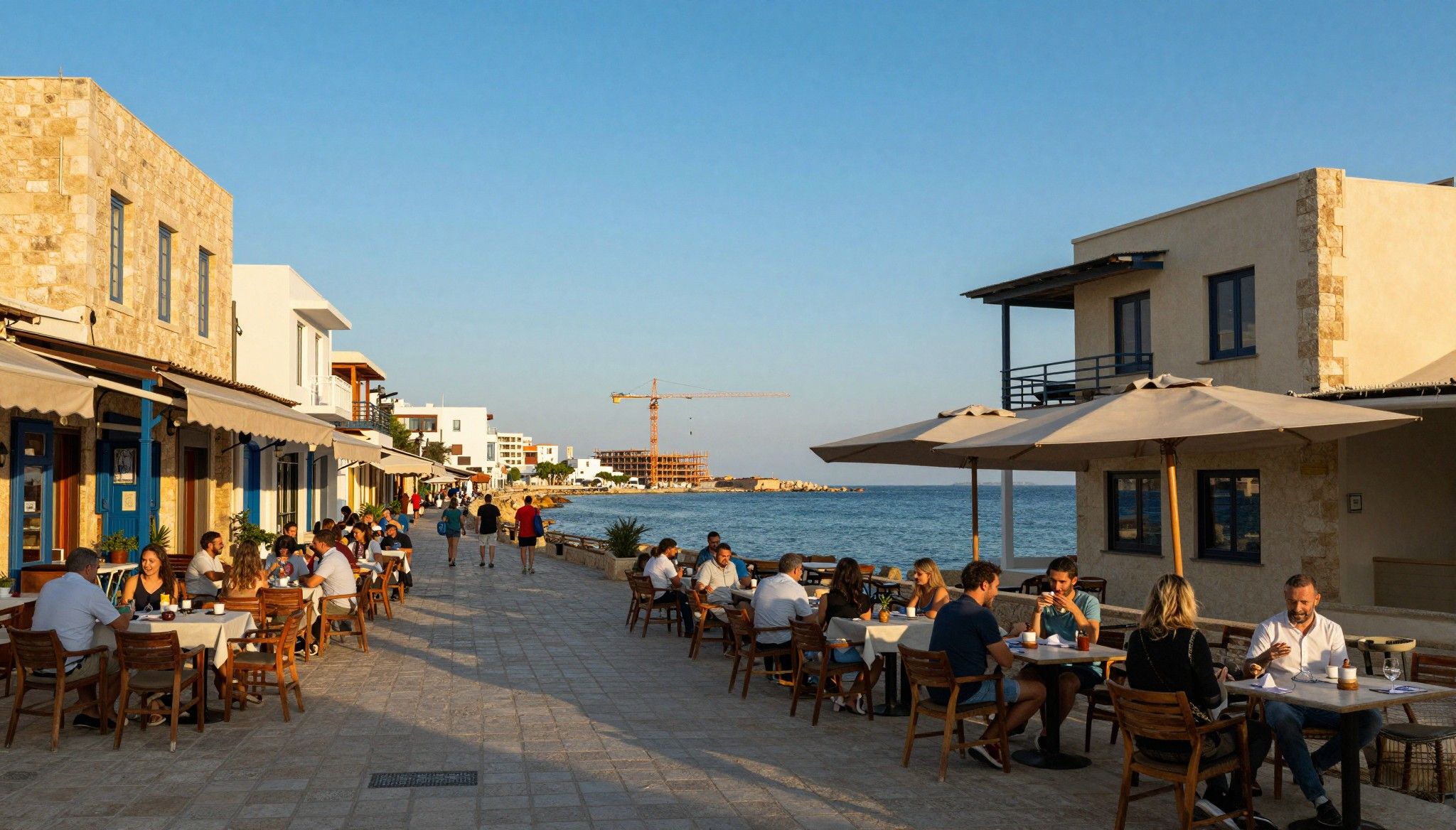
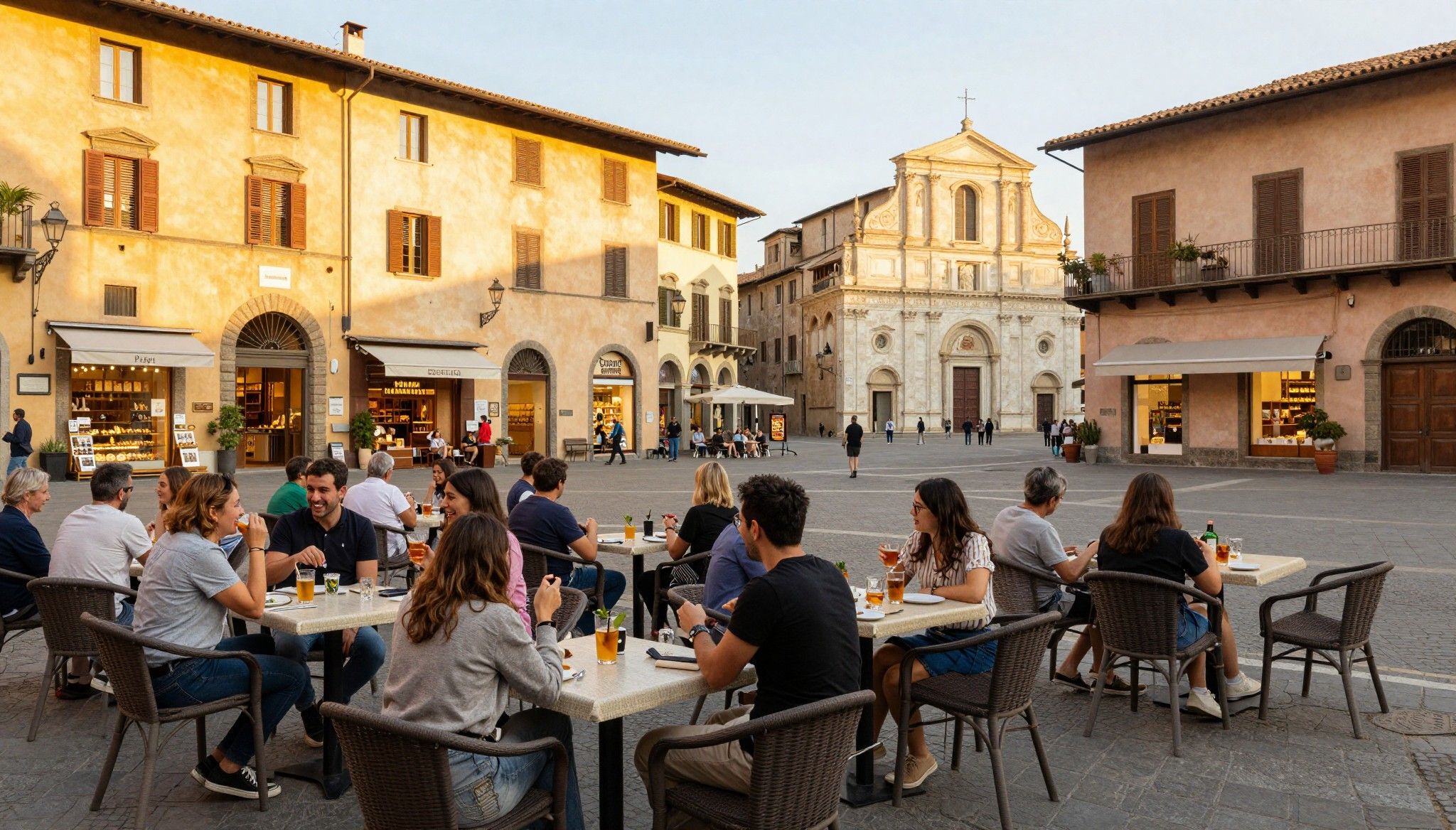
Croatia's daily rhythm shifts with the coast and the seasons. In coastal towns like Split and Hvar mornings are for markets and bakers; afternoons slow into long lunches and siestas in shaded squares; evenings belong to waterfront promenades and small, crowded konobas. Inland, places such as Zagreb or Istria’s hill towns trade sea air for café-lined streets, craft breweries and weekend farmers' markets. For an international buyer this diversity means you can choose a lifestyle from lively marina-side living to a quieter rural pace, each with different market dynamics and price drivers.
Coastlines and micro‑neighbourhoods: pick the rhythm
Walkability, a harbour, and a reliable neighbourhood bakery will shape daily life more than whether a property has sea view. In Split’s Veli Varoš you trade large terraces for narrow community streets and everyday connection with locals; on Hvar town’s waterfront the summer season brings energy, rental demand and premium pricing. Istria’s Rovinj offers a quieter year-round scene with strong culinary culture and agritourism ties. Matching micro‑neighbourhood character to your intended use — year‑round home, seasonal retreat, or rental asset — is the single most effective way to manage lifestyle tradeoffs and investment risk.
Food, markets and the social fabric
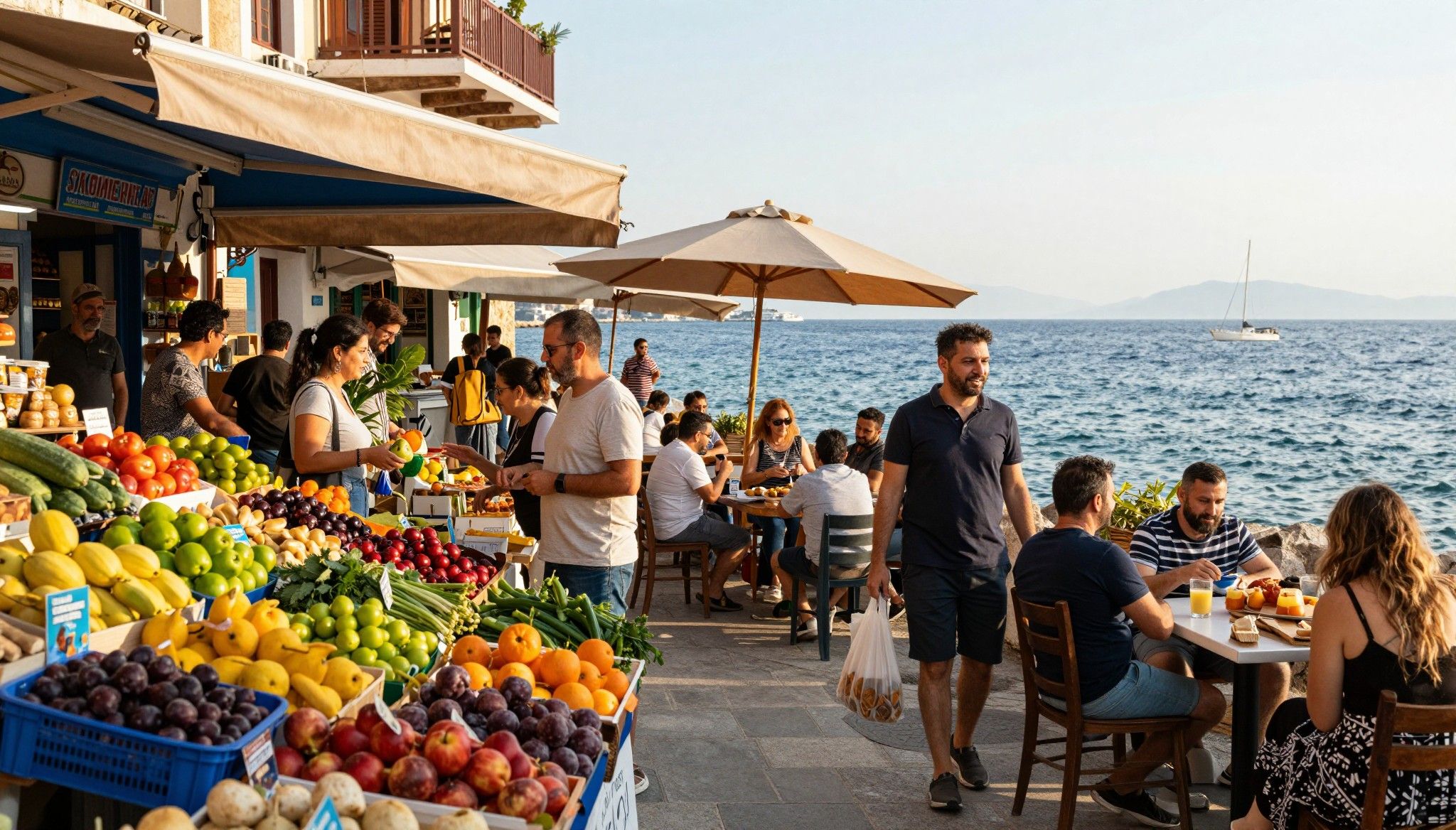
The food culture is a gateway to integration: open markets (tržnica), family-run konobas and olive‑oil producers create social routines that anchor neighbourhoods. Buy a flat near Zagreb’s Dolac market and you’ll notice morning patterns of neighbors swapping recipes; choose an apartment above Split’s Riva and your social life will align with the tourist timetable. These day-to-day patterns affect rental seasonality, maintenance needs and long-term occupancy. In other words, lifestyle choices directly shape cashflow and resale attractiveness.
- Lifestyle highlights worth mapping before you buy
- Morning markets: Dolac (Zagreb), Pazar (Split), Pula market stalls
- Seafront promenades: Split Riva, Dubrovnik Lapad promenade, Zadar waterfront
- Hidden beaches & coves: Stiniva (Vis), Zlatni Rat (Bol, Brač), small islets off Šolta
- Food scenes: Istrian truffles around Motovun, Dalmatian konobas in Trogir, craft wine cellars near Plešivica
Making the move: practical considerations and scenarios
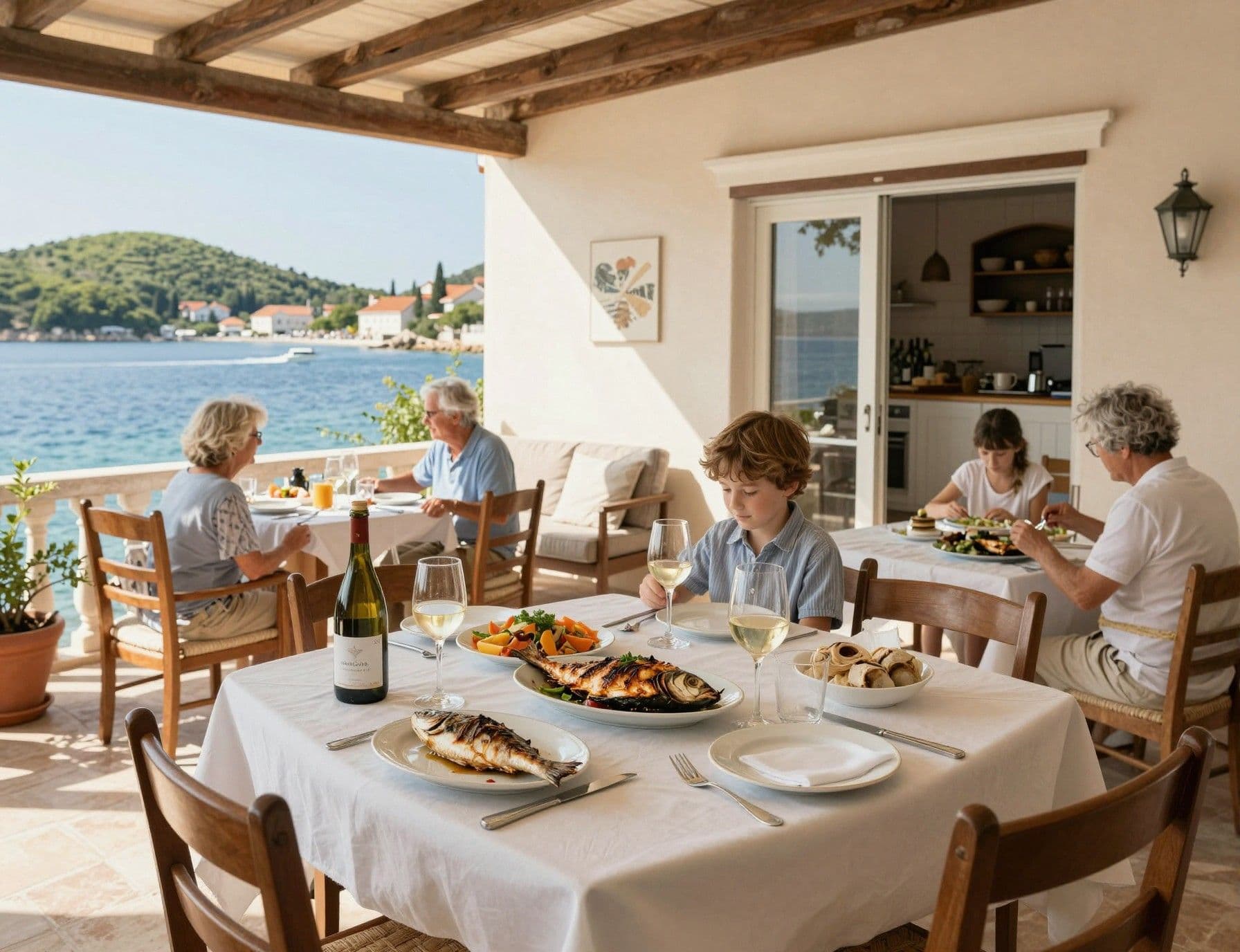
Lifestyle is the vote that makes you stay; data is what keeps you safe. Tourism and accommodation data from the Croatian authorities show persistent demand across the Adriatic, with over 20 million arrivals and more than 100 million overnight stays in recent reporting years. Housing supply is concentrated: coastal and island markets have limited new‑build pipelines, which supports higher per‑square‑metre prices in hotspots. For non‑EU buyers there are extra consent steps and, depending on the parcel, restrictions — so legal diligence early in planning avoids costly delays.
Property types and real‑life tradeoffs
Stone town apartments offer authenticity and lower running costs but often smaller interiors and complex renovations; modern new builds provide insulation, parking and amenities but sit further from village centres. Seafront row housing has high seasonal rental potential yet greater exposure to tourist volatility; inland villas deliver steady year‑round living but less rental upside. Choose the type that aligns with your scenario: move‑in lifestyle, hybrid remote living, or a rental-led investment.
Working with local experts who know the rhythm
A good local agency is your translator of rhythm into real estate outcomes: they match neighbourhood tempo to legal steps, suggest renovation partners familiar with coastal stonework, and map rental seasonality to realistic yields. Expect them to provide comparable sales, tourist‑season occupancy estimates and transparent fee breakdowns. For foreigners, agencies also expedite the consent paperwork when the property involves agricultural land or plots needing state approval. Treat agencies as project managers for both lifestyle fit and risk control.
- Decision steps that blend life and data
- List your daily non‑negotiables (market, walkability, parking) and map them to three neighbourhoods.
- Request comparable sales and tourist occupancy figures for 3‑5 properties; ask for worst‑case seasonality scenarios.
- Run a two‑year cashflow plan that factors in off‑season vacancy, maintenance on stone walls, and local utility costs.
- Engage a lawyer early to check title, coastal zone restrictions and foreign‑buyer consent timelines.
Insider knowledge: what expats wish they’d known
Expat communities often tell the same story: the neighbourhood you fall for in June can feel very different in November. Seasonality shapes services, social life and maintenance needs, and long-term satisfaction often comes from choosing a place with year‑round neighbours rather than purely tourist trade. Practical habits — learning basic Croatian greetings, knowing market days, and building relationships with local handymen — multiply the enjoyment of life on the Adriatic and reduce friction when things need fixing.
Cultural integration and daily customs
Croatians value small‑town courtesy: a neighbourly hello, coffee chats and shared seasonal produce are real social currency. Learning phrases and attending local events — fešta nights, olive‑press demonstrations, town patron saint days — opens doors faster than online forums. That cultural capital also helps with practical matters like hiring contractors or resolving permit questions, where personal introductions still matter.
Long‑term lifestyle scenarios to test now
Run three five‑year scenarios before committing: full‑time resident, part‑time hybrid with rentals, and pure seasonal rental. For each, stress test for off‑season income, maintenance costs (salt air accelerates wear), and emergency access (medical facilities vary by island). Use conservative occupancy and pricing assumptions; Croatia’s tourism growth is strong, but demand concentrates increasingly in a handful of destinations.
If you dream of mornings at a market and evenings on a stone quay, Croatia delivers in ways few places do. Translate that dream into a resilient plan by matching neighbourhood rhythm to realistic market scenarios, using local experts to handle legal and seasonal complexity, and testing at least three five‑year lifestyle scenarios. When you marry the sensory with the statistical — local markets and DZS tourism data, clear legal checks, and a conservative cashflow plan — you end up with a purchase that supports both the life you want and the value you need.
Danish relocation specialist who has lived in Barcelona since 2016. Helps families move abroad with onboarding, schooling, and local services.