The Adriatic Pipeline: Where Croatia’s New‑Builds Add Value
Where Croatia’s new‑build pipeline meets everyday life: a lifestyle‑first, data‑aware look at coastal towns, developer signals and what expats wish they’d known.
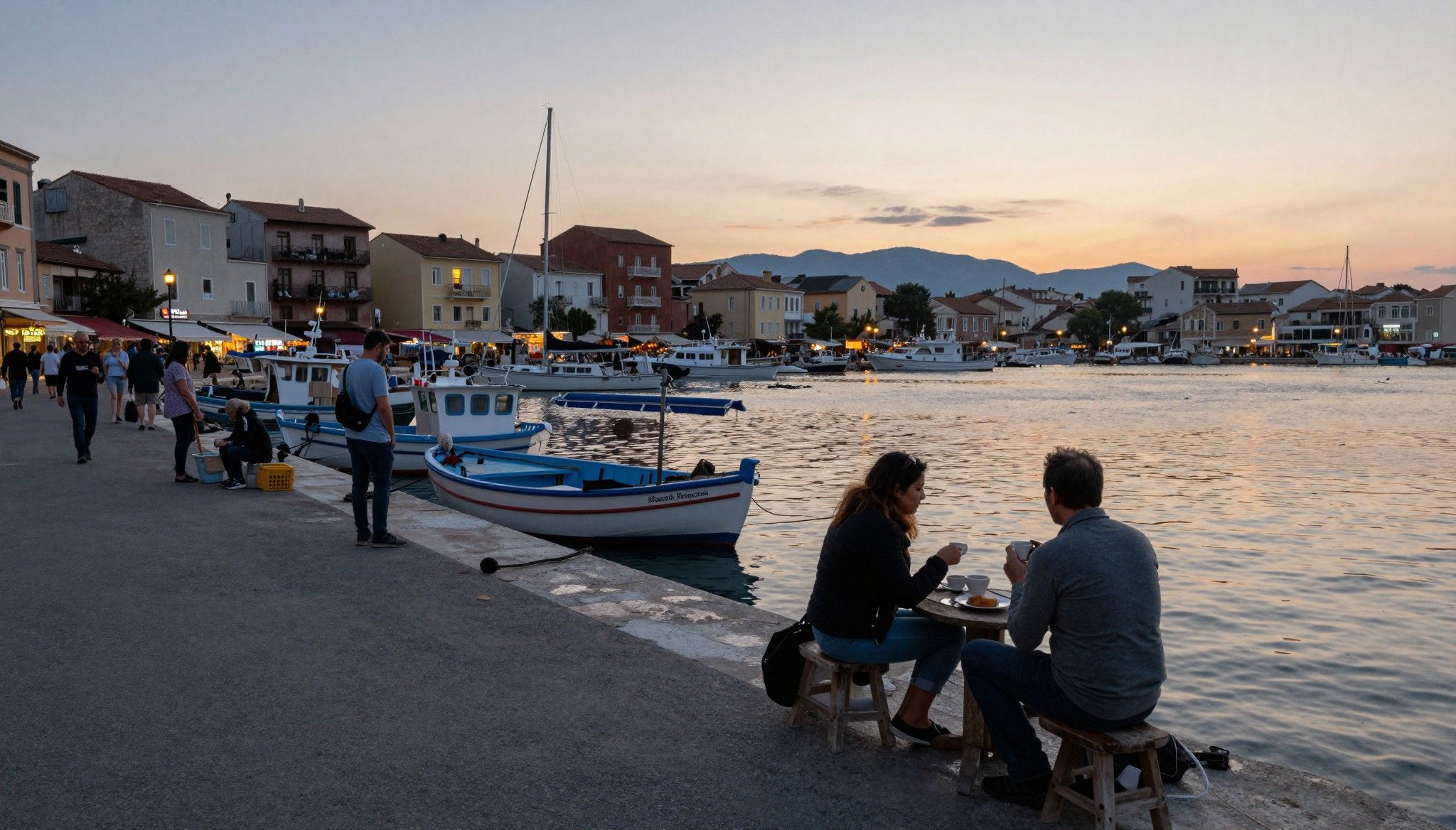
Imagine stepping out at dawn onto a pebble quay in Rovinj, coffee steaming in your hand, fishermen hauling in nets while a local bakery opens — and knowing that the apartment above the bakery is not only part of this daily rhythm but sits in a new development pipeline suggested by rising demand. Croatia’s coast offers both lived‑in charm and a fast‑changing new‑build market; the trick is to see where lifestyle meets long‑term supply.
Living the Croatia rhythm: sea, markets, and neighbourhoods
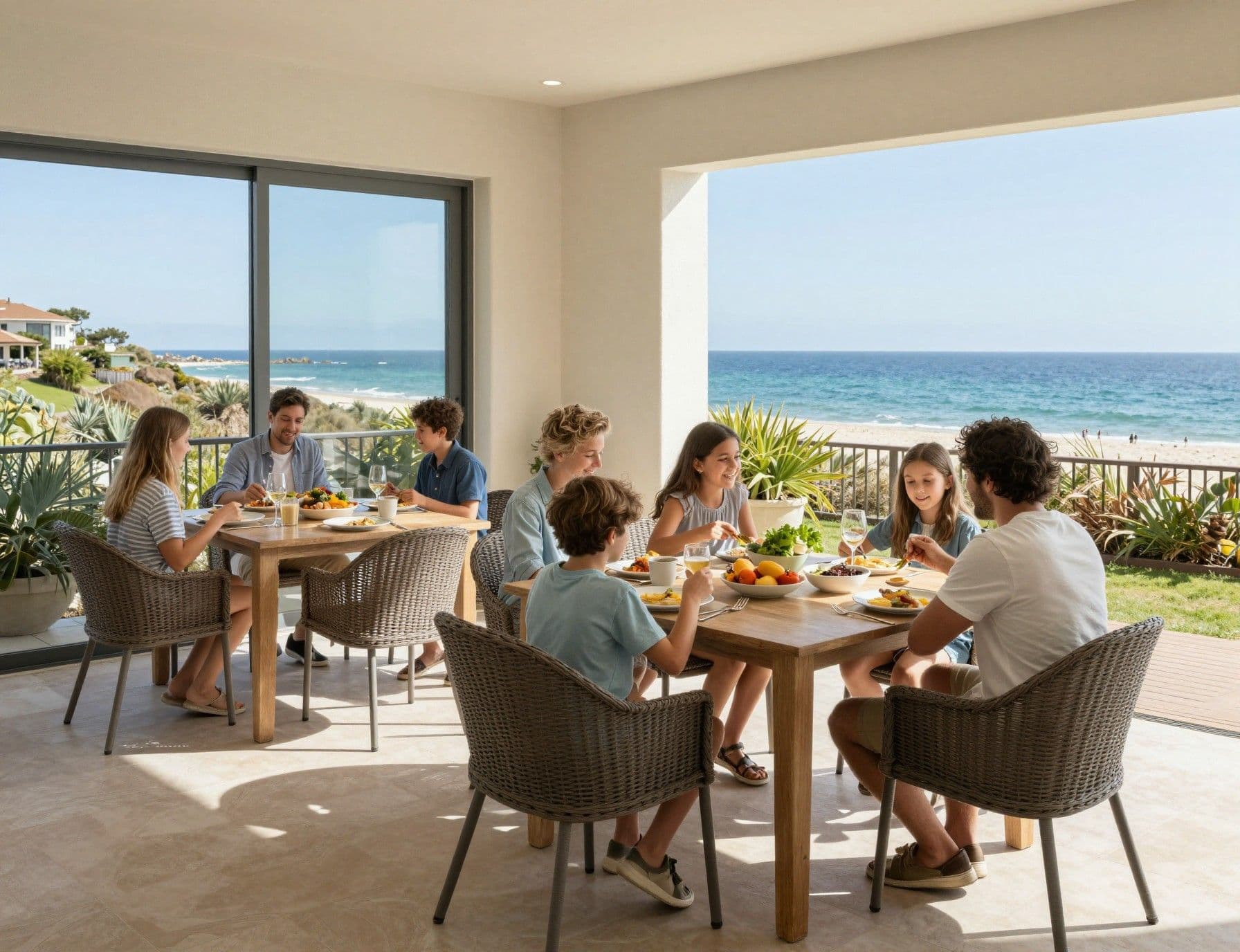
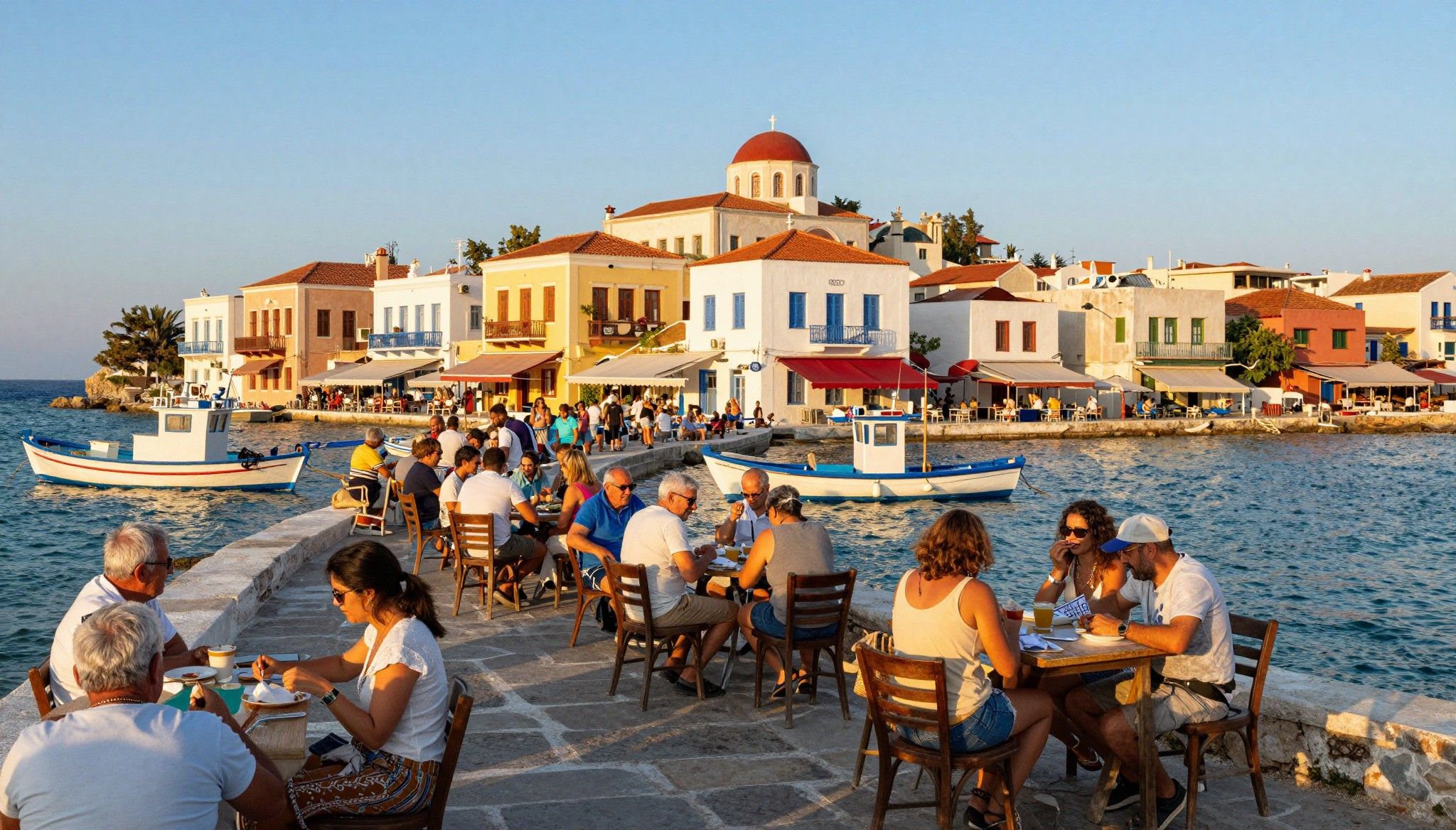
Life in Croatia moves with the Adriatic tide and market stalls. Summers pulse with sailing and festivals; off‑season mornings belong to locals — bakers, fishermen and café owners. Tourist records and stronger year‑round numbers are expanding which towns see new developments, and where demand is seasonal versus permanent. This is a country where the coastal town you visit at noon in August may feel different in March — and that seasonal change influences developer pipeline decisions and pricing pressure. (See tourism trends for recent context.)
Rovinj & Poreč (Istria): café life with a continental twist
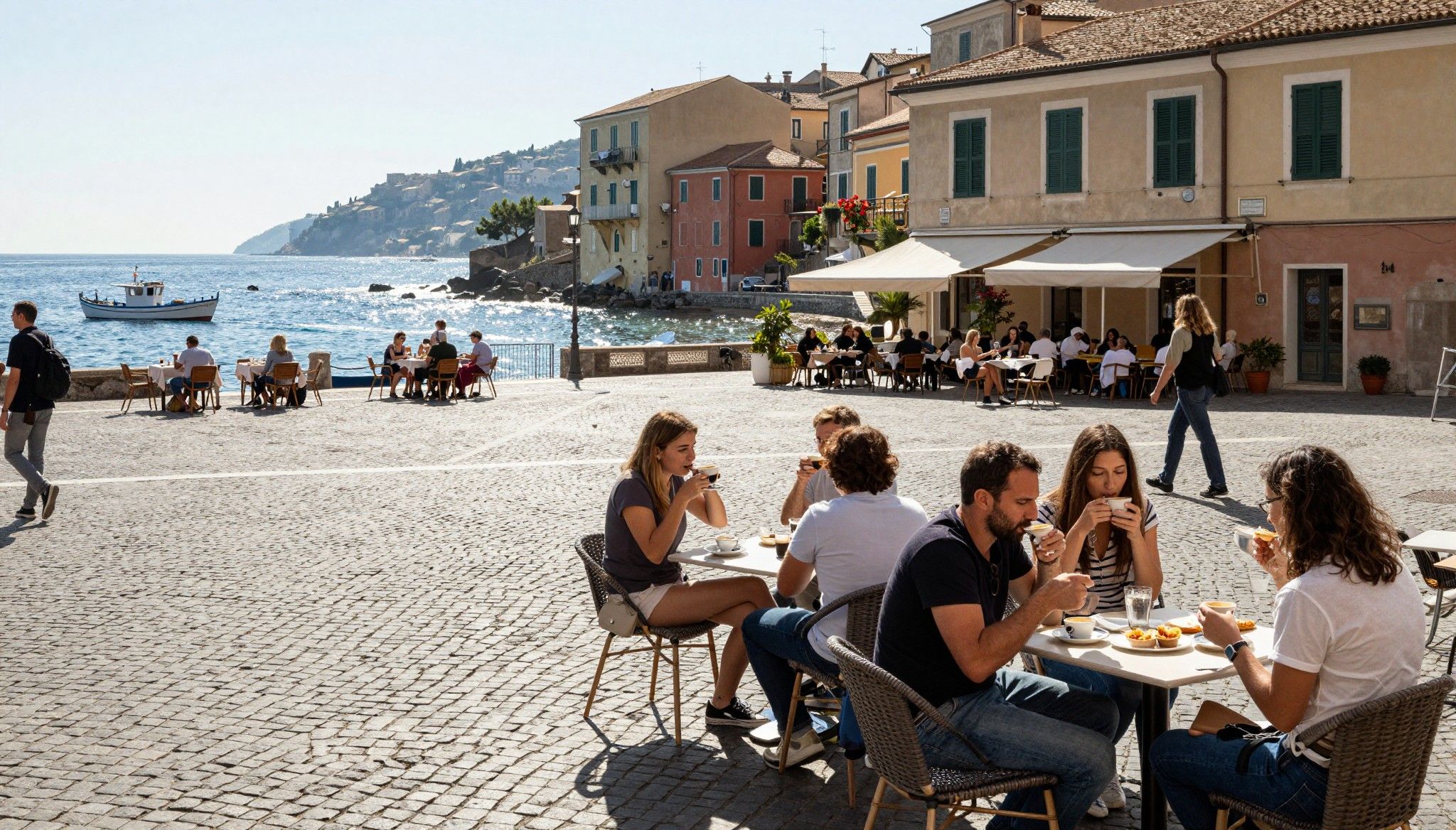
Morning espresso in Rovinj’s Old Town is a small‑town ritual; cycle lanes and olive groves shape weekends. Developers here are building boutique mid‑rise blocks that favour terraces, parking solutions and integrated storage for seasonal owners. Expect restored stone façades next to minimalist new builds that prioritise all‑season heating and insulation — practical upgrades that matter when you live there beyond the summer months.
Split & Šibenik (Central Dalmatia): history meets new living
Split’s Riva and Šibenik’s narrow streets anchor a market where conversions of existing buildings and carefully sited new blocks coexist. Croatian statistics show house price indices climbing regionally — a signal developers watch closely when planning supply. For buyers wanting both immediacy to city life and an accessible marina, new developments with flexible owner‑use rules deliver a practical, year‑round living solution.
- Daily life highlights to test the chemistry between place and property:
- Morning markets in Dolac (Zagreb) and Pula — fresh produce, sociability and tiny cafés
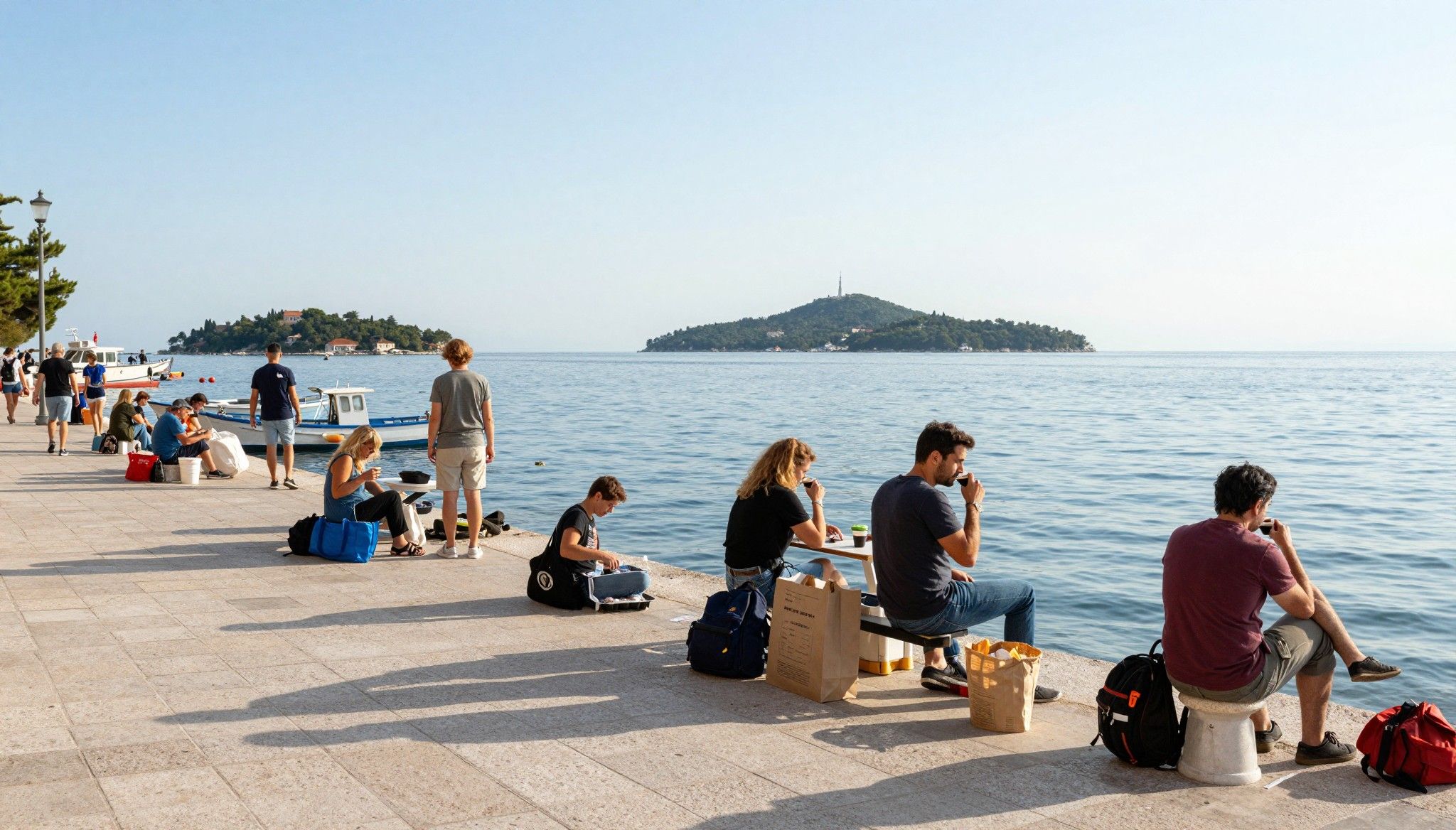
- Sunset promenades on Split’s Riva or Zadar’s Sea Organ — places that reward ground‑floor living or terraces
- Island weekends (Brač, Hvar, Vis) — properties here are seasonal winners but require thinking through access and maintenance
Making the move: new builds, pipelines and what matters
Dreams of stone streets and Adriatic light must meet the reality of developer pipelines. Croatia’s push toward year‑round tourism and EU fund investment changes which towns attract new supply. Understanding pipeline timing, local zoning and how tourism demand translates into apartments versus houses will save time and money. Developers respond not only to headline demand but to municipal plans and infrastructure (marinas, airports) that extend the season.
Property types that fit everyday life
- 1. Coastal terraces and compact apartments — ideal for lock‑up‑and‑leave owners who rent seasonally. 2. Converted stone houses — higher maintenance but unmatched character; budget for ongoing restoration. 3. New mid‑rise developments — better thermal performance and lower immediate maintenance; check developer track record. 4. Villas with land — great for privacy and gardening, but factor in winter utility and access costs.
Work with specialists who understand lifestyle outcomes
Local agents who live the season can tell you whether a promised sea‑view year‑round atmosphere is real or merely a July illusion. Choose agencies accustomed to new developments and long‑term management — they’ll flag construction timelines, resale profiles, and owner‑use clauses in developer contracts that matter to international buyers.
- Six lifestyle‑aware checklist items before committing: 1. Confirm the developer’s delivery schedule and warranties. 2. Visit the neighbourhood off‑season to test sound levels and local services. 3. Check proximity to year‑round transport (airport, ferry, motorway). 4. Ask about building management and seasonal maintenance arrangements. 5. Validate permitted use — short‑term rental rules can vary by municipality. 6. Forecast total running costs (energy, winter heating, water, waste) not just purchase price.
Insider knowledge: expat truths and seasonal surprises
Expats tell a familiar story: they fell for the summer rhythm, then realised the town’s character in spring or winter mattered most. Municipal services, healthcare access and community life — not just azure water — determine long‑term happiness. Croatian statistical releases and price indices confirm regional differences: coastal hotspots show faster price growth, while inland areas remain comparatively affordable.
Language, integration and daily logistics
Croatian is the local language, but you’ll find English in tourism hubs and younger professionals. Getting involved — local markets, volunteer festivals, language cafés — accelerates belonging. Practical details matter: garbage sorting systems, winter road clearing, and postal service rhythms differ between islands and mainlands and will shape where you choose to buy.
What long‑term lifestyle growth looks like
Look for towns investing in airport links, marinas or rail upgrades: those infrastructure bets underpin sustainable demand beyond a single season. Developers follow capital and connectivity; monitoring municipal plans and tourism policy gives early signals about where new builds will deliver both lifestyle and resale potential.
- Red flags to walk away from:
- Unclear delivery timelines, vague finishing specifications, properties with access dependent on private roads without guaranteed maintenance, or promises of future infrastructure that lack municipal commitments.
If you’re dreaming of a life that begins with coastal market mornings and ends with island weekends, Croatia can deliver. Start with lifestyle scouting — spend a week in high and low seasons — then bring in local development‑savvy agents to vet pipelines and contracts. With that mix, you buy more than a property: you buy into a rhythm you can live with for years.
British investor turned advisor after buying in Costa del Sol since 2012. Specializes in cross-border compliance and data-driven investment strategies for UK buyers.