Croatia: Lifestyle‑Led Picks from the New‑Build Pipeline
How Croatia’s lifestyle and a growing new‑build pipeline create opportunity — but why nationality rules, seasonality and micro‑neighbourhood life determine success.
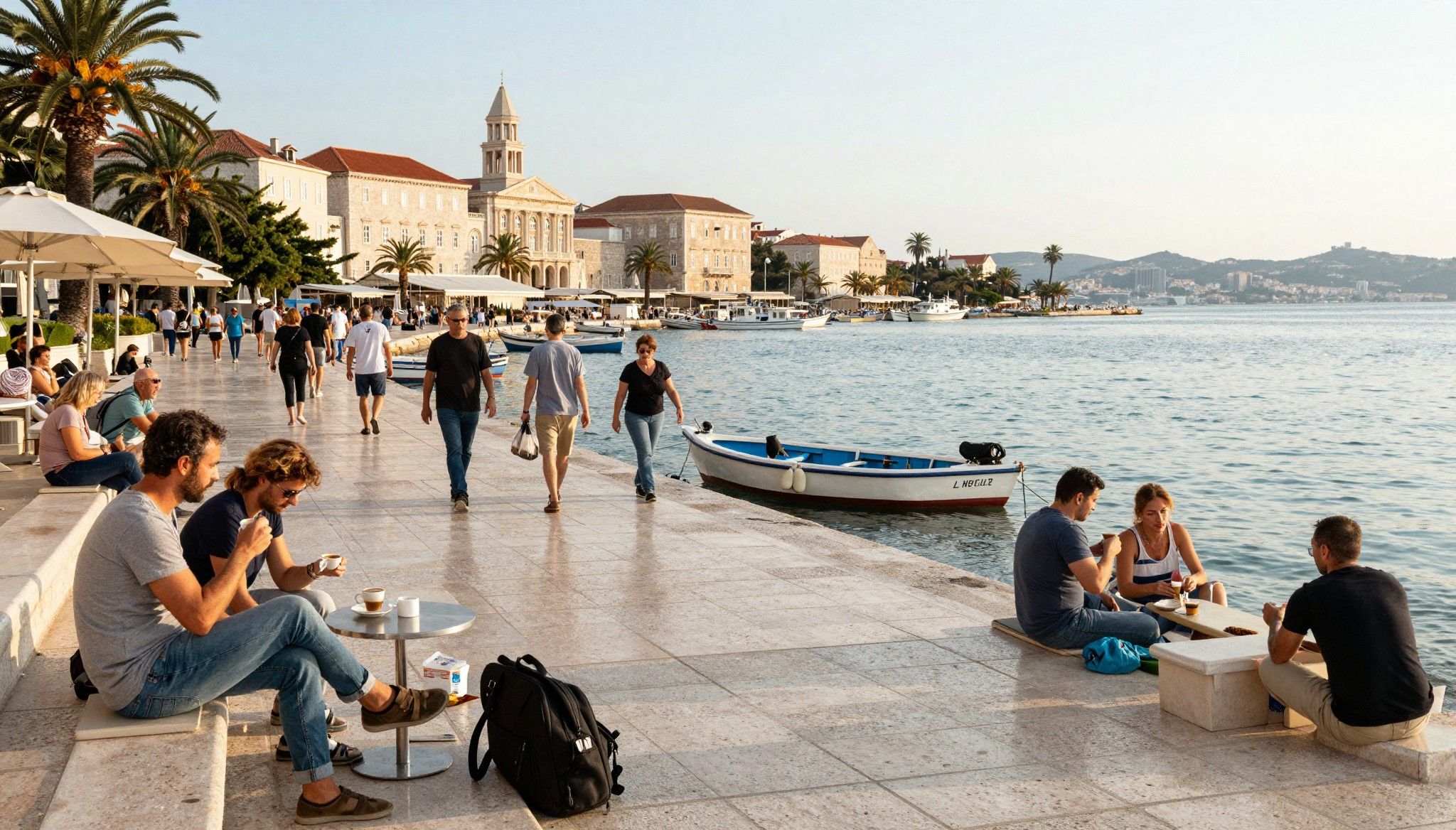
Imagine sipping espresso at Split’s Riva at 08:30, then walking five minutes to a renovated stone apartment where the light pours through traditional shuttered windows — that contrast between slow Adriatic mornings and brisk, data-driven market opportunity is Croatia’s real charm and the reason international buyers are watching closely.
Living the Croatian rhythm
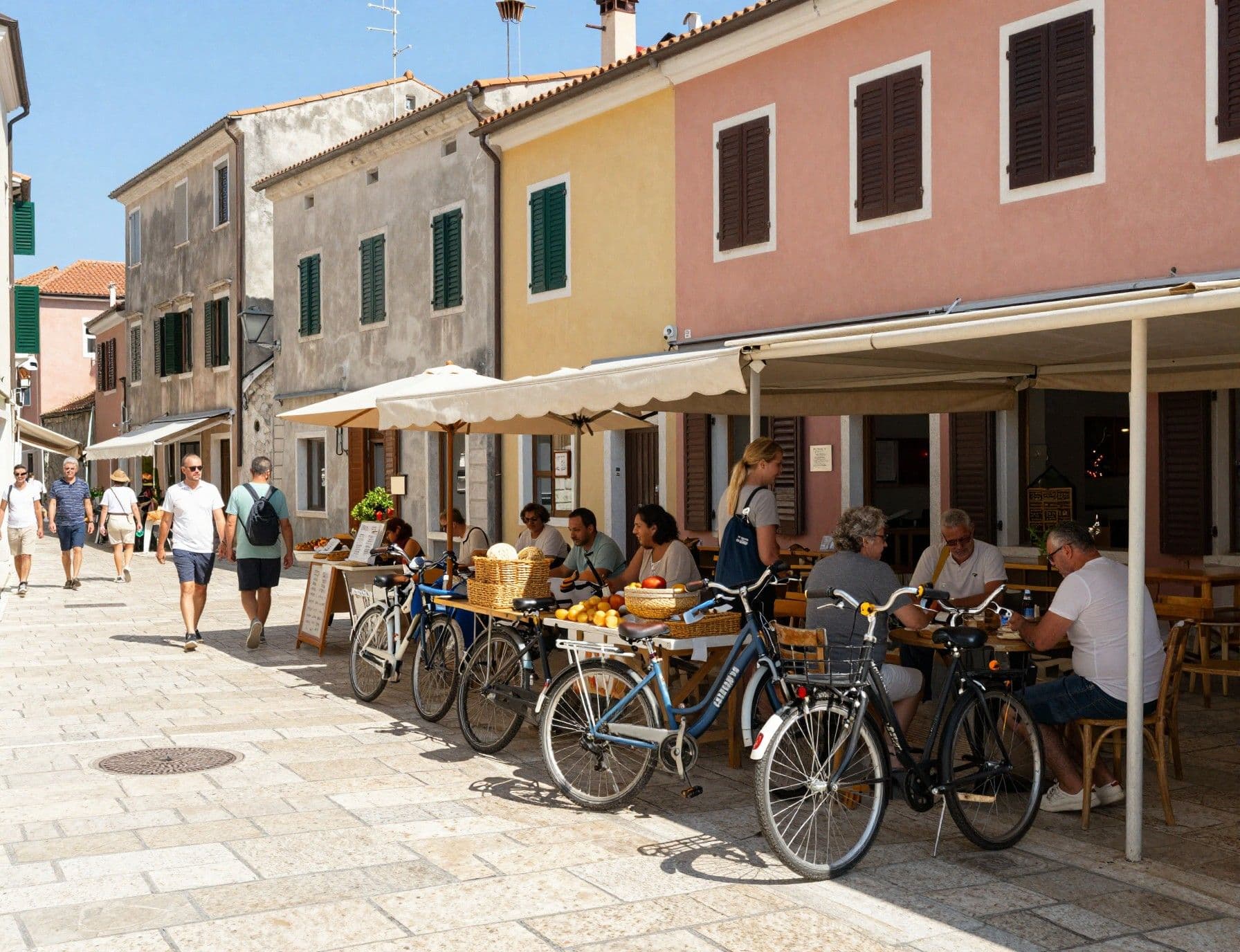
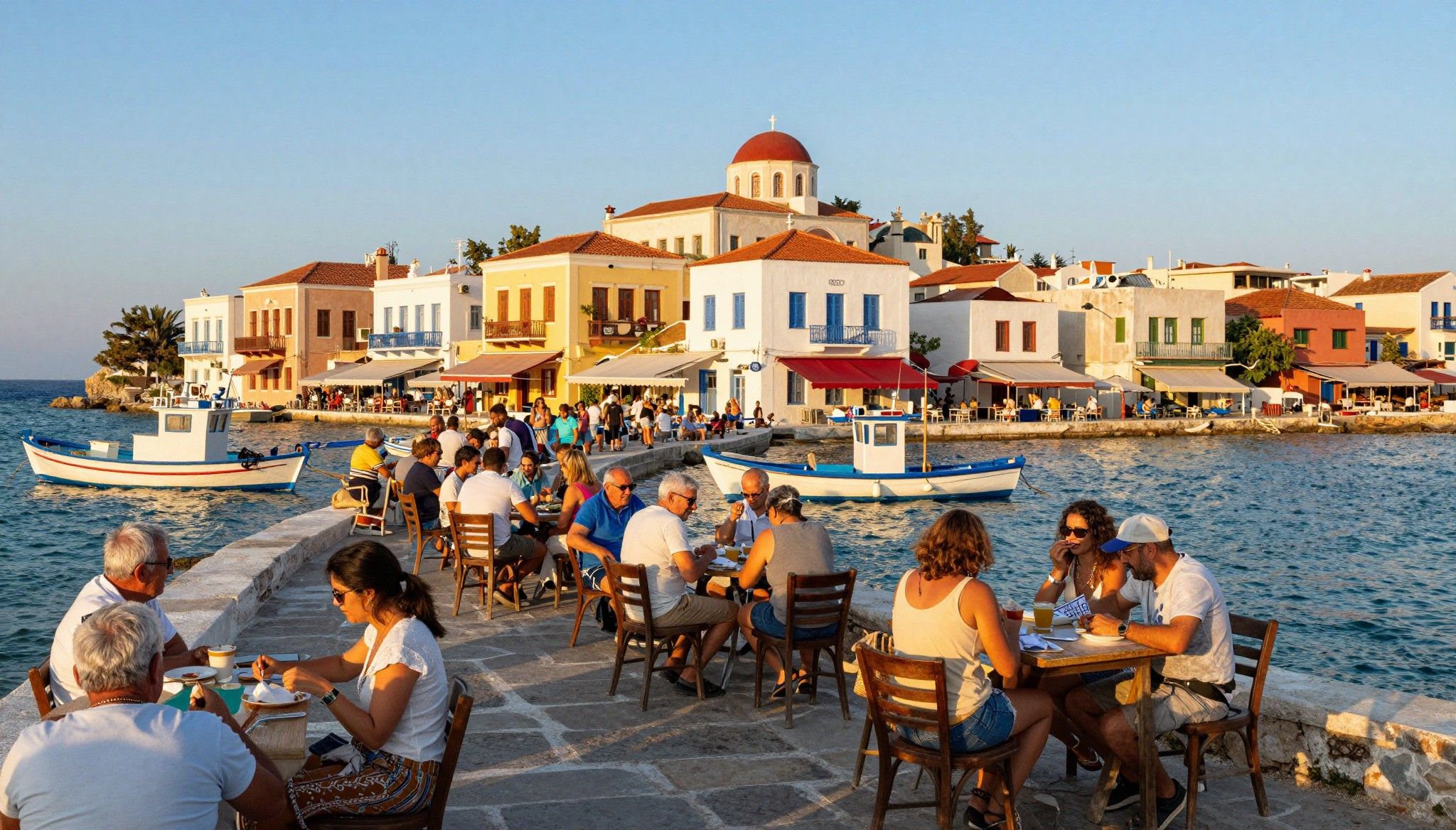
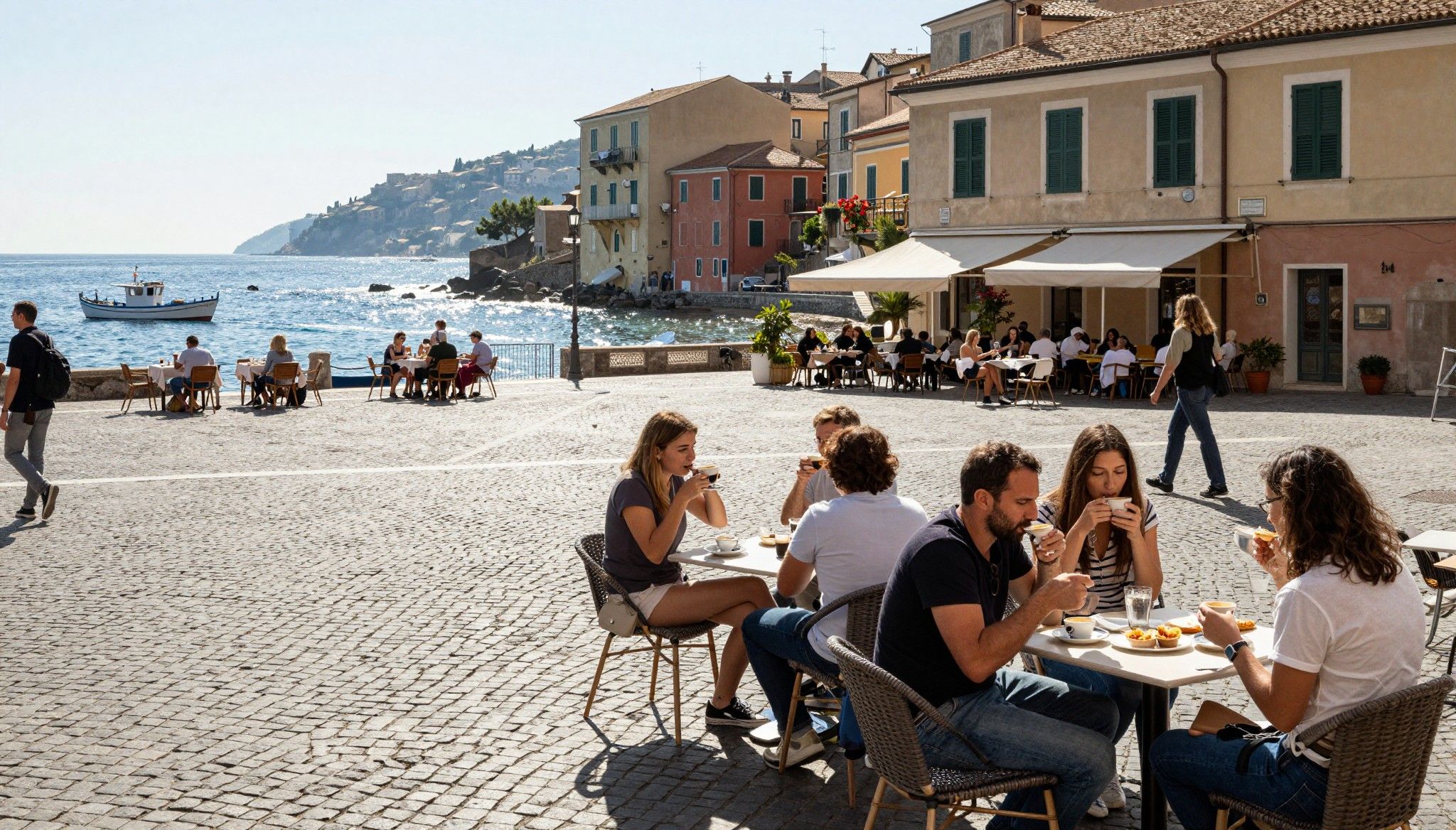
Daily life in Croatia blends Mediterranean calm with Old-World detail: morning markets, late-afternoon swims, neighbourhood bakeries, and piazzas framed by Romanesque and Austro-Hungarian architecture. The atmosphere differs dramatically between places — Zagreb’s tree-lined avenues and café terraces, Istria’s truffle markets and hilltop villages, Dalmatia’s stone lanes and island marinas — and those differences shape both what you’ll buy and how you’ll use it. Recent official statistics show sustained demand for housing in urban and coastal areas, driven by both domestic buyers and growing foreign interest.
Where neighbourhood life matters: Split, Dubrovnik, Istria
Split’s Old Town (around Diocletian’s Palace) is social, walkable and tourist‑dense — perfect if you want immediate vibrancy but expect seasonal flux. Dubrovnik’s Ploče and Lapad deliver iconic heritage and strong short‑let demand, though local rules and seasonality influence long‑term living costs. In Istria, Rovinj and Motovun offer village intimacy, gastronomy and year‑round community life. Each neighbourhood’s rhythm affects rentalability, renovation scope, and the kind of new development that fits the place.
Food, markets and weekend rituals
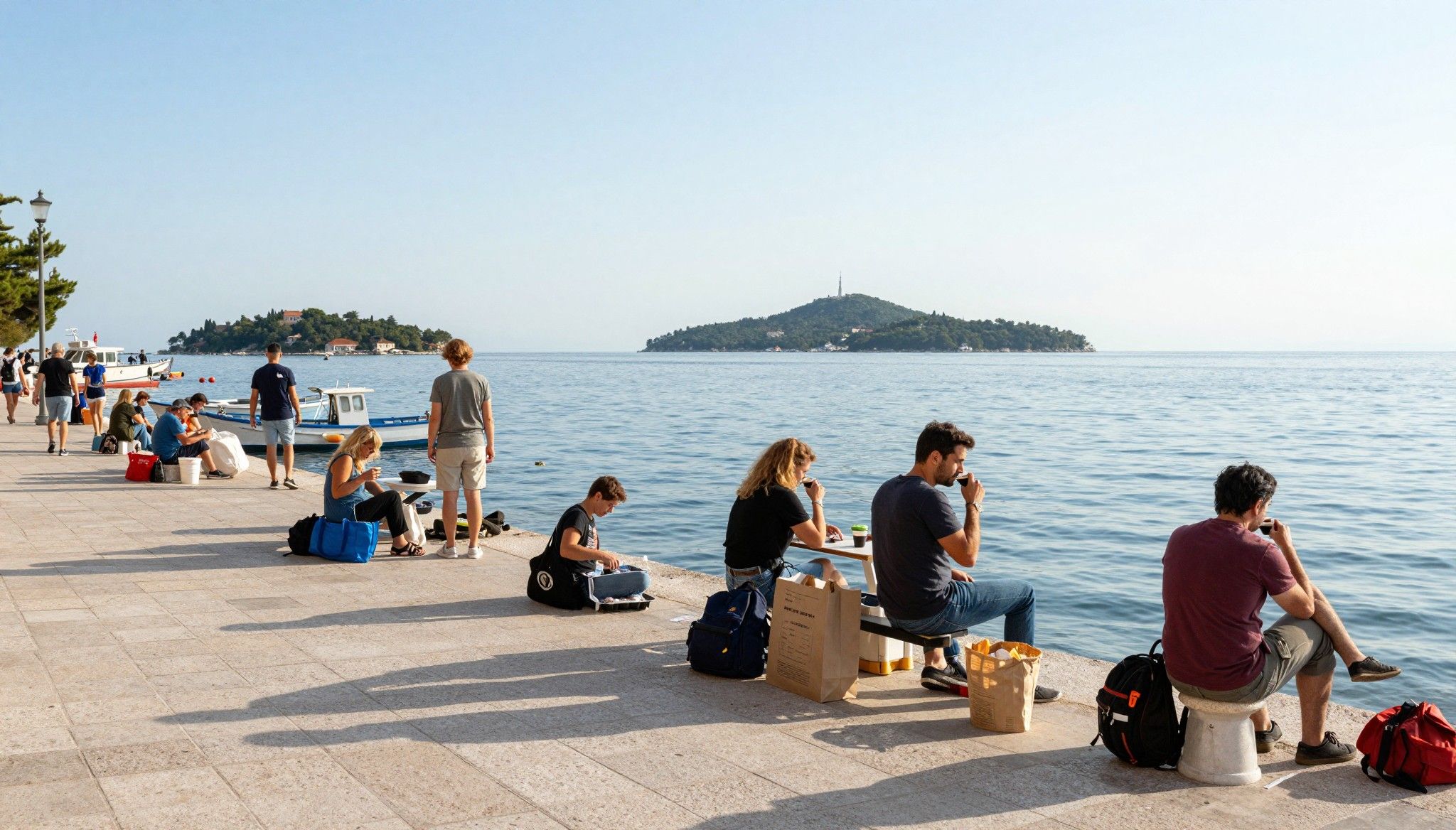
Weekends in Croatia are tactile: fish markets at Split’s Riva, Istrian open‑air markets stacked with olive oil and truffles, café culture in Zagreb’s Tkalčićeva, and island mornings where fishermen sell the day’s catch. Those rituals shape lifestyle picks — a kitchen for slow cooking, a balcony for aperitifs, storage for seasonal gear — and they should influence what property features you prioritise when viewing new developments.
- Lifestyle highlights to map to property choices: • Morning fish market at Split Riva; choose storage and cold-room access • Evening promenades in Dubrovnik Ploče; favour quieter courtyards over street-facing terraces • Truffle season markets in Istria; look for properties with large kitchens and pantries • Island ferry links from Hvar; prioritise proximity to ports for access • Zagreb’s Maksimir park runs and family life; choose neighbourhoods with green space
Making the move: lifestyle meets market reality
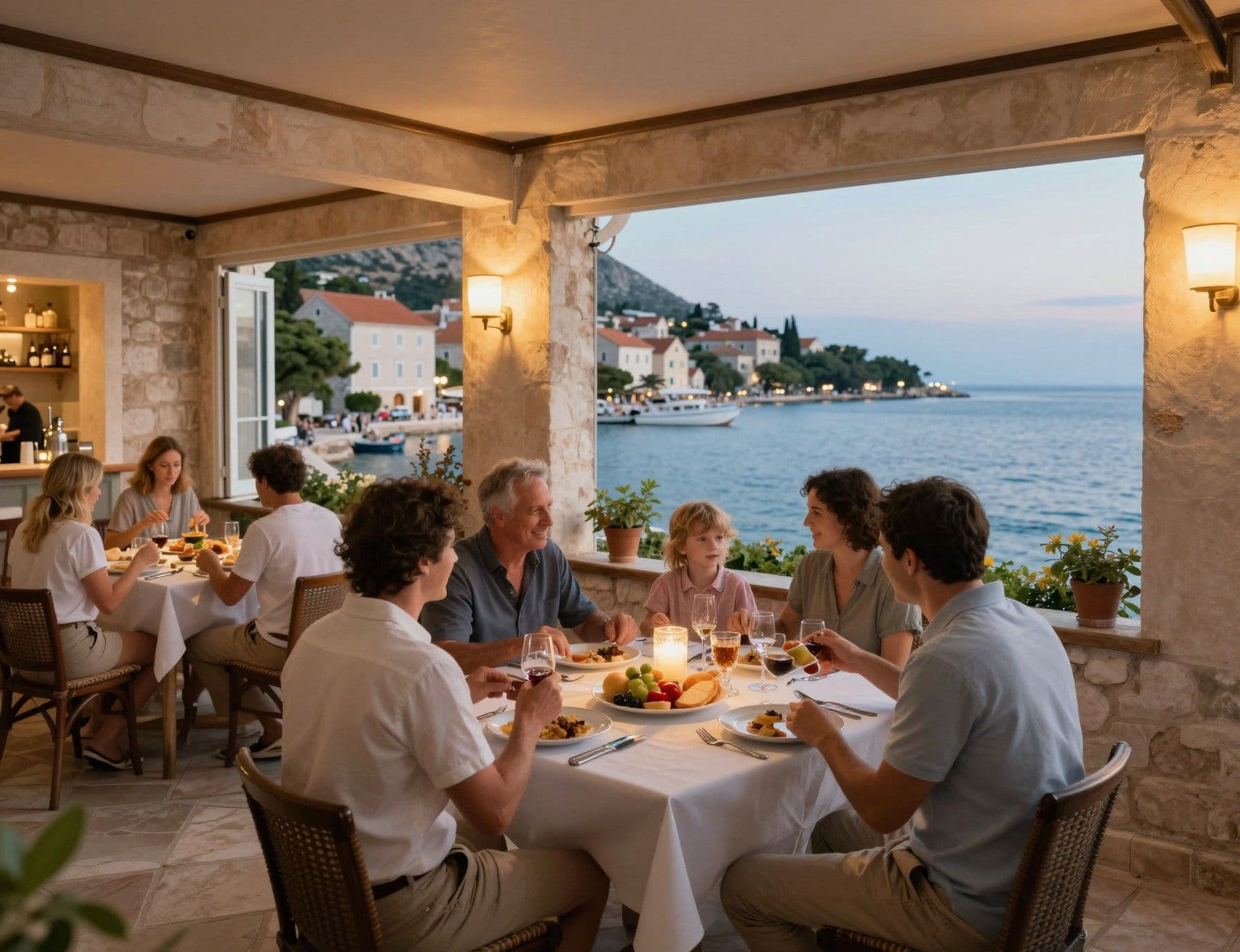
Your lifestyle shortlist — town, island or inland retreat — is only the start. Croatian purchase rules differ by nationality: EU/EEA buyers have parity with Croatians, while non‑EU buyers usually require ministry approval under reciprocity. That legal reality changes timelines, due diligence and who should sit at the negotiating table. It also explains why many foreign buyers favour coastal regions with established developer pipelines that cater to international expectations.
Property types: new builds, restorations, and what they mean for life
New developments range from contemporary seafront apartments in Split and Rijeka to gated villa clusters on Brač and boutique conversions in Dubrovnik’s periphery. New builds often offer modern insulation, integrated heating/cooling and communal amenities that suit year‑round living and remote work; historic restorations deliver character but usually need more investment for wiring, waterproofing and energy efficiency. The construction pipeline has expanded in recent years, but completions are clustered around Zagreb and prime coastal towns, so timing and inventory vary by micro‑market.
Work with experts who understand life, not just listings
- Steps to align lifestyle with a development purchase: 1. Attend an in‑market weekend to sample daily life and test commutes. 2. Ask developers for seasonal occupancy and utility cost data to project running costs. 3. Use a local lawyer to confirm reciprocity and expected timeline for title registration. 4. Prioritise developments with tested property management if you plan rentals or part‑time living.
Insider knowledge: what expats wish they'd known
Real buyers tell a common story: you fall for the light, the food, the sea — then you learn the rhythm of bureaucracy, seasonality and hidden maintenance. Expect strong tourist seasons that drive short‑let demand, and quieter winters that reveal the true community. Many buyers underestimate the cost of adapting older stock to modern living (insulation, windows, heating). Others overpay for headline sea‑views without checking access, parking or wind exposure — details that shape daily life far more than a postcard image.
Cultural cues that change where you live
Social life in Croatia is local and seasonal: neighbours who meet at the bakery, island communities where the ferry timetable sets your weekend, and family‑run konobas that close in low season. Language helps — even a few phrases open doors — but many service providers in coastal towns work in English. Integration often starts at market stalls and football pitches, not with formal associations; that affects your property choice, because a quiet courtyard that supports daily social life can be more valuable than an exposed beachfront apartment.
Looking ahead: pipeline risks and lifestyle resilience
Developers are responding to demand but face rising construction costs and evolving regulation, including foreign‑investment screening. That means delivery dates can shift and the most attractive units sell before completion. Buyers who prioritise lifestyle resilience — proximity to services, flexible floorplans for multi‑season use, and properties with strong management teams — will fare better whether the market pauses or continues to climb.
- Red flags and practical checks before you sign: • Confirm reciprocity or ministry approval timelines for your nationality. • Request seasonal utility bills and occupancy rates from the developer. • Verify parking, access and coastal setback rules — a view that’s unusable isn’t an asset. • Budget for energy retrofits if buying older stock marketed as “renovated”. • Ask for a project status certificate and contractor references for new builds.
Picture your life here: mornings at the market, afternoons on a pebble beach, evenings with neighbours over slow wine. Croatia delivers those moments — but the property that lets you live them must suit the rhythm of the place. Work with a local agency that understands neighbourhood life, local rules, and the delivery risks in the pipeline. That combination turns fantasy into a sustainable home and a confident purchase.
- Next steps to act on the lifestyle: 1. Shortlist 2 neighbourhoods and schedule on‑site visits in different seasons if possible. 2. Speak to a Croatian property lawyer early to confirm nationality-specific steps. 3. Compare completed units and developer track records, not just floorplans. 4. Ask your agent for local community references—cafés, market vendors, property managers—to test the lived reality.
Swedish strategist who relocated to Marbella in 2018. Specializes in legal navigation and tax planning for Scandinavian buyers.