Croatia: Fall for the Life, Check the Pipeline
Fall in love with Croatia’s daily life, then let pipeline data and local indices decide where new builds truly back the lifestyle you want.
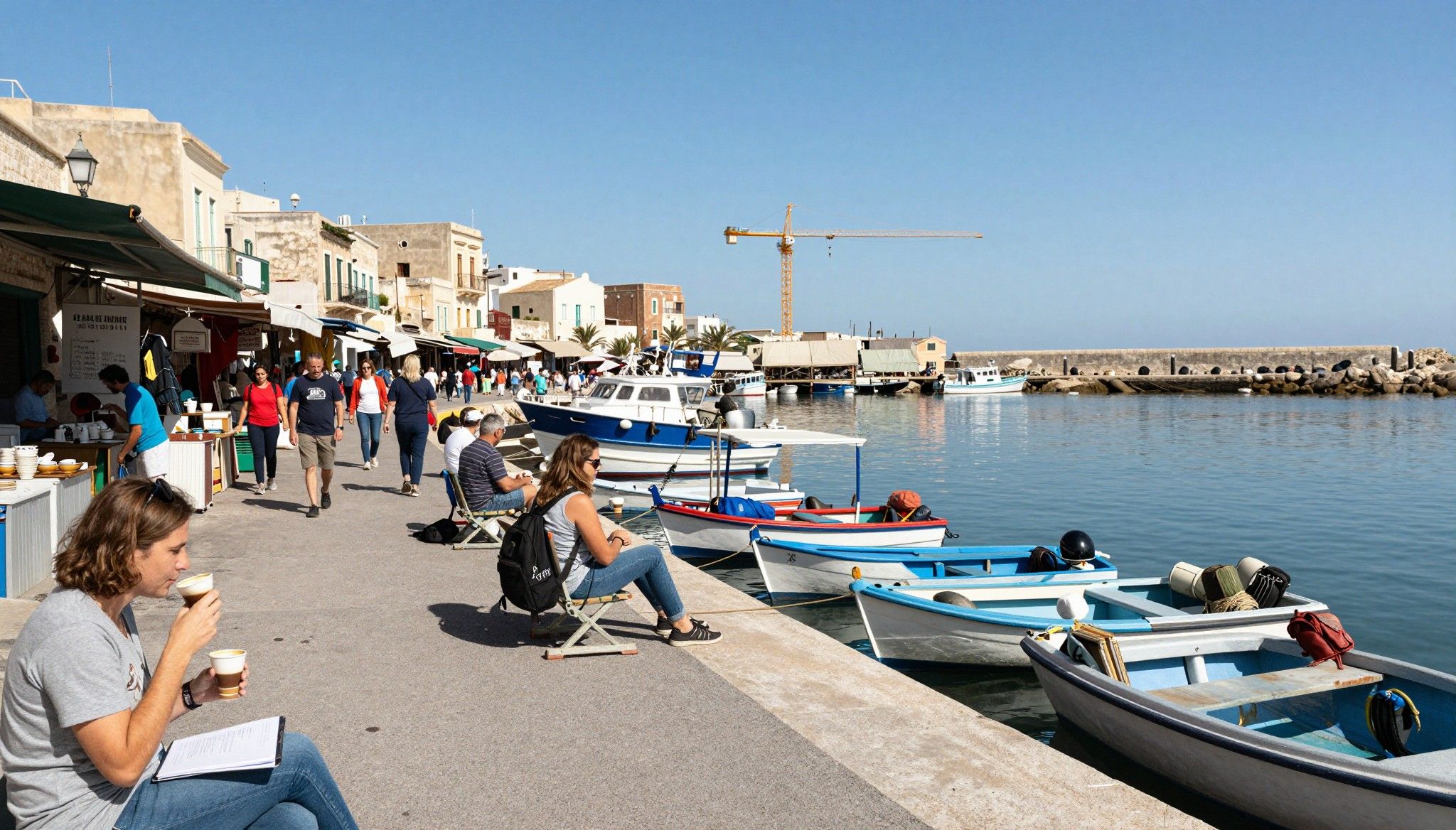
Imagine morning in Split: espresso on a sun-warmed stone step, fishermen hauling crates at the Riva, and a narrow lane where a developer's crane is only just visible above Roman roofs. That contrast — lived-in, storied streets alongside new-build ambition — is Croatia today. For international buyers the emotional pull is immediate, but so is the need for clear pipeline intelligence: where new supply will arrive, which towns are cooling, and which neighbourhoods keep authentic daily life intact. Data from the Croatian Bureau of Statistics helps translate that allure into actionable signals for buying decisions.
Living the Croatia rhythm
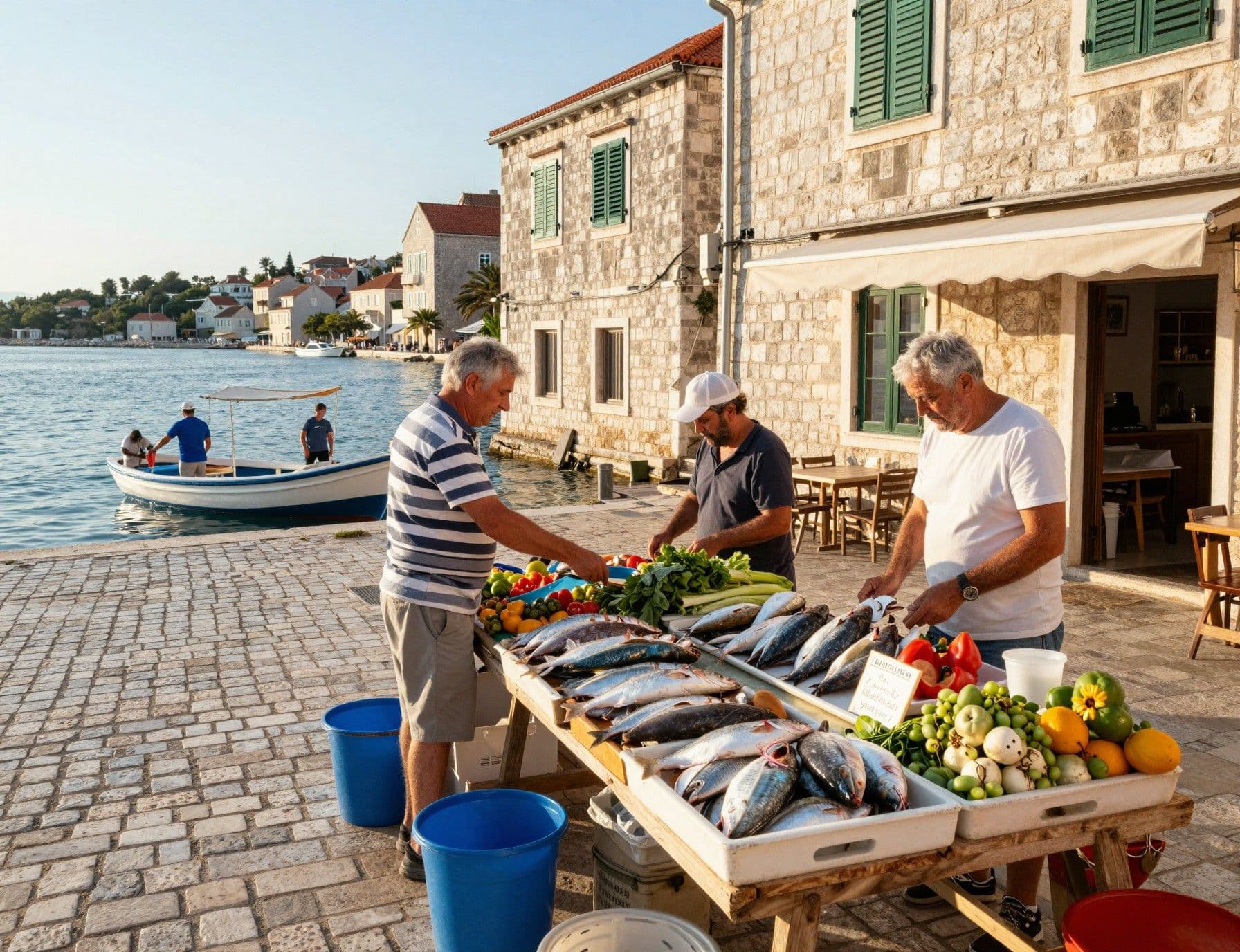
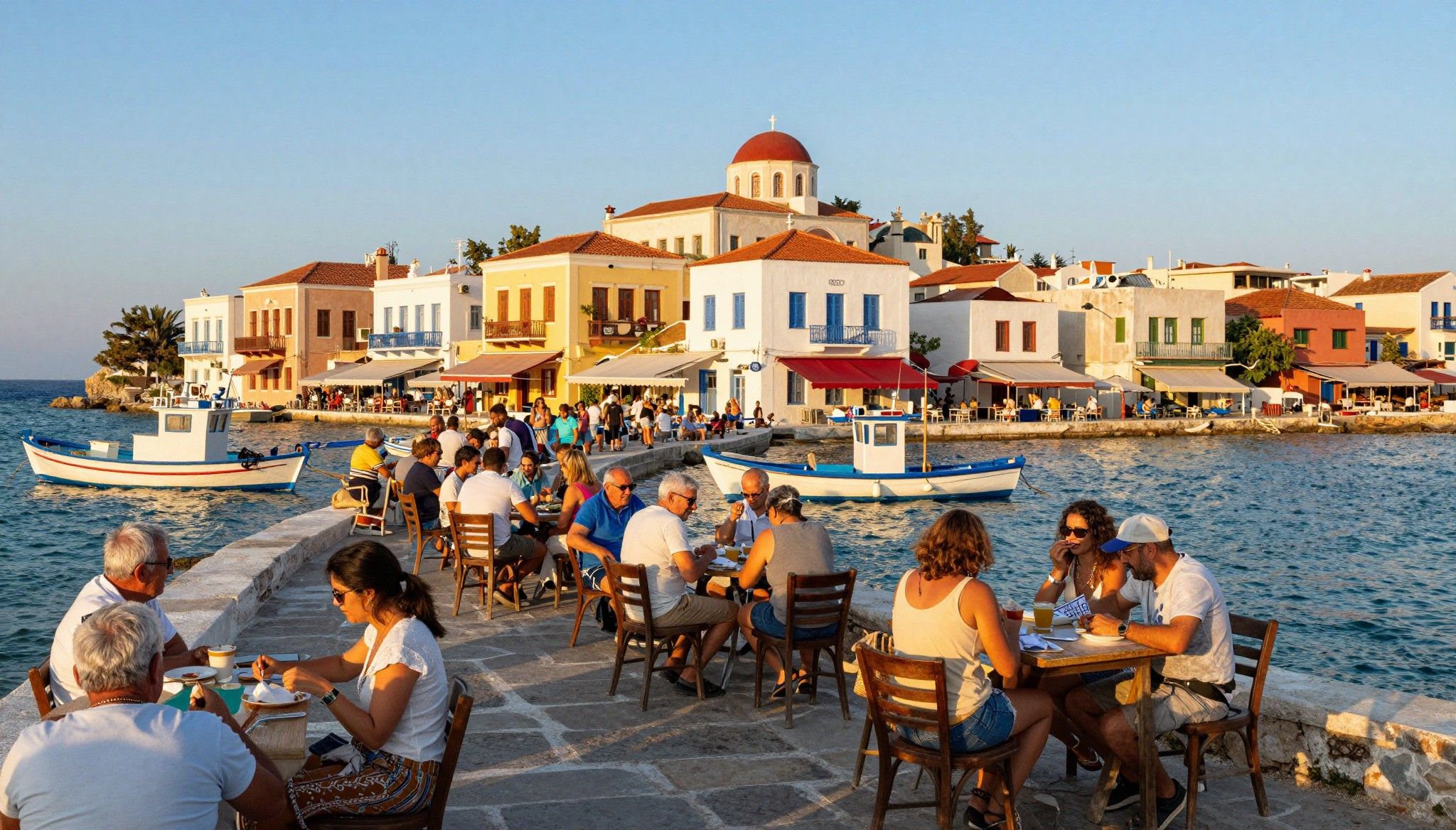
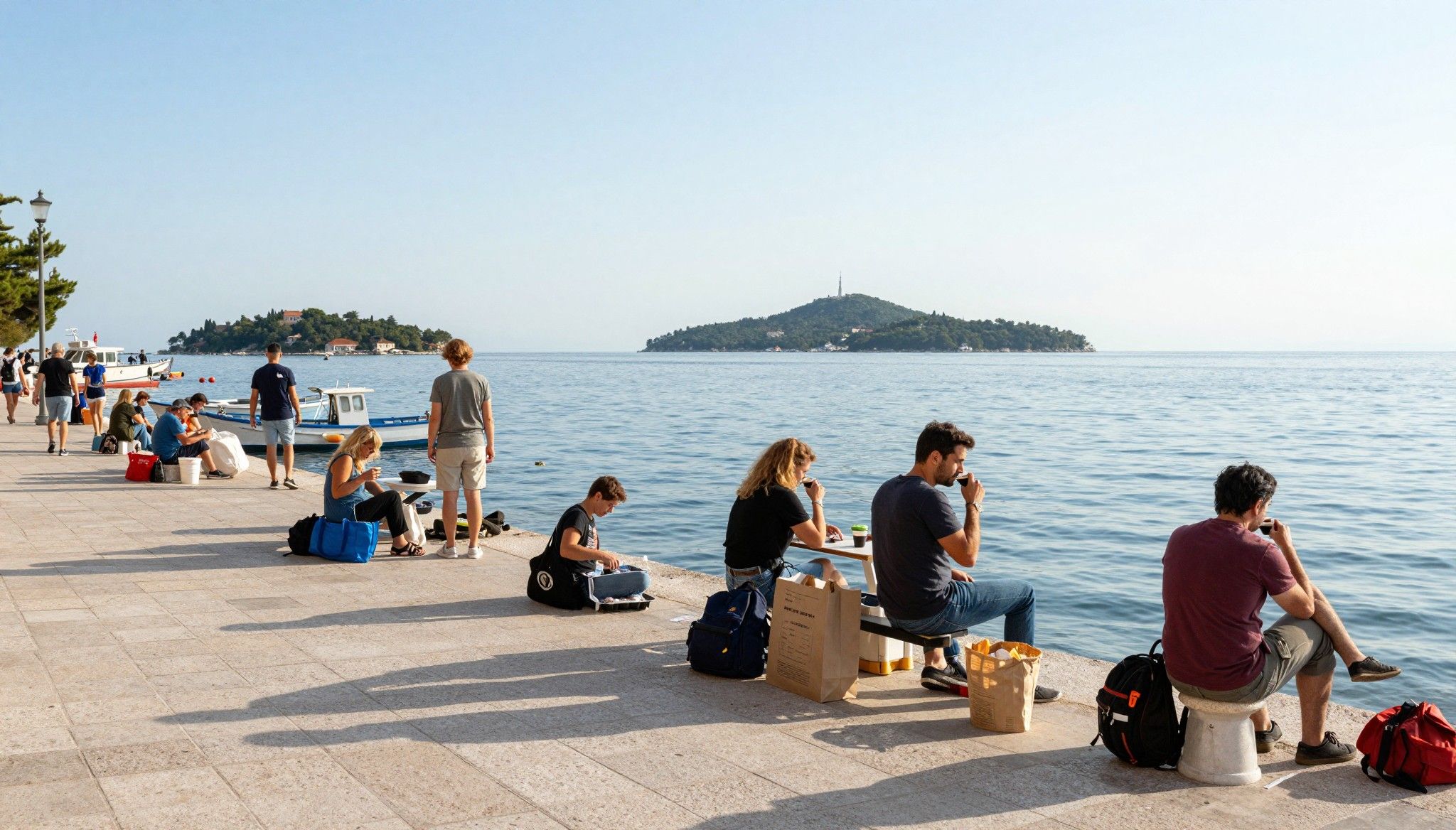
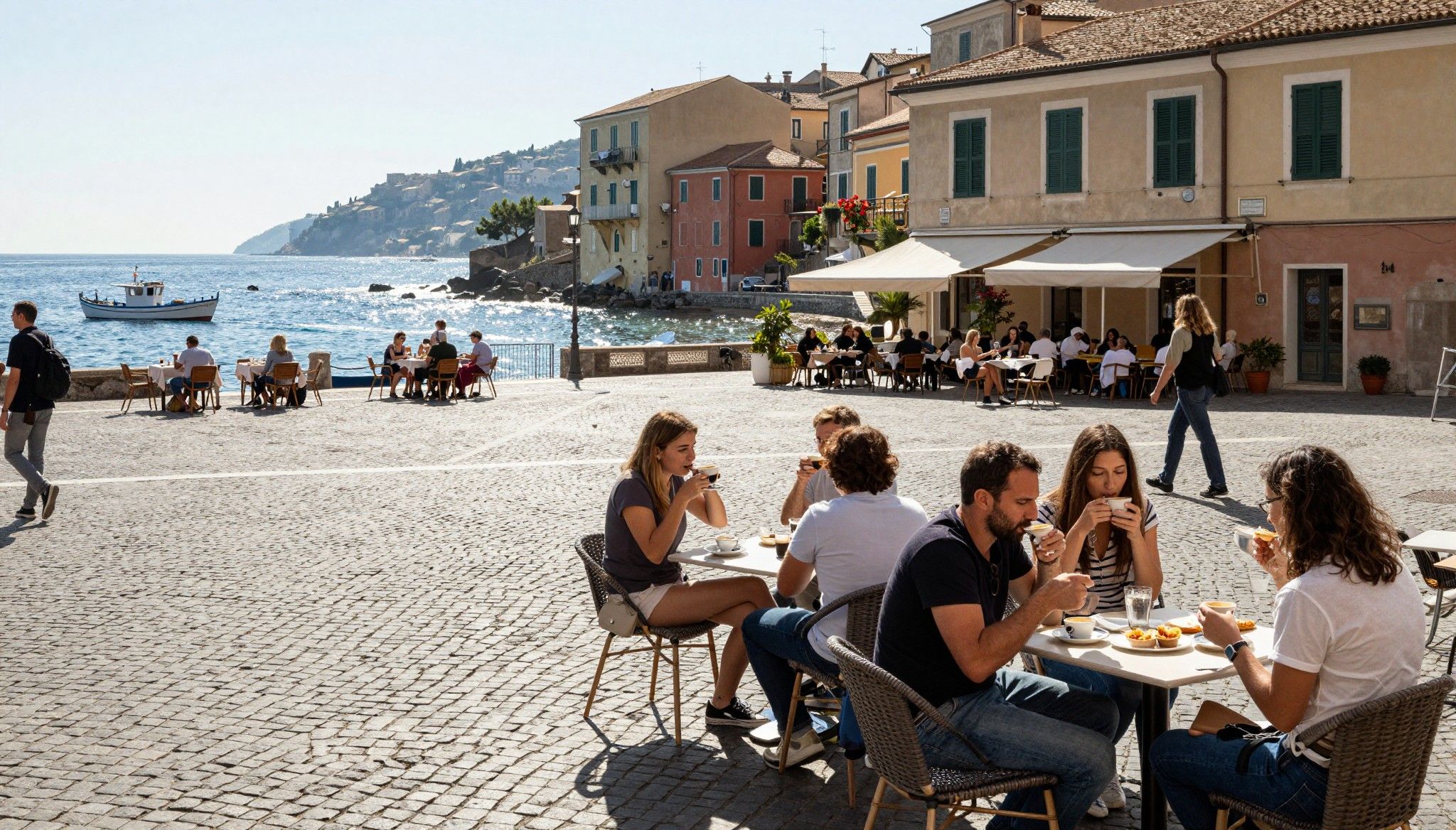
Croatia’s daily rhythm blends Adriatic leisure with compact urban routines. In coastal towns mornings are market-led — bakers, fish stalls and cafés define the first hours — while inland life is quieter, courtyard‑focused and seasonally anchored. That means the kind of property you buy shapes the life you’ll live: a renovated stone house in Hvar centers you on outdoor social rituals, while a new apartment in Zagreb plugs you into cafés, galleries and a predictable urban calendar.
Coastlines and pockets: neighbourhood snapshots
If you crave seaside sociability, look beyond Dubrovnik's Old Town to Gruž and Lapad for more everyday life — bakeries, early-morning swims and neighbourhood bars. In Istria, Rovinj’s cobbled streets give way to hinterland villages where vineyards and agritourism shape weekends. Zagreb’s Šalata and Britanski trg offer tree-lined mornings and year-round cultural programming, while emerging new-builds near Savska and Podsused appeal to buyers wanting modern convenience with lower entry prices.
Food, seasons and social life
Weekends in Croatia rotate around markets, sea swims and family dinners. Truffle season in Istria changes the map of gastronomic tourism; summer festivals animate small towns from Zadar to Šibenik; and winter is when local rhythms return — quieter cafés, maintenance works on older facades, and negotiation windows for buyers. These patterns make timing relevant: lifestyle seasons affect rental demand, renovation schedules and when developers release units.
- Riva walks in Split; Gruž for daily life
- Markets at Dolac (Zagreb) and Pazar (Zadar) for fresh produce and community
- Istrian truffle fairs and weekend agritourism markets
Making the move: lifestyle meets the pipeline
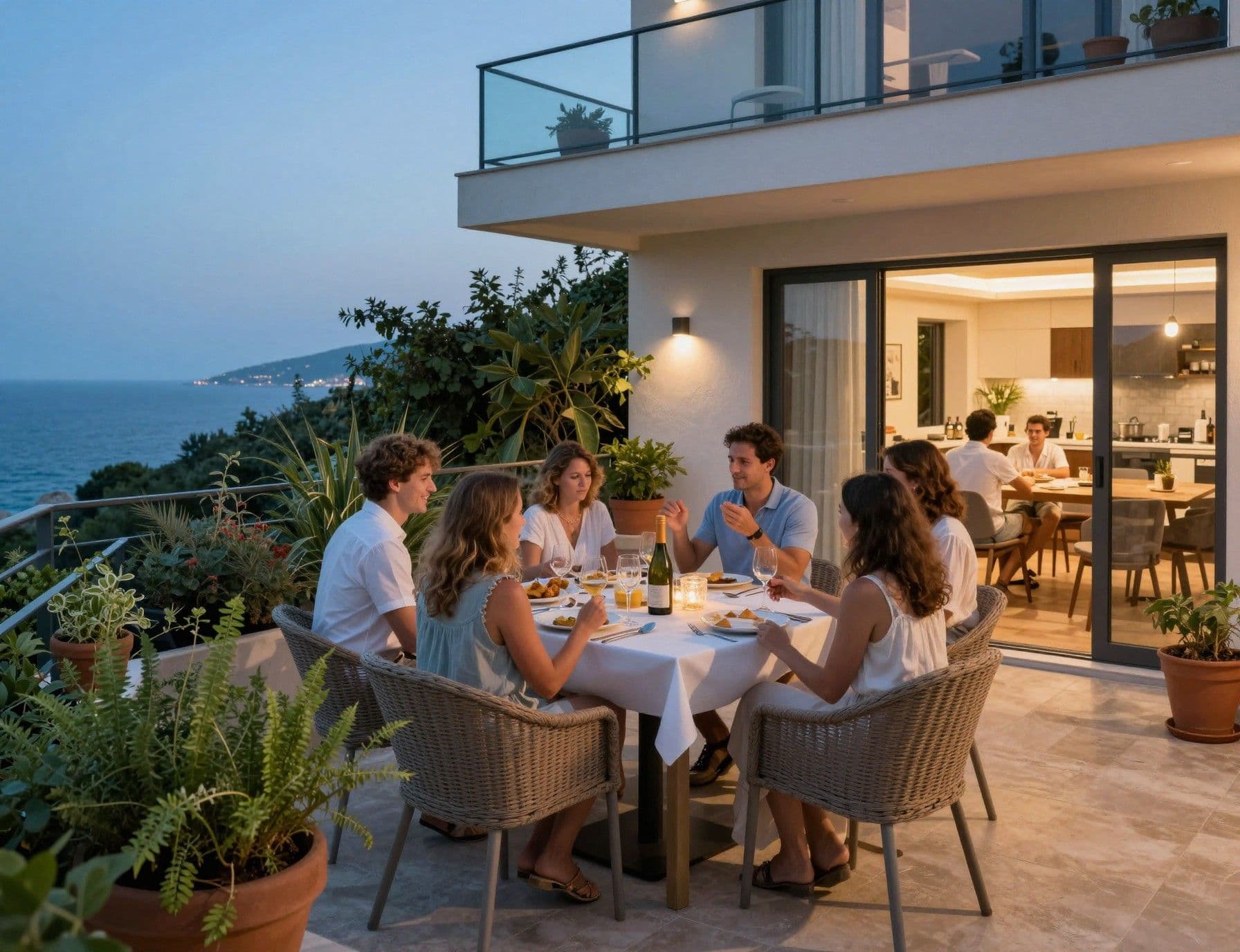
Your dream lifestyle must be balanced with reading the pipeline: where approvals, permit backlogs and developer focus will shape supply over the next 12–36 months. Recent regional analysis shows Croatia has been expanding new housing lending and that developer activity is shifting from headline coastal hotspots into mid‑sized coastal towns and inland commuter belts. For buyers this means pockets of new-build supply will relieve pressure in some locations but intensify competition in commuter zones near Zagreb and Split.
Property types and how you’ll live in them
New apartments offer low‑maintenance coastal living and better insulation standards, while restored stone houses deliver texture and outdoor rooms but often carry hidden upgrade costs. In 2024–2025 the house price index recorded moderate annual increases in many coastal areas, which has compressed yield for short-term rentals but preserved strong lifestyle value for owner-occupiers. Check the local house price index before you bid — it shows whether a new project is priced on local fundamentals or tourist optimism.
How local experts translate lifestyle into specs
Work with agents and architects who can map your day-to-day: they identify apartment orientations for morning sun, terraces with shelter from the bora wind, and proximity to markets or harbour piers. Local agencies also know which developments have realistic completion schedules and which rely on tourist-season sales. Ask for comparison dossiers that show recent sales, permit histories and developer track record. Insist on walking the micro-neighbourhood at different times of day to confirm the lifestyle matches the brochure.
- Discuss practical lifestyle+finance steps with your advisor:
- 1. Request the developer’s last three completion records and a schedule of pending permits.
- 2. Compare utility and communal maintenance costs for older stone homes vs new builds.
Insider knowledge: what expats wish they’d known
Experienced expats talk about small habits that matter: grocery delivery is less common outside larger cities, many coastal cafés close for maintenance in November, and renovation timelines often pause over summer festival months. Understanding these rhythms prevents frustration and helps you time inspections, renovation contracts and rental listings. Market commentary and indices confirm these seasonal impacts on prices and transaction volumes, so pair sensory scouting with hard data.
Integration, language and neighbourhood life
Croatians value reciprocity and punctuality; showing up regularly at a local café or market builds trust faster than formal introductions. Learning basic Croatian phrases opens doors with neighbours and craftsmen, and joining local associations (village councils, diving clubs, wine societies) accelerates social integration. For property buyers that social capital yields practical returns: reliable local tradespeople and quicker approvals for small works.
Long-term lifestyle + market considerations
Demographic decline in some inland areas and concentrated tourism growth on the coast create divergent futures. Regions with infrastructure investments and diversified local economies — parts of Istria, Split hinterland and northern Dalmatia — show better resilience. Use regional forecasts and project-level pipeline data to evaluate whether a neighbourhood will sustain everyday services year-round, not just during high season.
- Signs of sustainable neighbourhoods: functional schools, year-round food markets, regular transit and a mix of permanent residents and new arrivals.
- Red flags: developers selling off‑plan without demonstrable permits, or a concentration of units marketed only for short-term rental.
- Local positives: communities where craft producers, small restaurants and artisan shops operate year-round.
Conclusion: live the life, back it with pipeline evidence
Fall in love with Croatia first, then use the pipeline to act with confidence. Start by mapping the neighbourhood life you want — markets, ferry links, weekend rituals — then ask for developer histories, local completion data and the house price index for that micro-area. Work with agents who show both evening neighbourhood walks and permit dossiers; that combination protects lifestyle expectations and investment quality. If you want, we can prepare a short shortlist of current new-builds in Istria, Split and Zagreb with permit histories and recent comparable sales.
Swedish strategist who relocated to Marbella in 2018. Specializes in legal navigation and tax planning for Scandinavian buyers.