Italy: Live the Life, Back It with Local Data
Italy’s lifestyle is diverse—city pulse or coastal calm—but smart buyers match daily routines to local market data (ISTAT, OMI) and seasonal reality.
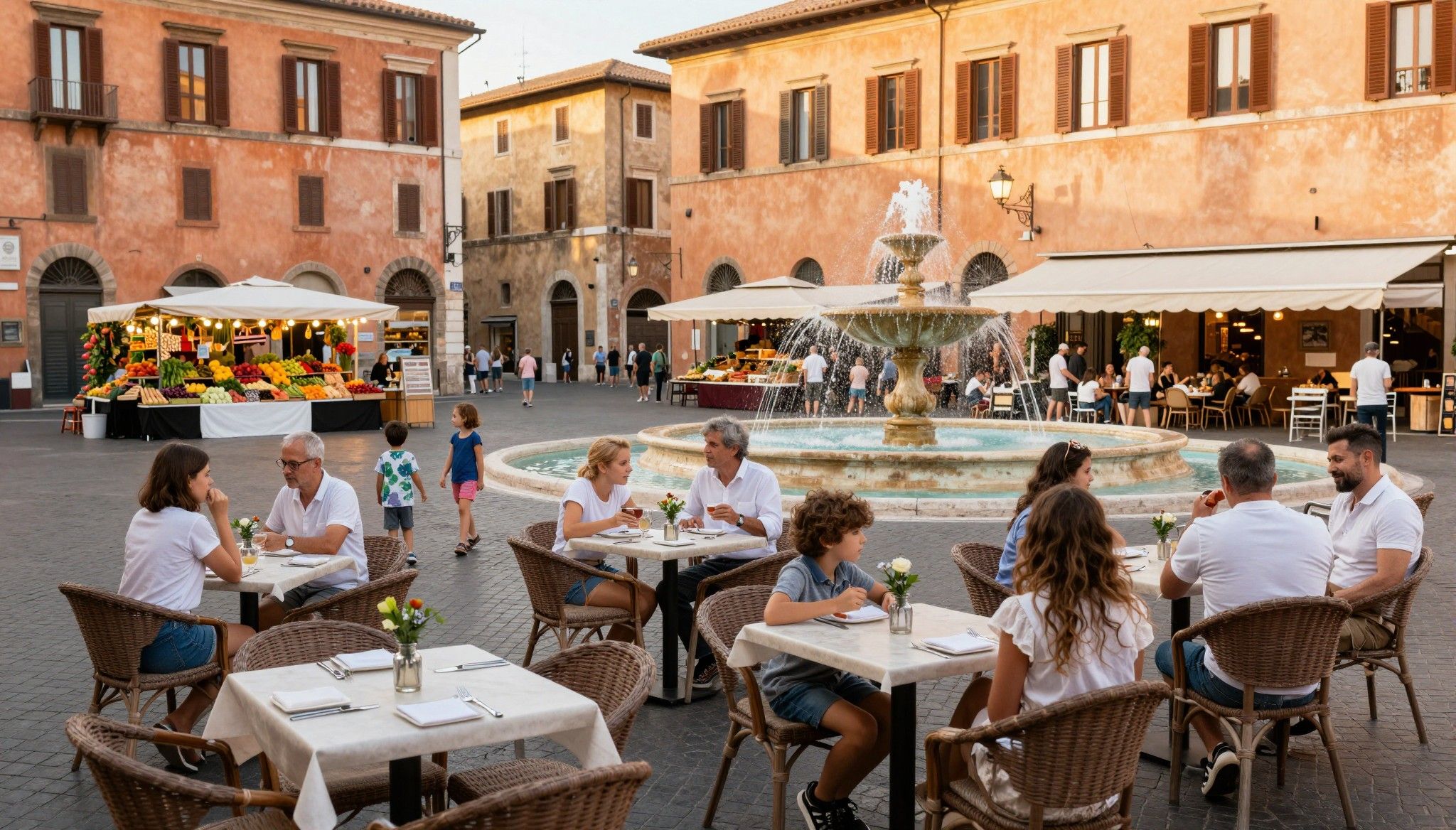
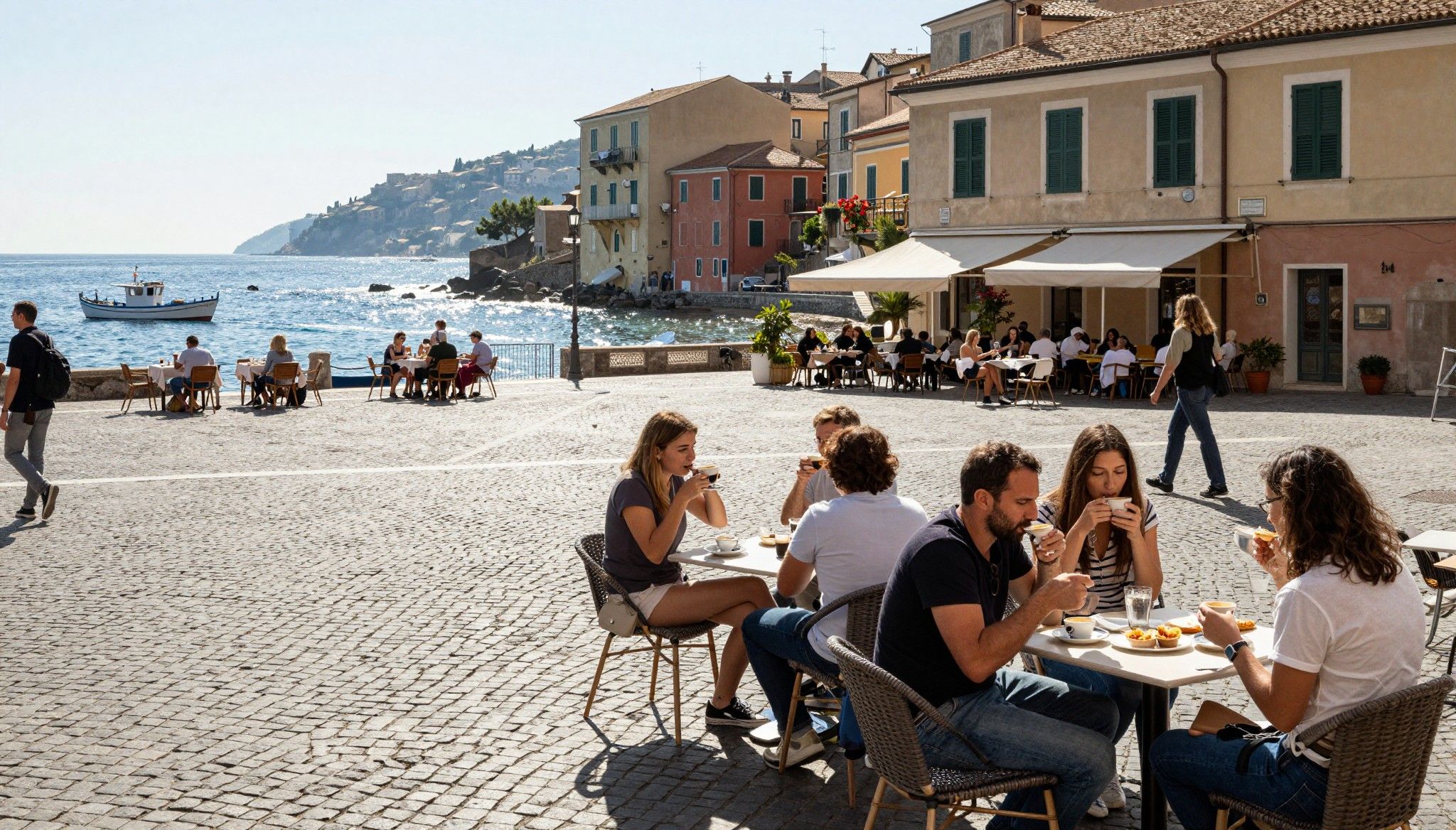
Imagine an early morning in Trastevere: espresso steam rising against ochre walls, a grocer unpacking figs, and a restaurateur sweeping last night’s confetti. That scene explains why buyers fall for Italy before they study the market—life here moves in tactile routines: markets, piazzas, passeggiatas. But magic and mortgage intersect: price momentum, regional differences and rental logic change where that dream is affordable. Below I pair the lived Italy with hard data so you can picture life first and act with confidence next.
Living the Italy lifestyle
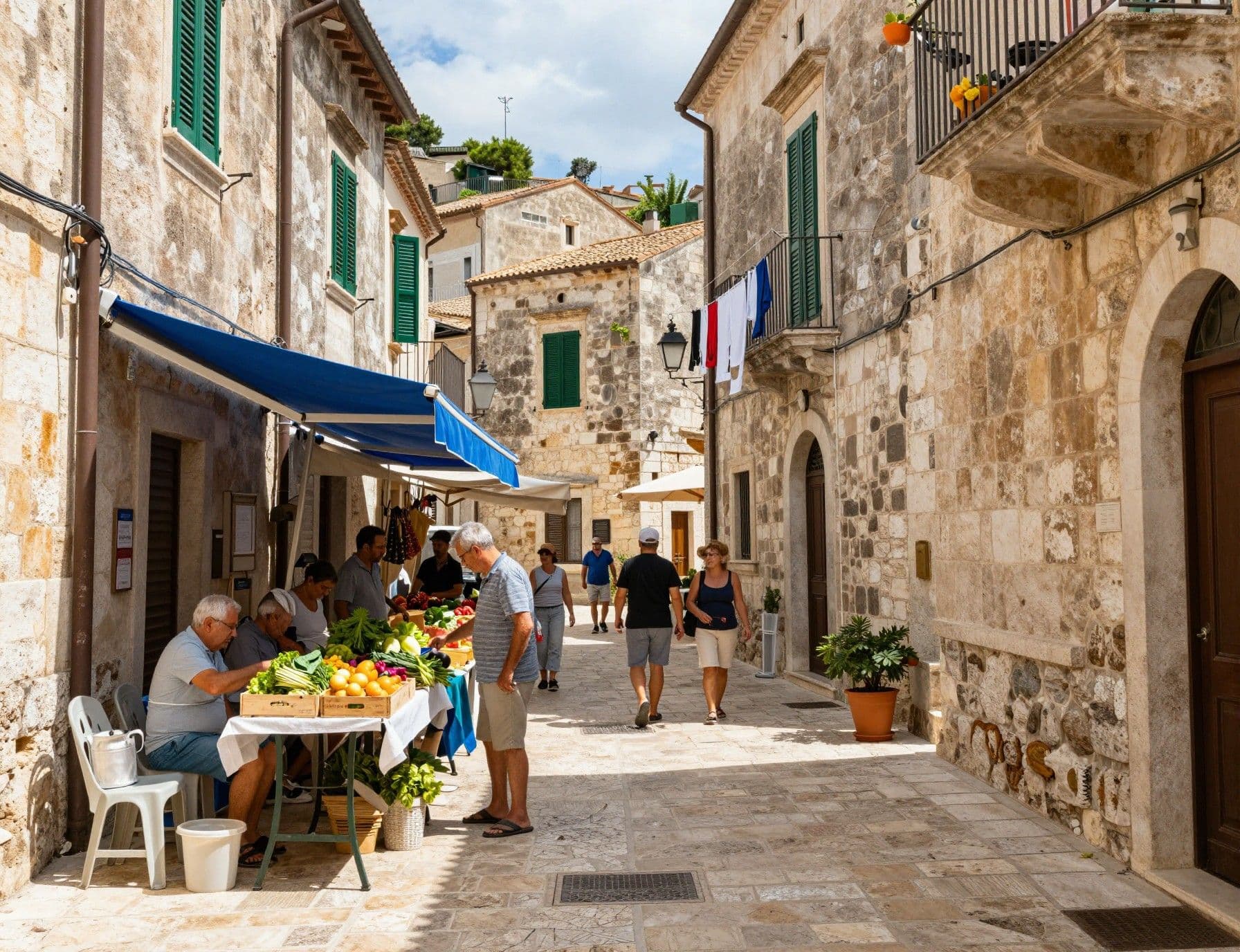
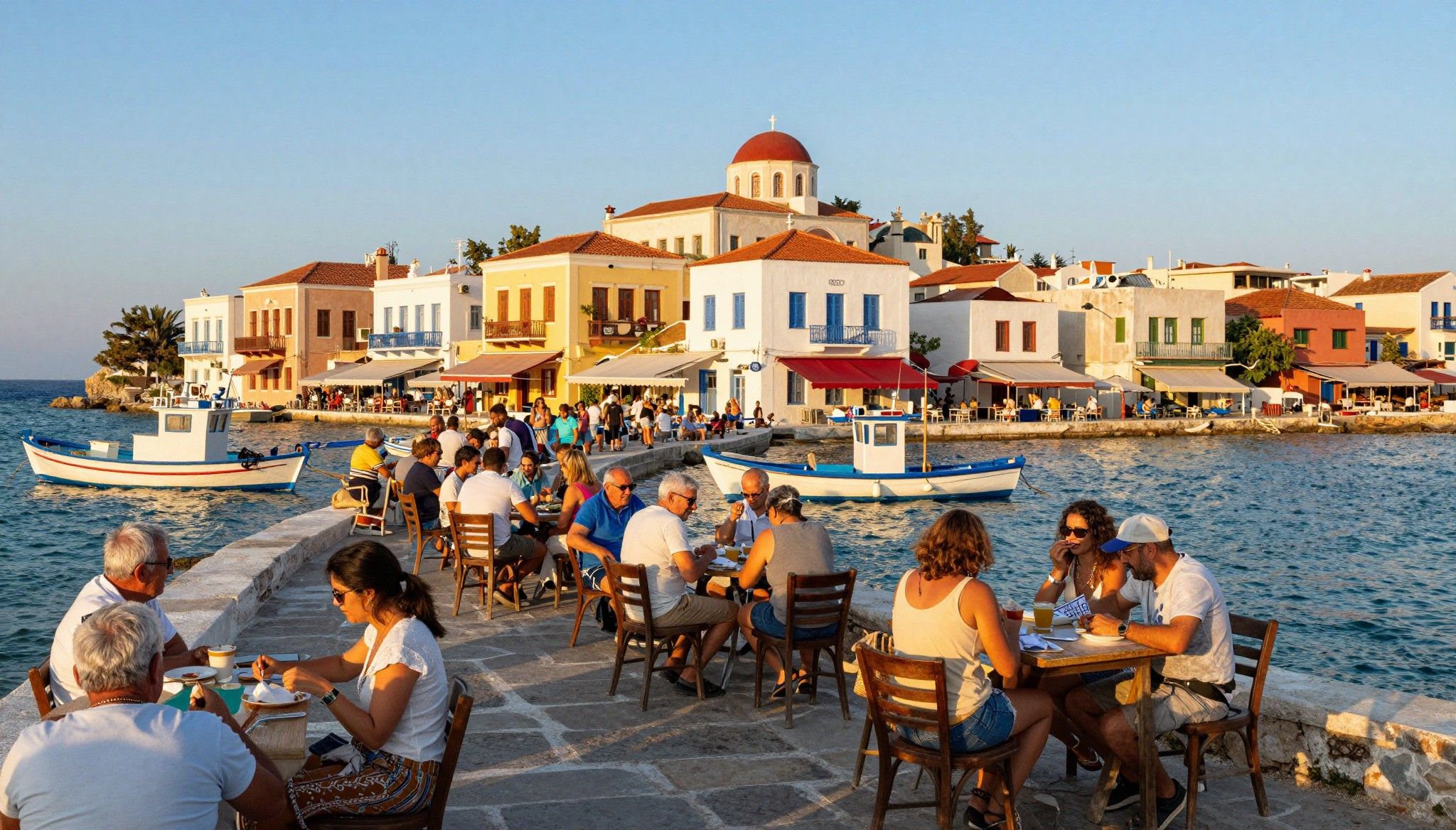
Italy is not a single lifestyle—it's dozens. From Milan's morning markets and espresso bars near Navigli to the slow afternoons of Puglia's white towns, daily life is shaped by neighbourhood scale, seasonality and whether you choose coast, hill or city. Practical note: local price indexes and transaction volumes differ sharply by region, so the dream of daily market strolls can be bought for very different sums depending on where you place your flag. Use national datasets to compare the life you want with the realistic price tag.
City pulse vs. coastal calm
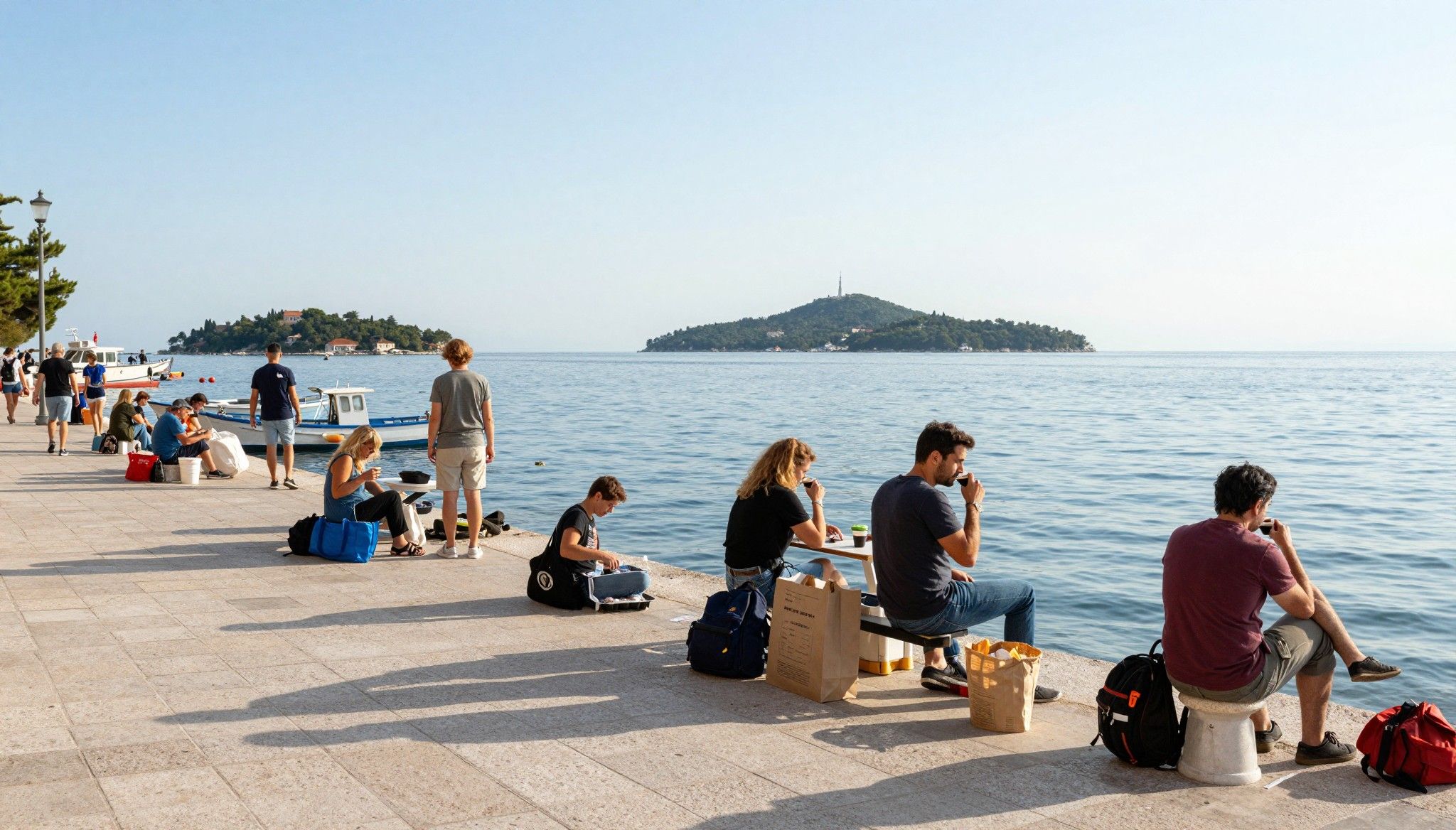
Milan and Rome deliver career infrastructure, coworking scenes and evening aperitivo culture—but they also command higher per‑square‑metre asking prices and quicker sales cycles. Coastal regions (Liguria, Amalfi, Sardinia, Puglia) offer slower rhythms, outdoor living and higher seasonality in rental demand, with prices spiking on prime strips and easing a few streets inland. Think: city apartment for year‑round rental resilience; country house for seasonal life and capital appreciation over time. Match the lifestyle rhythm (daily coffee, market frequency, transport needs) to the micro‑market you’re buying into.
Neighbourhood snapshots that matter
Choose a street as much as a city. In Florence, Oltrarno rewards artisan culture and evening life; in Milan, Brera mixes galleries with boutique cafés; in Naples, Chiaia offers seaside promenades and a near‑neighbourhood expat circle. These specific blocks define lifestyle—the bakery you visit, the market you walk to, the noise level at 22:00—and they’re the same attributes agents use to match buyers with properties. When you visit, map three daily routines and test them on foot: grocery, coffee and a social spot.
Making the move: practical considerations

Dreams meet data here: national indices signal steady, modest growth with strong regional divergence. ISTAT's 2024 HPI shows an upward trend in many areas while the OMI cadastral quotations identify local hotspots where prices and turnover are concentrated. If you want lifestyle plus liquidity, focus on cities and coastal towns with diversified demand—tourism plus local renters—rather than purely seasonal strips where vacancy spikes off‑season. That combination preserves both everyday life and resale/rental options.
Property types and how you'll live in them
Historic centre apartments offer proximity to culture and cafés but can be compact, with quirks such as low insulation and stair‑only access. New builds or renovated townhouses outside cores provide terraces, parking and modern systems that support long‑term living and remote work. Coastal villas bring outdoor space and Mediterranean light—expect higher maintenance and seasonal management. Decide whether lifestyle conveniences (lift, parking, outdoor space) matter more than postcard charm; that choice dictates the neighbourhood set you should prioritise.
How local experts convert lifestyle into listings
Good local agencies translate the lifestyle brief into realistic filters: walk score, daylight orientation, market seasonality, expected net rental yield and maintenance complexity. They source off‑market opportunities, validate renovation budgets and match you to neighbourhoods where your day‑to‑day habits are feasible. Work with an agent who publishes local comparables and can show three similar sold properties—this gives a clearer picture than a glossy listing photo alone.
Insider knowledge: what expats wish they'd known
Expat buy‑ins often underestimate seasonality, bureaucracy lead times and the role of micro‑location in resale appeal. Many expect instant rental income during high season only to find cleaning, agency commissions and utility gaps erode returns. On the upside, Italy rewards patience: sensitively chosen properties in growing towns (for example parts of Puglia or smaller university cities) can combine affordable entry prices with improving demand. Plan for 6–12 months of transactional lead time from offer to keys in many regions.
Cultural integration and daily routines
Italian social life centers on ritual: morning coffee, market shopping, aperitivo and late dining. Learn basic Italian phrases and local customs—your neighbourhood barista and the market vendor become key social infrastructure. Joining a local association, sports club or volunteering for a festa is the fastest way to belong and discover off‑market properties. These cultural connections also offer practical benefits: contractors, plumbers and trusted local managers arrive through word‑of‑mouth, which matters when you don’t live full‑time.
Long‑term lifestyle and investment outlook
Look beyond immediate returns: Italy's varied regions show steady demand in university cities, Milan/Rome corridors and emerging coastal hubs. Investment case studies from 2024–2025 show modest price appreciation nationally but stronger pockets of growth in southern lifestyle destinations and city centralities. If you plan to live there part time, prioritise properties with flexible layouts and reliable management to preserve both lifestyle and capital value over the long term.
- Lifestyle‑forward checklist when viewing properties
- Walk the commute: time it takes with groceries and public transport.
- Visit at off‑season to test noise and vacancy levels.
- Check sun orientation and winter heating costs, not just summer light.
- Steps to turn a lifestyle lead into a secure purchase:
- 1) Define daily non‑negotiables (market, transport, terrace).
- 2) Ask your agent for three sold comparables in the last 12 months.
- 3) Budget a renovation contingency and set a clear management plan.
- 4) Plan a repeat visit in a different season before finalising.
Conclusion: Italy asks you to choose a life, not just an asset. Start with the daily scenes you want—coffee, market, evening passeggiata—then triangulate with local data from ISTAT and OMI and the comparables your agent provides. A lifestyle‑first brief, paired with local expertise and a season‑aware viewing plan, will move you from enchanted visitor to confident owner. When you're ready, look for agencies that publish local sales data and offer seasonal management—those partners turn the dream into a sustainable life.
Swedish strategist who relocated to Marbella in 2018. Specializes in legal navigation and tax planning for Scandinavian buyers.