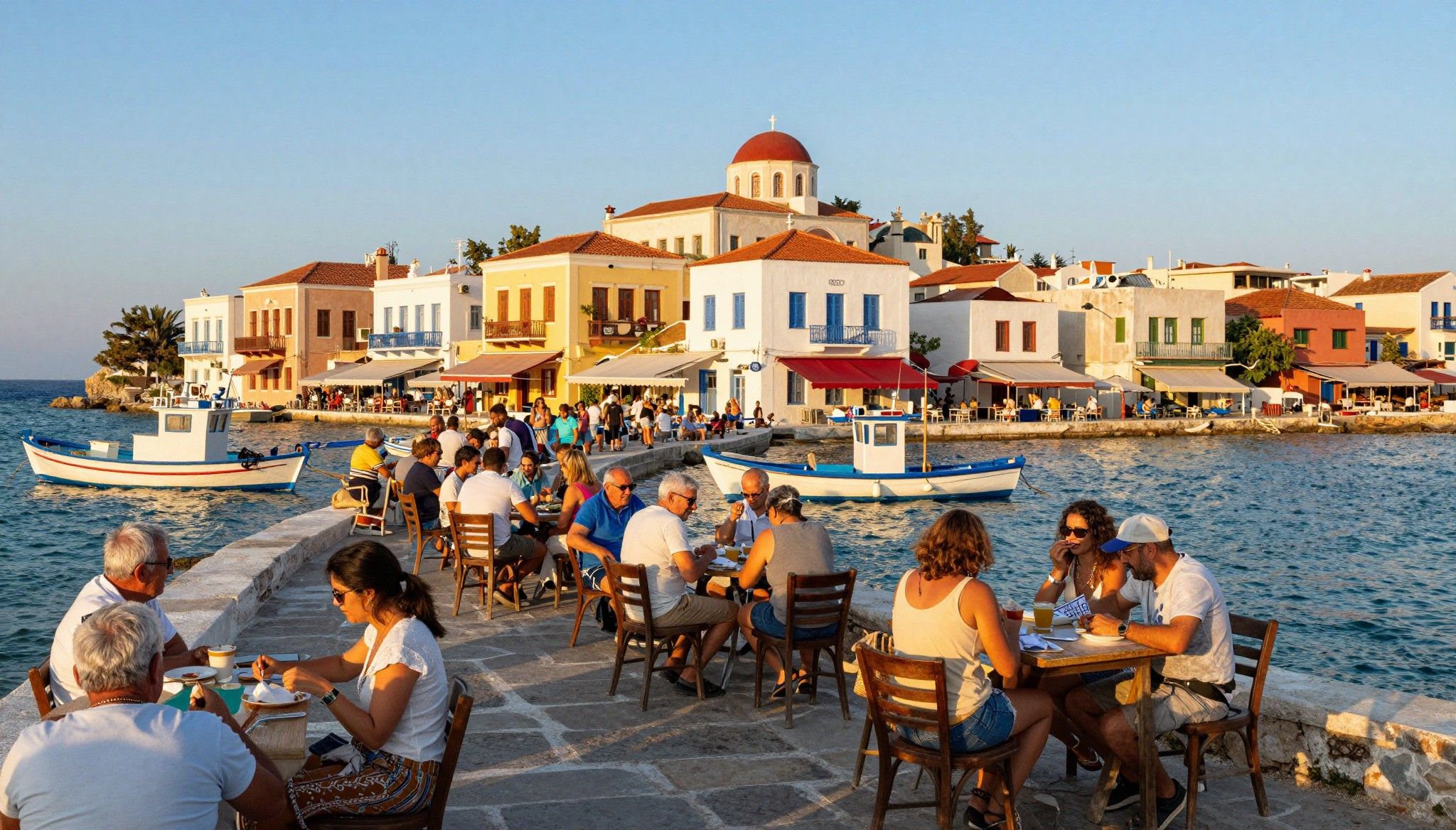
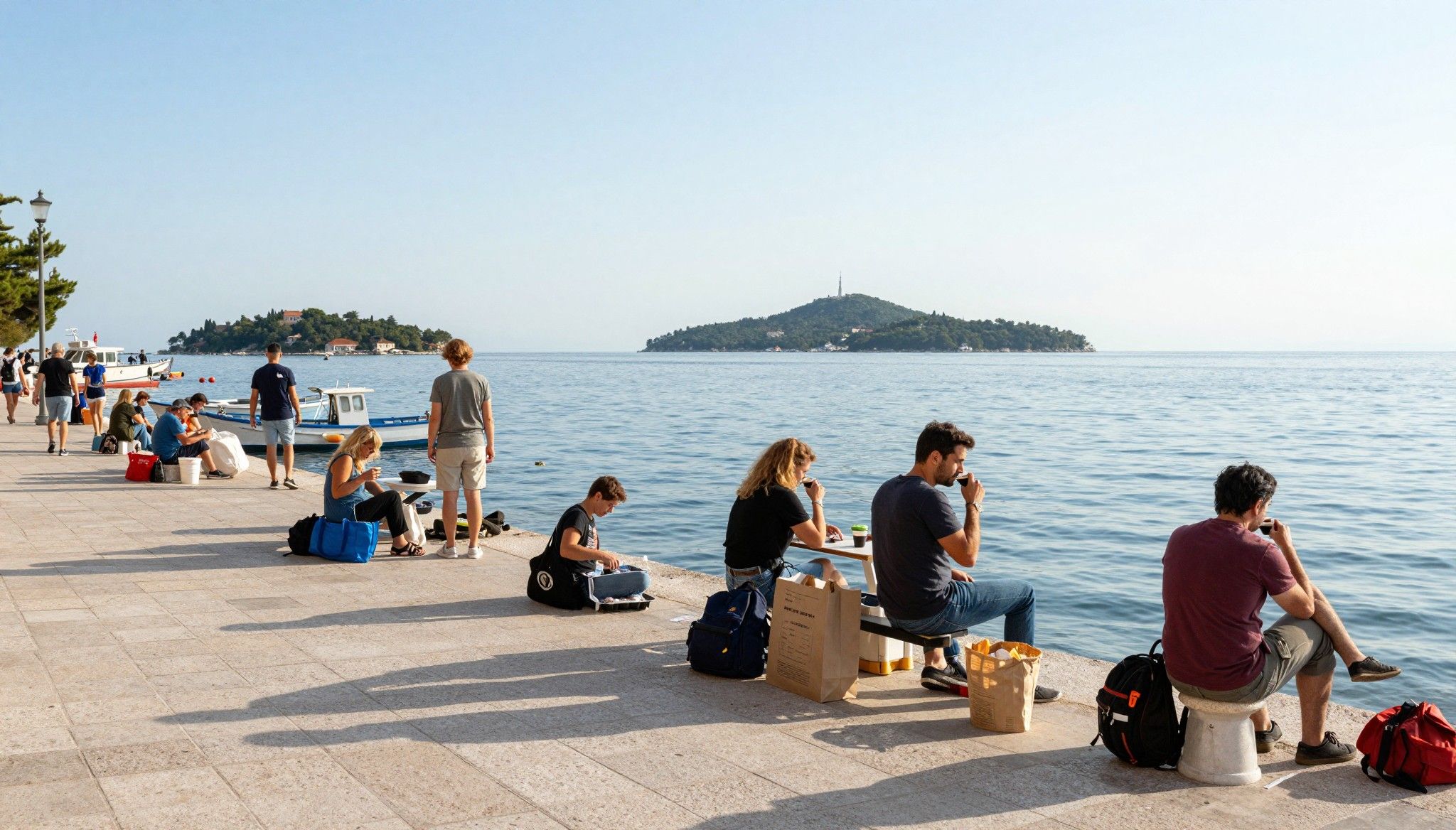
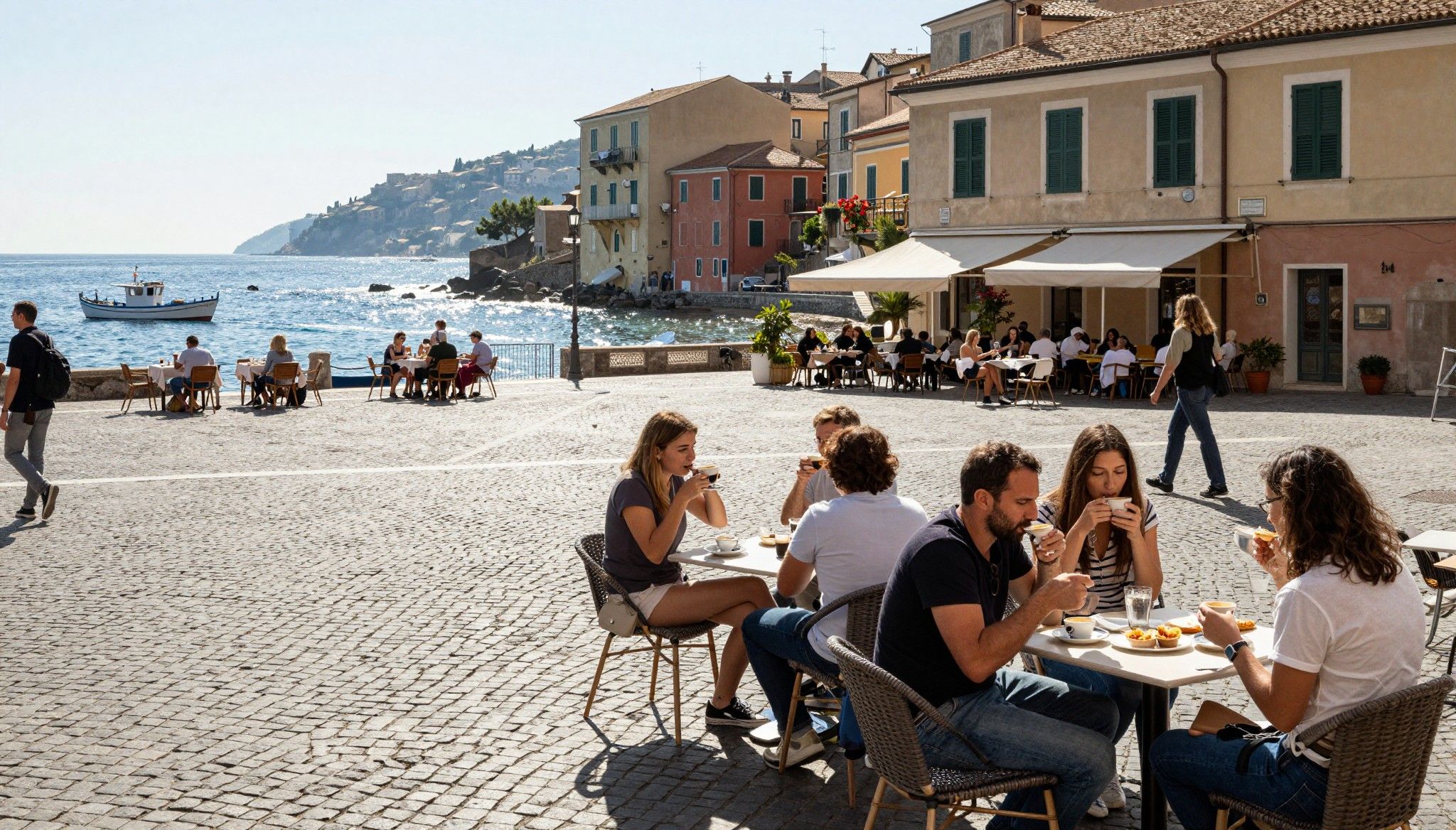
Italy’s Off‑Season Advantage: Autumn House‑Hunting
Fall for Italy’s rhythms: visit off‑season, prioritise neighbourhood life over postcard views, and back your choice with local market data from ISTAT and Nomisma.
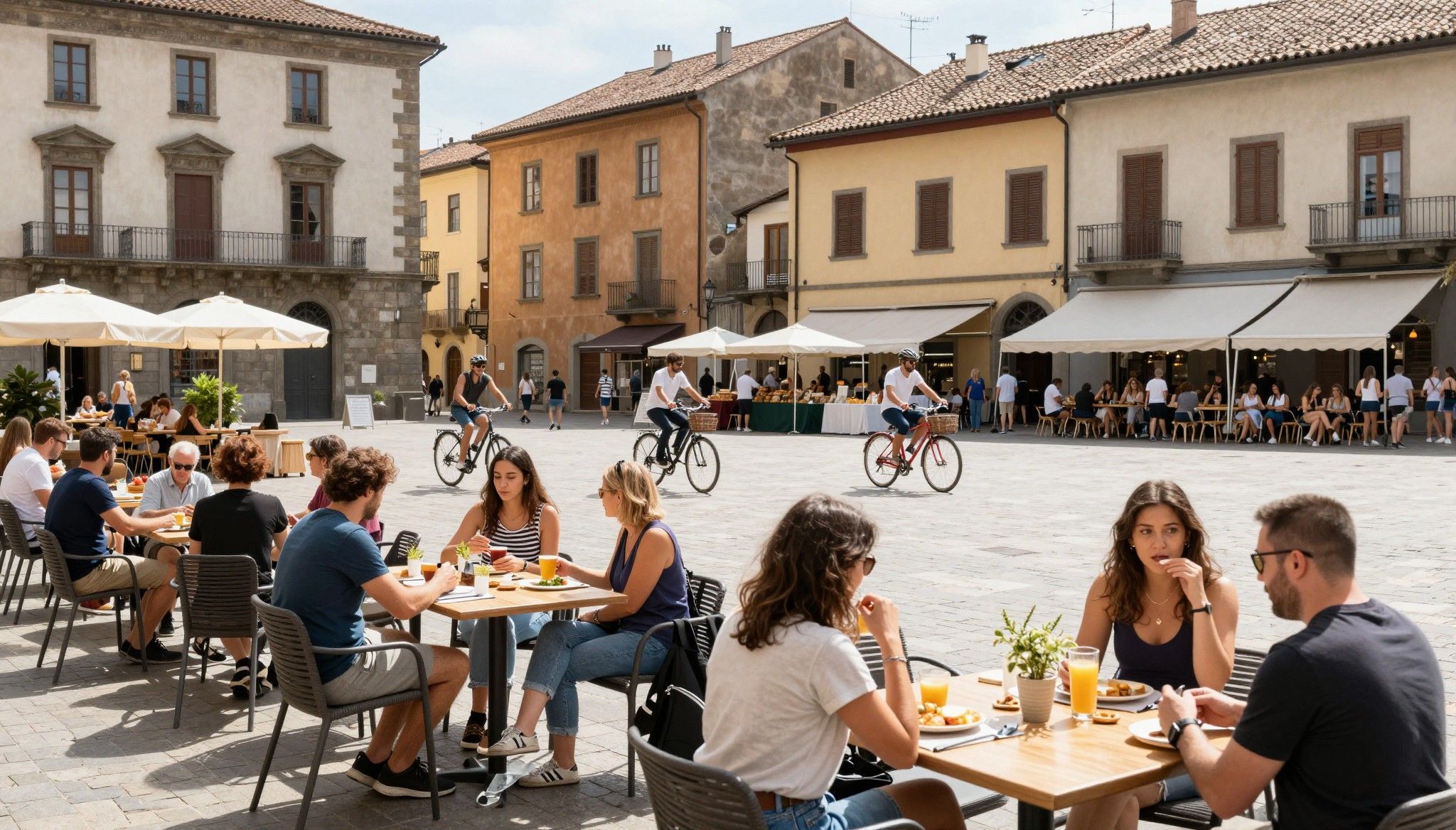
Imagine stepping out at dawn to an espresso on Via dei Condotti, the cobblestones still cool, while a property agent meets you near a 19th-century palazzo. In Italy the promise is not only architecture and food; it’s a rhythm of mornings at markets, long lunches and neighbourhood rituals. But when and where you search changes everything — from pricing dynamics and rental demand to the daily life you’ll actually inherit.
Living the Italy lifestyle
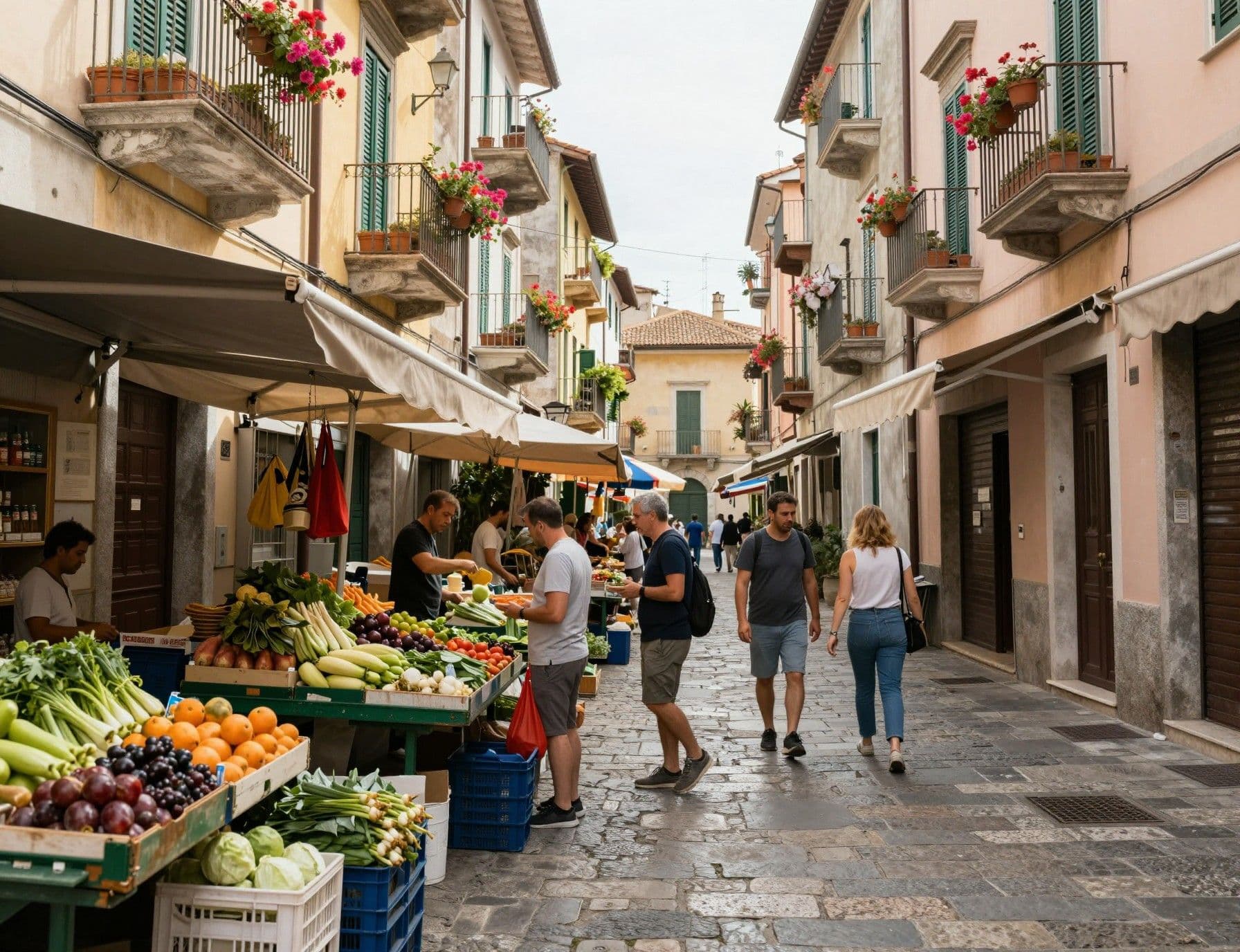
Daily life in Italy is tactile: baristas know your name, piazzas are meeting points, and seasons set the calendar. In Milan you feel a brisk, design-driven tempo; in Rome afternoons slow under palm trees and ruins; coastal towns like Positano or Cefalù orbit beaches and seafood markets. These rhythms influence what kind of property suits you — a compact historic flat fits a cafe culture life, while a villa outside Siena supports gardened afternoons and weekly markets.
City centre character — Rome, Milan, Naples
Rome’s Trastevere and Monti are social, noisy and curiously residential after midnight; Milan’s Brera and Navigli trade history for curated cafés and galleries; Naples’ Vomero and Chiaia pulse with neighbourhood markets and family-run pizzerias. Expect smaller rooms, high ceilings, and an urban pace where local relationships — your baker, tobacconist, doorman — matter as much as square metres.
Coastal and small‑town rhythm — Amalfi, Liguria, Sicily
On the coast life moves with tides and tourists. In Liguria’s Levanto or the Amalfi Coast’s smaller villages, mornings are for market runs and boat moorings; evenings cool into long meals. Sicily blends market culture with seasonal festivals — perfect for buyers who want a house that doubles as a summer rental machine but still supports year‑round village life.
- Lifestyle highlights: Mercato Centrale (Florence) for food, Aperitivo on Navigli (Milan), Sunday passeggiata on Viareggio’s promenade, fresh fish stalls in Syracuse, and sunset swims at Cala Goloritzé (Sardinia).
Making the move: practical considerations
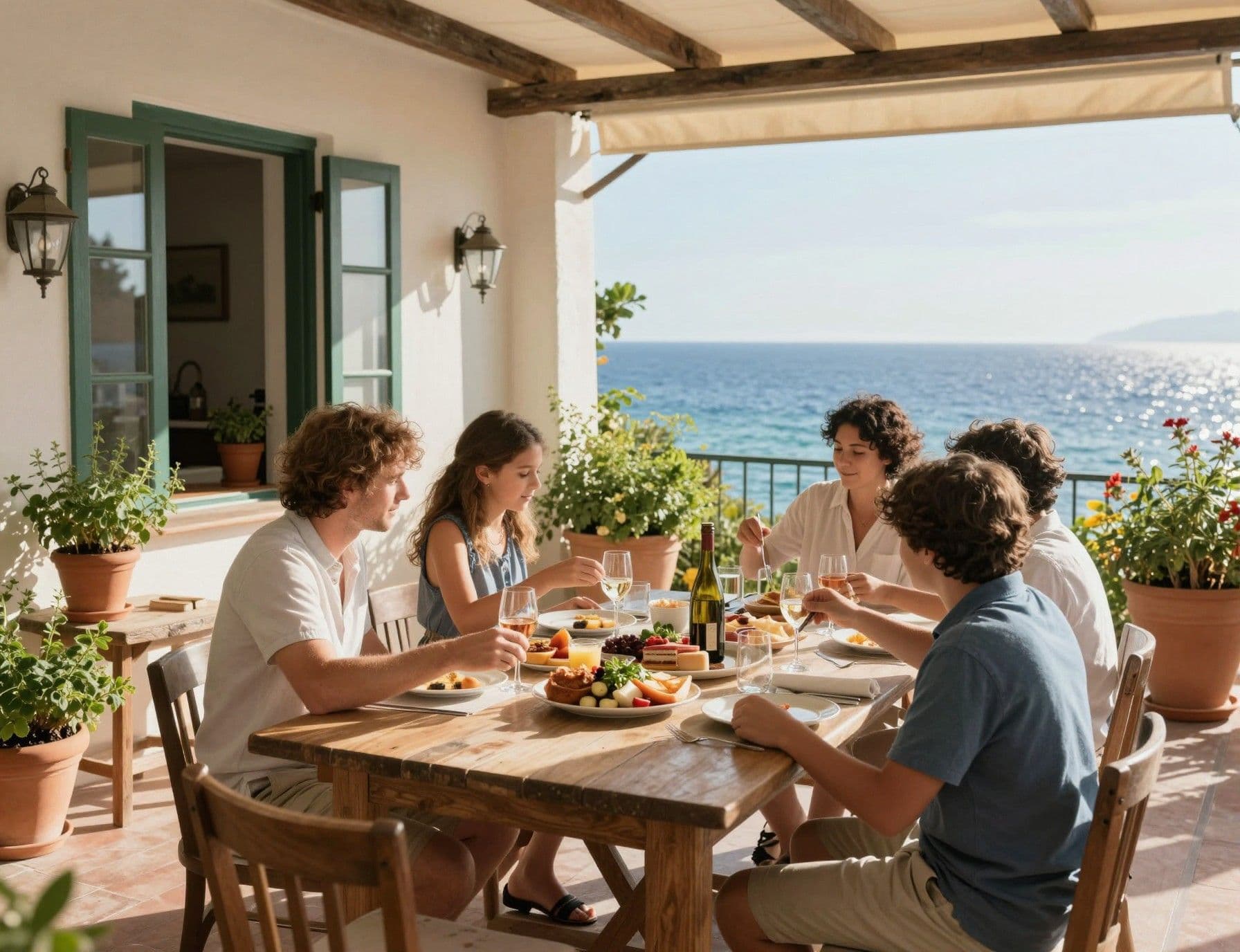
The dream must meet market mechanics. Italy’s housing market has been recovering with modest price rises in many areas and clear regional divergence: big-city demand (Milan, Rome) and sought-after coastal zones outperform interior towns. Recent official data show modest national price rises in new build stock while existing stock grew at a slower rate, so timing and micro-location matter more than country-level headlines.
Property styles and how they'll shape your day
Historic centre apartments offer immediate culture and walkability but often come with smaller kitchens, limited parking and heritage constraints. New-builds in suburbs or converted farmhouses give outdoor space and light, suitable for families or remote workers. On the coast, terraced houses and converted fishermen’s homes bring proximity to sea but may demand investment in insulation and plumbing for year-round comfort.
Working with local experts who know the lifestyle
- 1. Choose an agent who shows you morning and evening routines — not just staged photos. 2. Ask for utility records and recent renovation permits to avoid surprises in historic buildings. 3. Visit in shoulder season (October–November or March–April) to see real neighbourly life. 4. Check short‑term rental rules locally: cities like Venice and Florence have tightened listings. 5. Confirm broadband speeds and co‑working options if you plan to work remotely.
Insider knowledge: what expats wish they'd known
Expat buyers often overestimate summer demand and underestimate shoulder season value. Nomisma and ISTAT data highlight strong tourism-driven rental windows but also growing regulation in art cities. Smart buyers who visit outside peak months discover quieter streets, realistic pricing and communities that will be their neighbours year‑round.
Cultural integration, language and social life
Learning basic Italian opens doors beyond bureaucracy — it opens invitations to local dinners, market introductions and informal help with maintenance. Attend a cookery class, volunteer at a festa or join a language exchange to anchor yourself. Neighbourhoods reward persistence: a single café where baristas know your order will often become your social hub.
Long‑term lifestyle and investment considerations
Think of property as life’s platform: proximity to healthcare, weekly markets, and transport shapes whether a house becomes a retirement villa, a remote‑work base, or an income generator. Tourism numbers are high — ISTAT recorded record arrivals in recent years — but some city centres are restricting short‑term rentals, shifting long‑term demand toward suburbs and smaller towns.
- Red flags to watch for (and ask about): lack of permits for added rooms, unclear condominium rules, repeated emergency plumbing issues in historic buildings, and recent municipal bans or caps on short‑term rentals.
Before you sign: get a local surveyor, insist on written appliance and roof histories, and demand clear clauses tying deposit releases to legal compliance. An agency that can translate local practice into your decision points — showing you how a street lives in January, not just August — is worth its fee.
Conclusion: Fall for the life, then back it with data. Visit outside peak season, prioritise neighbourhood rhythm over postcard views, and pair lifestyle priorities with local market intelligence. With regional variation so strong in Italy, the right agent turns a dream into an address and helps you live the daily rhythms you fell in love with.
Danish relocation specialist who has lived in Barcelona since 2016. Helps families move abroad with onboarding, schooling, and local services.