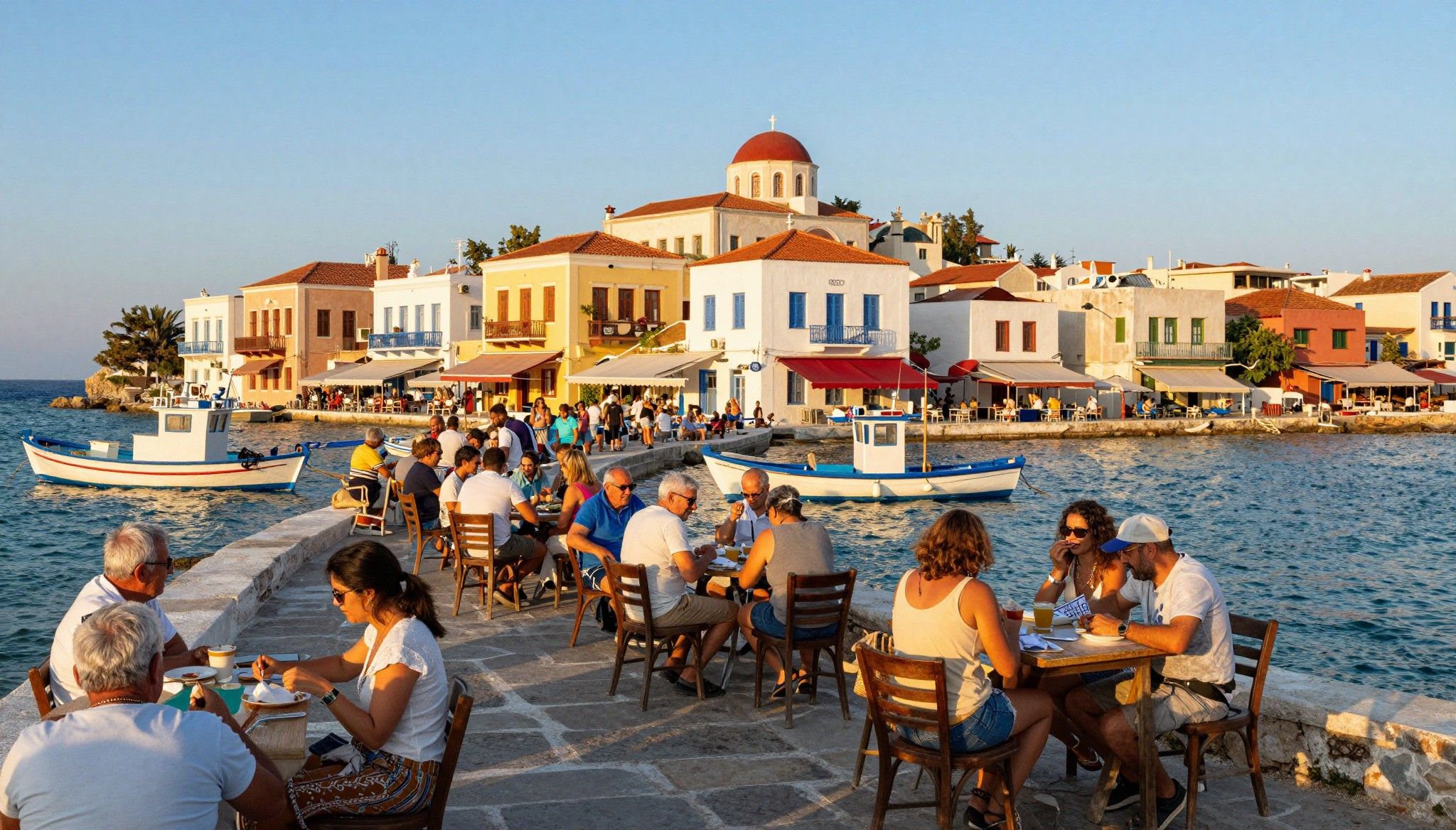
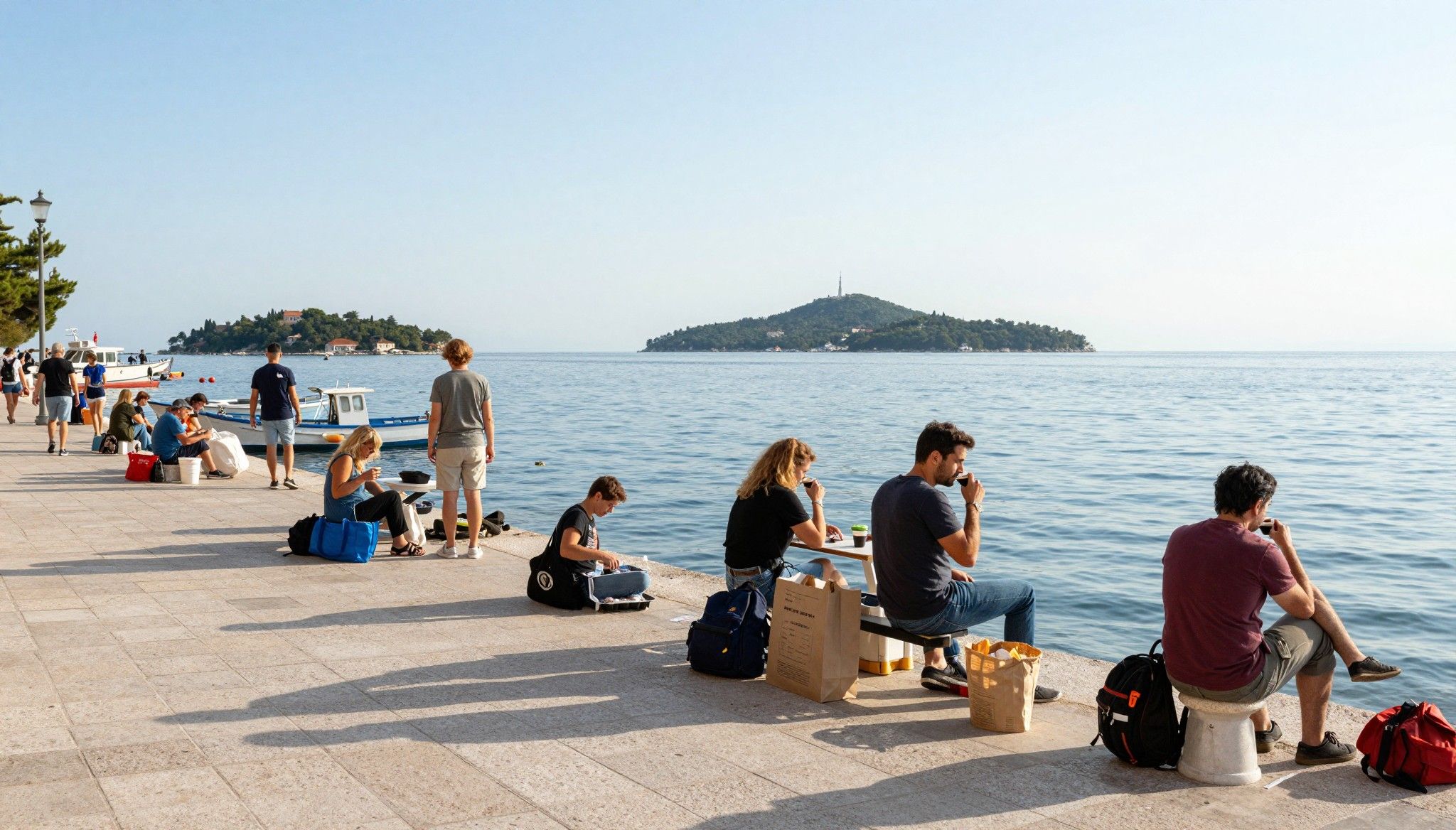
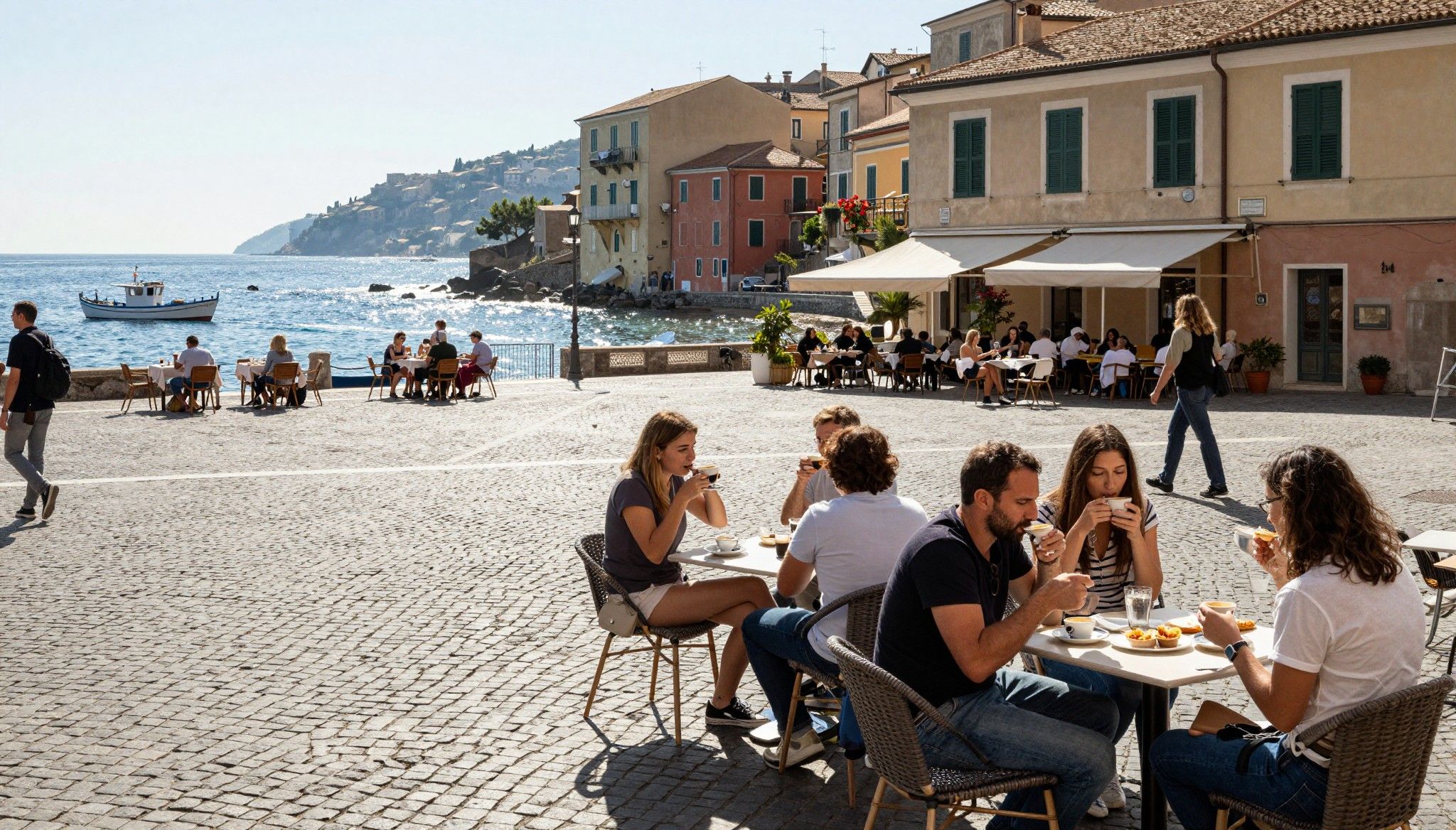
Malta: Buy the Neighbourhood Rhythm, Not the Postcard
Malta offers immediate Mediterranean living and steady price momentum; pair lifestyle scouting with deed data and local agents to buy the neighbourhood rhythm, not the postcard.
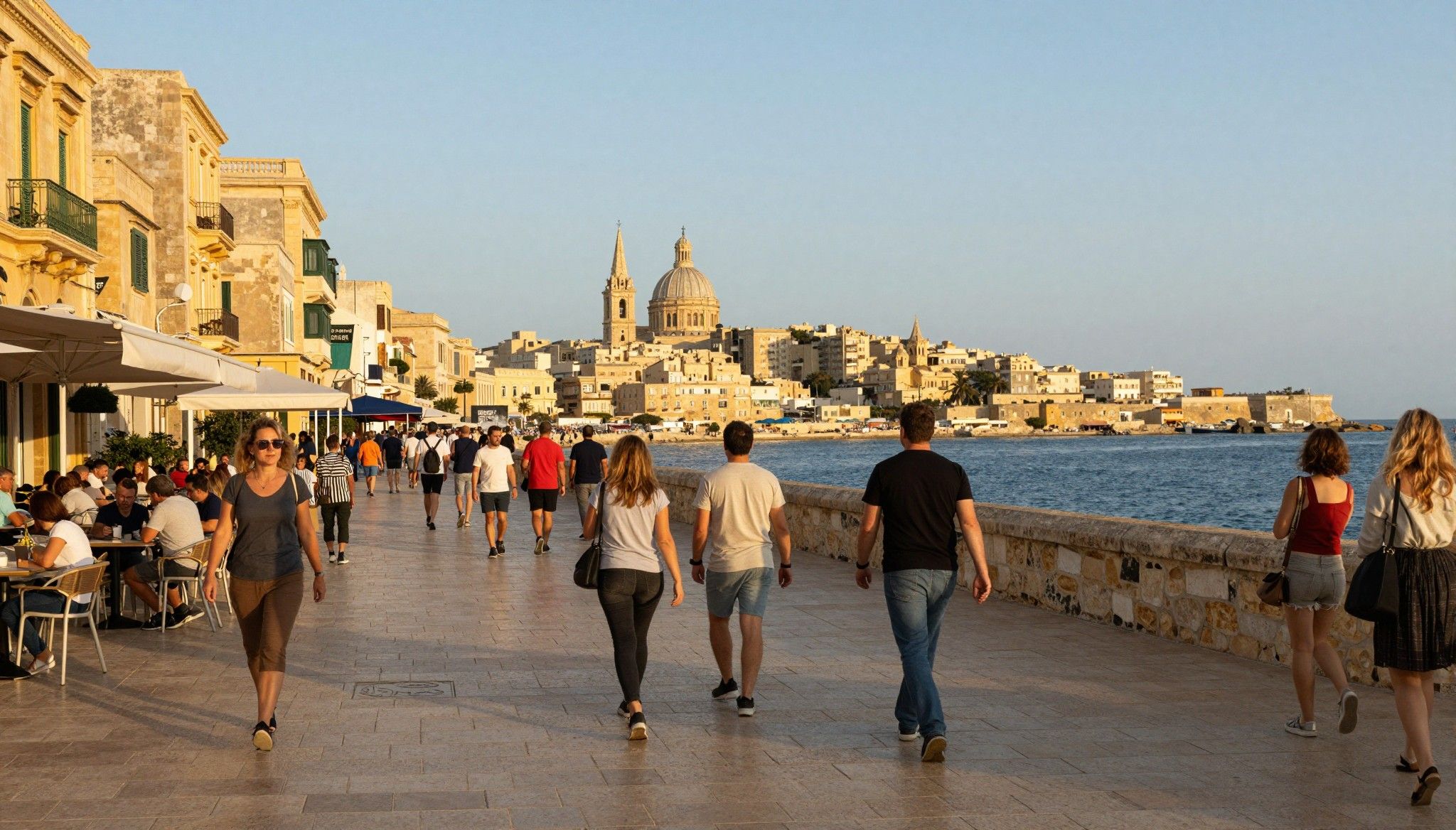
Imagine starting the day with espresso in Sliema, watching ferries cut the morning light across the Grand Harbour, then wandering narrow streets in Valletta where limestone facades collect a warm, honeyed glow. In Malta the Mediterranean is not a postcard — it’s the rhythm of life: late lunches, neighbourhood markets, and weekends split between sandy bays and family‑run pastizzerias. For international buyers the question isn’t whether Malta feels like a holiday; it’s whether that daily holiday can be a home, an investment, or both. Recent market analysis shows rapid price momentum and structural shifts that every prospective buyer should weigh alongside the lifestyle.
Living Malta: the everyday Mediterranean
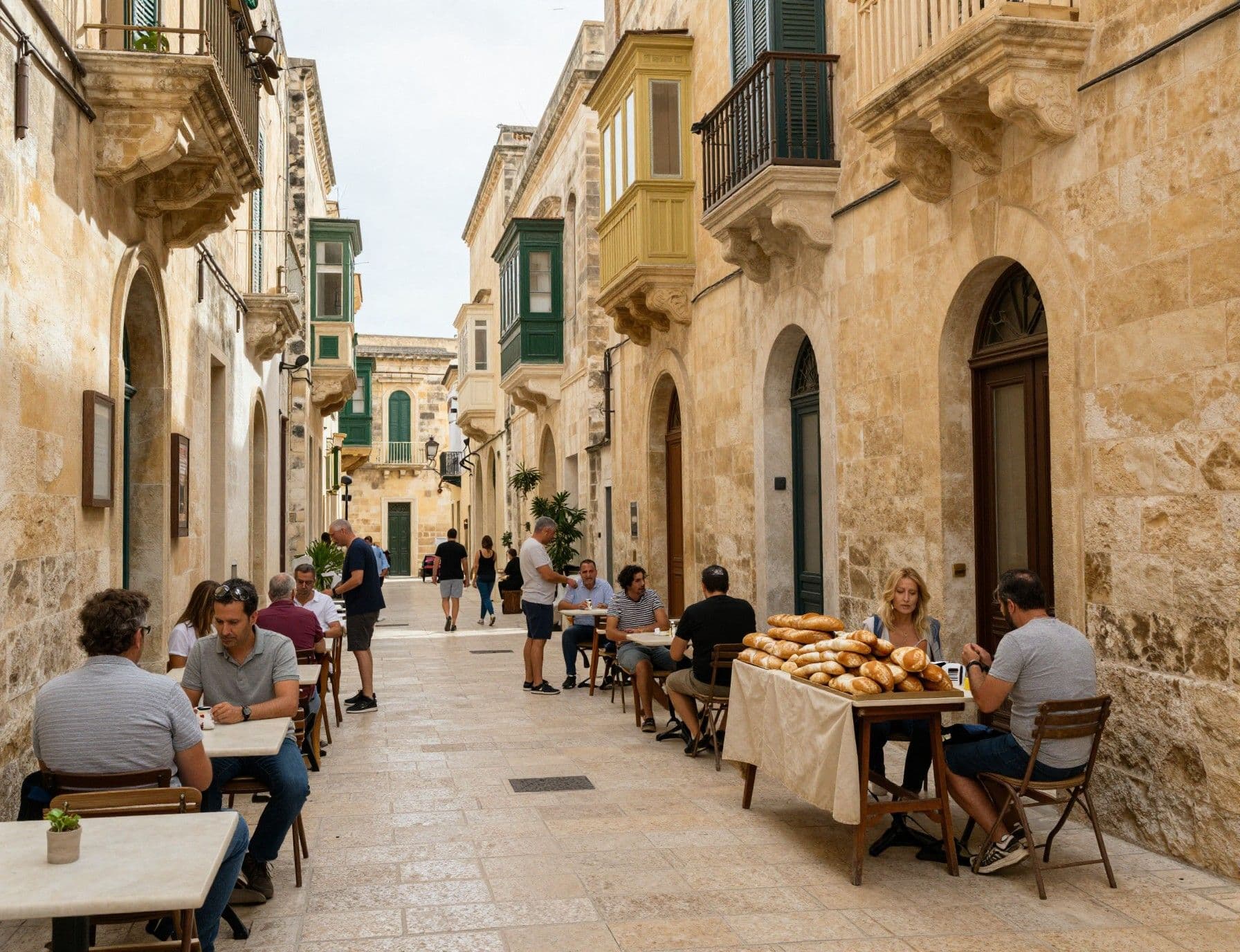
Malta is compact and immediate: commutes are short, the sea is often within 20 minutes, and English is an official language, which flattens many practical barriers for foreigners. Streets switch mood by hour — early morning laundry lines and cafés; afternoon siesta‑light quiet; evenings buzzing in coastal promenades like St Julian’s or the quieter pace of Marsaxlokk. That small scale amplifies community ties but also intensifies competition for well‑located properties.
Sliema & St Julian’s: social life and services
If you want cafés, waterfront promenades and immediate rental demand, Sliema and St Julian’s deliver. Expect modern apartment blocks, rooftop terraces, and a mix of long‑stay expats and short‑term visitors. These are the neighbourhoods where weekday life blends coworking mornings with evening dining on the seafront.
Valletta & Three Cities: heritage with small‑city convenience
Valletta offers a dense, walkable historic core — Baroque churches, narrow alleys and tiny squares. Living here is about mornings in artisan bakeries and afternoons in museums. The Three Cities (Birgu, Senglea, Cospicua) feel quieter and more village‑like; they are good for buyers seeking character homes and less tourist churn.
Gozo & coastal villages: slow pace and space
Gozo, Malta’s sister island, trades immediacy for wide skies, terraced fields and calmer beaches. Properties here tend to be traditional farmhouses or modern villas with gardens — appealing to buyers who prioritise outdoor space, quieter communities and a distinctly rural Mediterranean tempo.
Lifestyle highlights that shape where you buy
Morning espresso and paseo on Sliema Front; Valletta theatre nights at Manoel; seafood lunches at Marsaxlokk harbour; sunset swims at Ghajn Tuffieha; Saturday food markets in Naxxar; Gozo’s agricultural festas and quieter weekend pace.
From daydream to deed: practical realities
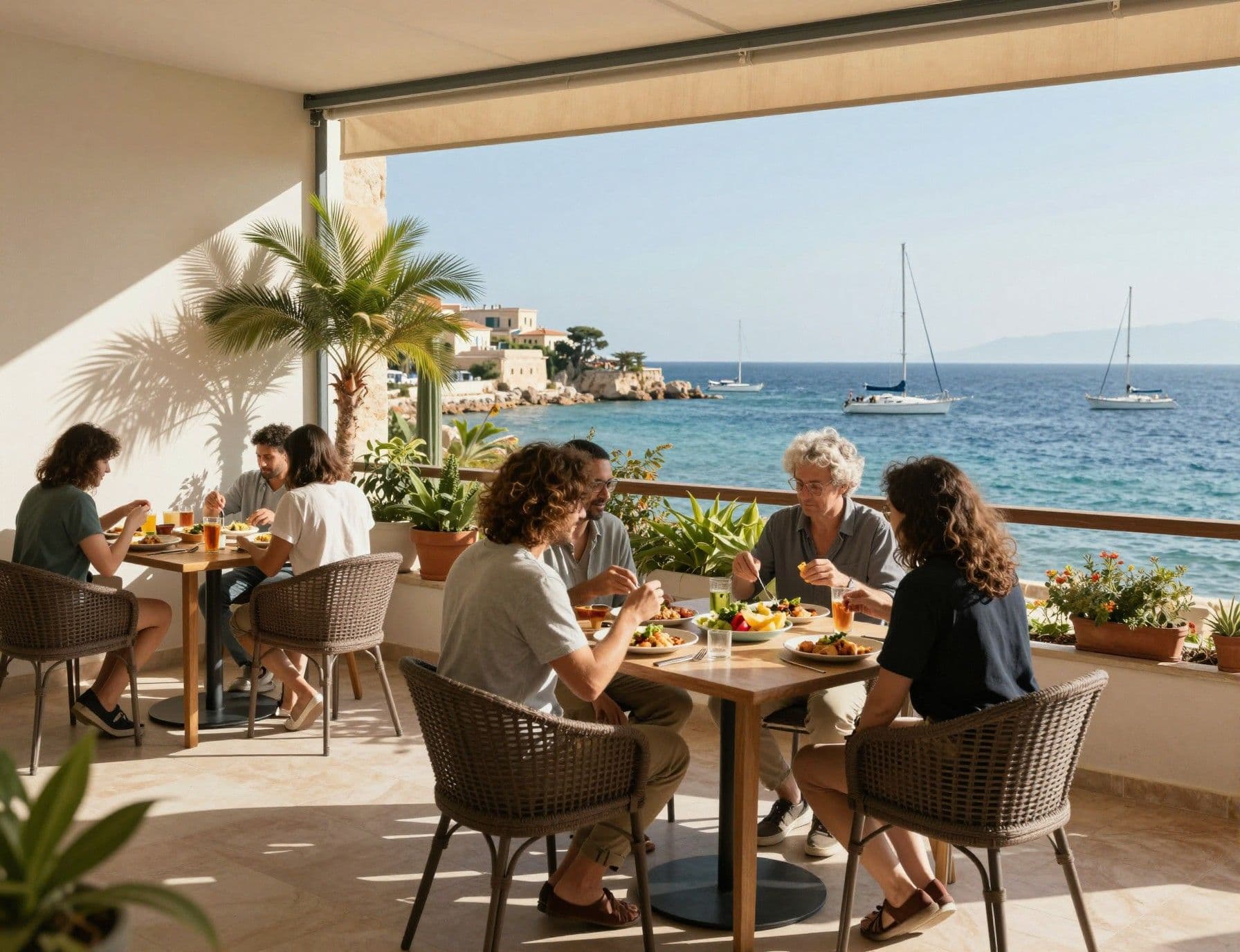
The lifestyle is immediate; so are the market pressures. Malta’s residential market has shown steady price increases and a tightening rental stock in recent years. That combination supports capital appreciation but raises entry costs and competition — especially for central seafront apartments and renovated townhouses.
Property types and the way you’ll live in them
New‑build apartments near the coast favour low‑maintenance living and rental yield; converted townhouses in Valletta offer character but often need renovation and planning care; villas on Gozo provide gardens and privacy but longer access times to Malta’s services. Match the property type to how you’ll actually spend days: seaside promenades, market mornings, or quiet garden afternoons.
Working with local experts who know the rhythm
Use agents who can show you life‑matched properties — not just glossy listings. A good Maltese agent understands neighbourhood noise patterns, municipal renovation rules, and seasonal rental demand. They’ll arrange viewings that show morning light, proximity to cafés, and access routes for groceries and healthcare.
Six steps that blend lifestyle and transaction sense
1. Spend at least three week‑day mornings in your target neighbourhoods to feel daily rhythms; 2. Check advertised and final deed price data (compare sources) to set an offer range; 3. Commission a structural survey before negotiation on older stone houses; 4. Confirm rental demand seasonality if you rely on income; 5. Ask agents about recent deed values and time‑on‑market for similar units; 6. Build in renovation time and cost if buying character property.
Insider knowledge: what expats wish they’d known
Many buyers arrive enchanted, then discover practical surprises: limited urban parking, variable planning rules for historic façades, and neighbourhoods that hum with tourists in summer but sleep in winter. Property liquidity is real in sought‑after pockets, but less central or poorly adapted homes can sit on the market.
Language, community and the social rules
English is an official language and widely used in business, easing administrative steps and daily integration. Still, understanding Maltese social rhythms — long family ties, church festas, and small‑town courtesy — helps you become neighbour‑rather than outsider. Volunteering at local events or joining community clubs accelerates that shift.
The long view: how life and value evolve
Expect steady demand for central, well‑connected homes and selective appreciation for renovated townhouses and luxury coastal stock. Macro shifts — changes to investor‑citizenship rules and rental regulations — can alter short‑term flows, so pair lifestyle choice with scenario planning: buy for the life you want, and test the market case for resale or rental under two different demand scenarios.
Red flags local buyers point out
Unresolved planning permissions on historic façades; poor drainage in low‑lying terraced streets; misleading rental yield estimates during low season; properties advertised without recent energy or structural reports.
Conclusion: imagine the daily life, then secure it with local knowledge. Malta offers a compact Mediterranean life — quick commutes, English‑friendly services, rich culture and tangible rental demand — but it rewards buyers who match a neighbourhood’s rhythm to their real, day‑to‑day needs. Start with lifestyle scouting, validate with deed and market data, and work with agents who bring both area intimacy and transactional clarity. Book morning walks, not just viewings — you’ll know the right street when you feel the light on your future terrace.
British investor turned advisor after buying in Costa del Sol since 2012. Specializes in cross-border compliance and data-driven investment strategies for UK buyers.