Greece: Match the Tempo — Island Calm or Athens Rhythm?
Live like a local in Greece: pair island rhythms and Athenian energy with practical steps—survey, legal checks and agent selection backed by official market data.
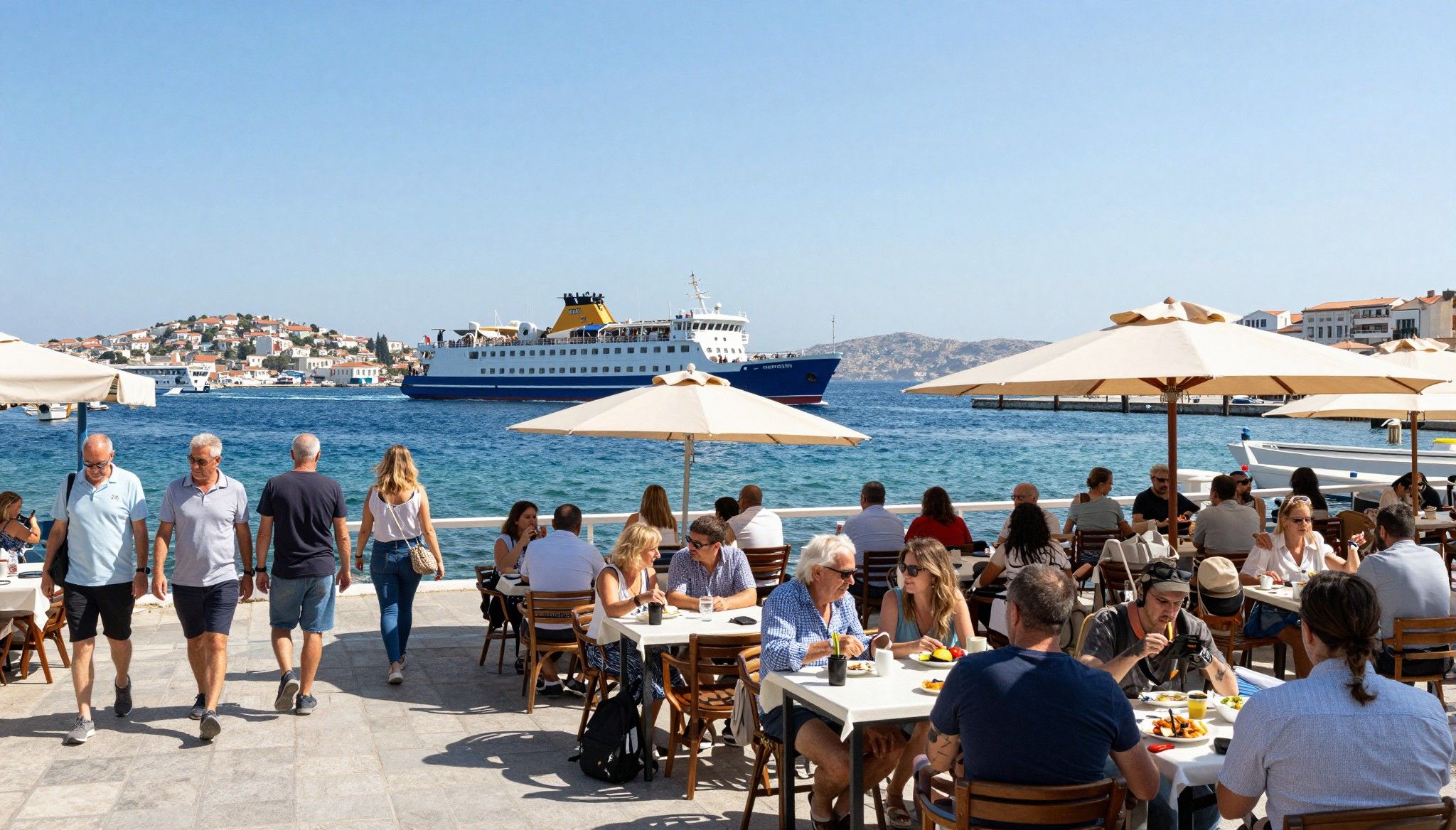
Imagine waking to a black coffee at a wicker table on a narrow Athens street, then catching a late-afternoon ferry to a quieter island where evenings smell of grilled octopus and oregano. Greece moves between two tempos: the city’s white-noise rhythm of scooters and cafés, and the islands’ slow, sunlit cadence. For many international buyers the question isn’t whether Greece is beautiful — it is — but which tempo matches the life they want to build.
Living the Greece lifestyle: day-to-day scenes
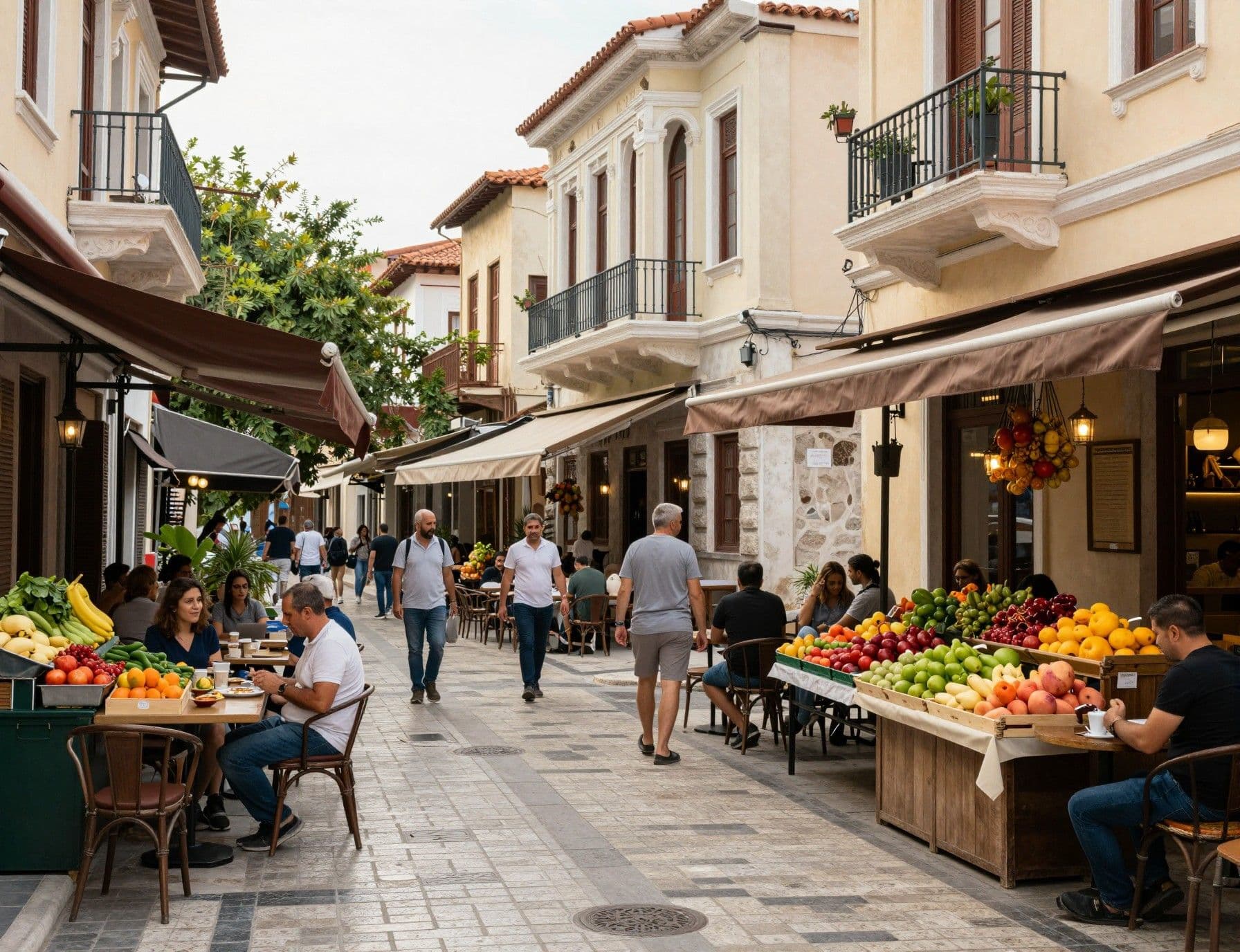
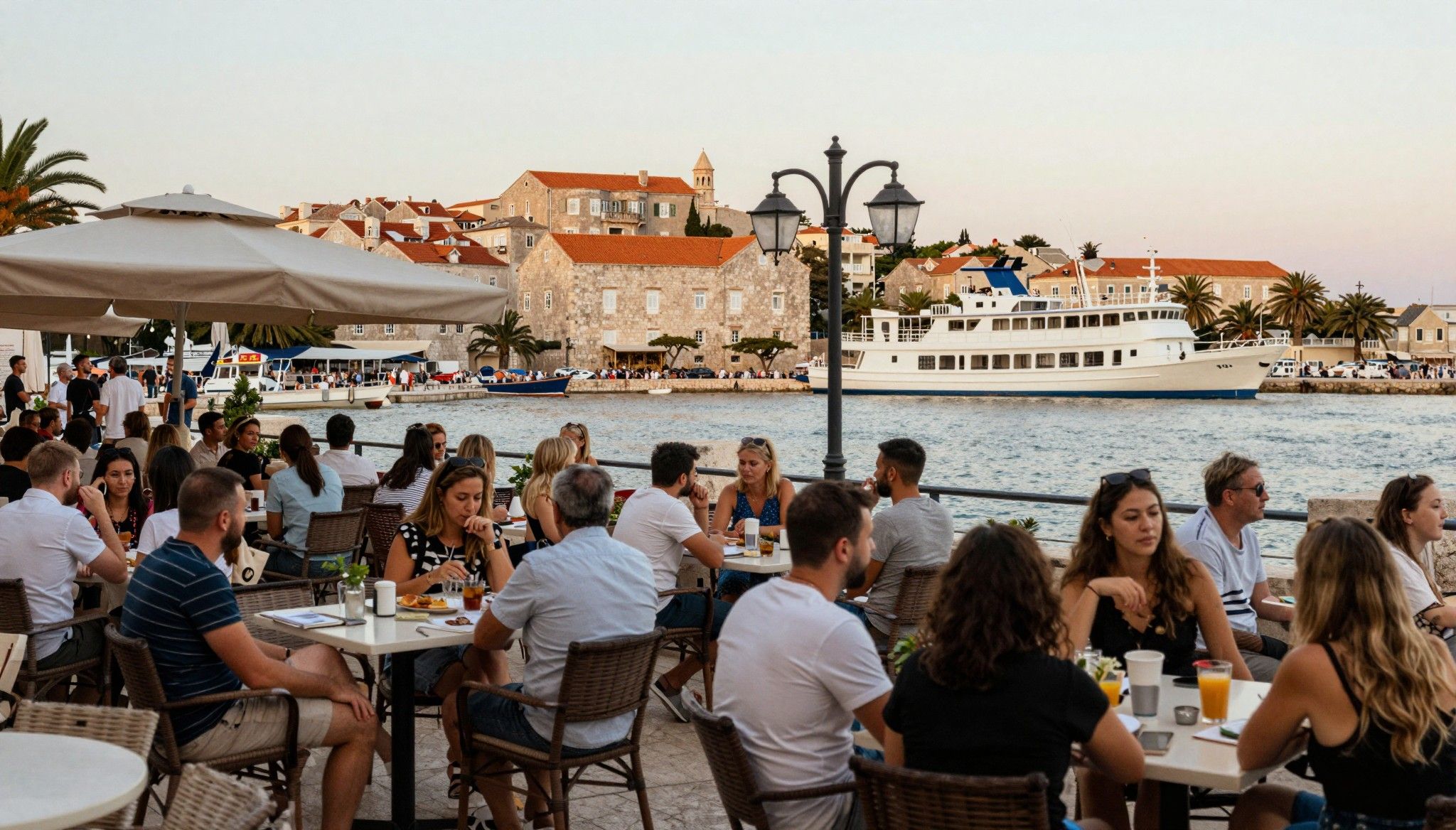
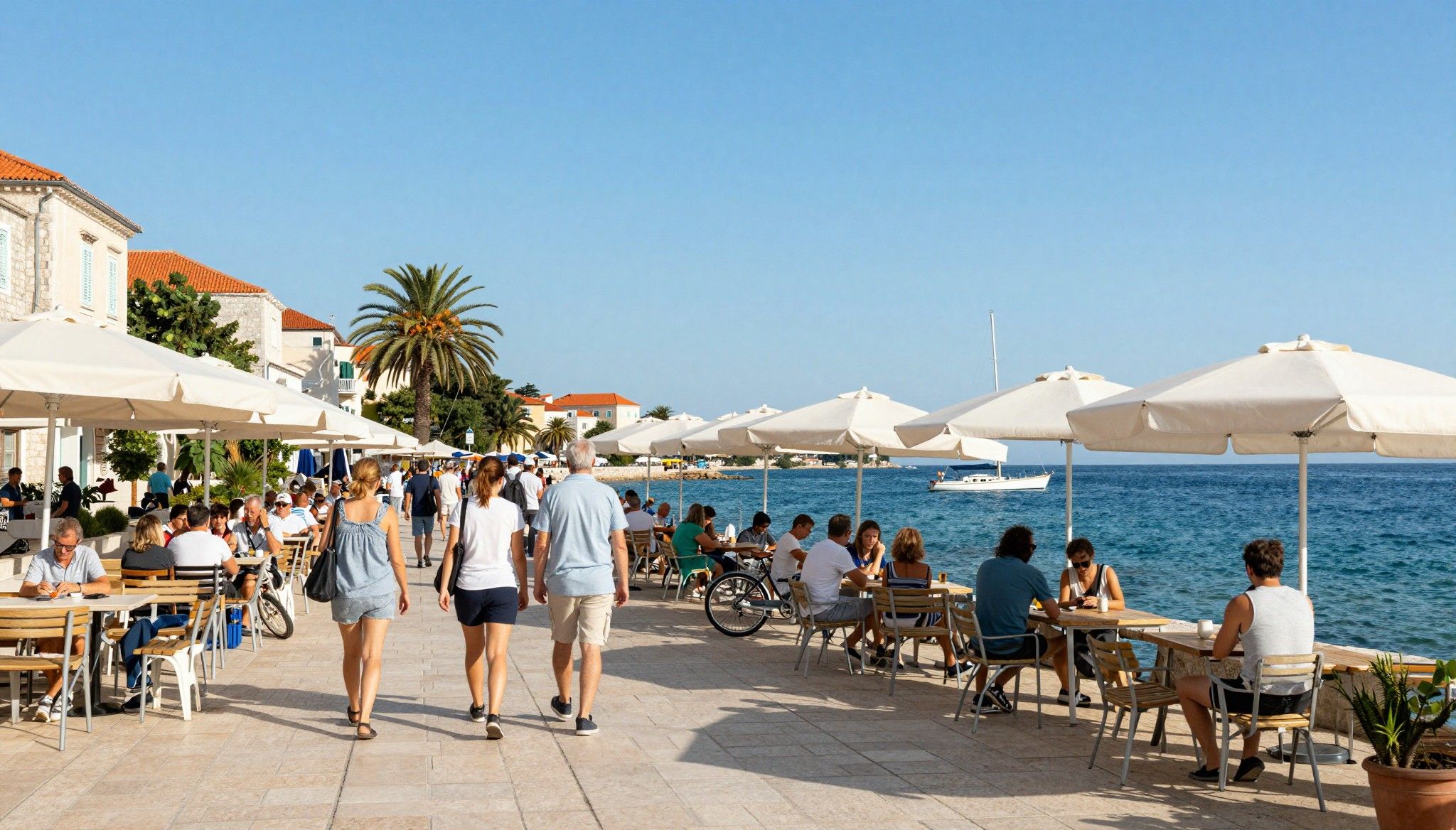
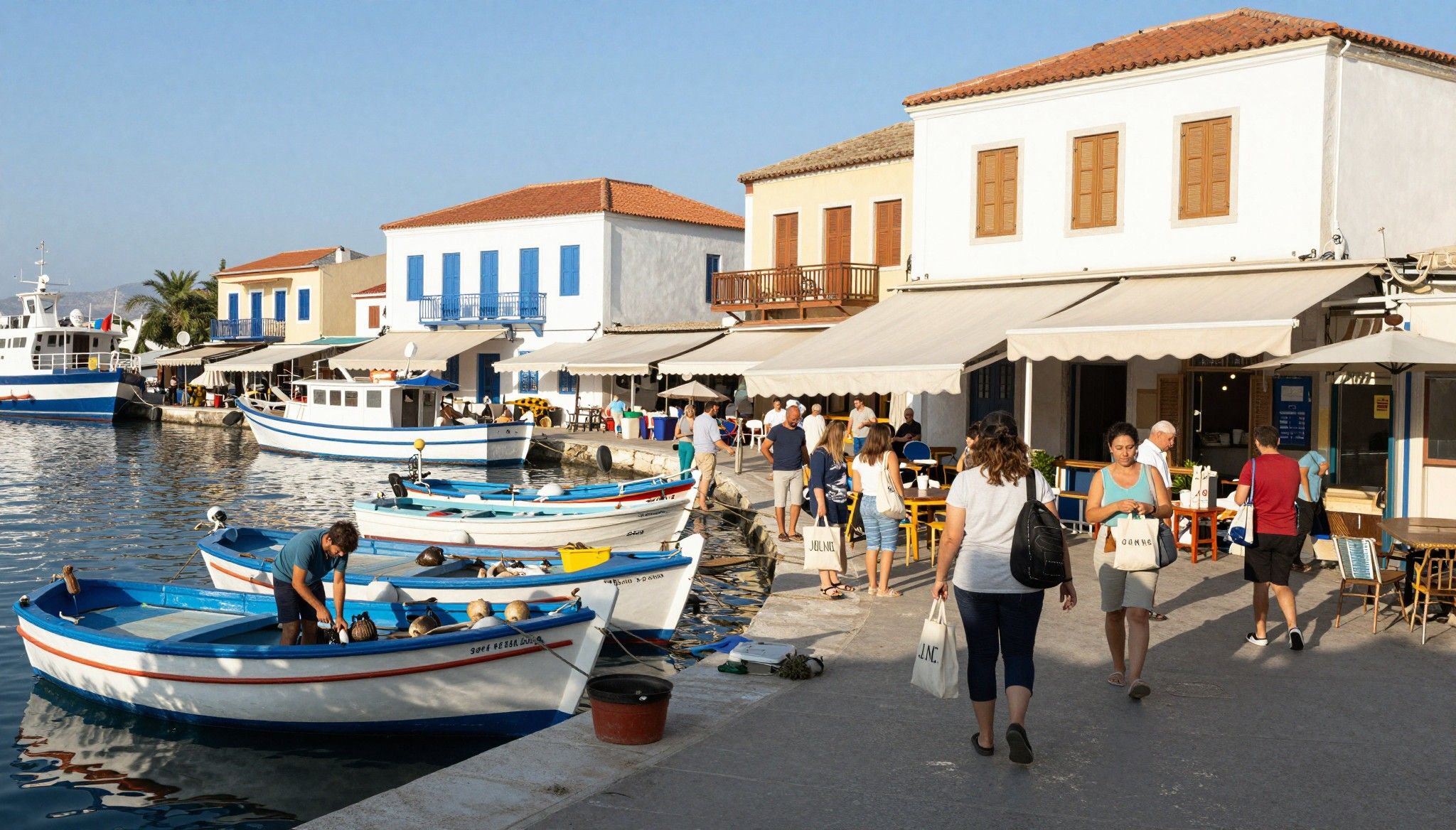
Daily life in Greece blends public sociability with outdoor living. In Athens’ Koukaki you’ll see early-morning runners pass neoclassical facades, tradespeople setting up fruit stalls on Veikou Street, and neighbours sharing afternoon espresso at little cafes on Drakou. On islands such as Naxos or Syros, mornings often start with fishermen hauling small catches and markets filling with citrus, while evenings gather in taverna courtyards where the conversation runs long and loud. That contrast matters when choosing property: do you want a doorstep full of life, or a private terrace where you only hear the wind?
Athens neighbourhoods: where city life breathes history
Koukaki and Pangrati sit within walking distance of the Acropolis yet feel like village pockets: narrow lanes, small bakeries, and an evening spill of tables. If you love theatre nights and neighbourhood bars, look on streets such as Falirou and Veikou for apartments with balconies that open onto communal life. For those who want quieter stretches but easy access to the city, the northern suburbs of Kifisia and Marousi offer tree-lined avenues and weekend markets without losing transport links.
Island life: beaches, markets and off-season reality
On islands from Crete to the Cyclades, life is ruled by season. Summers deliver bustling harbours and full-service amenities, while winter can feel almost deserted — but that quiet is exactly why many buyers choose smaller islands for second homes. Streets near Agios Georgios on Naxos, or the steps behind Ermoupoli’s Miaouli Square in Syros, provide cafés, fresh markets and a palpable sense of community outside the tourist hotspots.
- Lifestyle highlights: real places and moments - Morning coffee at Little Kook (Athens) or a seaside breakfast in Plaka - Sunset cocktails along the Athenian Riviera promenade near Glyfada - Saturday fish market at Varvakios Agora in central Athens - Sunday beach walk on Elafonissi (Crete) or Agios Prokopios (Naxos) - Village feasts (panigyria) in inland towns during summer - Hidden ceramics and local food shops down Orlof Street in Syros
Making the move: practical property realities
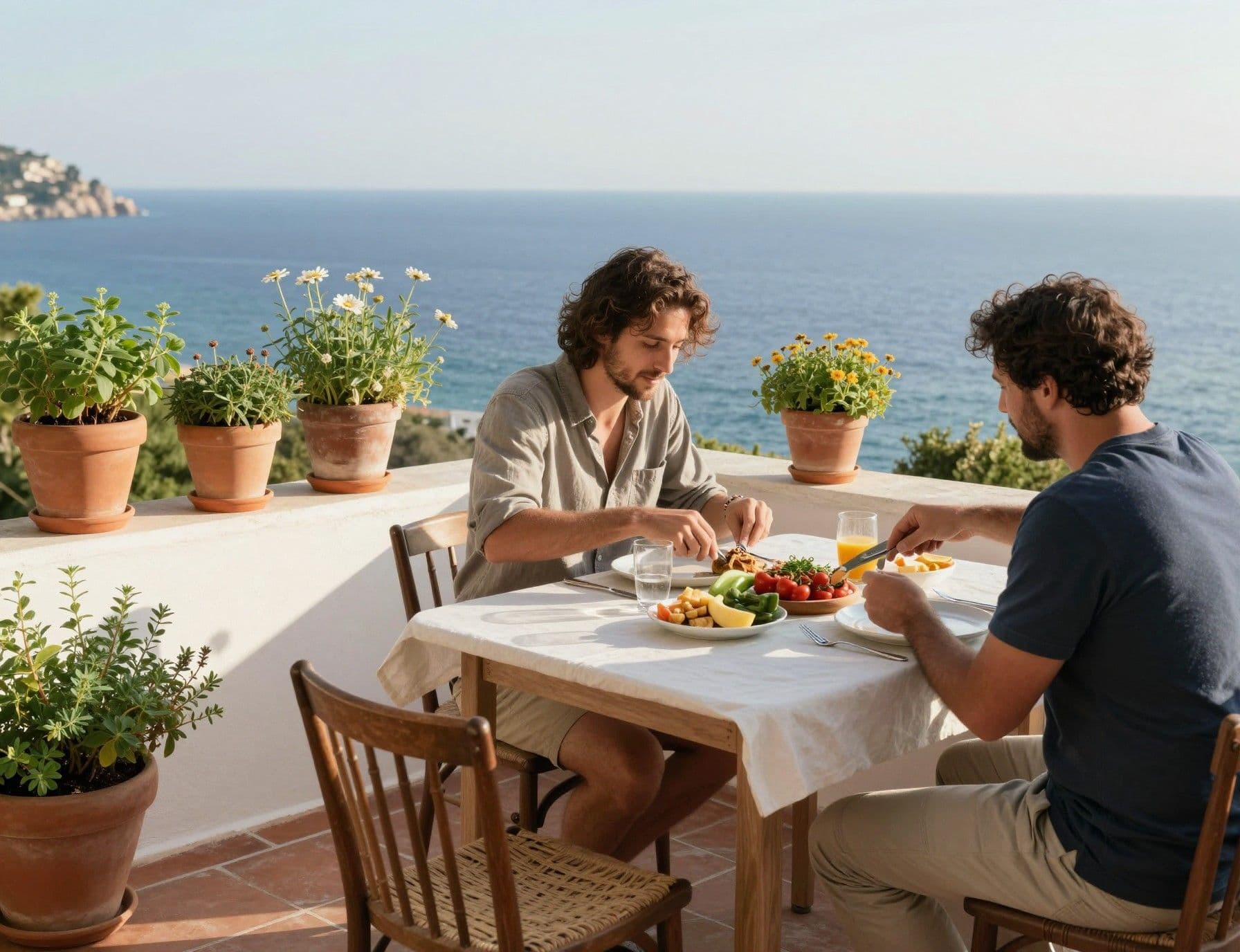
The Greek market has recorded meaningful price gains in recent years, driven by limited supply, rising domestic demand and strong foreign interest — trends visible in official house price indices and central-bank analysis. According to the Hellenic Statistical Authority, house price indices showed upward momentum through 2024, while the Bank of Greece documented apartment price rises and flagged foreign investment as a key support for prices. For buyers this means balancing lifestyle preference with market timing: islands and Athens’ central districts move faster than inland towns.
Property types and how you’ll live in them
Traditional stone houses on Cycladic islands reward you with character but often need renovation and moisture control, especially in older buildings near the sea. Modern apartments in Athens deliver heated floors, efficient insulation and easier management, but they trade off outdoor private space for proximity and services. Villas on Crete or Halkidiki offer garden life and year-round rental potential, though maintenance and seasonal utility costs are higher — factor those into your running-cost expectations.
Working with local experts who understand lifestyle fit
An agent who knows the rhythm of Koukaki versus Kifisia will save you months of visits. Look for local agencies that show evidence of repeat clients, can run neighborhood-level comparables, and have in-house contacts for renovation, energy retrofitting and property management. Ask for recent references from buyers who relocated from your country and request agency breakdowns of seasonal occupancy if you plan to rent during summer months.
- Action steps that blend lifestyle and practical checks 1. Shortlist three neighbourhoods: one city, one island, one quieter mainland town, and spend a week in each to test rhythms. 2. Request a neighbourhood cost sheet from your agent: utilities, local property tax (ENFIA), seasonal services and estimated maintenance. 3. Commission an independent building survey that checks damp, foundations and roof integrity before any purchase. 4. Confirm rental rules for the property: some Golden Visa and local regulations restrict short-term lettings in specific areas. 5. Hire a bilingual solicitor to check land registry entries and past renovation permits.
Insider knowledge: expat realities and seasonal truths
Many expats arrive expecting year-round island vibrancy and find long winters quieter than imagined — that’s not a drawback but a lifestyle filter. Recent regulatory updates to residency-by-investment schemes have also altered investor behaviour, increasing demand in certain regions while cooling others. Know the rules: changes to Golden Visa thresholds and permitted property uses affect both residency prospects and rental income plans, so verify the current legal framework before making an offer.
Cultural integration: how community shapes daily life
Learning a few words of Greek opens doors more than you expect: shopkeepers, local officials and neighbours respond warmly to effort. Expect a slower bureaucratic pace and build time into processes like utility connections or renovation permits; friendly persistence and a trusted local contact are invaluable. Expat groups in Corinth, Chania and the islands are active and can accelerate settling-in, from doctor recommendations to seasonal volunteer opportunities at local festivals.
Long-term lifestyle and investment signals
Expect incremental capital growth in sought-after islands and central Athens, but plan for variability tied to tourism cycles and macro rates. The Bank of Greece suggests moderate positive outlooks for housing but highlights foreign inflows and supply constraints as key drivers — so properties with genuine local demand (near schools, medical centres, transport) hold up better between cycles. Treat lifestyle value and real estate fundamentals as co‑equal when you assess price versus use.
Conclusion: fall in love deliberately. Test the morning rituals, measure the seasonal quiet, and match a neighbourhood to the life you want to wake up to. Work with agents who know street-level rhythms and lawyers who trace title clearly; combine sensory research — cafés, markets, ferry timetables — with the paperwork. When lifestyle and due diligence align, Greece rewards with both daily joy and resilient property outcomes.
Norwegian market analyst who relocated to Mallorca in 2020. Focuses on data-driven market insights and smooth relocation for international buyers.