Greece: Buy for the Neighbourhood Rhythm, Not the Postcard
Greece pairs year‑round neighbourhood life with seasonal island rhythms — choose the property that matches daily routines, not the postcard. Reports show steady regional growth; verify neighbourhood services and title before bidding.
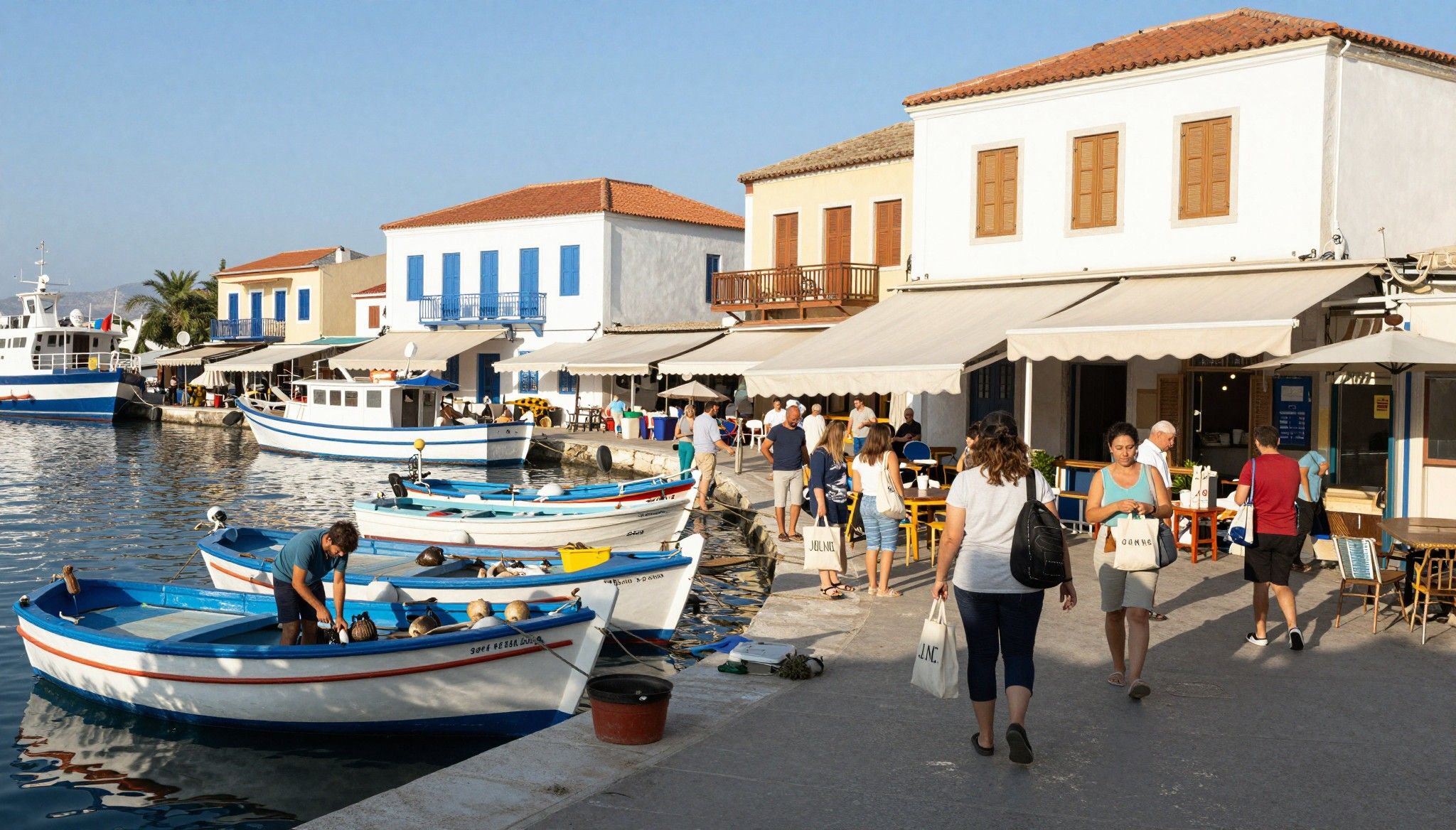
Imagine waking to a neighbourhood where an espresso bar fills the air with steam and conversation, ferry horns punctuate the afternoon, and a Tuesday market still feels like the centre of life. Greece moves at two paces: a measured daily rhythm in towns and a buoyant, social tempo along the coast. For international buyers this split — year-round routines versus seasonal surges — is the single most useful thing to understand before you sign for anything.
Living the Greece lifestyle — city heartbeat and island calm
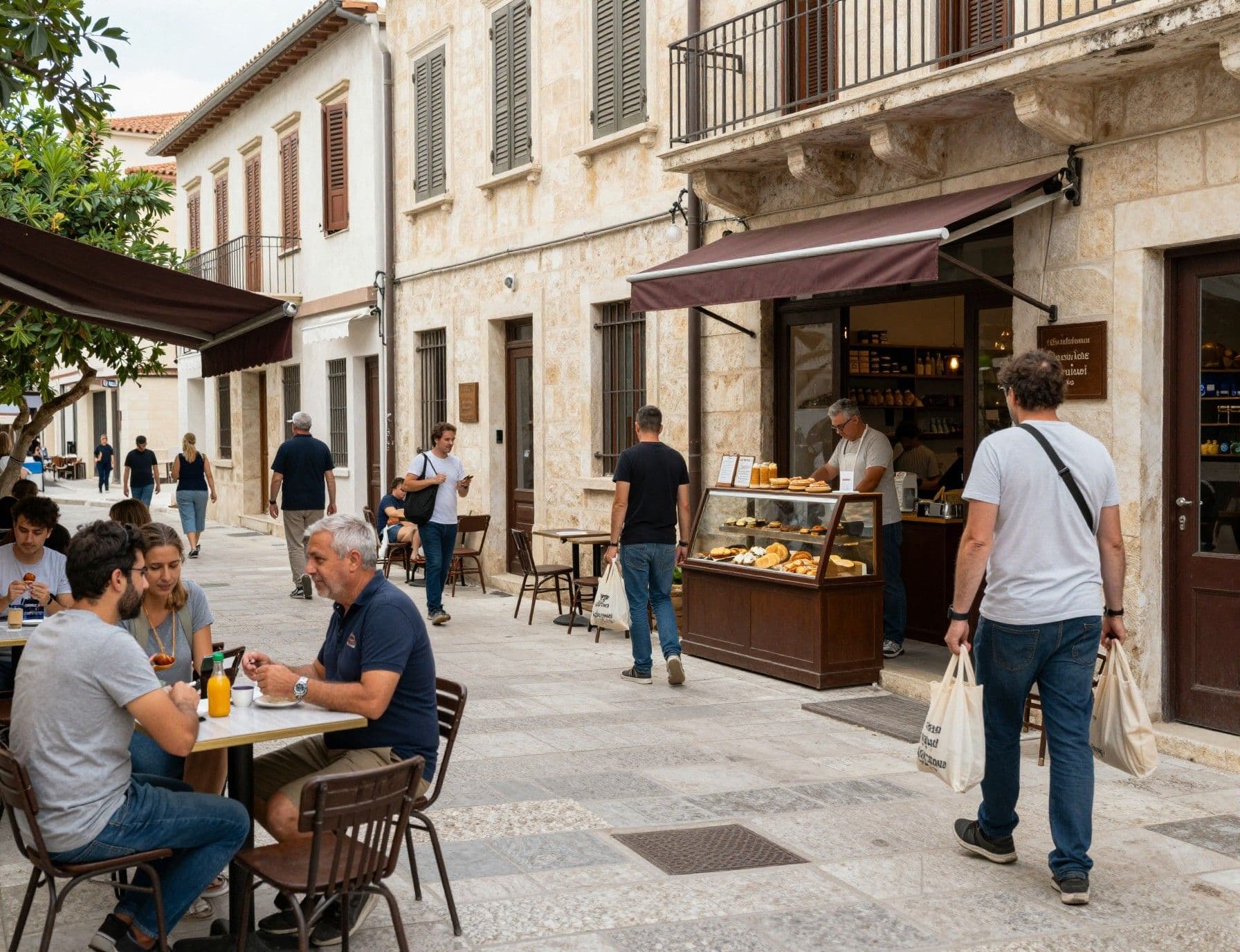
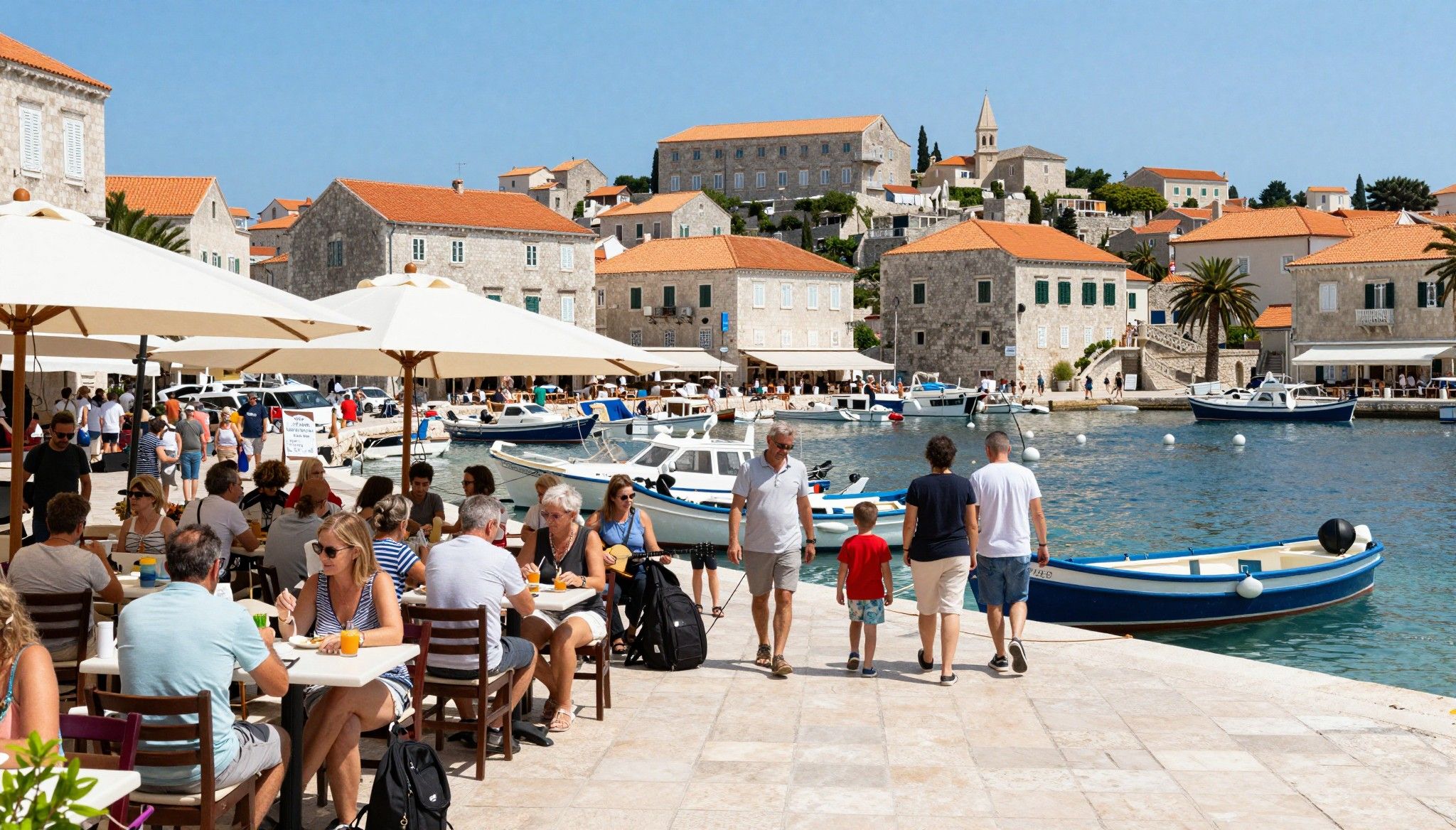
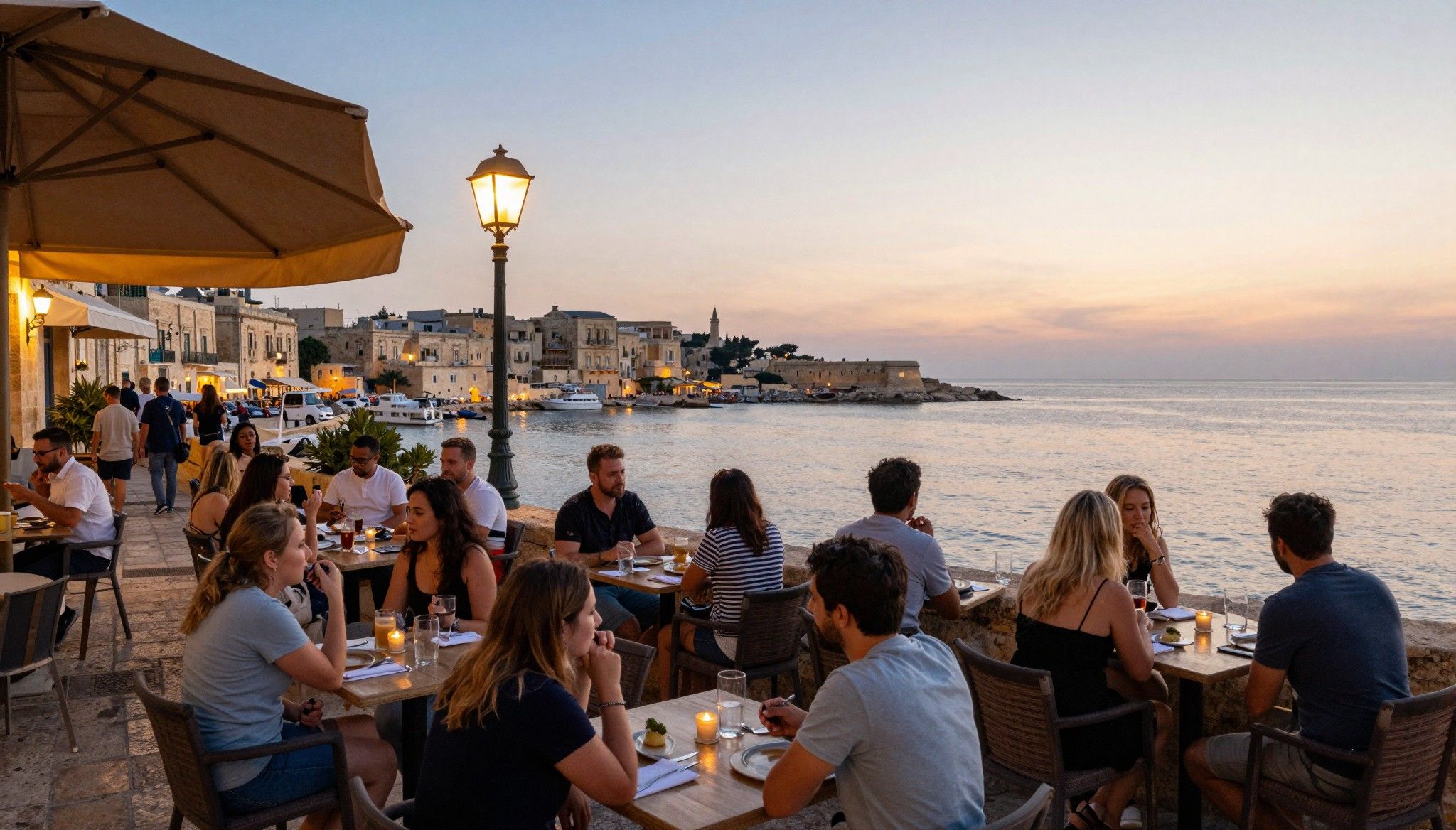
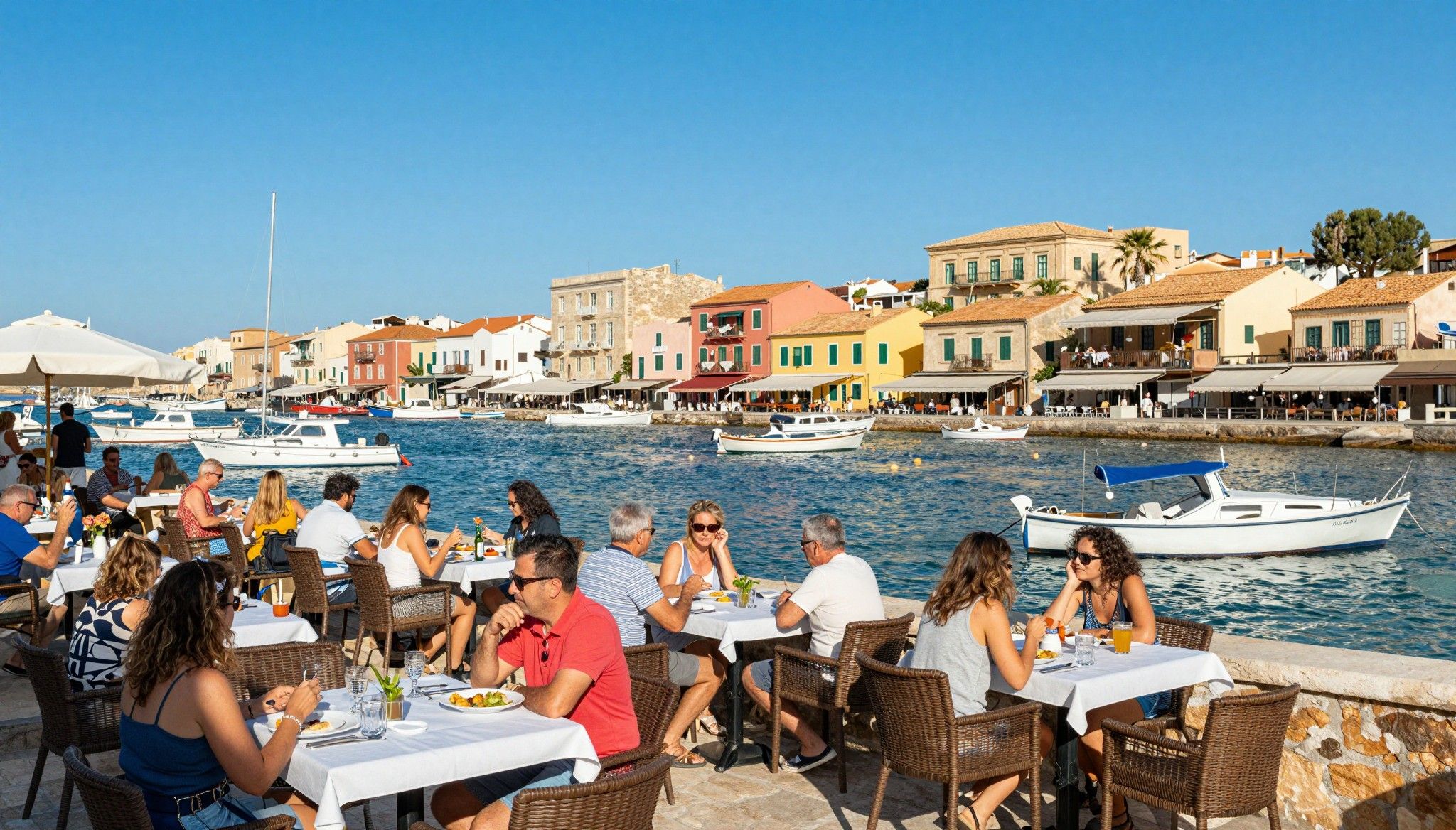
Streets tell the story here: in Athens, Koukaki and Pangrati hum with cafés and patios; Kolonaki keeps a quieter, polished pace; Glyfada and Vouliagmeni trade marble sidewalks for beachside promenades. On the islands, each port has its character — Mykonos is clubby and bright, Naxos feels agricultural and human, while small Cycladic villages are stitched from lime and shuttered windows. Day-to-day life blends strong neighbourhood ties, late lunches, and outdoor living; property choice should match the tempo you want, not just the postcard.
Neighbourhood spotlight: Koukaki, Pangrati, and Glyfada
Koukaki (near the Acropolis) is for walkers who want tavernas and small galleries on the way home; Pangrati mixes old‑school bakeries with new cafés and a lively square where locals meet; Glyfada offers an Athens‑Riviera hybrid — marinas, boutique shops and a clearer link to the sea. Choosing between them is choosing a daily rhythm: cobbled evening walks, seaside weekends, or a hybrid of both — and that rhythm should guide whether you buy an apartment, maisonette or a small house with outdoor space.
Food, markets and weekend life: how culture shapes property value
Food is both pleasure and practical planning: morning markets determine proximity to daily life, tavernas anchor neighbourhoods, and island seasonality drives short‑term rental demand. Markets such as Varvakios (Athens) or local open markets on Crete are not just places to shop — they are social infrastructure that raises a neighbourhood’s desirability. Expect areas with strong daily markets and year‑round services to hold value better than places that rely solely on summer tourism.
- Lifestyle highlights — tangible reasons to fall for Greece
- Morning coffee in a courtyard café (Koukaki, Plaka), weekly fish markets (Piraeus and island ports), sea swims off small local beaches (Vouliagmeni, Halkidiki coves), late‑day promenades on a marina (Glyfada, Chania), small artisanal bakeries that open at dawn, village festivals (panigiria) that animate summer evenings.
Making the move: property realities that match the life
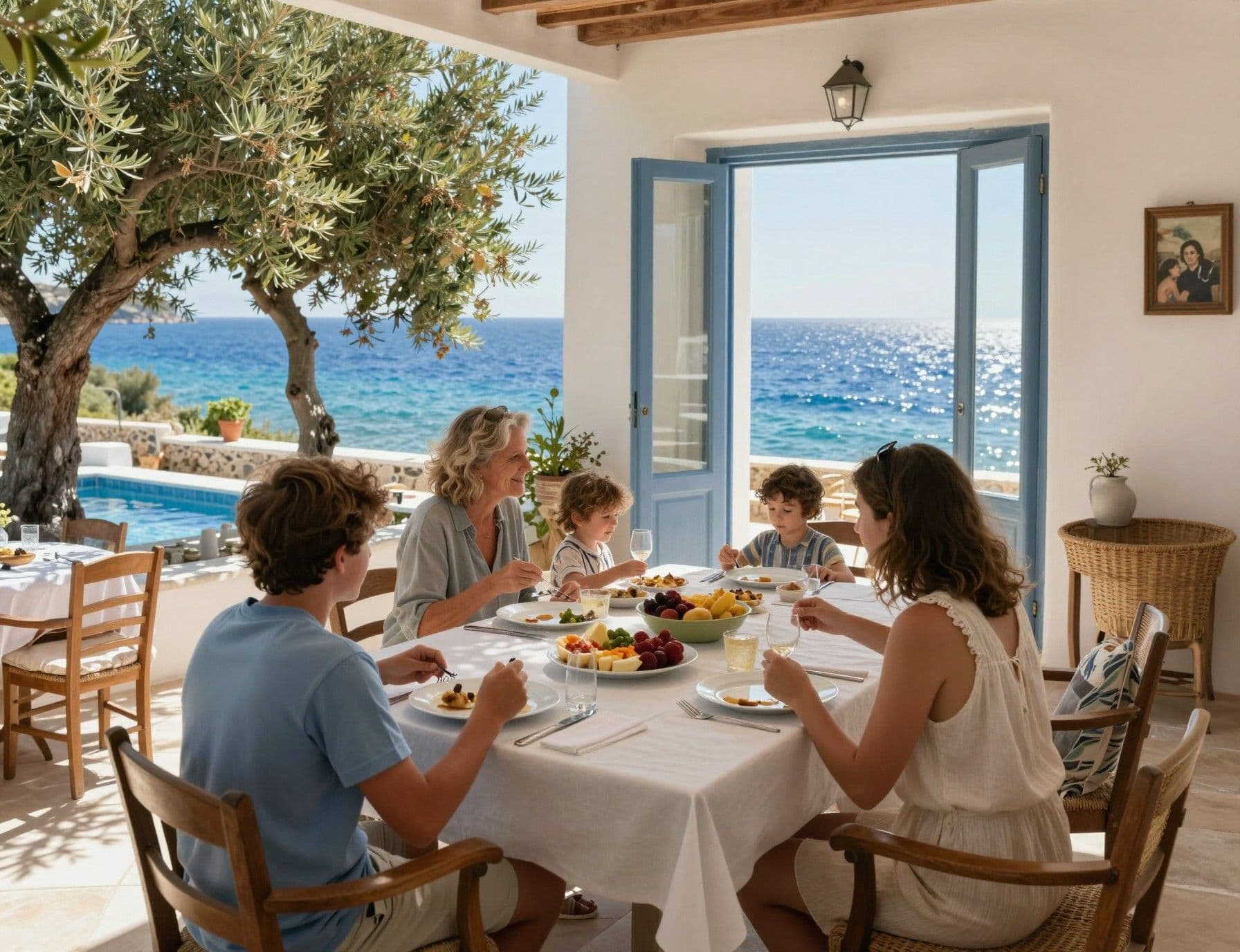
Romance meets paperwork here: Greek property markets are regional and seasonal, with island demand often far outpacing inland towns. Recent reports show sustained price growth since 2019 but signs of moderation into 2025 — a useful pattern for buyers who care about timing and use-case. Match your intent (primary home, seasonal retreat, or rental income) to a micro‑market: Athens and Thessaloniki deliver year‑round rental stability; Crete and major islands give higher summer yields but variable off‑season occupancy.
Property types and what they mean for daily life
Apartments in Athens neighbourhoods are compact, social, and ideal for urban life — terraces are a premium. Island houses often come with outdoor rooms, courtyards and water access but need weatherproofing (salt, wind). New builds offer insulation and modern utilities; older stone homes have charm but may require structural work. Think in terms of how you want to live each day: an apartment for café‑led mornings, a maisonette with a courtyard for family barbecues, or a small villa for seamless indoor‑outdoor summers.
Working with local experts who know the rhythm
A local agent is your translator of rhythm: they know which streets keep life year‑round, which properties have hidden water issues, and how municipal rules affect renovation. Legal and tax advisers keep you out of surprises — especially since residency and Golden Visa thresholds changed recently, affecting demand patterns and price dynamics. Use agencies that show past transactions, neighbourhood-level rent data, and can introduce trusted architects and property managers.
- Step-by-step buying + lifestyle alignment
- Decide your rhythm: full-time, seasonal, or rental-first. Shortlist neighbourhoods by daily amenities (market, clinic, schools) and seasonality. Commission a local valuation and structural survey — salt and seismic checks matter. Agree contract terms that account for phased payments and clear completion dates. Line up a property manager before you arrive so the lifestyle you expect is the lifestyle you get.
Insider knowledge — what expats wish they’d known
Practical surprises are social, not legal: neighbours matter. In many towns, local committees influence renovation approvals; cafes and markets create day‑to‑day value; and seasons change the way streets feel — lively in August, quiet in November. Buyers often underestimate ongoing maintenance (stone facades, saline corrosion) and the value of a local fixer who both speaks Greek and knows municipal rules.
Cultural integration: language, festivals and small courtesies
Learning a few phrases, arriving at the local bakery by 09:00, and joining village panigiria are fast tracks to being accepted. Expats who engage locally — school events, municipal meetings, homeowners’ associations — find their properties feel more secure and their lives more rooted. That social capital often translates to earlier notice of off‑market sales and trusted renovation crews.
Long-term lifestyle and investment: what changes after year two
After two years you’ll see which routines matter: favourite cafés become community hubs, seasonal cleaning becomes a calendar task, and neighbourhood services (doctors, schools, delivery) define resale value. Markets with balanced year‑round economies — university towns, Athens suburbs, larger islands — tend to be more resilient; tourism‑only pockets deliver stronger summer returns but require active management off‑season.
- Red flags and neighbourhood checks before you bid
- Properties without clear title history, neighbourhoods lacking year‑round services, coastal lots with erosion or unclear setback rules, signs of untreated salt damage, and offers without a recent structural survey.
If you want the life — morning markets, alfresco dinners, and a community that knows your name — then match the property to the everyday, not just the postcard. Start with a short reconnaissance stay, meet local agents who provide street‑level comparables, and insist on recent surveys and neighbourhood service checks. A thoughtfully chosen property in Greece rewards you with a lifestyle that begins the day you arrive.
Next steps
Book a neighbourhood visit, request detailed comparables for three streets you love, and ask your agency for a complete cost‑in‑use schedule (maintenance, seasonal management, insurance). For residency plans, check current Golden Visa thresholds and transitional rules with your legal adviser — recent changes affect demand and pricing dynamics. When lifestyle and facts align, you’ll buy with confidence and begin the life you imagined.
Dutch investment strategist with a Portugal-Spain portfolio. Expert in cross-border financing, rights, and streamlined due diligence for international buyers.