Croatia: Fall for the Life—Plan for VAT, Tax and Reciprocity
Fall for Croatia’s sea-to-stone lifestyle—but map VAT vs transfer tax, reciprocity rules and municipal quirks early to avoid surprises and hidden costs.
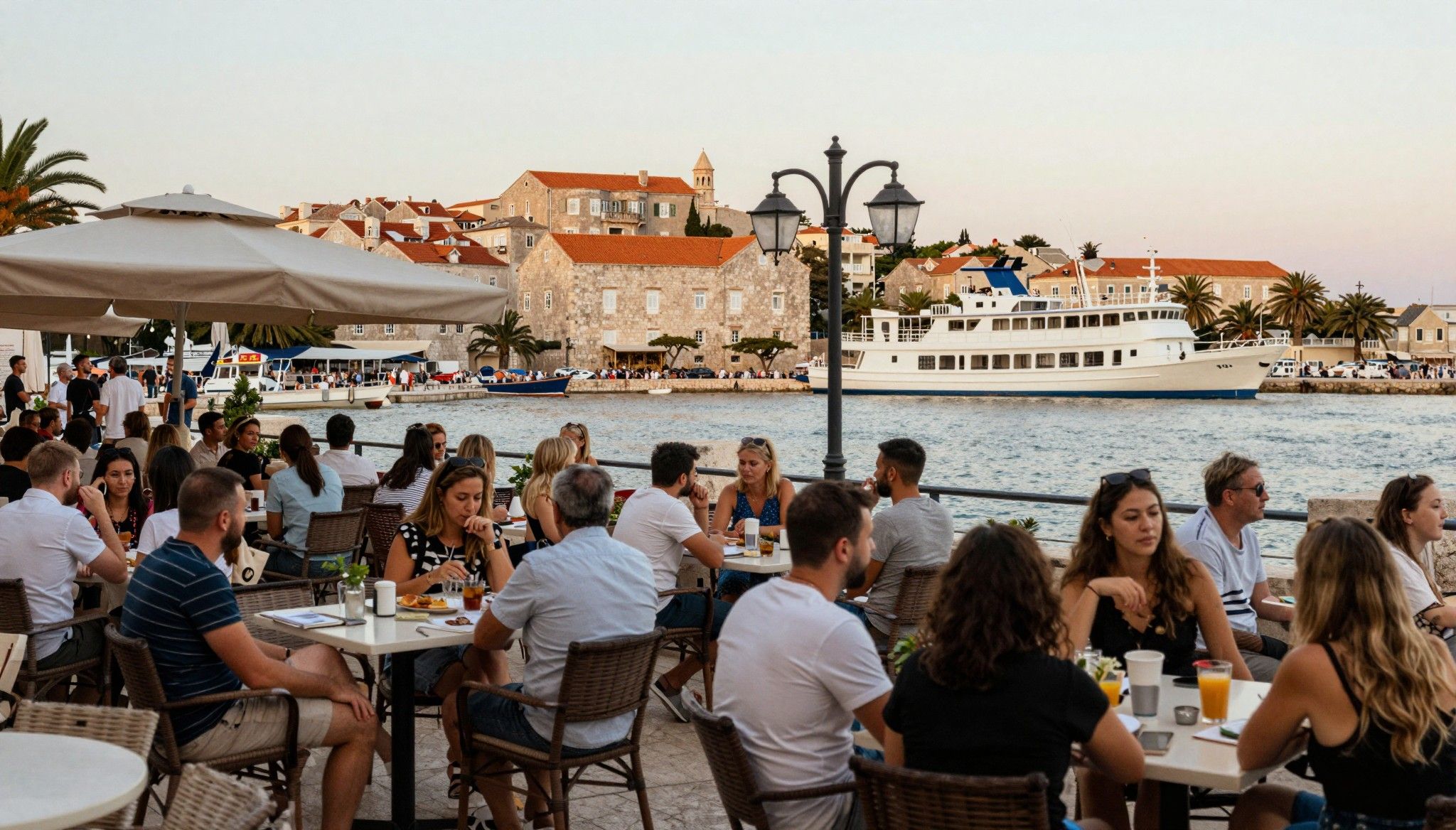
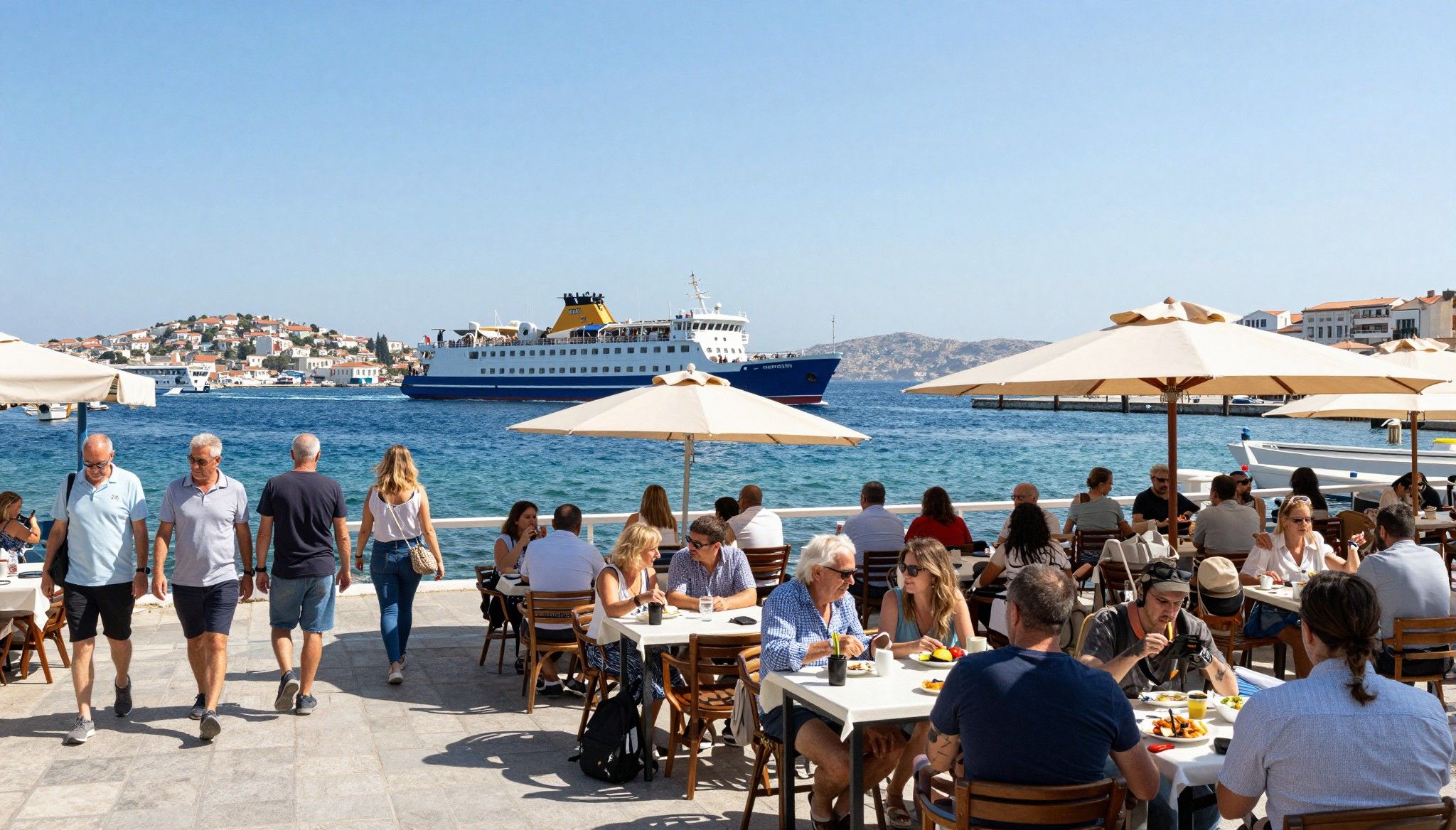
Imagine beginning your morning with espresso at Split’s Riva, then catching a late-afternoon ferry to a quiet pebble cove on the Dalmatian coast. Croatia moves at a Mediterranean tempo—sunlit markets, late dinners, and summers that swell small towns into lively, layered communities. For buyers, that rhythm is intoxicating; for planners it creates seasonal income spikes, municipality rule quirks and tax choices that materially affect the cost of ownership. This guide pairs sensory, street-level life in Croatia with the tax and regulatory realities you’ll need to make a confident purchase.
Living the Croatian life: places and pulses
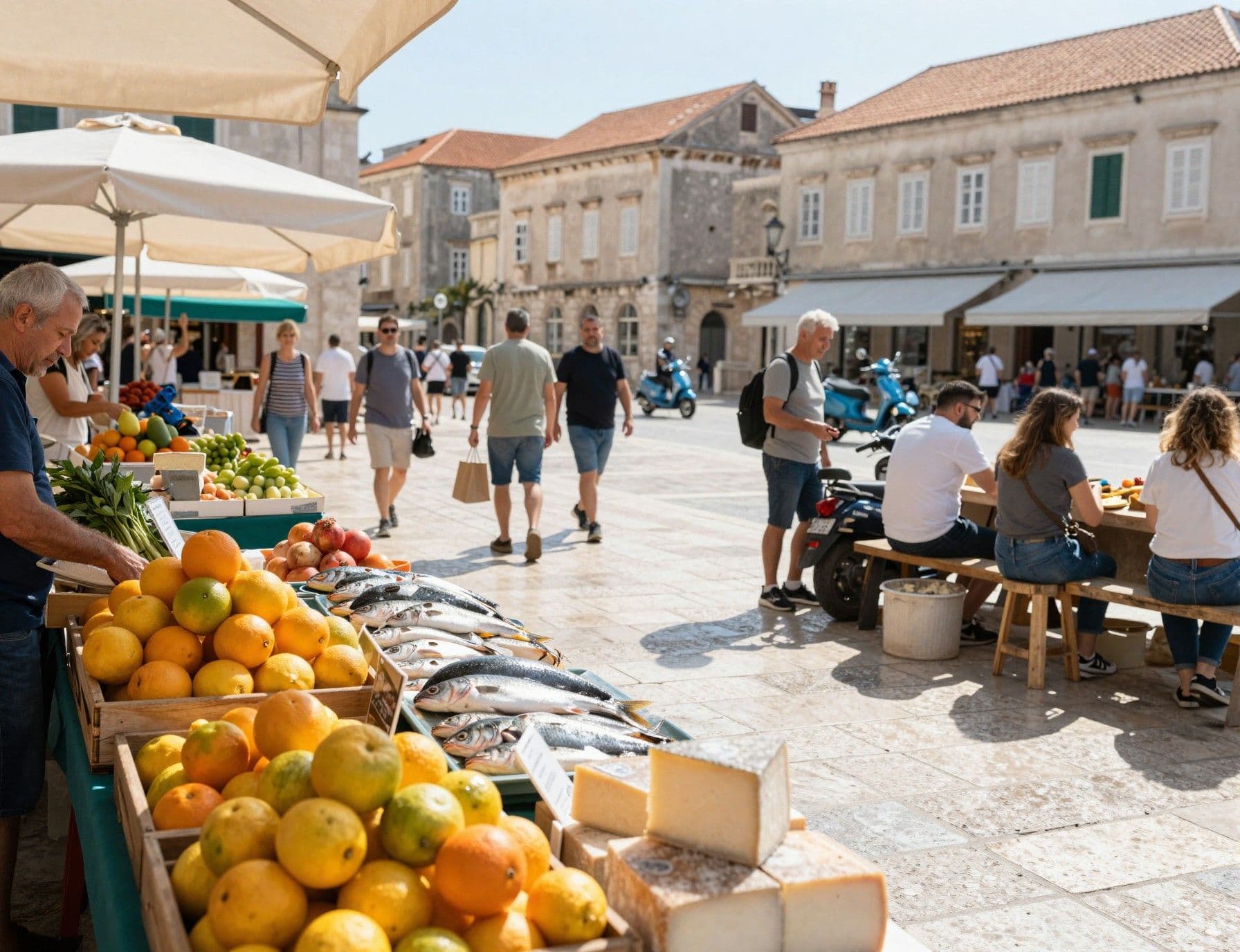
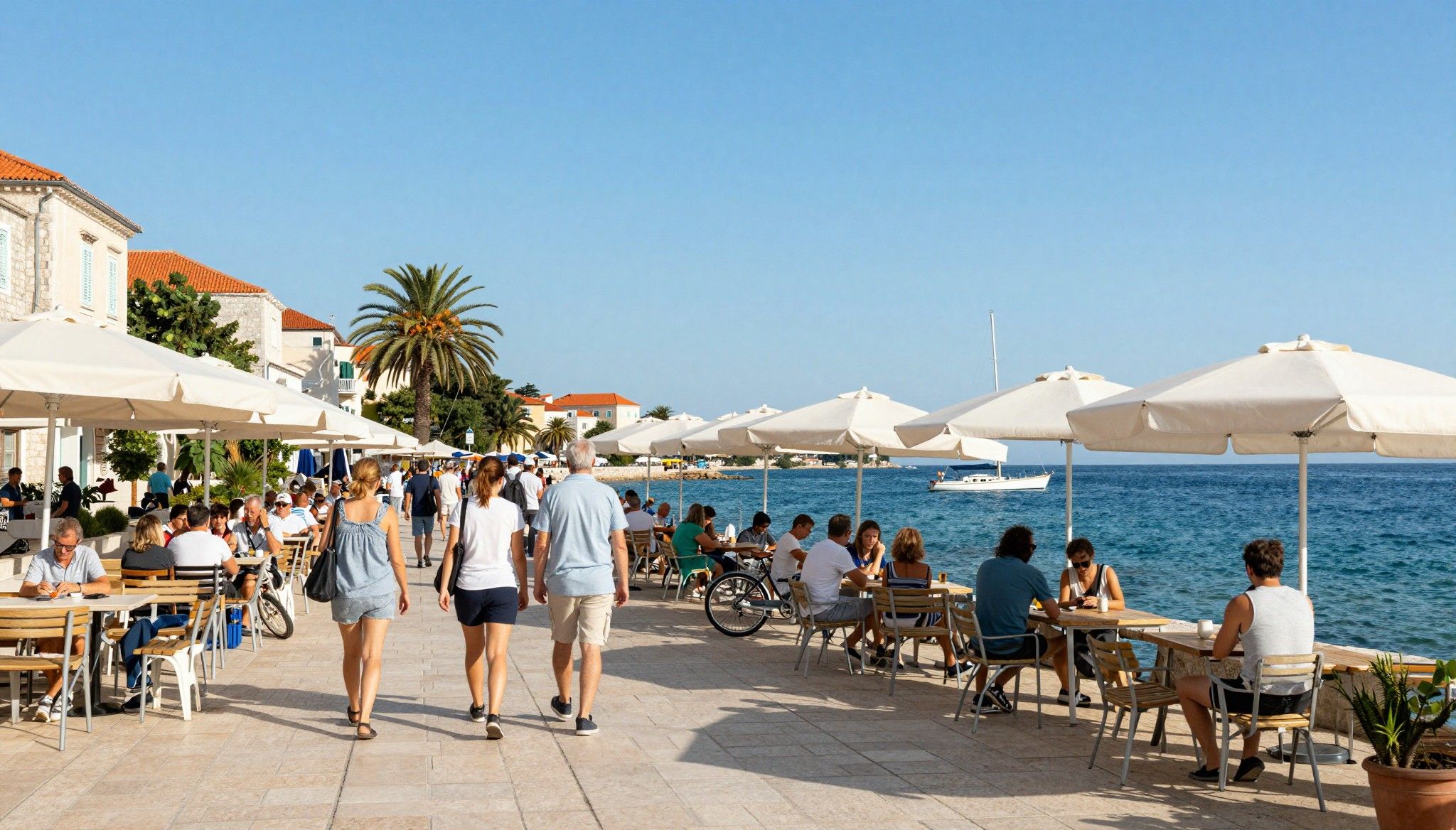
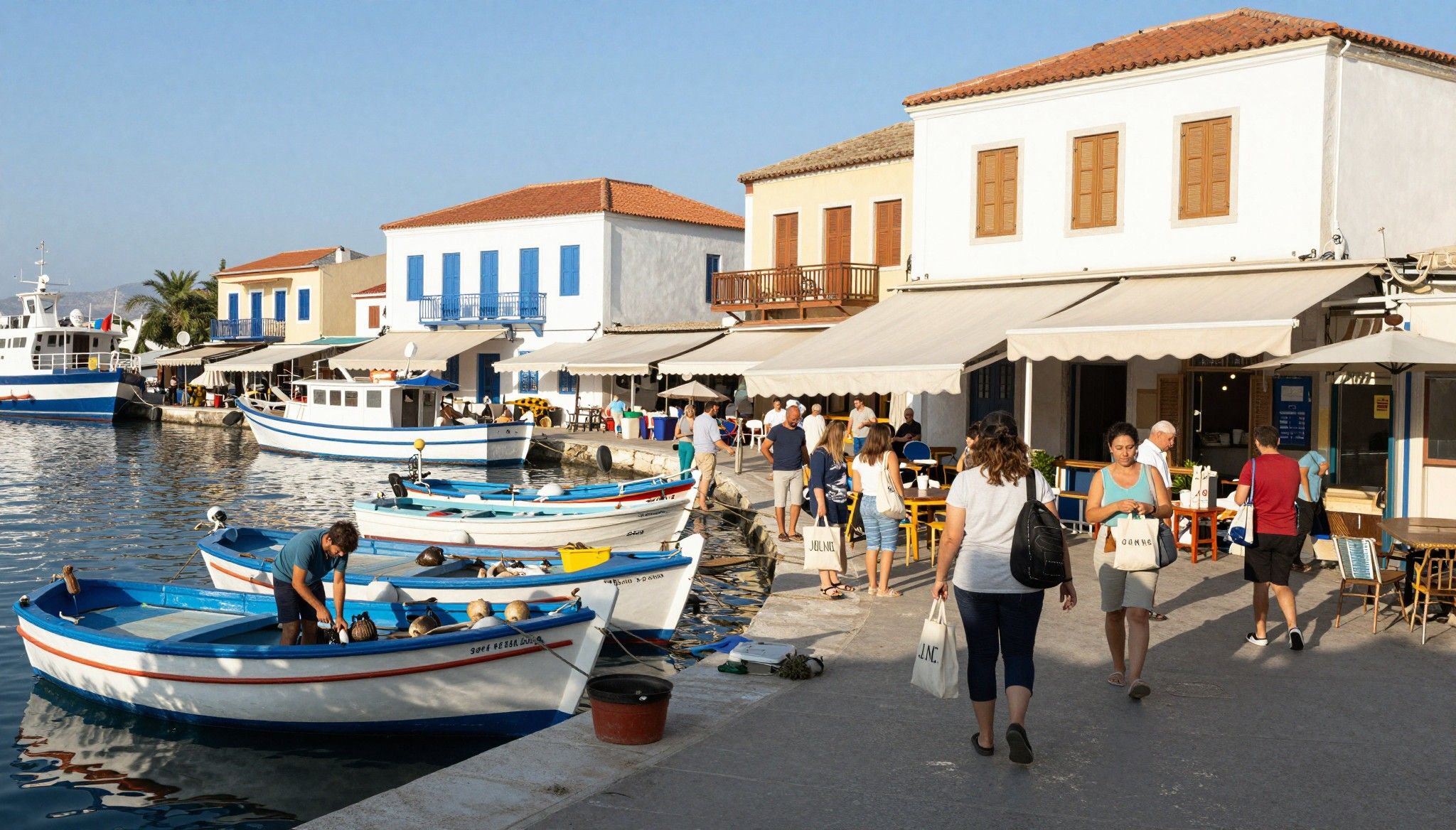
Croatia’s appeal is the way historic stone meets sea: Split’s Riva and Diocletian’s Palace pulse with cafés and foot traffic, Dubrovnik’s Old Town hums with cultural heritage, while islands like Hvar and Vis alternate between cosmopolitan summers and hush-of-winter tranquillity. Inland, Istria trades beaches for vineyard-dotted hills and town squares where market stalls set the day. What you choose—coastal town, island retreat or Istrian hamlet—changes both lifestyle and the local tax and registration steps you’ll face.
Split & Dalmatian Coast: daily life and homeowner reality
Stroll from the split-level cafés of Bačvice to narrow stone lanes and you’ll see why buyers crave Split: effortless sea access, active neighbourhood life and a strong expat community. But coastal municipalities often have stricter registry processes for foreigners and you must check reciprocity and ministerial consent early—some nationalities require additional approvals before signing. A local lawyer or agency who understands which towns need ministerial sign-off saves time and prevents unpleasant surprises at closing.
Istria & Inland: markets, food and quieter ownership
In Istria you’ll trade ferry timetables for truffle foraging, olive oil tastings and weekend markets in Rovinj and Poreč. Properties here often include land, traditional stone houses and agricultural classifications that change permitting and tax treatment—especially for renovations and conversions to tourist rentals. Expect quieter high seasons and a steadier long-term community feel, but confirm zoning before imagining a bed-and-breakfast operation.
- Lifestyle highlights to scout in person: • Sip espresso on Split’s Riva and watch the ferries arrive • Sunday market in Dolac, Zagreb, for fresh local produce • Evening promenades in Hvar town after the day-trippers leave • Olive-oil tasting and hilltop dinners in Istria • Kayaking off Vis and discovering secluded pebble coves
Making the move: practical considerations that shape cost
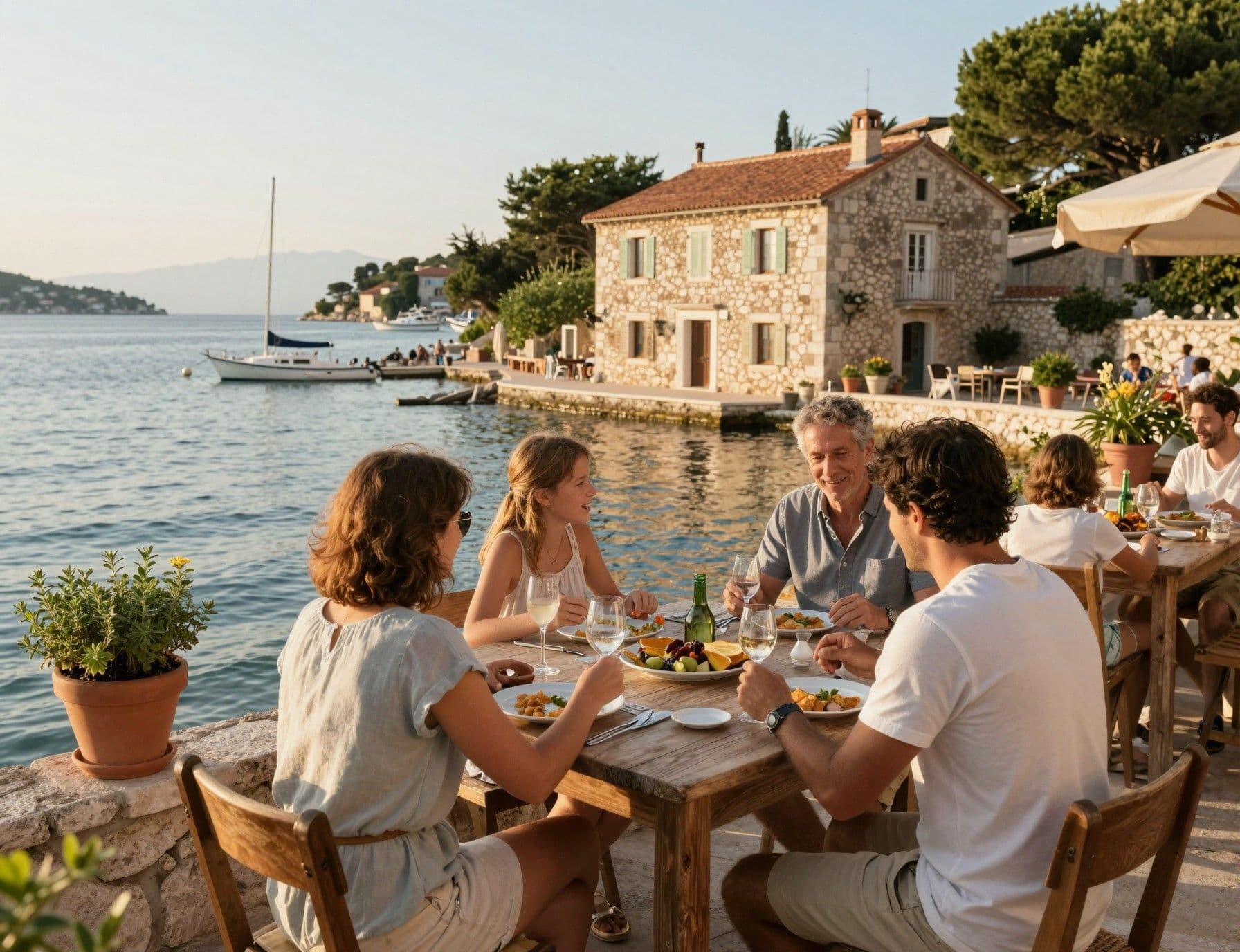
Your dream terrace and bay views are only the start; whether you pay the 3% real estate transfer tax or 25% VAT (usually on new-builds sold by developers) will affect total acquisition costs and monthly carrying calculations. Recent market summaries put typical additional closing costs between about 5–8% of the purchase price, but the split between transfer tax and VAT depends on the sale type and developer pricing choices. Factor these into your purchase model rather than assuming headline prices are final.
Property styles and what they mean for taxes and living
Stone houses, modern apartments and plots each carry different tax and permitting paths. Resale apartments typically trigger the 3% transfer tax paid by the buyer; buying new from a developer often includes 25% VAT but may allow VAT reliefs for certain buyers or government incentives. If you plan renovations, check municipal permits—historic centre conversions can require additional approvals and conservation conditions that lengthen timelines and increase costs.
Working with local experts who know the lifestyle and rules
Find an agency that pairs neighbourhood knowledge with legal and tax-savvy partners. Good teams introduce you to streets and cafés that fit your life, then map those choices to tax exposures—whether that’s VAT on a Seaside penthouse or transfer tax on a coastal apartment. Agencies can also coordinate lawyers familiar with reciprocity approvals and municipal offices; this is the difference between a smooth, month‑long process and an open‑ended wait.
- Steps to marry lifestyle with tax-smart buying: 1. Decide lifestyle priorities: island peace, coastal buzz, or inland slow life—visit in two seasons. 2. Check nationality reciprocity and consent requirements before making offers. 3. Ask seller whether price is VAT-inclusive or subject to 3% transfer tax. 4. Run renovation and rental scenarios with a local tax advisor to quantify running costs. 5. Reserve funds for municipality permits and unexpected conservation conditions.
Insider knowledge: what expats wish they’d known
Expats often underestimate seasonality, municipal idiosyncrasies and the paperwork dance. Summer rental income can look irresistible until you account for tourist tax, VAT obligations on short‑term lets and the municipal registration required for hosted stays. Also, buying a primary residence doesn’t automatically protect you from capital gains or local property taxes down the line—get clarity on how your intended use (holiday let vs primary home) changes taxation.
Cultural adaptation: daily life, language and community
Croatians value local relationships: you’ll integrate faster by frequenting the same konoba (tavern), enroling in a market day ritual, or joining a neighbourhood group. Language matters—basic Croatian opens doors and simplifies municipal procedures—while many service providers in coastal towns speak English. Expect bureaucracy to be formal but navigable with a patient, local guide.
Longer-term considerations: inheritance, rentals and resale
Think beyond move‑in day: inheritance procedures can be straightforward but require legal clarity—especially for non‑EU owners—so estate planning with a Croatian-qualified notary is prudent. If you intend to rent, map out VAT and tourist tax obligations; if you intend to sell within a few years, build capital‑gains scenarios into your investment case. Local market momentum suggests demand for coastal second homes remains solid, but each coastal municipality behaves differently.
- Red flags that should pause a purchase: • No clear answer on whether the sale is VAT or transfer‑taxable • Properties in conservation zones without clear permit paths • Ambiguous land classification for houses with olive groves or agricultural plots • Missing cadastral records or unresolved inheritance chains • Seller resistance to a short, local legal due diligence period
Croatia is intoxicatingly livable—sun, markets and seaside rituals—but smart buying ties that romance to the tax and regulatory mechanics on the page. Start with lifestyle scouting trips, confirm reciprocity and tax exposure early, and work with a multidisciplinary local team. When you do, a Dalmatian terrace or an Istrian stone house stops being a postcard and becomes a place you can live in, share and steward.
Swedish strategist who relocated to Marbella in 2018. Specializes in legal navigation and tax planning for Scandinavian buyers.