Why Greece’s 'Expensive' Label Masks Smart Buys
Greece’s "expensive" label hides nuance: city pockets, island year-round hubs and regeneration streets offer lifestyle value. Use lived-in scouting plus official data to spot smart buys.
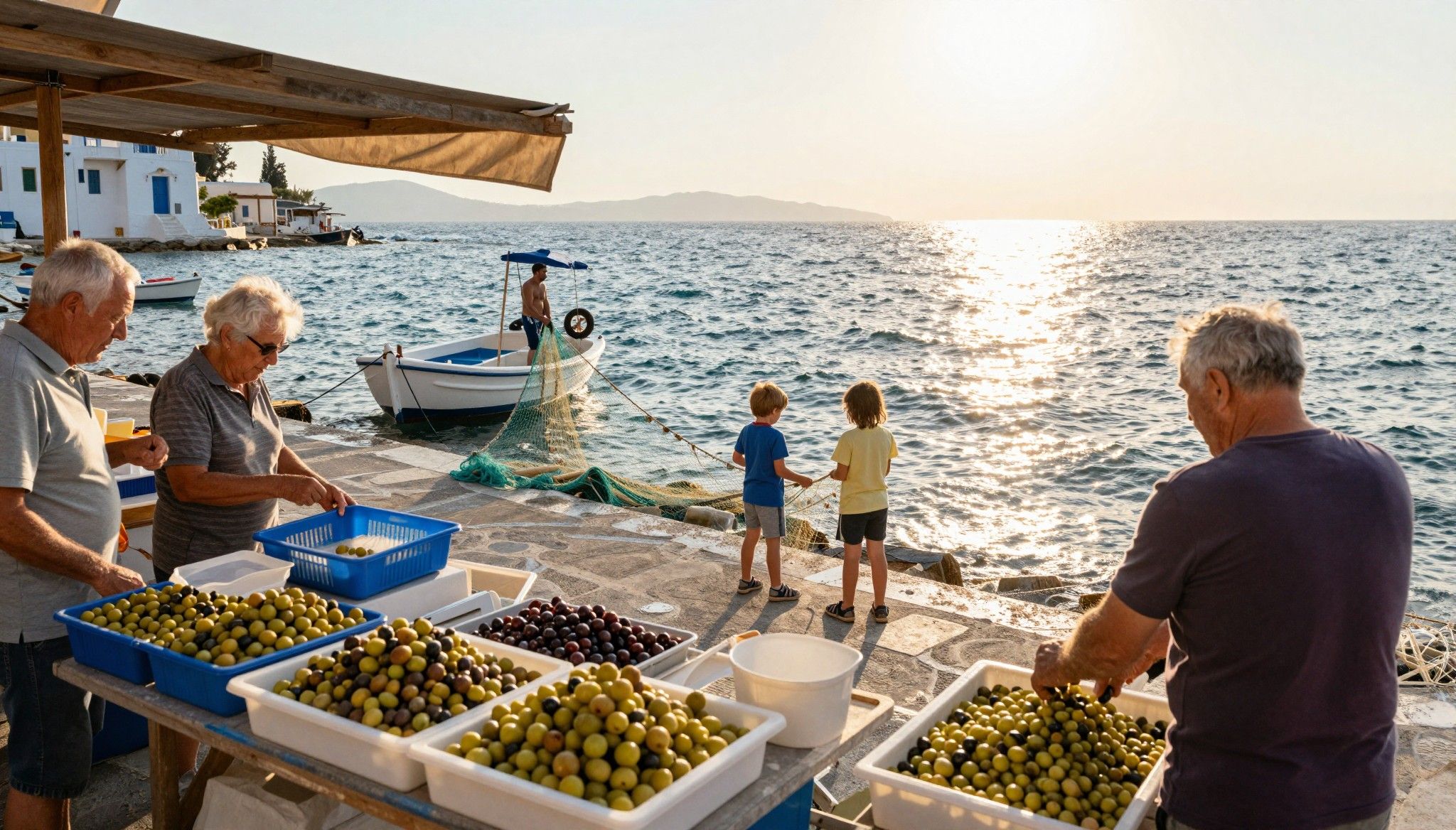
Imagine stepping out of a kafeneío in Koukaki, the smell of roasted coffee and sea salt mixing as scooter bells thread through narrow streets. That sensory snapshot — espresso, an Athenian afternoon, neighbours who know your name — is what draws so many international buyers to Greece. But the word "expensive" gets thrown around as a blanket verdict on Greek property markets, and that scares people away before they see the nuance. This piece untangles that reputation with place-first storytelling and up-to-date market signals so you can fall for the lifestyle and make a measured move.
Living the Greece lifestyle
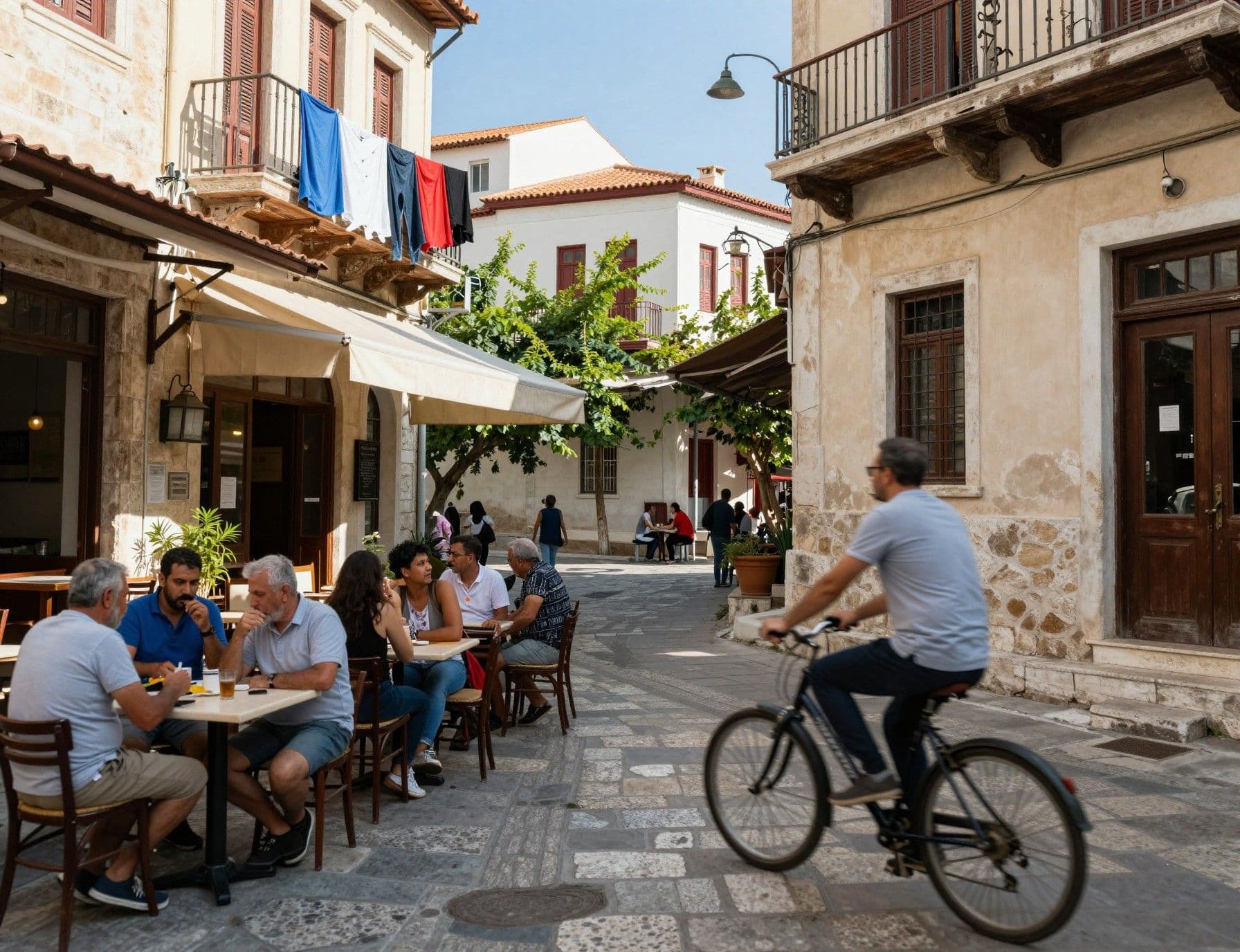
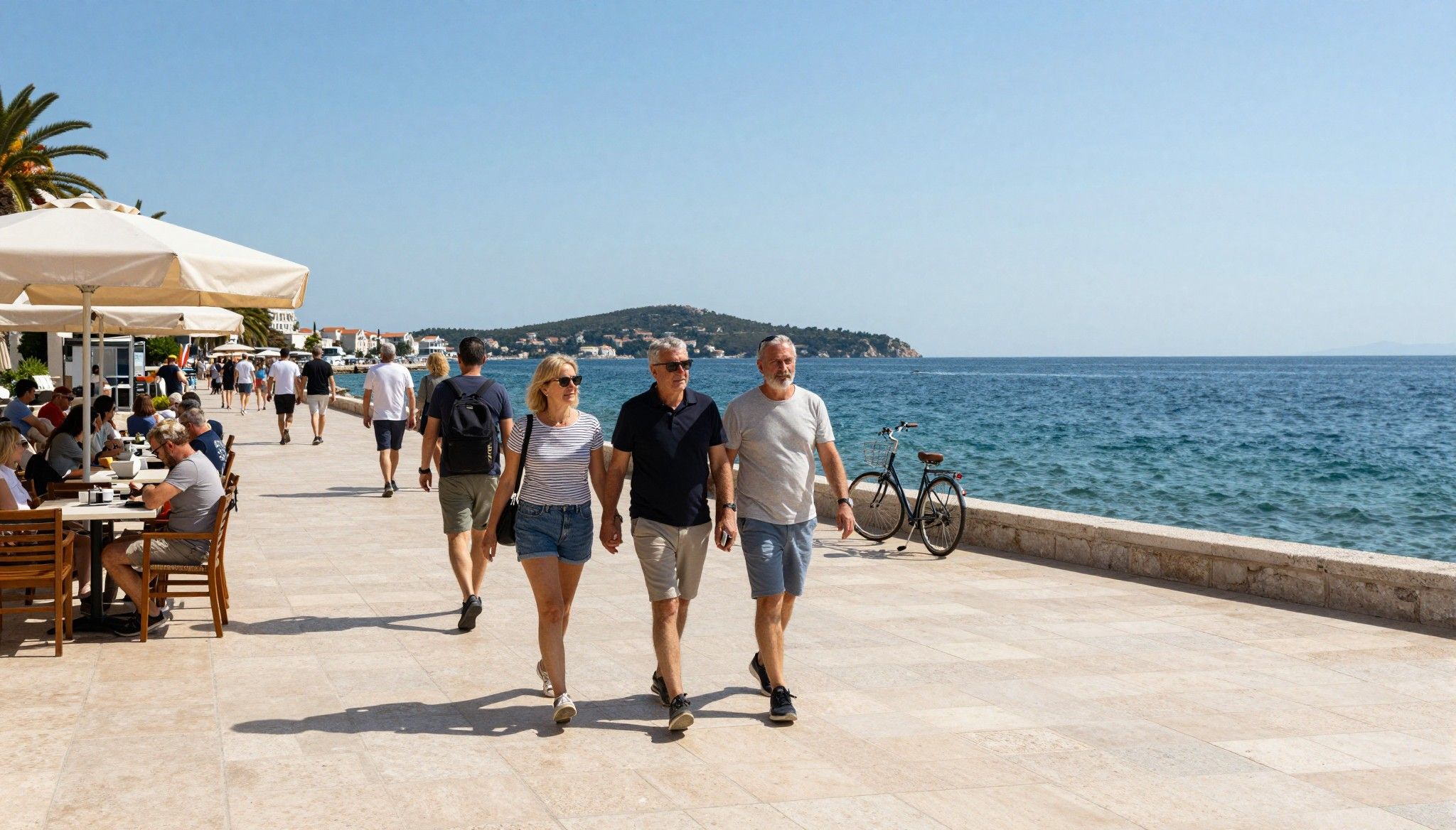
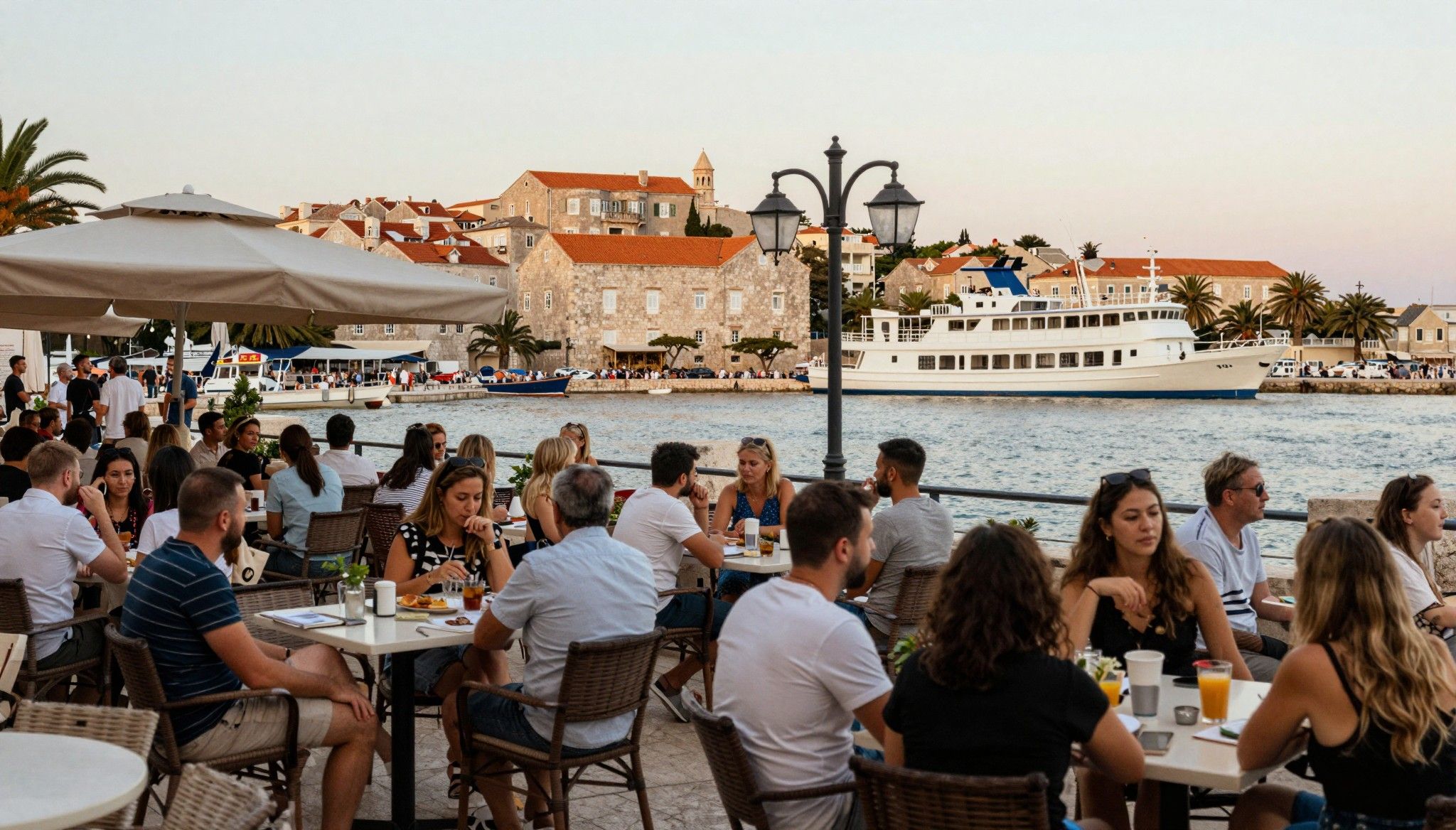
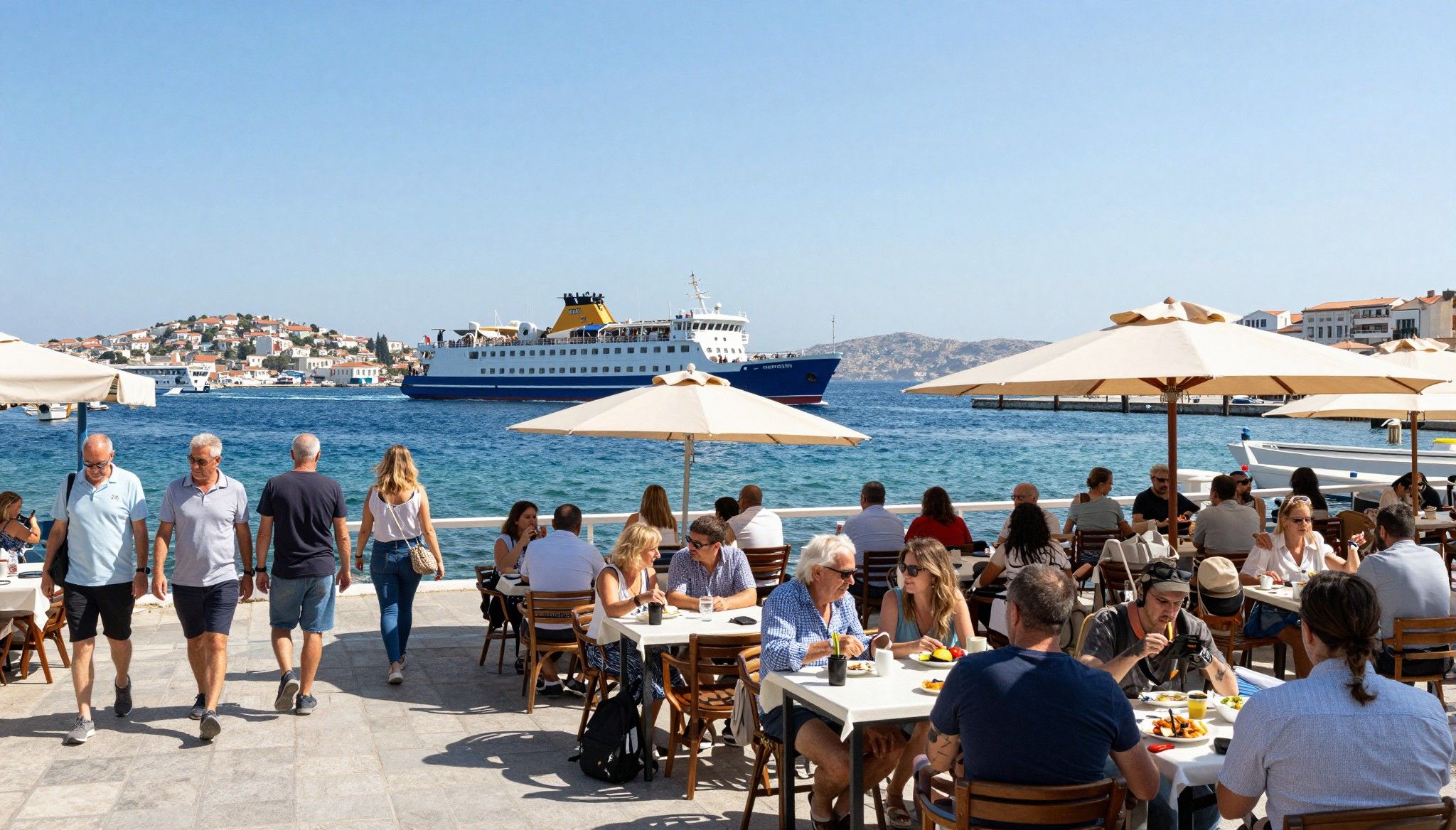
Life in Greece moves to a Mediterranean rhythm: mornings at mercados, afternoons by the water and long evenings of food and conversation. Outside peak islands, neighbourhoods in Athens or Crete pulse year-round with cafés, municipal markets and small cultural venues; tourism numbers keep markets liquid but do not define daily life for most residents. The rise in inbound visitors — steady in recent years according to ELSTAT monthly data — lifts short-term rental opportunities while also pushing demand for quality long-term housing in serviceable neighbourhoods. Read this as an invitation to prioritise the everyday — the walk to the bakery, the community taverna — when choosing where to buy.
Athens: city rhythm, island light
Walkable pockets like Koukaki, Pangrati and Mets offer compact apartments near museums, neighbourhood tavernas and reliable metro links — ideal for buyers who want city life that feels local. Coastal suburbs such as Glyfada and Voula trade metropolitan buzz for sea-access, marinas and larger family homes with gardens; these are the places families and second‑home buyers often choose. Each area has a distinct tempo: Kolonaki is polished and quiet during the day, lively at night; Exarchia hums with students and creatives; the Riviera suburbs offer more gated-community-style calm.
Islands and regional towns: year-round or seasonal?
Not all islands are the Mykonos postcard. Crete’s cities (Chania, Rethymno, Heraklion) sustain year-round life — hospitals, universities, airports — making them better choices for full-time living. Smaller Cyclades like Paros and Naxos are attracting remote workers and families because of improved connectivity and community feel, while Mykonos and Santorini remain premium, high-cost seasonal plays. The difference matters: a property that performs as a long-term home will require different location criteria than one bought purely for summer rental income.
- Lifestyle highlights to scout in person
- Morning espresso at To Kafeneío on Koukaki’s Drakou street
- Sunday farmer’s market in Chania’s old town followed by a swim at Nea Chora beach
- Evening plateia dinners in Glyfada, then a moonlit stroll along the marina
Making the move: practical considerations
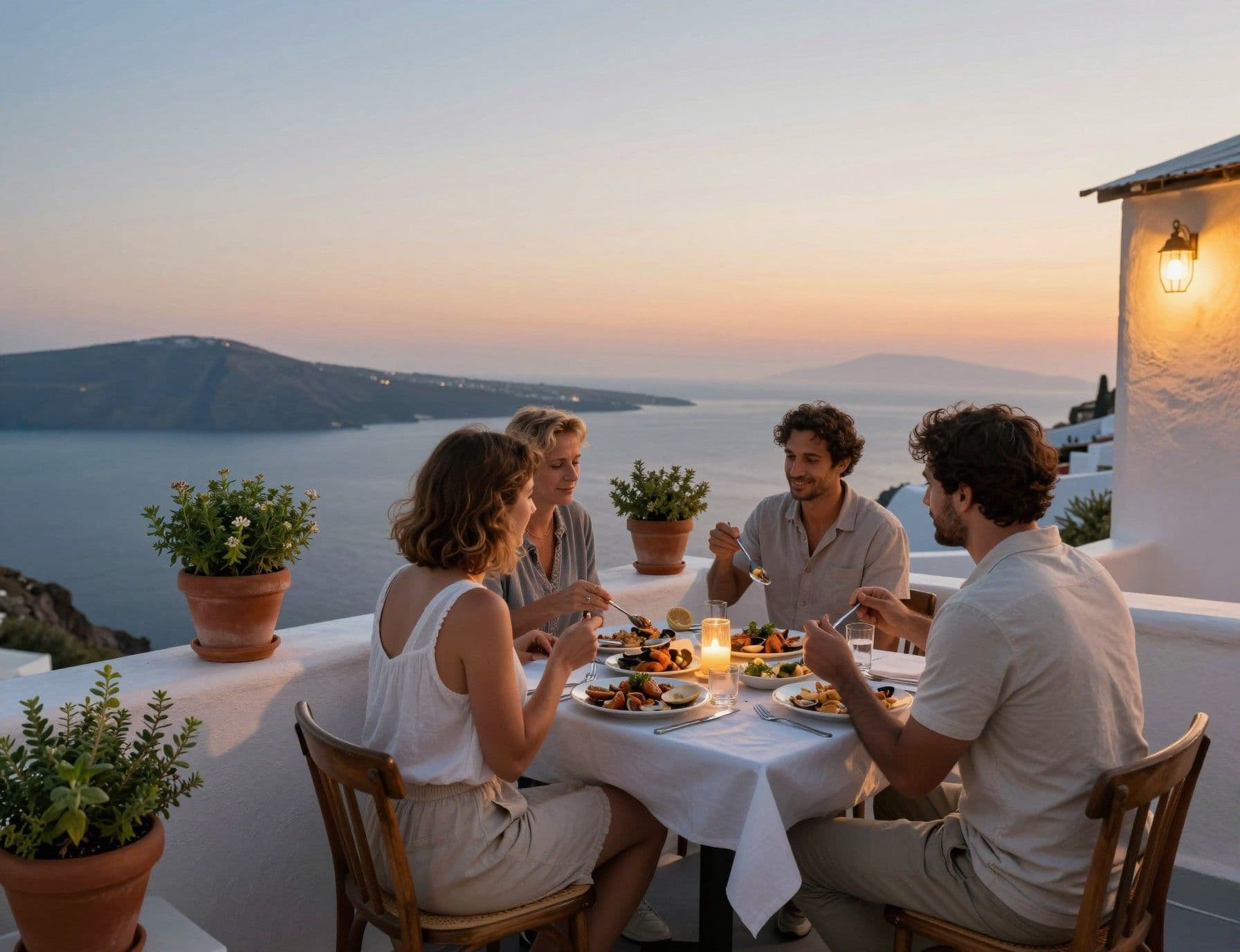
Falling in love with the lifestyle is step one; step two is matching that life to the right property type and market signal. Greece’s urban house prices rose notably in recent years, with the Bank of Greece reporting double-digit growth earlier and a deceleration into single digits by late 2024. That trend means some central neighbourhoods command premium per‑square‑metre prices, while peripheral districts and regional hubs still offer value. Use official indices as a reality check — they tell you where momentum has already run ahead of fundamentals and where bargains remain.
Property styles and how they shape life
In Athens you’ll find neoclassical apartments with tall ceilings, modern conversions and new-build blocks; on the islands, stone village houses, new villas and low-rise developments dominate. Ceilings, insulation and balconies matter: if you want all‑season comfort, prioritise recent energy upgrades and thick shutters for summer heat and winter storms. For income-focused buyers, RE/MAX data shows rents rising in many central areas — a sign that well-located flats can support steady yields, but you must factor in seasonality and management costs.
Working with local experts who know the rhythm
A local agency gives you more than listings: they translate market rhythm into actionable options, recommend streets that match your morning routines, and spot planning permissions. Because residency-linked programs and regional investment thresholds changed in 2024, local legal counsel and agents are essential to ensure your target property meets residency or rental objectives. Work with an agency that shows recent transaction comparables, can introduce trusted lawyers and tax advisors, and understands island-specific constraints like utility capacity or conservation rules.
- Steps to match lifestyle to purchase (practical + lived-in)
- Spend at least three days in your shortlisted neighbourhoods — mornings, afternoons and evenings — to test noise, market access and community life
- Ask agents for a street-level heritage and utility check: flood risk, water supply, planning restrictions and any conservation orders
- Budget for energy upgrades and legal checks; older properties often need insulation, plumbing and electrical work to meet modern living standards
Insider knowledge: expat truths and tradeoffs
Expats tell a consistent story: the first winter is the reality check. Summer feels infinite; winter tests heating, access and social integration. Tourism growth fuels rental demand and services but also strains resources like water and seasonal labour in certain islands, so factor in local infrastructure when buying. The honest tradeoff is this: you can buy a high-appeal seasonal property or a quieter, more affordable spot that rewards everyday living — pick according to whether you plan to live there full-time or treat it as a seasonal bolt-on.
Language, community and daily rhythms
Learning conversational Greek opens doors — markets, municipal help and neighbours respond differently to those who try. But many services in cities and bigger islands operate in English, so integration often starts in community settings: volunteer at a local festival, join a rowing club, or attend a weekly plateia dinner. These small moves accelerate belonging and make property management easier because you build informal networks for repairs, rentals and trusted recommendations.
Long-term lifestyle vs short-term gains
For a sustained life in Greece, favour properties with water and energy resilience, good community services and reliable year-round transport links. If you buy for yield, expect management complexity — short-term rentals need solid local partners, licensing and contingency plans for off-season vacancy. The Bank of Greece highlights where price momentum may be concentrated; use that to spot streets where buyer demand is already priced in versus neighbourhoods with upside from regeneration projects.
- Red flags to watch for on viewing day
- Irregular ownership records or missing building permits — insist on deeds and a recent cadastral extract
- Unreliable water supply or inadequate septic/drainage on islands — ask the municipality for recent infrastructure works
- Excessive short-term rental reliance in the neighbourhood — check seasonality and community sentiment
Conclusion: live-first, buy-second and use local expertise
Greece rewards buyers who prioritise lifestyle fit over headline price tags. Use the market data — Bank of Greece indices and local rent reports — to test whether a neighbourhood’s premium is for fundamentals or for momentary hype. Spend time on the streets you might call home, choose agents who show recent comparables and trusted lawyers, and plan for seasonal realities. Do that, and you won’t be buying a postcard; you’ll be buying a way of life.
British investor turned advisor after buying in Costa del Sol since 2012. Specializes in cross-border compliance and data-driven investment strategies for UK buyers.